Anxiety: Identifying and Coping With Triggers in the New Year

By: Seunghee (Sunny) Rhew

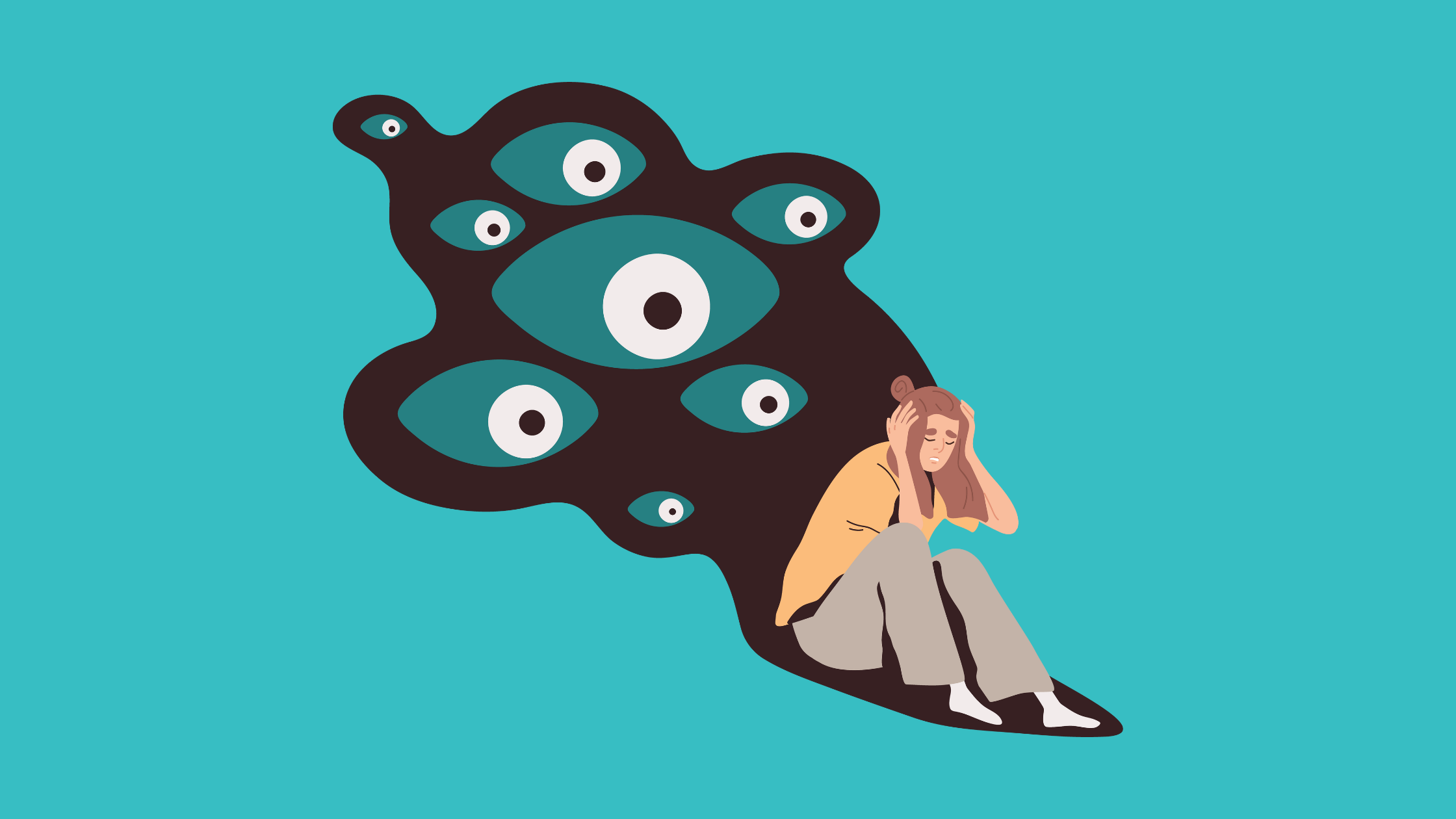
It’s New Year’s Eve. You’re frantically scribbling last-minute resolutions on a scrap of paper, hoping that somehow the clock striking midnight will transform you into a brand-new person with a clean slate. But as you write these big, ambitious goals, a familiar pressure starts to build in your chest. Your mind races: Will I actually be able to do all of this? Am I taking on too much? What if I disappoint myself again?

The questions multiply, pulling you back into memories of the past year—every misstep, every abandoned plan, every moment you felt less than who you wanted to be. Suddenly you’re not just thinking about resolutions anymore. You’re questioning your life choices, your abilities, even your purpose. That’s exactly how anxiety tends to show up: quietly at first, then all at once, flooding your mind with what-ifs and worst-case scenarios.

But the start of a new year doesn’t have to trigger panic or self-doubt. It can be an opportunity to understand your anxiety with more compassion and to build healthier, calmer routines. One of the most effective ways to do that is by practicing mindfulness and grounding—skills that help bring you back into the present moment instead of spiraling into the future or the past!

Some common triggers of anxiety are:

  • Health issues
  • Negative thinking
  • Financial concerns
  • Social events
  • Conflicts with friends, families, and partners
  • Medication
  • Not having a significant other
  • Skipping meals
  • Worries about the future

Some exercises you can do to combat these triggers include…

  • 5-4-3-2-1 Method: Identify 5 things you see, 4 you can touch, 3 you hear, 2 you smell, and 1 that you can taste.
  • 4-7-8 Breathing Exercise: Breathe in through your nose for 4 counts, hold your breath for 7 counts, and exhale through your mouth for 8 counts.
  • Repeat positive statements to yourself: Reciting daily affirmations about yourself might sound like “I am capable,” “I am worthy of love,” “I am safe in this moment,” or “Everything is going to be okay.”

If you or someone you know is struggling with mental health, please contact our psychotherapy offices in New York or New Jersey to talk to one of our licensed professional psychologists, psychiatrists, psychiatric nurse practitioners, or psychotherapists at Arista Counseling and Psychotherapy. Contact our Paramus, NJ, or Manhattan, NY offices respectively, at (201) 368-3700 or (212) 722-1920 to set up an appointment. For more information, please visit https://www.counselingpsychotherapynjny.com/.

Sources:

https://www.calm.com/blog/how-to-be-more-present

https://www.healthline.com/health/anxiety/anxiety-triggers#identifying-triggers

Anxiety: Why Do Negative Things Happen To Me?

Anxiety: The Locus of Control

By Lauren Hernandez

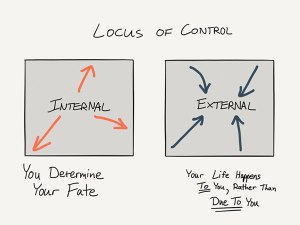
            It is easy to assign blame when something unfortunate happens in life. The locus of control is the perception an individual has regarding their sense of control in life. The way in which an individual perceives a negative event to happen is dependent upon their internal or external locus of control.

An internal locus of control is when an individual believes that the things that happen to them are a product of their own actions or mistakes. An individual with an external locus of control believes random occurrences, environmental factors, or other people are more responsible for events that occur in their life.

Studies have shown that people of high socioeconomic status typically demonstrate an internal locus of control due to their financial stability. Those of low socioeconomic background blame their environment and have an external locus of control. Children typically have an external locus of control because they lack maturity and control of their emotions. As we age, our locus of control develops internally because we are aware of the consequences of our actions. However, some adults continue to demonstrate the external locus of control and blame outside factors. This continuation of external locus of control into adulthood is thought to be caused by lack of maturity, and lack of guidance throughout childhood. It is possible that genetic factors may play a role in an individual’s locus of control in addition to their childhood experiences and their caregivers.

Studies have shown that individuals who have an internal locus of control are more successful in their personal, financial, and social lives compared to people with an external locus of control. An internal locus of control is typically associated with higher rates of health and happiness. An external locus of control may lead to anxiety, depression, and learned helplessness, causing a person distress or other mental health issues.

If you think you might have an external locus of control and believe that this perception is causing you distress or symptoms of depression and anxiety, it is important to reach out to a professional such as a psychologist or psychiatric nurse practitioner. A provider will help you to learn coping skills and how to handle difficult obstacles in life, as well as they will be able to treat your depression or anxiety in the process.

If you or someone you know who may be suffering from depression or anxiety, please contact our psychotherapy offices in New York or New Jersey to talk to one of our licensed professional psychologists, psychiatrists, psychiatric nurse practitioners, or psychotherapists at Arista Counseling & Psychotherapy. Contact our Paramus, NJ or Manhattan, NY offices respectively, at (201) 368-3700 or (212) 722-1920 to set up an appointment. For more information, please visit http://www.counselingpsychotherapynjny.com/ .


Sources:

https://www.psychologytoday.com/us/blog/darwins-subterranean-world/201803/florida-teens-and-the-let-me-talk-the-manager-effect

https://www.psychologytoday.com/us/basics/locus-control

https://www.psychologytoday.com/us/blog/handy-hints-humans/201608/take-back-control-and-reach-the-stars

https://www.psychologytoday.com/us/blog/your-personal-renaissance/201404/how-much-control-do-you-have-in-your-life

Image Source:

https://www.bing.com/images/search?view=detailV2&id=008E323C4EFEF360AB625614E1241444185F12AF&thid=OIP.2bm4WsM3cgl3QRoZzPJanQHaFj&mediaurl=https%3A%2F%2Fwww.cedarcolorado.org%2Fwp-content%2Fuploads%2F2018%2F03%2FCeDAR-Psychotherapy-Locus-of-Control-image-01.jpg&exph=450&expw=600&q=locus+of+control&selectedindex=33&ajaxhist=0&vt=0