OCD & Obsessions

OCD & Obsessions by Nicole Sanchez

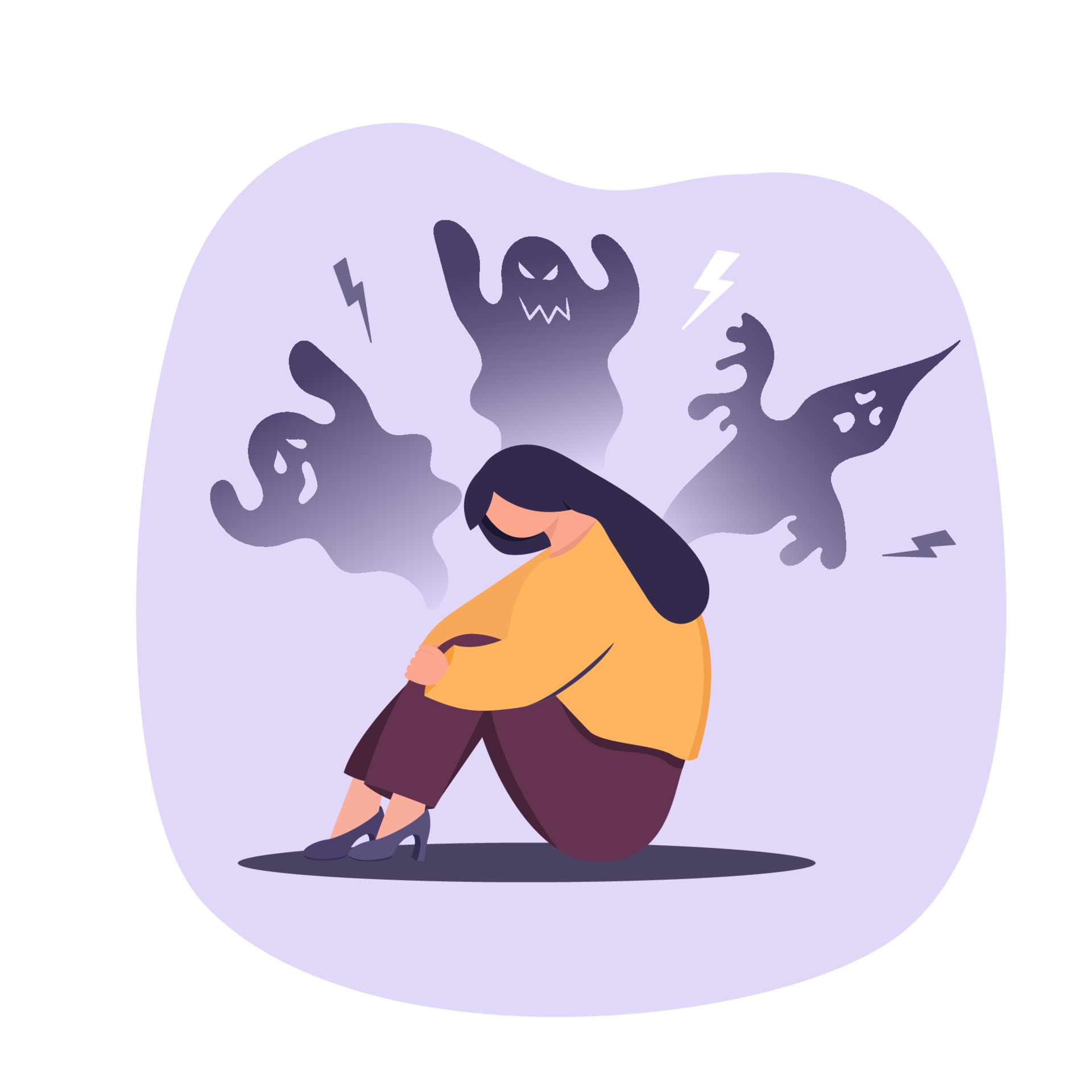
Obsessive compulsive disorder is comprised of a pattern of unwanted thoughts and or fears known as obsessions. These obsessions lead one to do repetitive behaviors, also called obsessions. These obsessions and compulsions interfere with much of one’s daily activities and can cause a lot of distress. Ultimately, one feels driven to carry out compulsive acts to reduce their stress. Examples of common content of obsessional thoughts include the fear of contamination, disturbing sexual thoughts or images, religious and blasphemous thoughts, or ritualized hand washing. Ordering things in a particular way, repeated cleaning of objects or repeatedly checking locks, appliances etc. Compulsions can even include the need to constantly seek approval or reassurance. Often there are peole with OCD that recognize or suspect their obsessional thoughts are not realistic though some may think they could be true.  Even if they are aware of their intrusive thoughts are not realistic, people struggling with OCS have difficulty disengaging from the obsessive thoughts or stopping the compulsive behaviors.

Cognitive behavioral therapy (CBT) is a type of psychotherapy that is effective for many of those that struggle with OCD. Exposure and response prevention (ERP) is a part of CBT therapy which involves exposing a person over time to the feared object or obsession, such as dirt. Then one learns ways not to do their compulsive rituals. ERP takes time and practice, but it has been proven to help those struggling with OCD improve their life quality once they learn to manage their symptoms. Patients with mild to moderate OCD symptoms are usually treated with either CBT or medication depending on their preference. It also depends on their cognitive abilities, level of insight and the presence or absence of associated psychiatric conditions, as well as treatment availability. Hypnosis has often also been used to successfully eliminate OCD symptoms. Hypnosis is a relatively short treatment of several sessions which helps the person rid themselves of harmful, repetitive behaviors.

If you or someone you know is having mental health difficulties and/ or experiencing symptoms of OCD, please contact our psychotherapy offices in New Jersey to talk to one of our licensed professional psychologists, psychiatrists, psychiatric nurse practitioners, or psychotherapists at Arista Counseling & Psychotherapy. Contact our offices at (201) 368-3700 or (212) 722-1920 to set up an appointment. For more information, please visit http://www.counselingpsychotherapynjny.com/

https://www.mayoclinic.org/diseases-conditions/obsessive-compulsive-disorder/symptoms-causes/syc-20354432

https://www.psychiatry.org/patients-families/obsessive-compulsive-disorder/what-is-obsessive-compulsive-disorder

https://www.webmd.com/mental-health/obsessive-compulsive-disorder

Depression vs. Grief: Are you depressed or are you just grieving?

Depression vs. Grief: Are you depressed or are you just grieving?

By, Maro Mikhaeil

Did you experience a loss of some kind, whether it was a loved one, a job, a pet, or even a relationship? Often times, individuals will think that they are experiencing depression when that may not be the case at all. In fact, depression does not solely occur when a traumatic event has occurred but may occur due to genetics or even your environment. However, it may be hard for individuals to distinguish grieving from depression due to the similarities. This is why psychologists or psychiatrists will often ask for your history to determine treatment. Grieving and depression are both characterized by intense feelings of sadness and may have the same cause of trauma and loss. Some individuals may experience both depression and bereavement, commonly known as a process of grief, which causes significant symptoms and functional impairment and is worse than either depression or bereavement alone.

The Differences between Depression and Grief

Depression is characterized by a variety of depressive disorders, such as disruptive mood dysregulation disorder, major depressive disorder, premenstrual dysphoric disorder, substance-induced depressive disorder, medication-induced depressive disorder, and other unspecified and specified depressive disorders. Major depressive disorder is the most common and known type of depressive disorder, as it is the classic condition amongst all the other depressive disorders. It is characterized by depressive episodes that have been occurring for at least 2 weeks and/or longer, which is longer than the grieving process. Major depressive disorder is also more persistent and has more obvious characteristics because individuals will be feeling depressive symptoms everywhere, as opposed to bereavement, which is more of a fluctuating state and varies from person to person. Bereavement entails this grieving process where these negative feelings are accompanied by positive feelings, and as time passes, the wave of negative emotions will spread further and further apart. The grieving process and the associated feelings will also come to an end as the individual fully visualizes their loss through a good recollection rather than a more devastating one.

Treatment options

Despite the differences between the two, major depressive disorder and bereavement are both treatable. Psychotherapy, also known as talk therapy, can definitely treat both major depressive disorder and bereavement. Antidepressants, antipsychotics, and anxiolytics can also target the symptoms of major depressive disorder, and people find them useful in conjunction with psychotherapy.

All in all, it’s important to be mindful of all the similarities and differences and to take action when needed. Your mental health is just as important as your health; you should not let it derail your life, as there is a way out. Remember that you are not alone, as individuals all over the world are experiencing what you may be experiencing right now.

If you or someone you know is experiencing grief or depression, please contact our psychotherapy offices in New York or New Jersey to talk to one of our licensed professional psychologists, psychiatrists, psychiatric nurse practitioners, or psychotherapists at Arista Counseling & Psychotherapy. Contact our Paramus, NJ or Manhattan, NY offices respectively at (201) 368-3700 or (212) 722-1920 to set up an appointment. For more information, please visit https://www.counselingpsychotherapynjny.com

Sources:

https://www.ncbi.nlm.nih.gov/pmc/articles/PMC2691160/#:~:text=Most%20bereaved%20individuals%20experience%20intense,both%20bereavement%20and%20major%20depression.

https://www.verywellmind.com/grief-and-depression-1067237

Diagnostic and Statistical Manual of Mental Disorders Fifth Edition by the American Psychiatric Association (DSM-IV)

Depression: What Does Your Messy Room Say About You?

Depression: What Does Your Messy Room Say About You?

By, Maro Mikhaeil

Are you struggling with maintaining a clean room? A messy room may represent a disorganized mind and high stress levels. FMRI scans have shown that disorganization and clutter negatively impacts the way our brains work. Some may even go as far to say that it can be seen as a depressive episode. Depression has been shown to make it hard for individuals to take care of themselves physically, especially when it comes down to cleaning their bedrooms. Individuals with depression also demonstrate lack of motivation doing their daily tasks. It can take significantly more energy and effort to accomplish even the smallest tasks.

What exactly is depression?

Depression is characterized as a mood disorder that causes one to feel constantly low or sad and may even affect your interest to do certain activities. Symptoms in depression can vary from mild to severe and there are psychological scales that can assess the severity of the illness. Depression can affect anyone even children and adolescents and risk factors ranges from brain chemistry to genetics to environmental factors and even to personality. For instance, you can experience extreme lows, which may lead to depression if you receive a poor score on an exam for which you have been studying and expected a higher score.

Is depression treatable?

Depression is in fact treatable and can be treated by the following ways:

  1. Psychotherapy, also known as talk therapy in which focuses on one’s feelings and past experiences. It may help to talk to someone about your low moments.
  2. Medications like antidepressants, antipsychotics, and anxiolytics may help with symptoms
  3. Hypnotherapy, also known as hypnosis which puts you in a trance-like state to relax you and helps reduce anxiety and stress

And more!

Although cleaning one’s room may be difficult for individuals who are depressed, there is certainly a way through it. Perhaps try cleaning just a small part of your room each day until the entire space is clean. Having your room cleaned might help your depression even more, since a clean environment is proven to improve mood and reduce stress.

If you or someone you know is struggling with depression or mental health, please contact our psychotherapy offices in New York or New Jersey to talk to one of our licensed professional psychologists, psychiatrists, psychiatric nurse practitioners, or psychotherapists at Arista Counseling & Psychotherapy. Contact our Paramus, NJ or Manhattan, NY offices respectively, at (201) 368-3700 or (212) 722-1920 to set up an appointment. For more information, please visit http://www.counselingpsychotherapynjny.com/

Sources:

https://www.psychiatry.org/patients-families/depression/what-is-depression#section_2

https://www1.racgp.org.au/newsgp/clinical/what-does-clutter-do-to-your-brain-and-body

https://www.webmd.com/balance/ss/slideshow-clutter-affects-health

Bipolar Disorder: The Impact on Family Dynamics

Bipolar Disorder: The Impact on Family Dynamics

By, Maro Mikhaeil

Living with a family member who has a mental illness is never fun. Especially when it comes to bipolar disorder, which is a disorder where the individual will have frequent highs and lows. This can sometimes be hard on the family members as they witness their loved one struggle and take it out on the family. Individuals with bipolar disorder often go through many hardships and, unfortunately, may not always want to seek help. This can lead to broken families and trauma for other family members. Some individuals may even go undiagnosed, which leads to more devastating consequences that will derail their lives in significant ways.

Types of Bipolar Disorder:

There are two types of Bipolar Disorder: Bipolar Disorder I and Bipolar Disorder II. Bipolar Disorder I is more severe than Bipolar Disorder II and usually is characterized by several days of insomnia because of mania. Mania is characterized by increased energy, excessively high moods, extreme irritability, racing thoughts, distractibility, spending sprees, and denial that anything is wrong.  As for Bipolar Disorder II, the disorder is characterized as experiencing hypomanic episodes, but it is also accompanied by severe depression-like symptoms just as severe as Bipolar Disorder I. These disorders are treatable with medications and psychotherapy. Medications may include mood stabilizers, antidepressants, and antipsychotics to manage elevated mood and depressed episodes.

What can I do to help a loved one with bipolar disorder?

Although it can be tough to be around someone with bipolar disorder, it is also important to understand the illness and seek out a professional that can help. A person with bipolar disorder usually feels isolated because of the condition and faces obstacles on a daily basis. Supporting a family member who may be suffering from this condition is essential for their recovery. Keep in mind that people with bipolar disorder can still lead fulfilling lives, but strongly depends on their support system and their willingness to get help.

If you or someone you know is struggling with bipolar disorder or has a family member with the disorder, please contact our psychotherapy offices in New York or New Jersey to talk to one of our licensed professional psychologists, psychiatrists, psychiatric nurse practitioners, or psychotherapists at Arista Counseling & Psychotherapy. Contact our Paramus, NJ, or Manhattan, NY, offices, respectively, at (201) 368-3700 or (212) 722-1920 to set up an appointment. For more information, please visit http://www.counselingpsychotherapynjny.com/.

Sources:

https://www.healthline.com/health/bipolar-disorder/bipolar-1-vs-bipolar-2#treatment

https://www.heretohelp.bc.ca/infosheet/bipolar-disorder-effects-on-the-family

Insomnia: What can cause Insomnia?

Insomnia: What can cause Insomnia?

By, Maro Mikhaeil

Insomnia is a sleep disorder that is characterized by trouble falling or staying asleep. According to the Cleveland Clinic, around one in three adults worldwide suffer from insomnia symptoms. Sleeplessness can be classified into two categories: acute and chronic. Additionally, insomnia may be a sign of a number of mental health issues or even medical conditions. There are several factors that might cause insomnia, including genetic makeup, stress, anxiety, caffeine, alcohol, and more.

Stress, whether it is from your job or school, may keep you from falling asleep. Given that anxiety causes a lot of worry, it can also interfere with your ability to sleep. Caffeine can cause insomnia because it blocks the adenosine receptor, preventing sleepiness and disrupting your sleep pattern. Additionally, studies have shown that alcohol consumption can adversely affect REM sleep, which is necessary for consistently getting high-quality sleep. Lastly, maintaining good sleep hygiene is essential since poor sleeping patterns can eventually lead to insomnia.

If you or someone you know is struggling with insomnia or mental health, please contact our psychotherapy offices in New York or New Jersey to talk to one of our licensed professional psychologists, psychiatrists, psychiatric nurse practitioners, or psychotherapists at Arista Counseling & Psychotherapy. Contact our Paramus, NJ or Manhattan, NY offices respectively, at (201) 368-3700 or (212) 722-1920 to set up an appointment. For more information, please visit http://www.counselingpsychotherapynjny.com/

Sources:

https://my.clevelandclinic.org/health/diseases/12119-insomnia

https://www.piedmont.org/living-real-change/how-does-alcohol-affect-your-sleep#:~:text=The%20biggest%20problem%20that%20alcohol,vivid%20dreams%2C%E2%80%9D%20says%20Dr.

https://www.nhsinform.scot/illnesses-and-conditions/mental-health/insomnia%20-%20causes

Anxiety : The Physical Symptoms

Anxiety: The Physical Symptoms

By: Dyami Efroimson

Living with an anxiety disorder is often accompanied by experiencing persistent feelings of worry and panic over miniscule events in one’s life that are difficult to control. Alongside these feelings of worry, a variety of physical symptoms can also be experienced. Although the direct causes of anxiety are unknown, it is explained by the interaction of several factors such as genetics, the chemical makeup of the brain, and the environment.

                Some of the physical symptoms that one may experience during anxiety attacks are heart palpitations, muscle aches and pains throughout the body that have no apparent cause,  dizzy spells, and shortness of breath. These symptoms come in varying degrees of severity and can interfere with everyday life. But why do these physical symptoms occur?

                As stated before, the direct causes of anxiety have yet to be discovered; however, some symptoms can be explained. Muscle aches, for example, are a result tensing the muscles during times of heightened panic. This tensing can lead to a buildup of lactic acid that results in muscle pains almost anywhere in the body. Another result of this state of tension is ‘tension headaches’, which are pains in one’s head that are caused by heightened tension in the body.

                Commonly, those with anxiety experience pains in their chest, heart palpitations and painful tingling in their extremities. Heart palpitations occur when one becomes hyperaware of the quickness or aggression of their own heartbeat. These symptoms are most likely the result of the hyperventilation that occurs during severe anxiety attacks. Rapid breathing results in decreased blood flow, and can lead to a tingling sensation in one’s hand and feet as well as pains in the chest and change in the rate of one’s heartbeat.

                Another physical symptom experienced by those with anxiety is hypersensitivity. This is the tendency to be hyperaware of how different parts of the body feel, so the pains and discomforts that those without anxiety may be able to deal with, are exasperated. The anxious individual pays more attention to these little aches and pains, causing them to become increasingly severe and difficult to ignore.  Muscles may be tender to the touch and individuals can experience chronic pain that doctors may fail to link to a psychiatric disorder

                Living with anxiety does not simply mean feeling nervous, as some may believe. It is a disorder that affects one’s entire body, and interferes with the ability to perform day to day tasks that come easily to others. However, these symptoms can be treated with psychotherapy, CBT (cognitive behavioral therapy), and medication.

If you or someone you know is struggling with anxiety or their mental health please contact our psychotherapy offices in New York or New Jersey to talk to one of our licensed professional psychologists, psychiatrist, psychiatric nurse practitioners, or psychotherapists at Arista Counseling and Psychotherapy. Contact our Paramus, NJ or Manhattan, NY offices respectively, at (201) 368-3700 or (212) 722-1920 to set up an appointment. For more information, please visit http://www.counselingpsychotherapynjny.com/

https://www.mayoclinic.org/diseases-conditions/anxiety/symptoms-causes/syc-20350961

https://www.calmclinic.com/anxiety/signs/aches-and-pains#:~:text=Furthermore%2C%20muscle%20tension%20can%20also,The%20back

https://www.healthline.com/health/hyperventilation#:~:text=Low%20carbon%20dioxide%20levels%20lead,and%20tingling%20in%20the%20fingers.

Autism: Benefits of Early Intervention

Autism: Benefits of Early Intervention

By, Maro Mikhaeil

According to the Centers for Disease Control and Prevention (CDC), 1 in 36 children and 1 in 45 adults are found to have autism in the U.S.

What is autism?

Autism Spectrum Disorder is characterized as a neurodevelopmental condition where challenges with social skills, repetitive behaviors, speech, and nonverbal communication may occur. The CDC says that autism can be detected as early as 18 months and may even go undiagnosed until years later. The earlier the diagnosis, the better, as early intervention is crucial for speech, communication, motor skills, and many more.

What is early intervention?

Early intervention is described as therapeutic services for young children and babies with developmental disabilities. There are many types of early intervention services used, such as speech therapy, applied behavioral analysis, occupational therapy, and more. Early intervention is found to be very beneficial as it addresses many life skills, which in turn makes so much progress for children with ASD in the long run.

It can be difficult to see a loved one struggle with autism spectrum disorder. If you or a family member is struggling with mental health, please contact our psychotherapy offices in New York or New Jersey to talk to one of our licensed professional psychologists, psychiatrists,
psychiatric nurse practitioners, or psychotherapists at Arista Counseling &
Psychotherapy. Contact our Paramus, NJ or Manhattan, NY offices respectively,
at (201) 368-3700 or (212) 722-1920 to set up an appointment. For more
information, please visit
 http://www.counselingpsychotherapynjny.com/

Sources:

https://www.autismspeaks.org/autism-statistics-asd#:~:text=1%20in%2036%20children%20in,diagnosed%20with%20autism%20than%20girls.

https://www.autismspeaks.org/what-autism

https://learning.nspcc.org.uk/safeguarding-child-protection/early-help-and-early-intervention#:~:text=Why%20are%20early%20help%20and,impacting%20a%20child’s%20life%20negatively.

https://behavioral-innovations.com/blog/critical-early-intervention-children-autism-spectrum-disorder/           

Social Anxiety: Social Anxiety vs. Introversion

Social Anxiety: Social Anxiety vs. Introversion

By, Maro Mikhaeil

People often find themselves confusing social anxiety with just being shy. This leaves many individuals go undiagnosed and may even worsen overtime. But what’s the difference?

First and foremost, social anxiety disorder is characterized as feeling symptoms of anxiety when it comes to social situations. Social anxiety is the feeling of being judged by others causing one to feel suppressed and feel unable to express oneself. One who feels symptoms of anxiety when presenting in front of a class or even have trouble making friends may be experiencing social anxiety.

However, introversion can certainly look the same as well. Introversion is characterized as being quiet most of the time in social situations and feeling more energy when spending time alone. An introverted individual spends time alone as a way of recharging for a social event and is a choice as opposed to individuals who experience social anxiety.

Individuals who experience social anxiety want to connect with others but feel held back because of the anxiety that is attached to the idea. They will often use alone time not to recharge themselves but as a way of protecting themselves and ultimately avoiding a social situation altogether.

If you or someone you know is struggling with their mental health, and may be experiencing social anxiety please contact our psychotherapy offices in New York or New Jersey to talk to one of our licensed professional psychologists, psychiatrists, psychiatric nurse practitioners, or psychotherapists at Arista Counseling & Psychotherapy. Contact our Paramus, NJ or Manhattan, NY offices respectively, at (201) 368-3700 or (212) 722-1920 to set up an appointment. For more information, please visit http://www.counselingpsychotherapynjny.com/.

Sources:

https://www.nimh.nih.gov/health/publications/social-anxiety-disorder-more-than-just-shyness#:~:text=They%20feel%20symptoms%20of%20anxiety,of%20situations%20or%20social%20interactions.

https://www.psychologytoday.com/us/basics/shyness#what-causes-shyness

https://mhanational.org/introversion-vs-social-anxiety#:~:text=With%20social%20anxiety%2C%20avoidance%20of,care%20rather%20than%20self%2Dprotection.

Motivation: How to Complete your To-Do List in the Midst of a Depressive Episode

Motivation: How to Complete your To-Do List in the Midst of a Depressive Episode

By, Dyami Efroimson

A major symptom of depression that can make life difficult for those experiencing it is the loss of motivation. Activities one may have enjoyed in the past, no longer bring joy and everyday responsibilities feel impossible to accomplish.  

What Causes This?

With depression, there is a severe lack of dopamine which is responsible for the rewarding feeling we get when we complete at task. This chemical imbalance in conjunction with other factors like lifestyle choices, genetic predisposition, and medication causes a decrease in one’s motivation. The thought of doing any activity can feel overwhelming, causing those struggling with depression to be unable to push themselves to complete even simple tasks.

How does one deal with this lack of motivation?

The key thing is: be patient with yourself. Do not beat yourself up for not being able to do seemingly “easy” tasks. Break the task making you feel overwhelmed into smaller parts that seem a little more doable. For example, if you’re having trouble getting out of bed, start with just sitting up if you are lying down. Or if you need to clean your room, just focus on picking up one piece of clothing off the ground, then another, then another, until you have no clothes left to pick up. By breaking your projects down into simpler tasks, the larger items on your to-do list become a little more manageable. As you complete these bite-sized tasks, your motivation will slowly make its way back as you build healthy habits, and your to-do list will get smaller and smaller.

If you or someone you know is struggling with their mental health please contact our psychotherapy offices in New York or New Jersey to talk to one of our licensed professional psychologists, psychiatrist, psychiatric nurse practitioners, or psychotherapists at Arista Counseling and Psychotherapy. Contact our Paramus, NJ or Manhattan, NY offices respectively, at (201) 368-3700 or (212) 722-1920 to set up an appointment. For more information, please visit http://www.counselingpsychotherapynjny.com/

Depression During The Holidays

Depression during the Holidays

By: Diane Ulloa

Social isolation is one of the biggest predictors of depression and social media has made it so you can watch all your friends and family celebrate from thousands of miles away. According to the American Psychological Association around 38% of people surveyed said their stress unfortunately increased during the holiday season which can lead to physical illness, depression, anxiety, and substance misuse. It is very common to experience depression or anxiety during the holiday season due to the loss of a family member. Stress also accompanies buying gifts, alongside with social anxiety that comes with extended family reunions. People battling with anxiety or depression can feel overwhelmed when they are met with the unrealistic expectations of the holiday season and with financial burdens that may come during this time.

To combat these obstacles, which get in the way of family fun, one can set realistic expectations of the holiday parties, and realistic expectations of one’s own self. You can do this by taking these steps:

  1. Pace yourself: Do not take on more responsibilities than you can handle and this can also be for food and drinking.
  2. Live and enjoy the present: don’t set yourself up for disappointment by comparing the good ol’ days of the past with the present.
  3. Try to find holiday activities that won’t strain your pockets: going on a drive to look at the beautiful lights in a nearby neighborhood, window shopping, and watching good holiday movies.
  4. Make time for yourself, and make time to take your mental health into account. Surrounding yourself with caring people that can understand your daily battles can be very beneficial.
  5. Be careful not to overspend: overspending can lead to depression or anxiety later on down the road.
  6. If you are lonely, try volunteering time to help others, this could be volunteering at your local place of worship or perhaps at a homeless shelter.

If you or someone you know is struggling with their mental health, or has seasonal depression please contact our psychotherapy offices in New York or New Jersey to talk to one of our licensed professional psychologists, psychiatrists, psychiatric nurse practitioners, or psychotherapists at Arista Counseling & Psychotherapy. Contact our Paramus, NJ or Manhattan, NY offices respectively, at (201) 368-3700 or (212) 722-1920 to set up an appointment. For more information, please visit http://www.counselingpsychotherapynjny.com/

Sources: https://www.webmd.com/depression/holiday-depression-stress