ADHD – How to Be Less Overwhelmed

ADHD – How to Be Less Overwhelmed

By: Angy Farhat

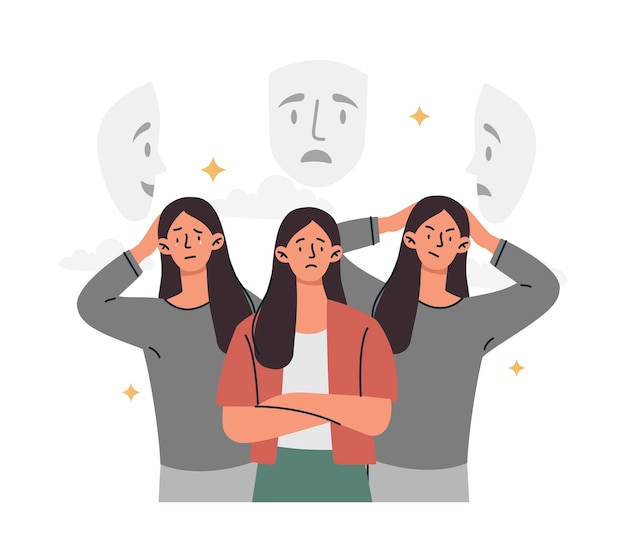
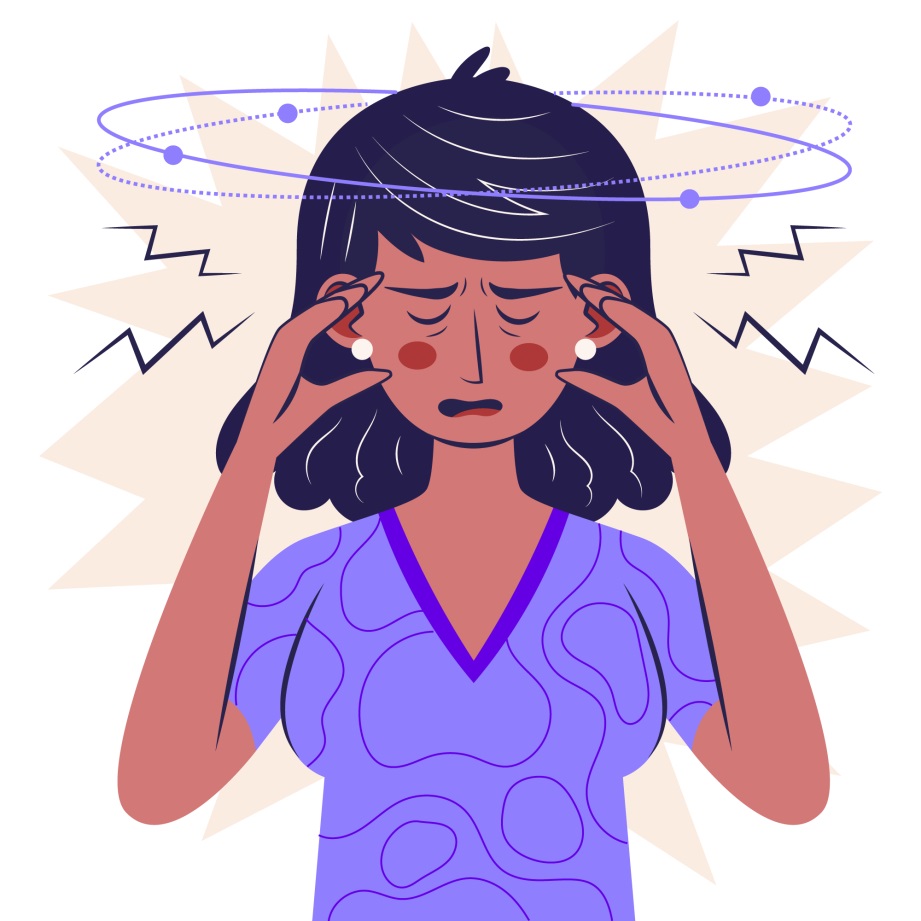
ADHD overwhelm often arises when the brain finds it challenging to handle excessive information, numerous tasks, or overwhelming environmental stimuli. This situation is linked to various executive functioning difficulties, such as issues with planning, starting tasks, organizing, prioritizing, managing time, and regulating emotions. Additional factors like sensory overload, frequent task-switching, procrastination, perfectionism, and sleep difficulties can further contribute to this feeling of overwhelm.

When the ADHD brain becomes overstressed, it may react by either shutting down, becoming hyperactive, or spiraling out—much like the body’s response during fight, flight, or freeze situations. Your mind is attempting to cope with the influx of information while trying to process ongoing events. This reaction can manifest in different ways, such as withdrawing, becoming distracted, or feeling irritable. Ultimately, it’s your brain signaling that it has reached its limit.

Experiencing high-stress levels can push you into this uncomfortable state, and it’s important to recognize when that happens. To help reduce overwhelm, we can start by focusing on lowering your stress levels. Stress often stems from feeling overwhelmed or overloaded. Take a moment to examine how much time you spend scrolling through social media, getting distracted by notifications on your devices, or scrambling to meet deadlines. If you’re looking to reduce that overwhelming stress, it’s essential to slow down, identify the areas where you feel most pressured, and make necessary adjustments.

1. Focus on one task at a time: When we multitask, we stress our brains and exhaust ourselves. Multitasking doesn’t really exist in the brain. Instead, opt for single-tasking as often as possible. You may not be able to eliminate all media multitasking habits but, with single-tasking, you’ll feel more productive and less stressed. Plus, you’ll be able to perform better on what you’re doing.

2. Let Go of Perfection: Striving for perfection is an impossible goal that can lead to unnecessary pressure. It’s important to recognize that nobody is perfect. If you’re interested in self-improvement, consider narrowing your focus to one aspect of yourself that you would like to enhance rather than creating an overwhelming list of changes. Think about areas in your life, whether it’s your morning routine, keeping commitments, or meeting project deadlines, where you’d like to experience greater ease. Approach this process with self-compassion, reminding yourself that progress isn’t always linear—two steps forward and one step back still means you’re moving ahead.

3. Prioritize one self-soothing activity per day: It doesn’t matter what this is. What is important is that you create a list of things that help you fill your bucket and feel calm. Repeated stress and ADHD overwhelm wear you down. So, practice self-care in some way each day. Have a quiet cup of tea, a workout at the gym, a walk around the block, and a short meditation. Make a list of 5-10 things that make you feel good and feel grounded. Exercise is very helpful for doing this.

4. Nurture connections: Spending time with people who love and accept you naturally reduces stress. Laughter, lively conversations, sharing fun activities, and feeling supported increase your happy neurochemicals. Plus, when you engage with others, you are more likely to stop thinking about the stressors in your life and pay attention to what’s happening around you. You give yourself a lift and a healthy distraction at the same time.

5. Set realistic expectations for yourself: Instead of concentrating on goals based on compare and despair, use your internal compass to assess how you are doing and what you want. Consider what you can actually handle versus what you think you should do. Rule out items that seem unrealistic or vague; make things as specific as possible. Being more organized is a great goal, but it isn’t precise enough to lead you to do anything differently. Whereas being more organized with your bills, homework, or work presentations are all more exact and will likely result in more success.

If you or someone you love is struggling with ADHD, please contact our psychotherapy offices in New York or New Jersey to talk to one of our licensed professional psychologists, psychiatrists, psychiatric nurse practitioners, or psychotherapists at Arista Counseling and Psychotherapy. Contact our Paramus, NJ or Manhattan, NY offices respectively, at (201) 368-3700 or (212) 722-1920 to set up an appointment. For more information, please visit http://www.counselingpsychotherapynjny.com/. 

References:

American Psychological Association. (n.d.). ADHD. American Psychological Association. https://www.apa.org/topics/adhd

American Psychological Association. (n.d.). An ADHD diagnosis in adulthood comes with challenges and benefits. Monitor on Psychology. https://www.apa.org/monitor/2023/03/adult-adhd-diagnosis

Beyond BookSmart. (2024, April 24). ADHD overwhelm: Why it happens & how to control it. Beyond BookSmart: ADHD & Executive Function Coaching Online. https://www.beyondbooksmart.com/executive-functioning-strategies-blog/adhd-overwhelm-why-it-happens-how-to-control-it

Stigma Surrounding Therapy

Stigma Surrounding Therapy

By: Maria Koutsothanasis

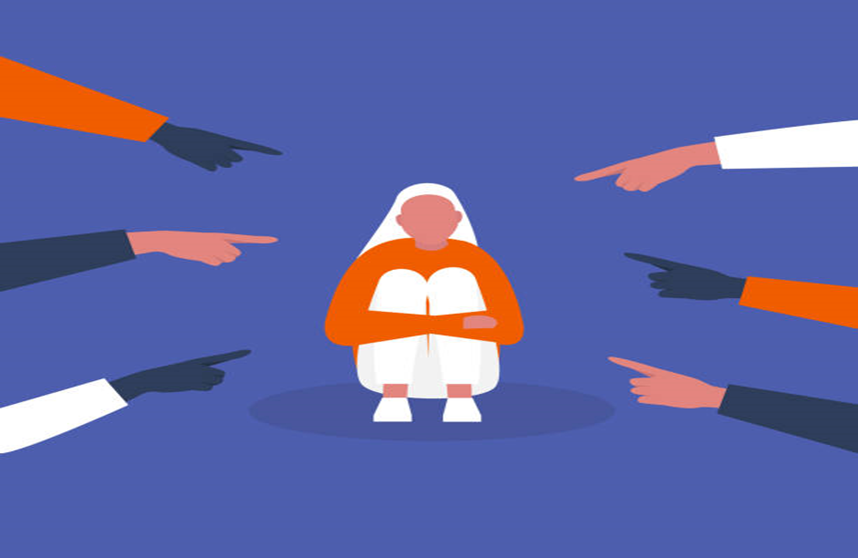
Therapy is a tool that supports individuals struggling with mental health and different aspects of their lives. Despite the growing conversations about mental health, there continues to be stigma surrounding it. Due to the stigma, individuals find it difficult to seek support through therapy due to fear of judgment, shame, or cultural expectations.

Common Misconceptions about Therapy

  1. Therapy is only for “crazy” people.
    Many people still associate therapy with severe mental illness and believe it’s only for those experiencing extreme mental health conditions. Therapy can benefit any individual, regardless of the severity of their situation. Therapy is about growth, coping with life’s challenges, and improving overall mental well-being.
  2. Therapy takes too long or is not effective.
    Some fear that therapy is a lengthy process that will not have results. While the length of therapy depends on the individual’s needs, many individuals find that even a few sessions can lead to meaningful improvements. Therapy is not a quick fix, but it is an investment in long-term mental health.
  3. Only “weak” people need therapy.
    A common misconception is that seeking therapy is a sign of personal weakness. On the contrary, therapy is a sign of strength and courage. Therapy helps individuals confront their emotions and commit to bettering themselves. Many individuals believe therapy to be an invaluable tool for growth; instead, it promotes emotional resilience.

Breaking the Stigma

Breaking the stigma surrounding therapy is essential for creating a more supportive and open environment for society. The idea of seeking therapy can still feel uncomfortable for many individuals due to the misconceptions that treatment is only for those facing serious mental health issues, with therapy often viewed as something reserved for those with severe problems. These misconceptions prevent many from seeking the help they need. By normalizing therapy and highlighting its benefits, an environment can be created where mental health care is as accessible and accepted as physical health care.

If you or someone you know is seeking support, please contact our psychotherapy offices in New York or New Jersey to talk to one of our licensed professional psychologists, psychiatrists, psychiatric nurse practitioners, or psychotherapists at Arista Counseling & Psychiatric Services. Contact our Paramus, NJ or Manhattan, NY offices respectively, at (201) 368-3700 or (212) 722-1920 to set up an appointment. For more information, please visit http://www.counselingpsychotherapynjny.com/

Mayo Foundation for Medical Education and Research. (2017, May 24). Mental health: Overcoming the stigma of mental illness. Mayo Clinic. https://www.mayoclinic.org/diseases-conditions/mental-illness/in-depth/mental-health/art-20046477

Saporito, J. M., Ryan, C., & Teachman, B. A. (2011). Reducing stigma toward seeking mental health treatment among adolescents. Stigma research and action. https://pmc.ncbi.nlm.nih.gov/articles/PMC3839682/

Stigma, prejudice and discrimination against people with mental illness. Psychiatry.org – Stigma, Prejudice and Discrimination Against People with Mental Illness. (n.d.). https://www.psychiatry.org/patients-families/stigma-and-discrimination

Healthy Lifestyle: Promoting Mental Health

Healthy Lifestyle: Promoting Mental Health

By: Maria Koutsothanasis

Maintaining a healthy lifestyle through regular exercise and a balanced diet offers significant benefits for mental health. Physical activity and proper nutrition can enhance mood, reduce stress, and promote overall well-being, improving mental and emotional stability.

The Role of Exercise in Mental Health

Exercise is an effective way to boost overall mental health. When we engage in physical activity, the brain releases dopamine and serotonin; neurotransmitters that play key roles in elevating mood, improving cognition, and reducing feelings of anxiety and depression. Regular exercise also helps to lower cortisol levels, the body’s stress hormone, which can help reduce overall stress.

Exercise can also improve sleep quality, which is crucial for emotional well-being. A good night’s rest enhances cognitive function, memory, and emotional regulation. Additionally, accomplishing exercise goals can increase self-esteem and a positive body image, further supporting mental health.

The Impact of Diet on Mental Health

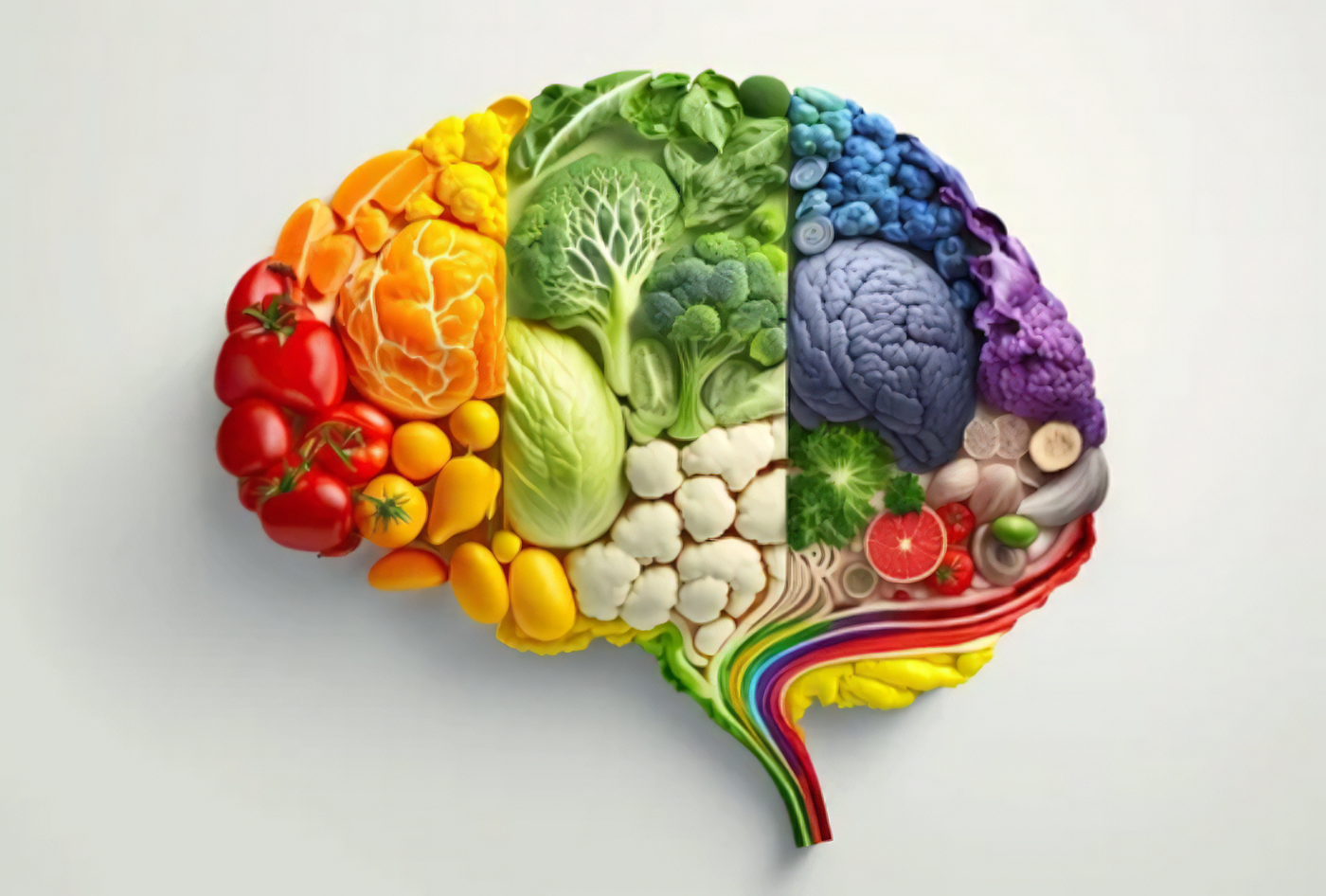
Diet plays an equally important role in mental health. Food provides essential nutrients that support brain function and emotional stability. Food can be a fuel to the body. Healthy and nutrient-filled foods can produce serotonin and dopamine and regulate them. A balanced diet helps stabilize blood sugar levels and prevent energy crashes, which can lead to irritability and fatigue. Foods rich in fiber and probiotics, such as fruits and vegetables, play a key role in emotional regulation.

Exercise and diet together can increase overall mental health. Regular physical activity is a natural treatment for feelings of anxiety and depression. A well-balanced diet provides the energy and nutrients needed to fuel physical activity. Incorporating regular exercise and a healthy diet into daily life can significantly enhance physical and mental health. These habits not only improve mood, reduce stress, and boost self-esteem, but they also support emotional resilience.

If you or someone you know is struggling with depression, anxiety, eating disorders, or other mental health issues, please contact our psychotherapy offices in New York or New Jersey to talk to one of our licensed professional psychologists, psychiatrists, psychiatric nurse practitioners, or psychotherapists at Arista Counseling & Psychiatric Services. Contact our Paramus, NJ or Manhattan, NY offices respectively, at (201) 368-3700 or (212) 722-1920 to set up an appointment. For more information, please visit http://www.counselingpsychotherapynjny.com/

Diet and mental health. Mental Health Foundation. (n.d.). https://www.mentalhealth.org.uk/explore-mental-health/a-z-topics/diet-and-mental-health

Lifestyle to support mental health. Psychiatry.org – Lifestyle to Support Mental Health. (n.d.). https://www.psychiatry.org/patients-families/lifestyle-to-support-mental-health

Understanding the effects of a healthy lifestyle on Mental Health. Penn State Health News. (2021, May 3). https://pennstatehealthnews.org/topics/may-2021-one-group-blog-mental-health/

Anxious Thoughts: How to Quite Them with Simple Self-Talk

Anxious Thoughts: How to Quite Them with Simple Self-Talk

By: Angy Farhat

Have you ever noticed how your anxious thoughts can feel like a loud, persistent soundtrack playing in the background of your mind? They might be vague (“Something bad is going to happen”) or specific (“I might crash my car”), but either way, they tend to disrupt your day and leave you feeling tense and worried. What if you could turn down the volume of these thoughts and take back control?

One powerful technique to combat these overwhelming thoughts is by using self-talk. Anxious thoughts often feel like promises of disaster—dangerous predictions that seem almost certain. But what if you could challenge these thoughts with statements that offer reassurance instead of fear?

Here’s how it works: When you experience a fearful or anxious thought, you can counter it with a more grounded, calming statement. For example, if your anxious thought is “I am in danger,” you can respond with “I am safe right now.” It’s a simple but effective strategy to shift your mindset from panic to calm.

Take John, for instance. He’s driving on the highway, and his anxious thoughts spiral: “This is dangerous… anything could happen… I won’t be able to react in time… people crash on highways all the time.” These thoughts feed off each other, growing louder and reinforcing the feeling that disaster is imminent. The more he believes them, the more overwhelming they become. But here is where self-talk can make a difference. Instead of surrendering to the anxiety, John could pause, take a deep breath, and remind himself, “I’ve driven this highway countless times, and I’ve always been fine.” With this gentle challenge to his anxious thoughts, James gains a sense of control and the volume of his fears starts to decrease.

Think of this like getting rid of an earworm, that catchy song that sticks in your head and won’t go away. When you finally shake it off, you’re left with relief—and space for something more positive. Using self-talk to challenge anxious thoughts is a way to reclaim that mental space. You stop focusing on the worst-case scenario and make room for calmer, more rational thoughts.

Here are a few more examples of how you can challenge anxiety-driven thoughts:

  • “I am in danger” → “I am completely safe in this moment.”
  • “I am going to fail” → “I have succeeded at many things. I typically figure things out.”

The key is to remember that you have the ability to influence your thoughts. By gently confronting your anxious monologue with calm, factual responses, you can reduce its power. Over time, this can help you feel less overwhelmed by anxiety and more in control of your emotional state.

So, next time your anxious thoughts start to rise, try using self-talk to quiet them down and bring yourself back to a place of peace.

If you or someone you love is struggling with anxiety, please contact our psychotherapy offices in New York or New Jersey to talk to one of our licensed professional psychologists, psychiatrists, psychiatric nurse practitioners, or psychotherapists at Arista Counseling and Psychotherapy. Contact our Paramus, NJ, or Manhattan, NY offices respectively, at (201) 368-3700 or (212) 722-1920 to set up an appointment. For more information, please visit http://www.counselingpsychotherapynjny.com/. 

References:

Mindfulness: Living in the Present

Mindfulness: Living in the Present

By: Maria Koutsothanasis

Oftentimes it is easy to feel disconnected or distracted by living in the present. With work, school, or other obligations, it is easy to lose sight of the present time. Dwelling on the past or worrying about the future causes increased feelings of stress and depression. Mindfulness can help refocus on the present events to create a calmer and more focused life.

What is mindfulness?

Mindfulness is the practice of being fully focused on the present moment. By observing your thoughts and emotions, and removing judgment, mindfulness allows you to stay present and create a deeper connection and understanding of yourself.

Mindfulness decreases stress and promotes overall emotional well-being and balance.

  1. Reduces stress and anxiety:

    Mindfulness calms the mind and body by shifting attention away from thoughts that increase stress. Mindfulness interventions such as meditation can lower cortisol levels (a stress hormone) and help people manage anxiety better.

    2. Boosts mental health:

      Mindfulness reduces symptoms of depression, anxiety, and PTSD. It promotes a greater sense of resilience and breaks a cycle of negativity. Through mindfulness, you can manage stress and have control over your mental well-being.

      3. Improves physical health:

      Mindfulness is not only good for the mind but also the body. Regular mindfulness practices have been linked to lower blood pressure, improved sleep, and an overall stronger immune system.

      How to Practice Mindfulness

      1. Mindful Breathing:

          Spending a few minutes a day focusing on your breath calms your mind and helps reduce mental clutter. If you begin to feel anxious, focusing on breathing can reduce these feelings.

          2. Engage in Gratitude:

          Reflecting on things in your life that you are grateful for is a way to shift the perspective of your life in a positive way.

          3. Being present:

          Training your mind to stay present on the tasks that you currently engage in is a way to increase focus, reduce stress, and improve overall satisfaction in life.

          Mindfulness does not require major life changes. It is about being fully present in the moments that make up your day. Incorporating these small changes in your life can lead to reduced stress, improved emotional resilience, and a deeper sense of fulfillment. The small shifts can transform how you experience the world around you and how you feel internally.

          If you or someone you know is struggling with anxiety, depression, PTSD, or other mental health issues, please contact our psychotherapy offices in New York or New Jersey to talk to one of our licensed professional psychologists, psychiatrists, psychiatric nurse practitioners, or psychotherapists at Arista Counseling & Psychiatric Services. Contact our Paramus, NJ or Manhattan, NY offices respectively, at (201) 368-3700 or (212) 722-1920 to set up an appointment. For more information, please visit http://www.counselingpsychotherapynjny.com/

          U.S. Department of Health and Human Services. (2024, June 18). Mindfulness for your health. National Institutes of Health. https://newsinhealth.nih.gov/2021/06/mindfulness-your-health

          Matthews, K. (2023, June 29). Health benefits of mindfulness: 1stCallHEALTH: Primary care providers. 1stCallHEALTH. https://1stcallhealth.com/health-benefits-of-mindfulness/


          Pink Cocaine: What to Know

          Pink Cocaine: What to Know

          By Madison Gesualdo

          There have been a lot of unfortunate headlines in the news recently, with two of the most prominent being the P. Diddy case and the recent death of One Direction star Liam Payne. Both of these unfortunate developments have a common denominator: they involve the presence of a designer drug commonly referred to as “pink cocaine.”

          Pink cocaine, better known to certain users by its street name of tusi, very rarely contains actual cocaine. It is a synthetic substance that can contain a wide variety of drugs including methamphetamine, methylenedioxymethamphetamine (MDMA), opioids, and occasionally cocaine. The one drug that typically is consistently included in pink cocaine is ketamine. The mixture is usually dyed pink using dye or food coloring, yielding its pink color and name. All of the drugs in the mixture are, essentially, crushed up to form a concoction that users can snort. The ratios of the different drugs in pink cocaine can be adjusted on a user-by-user basis so that the drug is ultimately tailored to fit the desires of each individual user. Therefore, there is no universal formula for the making of pink cocaine.

          With the many different formulas of pink cocaine come the many variations in the effects it can have on users. Depending on how much of a certain drug is present in pink cocaine, users of this drug can experience the following potential symptoms:

          • Confusion
          • Hallucinations/delusions
          • Nausea
          • Agitation
          • High blood pressure
          • Shallow breathing
          • Changes in breathing pattern
          • Low body temperature
          • Seizures
          • Changes in sleep patterns
          • Changes in personality
          • Issues with memory/attention
          • Depression and anxiety

          Although this is a fairly new designer drug, it is still contains several highly addictive and dangerous substances. If you or a loved one is suffering from substance use or abuse, it is important to get necessary help to prevent future use of drugs like this and the lasting effects that drug use can have.

          If you or someone you know is struggling with substance abuse, addiction, or other mental health issues, please contact our psychotherapy offices in New York or New Jersey to talk to one of our licensed professional psychologists, psychiatrists, psychiatric nurse practitioners, or psychotherapists at Arista Counseling & Psychiatric Services. Contact our Paramus, NJ or Manhattan, NY offices respectively, at (201) 368-3700 or (212) 722-1920 to set up an appointment. For more information, please visit http://www.counselingpsychotherapynjny.com/

          Glasner, S. (2024, October 30). Pink cocaine is hitting headlines and clubs. Psychology Today. https://www.psychologytoday.com/us/blog/navigating-addiction-recovery/202410/pink-cocaine-is-hitting-headlines-and-clubs

          Juarez, L. (2024, October 22). What is ‘pink cocaine’? Designer drug linked to Liam Payne and named in Diddy lawsuit. ABC7News. https://abc7news.com/post/what-is-pink-cocaine-designer-drug-linked-liam-payne-sean-diddy-combs/15451752/ Wiginton, K. & Begum, J. (2024, May 22). What is pink cocaine? WebMD. https://www.webmd.com/mental-health/addiction/what-is-pink-cocaine

          Depression: What is dysthymia?

          Depression: What is dysthymia?

          By: Josette DeFranco

          Dysthymia is mild but has more long-lasting symptoms than major depression. Dysthymia is also known as persistent depression disorder because it is continuous and long-term. There is no exact cause of dysthymia but biological differences, brain chemistry, life events, and inherited traits can play a role. It has been demonstrated that those with depression don’t have any family history of this disorder and those with a family history of depression don’t struggle with this disorder.

          Some noticeable symptoms of dysthymia:

          • Loss of enjoyment of regular activities
          • Sadness or depressed mood
          • Lack of motivation
          • Tiredness
          • Sleep problems
          • Problems with decision-making or concentration
          • Restlessness and impatient
          • Low self-esteem
          • Overeating or eating very little
          • Suicidal thoughts
          • Substance misuse
          • Relationship difficulties
          • School or work hardships

          Some ways to help prevent dysthymia:

          • Reach out to friends and family
          • Seek medical professional help
          • Work on reducing stress
          • Be patient
          • Be kind to yourself
          • Practice self-care
          • Don’t self-medicate

          If you or someone you know is struggling with their mental health, please contact our psychotherapy offices in New York or New Jersey to talk to one of our licensed professional psychologists, psychiatrists, psychiatric nurse practitioners, or psychotherapists at Arista Counseling & Psychotherapy. Contact our Paramus, NJ, or Manhattan, NY offices at (201) 368-3700 or (212) 722-1920 to schedule an appointment. For more information, please visit https://aristapsychiatrypsychotherapy.com/

          Resources:

          https://www.webmd.com/depression/chronic-depression-dysthymia

          https://www.mayoclinic.org/diseases-conditions/persistent-depressive-disorder/symptoms-causes/syc-20350929

          Depression: Postpartum Depression

          Depression: Postpartum Depression

          By: Josette DeFranco

          Postpartum depression is a vulnerable time for a woman’s health. Many women are experiencing mood changes and are expected to have an amazing transition into motherhood. However, many women struggle with mental health issues after giving birth. It’s important to spread awareness and show support to the women who are struggling with postpartum depression.

          Postpartum depression symptoms start to occur four to six weeks after giving birth and can gradually decrease as time goes on. Nonetheless, depression can reoccur within three years after pregnancy or giving birth. Some common symptoms of postpartum depression can be intrusive, unwanted thoughts and postpartum rage.

          Here are some ways to help someone you know or who is struggling with postpartum depression:

          • Seek help from a licensed mental health professional
          • Look for a community to help you in both emotional and practical ways
          • Practice mindfulness and relaxation therapy
          • Use positive affirmations and be more kind to yourself
          • Practice skin-to-skin care which can help with reducing the stress hormone cortisol
          • Avoid alcohol or recreational drug use
          • Eat healthy
          • Prioritize rest for yourself
          • Gaining more knowledge about postpartum depression

          If you or someone you know is struggling with their mental health, please contact our psychotherapy offices in New York or New Jersey to talk to one of our licensed professional psychologists, psychiatrists, psychiatric nurse practitioners, or psychotherapists at Arista Counseling & Psychotherapy. Contact our Paramus, NJ, or Manhattan, NY offices at (201) 368-3700 or (212) 722-1920 to set up an appointment. For more information, please visit https://aristapsychiatrypsychotherapy.com/

          Resources:

          https://www.psychologytoday.com/us/blog/parenting-translator/202306/how-to-improve-postpartum-mental-health

          Postoperative Cognitive Dysfunction

          Postoperative Cognitive Dysfunction

          By Madison Gesualdo

          Postoperative cognitive dysfunction (POCD) refers to a decline in neurocognitive function from a patient’s baseline functioning that occurs in individuals who undergo surgical processes and are put under anesthesia. Postoperative cognitive dysfunction complicates a patient’s central nervous system, delaying their neurocognitive recovery process as a whole. Individuals who endure POCD typically experience issues with their attention span, memory, learning, perception, executive functioning, and motor skills. POCD is not to be confused with postoperative delirium; while postoperative delirium is an acute state of neurocognitive functioning lasting approximately 1-3 days post-surgery, POCD typically persists longer, lasting weeks, months, or in some cases, years.

          While POCD is not yet a formal psychiatric diagnosis, it is characterized by the DSM-5 as a mild neurological disorder, falling under the cognitive impairment classification. POCD occurs in roughly 10-54% of patients within the first few weeks of surgery.

          A variety of risk factors for POCD have been identified, including advanced age, severity of the surgery being performed, type and amount of anesthesia being used, electrolyte imbalance, and pre-existing conditions (such as dementia and diabetes). These factors are examples of factors that would put a patient at higher risk for suffering from POCD after his or her surgery.

          Although no specific treatment exists for postoperative cognitive dysfunction, different treatment methods have proven to reduce the effects of the condition. These methods include, but are not limited to:

          • Anti-inflammatory drugs
          • Biologically active substances
          • Surgical techniques and anesthesia best suited to fit the specific patient being operated on
          • Improving a person’s cognitive functioning prior to surgery

          If you or someone you know is struggling with mental health issues, please contact our psychotherapy offices in New York or New Jersey to talk to one of our licensed professional psychologists, psychiatrists, psychiatric nurse practitioners, or psychotherapists at Arista Counseling & Psychiatric Services. Contact our Paramus, NJ or Manhattan, NY offices respectively, at (201) 368-3700 or (212) 722-1920 to set up an appointment. For more information, please visit http://www.counselingpsychotherapynjny.com/

          References:

          Brodier, E. A., & Cibelli, M. (2021). Postoperative cognitive dysfunction in clinical practice. BJA Education, 21(2), 75–82. https://doi.org/10.1016/j.bjae.2020.10.004

          Spriano, P. (2024, September 9). What do we know about postoperative cognitive dysfunction? Medscape Medical News. https://www.medscape.com/viewarticle/what-do-we-know-about-postoperative-cognitive-dysfunction-2024a1000g9b?ecd=WNL_trdalrt_pos1_240909_etid6816496&uac=445328CY&impID=6816496

          Zhao, Q., Wan, H., Pan, H., & Xu, Y. (2024). Postoperative cognitive dysfunction-current research progress. Frontiers in Behavioral Neuroscience, 18, 1328790. https://doi.org/10.3389/fnbeh.2024.1328790

          What Not To Say To Your Grieving Friend

          By: Tehila Strulowitz

          After hearing the tragic news of a death, there are three possible reactions the bereaving person could have to our response: feel even sadder, become angry, or feel reassured that things will be okay. We, as the reactor who is not directly experiencing their exact loss, want nothing more than to miraculously attain Merlin’s wand, and magically make their sadness, pain, confusion, and grief disappear. We just want to make it better. But for some reason, a completely inoffensive, caring response seems like it’s a fictional, fantastical possibility.

          With a response that knocks us loving, caring people to our knees, Litsa Williams, licensed clinical social worker and creator of an online grief community called What’s Your Grief, says that none of our well-thought-out poignant phrases, earnest lamentations, or solemn sorrow at the beginning of the grieving process “can’t make it even a little bit better.” To prove her point, Williams brought some examples of common, pithy sayings that people say and the counterexamples of the griever’s possible thoughts in response:

          Well-meaning person: “He/she is in a better place now.” Grieving person: I couldn’t care less! I want them here with me now!

          • What we learn: Closely following the death, a grieving person won’t find comfort in other people telling them that their loved one is “in a better place.” At that moment, they just want them back, and think there is no “better place” than being right here on Earth with them. It can also perpetuate confusing thoughts they are having about an afterworld, and it may induce guilt because they believed their whole lives that Heaven is a good place, but right now they don’t want that loved one to be in Heaven – they want them here.

          Well-meaning person: “I know how you feel.” Grieving person: No losses are the same. Stop trying to compare your pain to my current pain. You can’t possibly feel exactly what I am feeling.

          • What we learn: Comparing grief doesn’t get anyone anywhere. Even if you might think that it’s rational that you lost your loving mother and so did your friend, your friend isn’t in the headspace to start having that conversation. They want to be comforted – not told that their grief is comparable to yours, or anyone else’s, for that matter.

          Well-meaning person: “It will get easier.” Grieving person: It’s impossible for me to forget the person I love, and will never move on from this strong, intense grief! It would be wrong to do that to them and their memory!

          • What we learn: Williams points out, “Remember, this list is not about things that aren’t true.  It is about things that aren’t helpful to say.” Rationally, we know that most people learn to live with the grief, and the pain doesn’t feel as strong or new over time, but when that bereaved person is still processing the death and feeling the fresh, raw sting of the loss, they want nothing other than for someone to recognize, accept, and hold their hand through their current reality. Additionally, they may feel like it’s unjust or cruel to start healing and “moving on” from the one they are grieving. They probably won’t want to even imagine the possibility of letting go of that pain to some extent. Giving them the space to feel their grief at the moment is crucial so that they know that your intentions are to be there if they ever need a shoulder to cry on, a hand to squeeze, or some more tissues delivered, and not to be imposing or offering what you think to be wisdom but they think to be insulting, hurtful, or condescending.

          Well-meaning person: “God has a plan,” “It was God’s will,” or “Everything happens for a reason.” Grieving person: Why would God plan or will something so painful to someone? Why would God make us suffer and feel pain like this? I don’t care if this is God’s plan or not – it sucks.

          • What we learn: Many do find it comforting to think that there is a greater plan that God has for them. However, the grief and intense pain they feel now might cause them to doubt, or even hate, God, religion, or even their faith and beliefs as a whole. These troubling thoughts can even occur in the minds of very religious people. Williams says that it can even cause faith-based doubts in the minds of those who do not consider themselves religious. To sum up, Williams says, “Better safe than sorry – steer clear.”

          Essentially, grieving people are uninterested in comparing or doubting anything. They just want to be listened to. Williams suggests doing things to remove stress and help them feel at ease during the process, whether that be sending over meals, arranging for childcare, or helping financially by collecting funds for the funeral costs, just to name a few. Frequently, those grieving don’t remember what you said, so don’t worry about possibly hurting a grieving friend or loved one in the past. Just focus on listening, being sympathetic, and loving.

          While experiencing feelings of grief, some may have difficulties such as trouble sleeping, concentrating, eating, anger, extreme sadness, difficulty socializing, drinking alcohol, smoking, or using drugs, just to name a few. Some disorders related to grief or losing a loved one include acute stress disorder, depression, generalized anxiety disorder, panic disorder, post-traumatic stress disorder, prolonged grief disorder, and substance use disorder.