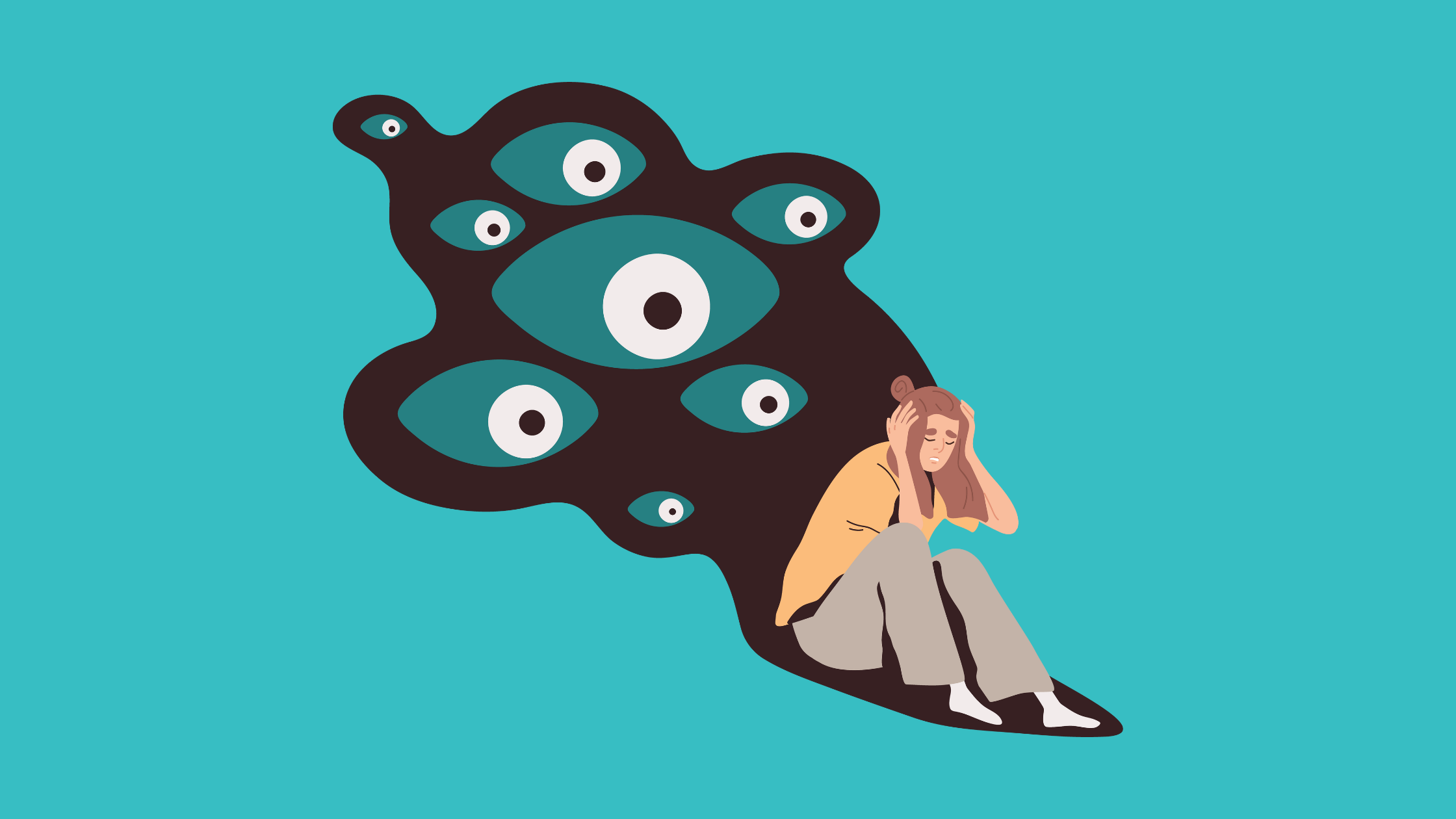
Obsessive Compulsive Disorder: What is OCD?

By Danielle Mendler

        Obsessive-Compulsive Disorder is a disorder where obsessions lead to compulsive behavior. These obsessions take the form of intrusive thoughts that cause discomfort, anxiety, and stress. The compulsions that follow these thoughts are actions that people struggling with OCD take to relieve those intense unpleasant feelings.

A notorious OCD stereotype is washing hands. Someone with Obsessive Compulsive Disorder may get an intrusive thought into their head along the lines of “You haven’t been careful enough today. You have to wash your hands again because you didn’t do it right the first time. If you don’t you will get everyone you love sick because YOU weren’t careful.” These thoughts consume those with OCD and the victim will believe everything this voice is telling them. Therefore, to stop the anxiety and guilt, they will wash their hands over and over again until it feels right. This will repeat multiple times a day causing extreme stress on this person and getting in the way of their daily routine.

            However, OCD isn’t always about staying clean or being organized. These obsessions can take the form of anything. This disorder attacks what the victim cares about most. An example is Scrupulosity. Scrupulosity is when people have intense OCD attacks on their religion and morals. This will happen when a person is extremely invested in their faith. The disorder overtakes what they enjoy and causes stress and chaos to it, making them feel like they will never be kind enough or religious enough. Some OCD takes the form of more irrational thoughts and actions that don’t always make sense to everyone else except them. People will believe that if they don’t knock on the floor four times, somebody they love will get hurt, just because their brain is telling them that. This obsessive thought causes enough internal conflict to result in the victim committing the compulsion of hitting the floor. It may seem harmless but these thoughts and actions over take people lives.

            Obsessive Compulsive Disorder can create many obstacles in daily life. People with OCD have trouble showing up on time to school or work, because they compulsions made them late. They can be under a constant state of stress and can have panic attacks over triggering words/actions that may not have significance to anyone else. If their compulsive actions include any physical activity (scratching, washing, etc.) it can cause bodily harm.

            Obsessive Compulsive Disorder is a very serious mental health crisis that affects people daily. If you or someone you know is struggling with OCD or any other stress please contact Arista Counseling and Psychological Services at 201-368-3700.

Relationships: How does mental illness affect romantic relationships?

By: Mara Gonzalez

Romantic relationships are characterized as a form of connection through physical, emotional, sexual, mental attraction and intimacy towards one another. With strong feelings for each other, romantic relationships lead to strong commitment bonds. But romantic relationships aren’t always perfect. Over 40 million people in the United States, alone, are suffering from a mental disorder such as depression, anxiety, or bipolar disorder (Stein). Mental disorders can affect a person’s life in many different ways, including a romantic relationship. Since intimate relationships require attention from both parties, the function and stability of the relationship can vary if one of the partners is affected by a mental disorder. As some of mental illness can affect day-to-day functions, relationships can be affected by the wellbeing of one or both of the partners.

Although every person diagnosed with a mental disorder can experience different symptoms, some common signs of a mental disorder can be loss of appetite and sleep, extreme mood swings, burnout, increase/decrease of certain emotions, unhealthy coping habits and/or unusual emotional outburst. One example of how the effect on the relationship can be seen is codependency. Due to the unstable emotions, the person affected by a mental disorder might need to rely on their partner for everyday things like needing help to:  

  • Stay balanced with a healthy eating style
  • Getting a good number of hours of sleep
  • Setting appropriate boundaries
  • Enabling healthy behaviors

A fear that is common amongst people with a mental health issue and their romantic relationship is pushing the other partner away. Dealing with a mental disorder is not easy, and can negatively consume a person’s life. The fear of pushing your partner away comes from not knowing if you would be accepted by your partner due to your mental health issue(s), if your partner is willing to help you and your needs, if your partner is okay with intimacy, and many more. Tory Miller, a Clinical Program Manager at Diversus Health, stated, “Sometimes we have our own stigma associated with disclosing our mental health struggles. We hesitate to share with our partner for fear of pushing them away”.

Disclosing a mental health disorder is important because it helps keep the trust and open communication, as well as having a stable foundation in the relationship. It can be seen as healthy to disclose mental health disorders so your partner is not confused by your symptoms and is able to provide adequate support for you and give you a safe place to be yourself. It is important to understand that all relationships have struggles and challenges, and it may be a good idea to establish reliance and healthy boundaries.

Sources: Stein, Catherine H et al. “Strengths, Struggles, and Strategies: How Adults with Serious Mental Illness Navigate Long-Term Romantic Relationships.” Community mental health journal vol. 60,7 (2024)

“How Mental Illness May Affect Relationships.” Edited by Diversus Health, How Mental Illness May Affect Relationships – Diversus Health, diversushealth.org/mental-health-blog/how-mental-illness-may-affect-relationships/.

If you or someone you know is struggling with mental health, please contact our psychotherapy offices in New York or New Jersey to talk to one of our licensed professional psychologists, psychiatrists, psychiatric nurse practitioners, or psychotherapists at Arista Counseling and Psychotherapy. Contact our Paramus, NJ, or Manhattan, NY offices respectively, at (201) – 368-3700 or (212)-722-1920 to set up an appointment. For more information, please visit https://www.counselingpsychotherapynjny.com/

Self-Esteem: The Impact of Cyberbullying in Teenagers

Self-Esteem: The Impact of Cyberbullying in Teenagers

by: Mara Gonzalez

Now a days, it is common to see teenagers and young adults owning a cellular device. Teenagers are most likely to be on social media accounts in order to stay updated on the latest social news, and celebrity’s lives, watch funny videos, research informational findings, and chat with friends or strangers. Social media is commonly use to keep in contact with an old friend or partner, stay in touch with a friend living far away, and much more. But unfortunately, there is a down side of social media.

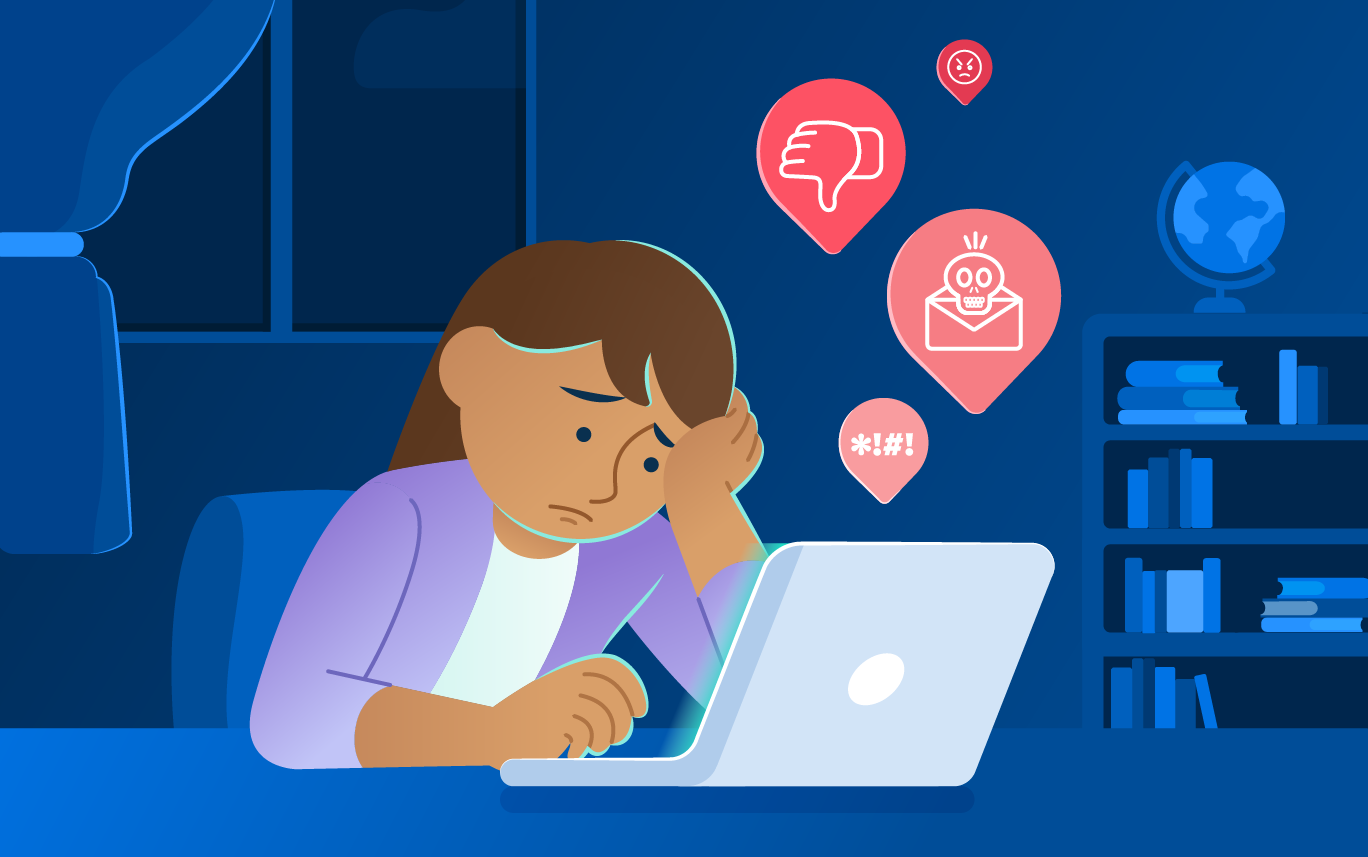
            Cyberbullying has been around since the beginning of messaging applications. Cyberbullying is a form of harassment done to an online user, appearing in different forms like aggressive behavior, blackmail, hateful messages/comments, or breach of privacy. This has been a huge problem in the United States for teenagers and young adult’s self-esteem as some comments can be directed at physical appearances and looks. This can lead to feeling self-conscious about one’s body and style of clothing. Due to hateful messages and comments, teenagers can struggle seeing themselves fit into society’s standards and they start to feel “not good enough”. There have been many cases when teenagers start developing mental disorders like depression, anxiety, suicidal intentions and psychological distress due to cyberbullying.

            Anybody can be a victim of cyberbullying. Cyberbullying can cause irreversible damage to younger online user’s self-esteem and confidence. When using social media, cyberbullies can choose to present their own identity or choose a fake identity, which is more frequently seen online. This means that around 44% of online users do not disclose their identity making it easier to target and cyberbully other online users without sharing who they really are. “Hiding a behind a screen” is an infamous phrase used to describe users that choose to cyberbully others online.

            In order to prevent cyberbullying from continuing to happen, there have been worldwide public campaigns, movements, online activism, victim support, school programs and social media hashtags. Spreading awareness is very important, in the online world, because it helps prevent cyberbullying from continuing causing harm others. Choose to support one another. “Courage is fire and bullying is smoke”- Benjamin Disraeli.

If you or someone you know is struggling with mental health, please contact our psychotherapy offices in New York or New Jersey to talk to one of our licensed professional psychologists, psychiatrists, psychiatric nurse practitioners, or psychotherapists at Arista Counseling and Psychotherapy. Contact our Paramus, NJ, or Manhattan, NY offices respectively, at (201)-368-3700 or (212)-722-1920 to set up an appointment. For more information, please visit https://www.counselingpsychotherapynjny.com/

Beautiful yet Tragic: Marilyn Monroe’s Lifelong Struggle with Mental Illness

By: Rachel Wang

Marilyn Monroe, born Norma Jeane Baker, was a glamorous Hollywood actress who became known for her iconic “blonde bombshell” role in the 50s and 60s. Alluring, radiant, and successful, she presented a seemingly flawless image of femininity and class. What could have driven such a talented young woman to end her own life? And what are the implications for mental health awareness in a society that prioritizes the perfectly curated image over authentic emotional wellbeing?

Beneath the pop culture icon’s surface was a deeply troubled woman with a turbulent childhood. Norma Jeane’s family had a history of mental illness. Her grandmother suffered from manic-depressive illness and died in a psychiatric hospital; her great-grandfather died by suicide. Her own mother was diagnosed as manic-depressive and later as paranoid schizophrenic, being hospitalized several times and eventually institutionalized when Norma Jeane was only 8 years old. As a result, Norma Jeane lived in as many as twelve different foster homes, and was sexually abused by her foster parents in two of them. Despite later creating a character that would captivate the country, Monroe struggled with various mental illnesses and substance abuse throughout adulthood, and would later die from a barbiturate overdose at only 36.

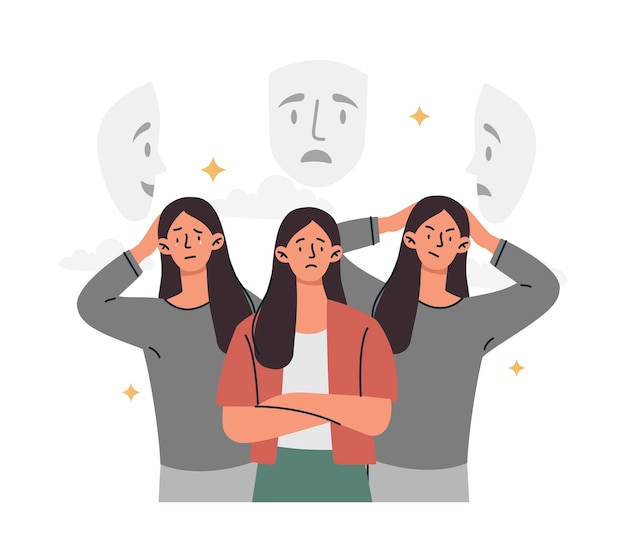
Based on a biographical review written by psychiatrists and clinical psychologists, it is highly suspected that she suffered from Borderline Personality Disorder (BPD). BPD is characterized by unstable moods, impulsivity, a distorted self-image, and trouble with interpersonal relationships. It is also highly probable that she developed Post-Traumatic Stress Disorder (PTSD) due to her childhood abuse. The accumulation of traumas, combined with the presence of BPD, may have led to the development of complex PTSD (cPTSD), which is associated with a high risk of suicide.

Beautiful yet tragic, Marilyn Monroe’s story highlights an important truth: Anyone can be struggling with hidden challenges, no matter how perfect or fine they might seem on the surface. It is crucial to check in on your loved ones to ensure they get the help they need, whether it be therapy, medication, or both. The growing awareness and de-stigmatization of mental health in today’s society have made resources more accessible than ever—offering support that can save lives.

If you or someone you know is struggling, please contact our psychotherapy offices in New York or New Jersey to talk to one of our licensed professional psychologists, psychiatrists, psychiatric nurse practitioners, or psychotherapists at Arista Counseling and Psychotherapy. Contact our Paramus, NJ, or Manhattan, NY offices respectively, at (201) – 368-3700 or (212)-722-1920 to set up an appointment. For more information, please visit https://www.counselingpsychotherapynjny.com/

References:

Dell’Osso, L., Carpita, B., Luche, R. D., Lorenzi, P., & Amatori, G. (2023). The Illness Trajectory in Marilyn Monroe’s Psychological Autopsy: From Autism Spectrum Disorder to Borderline Personality Disorder and Bipolar Disorder with Catatonia. Clinical neuropsychiatry20(6), 505–510. https://doi.org/10.36131/cnfioritieditore20230605

Effects of Social Media on Mental Health

Effects of Social Media on Mental Health

By: Jessica Radfar

Social media offers many advantages, allowing people to stay connected with friends and family regardless of location. It also provides quick and easy access to information, including news and current events. However, despite these benefits, social media can negatively impact mental health. Here are some reasons why.

  • Fear of Missing out (FOMO): Constantly checking to see what others are doing can lead to feelings of fear and missing out. This can create anxiety and unrealistic expectations about how we “should” be living.  
  • Self-Image: Social media often promotes idealized images using filters to change appearances online. This can affect our mental health by comparing ourselves to others or seeking acceptance from our posts on social media through likes and comments.
  • Self-Esteem: Watching other people’s seemingly perfect lives can result in feelings of insufficiency and low self-worth.
  • Cyberbullying: Exposure to harassment and negative comments on social media can lead to feelings of isolation and increased stress.

To help with this, prioritize your well-being. Here are some ways to do that.

  • Limit Screen Time: Use features on your phone to set daily time limits on social media apps.
  • Schedule Yourself Screen-Free Time Daily: Set aside part of your day, whether it is during meals, time at the gym, or with friends, where you are completely offline and present.
  • Put Your Phone on Do Not Disturb: This will help eliminate distractions and checking notifications.
  • Avoid Social Media Before Bed: The blue light on our phones can disrupt our sleep, which is crucial for our mental health.

If you or someone you know is struggling with mental health, please contact our psychotherapy offices in New York or New Jersey to talk to one of our licensed professional psychologists, psychiatrists, psychiatric nurse practitioners, or psychotherapists at Arista Counseling and Psychotherapy. Contact our Paramus, NJ, or Manhattan, NY offices respectively, at (201) – 368-3700 or (212)-722-1920 to set up an appointment. For more information, please visit https://www.counselingpsychotherapynjny.com/

References

Dalomba, F., About the Author: Frances Dalomba, Author:, A. the, Ead, A., Craine, R., & Paccione-Dyszlewski, M. R. (2022, March 1). Pros and cons of Social Media. Brown University Health. https://www.brownhealth.org/be-well/social-media-good-bad-and-ugly

Hospital, B. (n.d.). 7 ways social media can affect mental health. Butler Hospital. https://www.butler.org/blog/7-ways-social-media-can-affect-mental-health

Panic Attacks; Physical Symptoms & How to Manage them

Panic Attacks; Physical Symptoms & How to Manage Them

Panic Attacks: Physical Symptoms & How to Manage Them

By: Sydney White

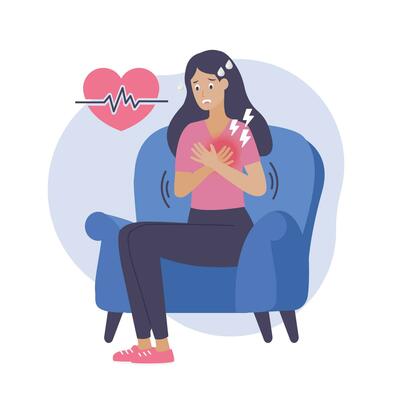
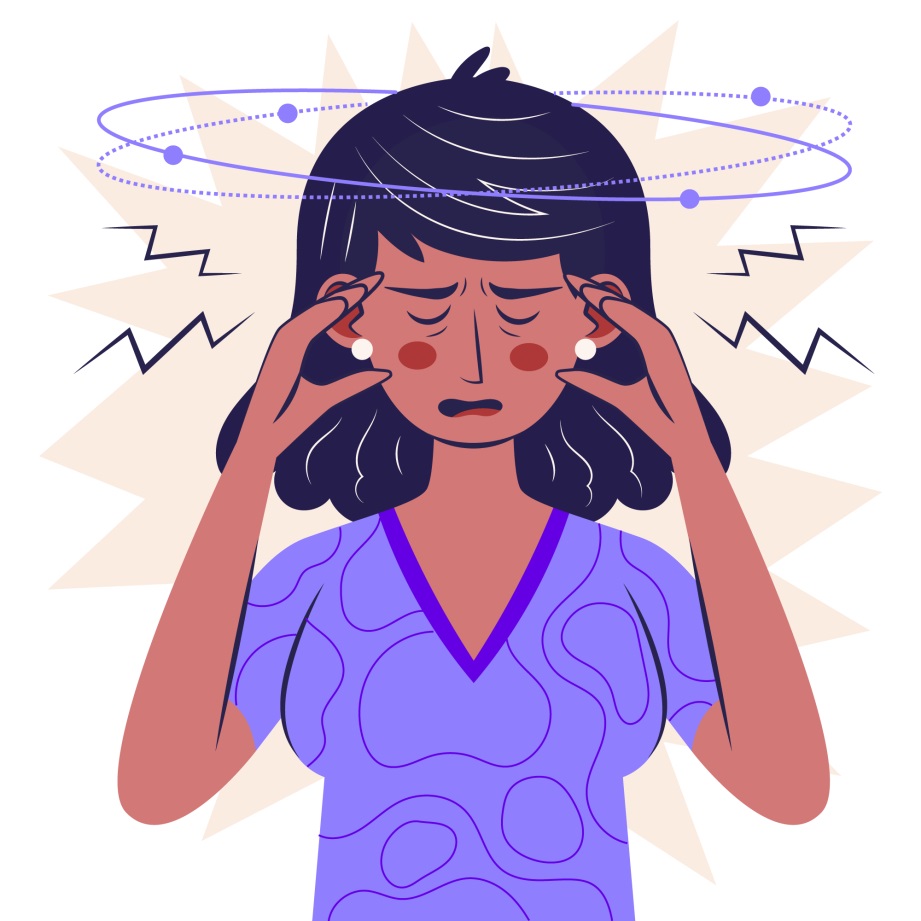
            Panic Attacks are your body’s natural response to fight or flight. They usually last only a few minutes, even though it feels much longer. This overwhelming bodily reaction can be triggered by a multitude of reasons caused by severe anxiety. Symptoms can manifest in various ways, depending on the individual. Psychological symptoms such as fear and dread persist throughout panic attacks and are usually accompanied by physical symptoms. Physical symptoms can include increased heart rate, shaking, sweating, lightheadedness, or shortness of breath. Some individuals experience multiple symptoms during panic attacks, and others will not experience them at all. During a panic attack, you will feel these intense symptoms, often enhancing the anxiety, intensifying the panic attack. This creates a constant cycle that becomes difficult to break.

            Breaking the cycle is key to taking control of your mind and body when you find yourself in one of these situations. Remember, you are in control, not the other way around. Erratic breathing is a prevalent symptom for most people who experience panic attacks. A common method is Box breathing, to regulate your breathing. There are many videos explanations online for further instructions, but in short, you begin by inhaling slowly through your nose for four seconds, hold your breath for four, exhale slowly through your mouth for four, and then hold your breath again for four. There are many different breathing techniques that are helpful in helping to calm your body down from a panic attack. Deep breathing is one of the fastest ways to come down from a state of fight-or-flight, but takes patience and practice to master. Some people struggle with breath practice and can benefit from other techniques such as muscle relaxation and methods of distraction. Muscle relaxation involves tensing and releasing specific muscle groups. It is suggested to start from your toes, working your way up to your head. Focusing your attention on tensing and releasing muscle groups converts your focus to your present and physical body. Another helpful method of distraction is the 5 senses. During this exercise, you will become conscious of what you hear, see, smell, touch, and taste. This method allows the individual to center their attention on their present self to reduce anxiety.

Test Anxiety: How to Relieve That Stress

Test Anxiety: How to Relieve That Stress

By: Maya Gallo

We all know exams can be nerve-wracking, especially when it comes to midterms and finals. Before we get a break, we have an overload of stress that can be overwhelming. You may ask yourself: “How can I be properly prepared for my exams while also staying calm?” Below is a list of tips to help you!

  1. Get organized: Take thorough notes. Make sure you have a calendar with all important dates coming up. Manage your time well so you know how much you can do each day.
  2. Game plan: Have a set time each day tucked away for studying. This way, you will feel better and more prepared for upcoming exams, even if you don’t have any assignments due.
  3. “Me” time: Take time out of your day to do something that you enjoy. Whether this be going for a walk, going to the gym, or listening to music, you deserve a break. You do not want all the studying to stress you out even more.
  4. Take care of your body: You come first. Make healthy choices, food is our fuel. Get plenty of sleep and listen to your body. It is the only one you have!
  5. Be creative: If you have friends in your class, consider calling them to see if they’d like to meet somewhere (like a coffee shop) and study together. Get creative with it, but have fun!

Hope this puts your mind at ease when it gets to that point in the semester. Be sure to use these tips to alleviate your stress. Good luck!

If you or someone you know is struggling with anxiety, please contact our psychotherapy offices in New York or New Jersey to talk to one of our licensed professional psychologists, psychiatrists, psychiatric nurse practitioners, or psychotherapists at Arista Counseling and Psychotherapy. Contact our Paramus, NJ, or Manhattan, NY offices respectively, at (201) – 368-3700 or (212)-722-1920 to set up an appointment. For more information, please visit https://www.counselingpsychotherapynjny.com/

References

Dealing with Exam Stress. (2025). Psychology Today. https://www.psychologytoday.com/us/blog/teen-angst/201405/dealing-exam-stress

Anxiety: Generalized Anxiety Disorder – Chronic Worry

Anxiety: Generalized Anxiety Disorder – Chronic Worry

By: Michelle Cocone

Do you ever find yourself worrying about everything all the time? You find that you can’t seem to find a way to let go, the worries always get in the way. If you are experiencing the following symptoms then you may have generalized anxiety disorder.

Generalized anxiety disorder is when you have immense worry and anxiety which affects your everyday life. Not to be confused with worrying because everyone worries about things or events occurring in their life. The difference is that one knows how to let it go or even worry about it for a bit and move on. For those experiencing generalized anxiety disorders, they don’t have a way of letting it go; it’s all they are constantly thinking about.

It may sound like:

What if I can’t get my laundry done? What if I can’t find a job? Will I be able to pay the bills on time? What if I fail in school? What if I get rejected? What if people don’t like me?

Notice how many of these worrisome are “what if” questions. It could be that you are worrying about situations/problems that haven’t yet occurred. This is one of the symptoms of this anxiety disorder- you fear the unknown which makes you worry constantly. You’ll find that you won’t be able to relax. For example, many students worry about picking and starting college. People with this disorder can also find themselves to be indecisive because they are scared to make the wrong choice.

What if I pick the wrong university? What if I fail out of my classes? What if I don’t like the people there? What if it’s too hard for me to manage?

At the end of the day we are human, we all make mistakes. We can’t be perfect all the time. In order to continue growing and be healthy, we have to sometimes make the wrong choices and learn from them. Our mistakes are what help us progress. If we are constantly worrying, then we can’t go anywhere, we’re stuck. Other symptoms you might be experiencing are: constant fatigue, muscle aches, overthinking, unable to relax, and irritability.

Generalized anxiety disorders in children are expressed differently than in adults. Children worry about being accepted, having good grades, being good at sports, making friends, being included in social outings, trying to make everything perfect, and seeking approval from their parents. This affects their mental health and everyday life routine.

Generalized anxiety disorder in adults, is more severe. Adults tend to worry about being financially stable, buying a house, not having credit card debt, having good credit, finding a good job, finding a romantic partner, and starting a family. Anxiety can be overwhelming, however. We have to remember that it’s not normal to chronically worry all the time. It’s really unhealthy and leads to poor mental health. Worrying about everything won’t make the situation better. It might actually worsen your health.

If you or someone you know is struggling with generalized anxiety disorder, please contact our psychotherapy offices in New York or New Jersey to talk to one of our licensed professional psychologists, psychiatrists, psychiatric nurse practitioners, or psychotherapists at Arista Counseling and Psychotherapy. Contact our Paramus, NJ, or Manhattan, NY offices respectively, at (201) – 368-3700 or (212)-722-1920 to set up an appointment. For more information, please visit https://www.counselingpsychotherapynjny.com/

References

Generalized anxiety disorder (GAD). Johns Hopkins Medicine. (2024a, April 16). https://www.hopkinsmedicine.org/health/conditions-and-diseases/generalized-anxiety-disorder

U.S. Department of Health and Human Services. (n.d.-a). Generalized anxiety disorder: When worry gets out of Control. National Institute of Mental Health. https://www.nimh.nih.gov/health/publications/generalized-anxiety-disorder-gad


Borderline Personality Disorder (BPD): A Simple Guide

Premium Vector | Personality disorder concept

Borderline Personality Disorder (BPD): A Simple Guide

By: Katerina Kostadimas

Borderline Personality Disorder (BPD) is a mental health condition that affects the way a person thinks, feels, and interacts with others. People with BPD often struggle with intense emotions, unstable relationships, and a strong fear of abandonment.

What Are The Symptoms of BPD?

BPD symptoms are different for everyone, but common signs include:

  1. Emotional Instability
  2. Fear of abandonment
  3. Unstable Relationships
  4. Impulsive Behaviors
  5. Self-harm or Suicidal Thoughts
  6. Identity Issues
  7. Chronic Feelings of Emptiness
  8. Intense Anger
  9. Paranoia or Dissociation

What Causes BPD?

There is no single cause of BPD, but factors that may contribute include:

  • Genetics
  • Brain Differences
  • Trauma or Childhood

How Is BPD Treated?

BPD is treatable, and many people learn to manage their symptoms with the right help. Some common treatments include:

  • Therapy—Dialectical Behavior Therapy (DBT) has been said to be the most effective treatment. It teaches skills to manage emotions, build healthy relationships, and reduce impulsive behaviors.
  • Medication- While there is no specific medication for borderline personality disorder, some people benefit from antidepressants, mood stabilizers, or antipsychotic medications to manage symptoms.
  • Support System- Having understanding friends, family, or support groups can make a big difference in managing BPD.

If you or someone you love has BPD, know that recovery is possible. With the right treatment and support, people can build stable relationships, manage emotions, and lead fulfilling lives. 

If you or someone you know is struggling with borderline personality disorder, please contact our psychotherapy offices in New York or New Jersey to talk to one of our licensed professional psychologists, psychiatrists, psychiatric nurse practitioners, or psychotherapists at Arista Counseling and Psychotherapy. Contact our Paramus, NJ, or Manhattan, NY offices respectively, at (201) – 368-3700 or (212)-722-1920 to set up an appointment. For more information, please visit https://www.counselingpsychotherapynjny.com/

Reference:

https://www.mayoclinic.org/diseases-conditions/borderline-personality-disorder/symptoms-causes/syc-20370237

Anxiety about starting College: Getting over Anxiety as a Freshman in College

Anxiety about starting College: Getting over Anxiety as a Freshman in College

By: Michelle Cocone

Every young adult pursuing a higher education will go through college. Starting college can be scary; you become a freshman all over again. Young adults tend to get anxious when thinking of the process. It’s very normal to experience this feeling. This anxiety stems from the uncertainty of college, not knowing what or who to expect. They will question whether they will be accepted, make friends, balance their workload, and hopefully not get lost. These are useful tips to help ease the adaptation of college.

Every College Student Was Once a freshman                                                                        

  • You aren’t alone in this experience as every freshman feels anxiety
  • Use the anxiety and fear to your advantage, this can be a topic of conversation to make friends
  • Embrace “I am a freshman who can start from zero”, a clean slate
  • It’s okay if you don’t have a best friend right away
  • Take the time to build connections, these can be important for networking after college

Have a Support System

  • Talk to friends or family about your college experience
  • They can share advice if they have gone to college

Use a Planner

  • Balancing schoolwork can be easier if you have a planner
  • When you get your course assignment schedule, jot it down in your planner to stay ahead of assignment due dates
  • Highlight exam and midterm dates to accommodate studying time

Utilize Your Resources

  • Colleges have many resources to help the transition from high school to college
  • Colleges have academic support, such as tutors and study centers
  • Colleges have well-being support and someone to talk to about your anxiety or anything else you want to share
  • Look up your campus map to find directions to your classes
  • Talk to your professors. They are there to help you succeed.

Remember college isn’t only about getting a higher education; it’s a place where you can prepare yourself for your career. Allow yourself to be independent and make your own choices. Everything you do will help you grow as a person, not just academically. It can absolutely be terrifying starting college if you feel anxious or scared; seeking counseling can be a good first step to feeling secure.

If you or someone you know is struggling with anxiety about starting college, please contact our psychotherapy offices in New York or New Jersey to talk to one of our licensed professional psychologists, psychiatrists, psychiatric nurse practitioners, or psychotherapists at Arista Counseling and Psychotherapy. Contact our Paramus, NJ, or Manhattan, NY offices respectively, at (201) – 368-3700 or (212)-722-1920 to set up an appointment. For more information, please visit https://www.counselingpsychotherapynjny.com/

References

University of Fear and anxiety: How to pass your freshman year of college. Anxiety and Depression Association of America, ADAA. (2018, July 6). https://adaa.org/learn-from-us/from-the-experts/blog-posts/consumer/university-fear-and-anxiety