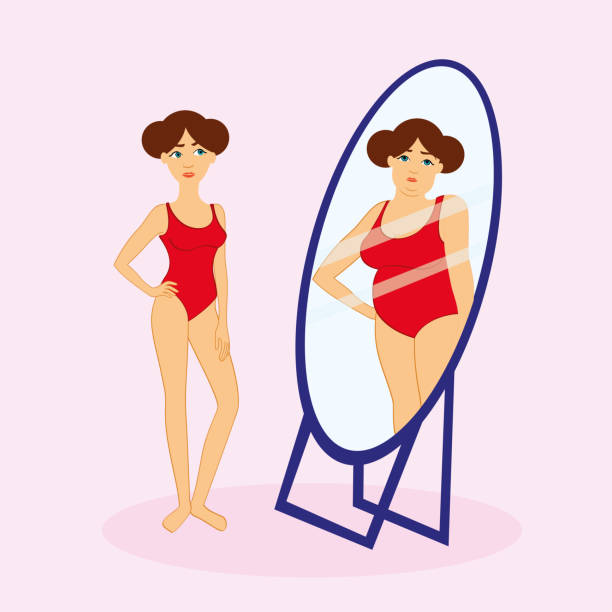
Anorexia Nervosa- How to Help Someone You Love

Anorexia Nervosa- How to Help Someone You Love

By: Olivia Loiacono

               Anorexia Nervosa is one of the most well-known eating disorders, along with Bulimia Nervosa and Binge disorder. Anorexia has the highest mortality rate among mental health disorders. Anorexia causes around 10,200 deaths every year as a direct result of the eating disorder. This equals one death every 52 minutes. People with anorexia are also 18 times more likely to attempt suicide than individuals without an eating disorder.

Some warning signs that one should look out for in a loved one are:

Dramatic weight loss.

Lying about how much and when they’ve eaten, or how much they weigh.

Avoid eating with others.

Cutting their food into small pieces or eating very slowly to disguise how little they’re eating.

Trying to hide their thinness by wearing loose or baggy clothes.

               Now, how do you help someone? Is that even possible? When you are trying to help someone with any sort of mental health disorder, they have to WANT the help to fully recover. Fortunately, when someone with a severe eating disorder is under the age of 18, a parent/ guardian is in control of their treatment.

    You may consider exploring treatment options together with your teen. You will want to choose an eating disorder program or a therapist/ nutritionist who specializes in helping teenagers and young adults. Equally important, you’ll want to choose a program that offers tailored, personalized treatment plans, and that is equipped to treat multiple mental health disorders. No single course of treatment will work for everyone, because everyone has different needs

  Continuing your plan at home is also extremely important to keep up with the recovery process. Make sure to encourage maintaining a healthy exercise regime( when given permission from the provider to do so), eating/providing nutritious meals, getting your child involved in mealtimes, creating distractions from the food, avoiding criticism and negative talk, showing acceptance for all types of bodies, shapes, and sizes, fostering self-love and acceptance and encouraging intuitive eating. 

   Though nothing is a quick fix, it will take time, love, and effort to recover/ start recovery from Anorexia but it is possible and there is living proof of survivors. Day by day… meal by meal.

If you or someone you know is struggling with Anorexia or an eating disorder, please contact our psychotherapy offices in New York or New Jersey to talk to one of our licensed professional psychologists, psychiatrists, psychiatric nurse practitioners, or psychotherapists at Arista Counseling and Psychotherapy. Contact our Paramus, NJ, or Manhattan, NY offices respectively, at (201) – 368-3700 or (212)-722-1920 to set up an appointment. For more information, please visit https://www.counselingpsychotherapynjny.com/

References

https://www.nationaleatingdisorders.org/statistics/#general-eating-disorder-statistics

https://www.nhs.uk/mental-health/conditions/anorexia/symptoms/

https://www.turnbridge.com/news-events/latest-articles/how-to-help-teen-eating-disorder/?gad_source=1&gclid=Cj0KCQiAhvK8BhDfARIsABsPy4iCMSSN2JxatbcHdcaaD9Gi1wabOzdk2VJAaoRgj-VuKQimkc2-miMaAt4vEALw_wcB

Anorexia: Silent Suffering

By: Elyse Ganss

Anorexia nervosa, commonly referred to as anorexia, is an eating disorder that includes symptoms of often an extremely low body weight, a fear of gaining weight, and body dysmorphia. People suffering from anorexia are usually consumed by thoughts of their body image.

Extreme focus on weight and shape is experienced by those who have anorexia. This often leads to a dangerous restriction of calories to lose and restrict weight. Those suffering from anorexia may excessively exercise, consume laxatives, or vomit after eating to stop weight gain. Even when the person suffering from anorexia reaches an extremely thin and unhealthy body weight/shape, they will not stop the restriction of food.

Anorexia can have serious health complications including heart problems, bone loss, infertility, kidney problems, and more. Anorexia is common with people who have perfectionist/high-achieving personality types. People suffering from anorexia feel as though they gain a sense of control by restricting their intake of food.

Anorexia can be undiagnosed for a long time if symptoms are not detected. It is common for people with anorexia to deny their eating disorder and not want to seek help. By meeting with a therapist, treatment plans can be established. Normally this would include a plan to get the person to a healthy weight, finding out what emotional issues the person is having, and changing their thought processes/outlook on their body image.

If you or someone you know needs support for an eating disorder, please contact our psychotherapy offices in New York or New Jersey to talk to one of our licensed professional psychologists, psychiatrists, psychiatric nurse practitioners, or psychotherapists at Arista Counseling & Psychotherapy. Contact our Paramus, NJ or Manhattan, NY offices respectively, at (201) 368-3700 or (212) 722-1920 to set up an appointment. For more information, please visit http://www.counselingpsychotherapynjny.com/ .

Sources:

https://www.mayoclinic.org/diseases-conditions/anorexia-nervosa/symptoms-causes/syc=2-353591

https://www.webmd.com/mental-health/eating-disorders/anorexia-nervosa/default.htm

Image Source:

https://www.psychologytoday.com/us/blog/science-practice/202002/therapy-can-help-even-those-who-did-not-benefit

Anorexia and Amenorrhea: How Anorexia can be the Reason for Losing your Period

By: Sanjita Ekhelikar

Eating disorders are ruthless mental illnesses which severely impact on one’s mental and physical well-being. One such eating disorder is Anorexia Nervosa. This ailment is characterized by a severely distorted body image, a fear of gaining weight, extreme starvation and restriction of food intake, and a very low body weight. This deprivation of food and nutrients can have detrimental effects to the body. Anorexia Nervosa is primarily prevalent among younger females, although impacting males as well. One side effect of this eating disorder in females is amenorrhea, or losing one’s menstrual cycle.

Amenorrhea can be classified into two forms: primary and secondary. Primary amenorrhea occurs when a female does not begin her menstrual cycle by sixteen years of age. Secondary amenorrhea, loss of the menstrual cycle after it has already begun, is prevalent in many females with anorexia nervosa. The loss of one’s period can be attributed to low body weight, extreme amounts of exercise, and greater stress levels. The loss of such a regulated bodily cycle in a female’s body is dangerous, and can indicate the severity of and impairment caused by anorexia nervosa.

If amenorrhea and the underlying causes of its occurrence are not addressed, women are at risk of becoming infertile. In addition, the levels of estrogen decrease in the female body, leading to the development of pre-menopausal symptoms including loss of sleep, night sweats, and irritable moods. Finally, amenorrhea and the resulting reduction in estrogen can deplete amounts of calcium, thus making bones brittle and more susceptible to breakage. This can even occur in younger women with anorexia who are struggling through amenorrhea.

It is imperative that one seeks treatment if they are struggling with Anorexia Nervosa, and especially if one is also experiencing amenorrhea. Therapy and medication can be of assistance in overcoming this disorder, and in restoring one’s menstrual and mental well-being.

If you or someone you know is dealing with Anorexia Nervosa and/or amenorrhea, please contact our psychotherapy/psychiatry offices in New York or New Jersey to talk to one of our licensed professional psychologists, psychiatrists, psychiatric nurse practitioners, or psychotherapists at Arista Counseling & Psychotherapy. Contact our Paramus, NJ or Manhattan, NY offices respectively, at (201) 368-3700 or (212) 722-1920 to set up an appointment. For more information, please visit http://www.counselingpsychotherapynjny.com/.