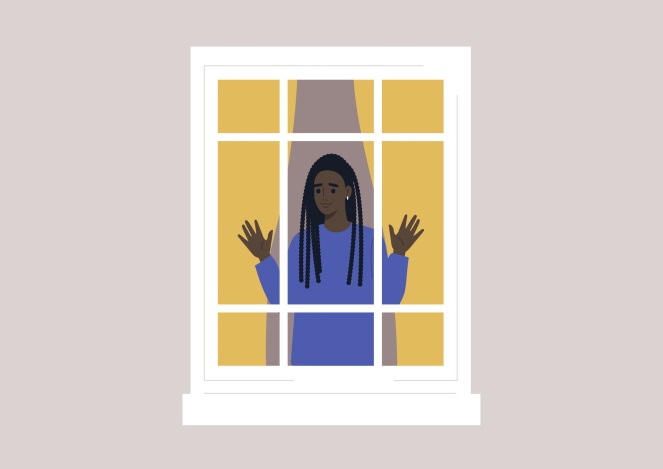
Agoraphobia: Locked Inside

Agoraphobia: Locked Inside

By: Camillia Ghavami

                Agoraphobia is an often misunderstood and unacknowledged anxiety disorder. It is characterized by feelings of intense anxiety and avoidance of situations or places that are believed to be hard to escape. Agoraphobia is most often developed after having one or more panic attacks, leading to a fear of having another attack and thus avoidance of places that are thought to trigger these attacks. This anxiety is caused because of a fear that if a panic attack were to occur, there would be no easy way to escape or get help. These situations can include being in a car or airplane, being alone outside the home, or in crowded areas. While relatively ignored, this disorder affected 0.9% of US adults in the last year and 1.3% of US adults are expected to develop agoraphobia over the course of their lifetime. Adolescents show higher rates of agoraphobia with 2.4% of US adolescents aged 13-18 having the disorder. Additionally, while there is no gender differences of agoraphobia prevalence for adults, adolescent females tend to be afflicted by this disorder more so than men, 3.4% and 1.4% respectively.  

                Treatment for this disorder is similar to treatment for most anxiety disorders. First, psychotherapy, including cognitive behavioral therapy (CBT), has been shown to be effective in treating anxiety disorders. CBT teaches people how to be less anxious by altering their thoughts, reactions, and behaviors to situations. An example of this that can be effective for agoraphobia is exposure therapy. Exposure therapy allows people to confront their fears and helps people engage in activities they had been avoiding due to anxiety. Secondly, agoraphobia can also be treated with medications, with the most common being antidepressants, anti-anxiety medications, and beta blockers. There are many ways to treat anxiety, and a health care provider can help you choose the best treatment.

If you or someone you know is suffering from agoraphobia, please contact our psychotherapy offices in New York or New Jersey to talk to one of our licensed professional psychologists, psychiatrists, psychiatric nurse practitioners, or psychotherapists at Arista Counseling & Psychotherapy. Contact our Paramus, NJ or Manhattan, NY offices respectively, at (201) 368-3700 or (212) 722-1920 to set up an appointment. For more information, please visit http://www.counselingpsychotherapynjny.com/

References:

https://www.mayoclinic.org/diseases-conditions/agoraphobia/symptoms-causes/syc-20355987

https://www.nimh.nih.gov/health/statistics/agoraphobia#part_2666

https://www.nimh.nih.gov/health/topics/anxiety-disorders#part_2223

https://adaa.org/learn-from-us/from-the-experts/blog-posts/consumer/overcoming-agoraphobia-qa

Social Anxiety Disorder

Social Anxiety Disorder

Social Anxiety Disorder

By: Julia Keys

It is typical to feel a bit nervous before public speaking or maybe a little anxious before a performance, however, for those with Social Anxiety Disorder, or SAD, even the smallest interactions with others can provoke feelings of extreme anxiety. Social Anxiety Disorder is characterized by a strong and persistent fear of humiliation and embarrassment that could be caused by social situations. People with Social Anxiety Disorder struggle with feelings of self-consciousness that are produced by the possibility of judgement in social interactions. Oftentimes the distress caused by social situations can become so overwhelming for those with SAD that they begin to avoid everyday activities and responsibilities such as going to work, going to school, or picking up the phone.

Signs of Social Anxiety Disorder:

  • Anxiety about being with other people
  • Difficult time interacting with others, stuttering, trailing off, and reserved behavior are common
  • Self-consciousness in front of other people and feelings of embarrassment
  • Fear of being judged
  • Difficulty making and keeping friends
  • Blushing, sweating or trembling around other people
  • Other physical symptoms such as disorientation, shallow breath, diarrhea, muscle tension and upset stomach

Social Anxiety Disorder can be treated with psychotherapy, medication, or both. A common affliction for those with SAD is the rumination that follows social interactions. New types of therapy are being developed to help those with SAD deal with this common symptom: post-event processing or PEP Mindfulness based therapies are aiming to target the feelings of shame, worry, and embarrassment that are caused by overanalyzing personal performance in social situations. Cognitive-Behavioral therapy helps people with SAD change unhealthy thought patterns that may be contributing to their anxiety. Medications such as antidepressants and anti-anxiety meds are often used in conjunction with psychotherapy. Social Anxiety Disorder affects over 19 million people across the US; however 35% of those suffering with social anxiety waited over ten years to seek treatment. Don’t hesitate to reach out and get the help you need.

If you or a loved one is struggling with social anxiety, do not hesitate to seek help by contacting Arista Counseling & Psychotherapy, located in New York and New Jersey to speak to licensed professional psychologists, psychiatrists, psychiatric nurse practitioners or psychotherapists. To contact the office in Paramus NJ, call (201) 368-3700. To contact the office in Manhattan, call (212) 722-1920. For more information, please visit http://www.counselingpsychotherapynjny.com/ .

Sources:

https://www.anxiety.org/social-anxiety-disorder-sad

https://www.psychologytoday.com/us/blog/fulfillment-any-age/201904/the-one-dose-approach-help-social-anxiety-disorder

Source for Picture:

https://www.bing.com/images/search?view=detailV2&id=1DCB8A68F1C1E13F5FC8DB9E2A8A155D5018D398&thid=OIP.S96UZQjJADokE5fdhVCocAHaHa&mediaurl=https%3A%2F%2Fsocialanxietyinstitute.org%2Fsites%2Fdefault%2Ffiles%2FFemale3_0.jpg&exph=360&expw=360&q=social+anxiety&selectedindex=414&ajaxhist=0&vt=0&eim=1,2,6