COVID-19: Addiction and Relapse

By: Elyse Ganss

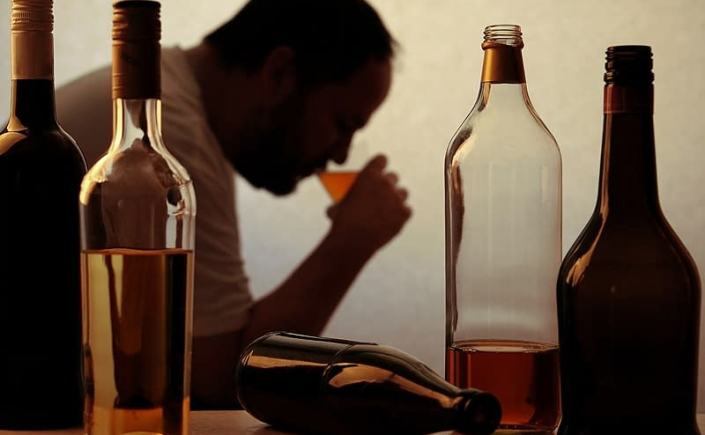
It is currently unclear how COVID-19 will affect addiction. As a result of the nature of the coronavirus and its’ effect on the lungs, people who smoke tobacco, marijuana, or vape are at an increased risk for getting the virus. Besides an increased risk for getting the virus, people who suffer from addiction may be negatively affected in other ways as well.

 Isolation can have negative effects on people who suffer from substance abuse, particularly for those who are in recovery. Isolation can trigger anxiety and depression and without proper coping skills, this can trigger relapse.

Social distancing has put a stop to people attending peer-support groups in person, which are typically very beneficial for people who are recovering from addiction. While there are online support groups, it is unknown how many people will utilize them. Similarly, while family support is still available through phone calls and texts, it is no longer available in person. These changes have the possibility to increase levels of addiction.

In some states, access to critical medications, like methadone and buprenophrine that allow addicts to wean off of opioids, have been severely regulated and almost stalled. This could increase self-medication of drugs and alcohol and cause drug overdoses to occur. Receiving treatment, like teletherapy, with a licensed mental health professional to discuss a treatment plan, coping strategies, and what your support network looks like could be extremely beneficial for those who are recovering or currently struggling with addiction.

If you or someone you know is looking for support, please contact our psychotherapy offices in New York or New Jersey to talk to one of our licensed professional psychologists, psychiatrists, psychiatric nurse practitioners, or psychotherapists at Arista Counseling & Psychotherapy. Contact our Paramus, NJ or Manhattan, NY offices respectively, at (201) 368-3700 or (212) 722-1920 to set up an appointment. For more information, please visit http://www.counselingpsychotherapynjny.com/ .

Sources:

https://www.drugabuse.gov/about-nida/noras-blog/2020/04/covid-19-potential-implications-individuals-substance-use-disorders

https://www.psychologytoday.com/us/blog/healing-addiction/202003/coronavirus-and-addiction

https://www.healthaffairs.org/do/10.1377/hblog20200407.290720/full/

Image Source:

https://www.healthline.com/health/addiction/alcohol

Shopping Addiction

By: Deanna Damaso

Shopping Addiction is a behavioral addiction where a person buys items compulsively or a specific item repeatedly as an attempt to relieve stress. Those suffering with a shopping addiction spend more time shopping than doing other activities because of their uncontrollable urges to spend money.

The joy of shopping has a direct effect on the brain’s pleasure centers by flooding the brain with endorphins and dopamine. The buyer gets a short-lived “shopping high” from making frequent shopping trips, buying large items, or expensive purchases. However, after a couple hours, the dopamine recedes and the shopper is left with an empty, unsatisfied feeling. This can lead to hoarding, depression, anxiety, and low self-esteem. If left untreated, compulsive buyers could go deeper into debt and turn to stealing.

Some signs of a shopping addiction often include:

  • Spending more money than anticipated
  • Compulsive purchases
  • Chronic spending when angry, anxious, or depressed
  • Lying about the problem
  • Broken relationships
  • Ignoring the consequences of spending money

Financial therapy is effective in teaching how to manage finances and shop more responsibly. Cognitive and behavioral therapies are effective treatments that identify and improve the negative thoughts and behaviors surrounding the addiction. Medications can be prescribed to those who struggle with both the addiction and other mental health issues. This combination treatment helps relieve symptoms to assist in recovery.

If you or someone you know is struggling with a shopping addiction, Arista Counseling & Psychotherapy can assist you. Contact us in Paramus, NJ at 201-368-3700 or in Manhattan, NY at 212-996-3939 to arrange an appointment. For more information about our services, please visit http://www.counselingpsychotherapynjny.com/


Sources:

https://www.healthline.com/health/addiction/shopping

https://www.psychologytoday.com/us/articles/200603/doped-shopping

Relapse Prevention: Substance Use Disorders

Relapse Prevention: Substance Use Disorders Relapse Prevention: Substance Use Disorders
By: Julia Keys

The road to recovery from substance abuse can be long and difficult. There may be many times when those recovering are tempted to just give up. However, there are many different strategies for when individuals are in a place where they feel ready to quit all the progress they made. Relapse is part of recovery, but it should be avoided and treated carefully.

Most people think that relapse starts when the addict starts using again, however relapse can start much earlier than that. There are three stages of relapse: emotional relapse, mental relapse and physical relapse.  Emotional relapse starts when one is thinking about using. Although they have made no real attempts at obtaining any substances, the thought of using is very tempting. During mental relapse one has decided to use again. Physical relapse is when you contact your dealer, obtain substances, or use substances.

When preventing relapse it is important to seek many different types of support. Studies show that those recovering who see therapists alongside any inpatient or outpatient detox programs have faster recovery rates than those who do not seek additional treatment. Therapists can help those in recovery come up with personalized strategies to prevent them from relapsing.

If you or a loved one is struggling with substance use or recovery from substance abuse, do not hesitate to seek help by contacting Arista Counseling & Psychotherapy, located in New York and New Jersey to speak to licensed professional psychologists, psychiatrists, psychiatric nurse practitioners or psychotherapists. To contact the office in Paramus NJ, call (201) 368-3700. To contact the office in Manhattan, call (212) 722-1920. For more information, please visit http://www.counselingpsychotherapynjny.com/ .

Sources:

https://www.psychologytoday.com/us/blog/where-science-meets-the-steps/201312/preventing-relapse-among-addicted-youth

https://www.addictionsandrecovery.org/relapse-prevention.htm

Source for Picture:

https://www.bing.com/images/search?view=detailV2&id=F86C5ECD05E0D6595A3D9A0588384D10CCA60F4B&thid=OIP.idNVRUm7p8tdl-M-0iQdzgHaE8&mediaurl=https%3A%2F%2Fwww.thenationalcouncil.org%2FBH365%2Ffiles%2F2017%2F09%2Froad-to-recovery.jpg&exph=334&expw=500&q=the+road+to+recovery&selectedindex=4&ajaxhist=0&vt=0&eim=1,2,6


The Opioid Epidemic: How to Spot the Difference Between an Addiction and Physical Dependency

The Opioid Epidemic: How to Spot the Difference Between an Addiction and Physical Dependency

By Crystal Tsui

In a paper written by Turner et. Al (2017), Opioid Use Disorder: Challenges During Acute Hospitalization, discussed the difference between drug addiction and physical dependency. Addiction is described as a disease. It occurs when a drug produces chemical changes in the brain that enforces the medication to be more desirable. When a person is addicted to a certain drug, they start to build a higher tolerance meaning that they would not feel the effects of the drug with the same dosage. This would make them want to increase the dosage each time just to experience the same effect, which can be dangerous and lead to an overdose. The 4 C’s are the beginning signs of addiction. They are:

  • Craving
  • (loss of) Control
  • Compulsion
  • (using despite) Consequences

A few physical signs of substance abuse includes:

  • Track marks
  • Abscesses
  • Pinpoint pupils
  • Blood in their vomit
  • Chronic cough

There are 3 types of opioid consumers we should be aware of; these include patients with chronic pain, patients who are on medication-assisted treatment and stable, and those who are self-medicating. If you or anyone you know has an opioid addiction, they should be met with warmth and compassion. A caring individual, like you, can help an addict seek the help they need, such as medication–assisted treatment or detoxification.

Individuals who are physically dependent on opioids are a different story. They are usually patients with chronic pain and have become dependent on opioids to relieve pain. However, they don’t feel the desire to take the medication for any purpose other than to relieve their pain. They wouldn’t feel the need to have their dosages increased constantly because the dosage of opioids does not change the effects of relieving pain.

This article is to help define the difference between an addiction and being physically dependent on opioids. This is not an exhaustive list.

If you or someone you know has a drug addiction, please contact our psychotherapy offices in New York or New Jersey to talk to one of our licensed professional psychologists, psychiatrists, psychiatric nurse practitioners, or psychotherapists at Arista Counseling & Psychotherapy. Contact our Paramus, NJ or Manhattan, NY offices respectively, at (201) 368-3700 or (212) 722-1920 to set up an appointment. For more information, please visit http://www.counselingpsychotherapynjny.com/ .

Citations:

https://www.rivermendhealth.com/wp-content/uploads/2017/09/opioid-epidemic.png

Opioid Use Disorder: Challenges During Acute Hospitalization, Turner et al. (2017).

Alcohol Use Disorder

By Samantha Glosser

Alcohol use disorder, more commonly known as alcoholism, is a pattern of alcohol use that results in impairment and distress in your daily life. Short term effects of alcohol use disorder include memory loss, hangovers, and blackouts. However, the long term effects are much more serious and include the following: stomach ailments, heart problems, brain damage, memory loss, liver cirrhosis, and cancer. Alcohol use disorder is also linked to increased chances of dying from automobile accidents, homicide and suicide, as well as increased rates of unemployment, domestic violence, and legal problems.

Cravings for alcohol, drinking in spite of it causing personal problems, an inability to stop drinking, and building up a tolerance to alcohol are common symptoms of alcohol use disorder. Alcohol use disorder can be diagnosed if two or more of the following are present in a twelve-month period (the severity of addiction is based on how many symptoms are present):

  • Drinking more or for a longer period than intended.
  • Feeling the need or trying to cut back on drinking.
  • Spending a lot of time drinking and recovering from the short-term effects of drinking.
  • Craving the use of alcohol.
  • Failing to perform responsibilities due to drinking.
  • Continuing to use alcohol even though it is creating relationship problems.
  • Ceasing participation in important activities to drink more.
  • Drinking before or during potentially dangerous activities (such as driving).
  • Continuing drinking despite its relation to physical and mental health conditions.
  • Developing a tolerance for alcohol.
  • Experiencing withdraw symptoms when reducing or stopping alcohol intake.

There are numerous treatment options available to individuals struggling with alcohol use disorder, such as detoxification, Alcoholics Anonymous (AA), inpatient/outpatient treatment programs, and medication. There are also different methods to recovery, such as abstinence (completely quitting) or just cutting down on alcohol intake. Finding the right treatment options depends on the individual, which is why it is recommended to seek guidance from a trained professional.

If you or someone you know appears to be suffering from alcohol use disorder, the licensed psychologists, psychiatrists, psychiatric nurse practitioners, and psychotherapists at Arista Counseling & Psychotherapy can assist you. Contact our Paramus, NJ or Manhattan, NY offices respectively, at (201) 368-3700 or (212) 722-1920 to set up an appointment. For more information, visit http://www.counselingpsychotherapynjny.com/

Source: Alcohol Use Disorder. (n.d.). Retrieved from https://www.psychologytoday.com/us/conditions/alcohol-use-disorder