Depression; Treatment

Depression; Treatment

By: Samantha Montague

People with depression need treatment. There are several ways that people with depression can be helped, such as through psychotherapy, medicine, or both simultaneously.

Psychotherapy is speaking with a trained professional about your feelings in order to help manage your thoughts, feelings and behaviors that may be contributing to depression.

Medication is another option for treating depression. Antidepressant medications are used to increase activity of neurotransmitters, chemicals in the brain to relieve the symptoms of depression. These medications are not addictive, and are safe to use when prescribed by a doctor.

With both psychotherapy and medication, a trial and error process may be needed to determine what works best. However, when you find what works for you, treatment helps most depressed people feel better in a matter of weeks. Regardless of the extent to which it is working, in general any treatment is better than no treatment.

Overall, when you are feeling low for a long time, and your problems feel out of your control, remember there is help out there. You are not alone, and can ask for help. If you know someone who you think is depressed, encourage them to ask a responsible adult about treatment. If they don’t ask for help on their own, talk to someone you trust and respect. This is especially critical if there is mention of suicide. 

If you or someone you know is struggling with depression, please contact our psychotherapy offices in New York or New Jersey to talk to one of our licensed professional psychologists, psychiatrists, psychiatric nurse practitioners, or psychotherapists at Arista Counseling and Psychotherapy. Contact our Paramus, NJ, or Manhattan, NY offices respectively, at (201) – 368-3700 or (212)-722-1920 to set up an appointment. For more information, please visit https://www.counselingpsychotherapynjny.com/.

Reference: NIMH

Alcoholism: Codependency and Effects on Family

Alcoholism: Codependency and Effects on Family

By: Maddie Rhodes

Alcoholism, or Alcohol Use Disorder, has drastic effects on the individual, and it also takes a toll on the people surrounding them including their family, friends, and colleagues. Alcoholism always has a financial tie and can easily create instability within a family.

Alcoholism can result in martial conflict, stress, and domestic violence. It is important for a family member or friend to consider their own mental health when supporting someone who has Alcohol Use Disorder (AUD). A risk that spouses face when put in this situation is codependency, focusing all of their efforts onto their partner or family member. This forms an unhealthy relationship and may lead to them blaming themselves for the addiction.

 It also has detrimental effects on children living in the household. According to the American Academy of Child and Adolescent Psychiatry (AACAP), 1 in every 5 adult Americans resided with a relative who misused alcohol during their adolescence. They often face strong feelings of anger, anxiety, and confusion with some struggling with friendships, school, and mental health. Living via an alcoholic puts the child at a higher likelihood of developing AUD. It is important to set boundaries with the individual, for example, how much alcohol you are comfortable having in the house.

Considerations:

  • Learn about AUD and how it may affect your loved one
  • Try to avoid enabling them
  • Remove yourself from dangerous situations
  • Have an open conversation
  • Speak to a therapist or licensed professional

If you or someone you know is interested is dealing with Alcoholism or is an individual close to someone with Alcoholism, please contact our psychotherapy offices in New York or New Jersey to talk to one of our licensed professional psychologists, psychiatrists, psychiatric nurse practitioners, or psychotherapists at Arista Counseling & Psychotherapy. Contact our Paramus, NJ or Manhattan, NY offices respectively, at (201) 368-3700 or (212) 722-1920 to set up an appointment. For more information, please visit https://www.counselingpsychotherapynjny.com/

Sources:

https://www.aacap.org/AACAP/Families_and_Youth/Facts_for_Families/FFF-Guide/Children-Of-Alcoholics-017.aspx

https://americanaddictioncenters.org/alcohol/support-recovery/family

Marijuana/Cannabis Addiction, That Can’t Happen, Right?

Marijuana/Cannabis Addiction, That Can’t Happen, Right?

By: Diane Ulloa                                                                                      

 Cannabis use has been growing as a result of recently imposed laws. Cannabis use disorder or cannabis addiction has grown tremendously in the past few decades. Apart from the glamorization of Cannabis use in popular movies and TV shows, Cannabis has been shown to aid in medicinal practice in order to alleviate patients’ painful side effects from chemotherapy. Cannabis has also been found to alleviate symptoms in people with Tourette syndrome. Despite the common misconception that people cannot become addicted to Cannabis use, “approximately one in ten people who use marijuana will become addicted. When they start before the age of 18, the rate of addiction rises to one in six.” (samhsa.gov) “Marijuana use, especially frequently (daily or nearly daily) and in high doses, can cause disorientation and sometimes unpleasant thoughts or feelings of anxiety and paranoia.” Alongside these side effects, cannabis use can also lead to disassociation or temporary psychosis which is when the user does not know what is real and is experiencing hallucinations, paranoia. It can also have long-lasting detrimental mental disorders including schizophrenia (cdc.gov). Users know they are addicted if:

  • They use more marijuana than intended
  • Trying but failing to quit using marijuana
  • Spending a lot of time using marijuana
  • Craving marijuana
  • Using marijuana even though it causes problems at home, school, or work
  • Continued marijuana use despite social or relationship problems
  • Giving up important activities with friends and family in favor of using marijuana
  • Using marijuana in high-risk situations, such as while driving a car
  • Continued use of marijuana despite physical and psychological problems
  • Needing to use more marijuana to get the same high
  • Experiencing withdrawal symptoms when stopping marijuana use

Navigating cannabis addiction can be difficult without help. Cognitive Behavioral Therapy [CBT] has been shown to tackle the psychological effects of addiction and is considered the most effective form of treating addiction. One approach is called motivational interviewing which helps to turn ambivalence towards quitting into energy to quit. By combining motivational enhancement therapy and CBT, a user can gain a sense of control and clarity that was kept from them because of their addiction.

If you or someone you know is struggling with their mental health and/or a cannabis addiction, please contact our psychotherapy offices in New York or New Jersey to talk to one of our licensed professional psychologists, psychiatrists, psychiatric nurse practitioners, or psychotherapists at Arista Counseling & Psychotherapy. Contact our Paramus, NJ or Manhattan, NY offices respectively, at (201) 368-3700 or (212) 722-1920 to set up an appointment. For more information, please visit http://www.counselingpsychotherapynjny.com/

Sources: https://www.samhsa.gov/marijuana

https://www.cdc.gov/marijuana/health-effects/mental-health.html https://www.yalemedicine.org/conditions/marijuana-use-        disorder#:~:text=Behavioral%20therapies%20may%20help%20treat,tangible%20r        ewards%20for%20positive%20behaviors.

Shopping Addiction? Can’t Save Money? That May Be A Real Issue

Shopping Addiction? Can’t Save Money? That May Be A Real Issue

By Erika Ortiz

             Most people like to spend and buy things, but some take that splurging a bit to the max and do it any opportunity possible. Shopping makes some feel good, however; some get this “high” feeling since the brain releases endorphins and dopamine as they shop. It’s one thing to shop while on a budget, while it’s another to shop with no budget in mind. All of the spending, unnecessary buying, and accumulation of debt is an actual issue called shopping addiction. It is imperative to break down shopping addiction and the different types. First, there is impulse buying which is buying something you did not plan on purchasing in the first place. It can range from buying a chocolate bar from the grocery store while waiting in line or buying your 50th pair of shoes. Compulsive buying is when you plan your shopping, but to an extreme and on unnecessary items. Compulsive buying is usually where the shopping addiction behavior occurs most. For example, say you did not do so well on an exam or had a bad day at work, your immediate solution is to go shopping afterward to make yourself feel better. Another type is bargain shoppers who think they are getting a steal price or great deal. They are still spending a lot instead of saving. Finally, there is bulimic shopping or circular shopping. These people buy and return just for fun; even though they are staying within their budget, they are wasting a lot of time and energy.

           Shopping addiction can be due to stress, loneliness, sadness, the need to fill a void, lack of control, avoidance of reality, depression, anxiety, etc. Nonetheless, this is a severe problem that needs an urgent solution because shopping addiction can lead to issues in relationships, growing debt, constant overspending, and even lying about spending. One way to help with this issue is to create a budget and try sticking with it. There are many resources online that can be great budgeting tools. It is critical to immediately get help if you have a very severe case of shopping addiction. Seek a mental health professional who can help you get to the root of the issue and understand what you are going through. Remember that there is hope and you can get through this.

If you or someone you know is struggling with a shopping addiction please contact our psychotherapy offices in New York or New Jersey to talk to one of our licensed professional psychologists, psychiatrists, psychiatric nurse practitioners, or psychotherapists at Arista Counseling & Psychotherapy. Contact our Paramus, NJ or Manhattan, NY offices respectively at (201) 368-3700 or (212) 722-1920 to set up an appointment. For more information, please visit https://www.counselingpsychotherapynjny.com

Sources

https://www.ramseysolutions.com/budgeting/shopping-addiction

Alcohol Addiction: How to Support a Loved One with a Drinking Problem

Alcohol Addiction: How to Support a Loved One with a Drinking Problem

By Jackie Molan

Alcohol addiction is a very difficult problem to deal with, not only for the person struggling with it, but also for their loved ones. Since addiction and the subsequent recovery process tend to occur over a period of many years, it is important to understand how to support those we care about who are struggling with alcohol addiction.

Preparing for the Conversation

If you are concerned that a loved one is misusing alcohol, the first step is to do your own research about alcohol use disorder. Once you understand the signs, symptoms, and types of treatments, it will be easier to have an informed discussion with the person struggling. Give plenty of thought to what you want to say, and aim to start the discussion when the person is sober and you are both in a private space with limited likelihood for interruptions. You should avoid using terms with stigma attached, like “alcoholic,” and try to use “I” statements as much as possible to avoid sounding accusatory. For example, instead of saying “You have a problem and need to get help,” say “I care about you and am concerned for your health.”

The Conversation

It is often difficult for people to admit that they have an alcohol problem. Therefore, their first instinct might be to defend themselves and become argumentative. It is important that you stay as calm as possible and remind them that you are coming from a place of genuine care and concern. Offer to help them make a plan and take steps toward recovery, like calling a therapist to schedule an appointment. Remember that you cannot force them to go to treatment if they are unwilling, but initiating a conversation can be a good first step which might help them become more open to the idea. Many people will try to achieve sobriety on their own first, but ultimately, professional mental health treatment is the most effective way to confront alcohol addiction. 

Personal Considerations

While supporting someone with alcohol addiction issues, it is essential to remember to care for yourself as well. Set boundaries to prevent codependence, or becoming more invested in your loved one’s health than your own life. Discuss their comfort level with having alcohol in the house or having others drink in front of them. Above all, remain interested and invested in their recovery process. Support them in situations where they are involuntarily exposed to alcohol, and ask them about their treatment. Your support can be an incredibly meaningful piece in their journey to recovery.

If you or someone you know is struggling with addiction, please contact our psychotherapy offices in New York or New Jersey to talk to one of our licensed professional psychologists, psychiatrists, psychiatric nurse practitioners, or psychotherapists at Arista Counseling & Psychotherapy. Contact our Paramus, NJ or Manhattan, NY offices respectively, at (201) 368-3700 or (212) 722-1920 to set up an appointment. For more information, please visit http://www.counselingpsychotherapynjny.com/

Sources:

https://www.psychologytoday.com/us/basics/alcohol#supporting-someone-with-a-drinking-problem

https://www.healthline.com/health/most-important-things-you-can-do-help-alcoholic#takeaway

https://americanaddictioncenters.org/alcoholism-treatment/loving-an-addict

COVID Anxiety

By: Julia Massa

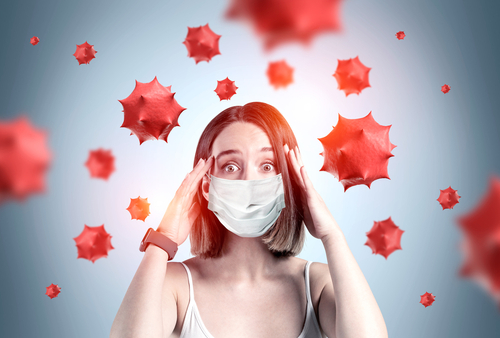
The COVID-19 pandemic has sparked fear in many people from diverse populations, especially those who are immunocompromised. Research shows that pre-existing vulnerability to certain illnesses is a major trigger, so it is no secret as to why the pandemic has significantly affected those with autoimmune disorders. People are leaving their homes less, cities are vacant, parks are untouched, businesses are closing, and schools are silent while hospitals are loud, chaotic, and constantly moving. The pandemic has fueled OCD symptoms where people are commonly seen drowning their hands in sanitizer, hoarding their homes with cleaning products, clearing the shelves of toiletries, and constantly cleaning surfaces- no matter the location. There has been an increase in OCD diagnoses and symptoms of those who already have the condition are becoming more severe.

People are stressing over potential blood clots, painful lumps, infections, and even having something as little as an itch- the list tracks on. Illness anxiety is real and can disrupt an individual’s daily functioning. Individuals with this condition constantly google symptoms and surveil their body for any physical signs of illness- previously recognized as hypochondriasis. These constant rituals and safety behaviors can be detrimental to a person’s mental state. In addition, this “what if” mindset only reinforces an individual’s anxiety.  It can be very expensive dealing with this condition, as people tend to go to frequent doctor’s visits, whereas others may avoid going altogether. 

Psychotherapy, particularly cognitive behavior therapy, can be an effective treatment for those with illness anxiety. Medications such as selective serotonin reuptake inhibitors (SSRIs) can help an individual with illness anxiety manage their anxiety and stress without taking a trip to the doctor’s office. Anxiety can actually present with physical symptoms that an individual may think is from a serious illness, so finding ways to cope and deal with the excessive worries can lead to optimal outcomes.

Sources:

https://www.msn.com/en-us/health/medical/pandemic-anxiety-is-fueling-ocd-symptoms-e2-80-94even-for-people-without-the-disorder/ar-AASYBeE?ocid=uxbndlbing

https://adaa.org/learn-from-us/from-the-experts/blog-posts/consumer/health-anxiety-what-it-and-how-beat-it

https://www.mayoclinic.org/diseases-conditions/illness-anxiety-disorder/symptoms-causes/syc-20373782

If you or someone you know is seeking therapy for illness-anxiety, please contact our psychotherapy offices in New York or New Jersey to talk to one of our licensed professional psychologists, psychiatrists, psychiatric nurse practitioners, or psychotherapists at Arista Counseling & Psychotherapy. Contact our Paramus, NJ or Manhattan, NY offices respectively, at (201) 368-3700 or (212) 722-1920 to set up an appointment. For more information, please visit http://www.counselingpsychotherapynjny.com/          

Self-Harm: What You Need To Know

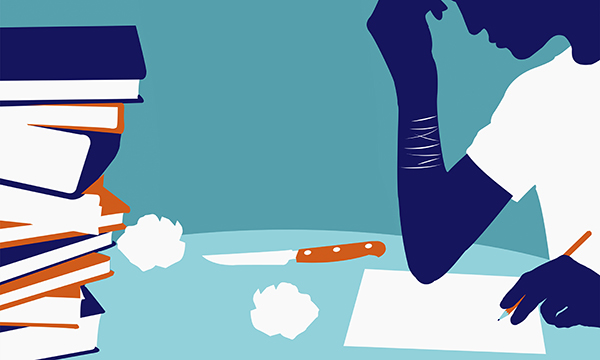
About 17% of all people will self-harm during their lifetime, however the actual rate is likely higher than this because of the shame and stigma that surrounds self-harm. Individuals self-harm as a way to deal with difficult feelings, or overwhelming situations and experiences, and can include cutting, burning, and scratching oneself. Self-harm can be difficult to understand, and can sometimes be confused with suicide attempts. Self-harm and suicide attempts are not the same thing, however, there is a strong association between the two. One common stereotype of self-harm is that it is “attention seeking”. The reality is that most self-harm is done in secrecy, and individuals often feel ashamed to ask for help.

There are several self-harm risk factors. These include struggling with mental health conditions, such as depression, anxiety, personality disorders, drug and alcohol use or addiction, and eating disorders. Self-harming can become physically addictive, as it is habit-forming, and individuals can come to rely on it as a coping mechanism for what they are going through.

Sharing your feelings with someone that you trust can help you self-harm less and feel less alone. If someone has disclosed to you that they engage in self-harm, it is important to be patient and educate yourself on why people self-harm and what you can do to help.

If you or someone you know is struggling with self-harm, please contact our psychotherapy/psychiatry offices in New York or New Jersey to talk to one of our licensed professional psychologists, psychiatrists, psychiatric nurse practitioners, or psychotherapists at Arista Counseling & Psychotherapy. Contact our Paramus, NJ or Manhattan, NY offices respectively, at (201) 368-3700 or (212) 722-1920 to set up an appointment. For more information, please visit http://www.counselingpsychotherapynjny.com/.

Sources

https://www.mind.org.uk/information-support/types-of-mental-health-problems/self-harm/about-self-harm/

Self-Harm Statistics

https://www.rethink.org/advice-and-information/about-mental-illness/learn-more-about-symptoms/self-harm/

Image Source

https://rcni.com/nursing-children-and-young-people/careers/research-and-commentary/improving-nursing-care-of-children-and-young-people-who-self-harm-81661

Vaping; Vaping Addiction is Becoming More Prevalent in Teenagers and Young Adults

Vaping; Vaping Addiction is Becoming More Prevalent in Teenagers and Young Adults

By: Priya Desai

Vaping has risen tremendously in the past couple of years, especially within the teenage population.  Patients as young as 13 years old were reported to either get sick or die after they vaped. Products that are harmful to your body would be e-cigarettes that include nicotine, THC, and even vitamin E acetate. Many users started using vapes that contain vitamin E to help them reduce their use or contain their use, but these were recently found to be harmful too. People’s lungs end up looking like popcorn lungs due to vaping. Vaping is linked to EVALI which stands for e-cigarette or vaping use-associated lung injury. Symptoms for this disease include shortness of breath, coughing, vomiting, fever and chills, chest pain, dizziness, headache, and diarrhea. To diagnose this, doctors evaluate the patient’s history of vaping devices and take an X-ray of the chest or a CT scan of the lungs. This disease is newer, and among the cases reported, about 96% of patients have needed to be hospitalized.

Vaping is extremely addictive and many teens smoke this to fit in, but this is also why many of them enter early adulthood with a nicotine addiction. Teenager’s vape out of curiosity. There are a variety of different flavors these products provide, and so the teens often do tricks with the device. Normal cigarette smoking has gone down within the teenage population, but e-cigarettes have gone up because they are “easier” to get away with since there is no odor and they are easier to hide. People are also attracted to the different flavors that stores sell. Although e-cigarettes might not seem that harmful, one pod of liquid nicotine is equivalent to smoking one pack of cigarettes.

If you or someone you know is seeking therapy for a vaping addiction, please contact our psychotherapy offices in New York or New Jersey to talk to one of our licensed professional psychologists, psychiatrists, psychiatric nurse practitioners, or psychotherapists at Arista Counseling & Psychotherapy. Contact our Paramus, NJ or Manhattan, NY offices respectively, at (201) 368-3700 or (212) 722-1920 to set up an appointment. For more information, please visit http://www.counselingpsychotherapynjny.com/

Citations: https://www.psychologytoday.com/us/blog/mind-matters-menninger/202001/vaping-teens-are-dying-be-cool-and-collected

https://www.lung.org/lung-health-diseases/lung-disease-lookup/evali

https://www.rallyhealth.com/quit-smoking/why-do-so-many-teens-vape

Image Citation: https://www.google.com/url?sa=i&url=https%3A%2F%2Fwww.ochd.org%2F2020%2F09%2F18%2Fcdc-study-reveals-teen-vaping-use-down-in 2020%2F&psig=AOvVaw1NH06SDRcHM5tWOL_daimc&ust=1631802234262000&source=images&cd=vfe&ved=0CAsQjRxqFwoTCIDMk6uXgfMCFQAAAAAdAAAAABAM

Addiction: Recognizing and Coping with a Loved One’s Opioid Addiction

By: Lydia Gallagher

Opioids are a class of drug that can either come as legal prescription drugs, such as oxycodone, morphine, codeine, and others, or illegal street drugs, like heroin. Misuse of prescription painkillers often leads to addiction, after to the cheaper and more available option of heroin. Opioid addiction, formally known as Opioid Use Disorder, is a heartbreaking disease that causes turmoil to the life of the addict and their loved ones. Recognizing the signs of an opioid addiction is an important step on the road to recovery and rehabilitation.

The common symptoms of opioid addiction are as follows:

  • Weight loss
  • Drowsiness
  • Cravings for opioids
  • Isolation
  • Frequent flu-like symptoms
  • Stealing from family or friends
  • Slurred speech

Addiction is hard to fight alone, and many people need their loved ones to help them. Addiction never discriminates and anyone can fall victim to it. Opioid Addiction doesn’t just hurt the one who is addicted. Family and friends can find it emotionally draining and upsetting to see their loved one suffer from this damaging disease. If you have a loved one suffering from opioid addiction, it is important to be there for them and encourage them to get help. It is also vital to take care of yourself and seek therapy to help you become less distressed.

If you or someone you know is seeking therapy for an opioid addiction, please contact our psychotherapy offices in New York or New Jersey to talk to one of our licensed professional psychologists, psychiatrists, psychiatric nurse practitioners, or psychotherapists at Arista Counseling & Psychotherapy. Contact our Paramus, NJ or Manhattan, NY offices respectively, at (201) 368-3700 or (212) 722-1920 to set up an appointment. For more information, please visit http://www.counselingpsychotherapynjny.com/

Sources:

https://www.drugabuse.gov/drug-topics/opioids

https://www.drugabuse.gov/publications/step-by-step-guides-to-finding-treatment-drug-use-disorders/if-your-adult-friend-or-loved-one-has-problem-drugs/how-to-recognize-substance

https://www.hopkinsmedicine.org/opioids/science-of-addiction.html

Drug Consumption Rose During COVID-19

By: Priya Desai

Coronavirus is a hard time for everyone and there has been a lot of adjusting to do. Many people turned to drugs and alcohol to deal with the stress, anxiety and depression that they were feeling. Due to this, there was an apparent increase in both quantity and how often people were using drugs during the pandemic. These coping mechanisms are only temporary and cannot fix the problems that people are actually facing.

Months after the pandemic started, there was a survey done in Florida to see how often drugs and alcohol are being used. Almost 80 percent of the participants reported using alcohol in the past month, over 35 percent reported using marijuana, and 10 percent of participants were using stimulant drugs. Along with this, overdoses have spiked since the pandemic began. The increase usage of drugs during the pandemic has occurred primarily among young adults. A few of the reasons for this are economic stress, boredom, general anxiety about the pandemic, fear of acquiring the virus, and loneliness.  With school being online and the stay-at-home act being in order, students had free time which resulted in them abusing substances. Instead of using drugs, people can find a hobby, whether it be painting, exercising, or baking. In addition, with classes being held virtual and jobs being lost due to the pandemic, young adults were worried and stressed. This resulted in an increased use of drug and alcohol in attempt to cope with the stress.

If you or someone you know is struggling with drug abuse caused by the pandemic please contact our psychotherapy offices in New York or New Jersey to talk to one of our licensed professional psychologists, psychiatrists, psychiatric nurse practitioners, or psychotherapists at Arista Counseling & Psychotherapy. Contact our Paramus, NJ or Manhattan, NY offices respectively, at (201) 368-3700 or (212) 722-1920 to set up an appointment. For more information, please visit http://www.counselingpsychotherapynjny.com/

Citations: https://www.psychologytoday.com/us/blog/social-instincts/202012/drugs-choice-in-the-era-covid-19

https://www.apa.org/monitor/2021/03/substance-use-pandemic

Image Citation: https://www.google.com/url?sa=i&url=https%3A%2F%2Fwww.therecoveryvillage.com%2Fmental-health%2Fstress%2Fsubstance-abuse%2F&psig=AOvVaw1hOPaFHRj0X49E6hcvbtEC&ust=1631200310612000&source=images&cd=vfe&ved=0CAsQjRxqFwoTCJC80e3U7_ICFQAAAAAdAAAAABAD