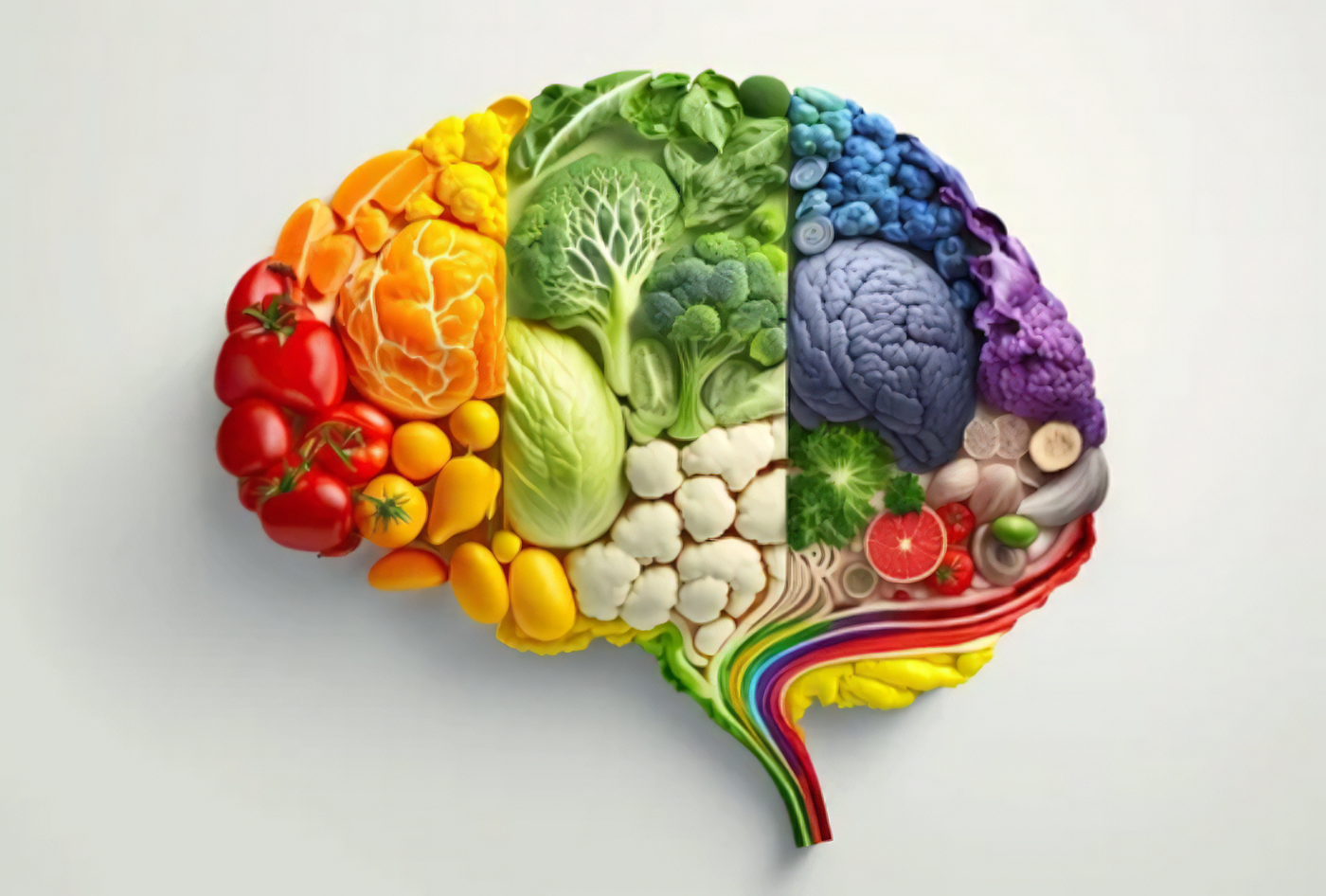
Eating Disorder: The Hunger for Healing

Eating Disorder: The Hunger for Healing

By: Areeza Malik

What Are Eating Disorders?

Eating disorders are more than just an obsession with food or weight. They are complex mental health conditions that involve disordered eating behaviors, distressing thoughts about food, body image, and often dangerous physical consequences. These disorders can affect anyone, regardless of age, gender, or background. While they frequently start with an obsession with food, weight, or exercise, they are usually driven by deeper emotional and psychological struggles.

The most common eating disorders include:

  • Anorexia Nervosa
  • Bulimia Nervosa
  • Binge Eating Disorder
  • Avoidant / Restrictive Food Intake Disorder

Recognizing the Signs of an Eating Disorder

  • Physical signs:
  • Sudden weight loss/weight fluctuations
  • Hair thinning or loss
  • Cold intolerance
  • Brittle nails and dry skin
  • Fatigue
  • Dizziness
  • Digestive issues
  • Emotional signs:
  • Intense fear of weight gain
  • Obsession with food, dieting, and body size
  • Feelings of shame and guilt
  • Social withdrawal
  • Behavioral signs:
  • Skipping meals or making excuses to avoid eating
  • Excessive exercise, calorie counting, and weight checking
  • Binge eating episodes
  • Strict food categorization

The Path to Recovery

The road to recovery from an eating disorder has its twists and turns. It’s a journey that requires patience, self-compassion, and professional support. Recovery is about letting go of negative beliefs around food and body image. It’s about changing from control to kindness, from limiting yourself to nourishing the body, and from being alone to building connections. There will be setbacks, but each small step forward counts. Surround yourself with support, embrace mindful eating, and recognize and challenge negative thoughts.

Healing goes beyond changing your eating habits; it involves rebuilding confidence, changing your mindset and learning to trust your body. Living a life where food is a source of strength rather than stress is important. While the path is challenging, it leads to freedom, self-love, and true recovery.

If you or someone you know needs support for an eating disorder, please contact our psychotherapy offices in New York or New Jersey to talk to one of our licensed professional psychologists, psychiatrists, psychiatric nurse practitioners, or psychotherapists at Arista Counseling & Psychotherapy. Contact our offices at (201) 368-3700 or (212) 722-1920 to set up an appointment. For more information, please visit http://www.counselingpsychotherapynjny.com/

References:

Strand, C. (2024, September 3). Eating disorders – early detection & treatment are key to recovery. Rural Minds. https://www.ruralminds.org/rural-minds-blog/eating-disorders-early-detection-amp-treatment-are-key-to-recovery?gad_source=1&gclid=CjwKCAiAtYy9BhBcEiwANWQQLzonikibaqE1awaP74y1A36Q08Bi1gpuzldje_C0HH_PfC1xzxcG5xoCgvIQAvD_BwE


Social Media: The Impact on Mental Health

Social Media: The Impact on Mental Health

By: Maria Koutsothanasis


Social media plays a significant role in shaping how we connect, communicate, and even view ourselves. While social media has its benefits, it can also have a detrimental impact on mental health. Social media can negatively affect our mental well-being through constant comparisons, unrealistic expectations, and exposure to harmful content. By being intentional about what we engage with, we can use social media as a tool to enhance our lives and protect our mental well-being.

One of the main drawbacks of social media is the tendency to compare ourselves to others. Platforms such as Instagram and TikTok are often filled with images of people’s “perfect” lives, highlighting their achievements, beauty, and happiness. This can lead to feelings of inadequacy and low self-esteem, especially when we find ourselves measuring our lives against these unrealistic portrayals. Social media comparison can lead to symptoms of anxiety, depression, and even body image issues. The more we focus on the idealized versions of others’ lives, the more likely we are to forget that what we see online isn’t always an accurate reflection of reality.

The positive aspect is that we can decide what content we engage with. By intentionally following accounts that promote positivity, self-love, and well-being, we can counteract the negative effects. Following fitness influencers who focus on health rather than body perfection, or mental health advocates who offer advice and share stories of resilience, can create a more positive environment. By engaging with content that aligns with our values, we can shift our mindset toward growth and self-empowerment.

Social media often highlights negativity, which can significantly affect our mental well-being. Platforms frequently highlight drama, conflicts, and extreme opinions, contributing to constant criticism and judgment. Posts that focus on problems, such as failed relationships, mental health struggles, or societal issues, can evoke anxiety or feelings of hopelessness. Viral content that spreads negativity, such as gossip or inflammatory comments, often gains attention, while positive messages may not receive the same recognition. This constant exposure to pessimism can leave individuals feeling overwhelmed and disconnected from the positive aspects of life.

While social media has its negative aspects, it’s possible to transform how we interact with it to protect our mental health. By being mindful of the content we consume and consciously seeking out positive, uplifting posts, we can create an online environment that nurtures our well-being. Social media can be a powerful tool for connection, education, and personal growth if used intentionally. Ultimately, it is important to remember that we control our social media environment and can shape it to support our mental health.

If you or someone you love is struggling with depression or anxiety, please contact our psychotherapy offices in New York or New Jersey to talk to one of our licensed professional psychologists, psychiatrists, psychiatric nurse practitioners, or psychotherapists at Arista Counseling and Psychotherapy. Contact our Paramus, NJ or Manhattan, NY offices respectively, at (201) 368-3700 or (212) 722-1920 to set up an appointment. For more information, please visit http://www.counselingpsychotherapynjny.com/. 


UC Davis Health. (2024, November 27). Social Media’s impact on our mental health and tips to use it safely. health. https://health.ucdavis.edu/blog/cultivating-health/social-medias-impact-our-mental-health-and-tips-to-use-it-safely/2024/05

Healthy Lifestyle: Promoting Mental Health

Healthy Lifestyle: Promoting Mental Health

By: Maria Koutsothanasis

Maintaining a healthy lifestyle through regular exercise and a balanced diet offers significant benefits for mental health. Physical activity and proper nutrition can enhance mood, reduce stress, and promote overall well-being, improving mental and emotional stability.

The Role of Exercise in Mental Health

Exercise is an effective way to boost overall mental health. When we engage in physical activity, the brain releases dopamine and serotonin; neurotransmitters that play key roles in elevating mood, improving cognition, and reducing feelings of anxiety and depression. Regular exercise also helps to lower cortisol levels, the body’s stress hormone, which can help reduce overall stress.

Exercise can also improve sleep quality, which is crucial for emotional well-being. A good night’s rest enhances cognitive function, memory, and emotional regulation. Additionally, accomplishing exercise goals can increase self-esteem and a positive body image, further supporting mental health.

The Impact of Diet on Mental Health

Diet plays an equally important role in mental health. Food provides essential nutrients that support brain function and emotional stability. Food can be a fuel to the body. Healthy and nutrient-filled foods can produce serotonin and dopamine and regulate them. A balanced diet helps stabilize blood sugar levels and prevent energy crashes, which can lead to irritability and fatigue. Foods rich in fiber and probiotics, such as fruits and vegetables, play a key role in emotional regulation.

Exercise and diet together can increase overall mental health. Regular physical activity is a natural treatment for feelings of anxiety and depression. A well-balanced diet provides the energy and nutrients needed to fuel physical activity. Incorporating regular exercise and a healthy diet into daily life can significantly enhance physical and mental health. These habits not only improve mood, reduce stress, and boost self-esteem, but they also support emotional resilience.

If you or someone you know is struggling with depression, anxiety, eating disorders, or other mental health issues, please contact our psychotherapy offices in New York or New Jersey to talk to one of our licensed professional psychologists, psychiatrists, psychiatric nurse practitioners, or psychotherapists at Arista Counseling & Psychiatric Services. Contact our Paramus, NJ or Manhattan, NY offices respectively, at (201) 368-3700 or (212) 722-1920 to set up an appointment. For more information, please visit http://www.counselingpsychotherapynjny.com/

Diet and mental health. Mental Health Foundation. (n.d.). https://www.mentalhealth.org.uk/explore-mental-health/a-z-topics/diet-and-mental-health

Lifestyle to support mental health. Psychiatry.org – Lifestyle to Support Mental Health. (n.d.). https://www.psychiatry.org/patients-families/lifestyle-to-support-mental-health

Understanding the effects of a healthy lifestyle on Mental Health. Penn State Health News. (2021, May 3). https://pennstatehealthnews.org/topics/may-2021-one-group-blog-mental-health/

Hypnotherapy: What is it?

Hypnotherapy: What is it?

By Emily Ferrer

Hypnotherapy helps clients gain control over unfavorable behaviors, cope with anxiety or pain, or alter their ideas about a certain idea or image. Hypnosis involves a trained psychologist and entails placing the patient into a trance-like state that can make you feel extremely calm, focused, and open to suggestions[1]. Over many years, hypnosis has been found to help many people with issues such as pain control, chemotherapy, hot flashes, behavioral changes, anxiety, depression, sleep disturbances, Irritable Bowel Syndrome (IBS), addiction, weight loss, and more[2]! In fact, a study done in 1970 found that hypnotherapy has a 93% success rate in less sessions compared to other forms of therapy[3]. The average amount of hypnotherapy sessions needed to see results can be as little as 4 and as much as 15[4]. This is much less than the average number of sessions needed for other forms of therapy, which are usually around 20 or more until you start to see results[5].

You are probably curious what exactly to expect in a hypnotherapy session and how to prepare. There is no preparation needed on your end before your first hypnotherapy session other than an open mind and a willingness to change your behaviors or ideas. The first session will usually not involve any hypnotism, however, the therapist may use this session as an opportunity to get to know you, the problems you are facing, and what you want to change. The second session is usually when your hypnotherapy begins. Your therapist will always explain the process to you and begin by talking in a soothing and gentle voice. The therapist may also start to describe very vivid images to you to create a sense of relaxation and security. Once you are in a relaxed state, your therapist may begin suggesting ways to work towards your goal that you wanted to work on, such as fear, pain, addiction, anxiety, sleep disturbances, etc. This will help you visualize your path to success and believe in your ability to accomplish your goals[6]. Eventually, your therapist will guide you out of your state of relaxation and the hypnosis session will end. Hypnosis can be extremely helpful to those it does work for but suicide/suicidal thoughts is not guaranteed.

If you or someone you know is interested in trying hypnotherapy, please contact our psychotherapy offices in New York or New Jersey to talk to one of our licensed professional psychologists, psychiatrists, psychiatric nurse practitioners, or psychotherapists certified in hypnotherapy at Arista Counseling & Psychotherapy. Contact our Paramus, NJ or Manhattan, NY offices respectively, at (201) 368-3700 or (212) 722-1920 to set up an appointment. For more information, please visit http://www.counselingpsychotherapynjny.com/ .


Sources:

[1] https://www.mayoclinic.org/tests-procedures/hypnosis/about/pac-20394405#:~:text=Hypnosis%2C%20also%20referred%20to%20as,verbal%20repetition%20and%20mental%20images.

[2] https://www.pennmedicine.org/updates/blogs/health-and-wellness/2019/january/hypnosis

[3] Barrios, A. A. (1970). Hypnotherapy: A reappraisal. Psychotherapy: Theory, Research & Practice, 7(1), 2–7. https://doi.org/10.1037/h0086544

[4] https://thehypnosisclinic.com/blog/how-many-sessions-do-i-need/

https://www.mayoclinic.org/tests-procedures/cognitive-behavioral-therapy/about/pac-20384610#:~:text=Length%20of%20therapy,Type%20of%20disorder%20or%20situation

[6] https://www.mayoclinic.org/tests-procedures/hypnosis/about/pac-20394405#:~:text=Hypnosis%2C%20also%20referred%20to%20as,verbal%20repetition%20and%20mental%20images.

Eating Disorders: How To Catch Them in Your Loved Ones

Eating Disorders: How To Catch Them in Your Loved Ones

By Emily Ferrer

Eating disorders are characterized by severe and persistent troubles related to eating behaviors, food, and weight[1]. There are many different types of eating disorders; however, the most common are anorexia nervosa, bulimia nervosa, and binge eating disorder. Nine percent of the entire population suffers from an eating disorder and 10,200 deaths are recorded each year due to an eating disorder[2]. After reading about how common they are, I am sure you are wondering, “How do I know if I or someone I know has an eating disorder?” There are many signs and symptoms associated with eating disorders[3]:

Anorexia Nervosa:

  • Extreme weight loss
  • Muscle weakness
  • Bone weakness
  • Amenorrhea
  • Brittle hair/nails
  • Always feeling cold
  • Obsession with food
  • Depression

Bulimia Nervosa:

  • Frequent trips to the bathroom after a meal
  • Chronic sore throat
  • Dental decay
  • Laxative/diuretic misuse
  • Large amounts of food disappearing
  • Fainting from excessive purging

Binge-Eating Disorder:

  • Weight gain
  • Eating very rapidly
  • Eating until very full
  • Eating even when not hungry
  • Hiding large amounts of food
  • Eating alone on purpose
  • Feeling guilty after eating large amounts of food

Eating disorders can be extremely serious if not treated. It is important to stay informed about the signs and symptoms of different eating disorders so you can find help for you or someone you know as soon as possible. Other general signs of eating disorders to look out for are a sudden obsession with food (cooking it, eating it, watching cooking shows/videos), social withdrawal, drastic changes in mood, new attitudes towards food, new dieting habits, self-harm, excessive exercise, obsession with calorie and step count, repeatedly weighing themselves, and body dysmorphia[4]

If you or someone you know is struggling with an eating disorder, please contact our psychotherapy offices in New York or New Jersey to talk to one of our licensed professional psychologists, psychiatrists, psychiatric nurse practitioners, or psychotherapists at Arista Counseling & Psychotherapy. Contact our Paramus, NJ or Manhattan, NY offices respectively, at (201) 368-3700 or (212) 722-1920 to set up an appointment. For more information, please visit http://www.counselingpsychotherapynjny.com


Sources:

[1] https://psychiatry.org/patients-families/eating-disorders/what-are-eating-disorders

[2] https://anad.org/eating-disorders-statistics/

[3] https://psychiatry.org/patients-families/eating-disorders/what-are-eating-disorders

[4] https://www.lifeworkscommunity.com/eating-disorders-treatment/how-to-recognise-the-early-signs-of-an-eating-disorder

Obesity and Mental Health

           By: Maryellen Van Atter

      Obesity has become a global epidemic. It is a health problem which occurs when one has an abnormal percentage of body fat in relation to their height. Though obesity is often seen negatively, it is important to recognize that it is often not a self-inflicted condition which can result from a variety of factors including genetics, behavior, and environment.

Obesity can cause changes in your mental health. Some common psychological disorders which may be brought on by obesity include depression, eating disorders, anxiety, low self-esteem, and distorted body image. Some studies have found striking results, such as that those who are severely obese are 3-4 times more likely to suffer with depression. Despite these serious concerns, it may be difficult for those suffering from obesity to seek out mental health care because of the stigmatization of obesity.

Cognitive behavioral therapy is a therapy which changes client attitudes and behaviors by focusing on thoughts, beliefs, and way of thinking. This therapy is one of the most effective and well-known forms of therapy, and is effective in treating many mental health conditions including those associated with obesity. Additionally, family-based therapies have been shown to help treat obesity and assist clients, especially children with obesity. One of the goals is to develop healthy habits. Having a clear mind and good mental health is an important part of coping with obesity and changing your physical health.


If you or someone you know is struggling with the emotional effects of obesity, Arista Counseling and Psychotherapy can help. Please contact us in Paramus, NJ at 201-368-3700 or in Manhattan, NY at 212-996-3939 to arrange an appointment. For more information about our services, please visit http://www.counselingpsychotherapynjny.com/


Sources:

https://www.ncbi.nlm.nih.gov/pmc/articles/PMC3233636/

https://www.ncbi.nlm.nih.gov/pmc/articles/PMC3388583/

https://www.ncbi.nlm.nih.gov/pmc/articles/PMC3065663/

https://psychcentral.com/lib/obhttp://www.jlgh.org/Past-Issues/Volume-4—Issue-4/Behavioral-and-Psychological-Factors-in-Obesity.aspxesity-and-mental-health