Fear of Flying

Fear of Flying

By:Stefani Stojanoska

Have you ever felt an immense feeling of fear before flying? There are many symptoms that indicate that you may have aerophobia. Some symptoms include excessive sweating, increased heart rate, shaking, and nausea. These symptoms can occur anywhere between before and during a flight. Typically these symptoms occur during take-off, landing, and while in the air. There can be many reasons why an individual has a fear of flying. These include the fear of takeoff and landing, fear of heights, turbulence, and news stories about violence and crashes.

There are a few ways to get help for aerophobia.

  1. One form of therapy is exposure therapy. This type of therapy exposes people to various kinds of air travel. People can use virtual reality tools to help with their fear. People with this type of therapy are put through a simulation of a flight.
  2.  Another treatment for aerophobia is cognitive behavioral therapy. This helps individuals change the way they feel about flying.
  3.  Hypnotherapy is another great way to overcome the fear of flying. During hypnotherapy your therapist will help you get into a state of relaxation. Your therapist will then work with you to identify and address the cause of your fear of flying. It will be easier to think about flying since you are in a deep state of relaxation.
  4.  Another way to help aerophobia is practicing meditation before and during the flight. You can try breathing techniques that will help reduce your anxiety while traveling by air. A great method is the 5-5-5 technique. Breathe in for 5 seconds, hold your breath for 5 seconds, and exhale for 5 seconds.

1If you or someone you know is struggling with their mental health, please contact our psychotherapy offices in New York or New Jersey to talk to one of our licensed professional psychologists, psychiatrists, psychiatric nurse practitioners, or psychotherapists at Arista Counseling & Psychotherapy. Contact our Paramus, NJ, or Manhattan, NY offices respectively, at (201) 368-3700 or (212) 722-1920 to set up an appointment. For more information, please visit https://aristapsychiatrypsychotherapy.com/

Autism in the Justice System

Autism in the Justice System

By: Nicole Cutaia

A big issue in the Justice System is the lack of representation for certain groups of people. Neurodivergent individuals, specifically those with autism or autism spectrum disorder (ASD), face this lack of acknowledgment in the judicial system.

Autism is a neurological and developmental disorder that affects social skills, repetitive behaviors, speech, and non-verbal communication. Depending on the functionality of the disorder, performing basic tasks such as reading, writing, and comprehending information may be more or less difficult.

When it comes to criminal and civil cases, autistic clients find it challenging to find lawyers to represent them. These challenges may be due to the stigma around the spectrum.

Most individuals with autism, especially low functioning, depend on a guardian or caretaker for the majority of their life. During police investigations, a guardian or caretaker is necessary to support and assist successful communication. In some instances, individuals with autism do not get a fair shot at their statement or testimony.

The lack of representation in the justice system for autism is a social injustice that is so overlooked and needs instant attention.

It can be difficult to see a loved one struggle with autism spectrum disorder. If you or a family member are struggling with mental health, please contact our psychotherapy offices in New York or New Jersey to talk to one of our licensed professional psychologists, psychiatrists, psychiatric nurse practitioners, or psychotherapists at Arista Counseling & Psychotherapy. Contact our Paramus, NJ, Manhattan, NY offices respectively at (201) 368- 3700 or (212) 722- 1920 to set up an appointment. For more information, please visit http://www.counselingpsychotherapynjny.com/

Alcohol Abuse among College Students

Alcohol Abuse among College Students

By Melissa Rodriguez

College students undergo many feelings and emotions during the semester. They may feel excitement, anxiety, stress, depression, and so much more. These feelings can lead to alcohol abuse in college students. College students are more likely to be exposed to alcohol, which can lead to them wanting to partake in drinking and abusing alcohol with peers. When college students are stressed they go to parties and they may be exposed to alcohol there. They may be stressed or overwhelmed with assignments and exams and they may want to drink the stress away. According to the National Institute on Alcohol Abuse and Alcoholism, some students who go to college develop established drinking habits. According to the 2022 National Survey on Drug Use and Health, within full-time college students ages 18-22, 49.0% consumed alcohol and 28.9% engaged in binge drinking in just one month. Peers of students may also pressure them into trying or consuming alcohol, and with peer pressure it can be hard for students to say no as they fear they may get bullied or judged.

Abusing alcohol in college can also affect brain development in young adults. Many college students who take part in drinking and abusing alcohol still have developing brains. Brain development can last through ages 21-25. This may put young college students at a greater risk for alcohol poisoning, which can damage the development of the brain. Alcohol can cause brain cell shrinkage, nerve cell death, and grey matter decline. It is important to learn about the dangers of alcohol to better protect yourself and those around you from abusing the substance.

If you or someone you know is dealing with alcohol abuse, please speak with one of our licensed professional psychologists, psychiatrists, psychiatric nurse practitioners, and psychotherapists. Contact us at our Paramus, NJ or Manhattan, NY offices at (201) 368-3700 or (212) 722-1920 respectively to set up an appointment. For more information, visit http://www.counselingpsychotherapynjny.com/.

Sources:

https://www.niaaa.nih.gov/publications/brochures-and-fact-sheets/college-drinking

https://www.stanfordchildrens.org/en/topic/default?id=the-dangers-of-binge-drinking-1-1924

Social Media Addiction

Social Media Addiction

By: Nicole Cutaia

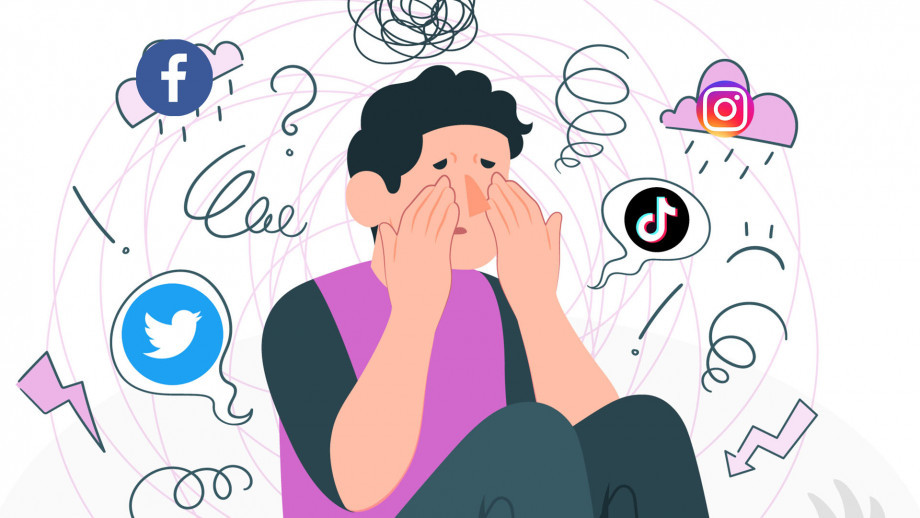
Social media is the digital technology that allows ideas and information to be made, shared and exchanged. People use social media as a way to connect with friends, express their creativity, and learn new things. Some popular social media platforms used today are Instagram, TikTok, YouTube, Twitter, and Facebook. Unfortunately, some individuals abuse social media to the point where it’s not a positive experience, but rather a negative one. Scrolling on social media platforms for hours daily has become a routine for some.

We now see that social media and technology addiction is most dangerous to children because it affects their learning abilities at school. The compulsion has grown to be so threatening that various school districts have banned the usage of smartphones on school grounds. Hopefully, there will be more effective ways to control this addiction before it leads to more negative outcomes.

If you or someone you know is struggling with their mental health or addiction, please contact our psychotherapy offices in New York or New Jersey to talk to one of our licensed professional psychologists, psychiatrists, psychiatric nurse practitioners, or psychotherapists at Arista Counseling & Psychotherapy. Contact our Paramus, NJ, or Manhattan, NY offices respectively, at (201) 368-3700 or (212) 722-1920 to set up an appointment. For more information, please visit https://aristapsychiatrypsychotherapy.com/

Alcoholism: Codependency and Effects on Family

Alcoholism: Codependency and Effects on Family

By: Maddie Rhodes

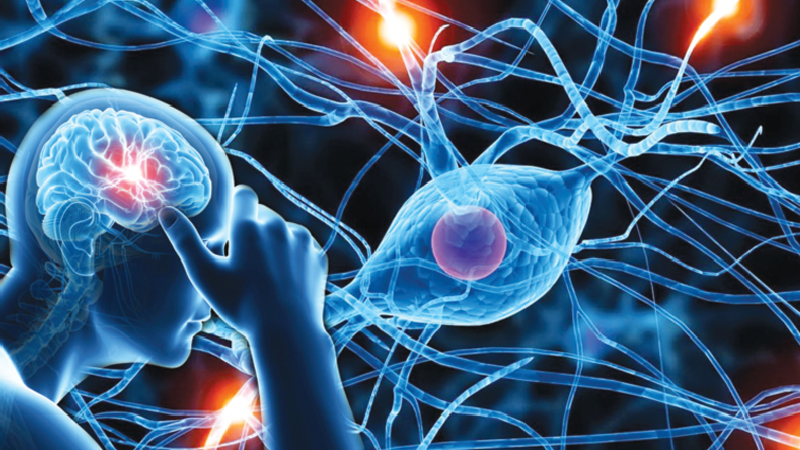
Alcoholism, or Alcohol Use Disorder, has drastic effects on the individual, and it also takes a toll on the people surrounding them including their family, friends, and colleagues. Alcoholism always has a financial tie and can easily create instability within a family.

Alcoholism can result in martial conflict, stress, and domestic violence. It is important for a family member or friend to consider their own mental health when supporting someone who has Alcohol Use Disorder (AUD). A risk that spouses face when put in this situation is codependency, focusing all of their efforts onto their partner or family member. This forms an unhealthy relationship and may lead to them blaming themselves for the addiction.

 It also has detrimental effects on children living in the household. According to the American Academy of Child and Adolescent Psychiatry (AACAP), 1 in every 5 adult Americans resided with a relative who misused alcohol during their adolescence. They often face strong feelings of anger, anxiety, and confusion with some struggling with friendships, school, and mental health. Living via an alcoholic puts the child at a higher likelihood of developing AUD. It is important to set boundaries with the individual, for example, how much alcohol you are comfortable having in the house.

Considerations:

  • Learn about AUD and how it may affect your loved one
  • Try to avoid enabling them
  • Remove yourself from dangerous situations
  • Have an open conversation
  • Speak to a therapist or licensed professional

If you or someone you know is interested is dealing with Alcoholism or is an individual close to someone with Alcoholism, please contact our psychotherapy offices in New York or New Jersey to talk to one of our licensed professional psychologists, psychiatrists, psychiatric nurse practitioners, or psychotherapists at Arista Counseling & Psychotherapy. Contact our Paramus, NJ or Manhattan, NY offices respectively, at (201) 368-3700 or (212) 722-1920 to set up an appointment. For more information, please visit https://www.counselingpsychotherapynjny.com/

Sources:

https://www.aacap.org/AACAP/Families_and_Youth/Facts_for_Families/FFF-Guide/Children-Of-Alcoholics-017.aspx

https://americanaddictioncenters.org/alcohol/support-recovery/family

Telehealth versus in person therapy: Which is right for you?

Telehealth versus in person therapy: Which is right for you?

By: Kristen Thauer

COVID-19 has undoubtedly changed the way in which healthcare operates. Many different
industries have been permanently impacted by the pandemic. Psychological
counseling has quickly turned into a telehealth industry. Some practitioners
see their clients fully virtually. For many, getting on a zoom call for forty
five minutes to an hour versus commutes to the therapy office is much easier
and less stressful. Whether it is a packed work schedule or a physical ailment,
telehealth has now made therapy more accessible for many. Despite the
convenient nature of telehealth, many argue that sitting behind a screen does
not have the same impact as a face to face interaction may have. It is no secret that human communication involves much more than verbal speech. Sometimes body
communication conveys far more about a depressed patient than words ever can.
Another commonly brought up issue regarding telehealth is the cold nature of
staring at a computer screen. Many have argued that in order for a healthy
client patient rapport to flourish, client and practitioner must meet in
person. There is no doubt that a generational divide is present: millennials
and generation Z may prefer to meet virtually, while older generations are more
comfortable with an in person session. Regardless of which you prefer, being in
therapy can be beneficial no matter the circumstance.

In person therapy can also be an escape for many, away from the stressors of home or work.

For those with familial issues, it is not always safe to be in session while at home.
Additionally, Wi-Fi and computers do fail on occasion, which can be incredibly
distracting and even distressing for some clients. Despite this, the American
Psychological Association has ruled telehealth therapy to be just as effective
as in person therapy according to the research.


If you or someone you know is interested is dealing with an eating disorder, please
contact our psychotherapy offices in New York or New Jersey to talk to one of
our licensed professional psychologists, psychiatrists, psychiatric nurse
practitioners, or psychotherapists at Arista Counseling & Psychotherapy.
Contact our Paramus, NJ or Manhattan, NY offices respectively, at (201) 368-3700
or (212) 722-1920 to set up an appointment. For more information, please visit
 http://www.counselingpsychotherapynjny.com/


https://www.google.com/imgres?q=teleheALTH%20THERAPY&imgurl=https%3A%2F%2Fwww.peacefulwaypsychology.com%2Fwp-content%2Fuploads%2F2022%2F04%2Fshutterstock_1727526499-500×286.jpg&imgrefurl=https%3A%2F%2Fwww.peacefulwaypsychology.com%2Fsuccessful-telehealth-therapy%2F&docid=_Vp4YRlYOO2ljM&tbnid=5fH4YmBvtgTK-M&vet=12ahUKEwiKuaf_06mHAxW1FVkFHcldC9UQM3oECBgQAA..i&w=500&h=286&hcb=2&ved=2ahUKEwiKuaf_06mHAxW1FVkFHcldC9UQM3oECBgQAA

Sources: https://www.apa.org/monitor/2022/10/future-of-telehealthhttps://www.ncbi.nlm.nih.gov/pmc/articles/PMC8956990/

Eating Disorder: Supporting a Loved One with an Eating Disorder


Eating Disorder:
Supporting a loved one with an eating disorder

By: Maya Weisberg

When someone you know is struggling with an eating disorder,
you may feel at a loss for how to help them. Afraid to say the wrong thing or
push your loved one farther away, you may hold back and say nothing even when
you know they need help and support. While there is nothing you can say that
will magically cure them, there are certain things you can say and do to help.
There are also certain things you should not say or do.


If you start to notice signs that your loved one may be
dealing with an eating disorder, gently encourage them to seek out professional
help. You may face resistance at this suggestion and your loved one may even
get angry with you for suggesting they need help. Remind yourself that they are
not truly angry with you; they are just taking out their frustration on you.
Hold your ground and continue to encourage them when you can, emphasizing that
you only want to help them live their happiest life. 


Outside of professional help, there are several things you
can do that may help alleviate some of the suffering your loved one is
experiencing. First is assuring them that they are not to blame for their
eating disorder nor are they one entity with their eating disorder. Reminding
them that the eating disorder is something they have, not something they are,
is often something that they need to hear. Second, it is important to make sure
that you do not discuss diets, weight, or body shape. Talking about these
things, even if you think it is in a positive light, can be triggering and may
reinforce the eating disorder.  A third action is to help your loved one during meal times. This can take the form of eating with them, helping them stay busy after a meal so they cannot dwell on
it, or making sure that nutrition information is hidden away. Offering to go
grocery shopping or cooking for/with your loved one may also be helpful. Lastly,
if your loved one is responsive, ask them what they would like you to do. Every
eating disorder is different so it’s important to get direct feedback and suggestions
from your loved one.


Sometimes your loved one may reject any outright help from
you. In these cases there are still things you personally can do that may help
even if it’s not explicit. The first is to educate yourself on eating
disorders. Learn about the misconceptions and causes of eating disorders as
well as what the experience is like of living with an eating disorder.  There are many internet resources as well as books and podcasts. Educating yourself will enable you to better understand what
your loved one is experiencing and how you can help. Think about if there are
any behaviors you do that may be enabling an eating disorder. These behaviors
may not be obvious at first but even just talking about how you were so busy
today that you didn’t have time to each lunch can be triggering. Commenting on
a the body of a person you each know is another example of a behavior that may
enable the eating disorder. As you educate yourself, these types of behaviors
will become more apparent to you. Lastly, remember to take care of your own
mental health. Without taking care of yourself, you cannot effectively help
someone else.


If you or someone you know is interested is dealing with an eating disorder, please
contact our psychotherapy offices in New York or New Jersey to talk to one of
our licensed professional psychologists, psychiatrists, psychiatric nurse
practitioners, or psychotherapists at Arista Counseling & Psychotherapy.
Contact our Paramus, NJ or Manhattan, NY offices respectively, at (201) 368-3700
or (212) 722-1920 to set up an appointment. For more information, please visit
 http://www.counselingpsychotherapynjny.com/


Source:
https://www.beateatingdisorders.org.uk/get-information-and-support/support-someone-else/tips-for-supporting-somebody-with-an-eating-disorder/

Couples Helped by Therapy

Couples Helped by Therapy

By: Maya Weisberg

If you hear someone you know is in couples counseling you might assume they are fighting with their partner, unhappy, and on the verge of breaking up or getting a divorce. But contrary to popular belief, couples therapy can be used simply for maintenance purposes. Couples may want to work on strengthening their relationship, learn strategies to deal with future challenges, or see the sessions as ways to prioritize each other despite a hectic schedule.

Many couples seek out a professional only once they are in an active crisis. Often times, this can cause difficulties in successfully addressing the issue(s) at hand. If a couple begins therapy when they are in a good place, future challenges can often be mitigated and addressed before they become detrimental.  Having scheduled time to talk with each other can also be very helpful in making sure partners are communicating with each other. Many people enjoy therapy with their partner as they get to learn more about each other that they might not have otherwise known.  Additionally, through carving out time to actively focus on their relationship, a couple may already be one step closer to avoiding future conflict.

Eliminating the notion that couples therapy is only for those who are in a relationship emergency is crucial. Many couples who would not classify their relationship as “rocky” or “troubled” can benefit immensely from sessions with a trained professional. Couples who do engage in this maintenance therapy sessions may prevent future problems, grow closer to each other, and feel overall happier and satisfied in their relationship.

If you or someone you know is interested in pursuing couples counseling, please contact our psychotherapy offices in New York or New Jersey to talk to one of our licensed professional psychologists, psychiatrists, psychiatric nurse practitioners, or psychotherapists at Arista Counseling & Psychotherapy. Contact our Paramus, NJ or Manhattan, NY offices respectively, at (201) 368-3700 or (212) 722-1920 to set up an appointment. For more information, please visit http://www.counselingpsychotherapynjny.com/

Sources: https://www.marriage.com/advice/counseling/learn-how-couples-counseling-can-be-used-as-preventative-maintenance/

Major Depressive Disorder: Depression

Major Depressive Disorder: Depression

By: Isabella Favuzza

Sadness is a common emotion expressed through tears or gloominess. This feeling arises for a variety of reasons, including the loss of a partner, job, house, friendship, etc. Sadness is an intense emotion that every individual feels throughout their life. However, persistent sadness may transform into depression, a mental illness. One may struggle with depression following two weeks of lasting unhappiness, constant exhaustion, and a lack of motivation. Major depressive disorder, also known as MDD, is a clinical term to describe symptoms of perpetual sadness and a loss of interest. MDD can cause numerous emotional and psychological symptoms and prevent individuals from performing daily activities.

Depression involves symptoms such as lethargy, angry outbursts, and feelings of emptiness, reduced appetite, and suicidal ideations. Those struggling with depression find it challenging to partake in normal day-to-day activities like work, school, or relationships. Some may feel unhappy or gloomy without knowing why. Psychological and psychiatric treatment can significantly support those with MDD. A psychologist can identify the root of depression and provide specific therapies like CBT, talk therapy, or hypnosis to reduce these feelings of unhappiness. Psychiatric medications or antidepressants like Lexapro or Sertraline can visibly reduce depressive symptoms through serotonin reuptake. Ultimately, proper treatment can offer those with MDD an opportunity to regain control and provide a better quality of life.

If you or someone you know is struggling with depression, please contact our psychotherapy offices in New York or New Jersey to talk to one of our licensed professional psychologists, psychiatrists, psychiatric nurse practitioners, or psychotherapists at Arista Counseling & Psychotherapy. Contact our Paramus, NJ or Manhattan, NY offices respectively, at (201) 368-3700 or (212) 722-1920 to set up an appointment. For more information, please visit http://www.counselingpsychotherapynjny.com/

Source:

https://www.mayoclinic.org/diseases-conditions/depression/symptoms-causes/syc-20356007#:~:text=Also%20called%20major%20depressive%20disorder,life%20isn’t%20worth%20living.

Obsessive-Compulsive Disorder: OCD

Obsessive-Compulsive Disorder: OCD

By: Isabella Favuzza

Many feel overwhelmed with anxiety or stress regarding weight, relationships, family, work, school, etc. However, have you ever counted, organized, or cleaned to cope with these unwanted feelings of stress or anxiety? Perfectionist coping mechanisms are a symptom of OCD, also known as obsessive-compulsive disorder. OCD entails a frequent pattern of unwanted thoughts or fears known as obsessions to combat feelings of stress. Said obsessions commonly inhibit individuals from partaking in daily activities due to inevitable disturbances and distress. Those struggling with OCD feel compelled to soothe urges through ritual behaviors. OCD builds around a theme like the fear of germs, which leads an individual to consistently wash their bodies and disinfect their living quarters.

Those struggling with OCD face symptoms like fear of contamination, feelings of uncertainty, aggressive or horrific thoughts, unwanted ideals, the need for order or balance, intense stress, etc. These systems can restrict an individual from performing daily tasks in the workplace or even in the comfort of their own home. Psychiatric treatment can reduce OCD’s severe symptoms and allow individuals to reclaim their lives. Proper medication and other effective treatments can increase and regulate serotonin levels within the body, easing obsessions and unwanted thoughts. Ultimately, psychiatric treatment can significantly reduce unwanted obsessions and urges, enabling those struggling with OCD to reclaim their lives.

If you or someone you know is struggling with OCD, please contact our psychotherapy offices in New York or New Jersey to talk to one of our licensed professional psychologists, psychiatrists, psychiatric nurse practitioners, or psychotherapists at Arista Counseling & Psychotherapy. Contact our Paramus, NJ or Manhattan, NY offices respectively, at (201) 368-3700 or (212) 722-1920 to set up an appointment. For more information, please visit http://www.counselingpsychotherapynjny.com/

Source:

https://www.mayoclinic.org/diseases-conditions/obsessive-compulsive-disorder/symptoms-causes/syc-20354432