Assertiveness and Anxiety: How Expressing Yourself Can Lead to a Happier Self

By: Sanjita Ekhelikar

“Communication is key” is a phrase we are all familiar with, yet many struggle with actually acting on it. The most effective form of communication is through assertiveness, which involves expressing one’s views in a straightforward manner, and in standing up for one’s needs while still being considerate of others. This differs from aggressiveness in that it does not involve being outwardly emotional or insulting to others, and differs from passivity in that the individual clearly states their feelings and desires. Being assertive involves open communication, which can be difficult to engage in, especially for people struggling with anxiety. However, through practicing and learning assertiveness, people with anxiety can actually feel less worry and more confident in themselves.

Anxiety describes the uncomfortable feelings of turmoil and dread that one might have in anticipation that results in physical sensations such as rapid heartbeat, sweating, and rumination. For many who struggle with anxiety, the thought of being assertive with others makes them anxious. They often worry that being assertive will come off as being mean, creating conflict, and being inconsiderate. Therefore, many choose passive communication, and never voice their views or feelings. This worsens their state of worry, as they are not properly understood by those around them and can easily be taken advantage of. They are often misunderstood which increases their worry. Others often take advantage of them because of their meek manner and visible anxiety.

Contrary to what those with anxiety believe, assertiveness can actually help them feel better. Often times, those with anxiety create situations in their mind about everything that will go wrong if they voice themselves to another person. However, such a form of open communication can create a better understanding between two people. It allows the person with anxiety to be properly understood, to dispel the fearful thoughts in their head, and become more confident in themselves and their views.

How can people with anxiety begin working towards being more assertive? By stating their views using “I,” individuals can avoid putting blame on others by expressing their own opinions. In addition, reminding themselves that their fears are not rational and that it is their anxiety talking to them can help them become increasingly comfortable with being assertive. Finally, practice makes perfect – keep trying and speak up!

If you or someone you know is suffering from anxiety, please contact our psychotherapy offices in New York or New Jersey to talk to one of our licensed professional psychologists, psychiatrists, psychiatric nurse practitioners, or psychotherapists at Arista Counseling & Psychotherapy. Contact our Paramus, NJ or Manhattan, NY offices respectively, at (201) 368-3700 or (212) 722-1920 to set up an appointment. For more information, please visit http://www.counselingpsychotherapynjny.com/.


Nightmares: Normal or Disorder?

By: Sanjita Ekhelikar

We all know the horrible sensation of waking up in the middle of the night after a nightmare, a terrifying dream that occurs during the rapid eye movement (REM) stage of sleep. These dreams are a normal response to stressors in our life, and occur both during childhood and in adulthood. However, when nightmares occur regularly and lead to impairment of one’s cognitive and social functioning, they can develop into Nightmare disorder.

Nightmare disorder is characterized by frequent occurrences of fearful dreams which can interfere with development, functioning, and sleep. People with the disorder are constantly woken up with the detailed recall of dreams that feel like a threat to their survival or security. In addition, such individuals tend to awaken very easily, and have difficulty functioning throughout the day. They are not taking any substances which could lead to the increase in nightmares and, therefore, show signs of the disorder.

Many of the likely causes of Nightmare disorder include mental illnesses such as anxiety and depression, which cause people to stress throughout the day which can interfere with their sleep. In addition, any major life trauma can result in this growing distress. Finally, any sleeping disorder, such as narcolepsy, sleep apnea, or sleep terror, can cause increased nightmares.

If you are experiencing extreme, recurrent nightmares, do not hesitate to reach out for help and seek treatment. You can speak to a psychologist or take anti-depressant medication to address the issues behind these dreams and to better reduce the unpleasant symptoms. Aside from this, setting a routine during bedtime, making oneself comfortable, exercising during the day, doing meditation before bed, and sleeping until sunrise are ways to better relax and try to prevent nightmares. It is important to take care of yourself and your health, both when you are awake and alert AND when you are asleep.

If you or someone you know is suffering from nightmares, please contact our psychotherapy offices in New York or New Jersey to talk to one of our licensed professional psychologists, psychiatrists, psychiatric nurse practitioners, or psychotherapists at Arista Counseling & Psychotherapy. Contact our Paramus, NJ or Manhattan, NY offices respectively, at (201) 368-3700 or (212) 722-1920 to set up an appointment. For more information, please visit http://www.counselingpsychotherapynjny.com/.

The Effects of Divorce on Children

By: Estephani Diaz 

In today’s world, about 50 percent of marriages end in divorce. But what about the children? Whether the break up is about money, infidelity, or other causes, divorces have an effect on children no matter how old they are.

In most situations, children blame themselves for their parents’ divorce. They believe that it is their fault, and many times attempt to get mom and dad back together. Other times, children get emotional, confused, and/or angry. They might cry themselves to sleep or misbehave for attention. Also, they might put the blame on one parent causing them to pick sides. Children might believe that their parents don’t love them anymore or will stop loving them.

The child’s living situation changes completely as well. They have to adjust to spending time with one parent one day and the other parent the next day. After a divorce, the child now has two homes to consider home. The new lifestyle can confuse a child completely.

If you or someone you know is going through a divorce, please contact our psychotherapy offices in New York or New Jersey to talk to one of our licensed professional psychologists, psychiatrists, psychiatric nurse practitioners, or psychotherapists at Arista Counseling & Psychotherapy. Contact our Paramus, NJ or Manhattan, NY offices respectively, at (201) 368-3700 or (212) 722-1920 to set up an appointment. For more information, please visit http://www.counselingpsychotherapynjny.com/.

Postpartum Depression (PPD)

By: Estephani Diaz

Becoming a mom is supposed to be a beautiful new chapter in a woman’s life, as she gives birth to a new life. However, for about 3 to 6 percent of women, it can lead to postpartum depression, also referred to as “baby blues.” Postpartum Depression, also known as “Depression with Peripartum Onset,” is a depression that grows within the first few weeks after giving birth, and/or even while pregnant. In order to be diagnosed with the “baby blues,” one must meet 5 or more of these major depressive episodes:

  • No interest or pleasure in activities
  • Significant weight loss/gain
  • Psycho-motor agitation/retardation
  • Thoughts of death/suicide
  • Insomnia/hypersomnia
  • Depressive mood almost everyday
  • Diminished ability to think/concentrate
  • Feelings of worthlessness
  • Fatigue/loss of energy

Someone with postpartum depression is likely to experience excessive crying, loss of energy, and even withdrawing from loved ones. She also may have a hard time building a bond with her newborn baby. In this mindset, sometimes moms go on to hurting themselves, and even their baby. This may be accompanied by frequent thoughts of suicide and death.

If you or someone you know is suffering from postpartum depression, please contact our psychotherapy offices in New York or New Jersey to talk to one of our licensed professional psychologists, psychiatrists, psychiatric nurse practitioners, or psychotherapists at Arista Counseling & Psychotherapy. Contact our Paramus, NJ or Manhattan, NY offices respectively, at (201) 368-3700 or (212) 722-1920 to set up an appointment. For more information, please visit http://www.counselingpsychotherapynjny.com/.

Women in Abusive Relationships

By: Estephani Diaz 

A relationship is a bond between two individuals who care, support, and share similar interests together. A healthy relationship would be defined as having trust, honesty, good communication, and most importantly mutual respect for one another. Unfortunately, not all relationships are healthy. According to loveisrespect.org, nearly one out of three U.S adolescents are victims of an abusive relationship. Abuse in a relationship could be physical, verbal, or both.

Physical abuse consists of:                                             Verbal Abuse consists of:

  • Pushing                                                                       – Yelling/Screaming
  • Punching                                                                    – Name calling
  • Kicking                                                                        – Threatening you
  • Pulling hair                                                                – Accusing/Blaming you of something
  • Throwing items at you/to destroy them                – Manipulation
  • Scratching/Biting

Some signs to look out for in relationships are: Does you partner get jealous? Does he/she get physical? Do they manipulate you? Do they stop you from seeing your friends and family? Do they blame you for everything? Do they intimidate you? These signs above, and many more, are warning signs to leave the relationship or seek help.

If you or someone you know is a victim of an abusive relationship, please contact our psychotherapy offices in New York or New Jersey to talk to one of our licensed professional psychologists, psychiatrists, psychiatric nurse practitioners, or psychotherapists at Arista Counseling & Psychotherapy. Contact our Paramus, NJ or Manhattan, NY offices respectively, at (201) 368-3700 or (212) 722-1920 to set up an appointment. For more information, please visit http://www.counselingpsychotherapynjny.com/.

Source: https://www.loveisrespect.org/?s=warning+signs

Stress

By: Estephani Diaz 

At some point in time, we have all dealt with stress. Whether it’s from finances, school, or a major life change, such as moving, we all go through it. It is the way our body responses to any demand or threat, leading to the terms, “fight or flight.” Since everyone reacts to stress differently, there are various coping strategies for handling stress.

Some stress relievers would be:

  • Exercise
  • Yoga
  • Mediation
  • Healthy diet
  • Get 8 hours of sleep
  • Taking time to oneself
  • Taking a personal day off from work or school
  • Laugh
  • Spend time with family and friends
  • Listen to music

If stress is not managed, it could also lead to serious short term and long term health problems such as:

Short Term Effects:                                                           Long Term Effects:

  • Headache                                                                        – Depression
  • Muscle Ache                                                                   – Anxiety
  • Rapid Breathing                                                            –  Insomnia
  • Chest Pain                                                                       – Heart Problems
  • Rapid Heartbeat                                                            – Weight Gain
  • Sleep Problems                                                              – Memory Impairment

If you or someone you know is dealing with stress, please contact our psychotherapy offices in New York or New Jersey to talk to one of our licensed professional psychologists, psychiatrists, psychiatric nurse practitioners, or psychotherapists at Arista Counseling & Psychotherapy. Contact our Paramus, NJ or Manhattan, NY offices respectively, at (201) 368-3700 or (212) 722-1920 to set up an appointment. For more information, please visit http://www.counselingpsychotherapynjny.com/.

Bipolar Disorder

By: Dianna Gomez

Bipolar Disorder, also known as “Manic-Depressive,” is a disorder of the brain that causes a person to experience sudden shifts in mood, energy/activity levels, and disrupts their ability to function fully each day. The changes in mood range from a person feeling extremely “up” and energized which are known as manic episodes to feeling extremely “down” and sad which is known as depressive episodes. There are multiple forms of Bipolar Disorder, however, the two main types of the disorder are Bipolar I and Bipolar II. Regardless of the type a person has, he or she still suffers from very similar symptoms. Bipolar I Disorder is defined by manic episodes/symptoms that are either so severe the individual needs to be hospitalized immediately or the episode itself has lasted for at least 7 days. Depressive episodes occur in people with this type of Bipolar as well and these episodes can last up to at least 2 weeks at a time. Bipolar II Disorder is defined by a certain pattern of depressive episodes followed by some hypo-manic episodes. The only difference between manic and hypo-manic is that hypo-manic episodes are not as intense as full on manic ones. More specifically, when a person is having a manic episode they can experience the following symptoms:

  • Feeling “jumpy” or “weird”
  • Having trouble sleeping
  • Talk really fast about a lot of different things
  • Racing thoughts
  • Participating in risky behaviors (ex: spending all your money)

On the other hand, when a person is going through a depressive episode, he or she can experience the following symptoms:

  • Sleeping too much or not enough
  • Not being able to enjoy things
  • Trouble concentrating
  • Eating too much or not enough
  • Thinking about death and/or suicide

Luckily, there are several forms of treatment that a person suffering from Bipolar Disorder can seek out to help them live a more normal and stable lifestyle. Methods of treatment include: medications (mood stabilizers, sleep medications, antidepressants, and atypical anti-psychotics), psychotherapy (cognitive behavioral therapy, family-focused therapy, and interpersonal therapy), or a combination of both. Even while taking medications some mood swings may still occur. This makes it especially important that there is a close and honest patient-doctor relationship in order to manage the disorder in the most efficient way possible. In addition to these, there is also electroconvulsive therapy or “ECT,” and keeping a lifestyle chart. When keeping the lifestyle chart, the patient records their daily symptoms, sleep patterns, and other important life events.


If you or anyone you know may suffer from either Bipolar I Disorder or Bipolar II Disorder, the licensed psychologists, psychiatrists, psychiatric nurse practitioners, and psychotherapists at Arista Counseling & Psychotherapy can assist you. Contact our Paramus, NJ or Manhattan, NY offices respectively, at (201) 368-3700 or (212) 722-1920 to set up an appointment. For more information, visit us at http://www.counselingpsychotherapynjny.com/.

Insomnia

By: Dianna Gomez

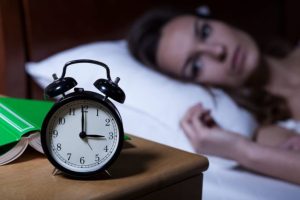
Insomnia is a condition that makes it very difficult for a person to fall asleep and stay asleep throughout the night. Insomnia can be caused by medical conditions such as hyperthyroidism, or for psychological reasons such as anxiety, depression or intrusive thoughts. In addition to these possibilities, the type of lifestyle an individual chooses to live can also be responsible for creating symptoms of insomnia. There are a few things that people who experience insomnia tend to do that may be worsening their symptoms without them even knowing. Some examples of these lifestyle habits include:

  1. Taking Mid-Day Naps
  • Whether it is short or long, sleeping in the middle of the day can increase a person’s chances of having difficulty sleeping through the night. If you can, try to avoid taking naps all together.
  1. Sleeping In Late
  • When a person is lacking sleep, it isn’t uncommon for them to attempt to fix the problem by sleeping in later the next morning to make up for their “lost hours.” However, by doing so, you are confusing your body clock which then makes it difficult to fall asleep at a regular time again the following night. This can quickly create a vicious cycle that is even harder to break.
  1. Taking Your Work Home With You
  • Regardless of what your occupation is, almost everybody has hectic daily schedules. When people are feeling behind on their work, they often decide to put in a little “over-time” by bringing their work home with them. By doing this, you make the process of “winding down” at night harder as your mind is kept wide awake and pre-occupied when it shouldn’t be.
  1. Using Electronics
  • Especially in today’s generation, it is extremely common for people to use their phones or laptops while lying in bed right before they intend to fall sleep. The problem with this, however, is that bright screens like those on our electronics actually stimulate the brain more and cause you to stay awake. This then makes it more difficult to fall asleep for the night.
  1. Working Irregular Hours
  • If you have a job that has you on various different “shifts,” sleeping may become a problem for you. If a person doesn’t stay on a regimented time schedule, their body clock cannot decipher when it should be waking up to take on a new day or winding down to get ready for bed.


If you have already tried reversing these lifestyle habits and still regularly experience symptoms of insomnia, the licensed psychologists, psychiatrists, psychiatric nurse practitioners, and psychotherapists at Arista Counseling & Psychotherapy can help you. Contact our Paramus, NJ or Manhattan, NY offices respectively, at (201)-368-3700 or (212)-722-1920 to set up an appointment. For more information, visit us at https://www.counselingpsychotherapynjny.com/.


Antisocial Personality Disorder

By: Estephani Diaz

Antisocial Personality Disorder is defined as a long term pattern of having no care for others, manipulating people and violating people’s rights. People with Antisocial Personality Disorder have a strong, intense concern for themselves and no one else. Less than 3.5% of the population are diagnosed with this personality disorder. In fact, males are 70% more likely to be diagnosed with APD than females. Although the disorder is rare, it can lead to consequences, death and harm for others.

People with Antisocial Personality Disorder are often referred to as psychopaths or sociopaths. They show symptoms such as:

  • Failure to conform to social norms
  • Deceitfulness
  • Impulsivity
  • Irritability and aggressiveness
  • Reckless disregard
  • Consistent irresponsibility
  • Lack of remorse

APD can begin at a young age, however, it cannot be diagnosed in those younger than 18. As one gets older, it has been reported that symptoms decrease with age. Some of the most common symptoms for those with Antisocial Personality Disorder are:

  • Substance abuse
  • Homicide/suicide
  • Prison
  • Gang membership
  • Low socio/economic status
  • Other symptoms include: depression and anxiety

If you or someone you know is struggling with Antisocial Personality Disorder, please contact our psychotherapy offices in New York or New Jersey to talk to one of our licensed professional psychologists, psychiatrists, psychiatric nurse practitioners, or psychotherapists at Arista Counseling & Psychotherapy. Contact our Paramus, NJ or Manhattan, NY offices respectively, at (201) 368-3700 or (212) 722-1920 to set up an appointment. For more information, please visit http://www.counselingpsychotherapynjny.com/.

Panic Attacks and Anxiety

By: Dianna Gomez

Panic. Worry. Fear. Helplessness. What is wrong with me? Why am I feeling like this? Why is my heart beating out of my chest? Am I dying? Why can’t I make it stop?!

For some of us, these emotions are all too familiar. Anxiety can be a scary thing, especially when you’re not totally up-to-date on what exactly it is. What are you to do when you feel like your whole world is crashing down around you and there’s nothing you can do to stop it? Well, have no fear because I have a few helpful tips to share!


Here are 5 things that you can do to calm yourself down when suffering from an anxiety attack:

  • Take Deep Breathes

Inhale. Exhale. Tell yourself that although it may not feel like it right now, everything will be okay.

  •  Talk Yourself Down

Repeat a calming/kind phrase to yourself OUT LOUD. Remind yourself that you are safe, loved, and never alone.

  • Seek Help

Sometimes we tend to insist that we can get through tough times all on our own, but there is no shame in asking for help. Whether it be a neutral professional, a loved one or someone you trust, find someone with whom you can talk out your troubles.

  • Use Music and Visuals

Never underestimate the power of calming music and visuals. Whether it be classical music, peaceful nature videos/sounds, or your favorite John Mayer song – let the music play and your worries float away!

  • Put Your Anxiety on Ice

Create sensory stimulation by gently sticking both of your hands into a bowl of very cold water with ice. The more ice the better.


If either you or anybody you know suffers from anxiety, the licensed psychologists, psychiatrists, psychiatric nurse practitioners, and psychotherapists at Arista Counseling & Psychotherapy can help you. Contact our Paramus, NJ or Manhattan, NY offices respectively, at (201)-368-3700 or (212)-722-1920 to set up an appointment. For more information, visit us at https://www.counselingpsychotherapynjny.com/.