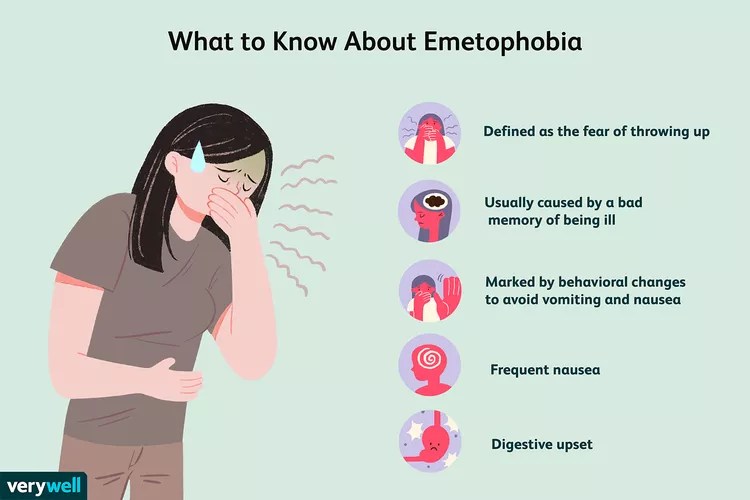
Emetophobia or the fear of vomit is a mental health disorder that is not talked about often. Globally, around 10%, of people struggle with this disorder and it tends to go undiagnosed simply because it really is not studied often. It is significantly more common in women, with a percentage of 7%.
Some symptoms that you may notice are:
Excessive anxiety and panic attacks when exposed to triggers (e.g., witnessing vomit, smelling vomit, thinking about vomiting)
Avoidance of situations or foods that may induce vomiting
Obsessive hand washing and cleaning
Extreme caution with food safety and hygiene
Physical symptoms such as nausea, sweating, and increased heart rate.
With that being said, Emetophobia, most of the time has underlying mental health disorders such as ADHD, anxiety, or OCD. There is no specific cause for Emetophobia other than some tests have shown that Early childhood experiences with vomiting, witnessing traumatic events involving vomit, genetic predisposition, and underlying anxiety disorders. Researchers also say, that since the patient does not have control over the symptoms such as nausea or vomiting, it makes them feel out of control which ultimately ends in a spiral.
Some treatment options for Emetophobia typically involve:
Cognitive-behavioral therapy (CBT): To challenge negative thoughts and develop coping strategies
Exposure therapy: Gradually exposing the individual to triggers in a controlled setting
Medication: In some cases, medications such as antidepressants or anti-anxiety drugs may be prescribed
If you or someone you know is struggling with Emetophobia, please contact our psychotherapy offices in New York or New Jersey to talk to one of our licensed professional psychologists, psychiatrists, psychiatric nurse practitioners, or psychotherapists at Arista Counseling and Psychotherapy. Contact our Paramus, NJ, or Manhattan, NY offices respectively, at (201) – 368-3700 or (212)-722-1920 to set up an appointment. For more information, please visit https://www.counselingpsychotherapynjny.com/
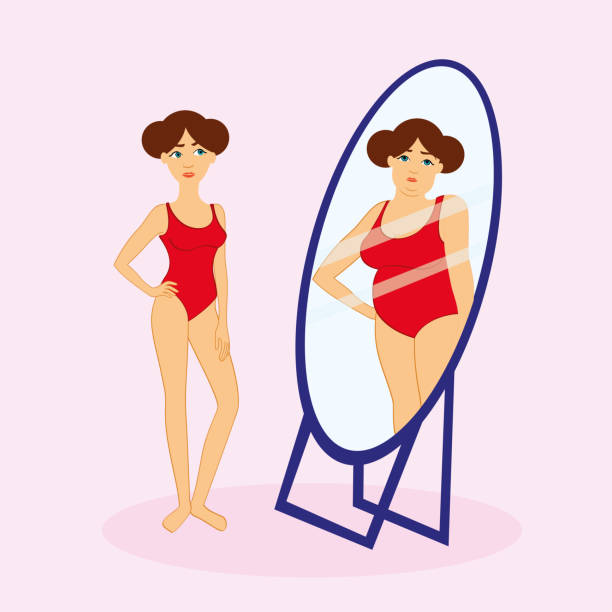
Anorexia Nervosa is one of the most well-known eating disorders, along with Bulimia Nervosa and Binge disorder. Anorexia has the highest mortality rate among mental health disorders. Anorexia causes around 10,200 deaths every year as a direct result of the eating disorder. This equals one death every 52 minutes. People with anorexia are also 18 times more likely to attempt suicide than individuals without an eating disorder.
Some warning signs that one should look out for in a loved one are:
–Dramatic weight loss.
–Lying about how much and when they’ve eaten, or how much they weigh.
–Avoid eating with others.
–Cutting their food into small pieces or eating very slowly to disguise how little they’re eating.
–Trying to hide their thinness by wearing loose or baggy clothes.
Now, how do you help someone? Is that even possible? When you are trying to help someone with any sort of mental health disorder, they have to WANT the help to fully recover. Fortunately, when someone with a severe eating disorder is under the age of 18, a parent/ guardian is in control of their treatment.
You may consider exploring treatment options together with your teen. You will want to choose an eating disorder program or a therapist/ nutritionist who specializes in helping teenagers and young adults. Equally important, you’ll want to choose a program that offers tailored, personalized treatment plans, and that is equipped to treat multiple mental health disorders. No single course of treatment will work for everyone, because everyone has different needs
Continuing your plan at home is also extremely important to keep up with the recovery process. Make sure to encourage maintaining a healthy exercise regime( when given permission from the provider to do so), eating/providing nutritious meals, getting your child involved in mealtimes, creating distractions from the food, avoiding criticism and negative talk, showing acceptance for all types of bodies, shapes, and sizes, fostering self-love and acceptance and encouraging intuitive eating.
Though nothing is a quick fix, it will take time, love, and effort to recover/ start recovery from Anorexia but it is possible and there is living proof of survivors. Day by day… meal by meal.
If you or someone you know is struggling with Anorexia or an eating disorder, please contact our psychotherapy offices in New York or New Jersey to talk to one of our licensed professional psychologists, psychiatrists, psychiatric nurse practitioners, or psychotherapists at Arista Counseling and Psychotherapy. Contact our Paramus, NJ, or Manhattan, NY offices respectively, at (201) – 368-3700 or (212)-722-1920 to set up an appointment. For more information, please visit https://www.counselingpsychotherapynjny.com/
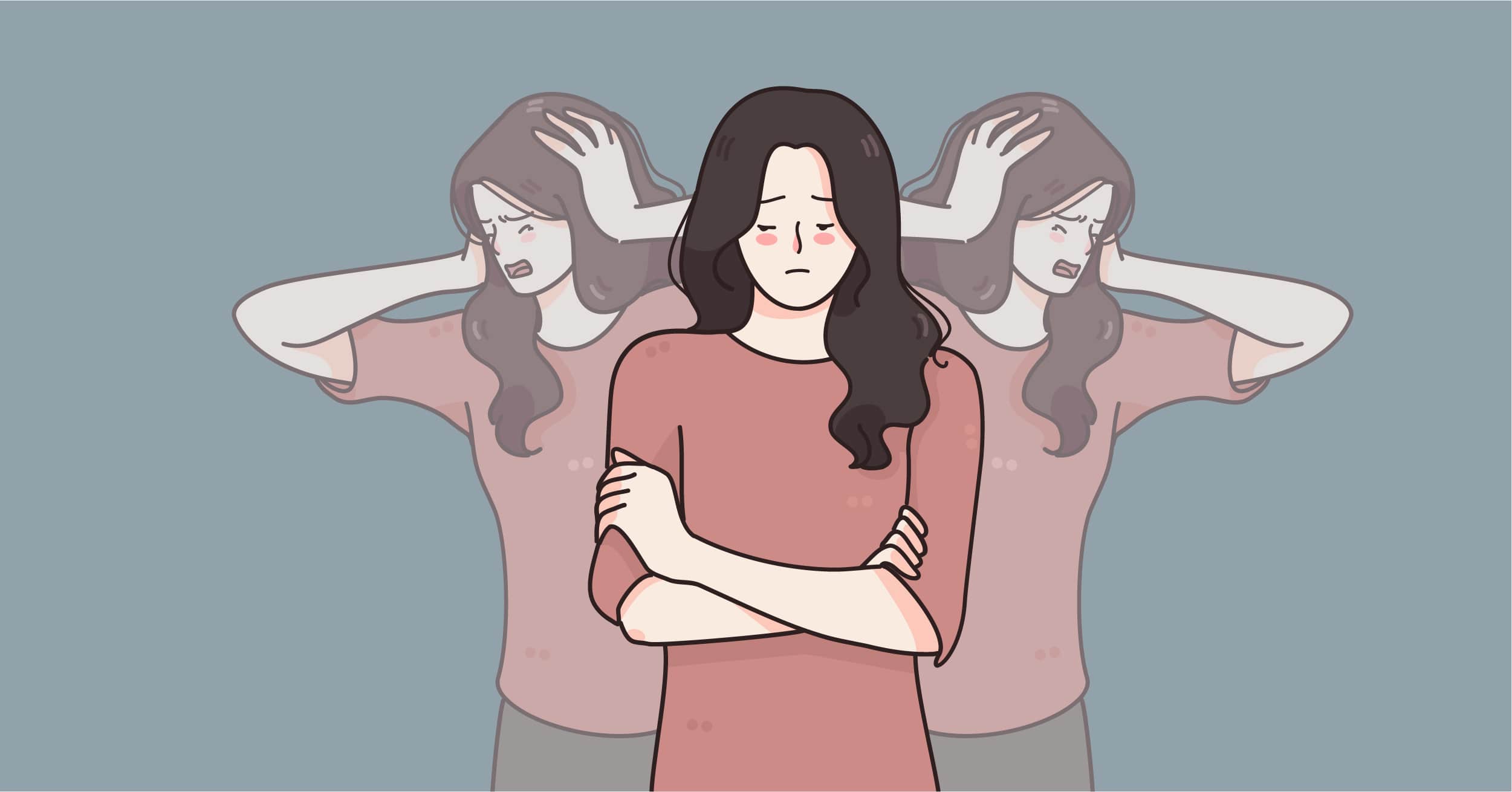
Dissociative Identity Disorder, DID, can happen when kids are in a traumatic situation and they don’t quite know how to handle their emotions so the kid dissociates from the situation and their mind essentially “shuts off”. When a kid dissociates, it means that the kid is disconnecting from their thoughts, feelings, and memories. What dissociating may look like is that the kid will “space out”. They will stare blankly at things, look disconnected from the conversation or whatever is going on around them. There can be a sudden shift in their mood or behavior as well. Dissociating looks like the kid is daydreaming. When someone “shuts off” during an incident, they will compartmentalize the experience and how they feel. This is a way of their body protecting themselves from facing the incident at hand. The type of situations a kid might be in could be emotional, physical, or even sexual abuse. Most of the time, Dissociative Identity Disorder forms when you’re an adolescent. There have been examples of DID in movies or TV shows. However, more likely than not, movies and TV shows portray the disorder incorrectly.
Dissociative Identity Disorder can help kids keep their ability to understand humor, have creativity, and reflection. If someone has DID, it could be hard for their family and friends to notice when someone is switching. People rarely see the symptoms if someone is experiencing DID. One of the symptoms someone may have is “memory gaps”. Memory gaps are considered missing memories. What this means is that someone might not be able to recall important events or details that have happened in their lives because they weren’t present for that memory. A different identity was present for that event and will remember it. If the patient doesn’t know they have the disorder, it can be scary for them to have “memory gaps”. Having Dissociative Identity Disorder in your adult life can become more of a problem if the threats of the incidents are no longer there. If you are an adult and are first seeking help for DID, it could be more a difficult recovery process but not impossible.
To get diagnosed with Dissociative Identity Disorder, you need to experience these criteria:
– The presence of two or more distinct identities or personality states.
– At least two of these identities or personality states recurrently take control of the person’s behavior.
– Inability to recall important personal information that is too extensive to be explained by ordinary forgetfulness.
– The disturbance is not due to the direct psychological effects if a substance (blackouts due to alcohol) or a general medical condition (seizures).
This disorder is treatable. Typically, how the treatment goes is that it is done in three phases. Phase one is about the patients’ stability and safety. Make sure that the patient has healthy coping mechanisms in general and if the patient has thoughts about or has harmed themselves or has had suicidal thoughts. Phase two is to identify the traumatic situation, address it and working through the problem. Finally, phase three is for the patient to not rely on dissociating when difficult situations occur.
If you or someone you know is having mental health difficulties and/ or experiencing symptoms of Dissociative Personality Disorder, please contact our psychotherapy offices in New Jersey to talk to one of our licensed professional psychologists, psychiatrists, psychiatric nurse practitioners, or psychotherapists at Arista Counseling & Psychotherapy. Contact our offices at (201) 368-3700 or (212) 722-1920 to set up an appointment. For more information, please visit http://www.counselingpsychotherapynjny.com/
Source
Dissociative identity disorder: What you need to know | McLean hospital. Understanding Dissociative Identity Disorder. (2024, July 6). https://www.mcleanhospital.org/essential/did
OCD Rumination vs. Problem Solving: Help Quiet Your Mind
By: Katerina Kostadimas
What is Rumination?
Rumination is a common symptom of Obsessive-Compulsive Disorder (OCD). It refers to the repetitive, excessive, and intrusive thoughts about a specific issue, question, or event. These thoughts can often feel uncomfortable and can involve:
–Overanalyzing past actions or decisions.
–Trying to “solve” unanswerable questions (e.g. moral, existential, or religious dilemmas).
–Seeking certainty about a fear or doubt related to an obsession.
Unlike productive problem-solving, rumination is circular and unhelpful- it doesn’t lead to resolution but instead amplifies distress and reinforces the OCD cycle.
Why do we ruminate?
Rumination is a compulsive response to reduce anxiety or gain assurance about intrusive thoughts or fears. Some reasons include:
Seeking Control: This is an attempt to rationalize or figure out answers to uncertain or distressing thoughts.
Fear of consequences: People ruminate to ensure they aren’t missing something important or to avoid perceived risks.
Perfectionism: A desire to think things through “perfectly” before making a decision or taking action.
However, rumination often worsens anxiety instead of resolving it, making you feel trapped in a cycle of obsession and compulsion.
What to do if you start ruminating?
Recognize and Label the Rumination
– Acknowledge when you’re ruminating and remind yourself, “this is rumination, not helpful problem-solving.”
2.Avoid Trying to “Solve” the Thought
-Accept that there is an unknown problem and make a conscious effort to not engage in these types of thoughts.
3.Shift Your Focus to the Present
–Engage in grounding techniques (e.g. mindfulness or sensory awareness).
–Focus on your current environment rather than the thought.
4. Engage in an Activity
-Distract yourself with meaningful or enjoyable activities that redirect your attention and energy.
5. Seek Professional Help
–A trained and licensed mental health professional can provide tools to break the rumination cycle and address underlying OCD patterns.
If you or someone you know is struggling with Obsessive Compulsive Disorder and symptoms such as rumination, please contact our psychotherapy offices in New York or New Jersey to talk to one of our licensed professional psychologists, psychiatrists, psychiatric nurse practitioners, or psychotherapists at Arista Counseling and Psychotherapy. Contact our Paramus, NJ or Manhattan, NY offices respectively, at (201) – 368-3700 or (212)-722-1920 to set up an appointment. For more information, please visit https://www.counselingpsychotherapynjny.com/
ADHD overwhelm often arises when the brain finds it challenging to handle excessive information, numerous tasks, or overwhelming environmental stimuli. This situation is linked to various executive functioning difficulties, such as issues with planning, starting tasks, organizing, prioritizing, managing time, and regulating emotions. Additional factors like sensory overload, frequent task-switching, procrastination, perfectionism, and sleep difficulties can further contribute to this feeling of overwhelm.
When the ADHD brain becomes overstressed, it may react by either shutting down, becoming hyperactive, or spiraling out—much like the body’s response during fight, flight, or freeze situations. Your mind is attempting to cope with the influx of information while trying to process ongoing events. This reaction can manifest in different ways, such as withdrawing, becoming distracted, or feeling irritable. Ultimately, it’s your brain signaling that it has reached its limit.
Experiencing high-stress levels can push you into this uncomfortable state, and it’s important to recognize when that happens. To help reduce overwhelm, we can start by focusing on lowering your stress levels. Stress often stems from feeling overwhelmed or overloaded. Take a moment to examine how much time you spend scrolling through social media, getting distracted by notifications on your devices, or scrambling to meet deadlines. If you’re looking to reduce that overwhelming stress, it’s essential to slow down, identify the areas where you feel most pressured, and make necessary adjustments.
1.Focus on one task at a time: When we multitask, we stress our brains and exhaust ourselves. Multitasking doesn’t really exist in the brain. Instead, opt for single-tasking as often as possible. You may not be able to eliminate all media multitasking habits but, with single-tasking, you’ll feel more productive and less stressed. Plus, you’ll be able to perform better on what you’re doing.
2. Let Go of Perfection: Striving for perfection is an impossible goal that can lead to unnecessary pressure. It’s important to recognize that nobody is perfect. If you’re interested in self-improvement, consider narrowing your focus to one aspect of yourself that you would like to enhance rather than creating an overwhelming list of changes. Think about areas in your life, whether it’s your morning routine, keeping commitments, or meeting project deadlines, where you’d like to experience greater ease. Approach this process with self-compassion, reminding yourself that progress isn’t always linear—two steps forward and one step back still means you’re moving ahead.
3. Prioritize one self-soothing activity per day: It doesn’t matter what this is. What is important is that you create a list of things that help you fill your bucket and feel calm. Repeated stress and ADHD overwhelm wear you down. So, practice self-care in some way each day. Have a quiet cup of tea, a workout at the gym, a walk around the block, and a short meditation. Make a list of 5-10 things that make you feel good and feel grounded. Exercise is very helpful for doing this.
4. Nurture connections: Spending time with people who love and accept you naturally reduces stress. Laughter, lively conversations, sharing fun activities, and feeling supported increase your happy neurochemicals. Plus, when you engage with others, you are more likely to stop thinking about the stressors in your life and pay attention to what’s happening around you. You give yourself a lift and a healthy distraction at the same time.
5. Set realistic expectations for yourself: Instead of concentrating on goals based on compare and despair, use your internal compass to assess how you are doing and what you want. Consider what you can actually handle versus what you think you should do. Rule out items that seem unrealistic or vague; make things as specific as possible. Being more organized is a great goal, but it isn’t precise enough to lead you to do anything differently. Whereas being more organized with your bills, homework, or work presentations are all more exact and will likely result in more success.
If you or someone you love is struggling with ADHD, please contact our psychotherapy offices in New York or New Jersey to talk to one of our licensed professional psychologists, psychiatrists, psychiatric nurse practitioners, or psychotherapists at Arista Counseling and Psychotherapy. Contact our Paramus, NJ or Manhattan, NY offices respectively, at (201) 368-3700 or (212) 722-1920 to set up an appointment. For more information, please visit http://www.counselingpsychotherapynjny.com/.
For many years, therapy has been misunderstood, with many individuals associating it only with severe mental health problems. According to the American Psychological Association, nearly 50% of individuals with mental health issues don’t seek help, partly due to the stigma that therapy is for “broken” people or those in crisis. This narrative discourages people from reaching out, preventing them from using therapy as a preventative measure. Therapy should be seen as a lifeline—an essential tool for maintaining mental wellness, not a last resort.
Therapy is not just for people in crisis; it’s a vital tool for anyone looking to enhance their emotional well-being. Much like going to the gym for physical fitness, therapy helps strengthen your mental resilience. Regular sessions provide a space to understand your thoughts and behaviors, improve emotional regulation, and build coping strategies for life’s challenges. By addressing concerns before they escalate, therapy can prevent issues like anxiety or depression from becoming overwhelming.
Types of Therapy
There are various types of therapy, each suited to different needs:
Cognitive Behavioral Therapy (CBT) – Focuses on changing negative thought patterns.
Dialectical Behavior Therapy (DBT) – Aids in managing intense emotions.
Acceptance and Commitment Therapy (ACT) – encourages individuals to accept their thoughts and feelings without judgment while committing to actions that align with their values.
Couples or Family Therapy – Improves communication and resolves conflicts.
These diverse approaches allow individuals to choose the therapy that best fits their needs, whether they’re struggling with a specific issue or simply seeking personal growth.
The Lifelong Benefits of Therapy
Therapy offers lasting benefits beyond temporary relief. Research from the National Institute of Mental Health shows that therapy can significantly reduce symptoms of anxiety, depression, and other mental health conditions. People who engage in therapy often experience improved emotional resilience, healthier relationships, and better-coping mechanisms. The skills you gain in therapy can help you manage stress, navigate life transitions, and maintain mental balance in the long term.
While therapy can benefit anyone, there are certain signs that indicate it might be time to seek help:
Persistent Feelings of Overwhelm or Stress If daily tasks are becoming increasingly difficult to manage due to stress or anxiety, therapy can help you develop coping skills and regain control.
Significant Mood Changes If you notice consistent changes in your mood, such as prolonged sadness, irritability, or feelings of hopelessness, therapy can help you address underlying emotional issues.
Difficulty Managing Relationships Struggles in personal or professional relationships, marked by ongoing conflict or miscommunication, can be a sign that therapy is needed to improve interpersonal skills and emotional intelligence.
Changes in Behavior If you’ve noticed significant changes in behavior—such as withdrawal from activities, social isolation, or changes in sleeping or eating habits—it’s important to address these shifts with professional support.
Difficulty Coping with Major Life Changes Life events such as a breakup, job loss, or the death of a loved one can trigger emotional
If any of these resonate, therapy could be a helpful resource to regain clarity, manage emotions, and improve your well-being.
If you or someone you love is seeking therapy, please contact our psychotherapy offices in New York or New Jersey to talk to one of our licensed professional psychologists, psychiatrists, psychiatric nurse practitioners, or psychotherapists at Arista Counseling and Psychotherapy. Contact our Paramus, NJ or Manhattan, NY offices respectively, at (201) 368-3700 or (212) 722-1920 to set up an appointment. For more information, please visit http://www.counselingpsychotherapynjny.com/.
References:
American Psychological Association. (n.d.). Why therapy works: Therapy and mental health. American Psychological Association. https://www.apa.org/topics/therapy
Being Seen: The Key to Emotional Connection and Mental Wellness
By: Angy Farhat
There’s a unique magic that happens when someone truly sees us. Not just when we’re noticed in passing or acknowledged in a crowd, but when someone listens with intent, understands our feelings, and validates our experience. It’s a profound sense of connection—a feeling of being understood deeply, personally. And it turns out, that sense of being seen is one of the most powerful contributors to mental health and emotional well-being. To feel seen goes beyond simply being noticed. It’s about being fully acknowledged for who we are, with all our complexities, struggles, and joys. Human beings are inherently social creatures, and from a biological standpoint, being recognized by others plays a crucial role in our survival and well-being. When we feel unseen, it can lead to feelings of isolation, loneliness, and emotional distress. On the flip side, when we feel truly seen and understood, it’s a balm for our mental health. The act of sharing a moment of connection with another person can:
Build Self-Worth: When we feel seen, we feel valued. That validation is crucial to our sense of self-esteem and confidence.
Promote Emotional Balance: Having someone understand your emotions can help you process them more effectively, reducing overwhelm and emotional turbulence.
Reduce Loneliness: Genuine connection alleviates feelings of isolation, helping us feel less alone in the world.
Enhance Resilience: Feeling supported and understood can make us stronger when facing life’s challenges. It gives us the strength to navigate difficult times with a sense of solidarity.
How to Cultivate the Feeling of Being Seen
While we can’t always control how others interact with us, there are ways to create and encourage feelings of connection, both with ourselves and others:
Open Up: Vulnerability is key to feeling seen. It’s not always easy, but when we share our thoughts and emotions with others, we invite them to see our true selves. Being honest and authentic in your relationships helps create a space for mutual understanding.
Seek Professional Support: Sometimes, talking to a therapist or counselor is the best way to feel seen, especially when dealing with difficult emotions or mental health struggles. A mental health professional can offer validation and support in ways that friends and family may not always be able to.
Create a Safe Space for Yourself: Feeling seen also involves seeing yourself. Engage in self-reflection, journaling, or mindfulness practices that help you connect with your own emotions. When you understand and accept yourself, it’s easier to invite others to do the same.
Cultivate Healthy Relationships: Surround yourself with people who truly care about your well-being—people who listen without judgment, who are empathetic, and who create space for you to be yourself. These relationships provide emotional nourishment and a sense of security.
If you’re looking for ways to cultivate this sense of connection in your life, start with small acts—both for yourself and for others. Whether it’s being present in a conversation or reaching out to a therapist, the power of feeling seen is transformative, and it’s something that can be nurtured every day.
If you or someone you love is struggling with anxiety, please contact our psychotherapy offices in New York or New Jersey to talk to one of our licensed professional psychologists, psychiatrists, psychiatric nurse practitioners, or psychotherapists at Arista Counseling and Psychotherapy. Contact our Paramus, NJ, or Manhattan, NY offices respectively, at (201) 368-3700 or (212) 722-1920 to set up an appointment. For more information, please visit http://www.counselingpsychotherapynjny.com/.
There have been a lot of unfortunate headlines in the news recently, with two of the most prominent being the P. Diddy case and the recent death of One Direction star Liam Payne. Both of these unfortunate developments have a common denominator: they involve the presence of a designer drug commonly referred to as “pink cocaine.”
Pink cocaine, better known to certain users by its street name of tusi, very rarely contains actual cocaine. It is a synthetic substance that can contain a wide variety of drugs including methamphetamine, methylenedioxymethamphetamine (MDMA), opioids, and occasionally cocaine. The one drug that typically is consistently included in pink cocaine is ketamine. The mixture is usually dyed pink using dye or food coloring, yielding its pink color and name. All of the drugs in the mixture are, essentially, crushed up to form a concoction that users can snort. The ratios of the different drugs in pink cocaine can be adjusted on a user-by-user basis so that the drug is ultimately tailored to fit the desires of each individual user. Therefore, there is no universal formula for the making of pink cocaine.
With the many different formulas of pink cocaine come the many variations in the effects it can have on users. Depending on how much of a certain drug is present in pink cocaine, users of this drug can experience the following potential symptoms:
Confusion
Hallucinations/delusions
Nausea
Agitation
High blood pressure
Shallow breathing
Changes in breathing pattern
Low body temperature
Seizures
Changes in sleep patterns
Changes in personality
Issues with memory/attention
Depression and anxiety
Although this is a fairly new designer drug, it is still contains several highly addictive and dangerous substances. If you or a loved one is suffering from substance use or abuse, it is important to get necessary help to prevent future use of drugs like this and the lasting effects that drug use can have.
If you or someone you know is struggling with substance abuse, addiction, or other mental health issues, please contact our psychotherapy offices in New York or New Jersey to talk to one of our licensed professional psychologists, psychiatrists, psychiatric nurse practitioners, or psychotherapists at Arista Counseling & Psychiatric Services. Contact our Paramus, NJ or Manhattan, NY offices respectively, at (201) 368-3700 or (212) 722-1920 to set up an appointment. For more information, please visit http://www.counselingpsychotherapynjny.com/
On March 26th, 1997, police entered a mansion in the exclusive Rancho Santa Fe, a suburb of San Diego, California, where they found 39 bodies in matching dark clothes and Nike sneakers, all having died from mass suicide. These people were members of a religious cult called “Heaven’s Gate,” where the leaders taught that suicide would release them from their physical “bodily containers” and arrive on an alien spacecraft that was concealed behind the rare Hale-Bopp comet. The cult was led by Bonnie Lu “Ti” Nettles, who was the nurse of a man named Marshall “Do” Applewhite after he survived a nearly fatal experience. Together, Nettles and Applewhite convinced 20 people from Oregon to join their cult in 1975, coaxing them to leave their lives (family, money, possessions), and move to Colorado. In 1985 Nettles died, and the spacecraft still hadn’t appeared to take the cult followers to the “kingdom of heaven.” However, at the beginning of the 1990s, Applewhite restarted the cult, engaging new followers. After the comet Hale-Bopp was discovered in 1995, the members of Heaven’s Gate were confident that an extraterrestrial spacecraft was on its way, hidden from sight behind the comet. In October 1996, Applewhite began renting a mansion for the cult (telling the owner that they were all angels with Christian faith – Marshall Applewhite preached sexual abstinence, with some of the male members of the group copying him and having castration operations). In March of 1997, Hale-Bopp was the closest to Earth it could ever be, and so Applewhite and 38 cult members drank a mix of vodka and phenobarbital and laid down on beds to die, waiting for their bodies to leave Earth and enter the extraterrestrial spacecraft so they could go through Heaven’s Gate and experience a new, elevated existence.
History is marked with a considerable amount of cults, with several receiving a celebrity level of notoriety and fame, like the Manson Family of hippie youth turned barbaric killers, Good News International Ministries who successfully convinced their followers that they must starve to death to meet Jesus, the Branch Davidians that had the infamous 51-day siege, NXIVM which convinced women to join their exclusive and abusive group hidden within a self-help organization, and sadly, many more. Steven A. Hassan PhD, a psychologist specializing in cults following his own cult experience, explains that the main motivations of cult leaders, which results in them successfully (or hopefully unsuccessfully) recruiting followers, are factors such as “due and undue influence,” narcissistic personalities that thrive on submissiveness, and “systematic social influence processes.” Hassan vitally points out that there are some cults that are okay, but this article focuses more on the dangerous, extreme cults. The main areas of potential followers that cult leaders exploit are the person’s weakness and susceptibility (Hassan), the theory of cognitive dissonance, and obedience (Discovery Magazine). The common thread is social influence, whether it be from the cult leaders themselves or claims of what society does and/or thinks.
It is important to differentiate between cults and religions. While some cults are based on religions or consider themselves religions, they are vastly removed from the functions, definitions, and purposes of religion and what is required to be a part of one. Religions tend to be larger in size and more positively received and accepted, while cults tend to be smaller and shunned by society. Additionally, usually religions are based on faith in the existence of a god and have moral rules to prompt their followers to live a good life, while cults tend to be more focused on extreme loyalty towards the egocentric cult leader. Cult leaders will use devices such as manipulation, deception, and obedience to make their prospective followers and their pledged fundamentalists remain in their loop.
Reactions and susceptibility to cults involve feelings of anxiety, identity confusion, depression, paranoia, and so on. Disorders related to cults include acute stress disorder, depression, generalized anxiety disorder, panic disorder, paranoia, post-traumatic stress disorder, and substance use disorder.
If you or someone you know is struggling with their mental health, please contact our psychotherapy offices in New York or New Jersey to talk to one of our licensed professional psychologists, psychiatrists, psychiatric nurse practitioners, or psychotherapists at Arista Counseling & Psychotherapy. Contact our Paramus, NJ or Manhattan, NY offices respectively, at (201) 368-3700 or (212) 722-1920 to set up an appointment. For more information, please visit https://aristapsychiatrypsychotherapy.com/
Dysthymia is mild but has more long-lasting symptoms than major depression. Dysthymia is also known as persistent depression disorder because it is continuous and long-term. There is no exact cause of dysthymia but biological differences, brain chemistry, life events, and inherited traits can play a role. It has been demonstrated that those with depression don’t have any family history of this disorder and those with a family history of depression don’t struggle with this disorder.
Some noticeable symptoms of dysthymia:
Loss of enjoyment of regular activities
Sadness or depressed mood
Lack of motivation
Tiredness
Sleep problems
Problems with decision-making or concentration
Restlessness and impatient
Low self-esteem
Overeating or eating very little
Suicidal thoughts
Substance misuse
Relationship difficulties
School or work hardships
Some ways to help prevent dysthymia:
Reach out to friends and family
Seek medical professional help
Work on reducing stress
Be patient
Be kind to yourself
Practice self-care
Don’t self-medicate
If you or someone you know is struggling with their mental health, please contact our psychotherapy offices in New York or New Jersey to talk to one of our licensed professional psychologists, psychiatrists, psychiatric nurse practitioners, or psychotherapists at Arista Counseling & Psychotherapy. Contact our Paramus, NJ, or Manhattan, NY offices at (201) 368-3700 or (212) 722-1920 to schedule an appointment. For more information, please visit https://aristapsychiatrypsychotherapy.com/




 CounselingRx