Obsessive Compulsive Disorder

Sarah Cohen


Obsessive Compulsive Disorder, commonly referred to as OCD, is a disorder that is composed of patterns of unwanted or intrusive thoughts that cause repetitive actions or compulsions that create difficulties by interfering with day to day activities. This is different than being a perfectionist because OCD thoughts are not just extra worrying about real life issues or enjoying a clean house. When most people think of OCD, they usually imagine someone who is always cleaning, and while this can be a manifestation of OCD, there are many other themes OCD might center around. For example, checking things such as light switches and locks excessively in order to get to a “good” number of times. Symptoms of OCD include obsessive and/or compulsive thoughts that take up a large amount of time and prevent normal work or school functioning. Obsessions are persistent, unwanted thoughts or urges that cause anxiety and distress usually followed by compulsions which are repeated actions meant to lessen the anxiety from the obsessions or prevent something bad from occurring. OCD is more common in women than men and usually begins during the teen or young adult years. Symptoms usually start off little by little and vary throughout the lifetime of the patient. Risk factors for OCD include a family history of OCD, physical differences in the brain, traumatic life events, or other mental health disorders. While there is no cure, if a patient can manage their symptoms well, they can lead a normal life. Treatments include psychotherapy, meditation, medication, and in rare cases when both medication and therapy are not effective, neuromodulation.

If you or someone you know needs support managing their OCD, please contact our psychotherapy offices in New York or New Jersey to talk to one of our licensed professional psychologists, psychiatrists, psychiatric nurse practitioners, or psychotherapists at Arista Counseling & Psychotherapy. Contact our Paramus, NJ or Manhattan, NY offices respectively, at (201) 368-3700 or (212) 722-1920 to set up an appointment. For more information, please visit http://www.counselingpsychotherapynjny.com/ .

https://www.webmd.com/mental-health/obsessive-compulsive-disorder#2 https://www.mayoclinic.org/diseases-conditions/obsessive-compulsive-disorder/symptoms-causes/syc-20354432

Orthorexia Nervosa: an eating disorder in disguise

By Argie Dabrowski

Eating disorders are characterized by unhealthy relationships with food, whether it be excessive or restricted intake or cycles of binging and purging. The most common eating disorders today are anorexia nervosa, bulimia nervosa, and binge eating disorder. Orthorexia nervosa is a proposed eating disorder that, paradoxically, revolves around healthy eating. Orthorexic people are not focused on losing weight. Instead, they are trying to achieve the perfect diet, which they believe will be the solution to all of their problems.

Although not officially recognized by the American Psychiatric Association, orthorexia nervosa has been the topic of many studies and can still be as dangerous as more well-known eating disorders. Those with orthorexia only eat food that fits their standards, such as only containing whole grains or being vegan. This means that they avoid many foods that they see as unclean or unhealthy. Some orthorexic individuals also avoid foods they believe they are allergic too, without actual advice from medical professionals.

At its core, orthorexia is an obsession and those who suffer from it are not simply eating healthy but revolving their entire lives around what and when they eat. Those who have orthorexia have described being completely fixated on food, making it difficult for them to maintain healthy social relationships. These people often avoid social events that involve eating, such as parties, because the food served may not meet their criteria for “healthy” eating. They connect their rigid diet to mortality, as well. Because of this, when failing to meet the standards of their rigid diets, these people feel immense guilt and anxiety.

Besides weight loss, orthorexic people often experience isolation due to the aforementioned social strains. This can lead to depression and further anxiety. Orthorexia nervosa is often clinically treated in a similar manner to anorexia nervosa and obsessive compulsive disorder, which is through exposure to avoided foods.

If you or someone you know needs support for an eating disorder, please contact our psychotherapy offices in New York or New Jersey to talk to one of our licensed professional psychologists, psychiatrists, psychiatric nurse practitioners, or psychotherapists at Arista Counseling & Psychotherapy. Contact our Paramus, NJ or Manhattan, NY offices respectively, at (201) 368-3700 or (212) 722-1920 to set up an appointment. For more information, please visit http://www.counselingpsychotherapynjny.com

Sources:
pro.psychcentral.com/3-warning-signs-that-a-patient-might-be-struggling-with-orthorexia/
psychcentral.com/blog/understanding-orthorexia/
pro.psychcentral.com/orthorexia-nervosa-disease-that-masquerades-as-health/
nationaleatingdisorders.org/learn/by-eating-disorder/other/orthorexia

Image Source:
ojo.pe/mujer/el-color-de-los-vegetales-280442-noticia/

Anorexia: Silent Suffering

By: Elyse Ganss

Anorexia nervosa, commonly referred to as anorexia, is an eating disorder that includes symptoms of often an extremely low body weight, a fear of gaining weight, and body dysmorphia. People suffering from anorexia are usually consumed by thoughts of their body image.

Extreme focus on weight and shape is experienced by those who have anorexia. This often leads to a dangerous restriction of calories to lose and restrict weight. Those suffering from anorexia may excessively exercise, consume laxatives, or vomit after eating to stop weight gain. Even when the person suffering from anorexia reaches an extremely thin and unhealthy body weight/shape, they will not stop the restriction of food.

Anorexia can have serious health complications including heart problems, bone loss, infertility, kidney problems, and more. Anorexia is common with people who have perfectionist/high-achieving personality types. People suffering from anorexia feel as though they gain a sense of control by restricting their intake of food.

Anorexia can be undiagnosed for a long time if symptoms are not detected. It is common for people with anorexia to deny their eating disorder and not want to seek help. By meeting with a therapist, treatment plans can be established. Normally this would include a plan to get the person to a healthy weight, finding out what emotional issues the person is having, and changing their thought processes/outlook on their body image.

If you or someone you know needs support for an eating disorder, please contact our psychotherapy offices in New York or New Jersey to talk to one of our licensed professional psychologists, psychiatrists, psychiatric nurse practitioners, or psychotherapists at Arista Counseling & Psychotherapy. Contact our Paramus, NJ or Manhattan, NY offices respectively, at (201) 368-3700 or (212) 722-1920 to set up an appointment. For more information, please visit http://www.counselingpsychotherapynjny.com/ .

Sources:

https://www.mayoclinic.org/diseases-conditions/anorexia-nervosa/symptoms-causes/syc=2-353591

https://www.webmd.com/mental-health/eating-disorders/anorexia-nervosa/default.htm

Image Source:

https://www.psychologytoday.com/us/blog/science-practice/202002/therapy-can-help-even-those-who-did-not-benefit

Generalized Anxiety Disorder

By: Elyse Ganss

Generalized Anxiety Disorder (GAD) is characterized by worries/fears about everyday activities as well as excessive anxiety. Symptoms of generalized anxiety disorder include the inability to stop worrying about money, work, family, or daily life in general. Common physical symptoms include headaches, sweating, trembling, nausea, and tiredness. Frequently, those suffering from generalized anxiety disorder become consumed with worry, which impedes their daily functioning.

Environmental and biological factors are responsible for GAD. It seems as though genetics may play a role in GAD as it is sometimes passed down through a family. Generalized anxiety disorder is associated with brain chemistry and abnormal functioning of nerve cell pathways. These abnormalities cause changes in the emotion regions of the brain that lead to increased anxiety. Environmental factors that contribute to GAD may include traumatic events, divorce, substance abuse, stressful life events, changing jobs, or the death of a loved one.

GAD afflicts around 4 million adults in the United States every year. A mental health professional like a psychiatrist, nurse practitioner, psychologist, or licensed social worker can diagnose and create a treatment plan for those who are suffering from generalized anxiety disorder. Medication can be helpful for those whose anxiety levels are debilitating and will help return the person to previous, normal functioning.

If you or someone you know needs support for generalized anxiety disorder, please contact our psychotherapy offices in New York or New Jersey to talk to one of our licensed professional psychologists, psychiatrists, psychiatric nurse practitioners, or psychotherapists at Arista Counseling & Psychotherapy. Contact our Paramus, NJ or Manhattan, NY offices respectively, at (201) 368-3700 or (212) 722-1920 to set up an appointment. For more information, please visit http://www.counselingpsychotherapynjny.com/ .

Sources:

https://www.webmd.com/anxiety-panic/guide/generalized-anxiety-disorder#2

Image Source: https://www.psychologistpanel.com/wp-content/uploads

Happiness: Why it relates to your mental health

Happiness: Why it relates to your mental health

By: Alexa Greenbaum

Humans have always pursued happiness and positive psychology has taken this concept into the realm of scientific research in hopes of gaining a better understanding of global well-being and meaningful living. Positive psychology studies the satisfaction of one’s life. This satisfaction can refer to happiness, reward, pursuit, impact, pleasure; overall being their best selves. Positive psychology focuses on the well-being of individuals and uses tools to guide someone to be more satisfied. Physical objects play an interesting role in positive psychology. Different objects, values, or the way one identifies themselves can be correlated to that person’s level of satisfaction in the present or future.  

Positive Psychology is the scientific study of what goes right in life – how people respond to difficult things, what people do to be there best selves, and how they do it. Studying happiness is important to people. Most people put happiness at the top of their list when asked what they want most in life. 

Happiness is understood as the positive emotion humans have regarding pleasurable activities; we take part in our daily lives. Pleasure, comfort, gratitude, and hope are examples of positive emotions that increase happiness and allow us to flourish. 

Why happiness is important as it is related to:

  • Good interpersonal relationships
  • Cognitive flexibility and creativity
  • Job performance
  • Resilience and health

Four potential routes to happiness: 

  • Hedonism – Reduction of tension or satisfaction of needs leads to happiness, maximizes pleasure, and minimizes pain.
  • Eudaimonia – Identifying one’s virtues, cultivating them, and living in accord with them. Doing things that are important make your life worth living. 
  • Engagement – Engagement in particular life activities generated happiness. The process of engaging in the pursuit of happiness. 
  • Victory – Winning at whatever matters most (it can be a competition against yourself or others) can increase life satisfaction and life improvement.

If you or someone you know is struggling with life satisfaction, finding happiness in life, or another crisis, please contact our psychotherapy offices in New York or New Jersey to talk to one of our licensed professional psychologists, psychiatrists, psychiatric nurse practitioners, or psychotherapists at Arista Counseling & Psychotherapy. Contact our Paramus, NJ or Manhattan, NY offices respectively, at (201) 368-3700 or (212) 722-1920 to set up an appointment. For more information, please visit http://www.counselingpsychotherapynjny.com/ .

Sources: 

https://www.psychologytoday.com/us/blog/click-here-happiness/201801/how-be-happy-23-ways-be-happier

https://positivepsychology.com/happy

Photo Source: 

https://www.thoughtco.com/positive-psychology-4777735

ADHD: Treatment

By: Elyse Ganss

Attention-deficit hyperactivity disorder, also known as ADHD, is characterized by a pattern of inattention, impulsivity, and hyperactivity that impedes normal functioning and activity. For example, someone who has ADHD may be unable to focus on a task or will constantly move around and fidget.

Diagnosis of ADHD can only be given by a licensed clinician like a psychologist or psychiatrist. Typically, ADHD will only be diagnosed if there is a repeated pattern over a period time of inattention and hyperactivity. In children, a diagnosis requires a child falling behind in development. Adults who suffer from ADHD may have poor academic performance in school or issues at work as a result of inattention.

Risk factors for ADHD include genetics, exposure to environmental toxins during pregnancy, behavioral toxins, and low birth weight. Treatment for ADHD may include therapy or medication to reduce symptoms and improve functioning. When medication is needed, doctors typically prescribe a stimulant that increases dopamine and norepinephrine levels in the brain. This improves thinking and attention.

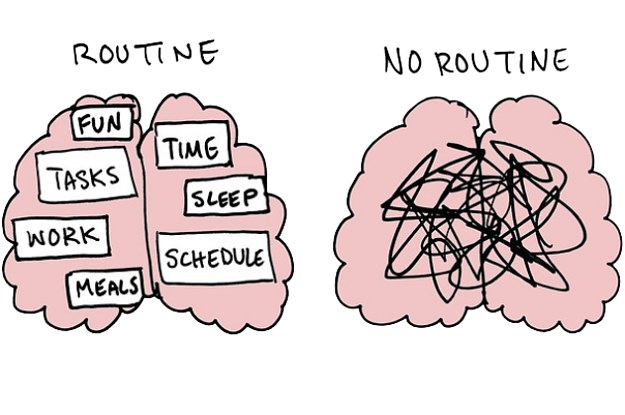
Therapy can help a person suffering from ADHD develop coping mechanisms like mindfulness or possibly meditation. Simple strategies like making lists, keeping a stable routine, utilizing a calendar, and creating reminder notes may help a person with ADHD improve functioning.

If you or someone you know needs support for ADHD, please contact our psychotherapy offices in New York or New Jersey to talk to one of our licensed professional psychologists, psychiatrists, psychiatric nurse practitioners, or psychotherapists at Arista Counseling & Psychotherapy. Contact our Paramus, NJ or Manhattan, NY offices respectively, at (201) 368-3700 or (212) 722-1920 to set up an appointment. For more information, please visit http://www.counselingpsychotherapynjny.com/ .

Sources:

https://www.nimh.nih.gov/health/topics/attention-deficit-hyperactivity-disorder-adhd/index.shtml

Image Source:

https://img.buzzfeed.com/buzzfeed-static/static/2017-01/10/18/campaign_images/

Insomnia: What factors cause it?

By: Elyse Ganss

Insomnia is a sleep disorder that causes an inability to sleep in regular increments. Insomnia can be caused by many issues including medical conditions, biological factors, and psychiatric conditions. Medical causes of insomnia include nasal/allergies, endocrine problems, asthma, neurological conditions, chronic pain, or gastrointestinal problems.

Insomnia can frequently co-occur with mental health disorders. Some psychiatric problems that may impact sleep include depression and anxiety. Depression includes symptoms of hopelessness, sadness, and a lack of energy. Severe depression is correlated with a higher risk for insomnia. Anxiety symptoms include stressful thoughts, general anxiousness, panic, or dread. Anxiety can make it so falling asleep feels impossible as you are consumed by thoughts/fears.

Lifestyle choices like naps, irregular sleeping patterns, and working on a laptop or phone close to when you are going to sleep can cause insomnia as well. Even certain foods and drinks can have a negative impact on your sleep. For example, drinks that have caffeine and are consumed up to 8 hours before going to sleep may cause insomnia.

Seeking therapy for insomnia may be helpful in decreasing symptoms. Typically, therapy will teach the patient how to replace negative thoughts as well as problem solving techniques in order to alleviate sleeping issues. Similarly, certain medications can be prescribed to help restore regular sleeping patterns if the insomnia is severe and has a long-term pattern.

If you or someone you know needs support for insomnia, please contact our psychotherapy offices in New York or New Jersey to talk to one of our licensed professional psychologists, psychiatrists, psychiatric nurse practitioners, or psychotherapists at Arista Counseling & Psychotherapy. Contact our Paramus, NJ or Manhattan, NY offices respectively, at (201) 368-3700 or (212) 722-1920 to set up an appointment. For more information, please visit http://www.counselingpsychotherapynjny.com/ .

Sources:

What Causes Insomnia?

https://www.mayoclinic.org/diseases-conditions/insomnia/symptoms-causes/syc-20355167

Image Source:

https://news.uthscsa.edu/wp-content/uploads

Marriage Counseling

By: Elyse Ganss

Marriage counseling, also known as couples’ therapy, is a form of therapy where couples seek to resolve conflicts and improve their relationship. The outcome of marriage counseling is typically a strengthened relationship that the couple has worked to rebuild or, if differences cannot be resolved, the couple will break up/divorce. Many times, a relationship will degrade over several years as no effort has been made to repair the relationship. Through taking the action of attending marriage counseling, a couple may have a better chance of staying together.

Marriage counseling enables a couple to achieve a deeper understanding of one another. Specifically, problems that can be worked on through during therapy include communication issues, addiction, infidelity, conflicts about money, children, jobs, anger, stress, and sexual problems. While divorce may be the final result of marriage counseling, many couples are able to salvage their relationship.

A therapist helps the couple on developing problem-solving techniques and improve the ability to communicate effectively. Achieving respectful communication will prevent future arguments and will help increase marital satisfaction. Marriage counseling requires psychologists, social workers and/or therapists to acquire specific credentials and licensing. Thus, marriage counselors have vast knowledge and training to help couples work through their issues. Making the decision to go to marriage counseling to work on issues in one’s relationship is a positive step and a healthy way to deal with marital problems.

If you or someone you know is seeking marriage counseling, please contact our psychotherapy offices in New York or New Jersey to talk to one of our licensed professional psychologists, psychiatrists, psychiatric nurse practitioners, or psychotherapists at Arista Counseling & Psychotherapy. Contact our Paramus, NJ or Manhattan, NY offices respectively, at (201) 368-3700 or (212) 722-1920 to set up an appointment. For more information, please visit http://www.counselingpsychotherapynjny.com/ .

Sources:

https://www.mayoclinic.org/tests-procedures/marriage-counseling/about/pac-20385249

Image Source:

https://psiloveyou.xyz/10-most-common-reasons-couples-need-marriage-counseling-39f9e77d1462?gi=9deeb8d9ff63

Parental Alienation Syndrome

By: Elyse Ganss

Parental alienation syndrome occurs when a child’s parent unconsciously works to turn the child against the other parent. This commonly occurs during divorce or custody battles. When saying negative things about the other parent, like blaming the other parent for their breakup, alienation turns the child against the other parent. Strategies can include brainwashing, alienating, and programming to cause distance between a child and parent. This behavior has negative effects for the relationship of the child and the other parent and can cause permanent damage.

The parent who unconsciously tries to turn the child against the other parent often exhibits narcissistic characteristics or tendencies in line with borderline personality disorder and are more concerned with their own feelings rather than the child’s well-being. Feelings that may be driving the parent’s behavior are anger and jealousy. Children benefit from the presence of both parents, unless a parent is abusive, and through parental alienation syndrome, children may become estranged from a parent.

If you have been experiencing anger about your co-parenting relationship and have been consciously or unconsciously taking it out on your child, you may be causing parental alienation syndrome. Children being alienated may experience anger, feelings of neglect, exhibit destructive behavior, and lack empathy. It is important to remember that no matter what you are feeling toward your former spouse, your child should not be brought into your separation, divorce, or custody battle. Supporting a child is the most important thing to do during a breakup and it may be helpful to bring the child to therapy to work through their emotions to prevent psychological damage.

If you or someone you know needs support, please contact our psychotherapy offices in New York or New Jersey to talk to one of our licensed professional psychologists, psychiatrists, psychiatric nurse practitioners, or psychotherapists at Arista Counseling & Psychotherapy. Contact our Paramus, NJ or Manhattan, NY offices respectively, at (201) 368-3700 or (212) 722-1920 to set up an appointment. For more information, please visit http://www.counselingpsychotherapynjny.com/ .

Sources:

https://www.psychologytoday.com/us/blog/resolution-not-conflict/201802/parental-alienation-syndrome-what-is-it-and-who-does-it

https://www.healthline.com/health/childrens-health/parental-alienation-syndrome#effects-on-child

Image Source:

https://www.healthline.com/health/childrens-health/parental-alienation-syndrome

Personality Disorders: What are they?

By: Elyse Ganss

According to the Mayo Clinic, “a personality disorder is a type of mental disorder in which you have a rigid and unhealthy pattern of thinking, functioning and behaving.” Those who have personality disorders struggle when interacting and trying to get along with others and tend to think their erratic thoughts are normal. Personality disorders can be grouped into three different clusters.

Cluster A is characterized by odd/suspicious thinking or behavior. Examples of cluster A personality disorders are paranoid personality disorder, schizoid personality disorder, and schizotypal personality disorder. Cluster B includes emotional/impulsive behavior, dramatic tendencies, and unpredictable thinking. Examples include antisocial personality disorder, borderline personality disorder and narcissistic personality disorder. Finally, cluster C is characterized by anxious thinking and behavior. Avoidant personality disorder, dependent personality disorder, and obsessive-compulsive personality disorder are examples of cluster C personality disorders.

Personality disorders occur through an interaction of genetic and environmental influences. Risk factors for personality disorders include a family history of mental illness, an unstable or abusive childhood, and variations in brain chemistry. Typically, personality disorders emerge in teenage or emerging adulthood years. Through the combination of therapy and medication, personality disorders can be managed.

If you or someone you know needs support for a personality disorder, please contact our psychotherapy offices in New York or New Jersey to talk to one of our licensed professional psychologists, psychiatrists, psychiatric nurse practitioners, or psychotherapists at Arista Counseling & Psychotherapy. Contact our Paramus, NJ or Manhattan, NY offices respectively, at (201) 368-3700 or (212) 722-1920 to set up an appointment. For more information, please visit http://www.counselingpsychotherapynjny.com/ .

Sources:

https://www.mayoclinic.org/diseases-conditions/personality-disorders/symptoms-causes/syc-20354463#:~:text=Overview,relating%20to%20situations%20and%20people.

https://www.healthline.com/health/personality-disorders#outlook

Image Source: https://psychcentral.com/news/u/2019/05/therapy-teenage-girl-psychologist-large-bigstock-1024×76