Drug Abuse During Covid-19

By: Catherine Cain

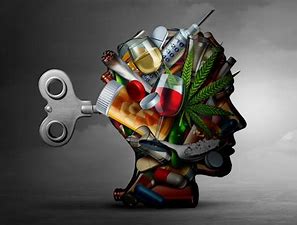
The stress and uncertainty Covid-19 brings is especially dangerous to those who abuse drugs or alcohol. The increased stress, mass layoffs and unemployment, and social distancing restrictions have caused a major uptick in the number of people who self-reported drug use over the last six months. Relying on these substances to make it through a day is not only detrimental to your mental health, but puts undue stress on your body’s immune system, ultimately weakening your ability to fight off infections and viruses.

Those who smoke or vape, whether marijuana or tobacco, are at a higher risk for contracting Covid-19 and may experience severe symptoms. Smoking and vaping lead to lung damage, as does Covid-19, which is why it is especially important not to let your addiction go unchecked.

Addiction may be hard to overcome, but it is not impossible. Covid-19 creates an environment where your addiction can progress quickly, because of the reduced social interactions and prolonged periods of isolation.

Here are some ways to help combat your addiction:

Contact a medical provider immediately.

Ask about medication to combat cravings.

Include your family/friends, so you have someone to hold you accountable.

If you or someone you know is struggling with addiction, please contact our psychotherapy offices in New York or New Jersey to talk to one of our licensed professional psychologists, psychiatrists, psychiatric nurse practitioners, or psychotherapists at Arista Counseling & Psychotherapy. Contact our Paramus, NJ or Manhattan, NY offices respectively, at (201) 368-3700 or (212) 722-1920 to set up an appointment. For more information, please visit http://www.counselingpsychotherapynjny.com/

Sources:

https://medicine.umich.edu/dept/psychiatry/michigan-psychiatry-resources-covid-19/specific-mental-health-conditions/addiction-substance-use-recovery-during-covid-19-pandemic

https://www.forbes.com/sites/lipiroy/2020/03/16/addiction-treatment-facilities-are-they-prepared-for-covid-19/#3bf8b57044ea

OCD: Exposure Therapy and Medication

OCD stands for Obsessive Compulsive Disorder and is a chronic, long-term disorder in which a person has uncontrollable reoccurring thoughts and/or behaviors that take over and are constantly repeated. These repetitions can take over one’s life; all they can focus on are one’s obsessions and nothing else. Obsessions are defined as “repeated thoughts, urges, or mental images that cause anxiety,” while compulsions are “repetitive behaviors that a person with OCD feels the urge to do in response to their obsessions.” It’s a common disorder affecting about 1% of the U.S. on any given year, with a lifetime prevalence of OCD among U.S. adults falling at 2.3%. Symptoms can present themselves in a range of mild to serious, with about ½ of OCD cases falling under serious.

Exposure and Response Prevention, also known as ERP therapy, is a common form of treatment for individuals with OCD, but it can be very harsh and relentless. In simple terms, ERP therapy takes the OCD patient and places them at the forefront of their fears so that they confront them head on, with no protection. However, when doing this they’re guided by a trained therapist to ensure they don’t resort to their compulsive behaviors. An example of this type of therapy would be having a patient who suffers from germaphobia stick their hands in dirty water without washing their hands after. Over time they’re usually able to adapt to and overcome their fears, but it takes a lot of hard work. Unfortunately, this type of therapy doesn’t work for everyone and many individuals fighting OCD need medication instead, or a combination of both. Some common OCD medications are Zoloft, Prozac, and Luvox. These are all anti-depressants approved by the FDA to treat OCD.

If you or someone you know is struggling with obsessive compulsive disorder, please contact our psychotherapy offices in New York or New Jersey to talk to one of our licensed professional psychologists, psychiatrists, psychiatric nurse practitioners, or psychotherapists at Arista Counseling & Psychotherapy. Contact our Paramus, NJ or Manhattan, NY offices respectively, at (201) 368-3700 or (212) 722-1920 to set up an appointment. For more information, please visit http://www.counselingpsychotherapynjny.com/

Sources: https://www.nimh.nih.gov/health/topics/obsessive-compulsive-disorder-ocd/index.shtml https://www.psychologytoday.com/us/therapy-types/exposure-and-response-prevention

Anxiety and Gastrointestinal Problems

By Kaitlyn Choi

Anxiety can manifest itself in many distinctive ways, including physical, mental, and emotional indications. It is often debilitating for individuals who experience anxiety; consequently, anxiety disorders impact quality of life and functioning in everyday activities. They are commonly associated with gastrointestinal problems.

The digestive tract is hypersensitive to change within and outside of the body. There are many ways in which stress and anxiety can create adverse effects in one’s digestive system. Anxiety causes high levels of arousal; the body can send signals to the stomach to stimulate the fight or flight response. Activation of the fight or flight response slows down processes that are unnecessary for escaping danger, one of them being the digestive system.

This response can alter the way that the stomach processes and digests food, which, in turn, causes nausea, vomiting, and indigestion. As anxiety is a long-term, chronic issue, these problems may accumulate and negatively affect the digestive tract over long periods of time. Although many individuals experience nausea and digestive problems, not all vomit. Vomiting usually occurs in cases of extreme anxiety. On the other hand, throwing up may be a conscious process because nausea creates a compelled regurgitation response, encouraging the body to vomit.

It is important that we debunk the myth that anxiety consists of just emotional and mental symptoms. In fact, many individuals experience both physical and mental discomfort.

If you or someone you know needs support with their mental illness, please contact our psychotherapy offices in New York or New Jersey to talk to one of our licensed professional psychologists, psychiatrists, psychiatric nurse practitioners, or psychotherapists at Arista Counseling & Psychotherapy. Contact our Paramus, NJ or Manhattan, NY offices respectively, at (201) 368-3700 or (212) 722-1920 to set up an appointment. For more information, please visit http://www.counselingpsychotherapynjny.com/.

Sources:
https://www.psychologytoday.com/us/basics/anxiety https://www.calmclinic.com/anxiety/symptoms/digestive-problems https://www.calmclinic.com/anxiety/symptoms/vomiting

Image Source:
https://www.almrsal.com/post/866965


Depression: Social Depression

By: Nicolette Ferrante

Social Anxiety and Depression are two of the most commonly diagnosed mental disorders in the United States.  Social Anxiety Disorder is the fear of being rejected or embarrassing oneself in a social setting. Depression is a mood disorder that causes a persistent, deep feeling of sadness and loss of interest in things someone once enjoyed.  Although these are two separate diagnoses, they can co-occur.

            Social symptoms of depression include avoiding any type of contact with friends/family, not wanting to attend activities involving social interaction and neglecting normal behavior and interests that were once enjoyed. People with social anxiety disorder are six times more likely to develop a mood disorder such as depression. Social Phobias prevent people from making friends, applying for jobs, pursuing relationships and being a part of any social setting at all.

            Avoidance is the only way to cope with social anxiety. They withdraw out of fear of embarrassing themselves or not fitting in. Those with Social Anxiety disorder want to socialize, but the fear is far too much to bring them to. The uncontrollable anxiety and inability to socialize often leads to the feelings of hopelessness, isolation and frustration. Neglecting themselves from social interactions, sometimes leads to depression, due to the loneliness. Not everyone with SAD will experience depression.

                 If you or someone you know needs support with their mental illness, please contact our psychotherapy offices in New York or New Jersey to talk to one of our licensed professional psychologists, psychiatrists, psychiatric nurse practitioners, or psychotherapists at Arista Counseling & Psychotherapy. Contact our Paramus, NJ or Manhattan, NY offices respectively, at (201) 368-3700 or (212) 722-1920 to set up an appointment. For more information, please visit http://www.counselingpsychotherapynjny.com/

Sources:

Social Anxiety and Depression

Social Anxiety: What Is It and How Does One Cope?

By Emma Yasukawa

Everyone has been put in an uncomfortable social situation; whether it was meeting someone new, going on a first date, or briefly meeting a stranger on the streets. Though these feelings are not pleasant, most people can power through and get over them quickly. However, if a person has social anxiety, these feelings are so severe that they can sometimes be too much to handle. Eventually, that individual will try to isolate themselves and avoid any uncomfortable social situation. This may provide a great form of relief but overall, it is a temporary solution to a greater problem.

Social anxiety disorder (formerly known as social phobia) is characterized by the persistent fear of one or more social or performance situations in which the person is exposed to unfamiliar people or judgement by others. The feelings that stem from social anxiety are usually based upon the fear that the individual will act in a certain way, or show anxiety symptoms, that will be embarrassing and humiliating. Common physical symptoms that a person may experience are:
• Flushing of the skin
• Rapid heartbeat
• Dizziness or feeling lightheaded
• Upset stomach and nausea
• Trembling

Social anxiety can be treated successfully through psychotherapy and/or medications. Exposure therapy is a key element in the use of therapy and usually involves three stages: The first stage of exposure therapy is to introduce the individual to the feared situation. The second stage is to increase the risk of displeasure for the goal that the individual can build self-confidence and be able to handle any rejection or criticism. The third stage involves working out different coping mechanisms involving disapproval. In this final stage, the therapist may ask the patient to imagine their worst-case scenario in order to develop correct constructive responses.

If you or someone you know is struggling with social anxiety, please contact our psychotherapy offices in New York or New Jersey to talk to one of our licensed professional psychologists, psychiatrists, psychiatric nurse practitioners, or psychotherapists at Arista Counseling & Psychotherapy. Contact our Paramus, NJ or Manhattan, NY offices respectively, at (201) 368-3700 or (212) 722-1920 to set up an appointment. For more information, please visit http://www.counselingpsychotherapynjny.com

Sources:
https://www.nimh.nih.gov/health/statistics/social-anxiety-disorder.shtml
https://www.psychologytoday.com/us/basics/anxiety


Image Source:
https://hypnosis.ahcenter.com/our-programs/overcoming-social-anxiety/


Borderline Personality Disorder: Helping Yourself and Your Family

By Argie Dabrowski

Borderline personality disorder (BPD) is a Cluster B personality disorder. Like other disorders in this category, including histrionic, narcissistic, and antisocial personality disorder, BPD is characterized by unpredictable, dramatic, and overly-emotional behavior and thoughts. Specific to borderline patients is a persistent fear of abandonment by others, which leads to unstable relationships, suicidal gestures, self-damaging behavior, anger and emptiness, and even dissociative symptoms. For those with this condition, their symptoms not only interfere with their daily functioning but can also strain their closest personal relationships. Having a family member that suffers from a personality disorder can be a difficult and distressing experience. When it comes to coping with borderline personality disorder in family members, steps can be taken to help both them and yourself.

First of all, it is important to remember that it is not your job to treat and constantly provide reassurance for a borderline family member. You can still show that you love and care about them, but not to the point that it affects your own mental health. It may be difficult, but you should not put your own life on hold for someone else or be their punching bag, verbally or physically. At that point, it is imperative to step away from the situation and allow the person to seek help on their own. Professional help is available to them in the form of medication and therapy.

Although there are no BPD-specific drugs, medications can be used if the patient is experiencing symptoms of other disorders with their BPD. For example, some people with borderline personality disorder experience depressive episodes so they may be prescribed antidepressants, such as escitalopram or fluoxetine. Mood-stabilizers can also be used and if a patient also has psychotic features, they may be treated with antipsychotics.

Besides medication, there are also multiple types of therapy that can be used to treat borderline personality disorder. Dialectical behavior therapy is a treatment that is available and is used to treat BPD specifically. Through this therapy, patients work on their ability to cope with their intense emotional responses and learn the skills needed to deal with crises and other distress in a healthy manner. It is easy to be overwhelmed when faced with borderline personality disorder in family members, but help is out there.

If you or someone you know is struggling with borderline personality disorder, please contact our psychotherapy offices in New York or New Jersey to talk to one of our licensed professional psychologists, psychiatrists, psychiatric nurse practitioners, or psychotherapists at Arista Counseling & Psychotherapy. Contact our Paramus, NJ or Manhattan, NY offices respectively, at (201) 368-3700 or (212) 722-1920 to set up an appointment. For more information, please visit http://www.counselingpsychotherapynjny.com/

Sources:
mayoclinic.org/diseases-conditions/personality-disorders/symptoms-causes/syc-20354463
psychologytoday.com/us/blog/matter-personality/201312/borderline-provocations-part-ii-how-not-respond
mayoclinic.org/diseases-conditions/borderline-personality-disorder/diagnosis-treatment/drc-20370242
psychcentral.com/lib/an-overview-of-dialectical-behavior-therapy/

Image Source:
pathwaysreallife.com/borderline-personality-disorder-treatment/

Marriage During Covid-19

By: Sarah Cohen

During Coronavirus, a lot of extra strain and anxiety have been placed on marriages. While research has shown that disasters uncover strengths in relationships it can also reveal issues. Even in the best relationships, we still always need a little bit of space from each other. 

Since Coronavirus has begun, applications for divorce have risen greatly in the Chinese city of Xi’an. While divorce rates do increase during times of stress, this is unprecedented. There aren’t just changes in routine and close contact without breaks, there are many other factors influencing marital stress during these times. An increased amount of new anxiety about health and keeping safe from Covid-19, unemployment and therefore financial insecurity, caring for elderly relatives with reduced strength immune systems, lacking social connection outside of the spouse, dealing with childcare and school issues, or simply managing chores and uncertainty about what will be in the future are just a few of the issues that could be causing marital stress. In addition, couples may be using different coping mechanisms during stressful times which clash with the other spouse. One might be active and attempt to be cheerful while the other might be hopeless and passive.

There are many ways to fight against this marital strain, here are a couple ways to combat it. By picking your battles you can limit the amount of arguments and issues you create in the home. Even further, you can put a time limit on your arguments in order for them not to affect every moment of the day, when the time limit is up you can put it all behind you. Create some alone time, when you make boundaries stick to them. Another way to get some alone time and be active is to exercise, even just by taking a walk. Speaking to other people over the phone or video chat so your spouse isn’t the only person you talk to is another good way to make sure you can have a little break. Lastly, focus on survival during these difficult times not creating issues and rifts between you and your partner.

If you or someone you know needs support with their marriage, please contact our psychotherapy offices in New York or New Jersey to talk to one of our licensed professional psychologists, psychiatrists, psychiatric nurse practitioners, or psychotherapists at Arista Counseling & Psychotherapy. Contact our Paramus, NJ or Manhattan, NY offices respectively, at (201) 368-3700 or (212) 722-1920 to set up an appointment. For more information, please visit http://www.counselingpsychotherapynjny.com/ .

https://www.psychologytoday.com/us/blog/the-discomfort-zone/202004/will-coronavirus-infect-your-marriage

https://time.com/5811146/coronavirus-married-relationship/

After The Affair: How Therapy Can Help

By: Melissa Molina

Marriage therapy is a form of psychotherapy that helps couples recognize problems and offer solutions to their relationships. Through therapy, couples can choose to strengthen their relationships or part ways. Affairs or unfaithfulness can be challenging to overcome in any marriage. Therapy can be successful and infidelity shall not recur if all parties, including the therapist, are compassionate, respectful and empathetic.

Counseling a couple after infidelity can be painful but successful in most cases. A study by Shirley Glass in 2000 found that 71% of couples she had seen in therapy after an infidelity stayed together.

What Helps the Couple Heal?

The betrayer must be patient and understand the hurt partners feelings can help the process. Details and all questions must be answered to serve the purpose of giving the hurt partner a feeling of control.

Therapists can start a ritual with the couple of burying the past, putting the infidelity behind them and remembering the good memories in their relationship.

In early stages, the hurt partner might need to hear the words “sorry” everyday.

In therapy, open discussions about what both partners need from each other sexually are very important.

Marriage Therapy can help address each partner’s needs, desires and aspirations. The hurt spouse can learn to trust the betrayer and the betrayer can learn to express their feelings in therapy. Giving yourself and your relationship the opportunity to heal and grow with marriage therapy is slow and hard work but your marriage is worth it.

If you or someone you know needs support with their marriage, please contact our psychotherapy offices in New York or New Jersey to talk to one of our licensed professional psychologists, psychiatrists, psychiatric nurse practitioners, or psychotherapists at Arista Counseling & Psychotherapy. Contact our Paramus, NJ or Manhattan, NY offices respectively, at (201) 368-3700 or (212) 722-1920 to set up an appointment. For more information, please visit http://www.counselingpsychotherapynjny.com/ .


Source: psychologytoday.com/us/blog/the-dance-connection/201302/will-your-marriage-survive-the-affair

Image Source: intentblog.com/time-seek-therapist-can-couples-counseling-help/

COVID-19: Coping with Anxiety

By: Melissa Molina

The coronavirus (COVID-19) pandemic might be upsetting and stressful for individuals. Anxiety and fear about the virus and what could happen can be overpowering and cause forceful feelings in adults and children. General well-being activities, for example, social distancing or wearing masks, can cause individuals to feel detached and forlorn and can result in anxiety. Nonetheless, these activities are important to decrease the spread of COVID-19.

Being able to cope with anxiety due to COVID-19 is important and here are some tips on how to do just that:

  1. Educate yourself and your loved ones on what to do if one is sick. Contact a healthcare provider before starting any self treatment for the coronavirus.
  2. Take breaks and do not over-stress yourself with reading fake news, social media and/or conspiracies.
  3. Isolate and protect yourself but stay connected with friends and loved ones.
  4. Find a new hobby, something to keep you busy and something you can control.
  5. Focus on positives: cooking, reading a new book or tv shows.
  6. Practice self care: try to eat well balanced meals, get plenty of sleep and unwind by taking deep breaths.

It is completely ordinary and justifiable to feel anxiety in the time of COVID-19. Indeed, uneasiness is a solid response to new, perhaps difficult conditions. It can provoke us to focus, prepare, and guard ourselves. However, your anxiety, when coped with, can in turn transform from something that controls you to something that can help you.

If you or someone you know needs support with anxiety, please contact our psychotherapy offices in New York or New Jersey to talk to one of our licensed professional psychologists, psychiatrists, psychiatric nurse practitioners, or psychotherapists at Arista Counseling & Psychotherapy. Contact our Paramus, NJ or Manhattan, NY offices respectively, at (201) 368-3700 or (212) 722-1920 to set up an appointment. For more information, please visit http://www.counselingpsychotherapynjny.com/ .

Sources: https://www.psychologytoday.com/us/blog/hope-resilience/202003/coping-anxiety-in-the-age-covid-19 https://www.helpguide.org/articles/anxiety/coronavirus-anxiety.htm

Picture Source: https://images.app.goo.gl/kLzf9JG3FSaXdWFi6

Self-Harm: A Misunderstood Act

By Argie Dabrowski 

Self-harm is a deliberate, physically-harmful act against one’s own body. This could come in the form of direct physical harm, such as cutting or burning, or self-destructive, reckless behavior, such as risky sexual activity or overconsumption of drugs and alcohol. Self-harm does not just affect young people, but also men and women of any age. It is frequently misunderstood, making it harder for people who self-harm to seek help or for their loved ones to help them.

The most common misconception about self-harm is that it is only a way for people to get attention from others. People self-harm for a variety of reasons, the least of which is attention. For example, it is often used as a coping mechanism for those who suffer from mental illness or have experienced trauma. It can provide temporary relief for those affected by these conditions, followed often by feelings of guilt and depression. Because of this, many people who self-harm feel shame at their actions and go to great lengths to hide it, not at all using it to gain attention. Despite this, people can become addicted to self-harm. Some have described it as a way to create physical pain in order to distract them from their emotional pain. Others use it as a way to feel something during times of emotional numbness.

Another two misconceptions that go hand-in-hand are that all people who self-harm are trying to kill themselves and that if the wounds are not severe, then self-harming is not a serious issue. While sometimes, self-harm is a suicidal act, this is not always the case. As stated previously, it is often a coping mechanism, and in some extreme cases, can be what prevents suicide attempts. Suicidal feelings can lead to self-harm, but the action itself is not always a suicidal act. This does not mean self-harm should be disregarded, though. Any form of self-injury, regardless of severity, should be addressed and treated as a serious issue. 

If you or someone you know is struggling with self-harm, please contact our psychotherapy offices in New York or New Jersey to talk to one of our licensed professional psychologists, psychiatrists, psychiatric nurse practitioners, or psychotherapists at Arista Counseling & Psychotherapy. Contact our Paramus, NJ or Manhattan, NY offices respectively, at (201) 368-3700 or (212) 722-1920 to set up an appointment. For more information, please visit http://www.counselingpsychotherapynjny.com/

Sources
apa.org/monitor/2015/07-08/self-injury
selfinjury.bctr.cornell.edu/documents/15_misconceptions.pdf
thebellinghampractice.co.uk/website/A84027/files/Common_Misconceptions.pdf

Image Source
theconversation.com/people-with-severe-mental-illness-live-shorter-lives-but-the-solution-isnt-simple-127397