Emotional Support Animals and Controversy

Emotional Support Animals and Controversy

By: Valeria Dubon

Emotional support animals (ESA’s) provide a comforting and consoling figure for individuals who suffer from some sort of mental illness. Although they can be in the form of many different pets, dogs are the most common form of ESA’s and they can be of any age and any breed. ESA’s can be defined as any animal that is prescribed by a licensed mental health professional to offer emotional support to a person that is suffering from a disabling mental illness. One example could be a psychologist prescribing an emotional support dog to ease a patient’s anxieties. Emotional support animals, however, are not service dogs; there is a key difference between the two types of support. ESA’s deal more with offering a soothing and relaxing friend to the owner; they can help ease anxiety, depression and phobias. Even so, they are not allowed in many public places and cannot go everywhere where the public is allowed. A service dog helps individuals perform tasks that they cannot do on their own. For example, they are trained to assist and alert someone who is hearing impaired and/or visually impaired, they are not their for simply companionship. Their training must alleviate a certain disability.

There is even another type of service dog called psychiatric service dogs that detect the beginning of a psychiatric episode and ease their effects; again this is different from an ESA. Unfortunately, although ESA and service dogs are both essential in their own ways, ESAs are not treated with the same level of respect and importance; as many people believe that they are simply not needed at all. Many people fabricate the need for emotional support animals and take advantage of the system, with people having the ability to buy certifications for only $50. This only adds to the ESA controversy. This has caused many places, including airlines, to restrict the use of ESAs, leaving people who actually need them in an unfortunate situation. This controversy is currently ongoing, with many people being against the excessive use of an emotional support animal. In order to reduce the number of fraudulent ESA certifications, it has been suggested that a standardized ESA assessment could be made and conducted by forensic practitioners with stricter guidelines. This in turn not only helps the owners of ESAs, but also the general public as well. An actual assessment and training will keep aggressive animals and lax owners from not only irritating the public but also from endangering it.

If you or someone you know is in need of an emotional support animal, please contact our psychotherapy offices in New York or New Jersey to talk to one of our licensed professional psychologists, psychiatrists, psychiatric nurse practitioners, or psychotherapists at Arista Counseling & Psychotherapy. Contact our Paramus, NJ or Manhattan, NY offices respectively, at (201) 368-3700 or (212) 722-1920 to set up an appointment. For more information, please visit http://www.counselingpsychotherapynjny.com/

Sources :

https://www.akc.org/expert-advice/news/everything-about-emotional-support-animals/

http://jaapl.org/content/early/2020/09/16/JAAPL.200047-20

Couple’s Counseling: How to know When You and Your Partner Should Attend

Couple’s counseling is a form of psychotherapy that is focused on helping the couple better understand their relationship, overcome challenges in a healthy and effective way, and develop better ways of relating to and communicating with one another. Couple’s counseling is for any couple whether they are married, non-married, polyamorous, monogamous, long-distance, or in an open relationship. There are many areas that couple’s counseling can help with such as infidelity, challenges related to sex and intimacy, difficulty communicating with one another, and financial issues and concerns. An issue such as infidelity can be very difficult to overcome considering it causes there to be a lack of trust; however, many couples find that after attending couple’s counseling they come back stronger than before.

There are some key signs of when it is time to see a therapist as a couple. If you and your partner are considering splitting up, if you are feeling stuck on how to resolve a reoccurring conflict, or you and your partner are experiencing an extreme stressor which is affecting the relationship such as an affair or recently having a baby, then it may be time to seek help together. Couple’s counseling does not always have to be as a result of a failing relationship. Many couples go to counseling together in an effort to continue to strengthen and build their relationship. If your partner is not interested in seeking therapy together, individual services are also available and can be beneficial if you need support.

If you and your partner are seeking couple’s counseling, please contact our psychotherapy offices in New York or New Jersey to talk to one of our licensed professional psychologists, psychiatrists, psychiatric nurse practitioners, or psychotherapists at Arista Counseling & Psychotherapy. Contact our Paramus, NJ or Manhattan offices respectively, at (201) 368-3700 or (212) 722-1920 to set up an appointment. For more information, please visit http://www.counselingpsychotherapynjny.com/

Sources

https://www.mindbodygreen.com/articles/when-to-go-to-couples-therapy-and-how-long-it-takes-to-work

https://zencare.co/therapy-type/couples-counseling

Image Source

Self-Harm: What You Need To Know

About 17% of all people will self-harm during their lifetime, however the actual rate is likely higher than this because of the shame and stigma that surrounds self-harm. Individuals self-harm as a way to deal with difficult feelings, or overwhelming situations and experiences, and can include cutting, burning, and scratching oneself. Self-harm can be difficult to understand, and can sometimes be confused with suicide attempts. Self-harm and suicide attempts are not the same thing, however, there is a strong association between the two. One common stereotype of self-harm is that it is “attention seeking”. The reality is that most self-harm is done in secrecy, and individuals often feel ashamed to ask for help.

There are several self-harm risk factors. These include struggling with mental health conditions, such as depression, anxiety, personality disorders, drug and alcohol use or addiction, and eating disorders. Self-harming can become physically addictive, as it is habit-forming, and individuals can come to rely on it as a coping mechanism for what they are going through.

Sharing your feelings with someone that you trust can help you self-harm less and feel less alone. If someone has disclosed to you that they engage in self-harm, it is important to be patient and educate yourself on why people self-harm and what you can do to help.

If you or someone you know is struggling with self-harm, please contact our psychotherapy/psychiatry offices in New York or New Jersey to talk to one of our licensed professional psychologists, psychiatrists, psychiatric nurse practitioners, or psychotherapists at Arista Counseling & Psychotherapy. Contact our Paramus, NJ or Manhattan, NY offices respectively, at (201) 368-3700 or (212) 722-1920 to set up an appointment. For more information, please visit http://www.counselingpsychotherapynjny.com/.

Sources

https://www.mind.org.uk/information-support/types-of-mental-health-problems/self-harm/about-self-harm/

Self-Harm Statistics

https://www.rethink.org/advice-and-information/about-mental-illness/learn-more-about-symptoms/self-harm/

Image Source

https://rcni.com/nursing-children-and-young-people/careers/research-and-commentary/improving-nursing-care-of-children-and-young-people-who-self-harm-81661

Abuse: Signs of Gaslighting in an Emotionally Abusive Relationship

Abuse: Signs of Gaslighting in an Emotionally Abusive Relationship

By: Julia Taormina

An emotionally abusive relationship can sometimes go undetected, as there is no physical evidence of abuse. Thus, it is important to be aware of signs that can indicate you or someone you know is in an emotionally abusive relationship. One of the most unnoticed signs is gaslighting.

As defined by the National Domestic Violence Hotline, “gaslighting is an extremely effective form of emotional abuse that causes a victim to question their own feelings, instincts, and sanity, which gives the abusive partner a lot of power.” Gaslighting is typically gradual throughout the course of a relationship, making it easy to go unnoticed in the beginning stages. It can start out with small comments such as: “I don’t know what you’re talking about,” or “you’re too sensitive,” and leave you questioning yourself.
Listed below are multiple gaslighting techniques an abusive partner may use:

  • Withholding: pretends not to understand or refuse to listen
  • Countering: questions the victim’s memory of events
  • Blocking / Diverting: changes the subject or questions the victim’s thoughts
  • Trivializing: makes the victim’s feelings appear unimportant

Throughout the gaslighting techniques, there is a consistent theme of an abusive partner invalidating the victim as a whole. The victim may find they are constantly second-guessing themselves, feel as if they are going crazy, constantly make excuses for their partners’ behaviors, cannot do anything right, and overall feel that something is wrong in the relationship but cannot quite put it into words. If you feel any of these may apply to your relationship, you are not alone.

If you or someone you know is seeking therapy, please contact our psychotherapy offices in New York or New Jersey to talk to one of our licensed professional psychologists, psychiatrists, psychiatric nurse practitioners, or psychotherapists at Arista Counseling & Psychotherapy. Contact our Paramus, NJ or Manhattan, NY offices respectively, at (201) 368-3700 or (212) 722-1920 to set up an appointment. For more information, please visit http://www.counselingpsychotherapynjny.com/

Source:
https://www.thehotline.org/resources/types-of-abuse/

Image Source:
https://themighty.com/wp-content/uploads/2020/08/Untitled-design-2020-08-07T105137.107-1280×427.png?v=1597442092

Borderline Personality Disorder in Men

Borderline Personality Disorder in Men

By Jenn Peraza

Borderline Personality Disorder (also known as BPD) is a personality disorder that is categorized in the DSM-V by intense fears of abandonment, emotional instability in everyday life and relationships, and a distorted sense of self. Studies have found that while BPD is equally as prevalent in men as it is in woman, statistically speaking, seventy-five percent of people with BPD are female. So why are females most likely to get diagnosed with BPD?

While the criteria for men and women with BPD are the same, men and women are more likely to exhibit different maladaptive behaviors. Women will most likely self-harm through eating disorders and cutting while men will more likely self-harm using substances and head banging. Due to this, men are more likely to end up in prison for violent behavior while women are more likely to seek mental health resources to deal with their self-harm.

There’s also a societal stigma around men receiving mental health help. While women are seen as emotional creatures, men are seen as unemotional and are told to “suck it up” or “man up” when they’re upset. Another factor is that the maladaptive behaviors of BPD are discouraged in women and encouraged in men. Men who have tumultuous relationships, aggressive behavior, and exert violent behavior are more likely praised in society than women who express the same symptoms.
Despite this, it is necessary to clear one’s mind of what is seen as typical behavior for men and to encourage the men in your lives to seek mental health help. By overcoming stigmas, more men can receive the necessary help for BPD and live fulfilling lives.

If you or someone you know is seeking therapy for a personality disorder, please contact our psychotherapy offices in New York or New Jersey to talk to one of our licensed professional psychologists, psychiatrists, psychiatric nurse practitioners, or psychotherapists at Arista Counseling & Psychotherapy. Contact our Paramus, NJ or Manhattan, NY offices respectively, at (201) 368-3700 or (212) 722-1920 to set up an appointment. For more information, please visit http://www.counselingpsychotherapynjny.com/

SOURCE:  https://www.verywellhealth.com/borderline-personality-disorder-in-men-5096081

Eating Disorders Part 4: Eating Disorders among Asian- American Women

By: Abby Erasmus

Unique cultural values and experiences of Asian Americans can lead to the development of an eating disorder for individuals in the community. Similar to Western culture, Asian American (AA) culture idealizes the thin body and individuals face scrutiny from family members if they don’t meet this ideal; paradoxically, food is said to be the love language of Asian culture. Many AAs report being “force fed” by the same family members who criticize their weight. This creates pressure and anxiety around food, and due to this paradox, the complex relationship between food, love, and weight, bulimia nervosa (BN) tends to be the most pervasive ED in the AA community. Furthermore, AAs have to go through the process of acculturation: they must adapt to the practices and values of the dominant culture while maintaining their own. This can result in acculturative stress which is a positive predictor of disordered eating. In turn, research shows that AA college students report higher rates of restrictive eating, purging, and muscle building in comparison to their white counterparts. Also, second generation AA women report more ED behaviors than first and third generation women. This gives us insight into who is more likely to be affected within the community and what the ED behaviors are.

Different cultural values in the AA community such as interdependency, a complete reliance on the family for help rather than a stranger (therapist), and stigma surrounding mental health in general, contribute to the lack of help seeking. Further, some mental health providers are unable to recognize ED- like behaviors in the AA community as they are an under researched group when it comes to this pathology; lack of diagnosis and treatment can thus lead to poor prognosis. Once EDs are officially seen as a disorder that affects all ethnic and demographic groups at similar rates, stigma can be lessened and providers will recognize ED symptoms in this community. Again, cultural competency must be encouraged. Providers should understand the unique stressors AAs face like acculturative stress, as well as the complex relationship between food, showing love, and the idealization of the thin body. Although anorexia nervosa is prominent in the AA community, BN and binge- eating behaviors are the most common in the community; 1.50% are diagnosed with BN and 4.74% experience binge eating behaviors (See Eating Disorders Part 1 for DSM definitions). Once providers are more familiar with BED and BN, as well as the unique factors AAs face, they will be able to have culturally appropriate treatment for AAs with EDs.

If you or someone you know is seeking therapy for an eating disorder, please contact our psychotherapy offices in New York or New Jersey to talk to one of our licensed professional psychologists, psychiatrists, psychiatric nurse practitioners, or psychotherapists at Arista Counseling & Psychotherapy. Contact our Paramus, NJ or Manhattan, NY offices respectively, at (201) 368-3700 or (212) 722-1920 to set up an appointment. For more information, please visit http://www.counselingpsychotherapynjny.com/

Sources

https://www.eater.com/2019/11/19/20955556/my-discomfort-with-comfort-food

https://centerfordiscovery.com/blog/eating-disorders-and-the-api-community/

Eating Disorders in the Asian American Community: A Call for Cultural Consciousness

https://www.nationaleatingdisorders.org/blog/anorexia-for-an-asian-american-a-recovery-story

https://www.frontiersin.org/articles/10.3389/fpsyg.2019.01950/full

https://anad.org/get-informed/about-eating-disorders/eating-disorders-statistics/

https://psychnews.psychiatryonline.org/doi/full/10.1176/appi.pn.2014.6b4

ADHD in Girls: Suffering in Silence

ADHD in Girls: Suffering in Silence

By: Stacey Rodriguez

Generally thought to be a disorder specific to school-aged boys, attention deficit disorder (ADHD) has shown to be relatively prevalent in girls as well. The disorder includes 3 subtypes: hyperactive and impulsive  (HI), inattentive, and combination. ADHD is commonly associated with the HI subtype, which is most commonly exhibited by boys. Contrastingly, girls tend to exhibit the inattentive subtype. By nature, inattentive features are not as overtly obstructive as that of hyperactivity and impulsivity, often causing them to go unnoticed. In fact, studies estimate that 75% of girls with attention deficit disorder never get diagnosed. Additionally, it is theorized that societal norms, such as gender roles, might also be a factor in this disparity; since many overt characteristics of ADHD do not align with female gender norms, such as the tendency to be disorganized or interrupt others speaking, girls with the disorder tend to suppress the tell tale signs. 

The result of undiagnosed attention deficit disorder can be detrimental, as it can lead to mental health consequences in adulthood. This is largely due to the fact that girls tend to internalize mistakes. This internalization leads to negative internal dialogues, which puts girls with ADHD at higher risk for eating disorders, anxiety disorders, and depression. It is imperative to be aware of the ways in which the disorder manifests differently in girls. For example,

A girl with ADHD might:

-be more more easily irritated, or sensitive to certain sounds/feelings

-talk significantly more than her peers and often interrupt others

-struggle to commit to completing tasks or activities

-often make “careless” errors

-seem to be especially disorganized

-tend to be forgetful

If you or someone you know is seeking therapy for attention deficit disorder, please contact our psychotherapy offices in New York or New Jersey to talk to one of our licensed professional psychologists, psychiatrists, psychiatric nurse practitioners, or psychotherapists at Arista Counseling & Psychotherapy. Contact our Paramus, NJ or Manhattan, NY offices respectively, at (201) 368-3700 or (212) 722-1920 to set up an appointment. For more information, please visit http://www.counselingpsychotherapynjny.com/

Source: https://www.cfpsych.org/blog/what-parents-need-to-know-about-adhd-in-girls/

Image Source: https://psychbc.com/blog/adhd-is-different-for-girls-what-families-need-to-know

Mindfulness: Its Effects on Anxiety and Depression

Mindfulness: Its Effects on Anxiety and Depression

By: Stacey Rodriguez

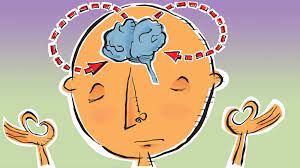
Mindfulness, derived from Buddhist teachings, is a practice which fosters introspective awareness. It’s main principles consist of actively experiencing the present moment, as well as practicing radical acceptance. Radical acceptance is a distress tolerance skill, which is implemented by openly recognizing thoughts and experiences without the tension of subjective or negative perception. Central facets of radical acceptance include self compassion and validation. This perspective emphasizes defusion, which is the process of separating the mind from its thoughts; the act of perceiving oneself as the observer of one’s thoughts, rather than identifying with them, allows individuals to healthily process emotions while remaining grounded and rational. Mindfulness is a defining feature of several modern therapeutic approaches, such as dialectical behavioral therapy (DBT) and mindfulness based cognitive therapy (MBCT). DBT is a form of cognitive therapy, in which the approach focuses on recognizing maladaptive behavioral patterns and core beliefs. Similarly, MBCT uses cognitive behavioral therapy supplemented by mindfulness meditative practices, in order to help individuals become aware of their thoughts and feelings all while avoiding the loop of negativity. 

Practicing mindfulness has proven to have an abundance of promising effects on the mind and body. Overall, it has shown to significantly reduce anxiety and depression. Methodical data suggests that the practice influences stress pathways, and even modifies structure and activity in regions associated with attention and emotion regulation in the brain. Additionally, studies have found mindfulness to have the same moderate effect on treating depression as does medication, as well as moderate effects on anxiety and pain. 

Some mindful activities include:

  • Journaling
  • Practicing breathing techniques
  • Mediation
  • Yoga

If you or someone you know is seeking therapy for depression or anxiety, please contact our psychotherapy offices in New York or New Jersey to talk to one of our licensed professional psychologists, psychiatrists, psychiatric nurse practitioners, or psychotherapists at Arista Counseling & Psychotherapy. Contact our Paramus, NJ or Manhattan, NY offices respectively, at (201) 368-3700 or (212) 722-1920 to set up an appointment. For more information, please visit http://www.counselingpsychotherapynjny.com/

Source:https://www.apa.org/topics/mindfulness/meditation#:~:text=Researchers%20reviewed%20more%20than%20200,%2C%20pain%2C%20smoking%20and%20addiction.

https://www.apa.org/monitor/2015/03/cover-mindfulness

Image source: https://news.harvard.edu/gazette/story/2018/04/harvard-researchers-study-how-mindfulness-may-change-the-brain-in-depressed-patients/

PTSD in First Responders

By Jillian Hoff

Post-Traumatic Stress Disorder is extremely common among first responders. This is because of their high exposure rate to traumatic incidents. Some of the common signs and symptoms for PTSD include flashbacks or dreams about the incident, losing interest in activities, refusing to talk about the event and sleep disturbances. Most first responders do tend to avoid seeking treatment for their PTSD. This typically is because of the stigma that surrounds mental health in general. These individuals might feel as though people will see them as weak for seeking the help they need, which is not the case. Often times when the individual does not treat their PTSD it will worsen, which since first responders do not get to just stop working makes their symptoms even worse.

Some ways that first responders can help their PTSD would be to have a support system. This especially could be the people who were also there during the traumatic event, this way they can talk about what happened and how it made them feel with an individual who was also there.  To gain positive coping strategies, it could be extremely helpful to engage in Cognitive Behavioral Therapy. This could help the person manage some of their stress that relates to the incident. Most importantly, the person needs to remember why they love being a first responder and all the positives that come from their job. While the negative times within this profession can be hard to handle, it is important to remember all the good that comes from what first responders do.

If you or someone you know is suffering from PTSD, please contact our psychotherapy offices in New York or New Jersey to talk to one of our licensed professional psychologists, psychiatrists, psychiatric nurse practitioners, or psychotherapists at Arista Counseling & Psychotherapy. Contact our Paramus, NJ or Manhattan, NY offices respectively, at (201) 368-3700 or (212) 722-1920 to set up an appointment. For more information, please visit http://www.counselingpsychotherapynjny.com/

Sources

https://eraseptsdnow.org/first-responder/shining-a-light-on-ptsd-among-first-responders

https://www.suicideinfo.ca/resource/first-responders-trauma-intervention-suicide-prevention/

https://www.jems.com/administration-and-leadership/first-responders-and-ptsd-a-literature-review/

Bipolar Disorder in Children and Teens

Bipolar Disorder in Children and Teens

By: Nicolette Lombardi

Bipolar disorder causes people to experience noticeable extreme changes in their mood and behavior. Researchers are studying genetic mechanisms that link to bipolar disorder and other mental health disorders. Research has proven that people have a higher chance of being diagnosed with the illness if a close family member has the same genetic variations as them. Stressful life events can increase the chances of someone developing a bipolar disorder.

Children and teens having a manic episode will feel very happy or ‘up’ while a depressive episode results in the feeling of hopelessness or ‘down’. This disorder is usually diagnosed in adulthood but symptoms may appear earlier in childhood.

Children/ Teens experiencing a manic episode:

  • Intense happiness for long period of time
  • Short temper
  • Trouble sleeping but not tired
  • Trouble focusing and experience racing thoughts

Children/ Teens experiencing a depressive episode:

  • Unprovoked sadness
  • Increased irritability and anger
  • Little energy and no interest in  previous activities 
  • Difficulty maintaining relationships

If you or someone you know is struggling with bipolar disorder, please contact our psychotherapy offices in New York or New Jersey to talk to one of our licensed professional psychologists, psychiatrists, psychiatric nurse practitioners, or psychotherapists at Arista Counseling & Psychotherapy. Contact our Paramus, NJ or Manhattan, NY offices respectively, at (201) 368-3700 or (212) 722-1920 to set up an appointment. For more information, please visit http://www.counselingpsychotherapynjny.com/

Source: https://www.nimh.nih.gov/health/publications/bipolar-disorder-in-children-and-teens#part_6186