Post Traumatic Stress Disorder and Sleep Disturbance

By: Sophia O’Rourke

Have you ever woken up out of a nightmare and wondered why?  Sleep disturbance is something we have all experienced, but studies suggest that sleep disturbance is much higher in those that suffer from PTSD (Post Traumatic Stress Disorder).“Changes in sleep, and particularly REM sleep, are symptoms of psychiatric disorders, especially PTSD.”When we are asleep, we enter a phase of REM or Rapid Eye Movement sleep which is associated with vivid dreams. During this sleep cycle, our body attempts to sort and reprocess memories and emotions in order to move on and be able to absorb more. When a traumatized individual enters REM sleep, the brain can struggle to calm itself during sleep which may explain why nightmares and frequent waking are so common. Evidence shows that those who suffer from PTSD have a higher heart rate on average which could be caused by the increased sense of fight or flight which is also associated with higher levels of norepinephrine. Disruptions during REM sleep may suggest that the trauma cannot be processed effectively and might explain why PTSD symptoms can become more persistent with time, especially without treatment.

People with PTSD also report often having nightmares which may be reoccurring, this leads to the fear of falling asleep for some and can lead to insomnia. Lack of sleep can interfere with your daytime feelings, attitude and productivity which can make matters worse. Research indicates that those who suffer from PTSD are more likely to turn to substances and alcohol in order to cope with the trauma. These substances further stress your body and can lead to more fragmented REM sleep. If you find yourself sleepless and feel the need to rely on certain substances to aid in sleep, seek help from your doctor as soon as possible. 

When discussing REM sleep, it is also important to discuss the ways that it is related to EMDR Therapy. In this kind of therapy, the client is told to follow a moving object which is most often the therapist’s finger and recount/think about their trauma or traumatic event. The role that eye movements play in this kind of therapy is pivotal in reprocessing traumatizing memories without re-traumatizing the patient. Patients say that they do not feel the emotions as intensely as usual when participating in this kind of therapy and report lower trauma scores afterward. If sleep disruption or trauma symptoms are affecting your quality of life, trauma-informed therapies like EMDR can help restore both emotional balance and restful sleep.

If you or someone you know may be struggling with loneliness, or their mental health, please contact our psychotherapy offices in New York or New Jersey to talk to one of our licensed professional psychologists, psychiatrists, psychiatric nurse practitioners, or psychotherapists at Arista Counseling & Psychotherapy. Contact our Paramus, NJ or Manhattan, NY offices respectively, at (201) 368-3700 or (212) 722-1920 to set up an appointment. For more information, please visit http://www.counselingpsychotherapynjny.com/.


 Sources

https://pmc.ncbi.nlm.nih.gov/articles/PMC7170365/

https://www.jneurosci.org/content/43/3/433

Eye Movement Desensitization and Reprocessing (EMDR): Therapy for PTSD

By: Jessica Much

Post-traumatic stress disorder is a complex disorder affecting those who have experienced single or repeated trauma. The most commonly-known symptom of PTSD is flashbacks. Flashbacks occur when a person is reminded of the traumatic event by an environmental cue, known as a trigger, which leads to an episode of feeling as if they are experiencing the trauma all over again in real time. For instance, if someone who has been hit by a red car sees a red car while they are driving, it may remind them of the incident and cause them to have a vivid flashback of the event.

          For those who experience flashbacks, it may be hard to feel in control of their emotions, and they may feel helpless to stop them. However, there is a lesser-known therapy that can help ease the severity of flashbacks. Eye movement desensitization and reprocessing therapy (EMDR) was created by Francine Shapiro in the 1980s to address trauma through physical stimulation as well as talk therapy. EMDR believes that traumatic memories are stuck within an individual’s conscious (causing flashbacks), and must be reprocessed and unstuck by the patient to alleviate symptoms and their severity.

          During this therapy, patients are verbally guided through questions and feelings about their memories while bilateral brain activity in the patient is stimulated by the therapist through various methods (most commonly side-to-side eye movement). This encourages the reprocessing of memories from the emotional right brain hemisphere to the more logical left brain. Doing this can help reduce the emotional intensity of memories, as well as allow patients to change their beliefs about the memory (“My sexual assault is my fault” can be modified to “I am not to blame for what happened to me”). Additionally, reprocessing memories can help address symptoms of PTSD that are not directly attached to a memory, such as not sleeping well, being generally fearful, or lashing out at others.

          EMDR therapy shows significant results in the treatment of PTSD, especially when combined with other forms of therapy, such as cognitive behavioral therapy. Studies show that 84%-90% of single-trauma victims no longer met the criteria to be diagnosed with PTSD after three 90-minute sessions, and 77% of multiple trauma victims no longer meet the criteria after only six 50-minute sessions.

          EMDR is a quick, effective, and science-based treatment for PTSD. If you are suffering from recurring nightmares, flashbacks, have gone through single/repeated trauma, experience unidentified emotional outbursts, or want to reframe how you recall negative memories, this therapy might be right for you.

If you or someone you know may be struggling with loneliness, or their mental health, please contact our psychotherapy offices in New York or New Jersey to talk to one of our licensed professional psychologists, psychiatrists, psychiatric nurse practitioners, or psychotherapists at Arista Counseling & Psychotherapy. Contact our Paramus, NJ or Manhattan, NY offices respectively, at (201) 368-3700 or (212) 722-1920 to set up an appointment. For more information, please visit http://www.counselingpsychotherapynjny.com/ .

Sources

“Eye Movement Desensitization and Reprocessing (EMDR).” Ttuhsc.edu, 11 June 2024, http://www.ttuhsc.edu/medicine/psychiatry/counseling/emdr.aspx.

‌American Psychological Association. “What Is EMDR Therapy and Why Is It Used to Treat PTSD?” Apa.org, 2023, http://www.apa.org/topics/psychotherapy/emdr-therapy-ptsd.

Stoneridgecenters. “3 Ways EMDR Therapy Benefits the Brain and Helps It Heal.” StoneRidge Treatment & Recovery, 3 Oct. 2022, stoneridgecenters.com/2022/10/02/how-emdr-therapy-benefits-the-brain/. Accessed 27 Jan. 2026.

Marijuana and The Brain

By: Tori Ling

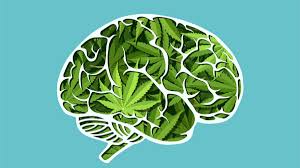
            Today, Marijuana has grown tremendously in popularity, but as a relatively new drug, are we sure what it is doing to our brains? According to the CDC, short-term effects of cannabis (within 24 hours of usage) include immediate impact on thinking, attention, memory, coordination, movement, and time perception. Long-term effects of cannabis can affect memory, attention, and learning. Using Marijuana before the age of 18 is especially harmful for the developing brain and can lead to permanent deficits (as listed above).

            In contrast, Harvard’s MIND investigated a longitudinal observational study of individuals using medical cannabis for various conditions and symptoms. Participants chose their own cannabis product, and were evaluated performing tasks at 3, 6, 12, 15, 18 and 24 months after their treatment begun. The results found that the patients using medical marijuana actually had better performance on cognitive tasks requiring executive function over time. Patients also described their improved mood, energy, sleep, and reduced use of conventional medications. Patients included in this study were generally above the average recreational use age. There has been preclinical data suggesting that cannabis may help boost the body’s aging endocannabinoid system. (The endocannabinoid system (ECS) is a crucial, complex cell-signaling network in mammals that maintains homeostasis by regulating mood, sleep, appetite, pain, and immune responses. When activated, it helps manage stress and physiological balance. )

            The National Institute of Health (NIH) states: “Adult chronic cannabis users with healthy controls, neural activation was measured in paradigms including tests of attention, cognitive controls, memory, decision-making, motor performance, and affective processing. Most studies have found changes in brain function, often without notable performance deficits” the NIH found that Schizophrenia patients who reported abusing cannabis actually had a better memory than those who were not using cannabis from Marijuana potentially reducing negative symptoms.

            Overall, Cannabis is not recommended for anyone under the age of 21, as it can cause permanent harm to your brain and its functions, but studies have found no evidence that adolescent cannabis use or dependence are associated with IQ decline or neurocognitive performance . However, Marijuana can be beneficial to those suffering from some chronic conditions. THC can “promote neurogenesis, restore memory and prevent neurodegenerative processes and decline in animal models of Alzheimer’s disease.” (National Institute of Health). THC can modulate memory and cognition in an age-and-dose dependent manner. Marijuana should be used on a case by case basis after being evaluated by a medical professional.

If you or someone you know is considering using Marijuana please contact your healthcare provider for more information.If you or someone you know may be struggling with loneliness, or their mental health, please contact our psychotherapy offices in New York or New Jersey to talk to one of our licensed professional psychologists, psychiatrists, psychiatric nurse practitioners, or psychotherapists at Arista Counseling & Psychotherapy. Contact our Paramus, NJ or Manhattan, NY offices respectively, at (201) 368-3700 or (212) 722-1920 to set up an appointment. For more information, please visit http://www.counselingpsychotherapynjny.com/

Childhood Trauma: How can childhood trauma affect adulthood?

By: Mara Gonzalez

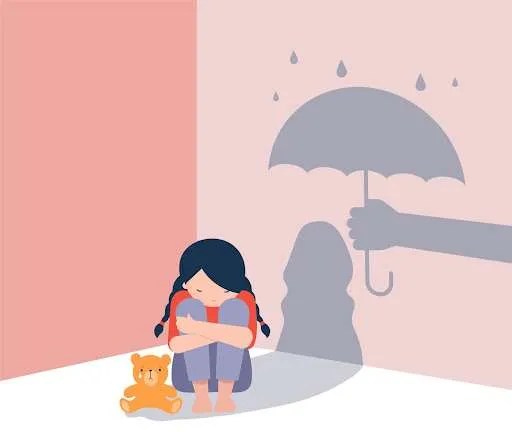
There are many misconceptions about trauma, one being that adults tend to forget about their childhood trauma as they get older. But unfortunately, that is not true for every adult that experienced trauma. Trauma is an overstressing experience that can significantly affects a person’s life for a long time. Trauma is a result of an event, a saying, or an action that created a significantly negative impact on a person’s life. Childhood trauma, also categorized as adverse childhood experiences (ACES), is a type of trauma that happened in the early years of life, and in which adults now can still struggle moving on from those childhood events. Another misconception is that trauma is the same as PTSD (Post-Traumatic Stress Disorder) but that is not the case. A traumatic event is the cause of PTSD but not everyone deals with PTSD after a traumatic event. PTSD is a serious case because it affects many aspects of the survivor’s life, not just psychologically.

So How Can Childhood Trauma Affect Adulthood?

An adult that had adverse childhood experiences in stress and trauma might be at risk of developing physical and psychological issues. Some of the mental health illnesses might be major depression disorder, PTSD, substances abuse, anxiety disorders, and many more. Other factors that are affected by childhood trauma in an adults life is difficulty in maintaining relationships, having emotional regulation issues, alter in brain development, and irregular sleep (insomnia). The symptoms of childhood trauma in adults and its effects may not just go away on its own, which is why it’s important to treat those symptoms with the adequate form of care.

One appropriate form of care for dealing with childhood trauma as an adult can be group therapy. In group therapy, patients share their stories with others in hopes that they encounter someone with similar challenges and to reduce feelings of isolations. Even though childhood trauma is complex, they’re ways to cope and manage the symptoms and effects affectively. Remember, it’s never too late to seek help and start the journey toward recovery.

If you or someone you know is struggling with mental health, please contact our psychotherapy offices in New York or New Jersey to talk to one of our licensed professional psychologists, psychiatrists, psychiatric nurse practitioners, or psychotherapists at Arista Counseling and Psychotherapy. Contact our Paramus, NJ, or Manhattan, NY offices respectively, at (201) – 368-3700 or (212)-722-1920 to set up an appointment. For more information, please visit https://www.counselingpsychotherapynjny.com/

Obsessive Compulsive Disorder: What is OCD?

By Danielle Mendler

        Obsessive-Compulsive Disorder is a disorder where obsessions lead to compulsive behavior. These obsessions take the form of intrusive thoughts that cause discomfort, anxiety, and stress. The compulsions that follow these thoughts are actions that people struggling with OCD take to relieve those intense unpleasant feelings.

A notorious OCD stereotype is washing hands. Someone with Obsessive Compulsive Disorder may get an intrusive thought into their head along the lines of “You haven’t been careful enough today. You have to wash your hands again because you didn’t do it right the first time. If you don’t you will get everyone you love sick because YOU weren’t careful.” These thoughts consume those with OCD and the victim will believe everything this voice is telling them. Therefore, to stop the anxiety and guilt, they will wash their hands over and over again until it feels right. This will repeat multiple times a day causing extreme stress on this person and getting in the way of their daily routine.

            However, OCD isn’t always about staying clean or being organized. These obsessions can take the form of anything. This disorder attacks what the victim cares about most. An example is Scrupulosity. Scrupulosity is when people have intense OCD attacks on their religion and morals. This will happen when a person is extremely invested in their faith. The disorder overtakes what they enjoy and causes stress and chaos to it, making them feel like they will never be kind enough or religious enough. Some OCD takes the form of more irrational thoughts and actions that don’t always make sense to everyone else except them. People will believe that if they don’t knock on the floor four times, somebody they love will get hurt, just because their brain is telling them that. This obsessive thought causes enough internal conflict to result in the victim committing the compulsion of hitting the floor. It may seem harmless but these thoughts and actions over take people lives.

            Obsessive Compulsive Disorder can create many obstacles in daily life. People with OCD have trouble showing up on time to school or work, because they compulsions made them late. They can be under a constant state of stress and can have panic attacks over triggering words/actions that may not have significance to anyone else. If their compulsive actions include any physical activity (scratching, washing, etc.) it can cause bodily harm.

            Obsessive Compulsive Disorder is a very serious mental health crisis that affects people daily. If you or someone you know is struggling with OCD or any other stress please contact Arista Counseling and Psychological Services at 201-368-3700.

Relationships: How does mental illness affect romantic relationships?

By: Mara Gonzalez

Romantic relationships are characterized as a form of connection through physical, emotional, sexual, mental attraction and intimacy towards one another. With strong feelings for each other, romantic relationships lead to strong commitment bonds. But romantic relationships aren’t always perfect. Over 40 million people in the United States, alone, are suffering from a mental disorder such as depression, anxiety, or bipolar disorder (Stein). Mental disorders can affect a person’s life in many different ways, including a romantic relationship. Since intimate relationships require attention from both parties, the function and stability of the relationship can vary if one of the partners is affected by a mental disorder. As some of mental illness can affect day-to-day functions, relationships can be affected by the wellbeing of one or both of the partners.

Although every person diagnosed with a mental disorder can experience different symptoms, some common signs of a mental disorder can be loss of appetite and sleep, extreme mood swings, burnout, increase/decrease of certain emotions, unhealthy coping habits and/or unusual emotional outburst. One example of how the effect on the relationship can be seen is codependency. Due to the unstable emotions, the person affected by a mental disorder might need to rely on their partner for everyday things like needing help to:  

  • Stay balanced with a healthy eating style
  • Getting a good number of hours of sleep
  • Setting appropriate boundaries
  • Enabling healthy behaviors

A fear that is common amongst people with a mental health issue and their romantic relationship is pushing the other partner away. Dealing with a mental disorder is not easy, and can negatively consume a person’s life. The fear of pushing your partner away comes from not knowing if you would be accepted by your partner due to your mental health issue(s), if your partner is willing to help you and your needs, if your partner is okay with intimacy, and many more. Tory Miller, a Clinical Program Manager at Diversus Health, stated, “Sometimes we have our own stigma associated with disclosing our mental health struggles. We hesitate to share with our partner for fear of pushing them away”.

Disclosing a mental health disorder is important because it helps keep the trust and open communication, as well as having a stable foundation in the relationship. It can be seen as healthy to disclose mental health disorders so your partner is not confused by your symptoms and is able to provide adequate support for you and give you a safe place to be yourself. It is important to understand that all relationships have struggles and challenges, and it may be a good idea to establish reliance and healthy boundaries.

Sources: Stein, Catherine H et al. “Strengths, Struggles, and Strategies: How Adults with Serious Mental Illness Navigate Long-Term Romantic Relationships.” Community mental health journal vol. 60,7 (2024)

“How Mental Illness May Affect Relationships.” Edited by Diversus Health, How Mental Illness May Affect Relationships – Diversus Health, diversushealth.org/mental-health-blog/how-mental-illness-may-affect-relationships/.

If you or someone you know is struggling with mental health, please contact our psychotherapy offices in New York or New Jersey to talk to one of our licensed professional psychologists, psychiatrists, psychiatric nurse practitioners, or psychotherapists at Arista Counseling and Psychotherapy. Contact our Paramus, NJ, or Manhattan, NY offices respectively, at (201) – 368-3700 or (212)-722-1920 to set up an appointment. For more information, please visit https://www.counselingpsychotherapynjny.com/

Trauma; why is Complex Trauma technically considered acquired Nero divergent?

Trauma; why is Complex Trauma technically considered acquired Nero divergent?

By Manuela Gomez

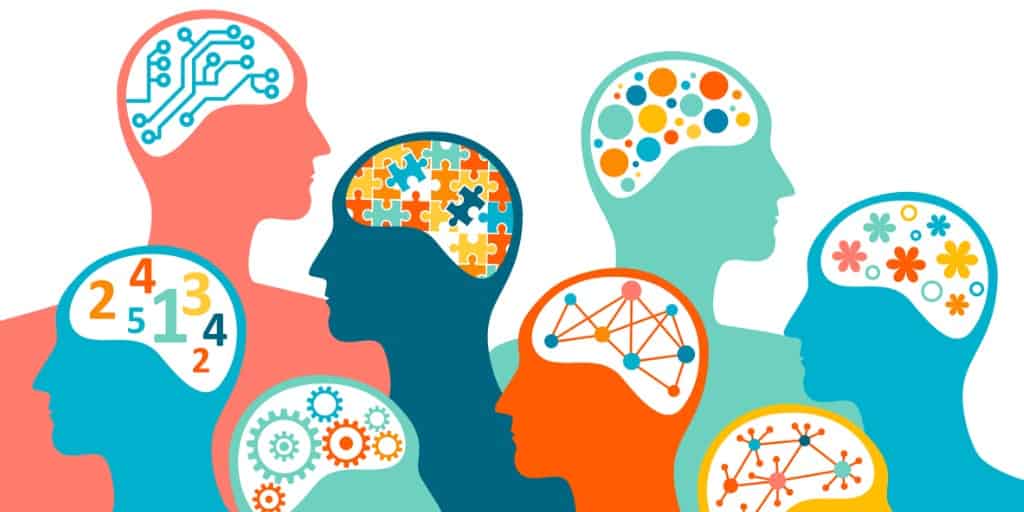
Being neuro divergent means that the brain works a bit differently than the average brain. This may include being diagnosed with ADHD, being on the spectrum for Autism, etc.  Then we have acquired neuro divergence which are differences in the brain which come to be; after birth, traumatic events and, brain injuries.  Once someone goes through a complex trauma it can continue to be prolonged which can cause changes to the hippocampus or prefrontal lobe. If you have experienced complex trauma and feel like you might have acquired nero divergence look for these symptoms:

  • Difficulty managing emotions
  • Very sensitive to sounds, lights or even touch
  • Stress levels are way higher than normal
  • Attention span drastically dropped

It is important to remember that Complex stress doesn’t directly create acquired neuro divergence. It first sets off the changes that can then result in the listed above symptoms which are pre conditions to being Nero divergent. If you believe you may have acquired Nero Divergence, please reach out to a specialist who can help.

Sources: https://complextrauma.org/wp-content/uploads/2019/01/CPTSD-1-Joseph-Spinazzola.pdf

If you or someone you know is struggling with mental health, please contact our psychotherapy offices in New York or New Jersey to talk to one of our licensed professional psychologists, psychiatrists, psychiatric nurse practitioners, or psychotherapists at Arista Counseling and Psychotherapy. Contact our Paramus, NJ, or Manhattan, NY offices respectively, at (201) – 368-3700 or (212)-722-1920 to set up an appointment. For more information, please visit https://www.counselingpsychotherapynjny.com/

Body Dysmorphia; how has social media has affected it?  

Body Dysmorphia; how has social media has affected it?

By Manuela Gomez

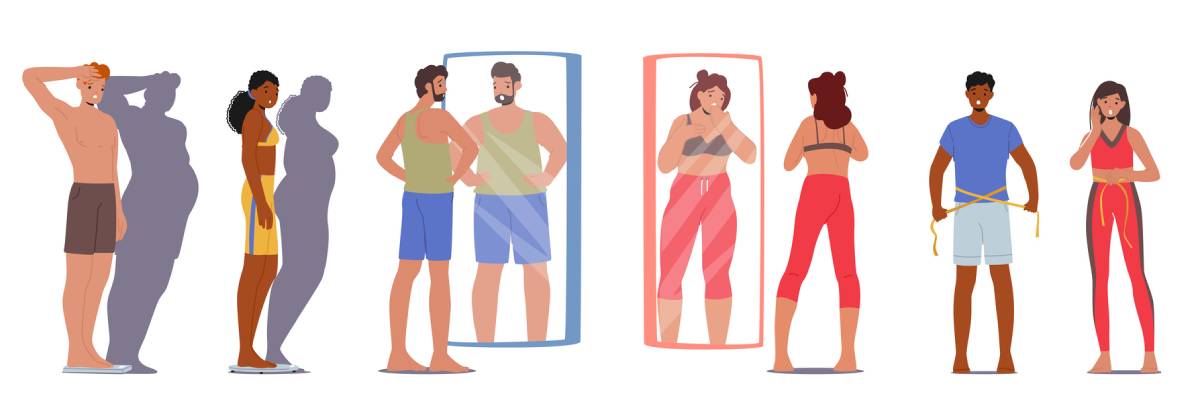
Have you ever stared at yourself in the mirror and realized that your mind isn’t showing you the reality of what you look like? Body Dysmorphia is a mental state in which your mind is busy looking/making up imperfections of your body that no one else can notice.  Although, Body Dysmorphia has been around for a while social media has only made it worse in the recent years. Social media, the addiction in which you start to compare yourself with people you watch and follow. Then you put this expectation of yourself that you should look a certain way. We tend to forget that even social media isn’t portraying the whole truth. According to the article Frontiers, 29% of people with higher social media usage have Body Dysmorphia compared to, 19% of people that have a lower usage. Here are some ways that you can help improve your BD:

  • Replace your negative thoughts with the positive (Ex: I look ugly today- I look and feel amazing)
  • Start changing the habit of analyzing yourself in the mirror every day, stand in front of it and give yourself positive affirmations
  • If you want to change something about your body then do it, but in healthy way
  • Surround yourself with healthy people and habits
  • Less social media time

Body Dysmorphia is not uncommon. It is treatable with the right professional and the effort you put into it. Don’t let your reality get lost because you see what others don’t see.

Source(s): https://www.mayoclinic.org/diseases-conditions/body-dysmorphic-disorder/diagnosis-treatment/drc-20353944

https://www.frontiersin.org/journals/public-health/articles/10.3389/fpubh.2024.1324092/full

If you or someone you know is struggling with mental health, please contact our psychotherapy offices in New York or New Jersey to talk to one of our licensed professional psychologists, psychiatrists, psychiatric nurse practitioners, or psychotherapists at Arista Counseling and Psychotherapy. Contact our Paramus, NJ, or Manhattan, NY offices respectively, at (201) – 368-3700 or (212)-722-1920 to set up an appointment. For more information, please visit https://www.counselingpsychotherapynjny.com/

Self-Esteem: The Impact of Cyberbullying in Teenagers

Self-Esteem: The Impact of Cyberbullying in Teenagers

by: Mara Gonzalez

Now a days, it is common to see teenagers and young adults owning a cellular device. Teenagers are most likely to be on social media accounts in order to stay updated on the latest social news, and celebrity’s lives, watch funny videos, research informational findings, and chat with friends or strangers. Social media is commonly use to keep in contact with an old friend or partner, stay in touch with a friend living far away, and much more. But unfortunately, there is a down side of social media.

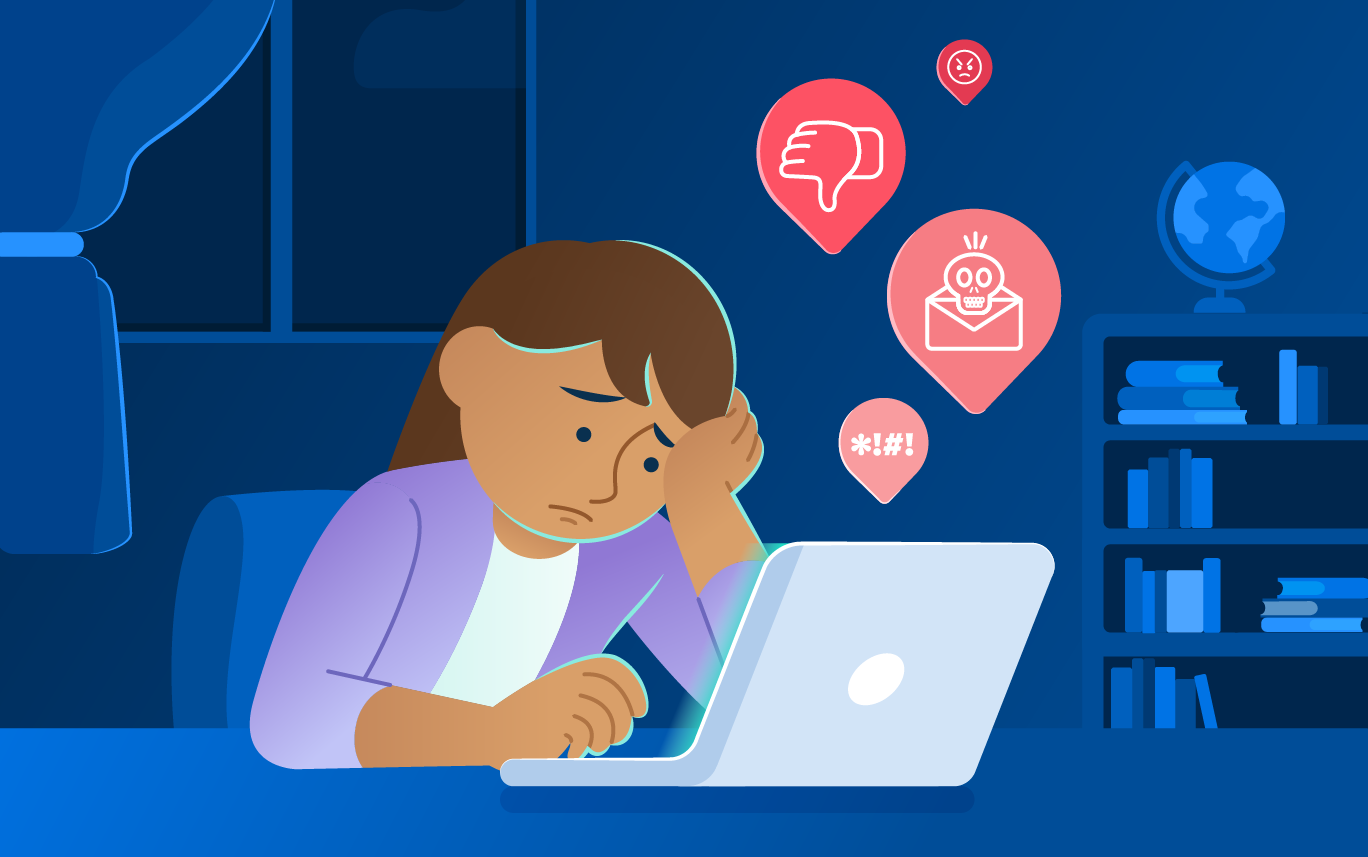
            Cyberbullying has been around since the beginning of messaging applications. Cyberbullying is a form of harassment done to an online user, appearing in different forms like aggressive behavior, blackmail, hateful messages/comments, or breach of privacy. This has been a huge problem in the United States for teenagers and young adult’s self-esteem as some comments can be directed at physical appearances and looks. This can lead to feeling self-conscious about one’s body and style of clothing. Due to hateful messages and comments, teenagers can struggle seeing themselves fit into society’s standards and they start to feel “not good enough”. There have been many cases when teenagers start developing mental disorders like depression, anxiety, suicidal intentions and psychological distress due to cyberbullying.

            Anybody can be a victim of cyberbullying. Cyberbullying can cause irreversible damage to younger online user’s self-esteem and confidence. When using social media, cyberbullies can choose to present their own identity or choose a fake identity, which is more frequently seen online. This means that around 44% of online users do not disclose their identity making it easier to target and cyberbully other online users without sharing who they really are. “Hiding a behind a screen” is an infamous phrase used to describe users that choose to cyberbully others online.

            In order to prevent cyberbullying from continuing to happen, there have been worldwide public campaigns, movements, online activism, victim support, school programs and social media hashtags. Spreading awareness is very important, in the online world, because it helps prevent cyberbullying from continuing causing harm others. Choose to support one another. “Courage is fire and bullying is smoke”- Benjamin Disraeli.

If you or someone you know is struggling with mental health, please contact our psychotherapy offices in New York or New Jersey to talk to one of our licensed professional psychologists, psychiatrists, psychiatric nurse practitioners, or psychotherapists at Arista Counseling and Psychotherapy. Contact our Paramus, NJ, or Manhattan, NY offices respectively, at (201)-368-3700 or (212)-722-1920 to set up an appointment. For more information, please visit https://www.counselingpsychotherapynjny.com/

Anxiety: First Day of College as a Freshman

Anxiety: First Day of College as a Freshman

By Colleen Susanto

Feeling anxious about college is a universal experience. Especially, when someone has just graduated from high school and is starting college. It’s a huge transition for everybody. College is the time where you find yourself and experience the adult life. So, what makes us so anxious about college and how can we overcome it?

Being in a new community can be really intimidating. Trying to fit in and making new friends. Not being able to be with your old friends from high school can make you feel separated. However, one way to avoid that feeling is to socialize. Many colleges offer programs and events and that way, you can meet new people and make friends!

The stress of keeping up with academic expectations can also be very overwhelming. College classes tend to be more work than high school and can feel overwhelming when you are not organized. What you could do is to write down the assignments, deadlines, and exams. Then, you’d feel more organized and plan ahead.

Last but not least, being away from home. First time in college is usually the first time a student is away from their family. They have to carry huge responsibilities, such as financial, independence, time management, and much more. These can be very overwhelming for first timers. You could always contact your family through texts and calls, and stay connected with them. Try talking out your problems with your family or people you know to take some of the burden off you.

If you or someone you know is struggling with mental health, please contact our psychotherapy offices in New York or New Jersey to talk to one of our licensed professional psychologists, psychiatrists, psychiatric nurse practitioners, or psychotherapists at Arista Counseling and Psychotherapy. Contact our Paramus, NJ, or Manhattan, NY offices respectively, at (201)-368-3700 or (212)-722-1920 to set up an appointment. For more information, please visit https://www.counselingpsychotherapynjny.com/

https://truetherapyaz.com/managing-stress-overwhelm-for-first-time-college-students/