Stress: Types of Stress and What it’s All About

Stress: Types of Stress and What it’s All About

By Crystal Tsui

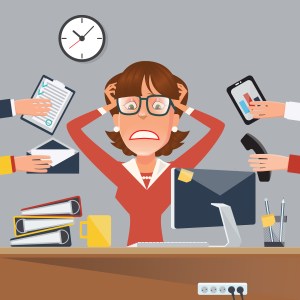
In our everyday lives, we deal with all different kinds of stress, whether it’s from danger, work, family, financial, or education. Here are some of the different types of stress:

  • Acute
  • Chronic
  • Eustress
  • Distress

Acute stress is our fight-or flight response where we are on high alert on our surroundings, usually lasting only 90 mins. Chronic stress is our daily stress that we typically deal with, such as bills, kids, and work. This is the kind of daily stress we tend to ignore. Eustress is our daily positive stress that motivates us to be productive such as having a baby, graduation, or meeting new friends. But the complete opposite would be distress. Distress is the daily negative stress like financial problems, work difficulties, or divorce. Most of the time we can manage our stress by exercising, mediating, or even taking time to talk to family and friends.

However, if stress is not managed properly, stress can affect your body and your immune system. Some symptoms of prolonged stress include:

  • Headaches
  • Increase likelihood of depression (such as lack of motivation)
  • Insomnia
  • Anxiety
  • Irritability

Some biological symptoms of prolonged stress include:

  • Hypertension
  • Increased risk of Diabetes Mellitus Type II
  • Increased changes in acid reflux
  • Increases risk of contracting H. Pylori (bacterium that causes gastric ulcers)
  • Erectile Dysfunction or heavier, painful menses
  • Decrease body’s response to fight off viruses, infections, and the common cold

If you or someone you know is suffering from chronic stress and are seeking stress management, please contact our psychotherapy offices in New York or New Jersey to talk to one of our licensed professional psychologists, psychiatrists, psychiatric nurse practitioners, or psychotherapists at Arista Counseling & Psychotherapy. Contact our Paramus, NJ or Manhattan, NY offices respectively, at (201) 368-3700 or (212) 722-1920 to set up an appointment. For more information, please visit http://www.counselingpsychotherapynjny.com/ .

Citations:

https://imagesvc.timeincapp.com/v3/mm/image?url=https%3A%2F%2Ftimedotcom.files.wordpress.com%2F2018%2F11%2Fstress-benefits.jpg&w=663&c=sc&poi=face&q=85

https://thehealthedge.com/wp-content/uploads/2019/02/Managing-Work-Related-Stress.jpg

https://www.stress.org/daily-life

Sleep Disorder: Narcolepsy

Sleep Disorder: Narcolepsy

By Crystal Tsui

Narcolepsy is a chronic sleep disorder that affects daytime activities. It is characterized by overwhelming drowsiness and sudden attacks of sleep. Narcolepsy affects both men and women equally in roughly 1 in 2,000 people and can be passed down genetically, but the risk of a parent passing this disorder to a child is very low. Symptoms usually start to develop between the ages of 10- 30 years old and worsen for the first few years. The symptoms of narcolepsy will remain constant throughout life.

Some symptoms of narcolepsy include:

  • Excessive sleepiness
  • Sleep paralysis
  • Hallucinations
  • Episodes of cataplexy (partial or total loss of muscle control that is often triggered by strong emotions such as laughter and joy)

Other symptoms include:

  • Transition to REM sleep is quick, usually 15 minutes
  • Insomnia
  • Restless leg syndrome
  • Sleep apnea
  • Automatic behavior (falling asleep while doing an automatic task, like driving, and continue performing task after falling asleep. When waking up and not remembering what they did)

Narcolepsy is a sleep disorder that seriously disrupts everyday life. Most common being:

  • Stigma of the condition- others might view individuals with this disorder as lazy or lethargic
  • Physical harm- increased risk of being in a car accident if a sleep attack occurs when driving
  • Low metabolism- individuals may be more likely to be overweight

Unfortunately, the exact cause is still unknown and there is no cure for narcolepsy. However, medications (stimulants), lifestyle changes, and support from others can help manage symptoms. 

If you or someone you know is suffering from narcolepsy and need help adjusting, please contact our psychotherapy offices in New York or New Jersey to talk to one of our licensed professional psychologists, psychiatrists, psychiatric nurse practitioners, or psychotherapists at Arista Counseling & Psychotherapy. Contact our Paramus, NJ or Manhattan, NY offices respectively, at (201) 368-3700 or (212) 722-1920 to set up an appointment. For more information, please visit http://www.counselingpsychotherapynjny.com/ .

Sources:

https://www.sleepfoundation.org/articles/narcolepsy

https://www.mayoclinic.org/diseases-conditions/narcolepsy/symptoms-causes/syc-20375497

https://www.o2pulmonary.com/wp-content/uploads/2016/02/narcolepsy-300×194.jpg


Seasonal Depression

Seasonal Depression

Seasonal Affective Disorder

By: Julia Keys

Seasonal Depression, clinically known as Seasonal Affective Disorder or SAD, affects about five percent of American adults annually. SAD is a type of depression where the weather and seasonal changes causes one to feel depressed. SAD symptoms most commonly flare up around the late fall to the early spring months. During this time of the year, the sun is out shorter and its rays are less intense. Psychologists hypothesize that the lack of sunlight contributes to SAD by affecting healthy hormonal balances. Although most cases of SAD occur during the late fall to early spring seasons, some people do have seasonal depression during the warmer spring and summer months. Studies show that alcohol consumption and depression go hand-in-hand, which can be particularly harmful when suffering from SAD.

Symptoms of SAD:

  • Feeling of sadness or depressed mood
  • Lack of motivation
  • Marked loss of interest or pleasure in activities once enjoyed
  • Changes in appetite; usually eating more, craving carbohydrates
  • Change in sleep; usually sleeping too much
  • Loss of energy or increased fatigue despite increased sleep hours
  • Increase in restless activity (e.g., hand-wringing or pacing) or slowed movements and speech
  • Feeling worthless or guilty
  • Trouble concentrating or making decisions
  • Thoughts of death or suicide or attempts at suicide

Fortunately, there are many different treatments to help those with SAD reduce their symptoms. Psychotherapy and medication are helpful for those suffering from SAD. Cognitive Behavioral Therapy or CBT helps patients change unhealthy thought patterns and behaviors that may contribute to their symptoms. Psychiatrists most often prescribe antidepressants such as Lexapro or Prozac to help those with SAD. A new type of therapy, light therapy, has proven to help those with SAD by exposing them to artificial light which takes the place of the light they are missing on short fall or winter days. One usually sits in front of the light box for about twenty minutes each morning. Patients usually start feeling better after two to three weeks of light therapy. In addition to the services professionals can provide to help, there are lifestyle choices that one can make to lessen the effects of SAD such as avoiding drugs and alcohol, getting regular exercise, getting a healthy amount of sleep and eating a healthy diet.

If you or someone you know is struggling with Seasonal Affective Disorder, please contact Arista Counseling & Psychotherapy, located in New York and New Jersey to speak to a licensed professional psychologists, psychiatrists, psychiatric nurse practitioners or psychotherapists. To contact the office in Paramus NJ, call (201) 368-3700. To contact the office in Manhattan, call (212) 722-1920. For more information, please visit http://www.counselingpsychotherapynjny.com/ .


Sources:

https://www.psychiatry.org/patients-families/depression/seasonal-affective-disorder

https://www.psychologytoday.com/us/articles/199809/here-comes-the-sun

Source for Picture:

https://www.google.com/search?biw=1280&bih=561&tbm=isch&sa=1&ei=3zf1XODXGKqIgge05bqIAw&q=the+seasons&oq=the+seasons&gs_l=img.3..0l10.17148.18466..18764…0.0..0.91.895.11……0….1..gws-wiz-img…….35i39j0i67.xG7jW6j8pr0#imgrc=Gwz-hlum6tNV_M:


Psychosomatic Disorders

Psychosomatic Disorders

By Crystal Tsui

Psychosomatic disorder affects both mind and body and it occurs when a physical disease is exacerbated or caused by mental factors or vice versa. Psychological factors can cause physical symptoms when there is no physical disease. There are many factors that are involved with psychosomatic disorders, such as

  • Biological traits
  • Genetic and environmental factors
  • Family influences
  • Learned behavior

Some symptoms of psychosomatic disorders include:

  • Generalized pain
  • Weakness
  • Fatigue
  • Shortness of breath

There are many physical diseases and conditions that are prone to be exacerbated by psychological factors. Some conditions include:

  • Hypertension
  • Constipation
  • Diarrhea
  • Dyspnea
  • Tachypnea
  • Tachycardia

Cognitive behavioral therapy is often the treatment for psychosomatic disorders and it helps individuals cope with their problems (eg. stress, anxiety, depression) and understand that their mental health is connected to their physical health. Most healthcare professionals try to treat the individual, taking into account the mental, social, and physical factors that may contribute to a disease.

 If you or someone you know has psychosomatic disorder, please contact our psychotherapy offices in New York or New Jersey to talk to one of our licensed professional psychologists, psychiatrists, psychiatric nurse practitioners, or psychotherapists at Arista Counseling & Psychotherapy. Contact our Paramus, NJ or Manhattan, NY offices respectively, at (201) 368-3700 or (212) 722-1920 to set up an appointment. For more information, please visit http://www.counselingpsychotherapynjny.com/ .

Sources:

https://centerforanxietydisorders.com/treatment-programs/psychosomatic-disorders/

https://www.google.com/url?sa=i&source=images&cd=&ved=2ahUKEwib8_iSpLTiAhWtTd8KHQaAC_cQjRx6BAgBEAU&url=https%3A%2F%2Fwww.abc.net.au%2Fradionational%2Fprograms%2Fallinthemind%2Fhypochondria-and-psychosomatic-illness%2F6866448&psig=AOvVaw1o8-BXYZWCSksnlzsZPuSV&ust=1558791237650609

Early Signs of Alzheimer’s: What to Look Out For

Early Signs of Alzheimer’s: What to Look Out For

By: Lauren Hernandez

Alzheimer’s is a specific and extremely common type of dementia that plagues our elderly population. Alzheimer’s is a slow, progressive disease of the brain that causes short term and long term memory problems, confusion, as well as severely slow functioning issues such as disorientation and visual and decision making difficulties that interfere with daily tasks. People who are diagnosed with Alzheimer’s are typically 65 and older.

Here are a few early signs of Alzheimer’s:

  • Forgetting recent, short term information
  • Difficulty following instructions
  • Behavioral/ personality changes
  • Difficulty communicating with others
  • Hiding and hoarding items
  • Visual difficulties
  • Decision difficulties
  • Disorientation
  • Misplacing things
  • Loss of initiative or withdrawal from work activities

If you observe these signs in yourself, a loved one or friend, it is suggested to seek medical and behavioral treatment right away. It is important to be informed, plan for the future, and make some lifestyle changes that create a safe environment. Studies have shown, it is important to create routines and maintain good physical and mental health through physical exercise and managing stress. Partaking in these types of activities may decrease symptoms.


If you or someone you know is struggling with Alzheimer’s, please contact your primary care physician or our psychotherapy offices in New York or New Jersey to talk to one of our licensed professional psychologists, psychiatrists, psychiatric nurse practitioners, or psychotherapists at Arista Counseling & Psychotherapy. Contact our Paramus, NJ or Manhattan, NY offices respectively, at (201) 368-3700 or (212) 722-1920 to set up an appointment. For more information, please visit http://www.counselingpsychotherapynjny.com/


Sources:

https://www.activebeat.com/your-health/6-most-common-early-signs-of-alzheimers/7/

https://www.alz.org/alzheimers-dementia/what-is-alzheimers#basics

https://www.medicinenet.com/alzheimers_disease_causes_stages_and_symptoms/article.htm

Image Source: https://www.bing.com/images/search?view=detailV2&id=04105A0A38DCEDEEB119A099F64434F7D50C6F89&thid=OIP.EW5yiFeyBL7zORHG0cZqiAHaHa&mediaurl=https%3A%2F%2F1.bp.blogspot.com%2F-m2cfm1zqWqo%2FWhbcgU7NaDI%2FAAAAAAAA4rY%2FINlaNsI5q-Y3KLvKWCXgqj4acMNs_2q1wCLcBGAs%2Fs1600%2FBrain%2BNeuroscience.jpg&exph=919&expw=919&q=alzheimers&selectedindex=2&ajaxhist=0&vt=0&eim=1,2,6


Choosing the Therapist Who Is Right For You

By: Julia Keys

It can be quite discouraging when you finally have a meeting with a mental health professional and you two just don’t “click”. Because therapy is a highly personal method of treatment, it is important to find a therapist that you feel understands you. Just like every patient is different, every therapist is different too.  When researching therapists, try to determine the way you like to approach your problems.

If you believe that there are unconscious processes that can help explain your emotions or behavior, then a psycho-dynamic therapist might be right for you. If you want to change the way you think in order to change certain behaviors of yours then you might want to give a cognitive behavioral therapist a try. If you are the type that is focused on the future then solution based therapy might be the right kind of treatment for you. If you want to work on your relationship with a significant other or your family, then maybe you could approach a family oriented systems therapist. If you feel as if none of these types of therapists seem right, then call potential therapists up and ask them to describe their approach until you find one that resonates with you.

Once you find a therapist that feels like a good fit, pay attention to how your sessions go. Do you feel like your therapist is a good listener? Do you feel safe in the presence of your therapist? Do you find your therapist nonjudgmental? Of course there are infinite factors that determine whether or not you and your therapist “click” or not, however the most important thing is to always check in with yourself and notice if the fit feels right. At Arista Counseling, we have a multitude of different therapists that can help you.

Sources:

https://www.psychologytoday.com/us/articles/200712/how-do-i-choose-the-right-doctor

https://www.psychologytoday.com/us/blog/freudian-sip/201102/how-find-the-best-therapist-you

Image Source:

https://www.google.com/search?hl=en&tbm=isch&source=hp&biw=1600&bih=757&ei=sf7aXMHwHoSxggeKhb_gCw&q=puzzle+piece+&oq=puzzle+piece+&gs_l=img.3..0l10.4603.7635..8063…0.0..0.78.818.13……1….1..gws-wiz-img…..0..35i39.xtTCM_r69gA#imgrc=EBrdS_aoYQlb8M:

Anorexia and Amenorrhea: How Anorexia can be the Reason for Losing your Period

By: Sanjita Ekhelikar

Eating disorders are ruthless mental illnesses which severely impact on one’s mental and physical well-being. One such eating disorder is Anorexia Nervosa. This ailment is characterized by a severely distorted body image, a fear of gaining weight, extreme starvation and restriction of food intake, and a very low body weight. This deprivation of food and nutrients can have detrimental effects to the body. Anorexia Nervosa is primarily prevalent among younger females, although impacting males as well. One side effect of this eating disorder in females is amenorrhea, or losing one’s menstrual cycle.

Amenorrhea can be classified into two forms: primary and secondary. Primary amenorrhea occurs when a female does not begin her menstrual cycle by sixteen years of age. Secondary amenorrhea, loss of the menstrual cycle after it has already begun, is prevalent in many females with anorexia nervosa. The loss of one’s period can be attributed to low body weight, extreme amounts of exercise, and greater stress levels. The loss of such a regulated bodily cycle in a female’s body is dangerous, and can indicate the severity of and impairment caused by anorexia nervosa.

If amenorrhea and the underlying causes of its occurrence are not addressed, women are at risk of becoming infertile. In addition, the levels of estrogen decrease in the female body, leading to the development of pre-menopausal symptoms including loss of sleep, night sweats, and irritable moods. Finally, amenorrhea and the resulting reduction in estrogen can deplete amounts of calcium, thus making bones brittle and more susceptible to breakage. This can even occur in younger women with anorexia who are struggling through amenorrhea.

It is imperative that one seeks treatment if they are struggling with Anorexia Nervosa, and especially if one is also experiencing amenorrhea. Therapy and medication can be of assistance in overcoming this disorder, and in restoring one’s menstrual and mental well-being.

If you or someone you know is dealing with Anorexia Nervosa and/or amenorrhea, please contact our psychotherapy/psychiatry offices in New York or New Jersey to talk to one of our licensed professional psychologists, psychiatrists, psychiatric nurse practitioners, or psychotherapists at Arista Counseling & Psychotherapy. Contact our Paramus, NJ or Manhattan, NY offices respectively, at (201) 368-3700 or (212) 722-1920 to set up an appointment. For more information, please visit http://www.counselingpsychotherapynjny.com/.

College Stress

By: Charleene Polanco

Change is a natural part of life. Some people gladly welcome change and growth, while others tend to panic when the stability of what they are used to is gone. College is one of the biggest transitions a person can experience, because it is a time for independence. Leaving the safety of your house, parents, and friends is necessary to have new experiences and make connections. College introduces a change in lifestyle, greater workload, different responsibilities, and new relationships. With all of these changes, many students experience college stress because they are unable to effectively handle the different aspects of their lives. College stress is more common than we think, with six out of ten students experiencing stress to the point of it becoming detrimental to their college lives. The symptoms of college stress include headaches, fatigue, depression, anxiety, and an inability to cope.  The more serious symptoms of college stress are suicidal thoughts, drug/alcohol abuse, social withdrawal, physically violent outbursts, and uncontrollable crying.

Since stress is so prevalent among college students, there are many tips available to help reduce and cope with stress. It is recommended that college students seek out stress management resources. On college campuses, there are many resources available to students, which can help them manage their lives. Counseling services are one of the many resources designed to hear student’s problems and provide them with solutions. If a person is uncomfortable with contacting counseling services, they can start out by talking to a trusted friend, advisor, or family. However, if you are experiencing the more serious symptoms of college stress, it is highly encouraged that you seek out counseling services or other professional resources.

If you or someone you know is suffering from college stress, please contact our psychotherapy offices in New York or New Jersey to talk to one of our licensed professional psychologists, psychiatrists, psychiatric nurse practitioners, or psychotherapists at Arista Counseling & Psychotherapy. Contact our Paramus, NJ or Manhattan, NY offices respectively, at (201) 368-3700 or (212) 722-1920 to set up an appointment. For more information, please visit http://www.counselingpsychotherapynjny.com/.

Sources:

NYU. “Stress.” Stress, NYU, www.nyu.edu/life/safety-health-wellness/live-well-nyu/priority-areas/stress.html

“Student Guide to Balancing Stress.” Best Colleges, Best Colleges , 28 June 2018, www.bestcolleges.com/resources/balancing-stress/.


Alcoholism: A Life Altering Disorder

By: Charleene Polanco

According to Mayo Clinic, alcoholism, also known as alcohol use disorder, is defined as an alcohol use pattern that involves the inability to control ones drinking. For many who are on track to become an alcoholic, it seems pretty easy to keep convincing themselves that they have the ability to quit whenever they want. However, when he or she realizes their alcohol tolerance has increased, and that he or she experiences withdrawal symptoms when not drinking, an alcohol use disorder has developed. The common symptoms of alcoholism include:

  • Uncontrolled alcohol consumption
  • Using alcohol in unsafe situations, such as driving
  • Failure to fulfill major school or work obligations because of repeated alcohol use
  • Craving/ urges to drink alcohol
  • Withdrawal symptoms like nausea, sweating, and shaking
  • Unsuccessful attempts to cut down on the amount of alcohol consumed

Alcoholism is an important issue, because it affects a huge number of the American population. As many as 18 million Americans suffer from alcoholism, and about 100,000 die as a result. Alcoholism is also associated with other social and domestic problems, like job absenteeism and spousal/child abuse. With such a significant portion of the U.S. population suffering from this terrible disorder, and its effects on the individual and loved ones, it is imperative that a person seek help when afflicted with alcohol use disorder.

If you or someone you know is suffering from alcohol use disorder, please contact our psychotherapy offices in New York or New Jersey to talk to one of our licensed professional psychologists, psychiatrists, psychiatric nurse practitioners, or psychotherapists at Arista Counseling & Psychotherapy. Contact our Paramus, NJ or Manhattan, NY offices respectively, at (201) 368-3700 or (212) 722-1920 to set up an appointment. For more information, please visit http://www.counselingpsychotherapynjny.com/.


Sources:

Mayo Clinic. (2018, July 11). Alcohol use disorder. Retrieved October 9, 2018, from https://www.mayoclinic.org/diseases-conditions/alcohol-use-disorder/symptoms-causes/syc-20369243

WebMD. (2018). Understanding Alcohol Use Disorder — the Basics. Retrieved October 9, 2018, from https://www.webmd.com/mental-health/addiction/understanding-alcohol-abuse-basics#1


Assertiveness and Anxiety: How Expressing Yourself Can Lead to a Happier Self

By: Sanjita Ekhelikar

“Communication is key” is a phrase we are all familiar with, yet many struggle with actually acting on it. The most effective form of communication is through assertiveness, which involves expressing one’s views in a straightforward manner, and in standing up for one’s needs while still being considerate of others. This differs from aggressiveness in that it does not involve being outwardly emotional or insulting to others, and differs from passivity in that the individual clearly states their feelings and desires. Being assertive involves open communication, which can be difficult to engage in, especially for people struggling with anxiety. However, through practicing and learning assertiveness, people with anxiety can actually feel less worry and more confident in themselves.

Anxiety describes the uncomfortable feelings of turmoil and dread that one might have in anticipation that results in physical sensations such as rapid heartbeat, sweating, and rumination. For many who struggle with anxiety, the thought of being assertive with others makes them anxious. They often worry that being assertive will come off as being mean, creating conflict, and being inconsiderate. Therefore, many choose passive communication, and never voice their views or feelings. This worsens their state of worry, as they are not properly understood by those around them and can easily be taken advantage of. They are often misunderstood which increases their worry. Others often take advantage of them because of their meek manner and visible anxiety.

Contrary to what those with anxiety believe, assertiveness can actually help them feel better. Often times, those with anxiety create situations in their mind about everything that will go wrong if they voice themselves to another person. However, such a form of open communication can create a better understanding between two people. It allows the person with anxiety to be properly understood, to dispel the fearful thoughts in their head, and become more confident in themselves and their views.

How can people with anxiety begin working towards being more assertive? By stating their views using “I,” individuals can avoid putting blame on others by expressing their own opinions. In addition, reminding themselves that their fears are not rational and that it is their anxiety talking to them can help them become increasingly comfortable with being assertive. Finally, practice makes perfect – keep trying and speak up!

If you or someone you know is suffering from anxiety, please contact our psychotherapy offices in New York or New Jersey to talk to one of our licensed professional psychologists, psychiatrists, psychiatric nurse practitioners, or psychotherapists at Arista Counseling & Psychotherapy. Contact our Paramus, NJ or Manhattan, NY offices respectively, at (201) 368-3700 or (212) 722-1920 to set up an appointment. For more information, please visit http://www.counselingpsychotherapynjny.com/.