Self-Love: Learning to Love YourSELF

Self-Love: Learning to Love YourSELF

By: Michelle Cocone

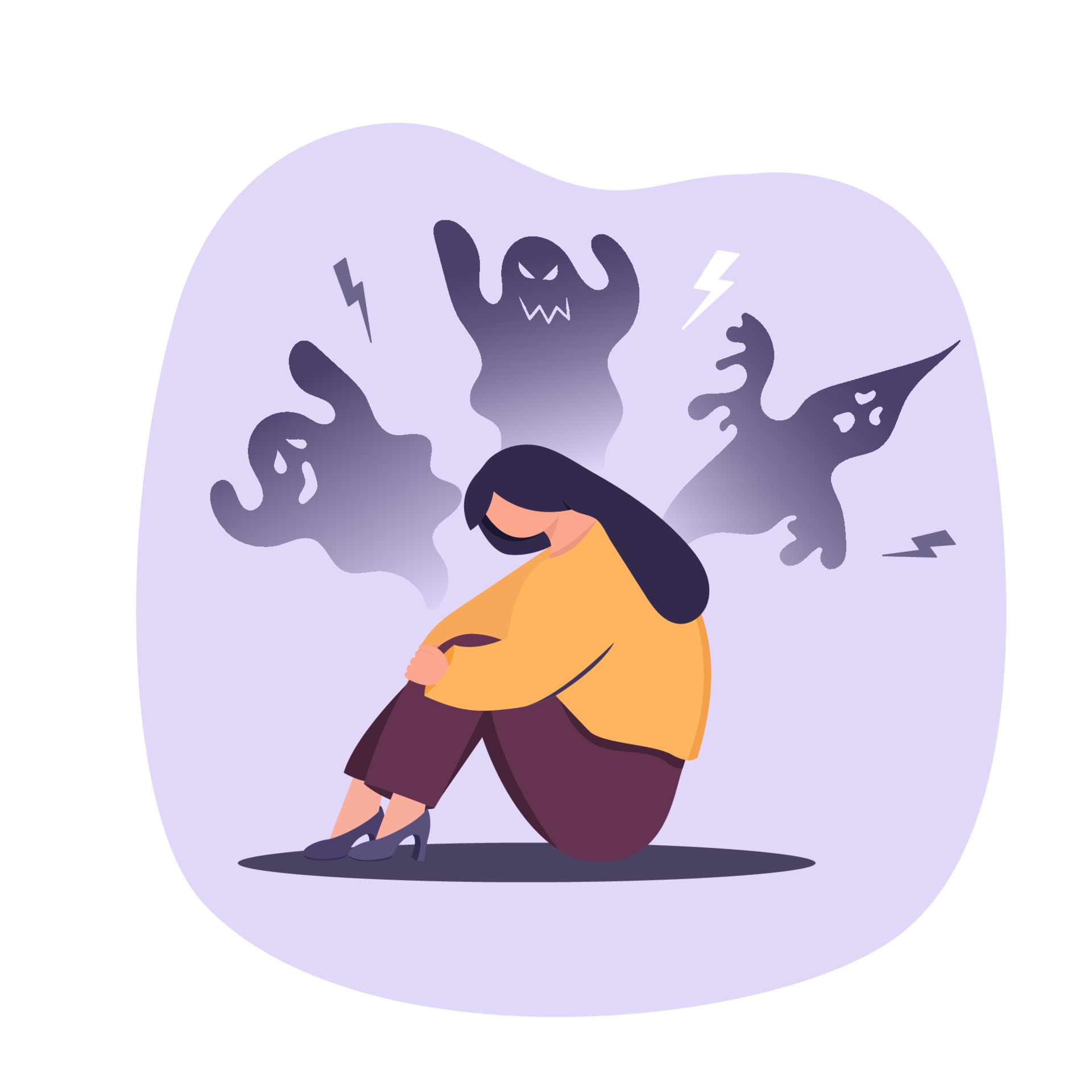
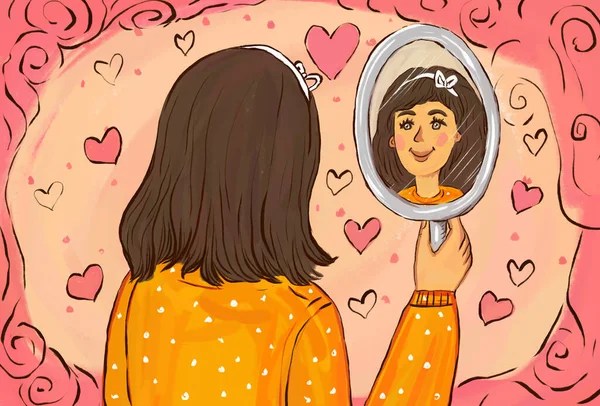
February is known to be the month of love, spreading love to our loved ones. We spend a lot of time trying to share that love that we often forget about ourselves. It’s important to learn how to love yourself. It helps us lead a healthier life and have better mental health. When we don’t love ourselves, it takes a toll on us, possibly leading to depression, anxiety, or an eating disorder. There are many ways to show love to ourselves, here are a couple ways.

Shift Your Perspective

  • Focusing on the bad aspects of ourselves won’t lead to anywhere good
  • Shift your perspective towards a more positive outlook
  • Don’t always see the cons, recognize the pros as well, they need love too

Affirmations

  • Write out a list of what you like + love about yourself
  • Tell yourself that you appreciate all parts of  your body/personality
  • Embrace the beauty of it all
  • Remember your body does plenty of work to keep you going every day
  • Keep telling yourself all these affirmations throughout the low points you may have

Practice Self-Love

  • Focus on the hobbies that you enjoy
  • Pour yourself  into becoming better at your hobbies
  • Be kind to yourself, you only have one body, so take care of it
  • Learn to forgive yourself when you haven’t accomplished everything you hoped for
  • Learn to forgive yourself when you aren’t kind to yourself
  • It’s okay to say “No.” You don’t have to please others all the time.

The most important relationship you can have is with yourself.  You may have heard this saying once or twice but it’s true, “Learn to love yourself first so you can spread love to others.”  Make time to focus and nourish your own self. It doesn’t all get done in one day. As long as you work on yourself a little bit every day that’s all that matters.

If you or someone you know is struggling with self-love, please contact our psychotherapy offices in New York or New Jersey to talk to one of our licensed professional psychologists, psychiatrists, psychiatric nurse practitioners, or psychotherapists at Arista Counseling and Psychotherapy. Contact our Paramus, NJ or Manhattan, NY offices respectively, at (201) – 368-3700 or (212)-722-1920 to set up an appointment. For more information, please visit https://www.counselingpsychotherapynjny.com/

References

Improving every area of your life starts with self-love. Improving Every Area of Your Life Starts with Self-Love | Tony Robbins. (n.d.). https://www.tonyrobbins.com/ultimate-relationship-guide/how-to-fall-in-love-with-yourself?srsltid=AfmBOoq4CvACby5hWenBdEGAH5zBgxAPOtKzEvtobHDRZ6cGfT9MaFtn


Pomlett, M. (2020, December 21). Learn how to self-love. Psychological Health Care. https://www.psychologicalhealthcare.com.au/blog/learn-how-to-self-love/

Anxiety about starting College: Getting over Anxiety as a Freshman in College

Anxiety about starting College: Getting over Anxiety as a Freshman in College

By: Michelle Cocone

Every young adult pursuing a higher education will go through college. Starting college can be scary; you become a freshman all over again. Young adults tend to get anxious when thinking of the process. It’s very normal to experience this feeling. This anxiety stems from the uncertainty of college, not knowing what or who to expect. They will question whether they will be accepted, make friends, balance their workload, and hopefully not get lost. These are useful tips to help ease the adaptation of college.

Every College Student Was Once a freshman                                                                        

  • You aren’t alone in this experience as every freshman feels anxiety
  • Use the anxiety and fear to your advantage, this can be a topic of conversation to make friends
  • Embrace “I am a freshman who can start from zero”, a clean slate
  • It’s okay if you don’t have a best friend right away
  • Take the time to build connections, these can be important for networking after college

Have a Support System

  • Talk to friends or family about your college experience
  • They can share advice if they have gone to college

Use a Planner

  • Balancing schoolwork can be easier if you have a planner
  • When you get your course assignment schedule, jot it down in your planner to stay ahead of assignment due dates
  • Highlight exam and midterm dates to accommodate studying time

Utilize Your Resources

  • Colleges have many resources to help the transition from high school to college
  • Colleges have academic support, such as tutors and study centers
  • Colleges have well-being support and someone to talk to about your anxiety or anything else you want to share
  • Look up your campus map to find directions to your classes
  • Talk to your professors. They are there to help you succeed.

Remember college isn’t only about getting a higher education; it’s a place where you can prepare yourself for your career. Allow yourself to be independent and make your own choices. Everything you do will help you grow as a person, not just academically. It can absolutely be terrifying starting college if you feel anxious or scared; seeking counseling can be a good first step to feeling secure.

If you or someone you know is struggling with anxiety about starting college, please contact our psychotherapy offices in New York or New Jersey to talk to one of our licensed professional psychologists, psychiatrists, psychiatric nurse practitioners, or psychotherapists at Arista Counseling and Psychotherapy. Contact our Paramus, NJ, or Manhattan, NY offices respectively, at (201) – 368-3700 or (212)-722-1920 to set up an appointment. For more information, please visit https://www.counselingpsychotherapynjny.com/

References

University of Fear and anxiety: How to pass your freshman year of college. Anxiety and Depression Association of America, ADAA. (2018, July 6). https://adaa.org/learn-from-us/from-the-experts/blog-posts/consumer/university-fear-and-anxiety

Relationships and Money: Money problems could be affecting your relationship

Relationships and Money: Money problems could be affecting your relationship

By: Michelle Cocone

Money doesn’t usually get discussed in relationships until it becomes a hardship. When it does occur, you and your partner might find yourselves in a repetitive argument, leading to stress. According to Psychology Today, about 70% of the population in the U.S. is married; they might face money problems throughout their marriage. It’s not uncommon to have differences in handling money as people are raised differently. It’s never too late to discuss finances with your partner to improve your relationship moving forward. As well as it’s never too early to establish financial goals to promote a healthy relationship. There are three key questions to discuss with your partner about money problems.

  • What did your parents teach you about money?
  • What are your financial goals?
  • What are your fears about money?

Typically the information we have about managing money we learn from our parents. If your parents taught you how to keep track of bills, save money, and credit card management, then you have a good understanding of how to deal with money. Whereas some people had parents who were always late on bills, lost track, didn’t save money, and probably didn’t manage money well. Talk to your partner about financial goals and how you can combine them to fit both your needs. Remember you are a team with your partner and you are working together to improve your financial situation. Discuss the fears you have about money, which is where the money problems could be coming from. Set up a time to sit down and discuss creating a spending plan that works for both of you. Discuss how to divide the finances to help establish a baseline. Additionally, use any money left over to spend quality time as this will help relieve stress about money. Good communication about money problems will improve relationships and help avoid any anxiety/stress. When a couple suffers from anxiety or stress about financial hardship in their relationship, they may benefit from therapy to address the underlying psychological issues.

If you or someone you know is struggling with anxiety or stress about financial hardship, please contact our psychotherapy offices in New York or New Jersey to talk to one of our licensed professional psychologists, psychiatrists, psychiatric nurse practitioners, or psychotherapists at Arista Counseling and Psychotherapy. Contact our Paramus, NJ, or Manhattan, NY offices respectively, at (201) – 368-3700 or (212)-722-1920 to set up an appointment. For more information, please visit https://www.counselingpsychotherapynjny.com/

References

Klontz, B., & Gresham, M. (2015). Happy couples: How to avoid money arguments. American Psychological Association. https://www.apa.org/topics/money/conflict

Langabeer, J. (2022, December 7). The psychological impact of money on relationships. Psychology Today. https://www.psychologytoday.com/us/blog/how-make-better-choices/202212/the-psychological-impact-money-relationships

Stigma Surrounding Therapy

Stigma Surrounding Therapy

By: Maria Koutsothanasis

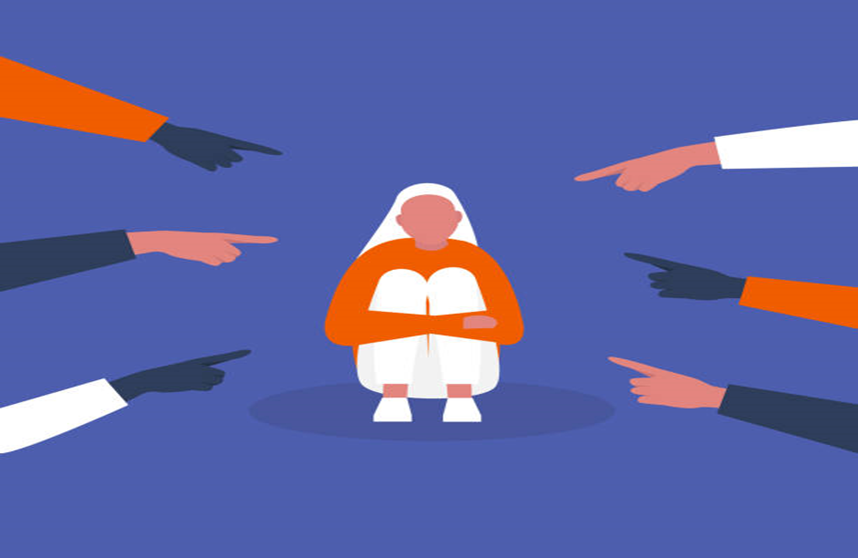
Therapy is a tool that supports individuals struggling with mental health and different aspects of their lives. Despite the growing conversations about mental health, there continues to be stigma surrounding it. Due to the stigma, individuals find it difficult to seek support through therapy due to fear of judgment, shame, or cultural expectations.

Common Misconceptions about Therapy

  1. Therapy is only for “crazy” people.
    Many people still associate therapy with severe mental illness and believe it’s only for those experiencing extreme mental health conditions. Therapy can benefit any individual, regardless of the severity of their situation. Therapy is about growth, coping with life’s challenges, and improving overall mental well-being.
  2. Therapy takes too long or is not effective.
    Some fear that therapy is a lengthy process that will not have results. While the length of therapy depends on the individual’s needs, many individuals find that even a few sessions can lead to meaningful improvements. Therapy is not a quick fix, but it is an investment in long-term mental health.
  3. Only “weak” people need therapy.
    A common misconception is that seeking therapy is a sign of personal weakness. On the contrary, therapy is a sign of strength and courage. Therapy helps individuals confront their emotions and commit to bettering themselves. Many individuals believe therapy to be an invaluable tool for growth; instead, it promotes emotional resilience.

Breaking the Stigma

Breaking the stigma surrounding therapy is essential for creating a more supportive and open environment for society. The idea of seeking therapy can still feel uncomfortable for many individuals due to the misconceptions that treatment is only for those facing serious mental health issues, with therapy often viewed as something reserved for those with severe problems. These misconceptions prevent many from seeking the help they need. By normalizing therapy and highlighting its benefits, an environment can be created where mental health care is as accessible and accepted as physical health care.

If you or someone you know is seeking support, please contact our psychotherapy offices in New York or New Jersey to talk to one of our licensed professional psychologists, psychiatrists, psychiatric nurse practitioners, or psychotherapists at Arista Counseling & Psychiatric Services. Contact our Paramus, NJ or Manhattan, NY offices respectively, at (201) 368-3700 or (212) 722-1920 to set up an appointment. For more information, please visit http://www.counselingpsychotherapynjny.com/

Mayo Foundation for Medical Education and Research. (2017, May 24). Mental health: Overcoming the stigma of mental illness. Mayo Clinic. https://www.mayoclinic.org/diseases-conditions/mental-illness/in-depth/mental-health/art-20046477

Saporito, J. M., Ryan, C., & Teachman, B. A. (2011). Reducing stigma toward seeking mental health treatment among adolescents. Stigma research and action. https://pmc.ncbi.nlm.nih.gov/articles/PMC3839682/

Stigma, prejudice and discrimination against people with mental illness. Psychiatry.org – Stigma, Prejudice and Discrimination Against People with Mental Illness. (n.d.). https://www.psychiatry.org/patients-families/stigma-and-discrimination

Mindfulness: Living in the Present

Mindfulness: Living in the Present

By: Maria Koutsothanasis

Oftentimes it is easy to feel disconnected or distracted by living in the present. With work, school, or other obligations, it is easy to lose sight of the present time. Dwelling on the past or worrying about the future causes increased feelings of stress and depression. Mindfulness can help refocus on the present events to create a calmer and more focused life.

What is mindfulness?

Mindfulness is the practice of being fully focused on the present moment. By observing your thoughts and emotions, and removing judgment, mindfulness allows you to stay present and create a deeper connection and understanding of yourself.

Mindfulness decreases stress and promotes overall emotional well-being and balance.

  1. Reduces stress and anxiety:

    Mindfulness calms the mind and body by shifting attention away from thoughts that increase stress. Mindfulness interventions such as meditation can lower cortisol levels (a stress hormone) and help people manage anxiety better.

    2. Boosts mental health:

      Mindfulness reduces symptoms of depression, anxiety, and PTSD. It promotes a greater sense of resilience and breaks a cycle of negativity. Through mindfulness, you can manage stress and have control over your mental well-being.

      3. Improves physical health:

      Mindfulness is not only good for the mind but also the body. Regular mindfulness practices have been linked to lower blood pressure, improved sleep, and an overall stronger immune system.

      How to Practice Mindfulness

      1. Mindful Breathing:

          Spending a few minutes a day focusing on your breath calms your mind and helps reduce mental clutter. If you begin to feel anxious, focusing on breathing can reduce these feelings.

          2. Engage in Gratitude:

          Reflecting on things in your life that you are grateful for is a way to shift the perspective of your life in a positive way.

          3. Being present:

          Training your mind to stay present on the tasks that you currently engage in is a way to increase focus, reduce stress, and improve overall satisfaction in life.

          Mindfulness does not require major life changes. It is about being fully present in the moments that make up your day. Incorporating these small changes in your life can lead to reduced stress, improved emotional resilience, and a deeper sense of fulfillment. The small shifts can transform how you experience the world around you and how you feel internally.

          If you or someone you know is struggling with anxiety, depression, PTSD, or other mental health issues, please contact our psychotherapy offices in New York or New Jersey to talk to one of our licensed professional psychologists, psychiatrists, psychiatric nurse practitioners, or psychotherapists at Arista Counseling & Psychiatric Services. Contact our Paramus, NJ or Manhattan, NY offices respectively, at (201) 368-3700 or (212) 722-1920 to set up an appointment. For more information, please visit http://www.counselingpsychotherapynjny.com/

          U.S. Department of Health and Human Services. (2024, June 18). Mindfulness for your health. National Institutes of Health. https://newsinhealth.nih.gov/2021/06/mindfulness-your-health

          Matthews, K. (2023, June 29). Health benefits of mindfulness: 1stCallHEALTH: Primary care providers. 1stCallHEALTH. https://1stcallhealth.com/health-benefits-of-mindfulness/


          Throwing Up: The Fear of Throw Up

          By Caroline Buchanan

          The fear of throw up, also referred to as emetophobia, is a specific phobia that revolves around the fear of vomiting, seeing vomit, watching other people vomit, or feeling sick. Emetophobia tends to leave people in a state of anxiety, overtaking their thoughts and engaging in behaviors that impact their everyday life. For example, you may avoid crowded places, traveling, eating out, or closely monitor your own health in an attempt to reduce the distress you may feel. While this anxiety can feel overwhelming and unbearable at times, this condition can be managed by a therapist.

          What causes emetophobia?

          Specific phobias tend to develop after a specific incident. As a result of this incident, an association is created between a thing – an object, situation, or an event – and a fear (Psych Central). Specifically in the context of emetophobia, this could involve getting sick in public, someone vomiting on you, having a bad case of food poisoning, or seeing someone else throw up. Emetophobia can also develop without a clear cause, causing experts to believe that genetics and the environment play a role. Regardless of whether you can pinpoint an incident or not, this anxiety can still be managed.

          How can emetophobia be managed?

          Exposure therapy is considered to be one of the most effective treatments. In this type of therapy, your therapist will expose you to your fear at a slow rate. This could involve trying a new food at a restaurant or spinning around until you feel nauseous. With these actions, you will be provided with techniques to help you cope with these feelings of anxiety. The goal is that the more you are exposed to your fear, the more you feel comfortable with it. Talk therapy and cognitive behavioral therapy (CBT)can also be used to help learn how to identify and challenge negative thought patterns in your anxiety. While it may take some time to find the right therapist and techniques for you, it is worth it to alleviate the distress in your life.

          If you or someone you know is suffering from emetophobia, please contact our psychotherapy offices in New York or New Jersey to talk to one of our licensed professional psychologists, psychiatrists, psychiatric nurse practitioners, or psychotherapists at Arista Counseling & Psychotherapy. Contact our Paramus, NJ or Manhattan, NY offices respectively, at (201) 368-3700 or (212) 722-1920 to set up an appointment. For more information, please visit http://www.counselingpsychotherapynjny.com/

          https://www.healthline.com/health/emetophobia#outlook

          Anxiety : The Physical Symptoms

          Anxiety: The Physical Symptoms

          By: Dyami Efroimson

          Living with an anxiety disorder is often accompanied by experiencing persistent feelings of worry and panic over miniscule events in one’s life that are difficult to control. Alongside these feelings of worry, a variety of physical symptoms can also be experienced. Although the direct causes of anxiety are unknown, it is explained by the interaction of several factors such as genetics, the chemical makeup of the brain, and the environment.

                          Some of the physical symptoms that one may experience during anxiety attacks are heart palpitations, muscle aches and pains throughout the body that have no apparent cause,  dizzy spells, and shortness of breath. These symptoms come in varying degrees of severity and can interfere with everyday life. But why do these physical symptoms occur?

                          As stated before, the direct causes of anxiety have yet to be discovered; however, some symptoms can be explained. Muscle aches, for example, are a result tensing the muscles during times of heightened panic. This tensing can lead to a buildup of lactic acid that results in muscle pains almost anywhere in the body. Another result of this state of tension is ‘tension headaches’, which are pains in one’s head that are caused by heightened tension in the body.

                          Commonly, those with anxiety experience pains in their chest, heart palpitations and painful tingling in their extremities. Heart palpitations occur when one becomes hyperaware of the quickness or aggression of their own heartbeat. These symptoms are most likely the result of the hyperventilation that occurs during severe anxiety attacks. Rapid breathing results in decreased blood flow, and can lead to a tingling sensation in one’s hand and feet as well as pains in the chest and change in the rate of one’s heartbeat.

                          Another physical symptom experienced by those with anxiety is hypersensitivity. This is the tendency to be hyperaware of how different parts of the body feel, so the pains and discomforts that those without anxiety may be able to deal with, are exasperated. The anxious individual pays more attention to these little aches and pains, causing them to become increasingly severe and difficult to ignore.  Muscles may be tender to the touch and individuals can experience chronic pain that doctors may fail to link to a psychiatric disorder

                          Living with anxiety does not simply mean feeling nervous, as some may believe. It is a disorder that affects one’s entire body, and interferes with the ability to perform day to day tasks that come easily to others. However, these symptoms can be treated with psychotherapy, CBT (cognitive behavioral therapy), and medication.

          If you or someone you know is struggling with anxiety or their mental health please contact our psychotherapy offices in New York or New Jersey to talk to one of our licensed professional psychologists, psychiatrist, psychiatric nurse practitioners, or psychotherapists at Arista Counseling and Psychotherapy. Contact our Paramus, NJ or Manhattan, NY offices respectively, at (201) 368-3700 or (212) 722-1920 to set up an appointment. For more information, please visit http://www.counselingpsychotherapynjny.com/

          https://www.mayoclinic.org/diseases-conditions/anxiety/symptoms-causes/syc-20350961

          https://www.calmclinic.com/anxiety/signs/aches-and-pains#:~:text=Furthermore%2C%20muscle%20tension%20can%20also,The%20back

          https://www.healthline.com/health/hyperventilation#:~:text=Low%20carbon%20dioxide%20levels%20lead,and%20tingling%20in%20the%20fingers.

          Grief: Grieving Around the Holidays

          Grief: Grieving Around the Holidays

          By Emily Ferrer

          As the weather gets colder, the colorful leaves fall off the trees, and the holiday decorations start to light up the night, the feeling of the best time of the year starts to kick in. As merry and cozy as these holidays seem to be, they do not always have the same effect on everyone. Grieving around the holidays can feel extremely lonely, sad, and overwhelming. The first holiday season is always the hardest for individuals and families who have just lost someone close to them, such as a grandparent, parent, sibling, child, or other close relative that they would usually see during the holidays. The empty chair at the dining table during Thanksgiving, or the wonder of who is going to make the Christmas cookies this year can be extremely heartbreaking. Even after you feel as if you have started to feel better through your grieving process, the holidays can dig up more emotion than you have felt since losing your loved one. You may start to feel more down, tired, unmotivated, sluggish, and lonely. You may also start to get flashbacks of your loved one when they passed that may also make you feel as if you are grieving from the beginning all over again. As hard as the holiday season may be for grieving individuals and families, here are some tips to help make your holiday season a bit brighter this year[1]:

          • Surround yourself with people you love and care about. Being with a big group of people during the holidays after losing a loved one can help you feel less lonely and can also be a great opportunity to share stories about your loved one with your family.
          • Do not “cancel” the holiday. As tempting as it may be to forget about the holidays after losing your loved one it is important to keep it going and grieve along the way. Experiencing the holiday season after the death of a loved one is part of the grieving process from which you should not run away.
          • Create new traditions. Finding new traditions can also be a create way to cope during the holiday season. This can include changing the location of where holiday dinner is hosted, picking new family members to carve the turkey or make the Christmas cookies, or even coming up with a new holiday game to play to fill the emptiness that everyone may feel.
          • Practice self-care. Try not to indulge in alcohol or drugs during the holiday season to cope with your grief; instead, try journaling, spending time with friends, or physical activity to boost your mood. It is also important to let yourself feel any emotions that arise and to not fight the conflicting feelings of anger, sadness, joy, and happiness.
          • Seek professional help. It is important to be aware of your feelings during such a difficult time and recognize that if the holiday season is too much for you to handle to seek professional help to assist you during this challenging period.

          If you or someone you know is struggling with grief this holiday season and wants help, please contact our psychotherapy offices in New York or New Jersey to talk to one of our licensed professional psychologists, psychiatrists, psychiatric nurse practitioners, or psychotherapists at Arista Counseling & Psychotherapy. Contact our Paramus, NJ or Manhattan, NY offices respectively at (201) 368-3700 or (212) 722-1920 to set up an appointment. For more information, please visit https://www.counselingpsychotherapynjny.com


          Sources:

          [1] https://www.vitas.com/family-and-caregiver-support/grief-and-bereavement/holidays-and-grief/coping-with-grief-during-the-holidays

          Mental Health: What can Family Members do to Promote Positive Mental Health?

          Mental Health: What can Family Members do to Promote Positive Mental Health?

          By: Julissa Acebo

          People often look to their family to find comfort and security. Family members affect the habits we develop, who we are, and who we become. Often families do not realize how they significantly contribute to the mental wellness of a person struggling from a mental disorder.


          Below are some tips family members can do which promote mental well-being:

          1. Extend a Listening Ear
            • Provide an environment where every member is free to share their worries, problems, and even good things that life offers.
            • This alone can dramatically improve a person’s well-being
          2. Celebrate Small Wins
            • Motivates and boosts a person’s confidence
            • Shows that family members are proud and makes the person feel good about their achievements
          3. Attend Psychotherapy Sessions (family and/or individual sessions)
            • Enables all members to learn effective communication
          4. Make Everyone Feel Valued
            • Avoid behaviors that will make members feel sidelined (i.e. being overly harsh with one person. Be fair in the distribution of roles within the household, etc.)
          5. Eat Dinner Together
            • Eating dinner together at least once a week is a prime opportunity to talk, listen, and enjoy time together.

          If you or someone you know is struggling with Mental Health please contact our psychotherapy offices in New York or New Jersey to talk to one of our licensed professional psychologists, psychiatrists, psychiatric nurse practitioners, or psychotherapists at Arista Counseling & Psychotherapy. Contact our Paramus, NJ or Manhattan, NY offices respectively at (201) 368-3700 or (212) 722-1920 to set up an appointment. For more information, please visit https://www.counselingpsychotherapynjny.com

          Sources:
          https://www.mikeveny.com/blog/six-things-family-members-can-do-to-promote-mental-well-be.ing
          https://www.mha-em.org/im-looking-for/mental-health-knowledge-base/wellness/86-improve-family-mental-health

          Hypnotherapy: What is it?

          Hypnotherapy: What is it?

          By Emily Ferrer

          Hypnotherapy helps clients gain control over unfavorable behaviors, cope with anxiety or pain, or alter their ideas about a certain idea or image. Hypnosis involves a trained psychologist and entails placing the patient into a trance-like state that can make you feel extremely calm, focused, and open to suggestions[1]. Over many years, hypnosis has been found to help many people with issues such as pain control, chemotherapy, hot flashes, behavioral changes, anxiety, depression, sleep disturbances, Irritable Bowel Syndrome (IBS), addiction, weight loss, and more[2]! In fact, a study done in 1970 found that hypnotherapy has a 93% success rate in less sessions compared to other forms of therapy[3]. The average amount of hypnotherapy sessions needed to see results can be as little as 4 and as much as 15[4]. This is much less than the average number of sessions needed for other forms of therapy, which are usually around 20 or more until you start to see results[5].

          You are probably curious what exactly to expect in a hypnotherapy session and how to prepare. There is no preparation needed on your end before your first hypnotherapy session other than an open mind and a willingness to change your behaviors or ideas. The first session will usually not involve any hypnotism, however, the therapist may use this session as an opportunity to get to know you, the problems you are facing, and what you want to change. The second session is usually when your hypnotherapy begins. Your therapist will always explain the process to you and begin by talking in a soothing and gentle voice. The therapist may also start to describe very vivid images to you to create a sense of relaxation and security. Once you are in a relaxed state, your therapist may begin suggesting ways to work towards your goal that you wanted to work on, such as fear, pain, addiction, anxiety, sleep disturbances, etc. This will help you visualize your path to success and believe in your ability to accomplish your goals[6]. Eventually, your therapist will guide you out of your state of relaxation and the hypnosis session will end. Hypnosis can be extremely helpful to those it does work for but suicide/suicidal thoughts is not guaranteed.

          If you or someone you know is interested in trying hypnotherapy, please contact our psychotherapy offices in New York or New Jersey to talk to one of our licensed professional psychologists, psychiatrists, psychiatric nurse practitioners, or psychotherapists certified in hypnotherapy at Arista Counseling & Psychotherapy. Contact our Paramus, NJ or Manhattan, NY offices respectively, at (201) 368-3700 or (212) 722-1920 to set up an appointment. For more information, please visit http://www.counselingpsychotherapynjny.com/ .


          Sources:

          [1] https://www.mayoclinic.org/tests-procedures/hypnosis/about/pac-20394405#:~:text=Hypnosis%2C%20also%20referred%20to%20as,verbal%20repetition%20and%20mental%20images.

          [2] https://www.pennmedicine.org/updates/blogs/health-and-wellness/2019/january/hypnosis

          [3] Barrios, A. A. (1970). Hypnotherapy: A reappraisal. Psychotherapy: Theory, Research & Practice, 7(1), 2–7. https://doi.org/10.1037/h0086544

          [4] https://thehypnosisclinic.com/blog/how-many-sessions-do-i-need/

          https://www.mayoclinic.org/tests-procedures/cognitive-behavioral-therapy/about/pac-20384610#:~:text=Length%20of%20therapy,Type%20of%20disorder%20or%20situation

          [6] https://www.mayoclinic.org/tests-procedures/hypnosis/about/pac-20394405#:~:text=Hypnosis%2C%20also%20referred%20to%20as,verbal%20repetition%20and%20mental%20images.