Self-Love: Learning to Love YourSELF

Self-Love: Learning to Love YourSELF

By: Michelle Cocone

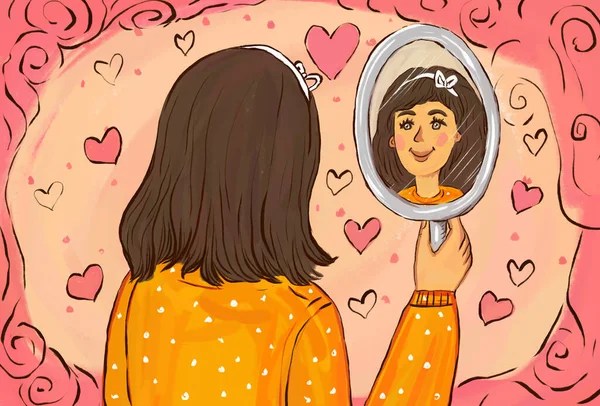
February is known to be the month of love, spreading love to our loved ones. We spend a lot of time trying to share that love that we often forget about ourselves. It’s important to learn how to love yourself. It helps us lead a healthier life and have better mental health. When we don’t love ourselves, it takes a toll on us, possibly leading to depression, anxiety, or an eating disorder. There are many ways to show love to ourselves, here are a couple ways.

Shift Your Perspective

  • Focusing on the bad aspects of ourselves won’t lead to anywhere good
  • Shift your perspective towards a more positive outlook
  • Don’t always see the cons, recognize the pros as well, they need love too

Affirmations

  • Write out a list of what you like + love about yourself
  • Tell yourself that you appreciate all parts of  your body/personality
  • Embrace the beauty of it all
  • Remember your body does plenty of work to keep you going every day
  • Keep telling yourself all these affirmations throughout the low points you may have

Practice Self-Love

  • Focus on the hobbies that you enjoy
  • Pour yourself  into becoming better at your hobbies
  • Be kind to yourself, you only have one body, so take care of it
  • Learn to forgive yourself when you haven’t accomplished everything you hoped for
  • Learn to forgive yourself when you aren’t kind to yourself
  • It’s okay to say “No.” You don’t have to please others all the time.

The most important relationship you can have is with yourself.  You may have heard this saying once or twice but it’s true, “Learn to love yourself first so you can spread love to others.”  Make time to focus and nourish your own self. It doesn’t all get done in one day. As long as you work on yourself a little bit every day that’s all that matters.

If you or someone you know is struggling with self-love, please contact our psychotherapy offices in New York or New Jersey to talk to one of our licensed professional psychologists, psychiatrists, psychiatric nurse practitioners, or psychotherapists at Arista Counseling and Psychotherapy. Contact our Paramus, NJ or Manhattan, NY offices respectively, at (201) – 368-3700 or (212)-722-1920 to set up an appointment. For more information, please visit https://www.counselingpsychotherapynjny.com/

References

Improving every area of your life starts with self-love. Improving Every Area of Your Life Starts with Self-Love | Tony Robbins. (n.d.). https://www.tonyrobbins.com/ultimate-relationship-guide/how-to-fall-in-love-with-yourself?srsltid=AfmBOoq4CvACby5hWenBdEGAH5zBgxAPOtKzEvtobHDRZ6cGfT9MaFtn


Pomlett, M. (2020, December 21). Learn how to self-love. Psychological Health Care. https://www.psychologicalhealthcare.com.au/blog/learn-how-to-self-love/

Anxiety about starting College: Getting over Anxiety as a Freshman in College

Anxiety about starting College: Getting over Anxiety as a Freshman in College

By: Michelle Cocone

Every young adult pursuing a higher education will go through college. Starting college can be scary; you become a freshman all over again. Young adults tend to get anxious when thinking of the process. It’s very normal to experience this feeling. This anxiety stems from the uncertainty of college, not knowing what or who to expect. They will question whether they will be accepted, make friends, balance their workload, and hopefully not get lost. These are useful tips to help ease the adaptation of college.

Every College Student Was Once a freshman                                                                        

  • You aren’t alone in this experience as every freshman feels anxiety
  • Use the anxiety and fear to your advantage, this can be a topic of conversation to make friends
  • Embrace “I am a freshman who can start from zero”, a clean slate
  • It’s okay if you don’t have a best friend right away
  • Take the time to build connections, these can be important for networking after college

Have a Support System

  • Talk to friends or family about your college experience
  • They can share advice if they have gone to college

Use a Planner

  • Balancing schoolwork can be easier if you have a planner
  • When you get your course assignment schedule, jot it down in your planner to stay ahead of assignment due dates
  • Highlight exam and midterm dates to accommodate studying time

Utilize Your Resources

  • Colleges have many resources to help the transition from high school to college
  • Colleges have academic support, such as tutors and study centers
  • Colleges have well-being support and someone to talk to about your anxiety or anything else you want to share
  • Look up your campus map to find directions to your classes
  • Talk to your professors. They are there to help you succeed.

Remember college isn’t only about getting a higher education; it’s a place where you can prepare yourself for your career. Allow yourself to be independent and make your own choices. Everything you do will help you grow as a person, not just academically. It can absolutely be terrifying starting college if you feel anxious or scared; seeking counseling can be a good first step to feeling secure.

If you or someone you know is struggling with anxiety about starting college, please contact our psychotherapy offices in New York or New Jersey to talk to one of our licensed professional psychologists, psychiatrists, psychiatric nurse practitioners, or psychotherapists at Arista Counseling and Psychotherapy. Contact our Paramus, NJ, or Manhattan, NY offices respectively, at (201) – 368-3700 or (212)-722-1920 to set up an appointment. For more information, please visit https://www.counselingpsychotherapynjny.com/

References

University of Fear and anxiety: How to pass your freshman year of college. Anxiety and Depression Association of America, ADAA. (2018, July 6). https://adaa.org/learn-from-us/from-the-experts/blog-posts/consumer/university-fear-and-anxiety

Caretaker: How to Take Care of Yourself When Taking Care of a Loved One

 Caretaker: How to Take Care of Yourself When Taking Care of a Loved One

By: Josette DeFranco

Participating in caregiving can come with a lot of stress and responsibility. Many individuals believe that they have to handle it all on their own which can lead to exhaustion and anxiety. Family caregivers at any age have reported that they experience a terrible sleep schedule, poor eating habits, failure to stay active, and failure to make medical appointments for themselves. If you are experiencing this, it is okay to let go of the load you are carrying and know that you are not alone. Caregiving can be an emotional roller coaster that may trigger the same hormonal and neural mechanisms that cause stress chemistry. However, it is noted that those who are caregiving for a loved one find this a rewarding experience.

Here are some tips to help you take care of yourself:

  • Prioritize sleep
  • Eat well
  • Acknowledge your feelings
  • Set boundaries
  • Take on fewer tasks
  • Ask for help
  • Practice Mindfulness
  • Treat yourself
  • Let go of guilt
  • Be honest with yourself

Here is a reminder that self-care isn’t selfish. To take care of others you have to take care of yourself first. Caring for you is the most important tip because we can’t share our assistance if we lack it in ourselves. Be kind to yourself. You may tell yourself “I never do anything right” or “There’s no way I can find time for myself.” Our brains are a reflection of us meaning your brain will start to believe what you are saying. Instead, try positive affirmations like “I am doing a good job at taking care of my parents” or “I will take at least 15 minutes for myself each day.”

If you or someone you know is struggling with their mental health, please contact our psychotherapy offices in New York or New Jersey to talk to one of our licensed professional psychologists, psychiatrists, psychiatric nurse practitioners, or psychotherapists at Arista Counseling & Psychotherapy. Contact our Paramus, NJ or Manhattan, NY offices respectively, at (201) 368-3700 or (212) 722-1920 to set up an appointment. For more information, please visit https://aristapsychiatrypsychotherapy.com/

Sources:

https://www.caregiver.org/resource/taking-care-you-self-care-family-caregivers/

Toxic Relationships and their effects on Mental Health

      Mental Health/ Toxic Relationships

By: Ingrid Guevara

A relationship where the behaviors of one person in the relationship are emotionally and, in some cases physically damaging to the other, is what is defined as a toxic relationship. In a toxic relationship you see behaviors like: constant belittlement, guilt-tripping, extreme jealousy, blaming and using manipulation to fulfill personal desires. Such behaviors take a tremendous toll on a person’s mental health. Toxic relationships lead to decline in self-esteem, energy levels and your overall happiness. Being in a toxic relationship creates feelings of insecurities and self -doubt which also leads the person to live in extreme caution while in the relationship. Realizing that a relationship is toxic is a crucial step in prioritizing and protecting your mental health. Then comes taking steps to setting boundaries, seeking support from loved ones or professionals and engaging in activities that bring you joy, all things that promote healing and personal growth. Always keep in mind that everyone deserves a nurturing and healthy relationship. It is okay to step away from relationships that negatively affect your mental health because your mental health is crucial and should always be put first.

If you or someone you know is struggling with their mental health, please contact our psychotherapy offices in New York or New Jersey to talk to one of our licensed professional psychologists, psychiatrists, psychiatric nurse practitioners, or psychotherapists at Arista Counseling & Psychotherapy. Contact our Paramus, NJ or Manhattan, NY offices respectively, at (201) 368-3700 or (212) 722-1920 to set up an appointment. For more information, please visit http://www.counselingpsychotherapynjny.com/

References:

Eating Disorders: How To Catch Them in Your Loved Ones

Eating Disorders: How To Catch Them in Your Loved Ones

By Emily Ferrer

Eating disorders are characterized by severe and persistent troubles related to eating behaviors, food, and weight[1]. There are many different types of eating disorders; however, the most common are anorexia nervosa, bulimia nervosa, and binge eating disorder. Nine percent of the entire population suffers from an eating disorder and 10,200 deaths are recorded each year due to an eating disorder[2]. After reading about how common they are, I am sure you are wondering, “How do I know if I or someone I know has an eating disorder?” There are many signs and symptoms associated with eating disorders[3]:

Anorexia Nervosa:

  • Extreme weight loss
  • Muscle weakness
  • Bone weakness
  • Amenorrhea
  • Brittle hair/nails
  • Always feeling cold
  • Obsession with food
  • Depression

Bulimia Nervosa:

  • Frequent trips to the bathroom after a meal
  • Chronic sore throat
  • Dental decay
  • Laxative/diuretic misuse
  • Large amounts of food disappearing
  • Fainting from excessive purging

Binge-Eating Disorder:

  • Weight gain
  • Eating very rapidly
  • Eating until very full
  • Eating even when not hungry
  • Hiding large amounts of food
  • Eating alone on purpose
  • Feeling guilty after eating large amounts of food

Eating disorders can be extremely serious if not treated. It is important to stay informed about the signs and symptoms of different eating disorders so you can find help for you or someone you know as soon as possible. Other general signs of eating disorders to look out for are a sudden obsession with food (cooking it, eating it, watching cooking shows/videos), social withdrawal, drastic changes in mood, new attitudes towards food, new dieting habits, self-harm, excessive exercise, obsession with calorie and step count, repeatedly weighing themselves, and body dysmorphia[4]

If you or someone you know is struggling with an eating disorder, please contact our psychotherapy offices in New York or New Jersey to talk to one of our licensed professional psychologists, psychiatrists, psychiatric nurse practitioners, or psychotherapists at Arista Counseling & Psychotherapy. Contact our Paramus, NJ or Manhattan, NY offices respectively, at (201) 368-3700 or (212) 722-1920 to set up an appointment. For more information, please visit http://www.counselingpsychotherapynjny.com


Sources:

[1] https://psychiatry.org/patients-families/eating-disorders/what-are-eating-disorders

[2] https://anad.org/eating-disorders-statistics/

[3] https://psychiatry.org/patients-families/eating-disorders/what-are-eating-disorders

[4] https://www.lifeworkscommunity.com/eating-disorders-treatment/how-to-recognise-the-early-signs-of-an-eating-disorder

Body Image: The Role of Body Dissatisfaction on Self-Esteem

Body Image: The Role of Body Dissatisfaction on Self-Esteem

By Kim Simone

Body dissatisfaction is characterized by an individual’s persistent negative thoughts and feelings about his or her body. It is commonly influenced by external factors such as societal norms and perceived pressure from other individuals. High levels of body dissatisfaction can lead to low self-esteem and ultimately lead to harmful eating and exercising behaviors.

On the contrary, having a positive body image is associated with self-acceptance, higher self-esteem, and having healthier practices in regards to eating and exercising.

The Four Primary Elements of Body Image:

  1. Perceptual body image:  the way you see your body
  2. Cognitive body image:  the way you think about your body
  3. Affective body image: the way you feel about your body (often characterized by satisfaction or dissatisfaction)
  4. Behavioral body image: the behaviors you engage in as a result of your body image (may include unhealthy eating behaviors and exercising habits)

Body dissatisfaction fluctuates throughout the lifespan and is correlated with lower levels of self-esteem. These concerns are linked with poor self-concept, which not only affects physical and mental health, but also impacts individuals socially and academically. Since body dissatisfaction often leads to low self-esteem, individuals may be at risk for developing more serious disorders. A poor self-concept, and consequently a poor body image, may influence eating behaviors, making individuals more at risk for developing an eating disorder.

Given that the chance for recovery from an eating disorder increases the earlier it is detected, diagnosed, and treated, it is important to seek help as soon as warning signs appear. Cognitive Behavioral Therapy (CBT) is a commonly used psychotherapeutic approach for eating disorder treatment. The approach emphasizes having the individual understand the interaction and inter relatedness between his or her thoughts, feelings, and behaviors. This therapy focuses on shifting negative thoughts and behaviors to more positive thoughts and healthier alternatives. Furthermore, a mental health care provider can screen and treat for other underlying issues, such as anxiety and depression, as these can influence treatment outcomes.  

If you or someone you know is struggling with body dissatisfaction, self-esteem, and/or eating disorders, please contact our psychotherapy offices in New York or New Jersey to talk to one of our licensed professional psychologists, psychiatrists, psychiatric nurse practitioners, or psychotherapists at Arista Counseling & Psychotherapy. Contact our Paramus, NJ or Manhattan, NY offices respectively, at (201) 368-3700 or (212) 722-1920 to set up an appointment. For more information, please visit http://www.counselingpsychotherapynjny.com/

Sources:

https://nedc.com.au/eating-disorders/eating-disorders-explained/body-image/

https://psycnet.apa.org/record/2012-14627-021

https://www.waldenu.edu/online-masters-programs/ms-in-clinical-mental-health-counseling/resource/what-is-body-dissatisfaction-and-how-does-it-lead-to-eating-disorders

Image Source:

https://img.huffingtonpost.com/asset/5bb5f917210000d501c88483.jpeg?ops=scalefit_720_noupscale&format=webp

Burnout Syndrome: Causes, Symptoms & Strategies

Burnout Syndrome: Causes, Symptoms & Strategies

By: Stacey Rodriguez

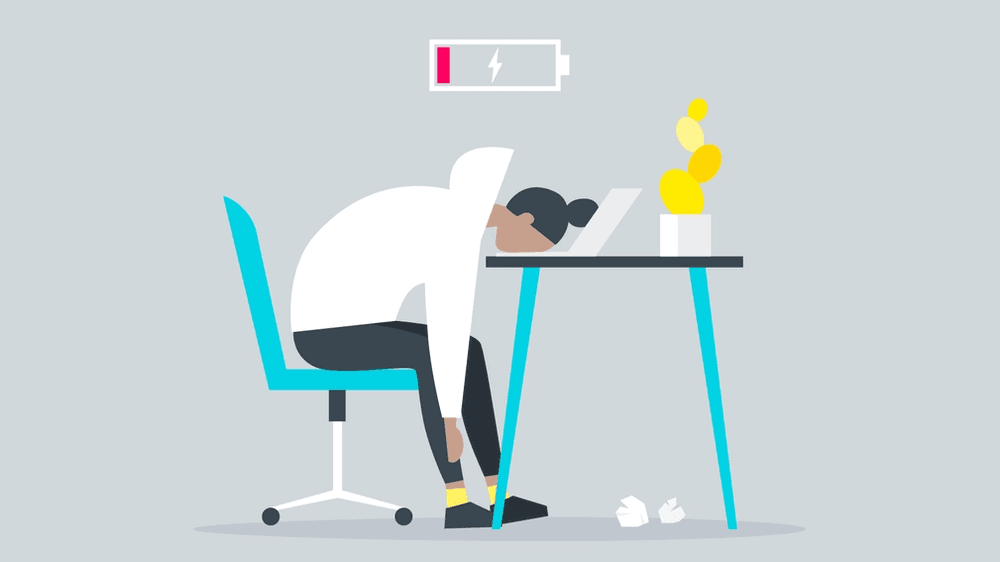
The term “burnout” has been a popular buzzword for the past several decades. In 2019, Burnout became officially been recognized as a syndrome by the World Health Organization (WHO). It is defined as a reaction to chronic occupational stress, however, lifestyle and personality traits often play a role in exacerbating this stress.

 Causes often include:

-Working in a high pressure environment

-Work is mundane or unchallenging

-Lack of recognition/reward

-Not spending enough downtime socializing or relaxing

-Perfectionist tendencies 

The syndrome is characterized by three dimensions: exhaustion, reduced professional efficiency, and cynicism (pessimistic views). These symptoms can manifest physically, emotionally, and behaviorally.

Common symptoms entail:

-Feeling exhausted most of the time

-Decreased satisfaction and sense of achievement

-Frequent headaches or muscle pain

-Changes in appetite or sleep habits

-Isolating yourself from family and friends

-Procrastinating essential tasks

On the surface, burnout may seem like regular stress, though there are several key differences which make the two fundamentally different. For example, stress involves over-engagement, urgency and hyperactivity. If chronic, stress often leads to anxiety disorders and a weakened immune system. On the other hand, burnout is characterized by the disengagement which follows a period of continuous stress, during which emotions are blunted; this produces feelings of helplessness and hopelessness which may lead to detachment and depression.

Now, during the Covid-19 Pandemic, the syndrome has become increasingly more common as the online workforce has melted the boundary between work and home. It’s more important now than ever to have strategies readily available to combat Burnout Syndrome.

Here are some strategies you can try from home:

-Reframe your outlook on work: focus on aspects of work that you enjoy, how your role helps others 

-Set boundaries! Learn how to say “no” so that you don’t overextend yourself

-Eat a healthy diet: minimize sugar, refined carbs, and overly processed food

-Exercise regularly! Try to aim for at least 30 minutes per day

If you or someone you know is seeking therapy for Burnout Syndrome, please contact our psychotherapy offices in New York or New Jersey to talk to one of our licensed professional psychologists, psychiatrists, psychiatric nurse practitioners, or psychotherapists at Arista Counseling & Psychotherapy. Contact our Paramus, NJ or Manhattan, NY offices respectively, at (201) 368-3700 or (212) 722-1920 to set up an appointment. For more information, please visit http://www.counselingpsychotherapynjny.com/

Source: https://www.verywellmind.com/stress-and-burnout-symptoms-and-causes-3144516

Image Source: https://www.google.com/url?sa=i&url=https%3A%2F%2Fwww.range.co%2Fblog%2Fhow-to-prevent-workplace-burnout-on-your-team&psig=AOvVaw2MHvFFbkjHJ9HYa6aqG51h&ust=1631384314382000&source=images&cd=vfe&ved=0CAsQjRxqFwoTCND30I2B9fICFQAAAAAdAAAAABAV

Low Maintenance Might be a Bad Thing

By Katie Weinstein

In our society low maintenance is always seen as a good or neutral thing. People who are low maintenance are seen as flexible, nice, and easy going. If you are low maintenance meaning you can walk out the door without spending an hour doing your hair and makeup that is great, but if you are a low maintenance friend or partner out of fear of asking people to meet your needs, it is time to set boundaries and begin advocating for yourself.

Some people become high maintenance because their parents downplayed their feelings or were not able to meet the needs of their child for reasons such as working multiple jobs, having another child who was high-need, or suffering from an addiction problem. Other people become high need because peers labeled them as dramatic or they were excluded in school so learned to become an easy friend so they shut down their needs. As a result, people learn to be low maintenance so that they take up as little space as possible. In reality, if you’re low maintenance as a result of fear of asking people to meet your emotional needs and coming across as needy, it can take a toll on you.

It is important to first start with identifying what your needs are and what makes you happy. You also need to remind yourself that your needs are valid and it is normal to ask things of people. You are not being overly sensitive or dramatic. While it might seem horrifying to ask people for things, build up the confidence to set boundaries and tell people how you feel. True friends or partners will stick around even if it takes some getting used to. It is also important to tell yourself a new narrative about your needs. Instead of telling yourself that you are dramatic, tell yourself you are advocating for yourself. Once you stop being so low maintenance your confidence will improve, you will build better relationships, and people will stop using you. It is important to get as much in a relationship as you give. If you need help identifying your needs, building your confidence, or advocating for yourself, therapy might be a great option for you.

https://www.psychologytoday.com/us/blog/between-the-generations/202101/are-you-too-low-maintenance?collection=1151944

https://www.psychologytoday.com/us/blog/sexual-self/202104/why-some-people-feel-sad-after-sex

If you or someone you know is low maintenance and seeking therapy, please contact our psychotherapy offices in New York or New Jersey to talk to one of our licensed professional psychologists, psychiatrists, psychiatric nurse practitioners, or psychotherapists at Arista Counseling & Psychotherapy. Contact our Paramus, NJ or Manhattan, NY offices respectively, at (201) 368-3700 or (212) 722-1920 to set up an appointment. For more information, please visit http://www.counselingpsychotherapynjny.com/

Neurotic Perfectionism and Dance

By Katie Weinstein

Dancing is proven to lower rates of anxiety and depression as well as increase self-confidence and provide opportunities for social interaction. However, the competitive dance field creates an environment that promotes neurotic perfectionism, causing dancers to lose their love for dance. While perfectionism is what enables dancers to strive towards meeting their goals and working hard, neurotic perfectionism is when people set unreasonable expectations for themselves and feel shame when they do not achieve their goal. Neurotic perfectionism can lead to disordered eating, anxiety, substance abuse and depression.

Dancers feel that there is no excuse for not landing the part or not getting attention from their teacher besides lack of effort, so dancers spend hours perfecting their mistakes and comparing themselves to others in the mirror, fostering an incredibly competitive environment and causing dancers to become overly critical of their bodies and skills. Instead of focusing on the positive and creating opportunities from mistakes, dancers expect every movement to be perfect and are overly self-critical when this isn’t the case. Additionally, dancers compete with other people for their next paycheck, so they end up setting super high expectations that are nearly impossible to achieve, wishing they could get their leg up higher or look thinner than everyone else in the room. They often think that if they are not casted, they might not be able to afford to pay rent or buy groceries. Dancers end up pushing themselves too far, and often end up with insomnia from nervousness and injured because of burnout. This can even lead dancers to self-medicate so that their injuries are off the record, leading to substance abuse.

Some signs of neurotic perfectionism include setting unrealistic expectations, feeling shame or guilt and overemphasizing the final product, but underemphasizing the process. It is important to change your thought patterns so that you are not overly critical and can set realistic goals for yourself.

If you or someone you know is experiencing neurotic perfectionism, please contact our psychotherapy offices in New York or New Jersey to talk to one of our licensed professional psychologists, psychiatrists, psychiatric nurse practitioners, or psychotherapists at Arista Counseling & Psychotherapy. Contact our Paramus, NJ or Manhattan, NY offices respectively, at (201) 368-3700 or (212) 722-1920 to set up an appointment. For more information, please visit http://www.counselingpsychotherapynjny.com/

https://www.psychologytoday.com/us/blog/talking-about-trauma/202101/competitive-dancers-risk-neurotic-perfectionism

https://www.dancespirit.com/perfectionism_101-2326036484.html

Depression and Humor

By Katie Weinstein

Humor is not only used as a way to get a good laugh with friends, but as a coping mechanism to defuse a situation. Using a positive humor style is associated with good health outcomes, but using a negative humor style, such as self-deprecation, is linked to depression.

It is important to know how to laugh at yourself, but it is also important to know when your self-deprecating has gone too far and is leading to depression. Some signs might be that you can’t take a compliment or that it is a reflex to use self-deprecating humor since this is indicative of low self-esteem. It is easy to justify self-deprecating humor as not wanting to sound too arrogant, but if you use it alone, this is a major warning sign since no one will be there to laugh at your jokes. Another sign might be that you start to actually believe what you’re saying. The point of self-deprecating humor is to make light of imperfections, not to validate insecurities. When you’ve gone too far with self-deprecating humor, the people around you might either tell you this or stop laughing at that type of humor since it makes other people uncomfortable.

The relationship between self-depreciative humor and depression remains unclear as to which causes the other or if there is a cyclical effect between the two. It is possible that people who are depressed choose a self-deprecating humor style because they are attempting to cope with low self-esteem or it is possible that repetitive negative humor causes low self-esteem and depression. A third possibility is that genetic and environmental factors affect depression and negative humor styles.

One way to stop using self-deprecating humor is to fight the urge to put yourself down when someone compliments you and just say thank you. Being cognizant of when you are using self-deprecating humor and the way the way that it makes you feel is important for helping you to stop using it.

If you or someone you know is experiencing low self-esteem and or depression please contact our psychotherapy offices in New York or New Jersey to talk to one of our licensed professional psychologists, psychiatrists, psychiatric nurse practitioners, or psychotherapists at Arista Counseling & Psychotherapy. Contact our Paramus, NJ or Manhattan, NY offices respectively, at (201) 368-3700 or (212) 722-1920 to set up an appointment. For more information, please visit http://www.counselingpsychotherapynjny.com/

https://www.psychologytoday.com/us/blog/humor-sapiens/201911/the-relationship-between-humor-and-depression