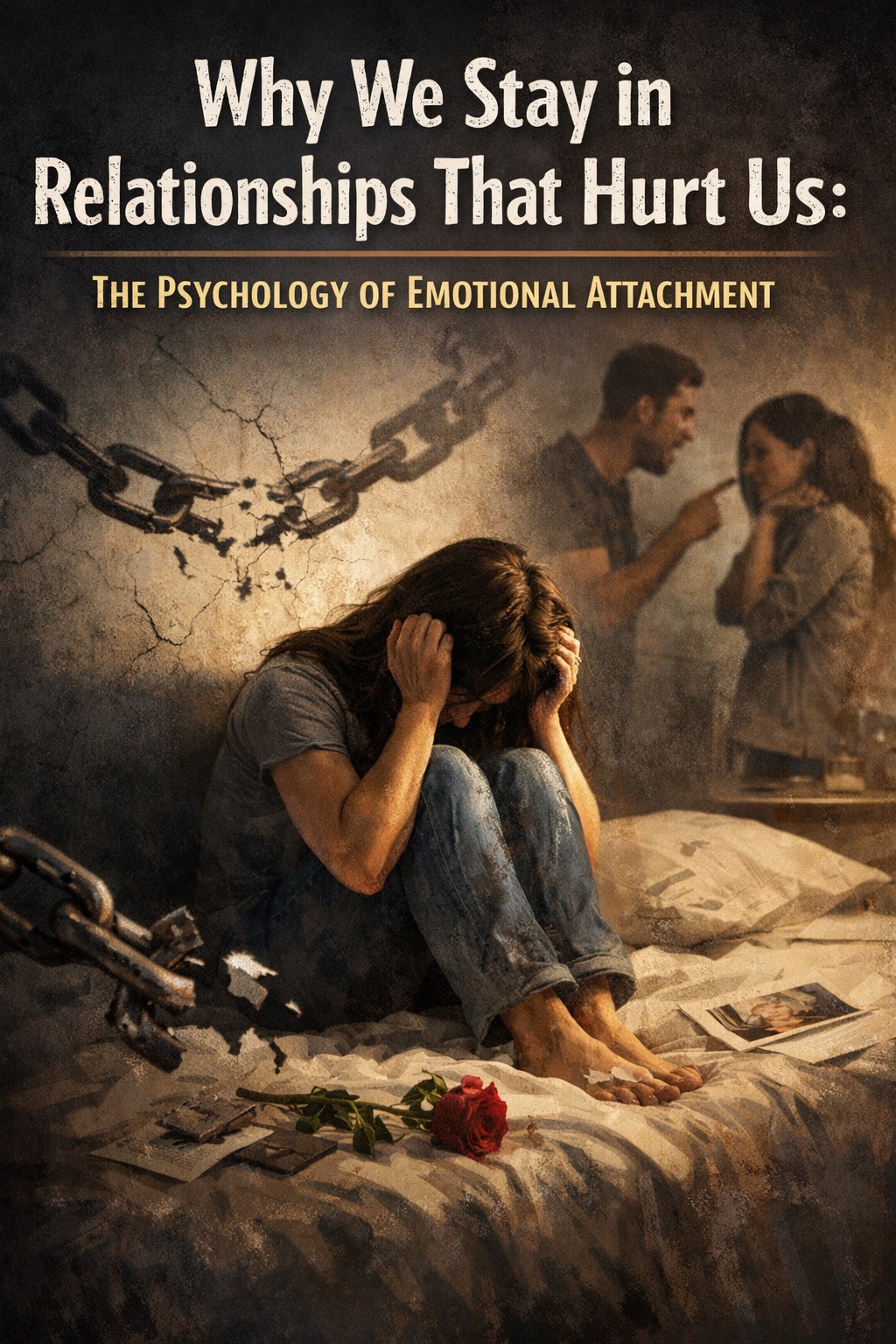
Domestic Violence and Sports

Domestic Violence and Sports
By: Camillia Ghavami


When we watch sports games many of us feel passionate about whether our teams win or lose. Many find excitement in watching their favorite teams battle it out for the win, others may be terrified.


Tubi’s famous Super Bowl commercial in 2023, that made it seem like someone was changing the channel, is an example of the fear many women live in while watching sports games. Some may have laughed the prank off with their families, while those in more aggressive households were met with terrifying outbursts of violence. One woman described her experience with her boyfriend violently screaming at her to find the remote and then punching a hole in a wall. Another woman who worked at a sports bar described the whole bar screaming profanities at her.

The reaction to this commercial is bringing to light a relationship few know about between sports and domestic violence. More and more studies are showing that there is a relationship between domestic violence and the wins and losses of professional football teams. Empirical analyses show that in the US, there are more domestic violence arrests on Sundays when there are NFL games than on Sundays when there are no games played. This relationship is not just found in the US. In England, domestic violence reports rose by 38% when the national soccer team lost. Even when the team won, domestic violence still rose by 26%. The biggest cause of this rise in domestic violence might have to do with whether the team wins or loses. One study found upset losses (a team loses when it was predicted to win by 4 or more points) led to a 10% increase in domestic violence by men while the rise in violence after other types of losses (like when the games were expected to be close) were small. This rise in violence is even larger when the games are more important.

The problem of domestic abuse is an epidemic that runs rampant in this country. 1 in 3 women and 1 in 4 men have experienced any form of physical violence done by an intimate partner. Additionally, 1 in 7 women and 1 in 25 men have been injured by an intimate partner. While of course all these instances were not done in reaction to a sports game, imagine if during the next big sports game, famous athletes came together and denounced domestic violence. Maybe this would lead to a new turn in our culture, where the possibility of someone changing the channel during the Super Bowl is not met with violence.


If you or someone you know is suffering from domestic violence, please contact our psychotherapy offices in New York or New Jersey to talk to one of our licensed professional psychologists, psychiatrists, psychiatric nurse practitioners, or psychotherapists at Arista Counseling & Psychotherapy. Contact our Paramus, NJ or Manhattan, NY offices respectively, at (201) 368-3700 or (212) 722-1920 to set up an appointment. For more information, please visit http://www.counselingpsychotherapynjny.com/

References:
https://www.ncbi.nlm.nih.gov/pmc/articles/PMC3712874/
https://www.psychologytoday.com/us/blog/making-sense-chaos/202009/nfl-losses-are-associated-increased-domestic-violence
https://trinitonian.com/2023/03/02/how-sports-culture-is-connected-to-domestic-violence-and-abuse/#:~:text=According%20to%20a%20study%20conducted,when%20no%20games%20are%20played
https://ncadv.org/STATISTICS
https://www.themarysue.com/that-viral-tubi-superbowl-commercial-had-some-real-life-consequences-that-cant-be-ignored/


Relationships & Long Distance: Strategies to Succeed

Relationships & Long Distance: Strategies to Succeed

By Caroline Buchanan

One of the ultimate tests for a romantic relationship is maintaining the relationship despite the distance. As a result, this could lead to distinct challenges and obstacles. While research from 2018 suggests that couples who live farther than an hour apart tend to break up, at least 60% of partnerships still make their long distance relationship succeed. What are these people probably doing to make it work? The best answer seems to be making the distance work for your relationship, and not working around it (Psych Central). There are strategies that can be implemented to help manage and avoid these common roadblocks.

Strategies:

  • Communication

Your communication method may be the key difference in whether your relationship lasts or falls apart. Phone calls or video calls should be used for heartfelt conversations or heavier discussions. Arguments in text based conversations can lead to misinterpreting the intention behind a message. Use texting mainly for casual contact such as “good morning” and “enjoy your day” type messages.           

  • Acknowledging Fear-based behaviors

 Long distance relationships tend to bring out fears: Fear that the other partner doesn’t care anymore or is going to leave you for someone else. While it’s not uncommon to feel these fears, it is important to recognize these negative thinking patterns. If you are open and clear in your communication with your partner, this may help prevent or subside fears. Let your partner clarify situations that may be bothersome to you.

  • Intimacy

 If you both are comfortable in your relationship, you could imitate the physical connection and enjoy pleasure together by trying erotic conversations, video sex, or phone sex. Make sure you are open and honest about your expectations in engaging in these activities.

While it requires intent and effort, maintaining love in a long-distance relationship is possible. Take the time to think about seeking the help of a mental health professional if you’re experiencing challenges or feeling anxiety in your relationship. This would help you develop specific skills to be able to establish secure bonds.

If you or someone you know is struggling in a long distance relationship, please contact our psychotherapy offices in New York or New Jersey to talk to one of our licensed professional psychologists, psychiatrists, psychiatric nurse practitioners, or psychotherapists at Arista Counseling & Psychotherapy. Contact our Paramus, NJ or Manhattan, NY offices respectively, at (201) 368-3700 or (212) 722-1920 to set up an appointment. For more information, please visit http://www.counselingpsychotherapynjny.com/

https://psychcentral.com/lib/how-to-make-long-distance-relationships-work

Healthy Romantic Relationships

Healthy Romantic Relationships

By: Arya Patel

            Healthy romantic relationships have many characteristics to keep the relationship stable. Some important characteristics are mutual respect, good communication, self-confidence, shared responsibility, and problem solving. Mutual respect means that each person values who the other person is and understands the other person’s boundaries. Good communication means having honest conversations and being open to speak about difficult topics. Self-confidence in relationships means when dating partners have confidence in themselves; it can help their relationships with others. It shows that they are calm and comfortable enough to allow others to express their feeling without judgement.

            Shared responsibility means taking turns doing the different tasks around the house and in any other matter. Some examples are arranging for meals whether for restaurant reservations, take-out, or cooking, making social arrangements with family and friends, plan weekend activities and vacations, walk the dog, take out the trash, clean the house, pay bills, etc. The last characteristic is problem solving. Dating partners can learn to solve problems and identify new solutions by breaking a problem into smaller parts or by talking through the situation.

These are some characteristics which can help to keep relationships stable.

If you or someone you know is struggling with unhealthy romantic relationships, contact our psychotherapy offices in New York or New Jersey to talk to one of our licensed professional psychologists, psychiatrists, psychiatric nurse practitioners, or psychotherapists at Arista Psychotherapy & Psychiatric Services. Contact our Manhattan, NY or Paramus, NJ offices respectively at (201)368-3700 or (212)722-1920 to set up an appointment. For more information, please visit https://counselingpsychotherapynjny.com

References:

https://youth.gov/youth-topics/teen-dating-violence/characteristics

https://www.lyrahealth.com/blog/sharing-responsibilities-is-there-an-equitable-solution/

Toxic Relationships and their effects on Mental Health

      Mental Health/ Toxic Relationships

By: Ingrid Guevara

A relationship where the behaviors of one person in the relationship are emotionally and, in some cases physically damaging to the other, is what is defined as a toxic relationship. In a toxic relationship you see behaviors like: constant belittlement, guilt-tripping, extreme jealousy, blaming and using manipulation to fulfill personal desires. Such behaviors take a tremendous toll on a person’s mental health. Toxic relationships lead to decline in self-esteem, energy levels and your overall happiness. Being in a toxic relationship creates feelings of insecurities and self -doubt which also leads the person to live in extreme caution while in the relationship. Realizing that a relationship is toxic is a crucial step in prioritizing and protecting your mental health. Then comes taking steps to setting boundaries, seeking support from loved ones or professionals and engaging in activities that bring you joy, all things that promote healing and personal growth. Always keep in mind that everyone deserves a nurturing and healthy relationship. It is okay to step away from relationships that negatively affect your mental health because your mental health is crucial and should always be put first.

If you or someone you know is struggling with their mental health, please contact our psychotherapy offices in New York or New Jersey to talk to one of our licensed professional psychologists, psychiatrists, psychiatric nurse practitioners, or psychotherapists at Arista Counseling & Psychotherapy. Contact our Paramus, NJ or Manhattan, NY offices respectively, at (201) 368-3700 or (212) 722-1920 to set up an appointment. For more information, please visit http://www.counselingpsychotherapynjny.com/

References:

The Fear of Commitment

The Fear of Commitment

By Erika Ortiz

Commitment can occur in any aspect of your life. It is only natural to experience anxiety when there are milestones such as signing a new lease, accepting a job offer, getting engaged or married, etc. However, sometimes the anxiety can revert into something much more severe such as gamophobia which is the fear of commitment. It can prevent or inhibit any opportunity to move forward in life or create a stalemate scenario in a relationship where you love someone. However, it seems as though staying single is becoming the “safe bet” for most people. According to the U.S. Census Bureau of 2022, nearly 50% of Americans are single. Many people are struggling to settle down or find a partner. A lot of people recognize that they do have commitment issues; however, a lot of people do not understand why others have these issues with commitment. Recently, people have been struggling with mental health issues and they often carry that struggle into a relationship which can leave their partner or significant other feeling confused as to why the relationship is the way it is. Some reasons why people nowadays have a fear of commitment are emotional uncertainty, issues with anxiety, past trauma, insecurities, and self-esteem. On the other end of the spectrum, some other reasons can be an underlying or undiagnosed disorder that has gone undetected for which they need to seek professional help. If your significant other is the one who fears commitment, understand that they do not feel this way because they don’t love, value, or care about you. They are dealing with many emotions inside that may be hard to handle. In the meantime, you can respect their boundaries, talk to them, and hear them out. On the other hand, it may be best to accept it and move on. It is also strongly advised to seek professional help and try couples therapy or individual therapy as this can help move things forward.

If you or someone you know is struggling with Mental Health please contact our psychotherapy offices in New York or New Jersey to talk to one of our licensed professional psychologists, psychiatrists, psychiatric nurse practitioners, or psychotherapists at Arista Counseling & Psychotherapy. Contact our Paramus, NJ or Manhattan, NY offices respectively at (201) 368-3700 or (212) 722-1920 to set up an appointment. For more information, please visit https://www.counselingpsychotherapynjny.com

Sources

https://psychcentral.com/blog/fear-of-commitment-or-phobia#what-to-do

https://www.census.gov/newsroom/stories/unmarried-single-americans-week.html

Relationships; How to Recognize a Toxic Relationship

Relationships; How to Recognize a Toxic Relationship

By: Priya Desai

A toxic relationship can be hard to identify, especially when you are in the relationship. There are many instances where the people closest to you will notice first that the relationship you are in is not good for you. Here are signs of a toxic relationship that can help you identify if you are in one.

Signs of a toxic relationship:

  • Lack of trust

When you are in a relationship, both partners should have trust in each other. Trust varies from being loyal to your partner to trusting that they have the best interest in their mind when they are thinking about the relationship. Trust is the foundation of a relationship and without it, it can’t work.

  • Hostile communication

Hostile communication includes verbal abuse and physical abuse. This can be name calling, yelling, constant interruption, or throwing and breaking things.

  • Controlling behaviors

Your partner has no right to control your actions or beliefs. This can include telling you what’s right, secluding you from your closest friends/family, and requiring access to your personal social media accounts and phone.

  • All take, no give

If you feel as if your partner is not doing anything for you, but you are consistently taking orders from him/her, this is another big red flag. This includes always being the first one to text and always being the one to make plans to hang out with your partner. The feelings should be reciprocated all the time.

If you or someone you know is in a toxic relationship, please contact our psychotherapy offices in New York or New Jersey to talk to one of our licensed professional psychologists, psychiatrists, psychiatric nurse practitioners, or psychotherapists at Arista Counseling & Psychotherapy. Contact our Paramus, NJ or Manhattan, NY offices respectively, at (201) 368-3700 or (212) 722-1920 to set up an appointment. For more information, please visit http://www.counselingpsychotherapynjny.com/

Citation: https://www.insider.com/toxic-relationship

https://www.healthline.com/health/toxic-relationship

Image Citation : https://www.google.com/search?q=toxic+relationship&sxsrf=AOaemvK-hHlQGKKmgsC6m_XxK_UptZleNA:1631133605274&source=lnms&tbm=isch&sa=X&sqi=2&ved=2ahUKEwjX3_2YnvDyAhUaQfEDHao0DBMQ_AUoAXoECAEQAw&biw=794&bih=639#imgrc=TKmtKNeDMzkEOM