Managing Countertransference in Mental Health Professionals

Managing Countertransference in Mental Health Professionals

By Fiona McDermut

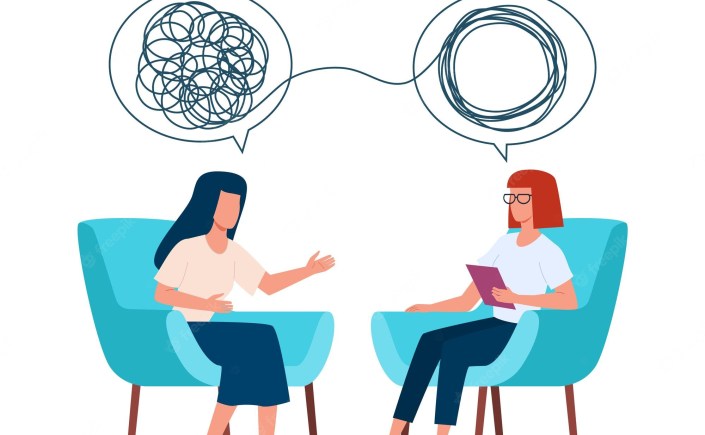
            Although mental health professionals are trained to treat a variety of disorders and psychological distress, we cannot discount their own psychological reactions. Therapists are human too, and they experience similar ups and downs to the people seeking their help. Additionally, many therapists feel a secondary wave of emotions when they can strongly identify with a client’s obstacles. For many people, it is difficult to react to others without involving personal emotions—it is no different for psychologists. In the world of mental health, this reaction based on personal mentality is known as countertransference.

            A therapist’s ability to work objectively with a client is dependent on the management of their own countertransference. Although therapists may develop strong emotional opinions about situations in their clients’ lives, it is important to always decide what is in the best interest of the clients.

Some examples of countertransference in practice include:

  • Disclosing too much personal information to a patient
  • Having unclear boundaries in the patient-doctor relationship
  • Being overly supportive or critical of the client
  • Any other actions in which the therapist allows their personal emotions to interfere with providing proper treatment

            Identifying with a patient’s strife is not necessarily a bad thing. It is important for mental health professionals to feel empathy, and to fully understand a client’s situation in order to develop a comforting therapeutic environment. However, this becomes unproductive when this empathy turns into extreme distress in the therapist and/or interferes with providing high quality care.

Luckily, there are two main ways in which mental health professionals regularly work on managing countertransference:

  • Participating in individual or group supervision or consultation with other therapists
  • Seeking therapy of their own which provides an outlet to discuss and handle personal emotional needs without projecting it onto the patient.

The role of the therapist is ultimately to help the patient, not create more stressors in the client’s life. If the therapist or patient feels that this cannot be done successfully, it may become necessary to terminate the relationship and pursue treatment with a new therapist.

If you or someone you know is experiencing countertransference, please contact our psychotherapy offices in New York or New Jersey to talk to one of our licensed professional psychologists, psychiatrists, psychiatric nurse practitioners, or psychotherapists at Arista Counseling & Psychotherapy. Contact our Paramus, NJ or Manhattan, NY offices respectively, at (201) 368-3700 or (212) 722-1920 to set up an appointment. For more information, please visit http://www.counselingpsychotherapynjny.com/

Source:

https://psychcentral.com/health/countertransference#overview

Image source:

https://www.freepik.com/premium-vector/psychotherapy-concept-psychologist-patient-with-tangled-untangled-mind-metaphor-doctor-solving-psychological-problems-couch-consultation-mental-health-treatment-flat-vector-illustration_19960102.htm

Body Dysmorphic Disorder-Beautiful In Your Own Skin Month

Body Dysmorphic Disorder-Beautiful In Your Own Skin Month

By Fiona McDermut

            In light of the start of “beautiful in your own skin” month, it is important to recognize that many struggle with body image satisfaction. Not all people look in the mirror and feel content with what they see. Even if those around you do not understand your body-related concerns, your feelings are totally valid and can be helped with treatment.

            Body dysmorphic disorder (body dysmorphia) is a mental illness characterized by a hyper fixation on perceived defects in one’s appearance. This interferes with day-to-day life because one may spend a large amount of time worrying or attempting to adjust the perceived flaw. These behaviors usually result in obsessive body comparison to others, avoidance of social interaction, and frequent negative body-checking (looking in the mirror repeatedly at disliked body parts). Unfortunately, many have associated their own happiness with how closely their bodies align with current beauty standards portrayed in the media. As one lets these thoughts progress, they can worsen, and possibly be a precursor to an eating disorder or other disorders associated with body dissatisfaction such as depression and obsessive compulsive disorder.

            While many believe that cosmetic surgery will fix their perceived flaws, research has shown that such surgeries do not improve psychological symptoms of body dysmorphic disorder. The first step to resolving the issue is recognizing that you have a warped view of what you look like. If you or someone you know experiences this, it can be very beneficial to seek psychological/psychiatric assistance. Professionals in the field will be able to decide the best way to treat these disordered thoughts. The most common treatment for body dysmorphia is cognitive behavioral therapy (CBT). Other possible treatments include hypnotherapy, exposure therapy, acceptance and commitment therapy (ACT), and the prescription of antidepressant medication in order to decrease the feelings of dissatisfaction.

            Working with a professional is important in situations like these, but it is still important to remind yourself that your perceived flaws are only noticed by you, and likely not those around you. Nobody is perfect, but with the constant pressure of modern media to be thin, our flaws often appear to be more apparent to ourselves than they are to others. The practice of mindfulness exercises may also help to focus your mind on what you have learned to love about yourself, and of course, do not be afraid to seek help when necessary.

If you or someone you know is struggling with body dysmorphic disorder, please contact our psychotherapy offices in New York or New Jersey to talk to one of our licensed professional psychologists, psychiatrists, psychiatric nurse practitioners, or psychotherapists at Arista Counseling & Psychotherapy. Contact our Paramus, NJ or Manhattan, NY offices respectively, at (201) 368-3700 or (212) 722-1920 to set up an appointment. For more information, please visit http://www.counselingpsychotherapynjny.com/

Sources:

https://www.psychologytoday.com/us/blog/the-couch/201507/whats-the-best-way-deal-negative-body-image

https://www.psychologytoday.com/us/blog/shrink/201409/how-stop-hating-your-body

https://www.sciencedirect.com/science/article/abs/pii/S1740144507000988

Image source: https://www.additudemag.com/adhd-related-body-dysmorphic-disorder/

Psychotherapy: Benefits of Rational Emotive Behavior Therapy (REBT)

By: Jasmyn Cuate

Rational emotive behavior therapy (REBT) is a type of cognitive behavioral therapy (CBT) that focuses on helping people recognize and change negative thinking patterns into positive, healthier ones. This method is an action-oriented approach helping to overcome any psychological problems or mental distress. The goal of REBT is to help people respond rationally to situations that would cause stress, depression, or other negative feelings. How does it work?

The ABC model is one concept of REBT. The model suggests that we may blame external situations for our unhappiness and it is our interpretation of these situations that truly causes the psychological distress. ABC stands for:

  • A: Activating event, when something happens in your environment
  • B: Belief, describes your thoughts about the situation
  • C: Consequence, which is your emotional response to your belief

With REBT, your therapist will help you learn how to apply the ABC model in your daily life. Your therapist may help you identify the activating event before encouraging you to figure out which belief led you to your negative feelings. Once you’ve identify the underlying issue, your therapist will work with you to change those beliefs and your emotional response towards the issue. Before changing your belief, a process called disputation takes place where your therapist will challenge your irrational beliefs using direct methods such as asking questions which causes you to re-think or have you imagine another point of view that you may have not considered before. REBT can help with Anxiety, Social anxiety disorder, distress, Depression, Disruptive behavior in children, Obsessive-compulsive disorder (OCD) and Psychotic symptoms.

Benefits of REBT:

  • Reduce feelings of anger, depression, anxiety, and distress
  • Improves health and quality of life
  • Better social skills and school performance

REBT helps you understand that you are worthy of self-acceptance no matter what even if you or others are struggling; there is no need for shame or guilt because everyone makes mistakes and it’s normal to feel some discomfort. REBT gives insight that others are also worthy of acceptance even if their behavior involves something you don’t like. Overall, REBT helps you have a healthy emotional response on learning from a situation and moving on. This allows you to understand that negative things will sometimes happen in life therefore there is no rational reason to always expect it to be positive when faced with a situation.

If you or someone you know is seeking for cognitive behavioral therapy or rational emotive behavior therapy, please contact our psychotherapy offices in New York or New Jersey to talk to one of our licensed professional psychologists, psychiatrists, psychiatric nurse practitioners, or psychotherapists at Arista Counseling & Psychotherapy. Contact our Paramus, NJ or Manhattan, NY offices respectively, at (201) 368-3700 or (212) 722-1920 to set up an appointment. For more information, please visit http://www.counselingpsychotherapynjny.com/

Source: https://www.verywellmind.com/rational-emotive-behavior-therapy-2796000

Therapy Animals: How Therapy Animals Benefit Individuals with Mental Health Struggles

Therapy Animals: How Therapy Animals Benefit Individuals with Mental Health Struggles

By Celine Bennion

Have you ever had a bad day at school or work, felt irritable and discouraged, then came home to your pet greeting you with such enthusiasm that you forgot about your unpleasant day? Animals’ unconditional, loving nature has the power to instantly change a person’s mood, or even just help him or her feel better in general. This ability is utilized in therapeutic settings for those who struggle with mental disorders, as animals can facilitate healing in those afflicted.

Therapy animals are trained to exhibit certain mannerisms that are essential for providing therapeutic benefits to humans. These characteristics include gentleness, friendliness, and willingness to allow strangers to touch and interact with them. Pet owners may enroll their animals in such training to become registered in an official therapy animal organization. This certification allows therapy animals to visit nursing homes, hospitals, schools, and other institutions to provide comfort and companionship to those with whom they interact.

When a therapy animal is present in therapy sessions, patients feel more inclined to communicate and discuss difficult experiences. Additionally, they often experience an increase in self-esteem while in the presence of therapy animals. Individuals often find it difficult to disclose personal and emotional information with a stranger, which holds them back from receiving all of the benefits of psychotherapy. Therapy animals help to provide a sense of comfort, giving unconditional affection and creating a nonjudgmental atmosphere. Their presence makes it easier for patients to let down their guard and speak about their difficult experiences.

If you or someone you know is seeking therapy, please contact our psychotherapy offices in New York or New Jersey to talk to one of our licensed professional psychologists, psychiatrists, psychiatric nurse practitioners, or psychotherapists at Arista Counseling & Psychotherapy. Contact our Paramus, NJ or Manhattan, NY offices respectively, at (201) 368-3700 or (212) 722-1920 to set up an appointment. For more information, please visit http://www.counselingpsychotherapynjny.com/

Sources: https://medicalmutts.org/our-service-dogs/psychiatric-service-dogs/

https://www.nami.org/Blogs/NAMI-Blog/November-2016/The-Power-of-Pet-Therapy

https://psychcentral.com/lib/the-truth-about-animal-assisted-therapy#1

Depression: How Does it Affect Relationships

By: Jasmyn Cuate

Depression is one of the most common types of mental illness that Americans struggle with each day affecting approximately 1 in 6 Americans. Depression is characterized by feelings of sadness, emptiness, or hopelessness, irritability, angry outbursts, or low frustration tolerance, loss of interest in or ability to enjoy usual activities, sleep disturbance, fatigue and lack of energy, appetite disturbance, agitation, anxiety, feelings of worthlessness and guilt, difficulty concentrating, remembering things, making decisions, recurring thoughts of death, and thoughts of suicide.

Many individuals struggling with depression describe it as living in a heavy fog where you lose clarity about your life, start to have self-doubt, changing the way you view friends, family, and partners as well as how you think they view you.

Although many relationships experience problems, a partner dealing with depression or trying to help their partner overcome depression, may find themselves having more challenges to their relationship. Depression can cause overwhelming emotions such as detachment, distrust, and vulnerability. It can cause the partner to pay little attention to the other partner, be less involved, more irritable, start arguments, and have trouble enjoying time together. Factors such as high levels of conflict, lack of communication, difficulty resolving problems, and withdrawal can lead to depression.

Untreated depression can cause a cycle of self-destructive behaviors that can tear relationships apart. Research has shown that when one member of a couple has depression, there is an impact on the well-being of the other partner as well. In fact, BMC Public Health has found that partners of those with mental illnesses, show signs of anxiety and depression themselves.

If you or someone you know is seeking therapy for depression or experiencing relationship problems due to depression, please contact our psychotherapy offices in New York or New Jersey to talk to one of our licensed professional psychologists, psychiatrists, psychiatric nurse practitioners, or psychotherapists at Arista Counseling & Psychotherapy. Contact our Paramus, NJ or Manhattan, NY offices respectively, at (201) 368-3700 or (212) 722-1920 to set up an appointment. For more information, please visit http://www.counselingpsychotherapynjny.com/

Sources: https://www.psychologytoday.com/us/basics/depression/signs-depression

https://blogs.scientificamerican.com/mind-guest-blog/the-warning-signs-that-depression-is-affecting-your-relationship/

ADHD in Girls: Suffering in Silence

ADHD in Girls: Suffering in Silence

By: Stacey Rodriguez

Generally thought to be a disorder specific to school-aged boys, attention deficit disorder (ADHD) has shown to be relatively prevalent in girls as well. The disorder includes 3 subtypes: hyperactive and impulsive  (HI), inattentive, and combination. ADHD is commonly associated with the HI subtype, which is most commonly exhibited by boys. Contrastingly, girls tend to exhibit the inattentive subtype. By nature, inattentive features are not as overtly obstructive as that of hyperactivity and impulsivity, often causing them to go unnoticed. In fact, studies estimate that 75% of girls with attention deficit disorder never get diagnosed. Additionally, it is theorized that societal norms, such as gender roles, might also be a factor in this disparity; since many overt characteristics of ADHD do not align with female gender norms, such as the tendency to be disorganized or interrupt others speaking, girls with the disorder tend to suppress the tell tale signs. 

The result of undiagnosed attention deficit disorder can be detrimental, as it can lead to mental health consequences in adulthood. This is largely due to the fact that girls tend to internalize mistakes. This internalization leads to negative internal dialogues, which puts girls with ADHD at higher risk for eating disorders, anxiety disorders, and depression. It is imperative to be aware of the ways in which the disorder manifests differently in girls. For example,

A girl with ADHD might:

-be more more easily irritated, or sensitive to certain sounds/feelings

-talk significantly more than her peers and often interrupt others

-struggle to commit to completing tasks or activities

-often make “careless” errors

-seem to be especially disorganized

-tend to be forgetful

If you or someone you know is seeking therapy for attention deficit disorder, please contact our psychotherapy offices in New York or New Jersey to talk to one of our licensed professional psychologists, psychiatrists, psychiatric nurse practitioners, or psychotherapists at Arista Counseling & Psychotherapy. Contact our Paramus, NJ or Manhattan, NY offices respectively, at (201) 368-3700 or (212) 722-1920 to set up an appointment. For more information, please visit http://www.counselingpsychotherapynjny.com/

Source: https://www.cfpsych.org/blog/what-parents-need-to-know-about-adhd-in-girls/

Image Source: https://psychbc.com/blog/adhd-is-different-for-girls-what-families-need-to-know

Mindfulness: Its Effects on Anxiety and Depression

Mindfulness: Its Effects on Anxiety and Depression

By: Stacey Rodriguez

Mindfulness, derived from Buddhist teachings, is a practice which fosters introspective awareness. It’s main principles consist of actively experiencing the present moment, as well as practicing radical acceptance. Radical acceptance is a distress tolerance skill, which is implemented by openly recognizing thoughts and experiences without the tension of subjective or negative perception. Central facets of radical acceptance include self compassion and validation. This perspective emphasizes defusion, which is the process of separating the mind from its thoughts; the act of perceiving oneself as the observer of one’s thoughts, rather than identifying with them, allows individuals to healthily process emotions while remaining grounded and rational. Mindfulness is a defining feature of several modern therapeutic approaches, such as dialectical behavioral therapy (DBT) and mindfulness based cognitive therapy (MBCT). DBT is a form of cognitive therapy, in which the approach focuses on recognizing maladaptive behavioral patterns and core beliefs. Similarly, MBCT uses cognitive behavioral therapy supplemented by mindfulness meditative practices, in order to help individuals become aware of their thoughts and feelings all while avoiding the loop of negativity. 

Practicing mindfulness has proven to have an abundance of promising effects on the mind and body. Overall, it has shown to significantly reduce anxiety and depression. Methodical data suggests that the practice influences stress pathways, and even modifies structure and activity in regions associated with attention and emotion regulation in the brain. Additionally, studies have found mindfulness to have the same moderate effect on treating depression as does medication, as well as moderate effects on anxiety and pain. 

Some mindful activities include:

  • Journaling
  • Practicing breathing techniques
  • Mediation
  • Yoga

If you or someone you know is seeking therapy for depression or anxiety, please contact our psychotherapy offices in New York or New Jersey to talk to one of our licensed professional psychologists, psychiatrists, psychiatric nurse practitioners, or psychotherapists at Arista Counseling & Psychotherapy. Contact our Paramus, NJ or Manhattan, NY offices respectively, at (201) 368-3700 or (212) 722-1920 to set up an appointment. For more information, please visit http://www.counselingpsychotherapynjny.com/

Source:https://www.apa.org/topics/mindfulness/meditation#:~:text=Researchers%20reviewed%20more%20than%20200,%2C%20pain%2C%20smoking%20and%20addiction.

https://www.apa.org/monitor/2015/03/cover-mindfulness

Image source: https://news.harvard.edu/gazette/story/2018/04/harvard-researchers-study-how-mindfulness-may-change-the-brain-in-depressed-patients/

Kratom Craze

By Charlotte Arehart

If something is legal, that must mean that it’s safe, right? While this would be great to believe, unfortunately it is not true.  An example of something that is not illegal yet but is still unsafe is the drug kratom. Although banned in 6 states, kratom is still legal in the United States. It can easily be purchased at drug stores and even online. Kratom, a psychoactive plant, comes from the leaves of kratom trees that grow in Southeast Asia, where it has traditionally been used for teas and medicines. Only recently has kratom been used frequently in Western societies. Many people praise kratom for alleviating their pain from headaches or even bad knees. However, kratom comes with some not-so-great side effects, and some that are quite aversive.

Low doses of kratom seem very beneficial. Users may experience increased energy, lower pain levels, and feelings of relaxation. However, continued consistent use of kratom or large doses of kratom pose some serious side effects. And since kratom is so addictive, it is easy for users to work their way up to this point. Users may begin to hallucinate, become depressed, have seizures, enter comas, or even die when mixing kratom with other substances. There have been many deaths recorded because of kratom usage with other substances like alcohol. One user on WebMD begs others to be wary of kratom, stating that their family member died from a third seizure caused by the drug. Another user warned of the addictive effects of the drug, saying that kratom advocates downplay the withdrawal symptoms to be similar to caffeine withdrawal when in reality it is more like “full on opioid withdrawal” symptoms. Since kratom has a very similar chemical reaction in the body as opioid drugs, it makes sense that the withdrawal symptoms would be very similar. Other users have stated that while the drug may be efficient in alleviating pain, the dependency that comes with the drug is not worth it.

Even though kratom is not illegal, there is no such thing as a “good” addiction. If you or someone you know is facing a kratom addiction, there are ways to get help. It is important that anyone who is facing a kratom addiction seeks therapy as soon as possible, before it is too late.

If you or someone you know needs substance abuse support, please contact our psychotherapy offices in New York or New Jersey to talk to one of our licensed professional psychologists, psychiatrists, psychiatric nurse practitioners, or psychotherapists at Arista Counseling & Psychotherapy. Contact our Paramus, NJ or Manhattan, NY offices respectively, at (201) 368-3700 or (212) 722-1920 to set up an appointment. For more information, please visit http://www.counselingpsychotherapynjny.com/

Sources:

https://www.mayoclinic.org/healthy-lifestyle/consumer-health/in-depth/kratom/art-20402171

https://www.healthline.com/health/kratom-and-alcohol#effects

https://www.ncbi.nlm.nih.gov/pmc/articles/PMC4657101/

Image Source: https://www.healthline.com/health/kratom-and-alcohol

Mental Health during Pride Month

By Charlotte Arehart

With June finally starting, this means that it is officially Pride Month! Pride Month is celebrated in June in the USA and many other countries. During Pride Month, we celebrate and recognize the impact that  lesbian, gay, bisexual, transgender, queer LGBTQ+ individuals have on their communities. We celebrate their history, whether it be locally, nationally, or internationally. Unfortunately, there is a stigma surrounding the LGBTQ+ community regarding mental health. There are a plethora of statistics about LGBTQ+ individuals and mental health, including the fact that members of the community are less likely to seek treatment for mental health, substance abuse, and eating disorders. This is largely due to fear of being discriminated against because of their sexuality. Pride Month is the perfect opportunity to prioritize and learn more about mental health for LGBTQ+ individuals.

There are many barriers that LGBTQ+ individuals face when it comes to finding mental health treatment. Many mental health centers lack culturally-competent or diverse staff and/or treatment. It was not very long ago that homosexuality and bisexuality were themselves considered mental illnesses. This was thought to be true until the 1960’s. Gay men and lesbian women were frequently forced to undergo “treatment” for their sexuality against their will, such as aversion, conversion, and even shock therapies. Also damaging to mental health, LGBTQ+ individuals are at a higher risk for bullying, and sometimes even hateful violent crimes. The best way to help the LGBTQ+ community regarding mental health efforts is to support the community not only through words but through actions. By reducing the stigma around mental health and making LGBTQ+ individuals feel as comfortable as possible, hopefully we can make mental health treatment more accessible for everyone. Luckily, the vast majority of mental health professionals today are accepting and positive towards the LGBTQ+ community. Everyone deserves to have efficient, effective, and professional mental health no matter how they identify as individuals.

If you or someone you know needs mental health support, please contact our psychotherapy offices in New York or New Jersey to talk to one of our licensed professional psychologists, psychiatrists, psychiatric nurse practitioners, or psychotherapists at Arista Counseling & Psychotherapy. Contact our Paramus, NJ or Manhattan, NY offices respectively, at (201) 368-3700 or (212) 722-1920 to set up an appointment. For more information, please visit http://www.counselingpsychotherapynjny.com/

Sources:

Image Source: https://lgbt-speakers.com/news/top-10-lists/10-lgbt-speakers-for-pride-month-2021

Social Media: Self-Diagnosing

By Charlotte Arehart

For many people, it has become a habit to turn to the internet with any questions that one might have. While it is great to have the answers to the world at our fingertips, we have to keep in mind that just because we find an answer on the internet does not mean it is the correct one. Googling the answers to everything can be particularly harmful when it comes to physical and mental health. Searching a simple symptom such as a stomach ache may lead to answers that suggest the individual has appendicitis, when in reality they may only be having indigestion. With the internet becoming more powerful than ever, more people have been self-diagnosing with physical and mental health issues without seeking help from a professional.

Social media has played a huge role in the increase of self-diagnosing. Many influential social media users with a large platform use their platform to speak and educate viewers about mental illnesses. While this is great in terms of normalizing and reducing the stigma around mental health issues, it becomes harmful when viewers use this information to self-diagnose. I personally have seen many videos on platforms such as Instagram and Tiktok where the creator lists several widely general and common “symptoms,” such as sleeping in too much or having a short attention span, then follow up with something along the lines of “if you are experiencing these symptoms, you may have ADHD!” In the comments section, I see floods of viewers who are now concerned that they may have a mental disorder simply because they experience a few of the general symptoms listed. It seems that these videos create a lot of stress in people who do not actually need to be worried, since the symptoms listed are often so generalized. However, I do think that it is very beneficial for those who are struggling with mental health issues to receive support and a sense of community through social media. It can be very comforting to know that you are not alone going through something. If creators wish to speak about mental health issues on social media, it should be done in a very careful way. Addressing mental health on social media does present a wide variety of benefits, however it becomes an issue when people are self-diagnosing and becoming worried without speaking to a professional.

If you or someone you know needs mental health support, please contact our psychotherapy offices in New York or New Jersey to talk to one of our licensed professional psychologists, psychiatrists, psychiatric nurse practitioners, or psychotherapists at Arista Counseling & Psychotherapy. Contact our Paramus, NJ or Manhattan, NY offices respectively, at (201) 368-3700 or (212) 722-1920 to set up an appointment. For more information, please visit http://www.counselingpsychotherapynjny.com/

Sources:

https://etactics.com/blog/problems-with-self-diagnosis

Image Source: https://dailytitan.com/opinion/column-self-diagnosing-mental-health-disorders-is-hazardous/article_d953ca7f-0eae-57d2-81fb-d0d339734788.html