Compulsive Sexual Behavior

Compulsive Sexual Behavior/ Hypersexuality:
By: Cassie Sieradzky

Compulsive sexual behavior, also known as hypersexuality or sexual addiction, is characterized by frequent sexual fantasies, urges, and behaviors. These intense and repetitive preoccupations are uncontrollable and distressing to the individual, which can result in impaired daily functioning. Compulsive sexual behavior is more common in men and usually develops during late adolescence or early adulthood. This disorder is often undiagnosed because the individual may feel embarrassed about their behavior and unwilling to disclose information that could lead to a diagnosis and they may be unaware that this disorder can be successfully treated.

Compulsive sexual behavior can be diagnosed if a person experiences 3 or more symptoms for over 6 months. The symptoms include time consumed by sexual urges/fantasies/behaviors repetitively interferes with other important facets of life, repetitively engaging in sexual fantasies/urges/behaviors in response to negative mood states, repetitively engaging in sexual fantasies/urges/behaviors in response to stressful life events, repetitive but unsuccessful efforts to control these symptoms, and repetitively engaging in sexual behaviors while disregarding the risk for physical or emotional harm to self or others. Compulsive sexual behavior is highly comorbid and research suggests that about 50% of adults diagnosed with this disorder also meet criteria for at least 1 other psychiatric disorder, such as mood, anxiety, substance use, impulse control, or personality disorders. This disorder also comes with increased risk of unwanted pregnancies and sexually transmitted infections. Psychotherapy and some medications are successful in treating compulsive sexual disorder.

If you or a loved one appears to be suffering from compulsive sexual behavior, licensed psychologists, psychiatrists, psychiatric nurse practitioners, and psychotherapists at Arista Counseling & Psychotherapy can assist you. Contact our Paramus, NJ or Manhattan, NY offices respectively, at (201) 368-3700 or (212) 722-1920 to set up an appointment. For more information, visit http://www.counselingpsychotherapynjny.com/

Grant, J. E. (2018, February). Compulsive sexual behavior: A nonjudgmental approach. Current Psychiatry, 17(2), 34-45.

Social Anxiety Disorder

Signs and Symptoms of Social Anxiety Disorder:

By: Cassie Sieradzky

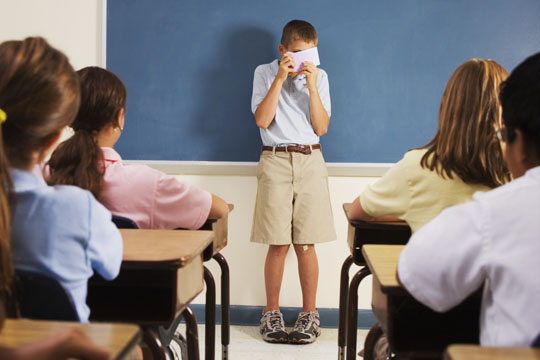
Social anxiety disorder is characterized by severe anxiety and excessive self-consciousness in everyday social situations. An individual with social anxiety disorder may have a persistent, intense, and chronic fear of being watched and judged by others, which can interfere with their daily functioning. Social anxiety disorder can be limited to only one type of situation, such as a fear of speaking or performing in public, or whenever an individual is around other people. The feared situation is avoided or endured with extreme anxiety and distress. In addition, they often experience low self-esteem and depression and have a hard time making or keeping friends.

Physical symptoms such as blushing, profuse sweating, upset stomach, and trembling often accompany the intense stress of social anxiety disorder. These visible symptoms intensify the fear of disapproval and often become an additional focus of fear. As people with social anxiety disorder worry about experiencing the physical symptoms, the greater their chances are of developing them.

About seven percent of the U.S. population is estimated to have social anxiety disorder within a 12-month period. Social anxiety disorder occurs twice as often in women than men and typically begins in childhood or early adolescence. Social anxiety disorder often runs in families and may be comorbid with depression or other anxiety disorders, such as panic disorder or obsessive-compulsive disorder. It is not uncommon for individuals with social anxiety disorder to self-medicate with alcohol or other drugs, which can lead to addiction.

Cognitive-behavioral therapy is a form of psychotherapy that is very effective in treating social anxiety. CBT and behavioral therapy are used to reduce anxiety by managing negative beliefs or behaviors that help maintain the disorder. Medications, in conjunction with psychotherapy, can also play a role in treatment.

If you or a loved one appears to be suffering from social anxiety disorder, licensed psychologists, psychiatrists, psychiatric nurse practitioners, and psychotherapists at Arista Counseling & Psychotherapy can assist you. Contact our Paramus, NJ or Manhattan, NY offices respectively, at (201) 368-3700 or (212) 722-1920 to set up an appointment. For more information, visit http://www.counselingpsychotherapynjny.com/

Social Anxiety Disorder (Social Phobia). (n.d.). Retrieved March 26, 2018, from https://www.psychologytoday.com/us/conditions/social-anxiety-disorder-social-phobia

Reactive Attachment Disorder

DSM-5: Reactive Attachment Disorder

By: Cassie Sieradzky

According to the DSM-5, reactive attachment disorder can be diagnosed in children who are at least 9 months old and have been experiencing symptoms before the age of 5.

The disorder is characterized by a consistent pattern of inhibited, emotionally withdrawn behavior toward adult caregivers. For example, the child rarely seeks comfort when distressed and rarely responds to comfort when distressed. A child with reactive attachment disorder displays a persistent social or emotional disturbance that can result in minimal social and emotional responsiveness to others, limited positive affect, or episodes of unexplained irritability, sadness, or fearfulness inappropriate to the situation at hand.

Reactive attachment disorder is believed to be caused by a pattern of insufficient care. The child may have experienced social neglect or deprivation by caregivers, repeated changes of primary caregivers that limited opportunities to form stable attachments (frequent changes in foster care), or was raised in an unusual setting that severely limited opportunities to form selective attachments (institutions with high child to caregiver ratios).

If your child or someone you know is exhibiting symptoms for reactive attachment disorder, the licensed psychologists, psychiatrists, psychiatric nurse practitioners and psychotherapists at Arista Counseling & Psychotherapy can assist you. Contact our Paramus, NJ or Manhattan, NY offices respectively at (201)-368-3700 or (212)-722-1920 to set up an appointment. For more information, visit http://www.counselingpsychotherapynjny.com/

CEBC. (n.d). Retrieved March 13, 2018, from http://www.cebc4cw.org/search/topic-areas/dsm-5-criteria-for-reactive-attachment-disorder-rad/

Separation Anxiety Disorder

What is Separation Anxiety Disorder?

BY: Cassie Sieradzky

Separation anxiety is characterized by excessive fear or anxiety about separating from home or an attachment figure. Children under the age of 2 often experience separation anxiety, however a key feature of the disorder is that it persists past the developmentally appropriate period. Children with separation anxiety disorder may cling to their parents excessively, refuse to go to sleep without their parents, abstain from going to a friend’s house, and may even require someone to be with them when they walk around their house. Children with separation anxiety disorder also commonly complain of physical symptoms during separation, such as headaches, nausea and vomiting. When separation does occur, the child may seem withdrawn, sad, and have difficulty concentrating. Some other symptoms of the disorder are worry about losing or harm coming to their attachment figures, worry about experiencing an unexpected negative event such as becoming ill, and nightmares involving themes of separation. For a diagnosis to be considered, these symptoms must be present for at least four weeks and must cause impairment in school or socially.

Separation anxiety disorder is the most prevalent anxiety disorder in children under the age of 12. In a given 12-month period in the U.S., the prevalence of separation anxiety disorder is estimated to be 4% of children and is equally common for males and females. The cause of separation anxiety disorder is unknown, however separation anxiety disorder commonly develops after a person experiences a major stressor, such as a loss. To resolve the feelings of separation anxiety, a child must develop a strong sense of safety in their environment, as well as trust in people other than their parents, and trust in the care giver’s return.

If you or a loved one appears to be suffering from separation anxiety disorder, licensed psychologists, psychiatrists, psychiatric nurse practitioners, and psychotherapists at Arista Counseling & Psychotherapy can assist you. Contact our Paramus, NJ or Manhattan, NY offices respectively, at (201) 368-3700 or (212) 722-1920 to set up an appointment. For more information, visit http://www.counselingpsychotherapynjny.com/

Separation Anxiety. (2017, April 18). Retrieved February 27, 2018, from https://www.psychologytoday.com/conditions/separation-anxiety

Dependent Personality Disorder

Dependent Personality Disorder

By: Cassie Sieradzky

Dependent Personality Disorder is characterized by a pervasive and excessive need to be taken care of that could lead to clingy behavior and a fear of separation. These behaviors stem from a perception that the individual is unable to function properly on their own. People with dependent personality disorder have a difficult time making everyday decisions on their own and require an excessive amount of reassurance and advice from others. They often let others make major life decisions for them. The need of advice from others goes far beyond the appropriate amount for the individual’s age and situation at hand. Individuals with dependent personality disorder may go to extreme lengths to get the nurture they need and are preoccupied with worries of being left to take care of themselves.

Individuals suffering from dependent personality disorder do not trust their own decision making and often feel as though others are more competent. They have difficulty making decisions without reassurance from others, are extremely passive, have difficulty expressing disagreements with others, and avoid taking personal responsibility. They try and avoid being alone, feel helpless when a relationship ends, are easily hurt by disapproval from others, and are sometimes willing to tolerate mistreatment and abuse from others. Some possible risks associated with Dependent Personality Disorder are depression, addiction, and susceptibility to abuse by others.

The recommended treatment for dependent personality disorder is psychotherapy and medication if needed. Cognitive behavioral therapy is successful in altering the maladaptive thinking patterns and behaviors associated with this disorder, such as the belief that one is unable to make decisions on their own.

If you or a loved one appears to be suffering from Dependent Personality Disorder, the licensed psychologists, psychiatrists, psychiatric nurse practitioners, and psychotherapists at Arista Counseling & Psychotherapy can assist you. Contact our Paramus, NJ or Manhattan, NY offices respectively, at (201) 368-3700 or (212) 722-1920 to set up an appointment. For more information, visit http://www.counselingpsychotherapynjny.com/

Dependent Personality Disorder. (2017, April 19). Retrieved January 30, 2018, from
https://www.psychologytoday.com/conditions/dependent-personality-disorder

Trichotillomania

By: Cassie Sieradzky

Trichotillomania is an impulse control disorder characterized by the urge to pull out one’s hair. An individual with trichotillomania can pull hair from any part of their body, however the eyebrows and scalp are the most common places. If not treated, this disorder can come and go throughout an individual’s lifetime and persist for weeks, months, or years.

Trichotillomania is more common in females and is seen in 1%-2% of the population. The onset of this disorder is most commonly seen in preadolescents or young adults. The cause of this disorder in unknown, however it can be triggered by anxiety or stressful life events such as family conflict. Anxiety disorders, depression, and OCD are commonly associated with trichotillomania. Behavioral therapy and medication are often successful in treating this disorder.

Common Symptoms:

•Recurrent pulling out hair resulting in noticeable hair loss
•An increasing sense of tension before pulling out the hair or when resisting the behavior
•Pleasure, gratification, or relief when pulling out the hair
•The disturbance is not accounted for by another mental disorder and is not due to a general medical condition (dermatological condition)
•Repeated attempts have been made to decrease or stop hair pulling
•The behaviors cause significant distress or impairment in social, occupational, or other important areas of functioning (loss of control, embarrassment, or shame)
•Hair pulling may be accompanied by a range of behaviors or rituals involving hair (rolling hair between the fingers, pulling strands between one’s teeth, biting hair into pieces, or swallowing hair)

If you or a loved one appears to be suffering from Trichotillomania, the licensed psychologists, psychiatrists, psychiatric nurse practitioners, and psychotherapists at Arista Counseling & Psychotherapy can assist you. Contact our Paramus, NJ or Manhattan, NY offices respectively, at (201) 368-3700 or (212) 722-1920 to set up an appointment. For more information, visit http://www.counselingpsychotherapynjny.com/

Trichotillomania (Hair Pulling). (2017, March 29). Retrieved February 13, 2018, from http://www.mentalhealthamerica.net/conditions/trichotillomania-hair-pulling

Seasonal Affective Disorder: What is it?

Seasonal Affective Disorder

Written by: Jinal Kapadia

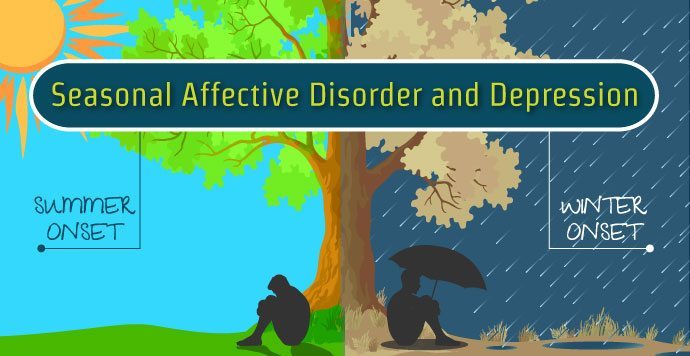
Seasonal Affective Disorder (SAD) is a peculiar disorder. In fact in is not a disorder at all. It is actually a type of depression displayed in a recurring seasonal pattern. In order to be diagnosed with Seasonal Affective Disorder, the patient must meet the full criteria for major depression coinciding with specific seasons (appearing in the winter or summer months) for at least 2 years.

Some general symptoms include feeling depressed most of the day nearly every day, feeling hopeless or worthless, losing interest in activities that were once enjoyed, having difficulty concentrating, and/or having thoughts of death or suicide. There are also specific symptoms that vary based on either the winter or summer seasons. In the winter, a person with Seasonal Affective Disorder may experience low energy, hypersomnia, overeating, weight gain, cravings for carbohydrates, and social withdrawal (feel like “hibernating”). Although, summer seasonal affective disorder is less frequent, the specific symptoms for this season include poor appetite, weight loss, insomnia, agitation, restlessness, anxiety, and episodes of violent behavior. Forms of treatment for Seasonal Affective Disorder include medication, Psychotherapy (cognitive behavioral therapy and behavioral activation), and Vitamin D supplementation.

If you or someone you know has Seasonal Affective Disorder or seems to have the symptoms of SAD, and needs help, please contact our psychotherapy offices in New York or New Jersey to talk to one of our licensed professional psychologists, psychiatrists, psychiatric nurse practitioners, or psychotherapists at Arista Counseling & Psychotherapy. Contact our Paramus, NJ or Manhattan, NY offices respectively, at (201) 368-3700 or (212) 722-1920 to set up an appointment. For more information, please visit http://www.counselingpsychotherapynjny.com/.

Source: Seasonal Affective Disorder. (2016, March). Retrieved January 09, 2018, from https://www.nimh.nih.gov/health/topics/seasonal-affective-disorder/index.shtml