Panic Attacks; Physical Symptoms & How to Manage them

Panic Attacks; Physical Symptoms & How to Manage Them
Panic Attacks: Physical Symptoms & How to Manage Them

By: Sydney White

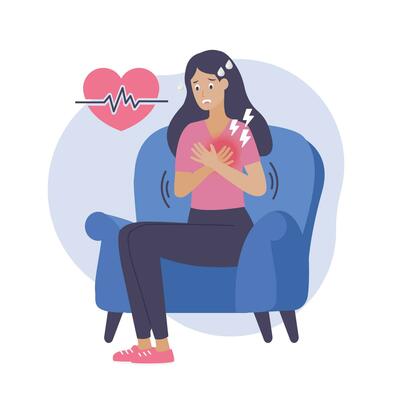
            Panic Attacks are your body’s natural response to fight or flight. They usually last only a few minutes, even though it feels much longer. This overwhelming bodily reaction can be triggered by a multitude of reasons caused by severe anxiety. Symptoms can manifest in various ways, depending on the individual. Psychological symptoms such as fear and dread persist throughout panic attacks and are usually accompanied by physical symptoms. Physical symptoms can include increased heart rate, shaking, sweating, lightheadedness, or shortness of breath. Some individuals experience multiple symptoms during panic attacks, and others will not experience them at all. During a panic attack, you will feel these intense symptoms, often enhancing the anxiety, intensifying the panic attack. This creates a constant cycle that becomes difficult to break.

            Breaking the cycle is key to taking control of your mind and body when you find yourself in one of these situations. Remember, you are in control, not the other way around. Erratic breathing is a prevalent symptom for most people who experience panic attacks. A common method is Box breathing, to regulate your breathing. There are many videos explanations online for further instructions, but in short, you begin by inhaling slowly through your nose for four seconds, hold your breath for four, exhale slowly through your mouth for four, and then hold your breath again for four. There are many different breathing techniques that are helpful in helping to calm your body down from a panic attack. Deep breathing is one of the fastest ways to come down from a state of fight-or-flight, but takes patience and practice to master. Some people struggle with breath practice and can benefit from other techniques such as muscle relaxation and methods of distraction. Muscle relaxation involves tensing and releasing specific muscle groups. It is suggested to start from your toes, working your way up to your head. Focusing your attention on tensing and releasing muscle groups converts your focus to your present and physical body. Another helpful method of distraction is the 5 senses. During this exercise, you will become conscious of what you hear, see, smell, touch, and taste. This method allows the individual to center their attention on their present self to reduce anxiety.


Self-Love: Learning to Love YourSELF

Self-Love: Learning to Love YourSELF

By: Michelle Cocone

February is known to be the month of love, spreading love to our loved ones. We spend a lot of time trying to share that love that we often forget about ourselves. It’s important to learn how to love yourself. It helps us lead a healthier life and have better mental health. When we don’t love ourselves, it takes a toll on us, possibly leading to depression, anxiety, or an eating disorder. There are many ways to show love to ourselves, here are a couple ways.

Shift Your Perspective

  • Focusing on the bad aspects of ourselves won’t lead to anywhere good
  • Shift your perspective towards a more positive outlook
  • Don’t always see the cons, recognize the pros as well, they need love too

Affirmations

  • Write out a list of what you like + love about yourself
  • Tell yourself that you appreciate all parts of  your body/personality
  • Embrace the beauty of it all
  • Remember your body does plenty of work to keep you going every day
  • Keep telling yourself all these affirmations throughout the low points you may have

Practice Self-Love

  • Focus on the hobbies that you enjoy
  • Pour yourself  into becoming better at your hobbies
  • Be kind to yourself, you only have one body, so take care of it
  • Learn to forgive yourself when you haven’t accomplished everything you hoped for
  • Learn to forgive yourself when you aren’t kind to yourself
  • It’s okay to say “No.” You don’t have to please others all the time.

The most important relationship you can have is with yourself.  You may have heard this saying once or twice but it’s true, “Learn to love yourself first so you can spread love to others.”  Make time to focus and nourish your own self. It doesn’t all get done in one day. As long as you work on yourself a little bit every day that’s all that matters.

If you or someone you know is struggling with self-love, please contact our psychotherapy offices in New York or New Jersey to talk to one of our licensed professional psychologists, psychiatrists, psychiatric nurse practitioners, or psychotherapists at Arista Counseling and Psychotherapy. Contact our Paramus, NJ or Manhattan, NY offices respectively, at (201) – 368-3700 or (212)-722-1920 to set up an appointment. For more information, please visit https://www.counselingpsychotherapynjny.com/

References

Improving every area of your life starts with self-love. Improving Every Area of Your Life Starts with Self-Love | Tony Robbins. (n.d.). https://www.tonyrobbins.com/ultimate-relationship-guide/how-to-fall-in-love-with-yourself?srsltid=AfmBOoq4CvACby5hWenBdEGAH5zBgxAPOtKzEvtobHDRZ6cGfT9MaFtn


Pomlett, M. (2020, December 21). Learn how to self-love. Psychological Health Care. https://www.psychologicalhealthcare.com.au/blog/learn-how-to-self-love/

Stigma Surrounding Therapy

Stigma Surrounding Therapy

By: Maria Koutsothanasis

Therapy is a tool that supports individuals struggling with mental health and different aspects of their lives. Despite the growing conversations about mental health, there continues to be stigma surrounding it. Due to the stigma, individuals find it difficult to seek support through therapy due to fear of judgment, shame, or cultural expectations.

Common Misconceptions about Therapy

  1. Therapy is only for “crazy” people.
    Many people still associate therapy with severe mental illness and believe it’s only for those experiencing extreme mental health conditions. Therapy can benefit any individual, regardless of the severity of their situation. Therapy is about growth, coping with life’s challenges, and improving overall mental well-being.
  2. Therapy takes too long or is not effective.
    Some fear that therapy is a lengthy process that will not have results. While the length of therapy depends on the individual’s needs, many individuals find that even a few sessions can lead to meaningful improvements. Therapy is not a quick fix, but it is an investment in long-term mental health.
  3. Only “weak” people need therapy.
    A common misconception is that seeking therapy is a sign of personal weakness. On the contrary, therapy is a sign of strength and courage. Therapy helps individuals confront their emotions and commit to bettering themselves. Many individuals believe therapy to be an invaluable tool for growth; instead, it promotes emotional resilience.

Breaking the Stigma

Breaking the stigma surrounding therapy is essential for creating a more supportive and open environment for society. The idea of seeking therapy can still feel uncomfortable for many individuals due to the misconceptions that treatment is only for those facing serious mental health issues, with therapy often viewed as something reserved for those with severe problems. These misconceptions prevent many from seeking the help they need. By normalizing therapy and highlighting its benefits, an environment can be created where mental health care is as accessible and accepted as physical health care.

If you or someone you know is seeking support, please contact our psychotherapy offices in New York or New Jersey to talk to one of our licensed professional psychologists, psychiatrists, psychiatric nurse practitioners, or psychotherapists at Arista Counseling & Psychiatric Services. Contact our Paramus, NJ or Manhattan, NY offices respectively, at (201) 368-3700 or (212) 722-1920 to set up an appointment. For more information, please visit http://www.counselingpsychotherapynjny.com/

Mayo Foundation for Medical Education and Research. (2017, May 24). Mental health: Overcoming the stigma of mental illness. Mayo Clinic. https://www.mayoclinic.org/diseases-conditions/mental-illness/in-depth/mental-health/art-20046477

Saporito, J. M., Ryan, C., & Teachman, B. A. (2011). Reducing stigma toward seeking mental health treatment among adolescents. Stigma research and action. https://pmc.ncbi.nlm.nih.gov/articles/PMC3839682/

Stigma, prejudice and discrimination against people with mental illness. Psychiatry.org – Stigma, Prejudice and Discrimination Against People with Mental Illness. (n.d.). https://www.psychiatry.org/patients-families/stigma-and-discrimination

Throwing Up: The Fear of Throw Up

By Caroline Buchanan

The fear of throw up, also referred to as emetophobia, is a specific phobia that revolves around the fear of vomiting, seeing vomit, watching other people vomit, or feeling sick. Emetophobia tends to leave people in a state of anxiety, overtaking their thoughts and engaging in behaviors that impact their everyday life. For example, you may avoid crowded places, traveling, eating out, or closely monitor your own health in an attempt to reduce the distress you may feel. While this anxiety can feel overwhelming and unbearable at times, this condition can be managed by a therapist.

What causes emetophobia?

Specific phobias tend to develop after a specific incident. As a result of this incident, an association is created between a thing – an object, situation, or an event – and a fear (Psych Central). Specifically in the context of emetophobia, this could involve getting sick in public, someone vomiting on you, having a bad case of food poisoning, or seeing someone else throw up. Emetophobia can also develop without a clear cause, causing experts to believe that genetics and the environment play a role. Regardless of whether you can pinpoint an incident or not, this anxiety can still be managed.

How can emetophobia be managed?

Exposure therapy is considered to be one of the most effective treatments. In this type of therapy, your therapist will expose you to your fear at a slow rate. This could involve trying a new food at a restaurant or spinning around until you feel nauseous. With these actions, you will be provided with techniques to help you cope with these feelings of anxiety. The goal is that the more you are exposed to your fear, the more you feel comfortable with it. Talk therapy and cognitive behavioral therapy (CBT)can also be used to help learn how to identify and challenge negative thought patterns in your anxiety. While it may take some time to find the right therapist and techniques for you, it is worth it to alleviate the distress in your life.

If you or someone you know is suffering from emetophobia, please contact our psychotherapy offices in New York or New Jersey to talk to one of our licensed professional psychologists, psychiatrists, psychiatric nurse practitioners, or psychotherapists at Arista Counseling & Psychotherapy. Contact our Paramus, NJ or Manhattan, NY offices respectively, at (201) 368-3700 or (212) 722-1920 to set up an appointment. For more information, please visit http://www.counselingpsychotherapynjny.com/

https://www.healthline.com/health/emetophobia#outlook

Hypnosis for Smoking Cessation

Hypnosis for Smoking Cessation

Amelia Amen

               Efforts to quit smoking can be a challenging process for individuals who have developed a dependency on nicotine. When an individual tries to remove smoking from their daily routine, they may be prone to experiencing withdrawals. Such withdrawals include irritability, headaches, difficulty concentrating, and a strong craving for nicotine. According to the Centers for Disease Control and Prevention, smoking is one of the leading preventable causes of death in the U.S and often causes diseases such as lung cancer, heart disease, diabetes, and more.

               Hypnosis has been found to be a successful technique which aids in smoking cessation and other harmful behaviors. Hypnosis focuses on reducing and changing negative habits and developing self-control over certain emotions and behavior. It can be a source of treatment for helping the smoker remove many unwanted behaviors and habits. In the case of nicotine addiction, hypnosis is used to diminish the craving within the mind. Hypnosis targets the parts of our minds that can be the root cause of the motivation to smoke. The desire to smoke is often triggered by stress and anxiety, finishing a meal, going to a social event, driving, boredom, and more. Hypnosis is a collaborative process between the therapist and patient. Hypnosis only works when the patient wants to learn it. Eventually, the therapist teaches the patient how to achieve a state of hypnosis so they will be able to substitute positive messages for the prior negative ones which will help achieve their goal to stop smoking.

               When a therapist performs hypnosis, he or she will guide the individual into a meditative state. Within this state of mind, the therapist may compare the odor of cigarette smoke to an unpleasant one such as truck exhaust. Another suggestion a therapist may make is that smoking will do nothing but poison your body, and how you should protect your body from such poisons. Our methods were taught to us by Dr. Herbert Spiegel of Columbia University, he is well known for his smoking cessation hypnosis technique. One of the goals of hypnosis is to help the patient become receptive of new ideas and thoughts about smoking. Although hypnosis is an effective way to aid smoking cessation, it is important to keep in mind that it will be most effective with continuous sessions along with the commitment of quitting.

If you or someone you know is seeking hypnosis to stop smoking or other negative behaviors that are troubling you, please contact our psychotherapy offices in New York or New Jersey to talk to one of our licensed professional psychologists, psychiatrists, psychiatric nurse practitioners, or psychotherapists at Arista Psychotherapy & Psychiatric Services. Contact our Manhattan, NY or Paramus, NJ offices respectively at (201) 368-3700 or (212) 722-1920 to set up an appointment. For more information, please visit https://www.counselingpsychotherapynjny.com

Source:

https://www.cdc.gov/tobacco/data_statistics/fact_sheets/fast_facts/index.htm#:~:text=Cigarette%20smoking%20remains%20the%20leading,death%20in%20the%20United%20States.

Insomnia & The Digital Age  

Insomnia & The Digital Age  By: Nicole Sanchez

Insomnia is a sleep disorder in which one may find it difficult to fall asleep, stay asleep, or both, even if one has ample time for restful sleep. With insomnia one may experience disruptions that impair the quality of one’s sleep which in turn may cause sleepiness during the day. Short term insomnia, may occur as a result of stress or may be due to certain changes in one’s schedule or environment. Short term insomnia can last for a few days or weeks. Chronic or long-term insomnia occurs at least 3 nights a week, persists longer than 3 months, and does not have another health issue that could be a root cause. Furthermore, due to technological advancements and the rise in media, there has been a particular increase in insomnia among individuals. Digital activity, especially increased screen time, disturbs a person’s sleep quality because screens emit blue light which suppress the production of melatonin, a hormone that induces sleepiness. Viewing overstimulating content before bedtime also makes it more difficult to fall asleep, thus, reducing the time that’s usually reserved for sleep.   

Chronic insomnia affects around 15 to 35 percent of adults, so it’s critical to focus on reducing the symptoms and allowing individuals to improve their sleep quality. Researchers believe cognitive behavioral therapy for insomnia (CBT-I) to be the most successful initial treatment for chronic insomnia. Through CBT-I individuals learn to reconstruct the feelings, thoughts and behaviors that are causing insomnia. Hypnotherapy is a method that can be used to help those suffering with insomnia as it helps to induce sleep and places individuals into a relaxed, trance-like state so they can let go of any anxiety.

If you or someone you know is having mental health difficulties and/ or insomnia, please contact our psychotherapy offices in New Jersey to talk to one of our licensed professional psychologists, psychiatrists, psychiatric nurse practitioners, or psychotherapists at Arista Counseling & Psychotherapy. Contact our offices at (201) 368-3700 or (212) 722-1920 to set up an appointment. For more information, please visit http://www.counselingpsychotherapynjny.com/

https://www.mayoclinic.org/diseases-conditions/insomnia/symptoms-causes/syc-20355167

https://www.webmd.com/sleep-disorders/insomnia-symptoms-and-causes

https://my.clevelandclinic.org/health/diseases/12119-insomnia

Hypnotherapy : What is Hypnotherapy ?

By : Kamila Diaz

    In order to create a more elevated state of consciousness or mindfulness, hypnotherapy, also known as guided hypnosis, employs relaxation, and concentrated attention. It induces a “trance” or altered state of consciousness in the subject.

With the aim of using one’s mind to help lessen of alleviate a number of problems, such as mental stress, phobias, and harmful, destructive, or risky habits (such as smoking, binge eating and/or drinking), this type of therapy is classified as alternative medicine. The goal of hypnotherapy is to influence a person’s behavior in a favorable way while they are asleep or unconscious.

Hypnosis can be used as a form of suggestion therapy or for patient analysis.

Suggestion Therapy: In a hypnotic condition, a person is more receptive to suggestions during a suggestion therapy session. Hypnotherapy can therefore aid certain people in altering particular behaviors, such as quitting smoking or c hewing their nails. Additionally, it can aid in altering one’s perceptions and feelings; also it is very effective in the management of pain.

Analysis: This method makes use of the relaxed state to investigate a potential psychological cause of a disorder or symptom, such as an unconscious recall of a painful previous experience. Once the trauma is acknowledged, psychotherapy can treat it.

If you or someone you know is struggling with your mental health please contact our psychotherapy offices in New Jersey to talk to one of our licensed professional psychologists, psychiatrists, psychiatric nurse practitioners, or psychotherapists at Arista Psychotherapy & Psychiatric Services. Contact our NJ offices respectively at (201)368-3700 to set up an appointment. For more information, please visit https://counselingpsychotherapynjny.com

Grief: Grieving Around the Holidays

Grief: Grieving Around the Holidays

By Emily Ferrer

As the weather gets colder, the colorful leaves fall off the trees, and the holiday decorations start to light up the night, the feeling of the best time of the year starts to kick in. As merry and cozy as these holidays seem to be, they do not always have the same effect on everyone. Grieving around the holidays can feel extremely lonely, sad, and overwhelming. The first holiday season is always the hardest for individuals and families who have just lost someone close to them, such as a grandparent, parent, sibling, child, or other close relative that they would usually see during the holidays. The empty chair at the dining table during Thanksgiving, or the wonder of who is going to make the Christmas cookies this year can be extremely heartbreaking. Even after you feel as if you have started to feel better through your grieving process, the holidays can dig up more emotion than you have felt since losing your loved one. You may start to feel more down, tired, unmotivated, sluggish, and lonely. You may also start to get flashbacks of your loved one when they passed that may also make you feel as if you are grieving from the beginning all over again. As hard as the holiday season may be for grieving individuals and families, here are some tips to help make your holiday season a bit brighter this year[1]:

  • Surround yourself with people you love and care about. Being with a big group of people during the holidays after losing a loved one can help you feel less lonely and can also be a great opportunity to share stories about your loved one with your family.
  • Do not “cancel” the holiday. As tempting as it may be to forget about the holidays after losing your loved one it is important to keep it going and grieve along the way. Experiencing the holiday season after the death of a loved one is part of the grieving process from which you should not run away.
  • Create new traditions. Finding new traditions can also be a create way to cope during the holiday season. This can include changing the location of where holiday dinner is hosted, picking new family members to carve the turkey or make the Christmas cookies, or even coming up with a new holiday game to play to fill the emptiness that everyone may feel.
  • Practice self-care. Try not to indulge in alcohol or drugs during the holiday season to cope with your grief; instead, try journaling, spending time with friends, or physical activity to boost your mood. It is also important to let yourself feel any emotions that arise and to not fight the conflicting feelings of anger, sadness, joy, and happiness.
  • Seek professional help. It is important to be aware of your feelings during such a difficult time and recognize that if the holiday season is too much for you to handle to seek professional help to assist you during this challenging period.

If you or someone you know is struggling with grief this holiday season and wants help, please contact our psychotherapy offices in New York or New Jersey to talk to one of our licensed professional psychologists, psychiatrists, psychiatric nurse practitioners, or psychotherapists at Arista Counseling & Psychotherapy. Contact our Paramus, NJ or Manhattan, NY offices respectively at (201) 368-3700 or (212) 722-1920 to set up an appointment. For more information, please visit https://www.counselingpsychotherapynjny.com


Sources:

[1] https://www.vitas.com/family-and-caregiver-support/grief-and-bereavement/holidays-and-grief/coping-with-grief-during-the-holidays

Mental Health: What can Family Members do to Promote Positive Mental Health?

Mental Health: What can Family Members do to Promote Positive Mental Health?

By: Julissa Acebo

People often look to their family to find comfort and security. Family members affect the habits we develop, who we are, and who we become. Often families do not realize how they significantly contribute to the mental wellness of a person struggling from a mental disorder.


Below are some tips family members can do which promote mental well-being:

  1. Extend a Listening Ear
    • Provide an environment where every member is free to share their worries, problems, and even good things that life offers.
    • This alone can dramatically improve a person’s well-being
  2. Celebrate Small Wins
    • Motivates and boosts a person’s confidence
    • Shows that family members are proud and makes the person feel good about their achievements
  3. Attend Psychotherapy Sessions (family and/or individual sessions)
    • Enables all members to learn effective communication
  4. Make Everyone Feel Valued
    • Avoid behaviors that will make members feel sidelined (i.e. being overly harsh with one person. Be fair in the distribution of roles within the household, etc.)
  5. Eat Dinner Together
    • Eating dinner together at least once a week is a prime opportunity to talk, listen, and enjoy time together.

If you or someone you know is struggling with Mental Health please contact our psychotherapy offices in New York or New Jersey to talk to one of our licensed professional psychologists, psychiatrists, psychiatric nurse practitioners, or psychotherapists at Arista Counseling & Psychotherapy. Contact our Paramus, NJ or Manhattan, NY offices respectively at (201) 368-3700 or (212) 722-1920 to set up an appointment. For more information, please visit https://www.counselingpsychotherapynjny.com

Sources:
https://www.mikeveny.com/blog/six-things-family-members-can-do-to-promote-mental-well-be.ing
https://www.mha-em.org/im-looking-for/mental-health-knowledge-base/wellness/86-improve-family-mental-health

Hypnotherapy: What is it?

Hypnotherapy: What is it?

By Emily Ferrer

Hypnotherapy helps clients gain control over unfavorable behaviors, cope with anxiety or pain, or alter their ideas about a certain idea or image. Hypnosis involves a trained psychologist and entails placing the patient into a trance-like state that can make you feel extremely calm, focused, and open to suggestions[1]. Over many years, hypnosis has been found to help many people with issues such as pain control, chemotherapy, hot flashes, behavioral changes, anxiety, depression, sleep disturbances, Irritable Bowel Syndrome (IBS), addiction, weight loss, and more[2]! In fact, a study done in 1970 found that hypnotherapy has a 93% success rate in less sessions compared to other forms of therapy[3]. The average amount of hypnotherapy sessions needed to see results can be as little as 4 and as much as 15[4]. This is much less than the average number of sessions needed for other forms of therapy, which are usually around 20 or more until you start to see results[5].

You are probably curious what exactly to expect in a hypnotherapy session and how to prepare. There is no preparation needed on your end before your first hypnotherapy session other than an open mind and a willingness to change your behaviors or ideas. The first session will usually not involve any hypnotism, however, the therapist may use this session as an opportunity to get to know you, the problems you are facing, and what you want to change. The second session is usually when your hypnotherapy begins. Your therapist will always explain the process to you and begin by talking in a soothing and gentle voice. The therapist may also start to describe very vivid images to you to create a sense of relaxation and security. Once you are in a relaxed state, your therapist may begin suggesting ways to work towards your goal that you wanted to work on, such as fear, pain, addiction, anxiety, sleep disturbances, etc. This will help you visualize your path to success and believe in your ability to accomplish your goals[6]. Eventually, your therapist will guide you out of your state of relaxation and the hypnosis session will end. Hypnosis can be extremely helpful to those it does work for but suicide/suicidal thoughts is not guaranteed.

If you or someone you know is interested in trying hypnotherapy, please contact our psychotherapy offices in New York or New Jersey to talk to one of our licensed professional psychologists, psychiatrists, psychiatric nurse practitioners, or psychotherapists certified in hypnotherapy at Arista Counseling & Psychotherapy. Contact our Paramus, NJ or Manhattan, NY offices respectively, at (201) 368-3700 or (212) 722-1920 to set up an appointment. For more information, please visit http://www.counselingpsychotherapynjny.com/ .


Sources:

[1] https://www.mayoclinic.org/tests-procedures/hypnosis/about/pac-20394405#:~:text=Hypnosis%2C%20also%20referred%20to%20as,verbal%20repetition%20and%20mental%20images.

[2] https://www.pennmedicine.org/updates/blogs/health-and-wellness/2019/january/hypnosis

[3] Barrios, A. A. (1970). Hypnotherapy: A reappraisal. Psychotherapy: Theory, Research & Practice, 7(1), 2–7. https://doi.org/10.1037/h0086544

[4] https://thehypnosisclinic.com/blog/how-many-sessions-do-i-need/

https://www.mayoclinic.org/tests-procedures/cognitive-behavioral-therapy/about/pac-20384610#:~:text=Length%20of%20therapy,Type%20of%20disorder%20or%20situation

[6] https://www.mayoclinic.org/tests-procedures/hypnosis/about/pac-20394405#:~:text=Hypnosis%2C%20also%20referred%20to%20as,verbal%20repetition%20and%20mental%20images.