Changes to the Brain

 By: Katie Connell

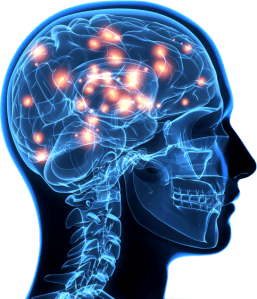
                For a long time, scientists believed that changes to brain structure only occurred during infancy and childhood. By the time one became an adult, it was thought that brain structure would remain largely permanent and that no more changes could occur. However, in the 1960’s, scientists discovered that changes to the adult brain were indeed possible. One thing that verified this were brain changes that occurred to patient’s brains that were damaged in injuries and accidents. Damage that occurred in certain parts of one’s brain resulted in healthier parts taking over. With this discovery came insight into other ways that the brain could be changed, specifically in the realm of psychotherapy. Cognitive Behavioral Therapy (CBT) is a great example of a type of psychotherapy that can lead to long lasting changes to the brain. During a process called synaptic pruning, extra neurons (which transmit information) and synaptic connections (which permit neurons to transmit info) are eliminated to increase the efficiency of neural transmissions. One way this happens is by neurons being used more frequently. Those that aren’t used as much get eliminated, which improves the transmission of information. By repeated exposure and engagement in CBT (including thought shifting techniques and cognitive restructuring), neurons become strengthened, meaning less synapses and better transmission of neurons. Through the use of routine CBT, critical neural networks are able to change how we think and feel.

If you or a person you know is seeking CBT or other forms of therapy, the psychologists, psychiatrists, and therapists at Arista Counseling and Psychiatric Services can help. Please contact the Bergen County, NJ or Manhattan offices at (201) 368-3700 or (212) 722-1920. 

Source:

https://www.verywellmind.com/what-is-brain-plasticity-2794886


When Fears Become Extreme

By Diana Bae

With Halloween coming next month, spooky decorations and fake spider webs begin to appear and spark a little bit of fear in all of us, as we prepare for the scares to come. Feeling afraid or scared is normal because fear allows us to be alert and safe in case of possible danger. However, when the fear persists and starts intruding our lives, it may be a phobia.

Phobias are severe fears that cause persistent anxiety over certain circumstances or objects. They can come at small to large intensities and cause distress. Some common phobias include animals (spiders), social situations (public speaking), and even the natural environment (heights).

However, there is a chance that these phobias will develop into a harsher anxiety disorder and cause distressing panic attacks. Trying to handle phobias without assistance can backfire and produce stress and anxiety due to avoidance. Thus, with the proper treatment, a person can learn how to face the phobias and reduce their feelings of panic and fear.

Arista Psychological and Psychiatric Services understands the difficulty of overcoming phobias alone and, thus, are dedicated to help those seeking for treatment. If you or someone you know would like to set up an appointment for our counseling services, contact us at our offices in Paramus, NJ (201) 368-3700 or in Manhattan, NY (212) 996-3939. Also, please visit our website https://www.counselingpsychotherapynjny.com/


Sources

https://www.apa.org/helpcenter/anxiety

https://www.psychologytoday.com/us/basics/fear

https://www.psychologytoday.com/us/blog/think-act-be/201603/where-do-fears-and-phobias-come

Image Source: https://www.nytimes.com/2017/10/26/well/live/fear-anxiety-therapy.html

Social Anxiety Disorder

Social Anxiety Disorder

Social Anxiety Disorder

By: Julia Keys

It is typical to feel a bit nervous before public speaking or maybe a little anxious before a performance, however, for those with Social Anxiety Disorder, or SAD, even the smallest interactions with others can provoke feelings of extreme anxiety. Social Anxiety Disorder is characterized by a strong and persistent fear of humiliation and embarrassment that could be caused by social situations. People with Social Anxiety Disorder struggle with feelings of self-consciousness that are produced by the possibility of judgement in social interactions. Oftentimes the distress caused by social situations can become so overwhelming for those with SAD that they begin to avoid everyday activities and responsibilities such as going to work, going to school, or picking up the phone.

Signs of Social Anxiety Disorder:

  • Anxiety about being with other people
  • Difficult time interacting with others, stuttering, trailing off, and reserved behavior are common
  • Self-consciousness in front of other people and feelings of embarrassment
  • Fear of being judged
  • Difficulty making and keeping friends
  • Blushing, sweating or trembling around other people
  • Other physical symptoms such as disorientation, shallow breath, diarrhea, muscle tension and upset stomach

Social Anxiety Disorder can be treated with psychotherapy, medication, or both. A common affliction for those with SAD is the rumination that follows social interactions. New types of therapy are being developed to help those with SAD deal with this common symptom: post-event processing or PEP Mindfulness based therapies are aiming to target the feelings of shame, worry, and embarrassment that are caused by overanalyzing personal performance in social situations. Cognitive-Behavioral therapy helps people with SAD change unhealthy thought patterns that may be contributing to their anxiety. Medications such as antidepressants and anti-anxiety meds are often used in conjunction with psychotherapy. Social Anxiety Disorder affects over 19 million people across the US; however 35% of those suffering with social anxiety waited over ten years to seek treatment. Don’t hesitate to reach out and get the help you need.

If you or a loved one is struggling with social anxiety, do not hesitate to seek help by contacting Arista Counseling & Psychotherapy, located in New York and New Jersey to speak to licensed professional psychologists, psychiatrists, psychiatric nurse practitioners or psychotherapists. To contact the office in Paramus NJ, call (201) 368-3700. To contact the office in Manhattan, call (212) 722-1920. For more information, please visit http://www.counselingpsychotherapynjny.com/ .

Sources:

https://www.anxiety.org/social-anxiety-disorder-sad

https://www.psychologytoday.com/us/blog/fulfillment-any-age/201904/the-one-dose-approach-help-social-anxiety-disorder

Source for Picture:

https://www.bing.com/images/search?view=detailV2&id=1DCB8A68F1C1E13F5FC8DB9E2A8A155D5018D398&thid=OIP.S96UZQjJADokE5fdhVCocAHaHa&mediaurl=https%3A%2F%2Fsocialanxietyinstitute.org%2Fsites%2Fdefault%2Ffiles%2FFemale3_0.jpg&exph=360&expw=360&q=social+anxiety&selectedindex=414&ajaxhist=0&vt=0&eim=1,2,6

Obsessive Compulsive Disorder

Obsessive Compulsive Disorder

Obsessive Compulsive Disorder

By: Julia Keys

Obsessive Compulsive Disorder (OCD) has been normalized and trivialized in society as a need for everything to be meticulously clean and organized when in reality it is a serious psychological disorder that can cause significant distress for those who have it. Obsessive Compulsive Disorder is characterized by a pattern of uncontrollable reoccurring thoughts, known as obsessions, which can only be remedied by certain behaviors, known as compulsions. People with OCD are commonly depicted as being ultra-neat or afraid of germs, which is true for some people, but the way OCD expresses itself is unique to the individual.

There are several common themes that psychologists have determined when treating patients with Obsessive Compulsive Disorder. One common theme is contamination. This may take on the literal meaning in which an object or place can be perceived as dirty, but it can also mean that contact with a person, place, or object will cause great harm. Checking is another typical behavior. One may check if something is safe or turned off over and over again. Checking can also express itself in the need for constant verbal reassurance, so a person with OCD may ask the same question over and over. People with OCD may be worried that they will suddenly lose control and hurt themselves or someone else. In efforts to qualm these obsessions, one may avoid certain places or people or have plans set in place that could prevent them from acting out these thoughts.

Common obsessions may include, but are not limited to:

  • Fear of germs or contamination
  • Unwanted forbidden or taboo thoughts involving sex, religion, and harm
  • Aggressive thoughts towards others or self
  • Having things symmetrical or in a perfect order

Common compulsions may include, but are not limited to:

  • Excessive cleaning and/or handwashing
  • Ordering and arranging things in a particular, precise way
  • Repeatedly checking on things, such as repeatedly checking to see if the door is locked or that the oven is off
  • Compulsive counting

When reading these lists one might think that these behaviors are relatively typical, however people with OCD spend an excessive amount of time and effort thinking about obsessive thoughts and preforming rituals to control them. A person with OCD may feel brief relief after preforming a compulsion, but they do not feel pleasure from such acts. Obsessions and compulsions are very difficult to control and may result in significant problems in one’s daily life or relationships.

If you or someone you know is struggling OCD, please contact our psychotherapy offices in New York or New Jersey to talk to one of our licensed professional psychologists, psychiatrists, psychiatric nurse practitioners, or psychotherapists at Arista Counseling & Psychotherapy. Contact our Paramus, NJ or Manhattan, NY offices respectively, at (201) 368-3700 or (212) 722-1920 to set up an appointment. For more information, please visit http://www.counselingpsychotherapynjny.com/ .

Sources:

https://www.nimh.nih.gov/health/topics/obsessive-compulsive-disorder-ocd/index.shtml

https://www.psychologytoday.com/us/blog/living-ocd/201107/the-many-flavors-ocd

Source for Picture:

https://www.bing.com/images/search?view=detailV2&id=47C5DD3F1D65AD247FE6091E7A61190FA00E0683&thid=OIP.X50wPNnUfEvJHrY8IH6VyQHaFj&mediaurl=http%3A%2F%2Fwww.belmarrahealth.com%2Fwp-content%2Fuploads%2F2016%2F01%2FObsessive-compulsive-disorder-OCD-questionnaire-can-also-help-determine-the-risk-of-depression-and-anxiety.jpg&exph=2475&expw=3300&q=ocd&selectedindex=57&ajaxhist=0&vt=0&eim=1,2,6


Loneliness

Loneliness

By Lauren Hernandez

            Have you been feeling lonely? Feeling alone, like you have nobody to turn to, depend on or trust, is a very common experience, even if you do have a social support group. Social isolation and loneliness can affect people of all ages, races, and socioeconomic backgrounds. One of the most common groups to face loneliness include teenagers and adolescents due to social media and because they are figuring themselves out and are trying to fit in. The elderly are another at risk group due to increased rates of isolation and death of close family and friends caused by aging. Physical limitations, social anxiety, or other emotional or social barriers may also prevent an individual from seeking relationships with others. Loneliness is considered to be a risk factor for an increase in stress, chronic inflammation, Type 2 diabetes, arthritis, Alzheimer’s disease, as well as anxiety and depression. It has also been found that loneliness may increase drug use.

It is important to note that social media has been linked to the rise in feelings of loneliness especially among teens because these platforms create a false sense of connection. Rather than visiting a friend or speaking with someone in person, this communication has been digitized and allows for there to be limited physical interaction.

Loneliness creates feelings of anxiety, depression, and other mental health disorders and it is important to seek help. If loneliness has been overwhelming for you, it may be time to seek professional help.

If you or someone you know is feeling lonely, please contact our psychotherapy offices in New York or New Jersey to talk to one of our licensed professional psychologists, psychiatrists, psychiatric nurse practitioners, or psychotherapists at Arista Counseling & Psychotherapy. Contact our Paramus, NJ or Manhattan, NY offices respectively, at (201) 368-3700 or (212) 722-1920 to set up an appointment. For more information, please visit http://www.counselingpsychotherapynjny.com/ .


Bullying: Impact of Bullying on Children’s Mental Health

Bullying: Impact of Bullying on Children’s Mental Health

By Lauren Hernandez

            National media has created a frenzy of coverage surrounding Wisconsin’s controversial ordinances which fine parents if their children are bullies in school. Some may disagree with this new policy; however, others believe this harsh measure will help to eliminate bullying among school children.

Bullying can be physical, emotional, or verbal, and is a pattern of harmful, humiliating behaviors directed towards people who seem vulnerable to the bully. Oftentimes bullying happens in school, but with the rise of technology, cyberbullying is also becoming a problem. Children who are victims of bullying are typically vulnerable to mistreatment because they may be smaller, weaker, younger, and fearful of the bully; however, this description is general and does not apply to everyone. Bullies use their power, whether that is physical strength, popularity, or intimidation to harm others. Bullies tend to demonstrate signs of aggression or hostility beginning around 2 years old. It has been found that bullies have mental health issues such as lack of emotional understanding, lack of prosocial behavior, and increased rates of hostility as well as insecurity. Additionally, bullies typically have difficult relationships with their parents, teachers, and peers.

Victims of bullying not only suffer from physical consequences, but being bullied negatively impacts their mental health and overall well-being.  These detrimental social and emotional abuses can foster the development of mental health disorders such as anxiety or depression.  Victims of bullying often experience feelings of low self-esteem, isolation and loneliness. Some children create somatic symptoms such as headaches, stomachaches and other complaints which might not be valid, in order to prevent attending school. Victims of bullying generally stop liking school because they associate it with the threat of a bully. Incidents of bullying should immediately be reported to a school official, parent, or other adult that can help the victim and resolve the situation.

It is important to recognize that in most cases both the bully and the victim are suffering from mental health issues and they would benefit from treatment by a school counselor, psychologist or psychiatric nurse practitioner.

If you or someone you know who may be suffering from bullying, depression, or anxiety, please contact our psychotherapy offices in New York or New Jersey to talk to one of our licensed professional psychologists, psychiatrists, psychiatric nurse practitioners, or psychotherapists at Arista Counseling & Psychotherapy. Contact our Paramus, NJ or Manhattan, NY offices respectively, at (201) 368-3700 or (212) 722-1920 to set up an appointment. For more information, please visit http://www.counselingpsychotherapynjny.com/ .


Sources:

https://www.psychologytoday.com/us/basics/bullying

https://www.psychologytoday.com/us/blog/resilience-bullying/201906/can-wisconsin-get-rid-bullies-fining-their-parents

https://www.psychologytoday.com/us/articles/199509/big-bad-bully

Image Source:

https://www.bing.com/images/search?view=detailV2&id=E96397A385D68EA2836ABF172145323D4ACC382E&thid=OIP.yGetJrSKLf9RfOX94w0QPwHaFj&mediaurl=http%3A%2F%2Fwww.scholastic.com%2Fcontent%2Fdam%2Fteachers%2Fcollections%2F17-18%2Fbullying-prevention-collections-4-3.jpg&exph=1125&expw=1500&q=bullying&selectedindex=10&ajaxhist=0&vt=0&eim=1,2,6


Anxiety: Why Do Negative Things Happen To Me?

Anxiety: The Locus of Control

By Lauren Hernandez

            It is easy to assign blame when something unfortunate happens in life. The locus of control is the perception an individual has regarding their sense of control in life. The way in which an individual perceives a negative event to happen is dependent upon their internal or external locus of control.

An internal locus of control is when an individual believes that the things that happen to them are a product of their own actions or mistakes. An individual with an external locus of control believes random occurrences, environmental factors, or other people are more responsible for events that occur in their life.

Studies have shown that people of high socioeconomic status typically demonstrate an internal locus of control due to their financial stability. Those of low socioeconomic background blame their environment and have an external locus of control. Children typically have an external locus of control because they lack maturity and control of their emotions. As we age, our locus of control develops internally because we are aware of the consequences of our actions. However, some adults continue to demonstrate the external locus of control and blame outside factors. This continuation of external locus of control into adulthood is thought to be caused by lack of maturity, and lack of guidance throughout childhood. It is possible that genetic factors may play a role in an individual’s locus of control in addition to their childhood experiences and their caregivers.

Studies have shown that individuals who have an internal locus of control are more successful in their personal, financial, and social lives compared to people with an external locus of control. An internal locus of control is typically associated with higher rates of health and happiness. An external locus of control may lead to anxiety, depression, and learned helplessness, causing a person distress or other mental health issues.

If you think you might have an external locus of control and believe that this perception is causing you distress or symptoms of depression and anxiety, it is important to reach out to a professional such as a psychologist or psychiatric nurse practitioner. A provider will help you to learn coping skills and how to handle difficult obstacles in life, as well as they will be able to treat your depression or anxiety in the process.

If you or someone you know who may be suffering from depression or anxiety, please contact our psychotherapy offices in New York or New Jersey to talk to one of our licensed professional psychologists, psychiatrists, psychiatric nurse practitioners, or psychotherapists at Arista Counseling & Psychotherapy. Contact our Paramus, NJ or Manhattan, NY offices respectively, at (201) 368-3700 or (212) 722-1920 to set up an appointment. For more information, please visit http://www.counselingpsychotherapynjny.com/ .


Sources:

https://www.psychologytoday.com/us/blog/darwins-subterranean-world/201803/florida-teens-and-the-let-me-talk-the-manager-effect

https://www.psychologytoday.com/us/basics/locus-control

https://www.psychologytoday.com/us/blog/handy-hints-humans/201608/take-back-control-and-reach-the-stars

https://www.psychologytoday.com/us/blog/your-personal-renaissance/201404/how-much-control-do-you-have-in-your-life

Image Source:

https://www.bing.com/images/search?view=detailV2&id=008E323C4EFEF360AB625614E1241444185F12AF&thid=OIP.2bm4WsM3cgl3QRoZzPJanQHaFj&mediaurl=https%3A%2F%2Fwww.cedarcolorado.org%2Fwp-content%2Fuploads%2F2018%2F03%2FCeDAR-Psychotherapy-Locus-of-Control-image-01.jpg&exph=450&expw=600&q=locus+of+control&selectedindex=33&ajaxhist=0&vt=0


Antidepressants: What Happens When You Stop Taking Your Medication

Antidepressants: What Happens When You Stop Taking Your Medication

Antidepressants: What Happens When You Stop Taking Your Medication

By: Julia Keys

Anti-depressant discontinuation syndrome occurs when a person suddenly stops taking their anti-depressants. Sometimes individuals decide to go off of their medication because of side effects such as weight gain, nausea, or sexual dysfunction. Another common reason why individuals stop their medication “cold turkey” is because they may feel as if the medication has changed their personality. Anti-depressants are not meant to change one’s personality, but sometimes they can cause fogginess or fatigue which can make the patient feel “not like themselves” or “out of it”. However, abruptly going off medication can cause symptoms that are more painful and severe than the side effects one might feel on an anti-depressant that is not right for them.

The effects of anti-depressant discontinuation can be felt as early as a couple hours to as late as a couple days after missing a dose depending on the type of anti-depressant. Symptoms are typically ameliorated within six to twenty four hours after taking the missed dose.

Symptoms of Anti-depressant discontinuation syndrome:

  • Nausea
  • Chills
  • Headache
  • Vomiting
  • Problems with balance
  • “brain zaps” or “brain shocks”, the sensation of a jolt of electricity running through the head, neck or limbs
  • Anxiety

Unlike illegal drugs, phasing out of anti-depressants can be a painless process if done correctly. In order to go off of anti-depressants successfully, one must slowly wean themselves off the medication with the help of a psychiatrist or psychiatric nurse practitioner.

Tips to prevent or minimize anti-depressant discontinuation syndrome:

  • NEVER stop taking medication without talking to your doctor
  • Follow your doctor’s directions exactly when going off your meds. If you start to feel any of the symptoms of anti-depressant discontinuation syndrome contact your doctor as soon as possible
  • Set a reminder on your phone or computer to take your medication each day
  • Always keep your medication in the same place
  • Make sure to keep on top of your doctor’s appointments by putting them in a calendar so that you will never run out of medication by accident

If you are struggling with mental health issues and are in need of treatment, do not hesitate to seek help by contacting Arista Counseling & Psychotherapy, located in New York and New Jersey to speak to licensed professional psychologists, psychiatrists, psychiatric nurse practitioners or psychotherapists. To contact the office in Paramus NJ, call (201) 368-3700. To contact the office in Manhattan, call (212) 722-1920. For more information, please visit http://www.counselingpsychotherapynjny.com/ .

Sources:

https://www.aafp.org/afp/2006/0801/p449.html

https://www.aafp.org/afp/2006/0801/p449.html

Source for picture:

https://www.bing.com/images/search?view=detailv2&iss=sbi&form=SBIIRP&sbisrc=ImgDropper&q=imgurl:https%3A%2F%2Ftse4.mm.bing.net%2Fth%3Fid%3DOIP.w1jYI-8qe7WzoyGlc18DmQHaFj%26w%3D259%26h%3D194%26c%3D7%26o%3D5%26dpr%3D1.15%26pid%3D1.7&idpbck=1&selectedindex=0&id=https%3A%2F%2Ftse4.mm.bing.net%2Fth%3Fid%3DOIP.w1jYI-8qe7WzoyGlc18DmQHaFj%26amp%3Bw%3D259%26amp%3Bh%3D194%26amp%3Bc%3D7%26amp%3Bo%3D5%26amp%3Bdpr%3D1.15%26amp%3Bpid%3D1.7&mediaurl=https%3A%2F%2Ftse4.mm.bing.net%2Fth%3Fid%3DOIP.w1jYI-8qe7WzoyGlc18DmQHaFj%26w%3D259%26h%3D194%26c%3D7%26o%3D5%26dpr%3D1.15%26pid%3D1.7&exph=0&expw=0&vt=2&sim=0


Passive Aggressiveness: Origins and How to Respond

Passive Aggressiveness: Origins and How to Respond

By Crystal Tsui

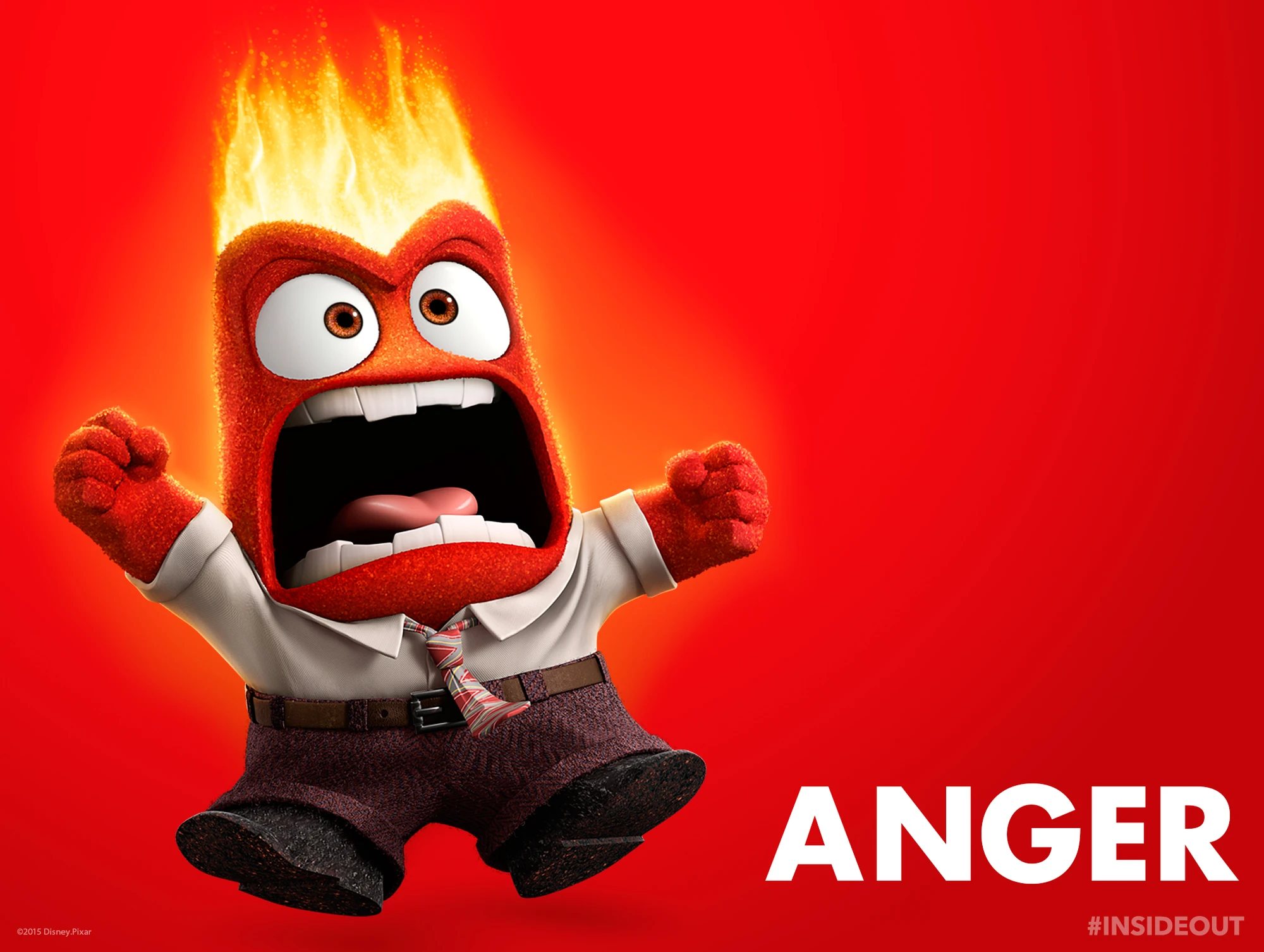
At one point or another, we have all seen or engaged in passive aggressive behaviors, whether it’s giving the silent treatment, making subtle insults, or sending one of those “as per my last email” emails. We do this because we are suppressing our anger or frustration from someone or something. Fear and anger are controlled by a region in the brain called the amygdala. Passive aggressiveness stems from that basic emotion of anger.

Anger is neither good nor bad. It is a basic, spontaneous, neurophysiological part of human emotion. As children, we were often scolded or punished for expressing anger. For example, throwing a temper tantrum is considered unacceptable. So at a young age, we started to perceive anger as taboo. As a result, we learned to suppress our feelings and engage in an indirect expression of hostility through subtle acts.

Children are most likely to act in a passive aggressive manner. Nonetheless, children are the most susceptible to change. Teaching our children that anger is just like every other emotion and directing their anger towards a positive, productive activity will help the child grow into an adult knowing how to manage their emotions properly. Some positive activities may include writing, exercising, drawing, meditating, and listening to music. These activities provide a form of distraction that can alleviate one’s mood, by stimulating another part of the brain that is not associated with the amygdala.

However, adults act this way as well because it’s easier to be passive than to be assertive and emotionally open. When children are taught to suppress their anger and they mature into an adult, it’s harder for them to stand up for themselves and to confront their source of anger.

It is best to avoid raising your voice, lecturing, or knee-jerk consequences that can exacerbate the situation. If an individual is trying to express their anger through communication, it is best to listen instead of reprimanding them for being angry.

When someone is passive-aggressive towards you, fight the urge to mirror their behavior. Instead confront the behavior because when passive-aggressive behavior is confronted directly and assertively, the hidden anger is weakened. Assertive communication and being emotionally open, no matter how hard it is, is the most effective way to acknowledge and accept anger. This builds a foundation for lifelong emotional intelligence and strong, secure relationships.

If you or someone you know has difficulty managing their anger, please contact our psychotherapy offices in New York or New Jersey to talk to one of our licensed professional psychologists, psychiatrists, psychiatric nurse practitioners, or psychotherapists at Arista Counseling & Psychotherapy. Contact our Paramus, NJ or Manhattan, NY offices respectively, at (201) 368-3700 or (212) 722-1920 to set up an appointment. For more information, please visit http://www.counselingpsychotherapynjny.com/ .

Sources:

https://www.psychologytoday.com/us/blog/passive-aggressive-diaries/201712/the-angry-smile-responding-passive-aggressive-behavior

https://www.psychologytoday.com/us/blog/passive-aggressive-diaries/201709/how-respond-effectively-young-persons-anger

https://www.verywellmind.com/what-is-passive-aggressive-behavior-2795481

https://vignette.wikia.nocookie.net/pixar/images/7/7a/Io_Anger_standard2.jpg/revision/latest/scale-to-width-down/2000?cb=20150425021210

Antidepressants

Antidepressants

By: Lauren Hernandez

            If you or someone you know has been seeing a psychiatrist or psychiatric nurse practitioner for treatment of depression, there are various types of antidepressants a mental health provider can prescribe. It is important to be familiar with different types of antidepressants in order for you, as the patient, to understand what the medication actually does on a neurological level.

The most common type of antidepressant prescribed is a Selective Serotonin Reuptake Inhibitor, known as an SSRI. SSRIs mainly treat depression but they are also effective in the treatment of anxiety disorders, Obsessive-Compulsive Disorders, and Post Traumatic Stress Disorder. Serotonin is a neurotransmitter in the brain which impacts your mood, sexual desire, appetite, sleep, memory and learning as well as other similar functions. On a neurological level, SSRIs prevent serotonin reabsorption which builds up serotonin in the synapse. This allows receptors to receive the signal and react with the optimal amount of serotonin. People suffering from major depressive disorder and anxiety disorders typically have lower serotonin levels. By preventing reabsorption in the synapse via medications, symptoms of these disorders may decrease. In 1987 Prozac was the first approved for treatment of those with depression and became one of the most prescribed antidepressants. Other common SSRIs include Lexapro, Paxil, Zoloft, and Celexa.

Serotonin and norepinephrine reuptake inhibitors, SNRIs differ from SSRIs in that they block the reabsorption of serotonin and norepinephrine. Norepinephrine is a neurotransmitter that influences hormones and the “fight or flight” response in the brain. Approved SNRIs include Cymbalta, Pristiq and Effexor XR.

Some of the other common types of antidepressants prescribed include norepinephrine and dopamine reuptake inhibitors (NDRIs) which block the reabsorption of norepinephrine and dopamine. This is only seen to be effective in the medication bupropion, which is also known as Wellbutrin. Other types of antidepressants that are less common include Tetracyclics (TCA’s), Monoamine Oxidase Inhibitors (MAOI’s), and Serotonin Antagonist and Reuptake Inhibitors. These older medications are not prescribed as frequently because of the development of newer medications that effectively decrease symptoms and have fewer side effects.

Medication is helpful; however, it is most effective when used in combination with different types of psychotherapy or support groups. If you or someone you know is struggling with depression or any type of anxiety or mood disorder, it is important to seek professional help from a psychiatrist or psychiatric nurse practitioner who can provide antidepressants as well as support through talk therapy. If you or someone you know is currently taking antidepressants, it is extremely important to continue taking the medication and avoid discontinuations.

If you or a loved one is suffering from depression, anxiety, or a mood disorder, please contact Arista Counseling & Psychotherapy, located in New York and New Jersey to speak to licensed professional psychologists, psychiatrists, psychiatric nurse practitioners or psychotherapists. To contact the office in Paramus NJ, call (201) 368-3700. To contact the office in Manhattan, call (212) 722-1920. For more information, please visit http://www.counselingpsychotherapynjny.com/ .


Sources:

https://www.mayoclinic.org/diseases-conditions/depression/in-depth/antidepressants/art-20044970

https://www.webmd.com/depression/how-different-antidepressants-work#1-3

Image Source:

https://www.google.com/url?sa=i&source=images&cd=&ved=2ahUKEwjFgIeKmvPiAhVCnOAKHeFIDMkQjRx6BAgBEAU&url=https%3A%2F%2Fwww.verywellmind.com%2Fwhat-are-the-major-classes-of-antidepressants-1065086&psig=AOvVaw2C3kM7Q4RG9lVpyMGcv6xk&ust=1560953229169790