ADHD: Gender Disparities in ADHD Diagnoses

ADHD: Gender Disparities in ADHD Diagnoses

By Jackie Molan

Attention deficit hyperactivity disorder (ADHD) is characterized by hyperactivity, impulsive behaviors, difficulty paying attention, and high distractibility. ADHD is one of the most common disorders of childhood, but boys are much more readily diagnosed than girls. It is believed that the prevalence of ADHD across genders is approximately equal, even though formal diagnoses strongly favor boys. Females are often underdiagnosed with ADHD and misdiagnosed with other disorders, such as bipolar, depression, and anxiety. The symptom profile for ADHD is the same across genders, but the behavioral presentation of symptoms tends to differ greatly.

Females are more likely to exhibit more internalized behavioral symptoms, such as:

  • Daydreaming
  • Losing focus
  • Forgetfulness
  • Anxiety
  • Insomnia
  • Impatience
  • Low self-esteem
  • People-pleasing
  • Deep emotional reactions/overwhelm

Males, on the other hand, often display more external behaviors, such as:

  • Hyperactivity
  • Disruptive behavior
  • Interrupting people during conversations
  • Losing items often
  • Anger outbursts

The external manifestation of ADHD symptoms makes the disorder more likely to be noticed in young boys by parents, teachers, and peers. Since young girls usually do not show such external symptoms, they tend to not receive a formal ADHD diagnosis until much later in life (if at all).

Regardless of gender, if you think you are experiencing any combination of ADHD symptoms, it is important to seek help from a mental health provider. A formal diagnosis from a professional can allow you to effectively manage your symptoms and improve daily functioning.

If you or someone you know is struggling with ADHD, please contact our psychotherapy offices in New York or New Jersey to talk to one of our licensed professional psychologists, psychiatrists, psychiatric nurse practitioners, or psychotherapists at Arista Counseling & Psychotherapy. Contact our Paramus, NJ or Manhattan, NY offices respectively, at (201) 368-3700 or (212) 722-1920 to set up an appointment. For more information, please visit http://www.counselingpsychotherapynjny.com/

Sources:

https://www.psychologytoday.com/us/basics/adhd

https://www.psychologytoday.com/us/blog/rethinking-adult-adhd/202203/why-adhd-in-women-is-so-often-overlooked

https://psychcentral.com/adhd/adhd-and-gender#recap

https://www.verywellhealth.com/add-vs-adhd-5193759

Family Therapy: Reasons to Seek Treatment & What to Expect

Family Therapy: Reasons to Seek Treatment & What to Expect

By Jackie Molan

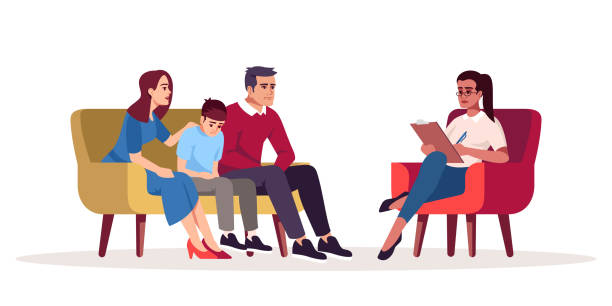
Family therapy is a form of psychotherapy aimed at improving communication and relationships within a family unit. The therapeutic environment offers a safe and confidential space for family members to express thoughts and feelings that they might otherwise be uncomfortable sharing. Family therapy is usually about 12 sessions in length, allowing the therapist to follow a method with a clear end goal that is understood by each family member. Even though this is a short-term type of therapy, it can teach skills and coping strategies that can be used to remedy family problems even after the course of treatment has ended.

Family therapy is typically sought out by families experiencing one or more of the following issues:

  • Parent/child conflict
  • Child behavioral problems
  • Financial stress
  • Grief
  • Anger issues
  • Communication difficulties
  • A family member’s substance abuse or mental illness (depression, anxiety, schizophrenia, etc.) is negatively impacting the rest of the family

It is important to know what to expect when starting family therapy. During the first session, the therapist will likely want to meet with the family as a group in order to gather information about the issue and see how family roles and dynamics operate. In the subsequent sessions, they may sometimes choose to meet with each family member individually to focus more on personal considerations. Overall, you can expect to gain the skills to:

  • Identify strengths and weaknesses within the family
  • Learn to effectively express emotions with family members
  • Analyze existing factors that may contribute to both present and future conflicts, such as family roles

Family stressors can turn into damaging problems if they are not addressed in a timely fashion. Family therapy provides the tools needed to restore a dysfunctional family to a more healthy, unified, and empathetic unit.

If you or someone you know is seeking family therapy, please contact our psychotherapy offices in New York or New Jersey to talk to one of our licensed professional psychologists, psychiatrists, psychiatric nurse practitioners, or psychotherapists at Arista Counseling & Psychotherapy. Contact our Paramus, NJ or Manhattan, NY offices respectively, at (201) 368-3700 or (212) 722-1920 to set up an appointment. For more information, please visit http://www.counselingpsychotherapynjny.com/

Sources:

https://www.mayoclinic.org/tests-procedures/family-therapy/about/pac-20385237

https://www.psychologytoday.com/us/therapy-types/marriage-and-family-therapy

https://www.123rf.com/clipart-vector/family_therapy.html

Anxiety in Young Adults During COVID-19

Anxiety in Young Adults During COVID-19

By Jackie Molan

Since the onset of the COVID-19 pandemic, rates of anxiety have sharply increased, especially in the young adult population (ages 18-24). Young adults are particularly susceptible to pandemic anxiety because they experienced enough “normal,” pre-COVID life to understand the current uncertainty of their own futures and the future state of the world.

Potential Anxiety Risk Factors

New studies have provided evidence that certain traits present in childhood and adolescence can lead to anxiety in young adulthood. One of these traits is behavioral inhibition, a childhood temperament characterized by nervousness and fear in response to new people and situations. Those who display behavioral inhibition during childhood are more likely to experience worry dysregulation – inadequate worry management skills – during adolescence. Worry dysregulation is a strong predictor of anxiety later in life, which can be brought on by a stressful life event. Therefore, the onset of the COVID-19 pandemic likely triggered anxiety in young adults who demonstrated this pattern of temperaments earlier in life.

Causes of Pandemic Anxiety

For young adults, the pandemic has interfered with their school, work, home, and social lives, leading to a significant upending of usual routines. Maintaining a daily routine often provides comfort, so it can be anxiety-inducing when this is lost due to external factors. Further, many people are experiencing “reentry anxiety” as more places reopen without mask mandates. It is difficult to navigate reentering society when there is lingering anxiety about future variants, vaccines, and mandates.

Steps to Improve Anxiety

The following are steps you can take to improve COVID-related anxiety:

  • Make time for stress reduction and self-care – This can be as simple as taking a walk or finding a few minutes during the day to meditate.
  • Follow a daily routine – Routines may be different than they were pre-COVID, but they can still be helpful.
  • Distinguish work/school life from home life – Even though you may be spending more time in your house than before, you can set boundaries to make work/school feel separate from home. Try designating certain times, or even rooms in the house, to leisure activities.
  • Seek help from a mental health professional.

Anxiety can feel like an uphill battle, but seeking help from a mental health professional can provide you with the resources you need to cope with post-COVID life.

If you or someone you know is seeking therapy for pandemic-related anxiety, please contact our psychotherapy offices in New York or New Jersey to talk to one of our licensed professional psychologists, psychiatrists, psychiatric nurse practitioners, or psychotherapists at Arista Counseling & Psychotherapy. Contact our Paramus, NJ or Manhattan, NY offices respectively, at (201) 368-3700 or (212) 722-1920 to set up an appointment. For more information, please visit http://www.counselingpsychotherapynjny.com/

Sources:

https://www.nimh.nih.gov/news/science-news/2021/study-identifies-risk-factors-for-elevated-anxiety-in-young-adults-during-covid-19-pandemic

https://psychcentral.com/coronavirus/coronavirus-overview

https://www.nytimes.com/2020/08/13/health/Covid-mental-health-anxiety.html

https://stayprepared.sg/mymentalhealth/articles/impact-of-covid-19-on-mental-health/

Body Dysmorphic Disorder-Beautiful In Your Own Skin Month

Body Dysmorphic Disorder-Beautiful In Your Own Skin Month

By Fiona McDermut

            In light of the start of “beautiful in your own skin” month, it is important to recognize that many struggle with body image satisfaction. Not all people look in the mirror and feel content with what they see. Even if those around you do not understand your body-related concerns, your feelings are totally valid and can be helped with treatment.

            Body dysmorphic disorder (body dysmorphia) is a mental illness characterized by a hyper fixation on perceived defects in one’s appearance. This interferes with day-to-day life because one may spend a large amount of time worrying or attempting to adjust the perceived flaw. These behaviors usually result in obsessive body comparison to others, avoidance of social interaction, and frequent negative body-checking (looking in the mirror repeatedly at disliked body parts). Unfortunately, many have associated their own happiness with how closely their bodies align with current beauty standards portrayed in the media. As one lets these thoughts progress, they can worsen, and possibly be a precursor to an eating disorder or other disorders associated with body dissatisfaction such as depression and obsessive compulsive disorder.

            While many believe that cosmetic surgery will fix their perceived flaws, research has shown that such surgeries do not improve psychological symptoms of body dysmorphic disorder. The first step to resolving the issue is recognizing that you have a warped view of what you look like. If you or someone you know experiences this, it can be very beneficial to seek psychological/psychiatric assistance. Professionals in the field will be able to decide the best way to treat these disordered thoughts. The most common treatment for body dysmorphia is cognitive behavioral therapy (CBT). Other possible treatments include hypnotherapy, exposure therapy, acceptance and commitment therapy (ACT), and the prescription of antidepressant medication in order to decrease the feelings of dissatisfaction.

            Working with a professional is important in situations like these, but it is still important to remind yourself that your perceived flaws are only noticed by you, and likely not those around you. Nobody is perfect, but with the constant pressure of modern media to be thin, our flaws often appear to be more apparent to ourselves than they are to others. The practice of mindfulness exercises may also help to focus your mind on what you have learned to love about yourself, and of course, do not be afraid to seek help when necessary.

If you or someone you know is struggling with body dysmorphic disorder, please contact our psychotherapy offices in New York or New Jersey to talk to one of our licensed professional psychologists, psychiatrists, psychiatric nurse practitioners, or psychotherapists at Arista Counseling & Psychotherapy. Contact our Paramus, NJ or Manhattan, NY offices respectively, at (201) 368-3700 or (212) 722-1920 to set up an appointment. For more information, please visit http://www.counselingpsychotherapynjny.com/

Sources:

https://www.psychologytoday.com/us/blog/the-couch/201507/whats-the-best-way-deal-negative-body-image

https://www.psychologytoday.com/us/blog/shrink/201409/how-stop-hating-your-body

https://www.sciencedirect.com/science/article/abs/pii/S1740144507000988

Image source: https://www.additudemag.com/adhd-related-body-dysmorphic-disorder/

Psychotherapy: Benefits of Rational Emotive Behavior Therapy (REBT)

By: Jasmyn Cuate

Rational emotive behavior therapy (REBT) is a type of cognitive behavioral therapy (CBT) that focuses on helping people recognize and change negative thinking patterns into positive, healthier ones. This method is an action-oriented approach helping to overcome any psychological problems or mental distress. The goal of REBT is to help people respond rationally to situations that would cause stress, depression, or other negative feelings. How does it work?

The ABC model is one concept of REBT. The model suggests that we may blame external situations for our unhappiness and it is our interpretation of these situations that truly causes the psychological distress. ABC stands for:

  • A: Activating event, when something happens in your environment
  • B: Belief, describes your thoughts about the situation
  • C: Consequence, which is your emotional response to your belief

With REBT, your therapist will help you learn how to apply the ABC model in your daily life. Your therapist may help you identify the activating event before encouraging you to figure out which belief led you to your negative feelings. Once you’ve identify the underlying issue, your therapist will work with you to change those beliefs and your emotional response towards the issue. Before changing your belief, a process called disputation takes place where your therapist will challenge your irrational beliefs using direct methods such as asking questions which causes you to re-think or have you imagine another point of view that you may have not considered before. REBT can help with Anxiety, Social anxiety disorder, distress, Depression, Disruptive behavior in children, Obsessive-compulsive disorder (OCD) and Psychotic symptoms.

Benefits of REBT:

  • Reduce feelings of anger, depression, anxiety, and distress
  • Improves health and quality of life
  • Better social skills and school performance

REBT helps you understand that you are worthy of self-acceptance no matter what even if you or others are struggling; there is no need for shame or guilt because everyone makes mistakes and it’s normal to feel some discomfort. REBT gives insight that others are also worthy of acceptance even if their behavior involves something you don’t like. Overall, REBT helps you have a healthy emotional response on learning from a situation and moving on. This allows you to understand that negative things will sometimes happen in life therefore there is no rational reason to always expect it to be positive when faced with a situation.

If you or someone you know is seeking for cognitive behavioral therapy or rational emotive behavior therapy, please contact our psychotherapy offices in New York or New Jersey to talk to one of our licensed professional psychologists, psychiatrists, psychiatric nurse practitioners, or psychotherapists at Arista Counseling & Psychotherapy. Contact our Paramus, NJ or Manhattan, NY offices respectively, at (201) 368-3700 or (212) 722-1920 to set up an appointment. For more information, please visit http://www.counselingpsychotherapynjny.com/

Source: https://www.verywellmind.com/rational-emotive-behavior-therapy-2796000

Depression: How Does it Affect Relationships

By: Jasmyn Cuate

Depression is one of the most common types of mental illness that Americans struggle with each day affecting approximately 1 in 6 Americans. Depression is characterized by feelings of sadness, emptiness, or hopelessness, irritability, angry outbursts, or low frustration tolerance, loss of interest in or ability to enjoy usual activities, sleep disturbance, fatigue and lack of energy, appetite disturbance, agitation, anxiety, feelings of worthlessness and guilt, difficulty concentrating, remembering things, making decisions, recurring thoughts of death, and thoughts of suicide.

Many individuals struggling with depression describe it as living in a heavy fog where you lose clarity about your life, start to have self-doubt, changing the way you view friends, family, and partners as well as how you think they view you.

Although many relationships experience problems, a partner dealing with depression or trying to help their partner overcome depression, may find themselves having more challenges to their relationship. Depression can cause overwhelming emotions such as detachment, distrust, and vulnerability. It can cause the partner to pay little attention to the other partner, be less involved, more irritable, start arguments, and have trouble enjoying time together. Factors such as high levels of conflict, lack of communication, difficulty resolving problems, and withdrawal can lead to depression.

Untreated depression can cause a cycle of self-destructive behaviors that can tear relationships apart. Research has shown that when one member of a couple has depression, there is an impact on the well-being of the other partner as well. In fact, BMC Public Health has found that partners of those with mental illnesses, show signs of anxiety and depression themselves.

If you or someone you know is seeking therapy for depression or experiencing relationship problems due to depression, please contact our psychotherapy offices in New York or New Jersey to talk to one of our licensed professional psychologists, psychiatrists, psychiatric nurse practitioners, or psychotherapists at Arista Counseling & Psychotherapy. Contact our Paramus, NJ or Manhattan, NY offices respectively, at (201) 368-3700 or (212) 722-1920 to set up an appointment. For more information, please visit http://www.counselingpsychotherapynjny.com/

Sources: https://www.psychologytoday.com/us/basics/depression/signs-depression

https://blogs.scientificamerican.com/mind-guest-blog/the-warning-signs-that-depression-is-affecting-your-relationship/

Procrastinating before bed? This might be why

By Katie Weinstein

Revenge bedtime procrastination is defined as the decision to sacrifice sleep for leisure activities. The reason it is called “revenge” bedtime procrastination is to get back at the day time hours for stealing away free time. Many people are tired when going to bed and intend to go to sleep, but chose to binge shows on Netflix or scroll through hours of Tik Toks without an external reason to stay awake, meaning there is an intention-behavior gap. 

Since revenge bedtime procrastination is still a relatively new idea in sleep science, the underlying psychology explaining this phenomenon is still being debated. One explanation is that daytime workload depletes our capacity for self-control, so we can’t fight our urge to stay awake to participate in leisure activities even though it means we will be better rested for the next day. Another explanation might be that some people are naturally “night owls” and are forced to adapt to an early schedule, so this is their way of finding time to recover from stress. A third explanation might be that, during the pandemic, domestic and work lives are blurred as people work overtime hours and do not divide work time from leisure time. 

The reason that it is important to be aware of revenge bedtime procrastination is because sleep is essential for our physical and mental health. Sleep deprivation can cause daytime sleepiness, which harms productivity, thinking, and memory as well causing physical effects such as insufficient immune function and increased susceptibility to cardiovascular disease and diabetes. 

In order to prevent revenge bedtime procrastination, try putting away technology 30 minutes before bed, create a regular bedtime routine, avoid caffeine late in the afternoon, and find time for leisure activities during the day. It is also important to recognize when you need help managing your procrastination and your sleep problems.

If you or someone you know is struggling with revenge bedtime procrastination or other types of sleep problems, please contact our psychotherapy offices in New York or New Jersey to talk to one of our licensed professional psychologists, psychiatrists, psychiatric nurse practitioners, or psychotherapists at Arista Counseling & Psychotherapy. Contact our Paramus, NJ or Manhattan, NY offices respectively, at (201) 368-3700 or (212) 722-1920 to set up an appointment. For more information, please visit http://www.counselingpsychotherapynjny.com/

What Is “Revenge Bedtime Procrastination”?

https://www.medicalnewstoday.com/articles/revenge-bedtime-procrastination-a-plight-of-our-times#Tips-for-better-sleep

Social Media: Self-Diagnosing

By Charlotte Arehart

For many people, it has become a habit to turn to the internet with any questions that one might have. While it is great to have the answers to the world at our fingertips, we have to keep in mind that just because we find an answer on the internet does not mean it is the correct one. Googling the answers to everything can be particularly harmful when it comes to physical and mental health. Searching a simple symptom such as a stomach ache may lead to answers that suggest the individual has appendicitis, when in reality they may only be having indigestion. With the internet becoming more powerful than ever, more people have been self-diagnosing with physical and mental health issues without seeking help from a professional.

Social media has played a huge role in the increase of self-diagnosing. Many influential social media users with a large platform use their platform to speak and educate viewers about mental illnesses. While this is great in terms of normalizing and reducing the stigma around mental health issues, it becomes harmful when viewers use this information to self-diagnose. I personally have seen many videos on platforms such as Instagram and Tiktok where the creator lists several widely general and common “symptoms,” such as sleeping in too much or having a short attention span, then follow up with something along the lines of “if you are experiencing these symptoms, you may have ADHD!” In the comments section, I see floods of viewers who are now concerned that they may have a mental disorder simply because they experience a few of the general symptoms listed. It seems that these videos create a lot of stress in people who do not actually need to be worried, since the symptoms listed are often so generalized. However, I do think that it is very beneficial for those who are struggling with mental health issues to receive support and a sense of community through social media. It can be very comforting to know that you are not alone going through something. If creators wish to speak about mental health issues on social media, it should be done in a very careful way. Addressing mental health on social media does present a wide variety of benefits, however it becomes an issue when people are self-diagnosing and becoming worried without speaking to a professional.

If you or someone you know needs mental health support, please contact our psychotherapy offices in New York or New Jersey to talk to one of our licensed professional psychologists, psychiatrists, psychiatric nurse practitioners, or psychotherapists at Arista Counseling & Psychotherapy. Contact our Paramus, NJ or Manhattan, NY offices respectively, at (201) 368-3700 or (212) 722-1920 to set up an appointment. For more information, please visit http://www.counselingpsychotherapynjny.com/

Sources:

https://etactics.com/blog/problems-with-self-diagnosis

Image Source: https://dailytitan.com/opinion/column-self-diagnosing-mental-health-disorders-is-hazardous/article_d953ca7f-0eae-57d2-81fb-d0d339734788.html

Post Pandemic Social Anxiety

By Katie Weinstein ­­­­­­­­

Whether it is anxiety about rusty social skills or interacting with unvaccinated people, adjusting back to normalcy will be a challenge for everyone, so it is essential to find ways to cope with returning back to normal. 

One thing to keep in mind is that it is normal to have social anxiety about the adjustments that are to come. Everyone has been out of practice of picking up on social cues through Zoom. Like any skill, it might seem overwhelming to relearn at first, but with practice, people can regain their social skills. 

One way to help adjust and prevent post pandemic social anxiety is to gradually build up the amount of social interactions you are having and to slowly increase your group size. It is important to stretch a little out of your comfort zone by saying yes to some plans to get back into regularly seeing people, but it is also important to stand up for yourself and not participate in events that make you outwardly uncomfortable. Another thing that you can do to cope with post-pandemic social anxiety is reward yourself for going a little out of your comfort zone with things that you enjoy like ice cream or watching a movie. You can also try dressing up to go out. While lounging out in sweats is sometimes the most comfortable option, dressing up a little can make you feel like your best self and help you incentivize you to go out. It is also important to acknowledge when you need help and when to see someone to help cope with social anxiety.

Sources

If you or someone you know is struggling with social anxiety, please contact our psychotherapy offices in New York or New Jersey to talk to one of our licensed professional psychologists, psychiatrists, psychiatric nurse practitioners, or psychotherapists at Arista Counseling & Psychotherapy. Contact our Paramus, NJ or Manhattan, NY offices respectively, at (201) 368-3700 or (212) 722-1920 to set up an appointment. For more information, please visit http://www.counselingpsychotherapynjny.com/

https://www.healthline.com/health-news/after-a-year-of-isolation-social-interaction-may-cause-anxiety#Why-you-may-feel-anxious-about-returning-to-normal

https://www.verywellmind.com/social-anxiety-disorder-tips-302420

Social Media and Attention Span

By Katie Weinstein

People have spent increasingly more time on social media throughout the years which has led to shorter and shorter attention spans. This is because of click bait material and multitasking.

Social media is designed to grab people’s attention and get people to their next click so that people stay online for longer. Instead of publishing detailed, meaningful articles, people are now publishing more sensational, controversial pieces to get people to click. Because the material is very loud and polarizing, people have an urge to switch to new material, so new information is constantly competing for attention, reducing our attention span. This can be addictive in nature and teaches people to focus on engaging material for a short period of time and stay on social media for a long period of time. 

Additionally, social media is something that is commonly used while completing another task. When a person is multitasking, attention span is reduced. The effects are especially detrimental for younger people who are more susceptible to developing bad habits. The average attention span in 2000 was 12 seconds and is now 8 seconds, which is 1 second shorter than the attention span of a goldfish! This is because it takes greater cognitive effort to switch between tasks than it does to maintain the same level of concentration on one task. Research has also shown that episodic memory can be significantly reduced when multitasking. 

Some ways to prevent declining attention spans are:

  • Implementing a “no phone at dinner” rule
  • Complete one task at a time 
  • Put your phone away while working 

If you or someone you know is struggling with attention span, please contact our psychotherapy offices in New York or New Jersey to talk to one of our licensed professional psychologists, psychiatrists, psychiatric nurse practitioners, or psychotherapists at Arista Counseling & Psychotherapy. Contact our Paramus, NJ or Manhattan, NY offices respectively, at (201) 368-3700 or (212) 722-1920 to set up an appointment. For more information, please visit http://www.counselingpsychotherapynjny.com/

Sources 

https://www.psychologytoday.com/us/blog/culture-shrink/201812/is-social-media-destroying-our-attention-spans

http://global.chinadaily.com.cn/a/202101/22/WS600a2710a31024ad0baa4577.html#:~:text=The%20explosion%20of%20social%20media,just%208%20seconds%20in%202013.

https://muckrack.com/blog/2020/07/14/how-declining-attention-spans-impact-your-social-media