Alcoholism: A Life Altering Disorder

By: Charleene Polanco

According to Mayo Clinic, alcoholism, also known as alcohol use disorder, is defined as an alcohol use pattern that involves the inability to control ones drinking. For many who are on track to become an alcoholic, it seems pretty easy to keep convincing themselves that they have the ability to quit whenever they want. However, when he or she realizes their alcohol tolerance has increased, and that he or she experiences withdrawal symptoms when not drinking, an alcohol use disorder has developed. The common symptoms of alcoholism include:

  • Uncontrolled alcohol consumption
  • Using alcohol in unsafe situations, such as driving
  • Failure to fulfill major school or work obligations because of repeated alcohol use
  • Craving/ urges to drink alcohol
  • Withdrawal symptoms like nausea, sweating, and shaking
  • Unsuccessful attempts to cut down on the amount of alcohol consumed

Alcoholism is an important issue, because it affects a huge number of the American population. As many as 18 million Americans suffer from alcoholism, and about 100,000 die as a result. Alcoholism is also associated with other social and domestic problems, like job absenteeism and spousal/child abuse. With such a significant portion of the U.S. population suffering from this terrible disorder, and its effects on the individual and loved ones, it is imperative that a person seek help when afflicted with alcohol use disorder.

If you or someone you know is suffering from alcohol use disorder, please contact our psychotherapy offices in New York or New Jersey to talk to one of our licensed professional psychologists, psychiatrists, psychiatric nurse practitioners, or psychotherapists at Arista Counseling & Psychotherapy. Contact our Paramus, NJ or Manhattan, NY offices respectively, at (201) 368-3700 or (212) 722-1920 to set up an appointment. For more information, please visit http://www.counselingpsychotherapynjny.com/.


Sources:

Mayo Clinic. (2018, July 11). Alcohol use disorder. Retrieved October 9, 2018, from https://www.mayoclinic.org/diseases-conditions/alcohol-use-disorder/symptoms-causes/syc-20369243

WebMD. (2018). Understanding Alcohol Use Disorder — the Basics. Retrieved October 9, 2018, from https://www.webmd.com/mental-health/addiction/understanding-alcohol-abuse-basics#1


Sexual Assault: Why Survivors Don’t Come Forward Sooner

By Samantha Glosser

If you watch the news or are an avid social media consumer, you have probably heard about various claims of sexual assault against public and political figures, where the victim did not immediately come forward. We recently saw this with Dr. Christine Blasey Ford, who publicly accused U.S. Supreme Court nominee, Brett Kavanaugh, of sexually assaulting her as a teenager. Situations like Dr. Ford’s have opened up a discussion about one important question: why do survivors wait so long to report an assault? Research shows that it is a normal response for survivors of sexual assault to take time before reporting the assault, if they report at all. This may not make sense to you, as you are probably wondering why they wouldn’t want justice or revenge on their abuser. However, there are numerous reasons that compel survivors to prolong or withhold disclosing that they were sexually abused.

  1. Fear of being victimized a second time. Reporting a sexual assault often leads to new and added traumas from peers, family members, police officers, lawyers, etc. This feeling often comes from having to relive the experience or from people indicating that the victim caused the sexual assault by asking questions like, “What were you wearing at the time of the attack?”
  2. Lack of support. Lack of support is a multi-faceted issue. Survivors find it hard to report if they are not surrounded by loved ones who support them. However, even with this support, individuals still refrain from reporting because they know that our society has a tendency to blame the victim for the sexual assault. A lack of support can even come from other survivors of sexual assault. Typically, other survivors are seen as a source of comfort. However, some will dismiss another person’s assault with statements like, “What’s the big deal? It happens to all of us. Get over it.”
  3. Decline in functioning after the assault. Survivors of sexual assault experience intense feelings of shame, worthlessness, and self-loathing which can quickly bring on depression and anxiety. It is difficult for survivors to contemplate a course of action after the assault when they can barely figure out how to make it through the day. In the midst of these emotions, survivors want to forget and pretend that the assault did not occur.
  4. Vague memories of the attack. In some cases, victims of sexual assault were drugged by their abuser or previously inebriated. Both of these situations can lead to victims only having a vague memory of the attack. In addition, the trauma endured by some victims is so severe it causes them to dissociate, which also leads to vague memories. When individuals do not have a vivid recollection of the event, they may be scared to come forward because they fear others will not believe them, or in some cases because they do not believe their own memories.

If you or someone you know is a survivor of sexual assault, the licensed psychologists, psychiatrists, psychiatric nurse practitioners, and psychotherapists at Arista Counseling & Psychotherapy can assist you. Contact our Paramus, NJ or Manhattan, NY offices respectively, at (201) 368-3700 or (212) 722-1920 to set up an appointment. For more information, visit http://www.counselingpsychotherapynjny.com/.

Source: https://blogs.psychcentral.com/psychology-women/2018/10/6-big-reasons-women-dont-report-sexual-abuse-right-away/

Assertiveness and Anxiety: How Expressing Yourself Can Lead to a Happier Self

By: Sanjita Ekhelikar

“Communication is key” is a phrase we are all familiar with, yet many struggle with actually acting on it. The most effective form of communication is through assertiveness, which involves expressing one’s views in a straightforward manner, and in standing up for one’s needs while still being considerate of others. This differs from aggressiveness in that it does not involve being outwardly emotional or insulting to others, and differs from passivity in that the individual clearly states their feelings and desires. Being assertive involves open communication, which can be difficult to engage in, especially for people struggling with anxiety. However, through practicing and learning assertiveness, people with anxiety can actually feel less worry and more confident in themselves.

Anxiety describes the uncomfortable feelings of turmoil and dread that one might have in anticipation that results in physical sensations such as rapid heartbeat, sweating, and rumination. For many who struggle with anxiety, the thought of being assertive with others makes them anxious. They often worry that being assertive will come off as being mean, creating conflict, and being inconsiderate. Therefore, many choose passive communication, and never voice their views or feelings. This worsens their state of worry, as they are not properly understood by those around them and can easily be taken advantage of. They are often misunderstood which increases their worry. Others often take advantage of them because of their meek manner and visible anxiety.

Contrary to what those with anxiety believe, assertiveness can actually help them feel better. Often times, those with anxiety create situations in their mind about everything that will go wrong if they voice themselves to another person. However, such a form of open communication can create a better understanding between two people. It allows the person with anxiety to be properly understood, to dispel the fearful thoughts in their head, and become more confident in themselves and their views.

How can people with anxiety begin working towards being more assertive? By stating their views using “I,” individuals can avoid putting blame on others by expressing their own opinions. In addition, reminding themselves that their fears are not rational and that it is their anxiety talking to them can help them become increasingly comfortable with being assertive. Finally, practice makes perfect – keep trying and speak up!

If you or someone you know is suffering from anxiety, please contact our psychotherapy offices in New York or New Jersey to talk to one of our licensed professional psychologists, psychiatrists, psychiatric nurse practitioners, or psychotherapists at Arista Counseling & Psychotherapy. Contact our Paramus, NJ or Manhattan, NY offices respectively, at (201) 368-3700 or (212) 722-1920 to set up an appointment. For more information, please visit http://www.counselingpsychotherapynjny.com/.

Nightmares: Normal or Disorder?

By: Sanjita Ekhelikar

We all know the horrible sensation of waking up in the middle of the night after a nightmare, a terrifying dream that occurs during the rapid eye movement (REM) stage of sleep. These dreams are a normal response to stressors in our life, and occur both during childhood and in adulthood. However, when nightmares occur regularly and lead to impairment of one’s cognitive and social functioning, they can develop into Nightmare disorder.

Nightmare disorder is characterized by frequent occurrences of fearful dreams which can interfere with development, functioning, and sleep. People with the disorder are constantly woken up with the detailed recall of dreams that feel like a threat to their survival or security. In addition, such individuals tend to awaken very easily, and have difficulty functioning throughout the day. They are not taking any substances which could lead to the increase in nightmares and, therefore, show signs of the disorder.

Many of the likely causes of Nightmare disorder include mental illnesses such as anxiety and depression, which cause people to stress throughout the day which can interfere with their sleep. In addition, any major life trauma can result in this growing distress. Finally, any sleeping disorder, such as narcolepsy, sleep apnea, or sleep terror, can cause increased nightmares.

If you are experiencing extreme, recurrent nightmares, do not hesitate to reach out for help and seek treatment. You can speak to a psychologist or take anti-depressant medication to address the issues behind these dreams and to better reduce the unpleasant symptoms. Aside from this, setting a routine during bedtime, making oneself comfortable, exercising during the day, doing meditation before bed, and sleeping until sunrise are ways to better relax and try to prevent nightmares. It is important to take care of yourself and your health, both when you are awake and alert AND when you are asleep.

If you or someone you know is suffering from nightmares, please contact our psychotherapy offices in New York or New Jersey to talk to one of our licensed professional psychologists, psychiatrists, psychiatric nurse practitioners, or psychotherapists at Arista Counseling & Psychotherapy. Contact our Paramus, NJ or Manhattan, NY offices respectively, at (201) 368-3700 or (212) 722-1920 to set up an appointment. For more information, please visit http://www.counselingpsychotherapynjny.com/.

Body Image: Body Dysmorphic Disorder Treatment

By Samantha Glosser

Body dysmorphic disorder, sometimes referred to as body dysmorphia or BDD, is a mental disorder characterized by preoccupation with imagined or markedly exaggerated imperfections or defects in one’s physical appearance. Those suffering from body dysmorphic disorder spend a significant amount of time every day obsessing over their appearance and engaging in repetitive compulsive behaviors in an attempt to avoid anxiety, distress, and hide their imperfections. Signs and symptoms include constantly checking one’s appearance, excessive grooming, over-exercising, picking skin, pulling hair, using makeup or clothing to camouflage one’s appearance, or even getting plastic surgery. Body dysmorphic disorder leads to significant impairment in daily functioning and quality of life. However, there are treatment options available.

Cognitive-behavioral therapy (CBT). CBT is short-term, goal-oriented therapy. In body dysmorphic disorder, CBT is used to decrease compulsive behaviors and the negative thoughts about one’s appearance. This is achieved through techniques such as cognitive restructuring and mind reading. Cognitive restructuring teaches the patient to challenge irrational thoughts about their bodies and replace them with more realistic and adaptive thoughts. In addition to their own negative thoughts, individuals diagnosed with body dysmorphic disorder also believe others hold the same negative thoughts about them. Mind reading allows patients to understand that other people do not share these thoughts about them and provides realistic alternatives. For example, that person staring at them at the mall was probably admiring their outfit. Another frequently used technique is exposure therapy. This requires patients to create a hierarchy of anxiety-provoking situations which they are then exposed to in order to overcome anxiety and distress.

Psychiatric medications. Research has also shown that antidepressant medications are an effective treatment for body dysmorphic disorder, specifically selective serotonin reuptake inhibitors (SSRI’s). SSRI’s that are commonly used for the treatment of body dysmorphic disorder include Lexapro, Prozac, Paxil, and Zoloft, among others. SSRI’s help to reduce obsessional thinking, compulsive behaviors, and depression, a common comorbid disorder among individuals diagnosed with body dysmorphic disorder.

If you or someone you know appears to be suffering from body dysmorphic disorder, or other problems associated with negative body image, the licensed psychologists, psychiatrists, psychiatric nurse practitioners, and psychotherapists at Arista Counseling & Psychotherapy can assist you. Contact our Paramus, NJ or Manhattan, NY offices respectively, at (201) 368-3700 or (212) 722-1920 to set up an appointment. For more information, visit http://www.counselingpsychotherapynjny.com/


Source: Tartakovsky, M. (2016, July 17). Demystifying treatment for body dysmorphic disorder. Retrieved from https://psychcentral.com/lib/demystifying-treatment-for-body-dysmorphic-disorder/

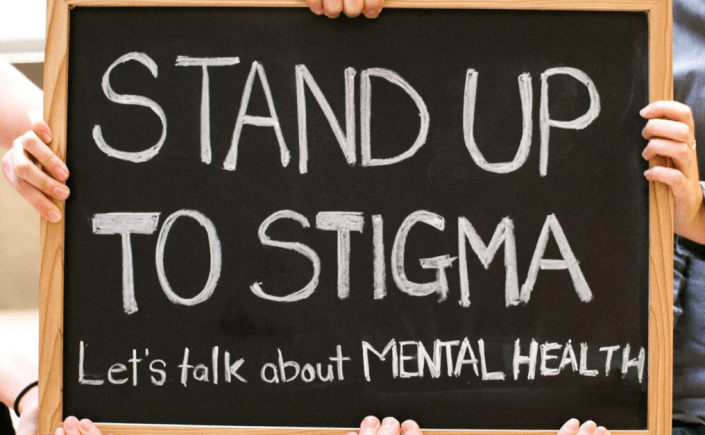
Mental Illness Stigma Still Exists

By: Gisela Serrano

The sad reality is that a stigma on mental illness still exists, although we’d like to think that it has been minimized significantly. There are several people with a voice, including celebrities, who advocate and speak on the importance of mental health; some even give light to their own mental health issues. However, stigma on mental health illnesses is still very much alive today and can prevent many people from seeking professional help, which can be beneficial to them. Ignorance and a lack of education also play a major role in preventing people from reaching out for the help they need. People who are uneducated may not be familiar with the options they have when seeking professional providers and thus limit themselves the access of qualified providers who have more clinical experience and expertise. For this reason, they consult professionals who may not necessarily specialize in the condition from which they are suffering from. People with low income may also not be able to afford high quality care. As a result of these factors, many people usually shy away from searching for help as they unfortunately feel shame and embarrassment.

Overall, many people fear that they would be the subject of criticism, lose friendships and relationships, and lose their jobs if they were to confide in someone about their mental health state. According to David B. Feldman Ph.D., in his post “The Tragedy of Mental Illness Stigma” on Psychology Today, “in half of U.S. states, admitting to a history of mental illness can lead to loss of a driver’s license, inability to serve on a jury or run for office, or even potentially loss of custody of a child.” It makes absolute sense why some people would be hesitant about speaking out or seeking the help they need. The bottom line here is: there is nothing wrong with accepting that you need help – whatever your situation or problem may be. Recognizing that you need help is the first healthy step you can take to achieving mental health and overall taking care of yourself. Stop waiting decades to search for help or receive care. Many mental health illnesses are treatable and for good reasons should not be put off. Talking to your friends and family is also an important step you should consider taking as it can provide you the strong moral support system you need. The sooner you learn to avoid and disregard mental illness stigma, the quicker you can be on the road to recovery.


Self-Esteem and Shaming Parents

By Stephanie Osuba

We have all felt, in one way or another, like we weren’t good enough or even felt embarrassed after making a mistake at work. This is healthy in that we are expressing sadness or just reflecting on a situation that could have been handled differently, but we move on and eventually feel valued and confident again. However, for some, that feeling of shame and guilt never goes away. Some believe they are inherently flawed, worthless, and inferior to everyone else. These negative emotions and lack of self-esteem are largely rooted in repeated childhood and adolescence trauma that is often left unprocessed. Internalization of this emotional abuse leads to a conditioning of sort, usually by the primary caregiver, that the negative emotions constantly felt reflect who one is as a person. This person comes to genuinely believe that he or she is a bad person, unlovable, never good enough, and deserves to be treated with disrespect.

The constant shame is also accompanied by a constant feeling of guilt. Everything is his or her fault, regardless of the context. There is a sense of unjust responsibility for other people’s emotions and the outcome of all situations. Its no wonder why low self-esteem can manifest itself in anxiety, self-harm or poor self-care, or on the other extreme, narcissism and antisocial tendencies. Here are some behaviors that can be a manifestation of low self-esteem:

  • Lack of healthy self-love: poor self-care, self-harm, lack of empathy, and inadequate social skills
  • Emptiness: loneliness, lack of motivation, and finding distractions from emotions
  • Perfectionism: this is often a behavior that manifests as adults because of the unrealistic standards these children were held to by their parents and were punished for not meeting
  • Narcissism: grandiose fantasies of who they want others to perceive them to be; even if they do succeed however, this protective personality doesn’t numb the negative emotions they truly feel.
  • Unhealthy relationships: people with low self-esteem are incapable of building and maintaining a relationship with others, largely because they don’t know what a healthy relationship looks like. Both parties are usually extremely dependent.
  • Susceptibility to manipulation: the constant self-doubt, shame and guilt make it too easy to bend a person with low self-esteem to an experienced manipulator’s will.

Source: Cikanavicius, D. (2018, September 03). A Brief Guide to Unprocessed Childhood Toxic Shame. Retrieved from https://blogs.psychcentral.com/psychology-self/2018/09/childhood-toxic-shame/ 

If you or someone you know is struggling with self-esteem, the licensed psychologists, psychiatrists, psychiatric nurse practitioners, and psychotherapists at Arista Counseling & Psychotherapy can assist you. Contact our Paramus, NJ or Manhattan, NY offices respectively, at (201) 368-3700 or (212) 722-1920 to set up an appointment. For more information, visit http://www.counselingpsychotherapynjny.com/

Self-esteem

By: Charleene Polanco

Have you ever experienced a time in your life when you felt that, “you weren’t good enough?” If you have, self-esteem is at the core of this feeling, because it involves perceptions one has of oneself. These perceptions eventually become beliefs about self-worth and value. That is why self-esteem is so important in a person’s life, because how people think of themselves, is what drives them towards or away from certain actions. High self-esteem is often associated with multiple accomplishments in life. This is because people with high self-esteem, believe that they are worthy of the opportunities they get, and, therefore, make the most out of them. One the other hand, those with low self-esteem, constantly believe that they are not good enough. When an opportunity presents itself to them, people with low self-esteem feel like they do not deserve it, and do not perform their best. This is why low self-esteem is associated with depression and anxiety. If you are suffering from low self-esteem, here are a couple of tips available to raise self-esteem:

  • Identify triggers of low self-esteem: if you are able to recognize the places or people that lower your self-esteem, you are able to avoid or prepare for them. This way, learning experiences come from each event.
  • Avoid negative self-talk: if you do not think negatively about yourself, you are able to feel better and attempt things you would normally avoid.
  • Connect with loved ones: family members and friends can be great emotional support because people who care about you, will also make you feel loved and wanted. Nurture these feelings so that eventually you are able to see yourself as they do, and will slowly learn how to love yourself a little more each day.

If you or someone you know is suffering from low self-esteem, please contact our psychotherapy offices in New York or New Jersey to talk to one of our licensed professional psychologists, psychiatrists, psychiatric nurse practitioners, or psychotherapists at Arista Counseling & Psychotherapy. Contact our Paramus, NJ or Manhattan, NY offices respectively, at (201) 368-3700 or (212) 722-1920 to set up an appointment. For more information, please visit http://www.counselingpsychotherapynjny.com/.

Sources:

Gross, S. J. (2016, July 17). How To Raise Your Self-Esteem. Retrieved October 8, 2018, from https://psychcentral.com/lib/how-to-raise-your-self-esteem/

Mind for Better Mental Health. (2013). How to increase your Self-esteem. Retrieved October 8, 2018, from https://www.mind.org.uk/information-support/types-of-mental-health-problems/self-esteem/#.W9cKgY2WyM8


Bipolar Disorder

By: Dianna Gomez

Bipolar Disorder, also known as “Manic-Depressive,” is a disorder of the brain that causes a person to experience sudden shifts in mood, energy/activity levels, and disrupts their ability to function fully each day. The changes in mood range from a person feeling extremely “up” and energized which are known as manic episodes to feeling extremely “down” and sad which is known as depressive episodes. There are multiple forms of Bipolar Disorder, however, the two main types of the disorder are Bipolar I and Bipolar II. Regardless of the type a person has, he or she still suffers from very similar symptoms. Bipolar I Disorder is defined by manic episodes/symptoms that are either so severe the individual needs to be hospitalized immediately or the episode itself has lasted for at least 7 days. Depressive episodes occur in people with this type of Bipolar as well and these episodes can last up to at least 2 weeks at a time. Bipolar II Disorder is defined by a certain pattern of depressive episodes followed by some hypo-manic episodes. The only difference between manic and hypo-manic is that hypo-manic episodes are not as intense as full on manic ones. More specifically, when a person is having a manic episode they can experience the following symptoms:

  • Feeling “jumpy” or “weird”
  • Having trouble sleeping
  • Talk really fast about a lot of different things
  • Racing thoughts
  • Participating in risky behaviors (ex: spending all your money)

On the other hand, when a person is going through a depressive episode, he or she can experience the following symptoms:

  • Sleeping too much or not enough
  • Not being able to enjoy things
  • Trouble concentrating
  • Eating too much or not enough
  • Thinking about death and/or suicide

Luckily, there are several forms of treatment that a person suffering from Bipolar Disorder can seek out to help them live a more normal and stable lifestyle. Methods of treatment include: medications (mood stabilizers, sleep medications, antidepressants, and atypical anti-psychotics), psychotherapy (cognitive behavioral therapy, family-focused therapy, and interpersonal therapy), or a combination of both. Even while taking medications some mood swings may still occur. This makes it especially important that there is a close and honest patient-doctor relationship in order to manage the disorder in the most efficient way possible. In addition to these, there is also electroconvulsive therapy or “ECT,” and keeping a lifestyle chart. When keeping the lifestyle chart, the patient records their daily symptoms, sleep patterns, and other important life events.


If you or anyone you know may suffer from either Bipolar I Disorder or Bipolar II Disorder, the licensed psychologists, psychiatrists, psychiatric nurse practitioners, and psychotherapists at Arista Counseling & Psychotherapy can assist you. Contact our Paramus, NJ or Manhattan, NY offices respectively, at (201) 368-3700 or (212) 722-1920 to set up an appointment. For more information, visit us at http://www.counselingpsychotherapynjny.com/.

Alcohol Use Disorder

By Samantha Glosser

Alcohol use disorder, more commonly known as alcoholism, is a pattern of alcohol use that results in impairment and distress in your daily life. Short term effects of alcohol use disorder include memory loss, hangovers, and blackouts. However, the long term effects are much more serious and include the following: stomach ailments, heart problems, brain damage, memory loss, liver cirrhosis, and cancer. Alcohol use disorder is also linked to increased chances of dying from automobile accidents, homicide and suicide, as well as increased rates of unemployment, domestic violence, and legal problems.

Cravings for alcohol, drinking in spite of it causing personal problems, an inability to stop drinking, and building up a tolerance to alcohol are common symptoms of alcohol use disorder. Alcohol use disorder can be diagnosed if two or more of the following are present in a twelve-month period (the severity of addiction is based on how many symptoms are present):

  • Drinking more or for a longer period than intended.
  • Feeling the need or trying to cut back on drinking.
  • Spending a lot of time drinking and recovering from the short-term effects of drinking.
  • Craving the use of alcohol.
  • Failing to perform responsibilities due to drinking.
  • Continuing to use alcohol even though it is creating relationship problems.
  • Ceasing participation in important activities to drink more.
  • Drinking before or during potentially dangerous activities (such as driving).
  • Continuing drinking despite its relation to physical and mental health conditions.
  • Developing a tolerance for alcohol.
  • Experiencing withdraw symptoms when reducing or stopping alcohol intake.

There are numerous treatment options available to individuals struggling with alcohol use disorder, such as detoxification, Alcoholics Anonymous (AA), inpatient/outpatient treatment programs, and medication. There are also different methods to recovery, such as abstinence (completely quitting) or just cutting down on alcohol intake. Finding the right treatment options depends on the individual, which is why it is recommended to seek guidance from a trained professional.

If you or someone you know appears to be suffering from alcohol use disorder, the licensed psychologists, psychiatrists, psychiatric nurse practitioners, and psychotherapists at Arista Counseling & Psychotherapy can assist you. Contact our Paramus, NJ or Manhattan, NY offices respectively, at (201) 368-3700 or (212) 722-1920 to set up an appointment. For more information, visit http://www.counselingpsychotherapynjny.com/

Source: Alcohol Use Disorder. (n.d.). Retrieved from https://www.psychologytoday.com/us/conditions/alcohol-use-disorder