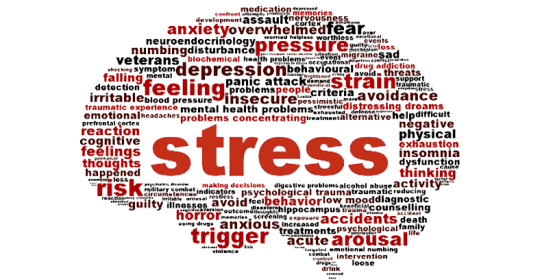
Stress: The Detrimental Effects of Stress on the Body

By: Charleene Polanco

Stress is something that everyone experiences at some point in their lives. Stress is defined as a physical, mental, or emotional strain or tension, and whether it is about taking a final exam for class, going off to college for the first time, or work-related, stress can affect the way we perform. If gone unchecked, stress can lead to a variety of negative consequences on the body, which will be discussed. Stress has been linked to a number of physical and emotional disorders, like depression, anxiety, heart attacks and stroke. A constant high level of stress, can lead to immune system disturbances, which can cause an increase in your body’s susceptibility to infections. Stress can also have direct effects on the skin leading to rashes and hives.

Unlike rashes and hives, which are visible, stress can affect various systems, organs, and tissues within the body, signs that are not seen, and are, therefore, much harder to notice. Some parts of the body affected by stress are the nervous and cardiovascular systems. When stressed, the nervous system signals the body’s adrenal glands to secrete adrenalin and cortisol. Since both of these hormones cause high blood pressure, a person who is under constant stress, also has elevated blood pressure which can lead to heart problems in the future. Even if a stress episode is considered to be minor, repeated minor stress episodes can negatively impact a person’s cardiovascular system by causing inflammations in the coronary arteries. This can eventually cause heart attacks. In order to prevent the negative consequences of untreated high levels of stress, it is important to recognize the symptoms. There are multiple symptoms of stress, some of which include, frequent headaches, cold hands/feet, dry mouth, heartburn, depression, forgetfulness, and rapid or mumbled speech.

If you or someone you know is suffering from stress, please contact our psychotherapy offices in New York or New Jersey to talk to one of our licensed professional psychologists, psychiatrists, psychiatric nurse practitioners, or psychotherapists at Arista Counseling & Psychotherapy. Contact our Paramus, NJ or Manhattan, NY offices respectively, at (201) 368-3700 or (212) 722-1920 to set up an appointment. For more information, please visit http://www.counselingpsychotherapynjny.com/.

Source:

“Stress Effects.” Common Signs and Symptoms of Stress, The American Institute of Stress, 4 Jan. 2017.


Psychiatric Medication: The Stigma of Mental Health Medication

By: Sanjita Ekhelikar

When someone gets a fever, a bacterial infection, or any other physical illness, what do we tell them? “Rest, go to the doctor, and take some medicine.” We strongly encourage them to receive a prescription for and to take medication for their illness. If a sick individual were to not take their medication, we would tell them that they are being irresponsible, and that they are not taking care of themselves. Why do we not say the same when it comes to medication for people struggling with mental illness?

In a time when mental health is becoming increasingly important, society still has a stigma around this, primarily regarding prescription psychiatric medications for it. There is still a lack of understanding about what mental health is and how it impacts people. Some view those with these difficulties as “crazy” and “unstable.” Medications for such conditions are seen in a negative light, and are seen to be only for people who are labelled “crazy” or “unstable.” Since mental illnesses are related to the mind and are invisible to the eye, many in our society cannot believe that these illnesses are serious, and thus consider taking medication for them to be shameful and unnecessary. As a result, thousands of individuals feel ashamed to get the proper help and take medications. They thus must struggle and suffer silently.

In reality, mental health medications can be extremely beneficial, and can change the lives of those who take them. Mental illness can be grueling to live with and can compromise one’s life and wellbeing. Medication helps these individuals to overcome their condition and lead a better life, especially paired with psychotherapy. Antipsychotic and antidepressant drugs have been developed to help these people in need, and we should be encouraging people to take them and take the necessary steps in getting better instead of shaming them.

While we have no problem encouraging our loved ones to take Tylenol, Advil, Cough syrup, and many other medications for their physical ailments, we should be just as promoting of them taking Lexapro, Zoloft, Prozac, and other psychological medications. It is time to eliminate stigmas around taking care of our mental health, and encourage and applaud those who have taken the steps towards a better life through using mental health medications.

If you or someone you know is suffering mental illness and would like to consider medication, please contact our psychotherapy offices in New York or New Jersey to talk to one of our licensed professional psychologists, psychiatrists, psychiatric nurse practitioners, or psychotherapists at Arista Counseling & Psychotherapy. Contact our Paramus, NJ or Manhattan, NY offices respectively, at (201) 368-3700 or (212) 722-1920 to set up an appointment. For more information, please visit http://www.counselingpsychotherapynjny.com/.

Prescription Drugs and Side Effects

Prescription Drugs and their Side Effects

Emily Ramos

The truth of the matter is that many prescription drugs contain side effects. It is hard to predict whether or not an individual will experience side effects, it depends on how their body reacts to the drug. The good thing is that there are steps an individual can take to reduce the risks. If the side effects persist you can speak with your doctor who can prescribe a lower dosage or a different medication. DO NOT stop taking medication if you experience a side effect, always speak with your doctor. They might have to wean you off of the drug instead of stopping all together. Here’s how you can learn about possible side effects and how to avoid them:

  • Before getting prescribed medicine, ask your doctor about possible side effects that may occur. For example, if nausea is a side effect your doctor may recommend that you eat or drink before taking the medication.
  • Once you start taking medication take note of any symptoms that arise and tell your doctor about them. This will give your doctor a better understanding.
  • Other ways to prevent side effects are to make appropriate lifestyle changes. For example: if a medication causes you to gain weight you will have to pay more attention to your nutrition and incorporate exercise plans.

It may take a few trial and errors before your doctor is able to find a medication that works best for you. That is why it is crucial to be honest with your doctor before and after he or she prescribes medication.

If you or a person you know is struggling with medication, it may be beneficial to contact a mental health professional and receive therapy. The psychologists, psychiatrists, and therapists at Arista Counseling and Psychiatric Services can help. Contact the Bergen County, NJ or Manhattan offices at (201) 368-3700 or (212) 722-1920. Visit http://www.acenterfortherapy.com for more information.