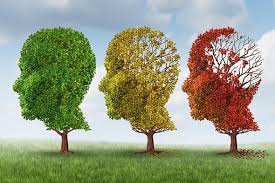
Tik Tok: Is It Actually “Rotting” Your Brain?

By: Nirvana Ramoutar

Have you ever scrolled on Tik Tok or Instagram for far too long and felt completely fatigued after? Research shows that you are not alone. It has been recorded that the more time you spend engaging with social media, the more cognitive challenges may arise. This is due to the overconsumption of short-form content which is repetitive and creates concern on how the brain health of all age groups will be affected. The recent media has coined the term, “Brain Rot” to describe the effects of this overly stimulating content.

Brain Rot may be linked to behaviors that overtax our brain’s reward system. On Tik Tok, Instagram Reels, YouTube Shorts, etc. there are algorithms that pick up on what videos you like based on your interactions (comments, likes, shares, watch duration). This makes watching videos addictive as the platform is designed to keep us engaged and responsive. As we continue scrolling, our brain creates short bursts of dopamine with each video we like. Over time, this form of constant stimulation can affect your cognitive health.

What are the effects of brain rot?

  • Reduced attention span making it harder to focus on longer, complex tasks
  • Mental fatigue from the overload of information to the brain
  • Decreased memory retention through the constant shift between digital distractions
  • Increased anxiety or stress from repetitive consumption of negative news, also known as “doomscrolling”

A study by Jin Xie was done where 35 published studies based on excessive screen time, internet addiction, doomscrolling, cognitive performance, attention; memory and problem-solving were examined. The main finding was that there were links between high digital engagement and cognitive challenges. For example, short-form video addiction had a significant positive predictive effect on academic procrastination both directly and indirectly. Students would start procrastinating because of their lack of focus due to repetitive scrolling. Screen time was also associated with increased levels of anxiety, depression, and stress among students. It is important to understand that these effects can happen to people of all ages. However, due to adolescents’ developing brains, it can be inferred that overconsumption of social media can be harmful.

Because of the extent of these negative effects, it may be beneficial to promote activities that do not require us to be in front of a screen. Sometimes it is not possible to stop internet use since there are individuals that work online and use online devices in school; however there are steps you can take to maintain cognitive health.

  • Be intentional about what you consume online. If it is negative, try to stay away
  • Take regular breaks by following the 20-20-20 rule by taking a 20 second break for every 20 minutes of screen time to look at something 20 feet away
  • Set screen time limits within apps of use
  • Engage in offline activities
  • Focus on sleeping instead of staring at screens before bed, as it disturbs sleep patterns

Remember you have the ability to control your screen time. As long as you are mindful of your media consumption you can still enjoy the benefits of technology without getting stuck in negative cycles and while keeping your brain and mind healthy.

If you or someone you know is suffering with mental health issues and are in need of treatment, please contact our psychotherapy offices in New York or New Jersey to talk to one of our licensed professional psychologists, psychiatrists, psychiatric nurse practitioners, or psychotherapists at Arista Counseling & Psychotherapy. Contact our Paramus, NJ or Manhattan, NY offices respectively, at (201) 368-3700 or (212) 722-1920 to set up an appointment. For more information, please visit http://www.counselingpsychotherapynjny.com/ .

Sources:

https://pmc.ncbi.nlm.nih.gov/articles/PMC10756502/

https://www.inspirahealthnetwork.org/news/healthy-living/brain-rot-explained-how-digital-overload-affects-your-mind

Source for Picture:https://providenceproject.org/addiction/behavioural/social-media/

Dementia: 5 Facts You Need to Know

By Stephanie Osuba

Everyone fears that they, or their family members, will fall victim to a degenerative neurological disease when they age. Dementia is considered a syndrome, a series of symptoms that often appear together, and is caused by damage to the brain cells. Symptoms include memory loss, cognitive impairment, and diminishing language. Here are five facts that you need to know about dementia.

  1. Alzheimer’s is a type of dementia; they aren’t interchangeable: As stated above, dementia is a syndrome and more of an umbrella term for other types of dementia, like Alzheimer’s, Parkinson’s and vascular dementia. Different types of dementia correlate with different types of brain damage. Alzheimer’s is mainly a result of abnormally high protein levels in and around brain cells that inhibit communication between them. This eventually leads to the death of the nerve cells and loss of brain tissue. Alzheimer’s is the most common form of dementia.
  2. Dementia is not just a “memory loss” disease: Dementia also affects a wide range of cognition processes including: learning, language, executive and motor function, attention, and social cognition. For example, two thirds of diagnoses of Alzheimer’s are given to women primarily because they exhibit the symptom of memory loss more than men.
  3. Cognitive decline doesn’t always lead to dementia: Memory and other cognitive issues can be a result of other things such as: delirium, mild cognitive impairment, or normal changes due to age. According to a study done by the Mayo Clinic, even mild cognitive impairment only lead to dementia in 29% of cases within the next five years.
  4. Not all types of dementias are progressive: Underlying causes such as vitamin B12 deficiency, underactive thyroid syndrome, and normal pressure hydrocephalus can be reversed with treatment. Even medications like antidepressants, narcotics, and antihistamines can have dementia-like side effects.
  5. Lifestyle changes can help reduce the risk of dementia: Exercise has proven to be a great defense to cognitive decline through increased heart rate and blood flow to the brain. Maintaining a healthy diet and engaging in social activities is also a huge help.


Source: Ph.D., M. C. (2017, December 7). 5 Facts You Need to Know About Dementia. Retrieved from https://www.psychologytoday.com/us/blog/the-fifth-vital-sign/201712/5-facts-you-need-know-about-dementia 

If you or someone you know needs help coping with the dementia of a family member, please contact our psychotherapy offices in New York or New Jersey to talk to one of our licensed professional psychologists, psychiatrists, psychiatric nurse practitioners, or psychotherapists at Arista Counseling & Psychotherapy. Contact our Paramus, NJ or Manhattan, NY offices respectively, at (201) 368-3700 or (212) 722-1920 to set up an appointment. For more information, please visit http://www.counselingpsychotherapynjny.com/.

Postpartum Depression

By Samantha Glosser

“I thought postpartum depression meant you were sobbing every single day and incapable of looking after a child. But there are different shades of it and depths of it, which is why I think it’s so important for women to talk about. It was a trying time. I felt like a failure.” -Gwyneth Paltrow

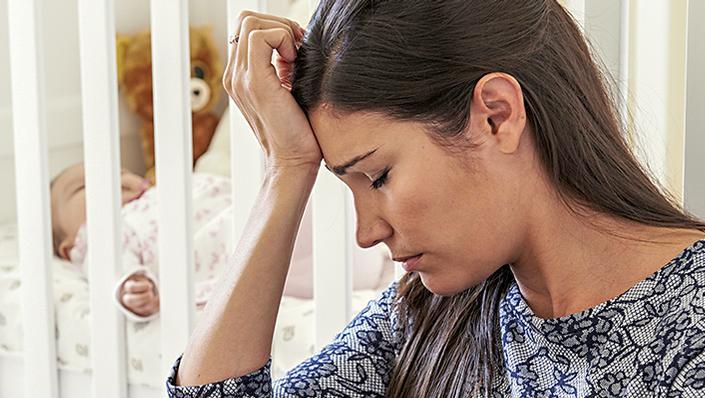
Postpartum depression can begin as early as a few weeks after giving birth, and it affects one in seven women. Symptoms of postpartum depression include the following: depressed mood or mood swings, excessive crying, difficulty bonding with the baby, withdrawal from loved ones, loss of appetite or an increased appetite, inability to sleep or sleeping too much, fatigue or loss of energy, anxiety, fear of not being a good mother, thoughts of harming yourself or your baby, and recurrent thoughts of death and suicide. These symptoms typically interfere with your life and your ability to raise and connect with your child. Although it is not certain what causes postpartum depression, it is most likely due to a combination of hormones and emotional processing deep in the brain.

As noted by Gwyneth Paltrow, an actress using her fame to shed light on the severity of this disorder, postpartum depression is not one size fits all; every woman experiences it differently and experiences symptoms at different severities. This is why it is important for women to be open and honest about their experiences with postpartum depression. Women often feel a lot of shame when they have postpartum depression, because they do not understand why they are feeling this way or what they are feeling. They feel like they are alone in these feelings. However, this is not the case. Other famous mothers such as Brooke Shields and Marie Osmond, like Paltrow, are using their platforms to share their struggles with postpartum depression and let women know that they are not alone and that they should not feel ashamed, which is opening up the doorway to treatment for all women. Postpartum depression can be effectively treated with psychotherapy, support groups, and psychiatric medication if needed. These treatments are the most efficient way for you to feel better and connect with your child.

If you or someone you know appears to be suffering from postpartum depression, the licensed psychologists, psychiatrists, psychiatric nurse practitioners, and psychotherapists at Arista Counseling & Psychotherapy can assist you. Contact our Paramus, NJ or Manhattan, NY offices respectively, at (201) 368-3700 or (212) 722-1920 to set up an appointment. For more information, visit http://www.counselingpsychotherapynjny.com/.

Source: Layton, M. J. (2016, January 26). Task force urges doctors to screen new moms for depression. Retrieved from http://www.northjersey.com/story/news/2016/01/26/task-force-urges-doctors-to-screen-new-moms-for-depression/94422958/

Depression

By: Dianna Gomez

Similar to most mental health illnesses, depression does not discriminate. Depression doesn’t take into consideration what age, race, gender, sexual orientation, socioeconomic status or religion a person is. In fact, not only does depression affect both men AND women, it may be experienced differently by each group as well. In general, depression is more commonly found in women then it is found in men. When it comes to women specifically, the higher rates of depression have been linked to biological, hormonal, life cycle, and psychosocial factors. It has been shown that hormones directly affect emotions and mood through brain chemistry. A time when women are especially at risk is after giving birth when physical and hormonal changes, as well as new responsibilities for their new born baby can be overwhelming. Postpartum Depression can also occur in new mothers and must be attended to immediately. When speaking about their depression, women are more likely to describe their experiences as feelings of sadness, worthlessness, and/or guilt.

When men are depressed, they are more likely to describe their experiences as having feelings of fatigue, loss of interest in things once enjoyed, irritability, sleep issues, etc. In attempt to relieve themselves of their depression, men are more likely to bury themselves in their work and find ways to keep themselves preoccupied so they aren’t forced to confront their feelings head on. They may also participate in risky or reckless behaviors. Alcohol and substance use is another coping mechanism that men usually turn to. This is usually followed by episodes of anger and aggression.

Depression is one of the most common mental disorders in the United States. Despite this, there is still no known cause for this debilitating illness. That is why it is absolutely crucial that professional help is sought out.

If either you or someone you know may be suffering from depression, the licensed psychologists, psychiatrists, psychiatric nurse practitioners, and psychotherapists at Arista Counseling & Psychotherapy can help you. Contact our Paramus, NJ or Manhattan, NY offices respectively, at (201)-368-3700 or (212)-722-1920 to set up an appointment. For more information, visit us at https://www.counselingpsychotherapynjny.com/.

Postpartum Depression: Psychosocial Risk Factors

Postpartum Depression: Psychosocial Risk Factors

Written by: Jinal Kapadia

Postpartum depression, is a mood disorder that can affect women after childbirth. Mothers with postpartum depression generally experience feelings of extreme sadness, anxiety, and exhaustion that can make it difficult for them to complete daily care activities for themselves or for others. (Nimh.nih.gov, 2018)

There are multiple risk factors that make some women more susceptible to postpartum depression than others. A first-time mother is at a higher risk for depression. Fatigue, which can be caused by the actual process of giving birth, the energy spent on caring for the baby, and tending to other responsibilities can also lead to depression. Women who are single mothers with less social support are also more susceptible. A woman’s feelings towards her pregnancy, such as negativity or ambivalence, increases her chances for depression. (Psychology Today, 2018)

Another risk factor is a woman’s past, such as the loss of her mother or a poor mother-daughter relationship. This can cause a woman to feel unsure about her newly developing relationship with her baby. Women who have babies by cesarean birth take longer to recover and are, therefore, more likely to be stressed, have lower self-esteem, and feel more depressed. Women who have premature babies often become depressed because the early birth results in unexpected changes in routine and is an added stressor. Lastly, a baby with a birth defect or other challenges (e.g. infantile colic) can make adjustment even more difficult for parents. (Psychology Today, 2018)

If you or someone you know has postpartum depression or seems to have the symptoms of postpartum depression, and needs help, please contact our psychotherapy offices in New York or New Jersey to talk to one of our licensed professional psychologists, psychiatrists, psychiatric nurse practitioners, or psychotherapists at Arista Counseling & Psychotherapy. Contact our Paramus, NJ or Manhattan, NY offices respectively, at (201) 368-3700 or (212) 722-1920 to set up an appointment. For more information, please visit http://www.counselingpsychotherapynjny.com/.

Sources:

Psychology Today. (2018). Postpartum Disorder | Psychology Today. [online] Available at: https://www.psychologytoday.com/us/conditions/postpartum-disorder [Accessed 12 Apr. 2018].

Nimh.nih.gov. (2018). Postpartum Depression Facts. [online] Available at: https://www.nimh.nih.gov/health/publications/postpartum-depression-facts/index.shtml [Accessed 12 Apr. 2018].