Panic Attacks; Physical Symptoms & How to Manage them

Panic Attacks; Physical Symptoms & How to Manage Them
Panic Attacks: Physical Symptoms & How to Manage Them

By: Sydney White

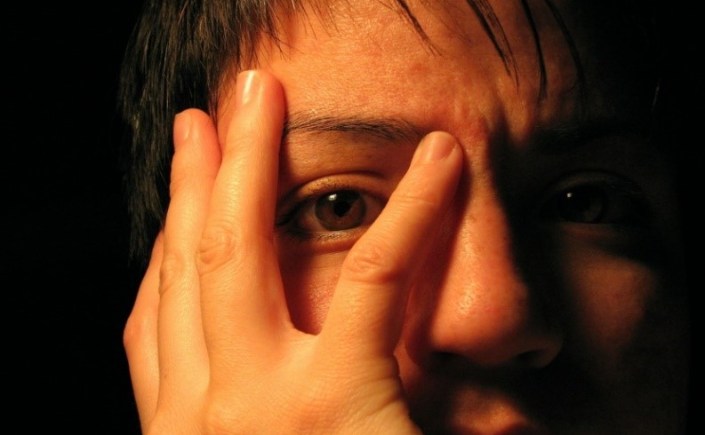
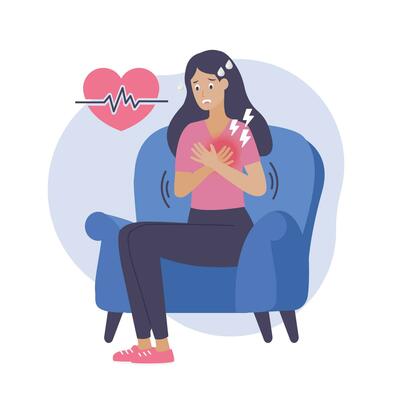
            Panic Attacks are your body’s natural response to fight or flight. They usually last only a few minutes, even though it feels much longer. This overwhelming bodily reaction can be triggered by a multitude of reasons caused by severe anxiety. Symptoms can manifest in various ways, depending on the individual. Psychological symptoms such as fear and dread persist throughout panic attacks and are usually accompanied by physical symptoms. Physical symptoms can include increased heart rate, shaking, sweating, lightheadedness, or shortness of breath. Some individuals experience multiple symptoms during panic attacks, and others will not experience them at all. During a panic attack, you will feel these intense symptoms, often enhancing the anxiety, intensifying the panic attack. This creates a constant cycle that becomes difficult to break.

            Breaking the cycle is key to taking control of your mind and body when you find yourself in one of these situations. Remember, you are in control, not the other way around. Erratic breathing is a prevalent symptom for most people who experience panic attacks. A common method is Box breathing, to regulate your breathing. There are many videos explanations online for further instructions, but in short, you begin by inhaling slowly through your nose for four seconds, hold your breath for four, exhale slowly through your mouth for four, and then hold your breath again for four. There are many different breathing techniques that are helpful in helping to calm your body down from a panic attack. Deep breathing is one of the fastest ways to come down from a state of fight-or-flight, but takes patience and practice to master. Some people struggle with breath practice and can benefit from other techniques such as muscle relaxation and methods of distraction. Muscle relaxation involves tensing and releasing specific muscle groups. It is suggested to start from your toes, working your way up to your head. Focusing your attention on tensing and releasing muscle groups converts your focus to your present and physical body. Another helpful method of distraction is the 5 senses. During this exercise, you will become conscious of what you hear, see, smell, touch, and taste. This method allows the individual to center their attention on their present self to reduce anxiety.

Panic Attacks vs. Anxiety Attacks: Understanding the Differences and Seeking Help

Panic Attacks vs. Anxiety Attacks: Understanding the Differences and Seeking Help

By, Maro Mikhaeil

Have you ever felt your heart racing and felt completely detached from the world? Chances are, you may be experiencing a panic attack. Or have you ever felt so irritable and restless to the point where it’s disrupting your sleep? Well, in that case, you may be experiencing anxiety or an anxiety attack. Don’t get the two confused, as there are differences between them.

Panic attacks are intense, unexpected feelings of terror, fear, or discomfort. They are unexpected because they aren’t triggered by specific events and may occur without reason. Panic attacks are typically brief and only last several minutes. Physical symptoms include trembling, tingling, rapid heart rate, chest pain, feeling tightening in arms and hands, chills, etc. Symptoms vary from person to person, but these are the most common.

Anxiety attacks or anxiety are characterized by feeling restless and fearful that something is going to happen. Unlike panic attacks, anxiety attacks are triggered by specific events. Some physical symptoms include feeling lightheaded, dizzy, stomach knots, rapid heart rate, heavy breathing, hot flashes, nausea, headaches, backaches, and frequent sweating. Frequent anxiety attacks can indicate a type of anxiety disorder. Anxiety may not always be rational and may just occur because of fearing something bad is going to happen, even though it may just be all in your head.

It’s important to understand how you can differentiate between the two and to seek help when you need it. Often people don’t want to seek help, which can cause symptoms to worsen. Don’t be afraid to seek help, as there are many options available, such as therapy, medication, and lifestyle changes. It’s important to prioritize your mental health and take care of yourself. Remember that you are not alone, and many others have experienced similar symptoms. It’s okay to ask for help and take the steps necessary to manage your anxiety or panic attacks. With the right treatment and support, you can overcome these challenges and live a fulfilling life.

If you or someone you know is struggling with anxiety or panic attacks, please contact our psychotherapy offices in New York or New Jersey to talk to one of our licensed professional psychologists, psychiatrists, psychiatric nurse practitioners, or psychotherapists at Arista Counseling & Psychotherapy. Contact our Paramus, NJ or Manhattan, NY offices respectively, at (201) 368-3700 or (212) 722-1920 to set up an appointment. For more information, please visit http://www.counselingpsychotherapynjny.com/

Sources:

Diagnostic and Statistical Manual of Mental Disorders Fifth Edition by the American Psychiatric Association (DSM-IV)

https://www.self.com/story/anxiety-disorder-symptoms

https://www.webmd.com/anxiety-panic/anxiety-attack-symptoms

https://www.medicalnewstoday.com/articles/307863

https://www.mayoclinic.org/diseases-conditions/anxiety/symptoms-causes/syc-20350961

Shopping Addiction? Can’t Save Money? That May Be A Real Issue

Shopping Addiction? Can’t Save Money? That May Be A Real Issue

By Erika Ortiz

             Most people like to spend and buy things, but some take that splurging a bit to the max and do it any opportunity possible. Shopping makes some feel good, however; some get this “high” feeling since the brain releases endorphins and dopamine as they shop. It’s one thing to shop while on a budget, while it’s another to shop with no budget in mind. All of the spending, unnecessary buying, and accumulation of debt is an actual issue called shopping addiction. It is imperative to break down shopping addiction and the different types. First, there is impulse buying which is buying something you did not plan on purchasing in the first place. It can range from buying a chocolate bar from the grocery store while waiting in line or buying your 50th pair of shoes. Compulsive buying is when you plan your shopping, but to an extreme and on unnecessary items. Compulsive buying is usually where the shopping addiction behavior occurs most. For example, say you did not do so well on an exam or had a bad day at work, your immediate solution is to go shopping afterward to make yourself feel better. Another type is bargain shoppers who think they are getting a steal price or great deal. They are still spending a lot instead of saving. Finally, there is bulimic shopping or circular shopping. These people buy and return just for fun; even though they are staying within their budget, they are wasting a lot of time and energy.

           Shopping addiction can be due to stress, loneliness, sadness, the need to fill a void, lack of control, avoidance of reality, depression, anxiety, etc. Nonetheless, this is a severe problem that needs an urgent solution because shopping addiction can lead to issues in relationships, growing debt, constant overspending, and even lying about spending. One way to help with this issue is to create a budget and try sticking with it. There are many resources online that can be great budgeting tools. It is critical to immediately get help if you have a very severe case of shopping addiction. Seek a mental health professional who can help you get to the root of the issue and understand what you are going through. Remember that there is hope and you can get through this.

If you or someone you know is struggling with a shopping addiction please contact our psychotherapy offices in New York or New Jersey to talk to one of our licensed professional psychologists, psychiatrists, psychiatric nurse practitioners, or psychotherapists at Arista Counseling & Psychotherapy. Contact our Paramus, NJ or Manhattan, NY offices respectively at (201) 368-3700 or (212) 722-1920 to set up an appointment. For more information, please visit https://www.counselingpsychotherapynjny.com

Sources

https://www.ramseysolutions.com/budgeting/shopping-addiction

Anxiety, Depression, Eating Disorders, ADHD, Et al: How to Support a Friend with Mental Illness

By: Sarah Cohen

When helping a friend with a mental illness, the first step should be assessment of their symptoms. Sometimes they just might be going through a difficult time, but if certain common symptoms associated with mental health issues persist it is imperative to respond sensitively. Majority of the time, friends will just want to know they have your support and that you care about them. A good way to show your support is by talking to them. If you provide a non-judgmental space for them to speak about their issues it will help encourage them to be open with their problems. Let them lead the conversation and don’t pressure them to reveal information. It can be incredibly difficult and painful to speak about these issues and they might not be ready to share everything. If you aren’t their therapist do not diagnose them or make assumptions about how they are feeling, just listen and show you understand. If someone doesn’t want to speak with you, don’t take it personally, just continue to show them you care about their wellbeing and want to help as much as possible. Just knowing they have support can give them the strength they need to contact someone who can help them.

If a friend is having a crisis, such as a panic attack or suicidal thoughts, you must stay calm. Try not to overwhelm them by asking a lot of questions and confronting them in a public setting. Ask them gently what would be helpful to them right now or reassure them. If they hurt themselves, get first aid as soon as possible. If someone is suicidal, contact the suicide hotline at 800-237-8255 immediately.

The best way to help someone is by connecting them to professional help. By expressing your concern and support you can show them that they can get help and their mental health problems can be treated.

If you or someone you know needs support with their mental illness, please contact our psychotherapy offices in New York or New Jersey to talk to one of our licensed professional psychologists, psychiatrists, psychiatric nurse practitioners, or psychotherapists at Arista Counseling & Psychotherapy. Contact our Paramus, NJ or Manhattan, NY offices respectively, at (201) 368-3700 or (212) 722-1920 to set up an appointment. For more information, please visit http://www.counselingpsychotherapynjny.com/

https://www.mentalhealth.org.uk/publications/supporting-someone-mental-health-problem

https://www.mentalhealth.gov/talk/friends-family-members

Anxiety and Bullying

Image result for anxiety and bullying


Anxiety and Bullying

By: Vanessa Munera

Being bullied is not an easy thing to handle. It can be a traumatic experience for teens that are being targeted. Those who are bullied experience impacts in their lives such as feeling lonely, anxious, isolated, and vulnerable. Unfortunately, when a bully moves on to the next target, these consequences of bullying linger longer for the victim. After prolonged exposure, victims of bullying can develop adverse effects. These victims will experience depression, eating disorders, and thoughts of suicide. In addition, victims of bullying can develop some sort of anxiety disorder. The top four major anxiety disorders victims of bullying can experience are Post-Traumatic Stress Disorder (PTSD), generalized anxiety disorder (GAD), panic attacks and social anxiety disorder.

  1. Post-Traumatic Stress Disorder (PTSD): this occurs after a traumatic or life-threatening event. PTSD can develop due to events such as a car accidents or losing a close relative. This disorder can also show up after repeated abuse or even bullying. Children who are bullied may experience nightmares, flashbacks, withdraw from others, or are easily startled. Kids, who undergo long term and abusive bullying, have increased chances of developing PTSD.

2. Generalized Anxiety Disorder (GAD): Kids with GAD are often tormented with worries and fear that distract them for their daily life activities. Those with generalized anxiety have a constant feeling that something bad is going to happen. This is not uncommon with victims of bullying. With GAD, physical symptoms may appear such as insomnia, stomachaches, fatigue, and restlessness.

3. Panic Attacks: Those who suffer from panic disorders must deal with unpredictable and repeated attacks. When suffering from a panic attack, the attack is usually with no warning and can cause physically symptoms. These symptoms include sweating, chest pain, and rapid or irregular heartbeats. In fact, a part of the brain called the amygdala plays a pivotal role in panic attacks. When left untreated, the sufferer will begin to avoid going out or things they once enjoyed, in order to prevent another panic attack.

4. Social Anxiety Disorder: People who suffer from social anxiety fear being humiliated or seen negatively by others. Those with this disorder often worry that the way they look or act cause others to mock them. This can cause sufferers to avoid social gatherings to avoid being humiliated. In fact victims of bullying often develop social anxiety due to the repeated shame and public humiliation they experienced.

If you or a loved one appears to be suffering from an Anxiety Disorder, the licensed psychologists, psychiatrists, psychiatric nurse practitioners, and psychotherapists at Arista Counseling & Psychotherapy can assist you. Contact our Paramus, NJ or Manhattan, NY offices respectively, at (201) 368-3700 or (212) 722-1920 to set up an appointment. For more information, visit http://www.counselingpsychotherapynjny.com/


References:

https://www.verywellfamily.com/bullying-and-anxiety-connection-460631

https://www.stopbullying.gov/blog


When Fears Become Extreme

By Diana Bae

With Halloween coming next month, spooky decorations and fake spider webs begin to appear and spark a little bit of fear in all of us, as we prepare for the scares to come. Feeling afraid or scared is normal because fear allows us to be alert and safe in case of possible danger. However, when the fear persists and starts intruding our lives, it may be a phobia.

Phobias are severe fears that cause persistent anxiety over certain circumstances or objects. They can come at small to large intensities and cause distress. Some common phobias include animals (spiders), social situations (public speaking), and even the natural environment (heights).

However, there is a chance that these phobias will develop into a harsher anxiety disorder and cause distressing panic attacks. Trying to handle phobias without assistance can backfire and produce stress and anxiety due to avoidance. Thus, with the proper treatment, a person can learn how to face the phobias and reduce their feelings of panic and fear.

Arista Psychological and Psychiatric Services understands the difficulty of overcoming phobias alone and, thus, are dedicated to help those seeking for treatment. If you or someone you know would like to set up an appointment for our counseling services, contact us at our offices in Paramus, NJ (201) 368-3700 or in Manhattan, NY (212) 996-3939. Also, please visit our website https://www.counselingpsychotherapynjny.com/


Sources

https://www.apa.org/helpcenter/anxiety

https://www.psychologytoday.com/us/basics/fear

https://www.psychologytoday.com/us/blog/think-act-be/201603/where-do-fears-and-phobias-come

Image Source: https://www.nytimes.com/2017/10/26/well/live/fear-anxiety-therapy.html

Hypnosis: The Basics!

Hypnosis: The Basics!

By Lauren Hernandez

            In today’s fast paced, technology filled world, it is important to take care of your mental health and address stress and anxiety with a mental health professional. There are various methods of treating anxiety, stress, and depression, and one of those methods is Hypnosis. According to PsychologyToday, hypnosis is the technique of “putting someone into a state of heightened concentration where they are more suggestible”. Hypnosis is achieved through soothing verbal repetition which relaxes a patient into a trance-like state, allowing the patient to be more open minded to transformative messages. Hypnosis allows a patient to be guided through relaxation, while still being in control. Hypnosis is utilized in accordance with other treatments to help patients overcome mental health issues. Hypnosis is ineffective as a sole treatment method, but is beneficial to a patient when used with other methods of therapy.

Hypnosis can help treat:

  • Bad habits such as smoking
  • Stress, anxiety, and depression
  • Pain, pain associated with autoimmune diseases
  • Fatigue
  • Mood disorders
  • Insomnia
  • Specific phobias

If you are interested in trying another method to treat your anxiety, depression, or any other mental health issues, it is important to reach out to a licensed psychotherapist who can safely and effectively assist you with the use of hypnosis.


Sources:

https://www.psychologytoday.com/us/basics/hypnosis

https://www.psychologytoday.com/us/blog/life-without-anxiety/201706/hypnotherapy-and-its-benefits-autoimmune-disease

Image Source:

https://www.bing.com/images/search?view=detailV2&id=8D025584803526770A48CA5EEC0B18B1B5C9F019&thid=OIP.y6nddEUu23PK3TscNApqDAHaEK&mediaurl=https%3A%2F%2Fi.ytimg.com%2Fvi%2Fyf42hiij63U%2Fmaxresdefault.jpg&exph=720&expw=1280&q=hypnosis&selectedindex=4&ajaxhist=0&vt=0&eim=1,2,6

Hoarding

Hoarding

By Lauren Hernandez

                Hoarding is a disorder characterized by the continuous inability to get rid of belongings that have no significant value. While Hollywood has made hoarding a spectacle for consumers, hoarding is a serious condition which threatens the safety and livelihood of many people around the world. People with hoarding disorder will accumulate random items they believe they have an emotional attachment to or because they think they might need the item in the future.

Typically hoarding begins in adolescence and the severity of the condition worsens over time. The cause is still unknown, however hoarding disorder can be prompted by experience of a traumatic event, if a family member has had the disorder, or if a person has difficulty making decisions. People who hoard may suffer from depression, anxiety, or obsessive compulsive disorder. If a hoarder continuously refuses to throw items away, their home will be covered in growing piles of random objects. This poses a serious threat to their health and to the health of the people around them. The clutter inside a home often deems the house unlivable, and there is a greater risk for falling and tripping over items. In addition, there is an increased risk of fires, and mold due to rotting food and other items that are wasting away. People who hoard also typically struggle with personal hygiene which can be associated with other mental illnesses such as depression and anxiety.

According to DSM-5, the following symptoms are diagnostic of hoarding disorder:

  • Persistent difficulty discarding or parting with possessions, regardless of their value or lack thereof
  • The difficulty in discarding possession is due to distress associated with getting rid of them
  • The difficulty in discarding possession leads to clutter of living spaces and compromises the use of living spaces
  • The hoarding creates clinically significant distress or impairment in functioning, including the ability to maintain a safe space

A person who hoards is unable to recognize that their hoarding activity is problematic and dangerous. If you or someone you know might have hoarding tendencies perhaps attempt to either clean the space, if it does not cause too much distress, or leave it. If attempting to clean causes too much distress, seek professional help. “The primary treatments used to relieve symptoms of hoarding disorder include cognitive-behavioral therapy and antidepressant medication, such as selective serotonin reuptake inhibitors (SSRIs). One or the other, or both, may be employed” (PsychologyToday).

If you or someone you know is engaging in hoarding activities, please contact our psychotherapy offices in New York or New Jersey to talk to one of our licensed professional psychologists, psychiatrists, psychiatric nurse practitioners, or psychotherapists at Arista Counseling & Psychotherapy. Contact our Paramus, NJ or Manhattan, NY offices respectively, at (201) 368-3700 or (212) 722-1920 to set up an appointment. For more information, please visit http://www.counselingpsychotherapynjny.com/ .


Sources: https://www.psychologytoday.com/us/conditions/hoarding-disorder

Image Source:

https://www.bing.com/images/search?view=detailV2&id=39261EB37504F116457B197FA206B36E38D082FD&thid=OIP._Fyir4F8p4hBOh6TS6Yy-QHaHa&mediaurl=http%3A%2F%2Fwww.choosehelp.com%2Ftopics%2Fanxiety%2Fcompulsive-hoarding%2Fimage&exph=1024&expw=1024&q=hoarding&selectedindex=31&ajaxhist=0&vt=0&eim=1,2,6

Assertiveness and Anxiety: How Expressing Yourself Can Lead to a Happier Self

By: Sanjita Ekhelikar

“Communication is key” is a phrase we are all familiar with, yet many struggle with actually acting on it. The most effective form of communication is through assertiveness, which involves expressing one’s views in a straightforward manner, and in standing up for one’s needs while still being considerate of others. This differs from aggressiveness in that it does not involve being outwardly emotional or insulting to others, and differs from passivity in that the individual clearly states their feelings and desires. Being assertive involves open communication, which can be difficult to engage in, especially for people struggling with anxiety. However, through practicing and learning assertiveness, people with anxiety can actually feel less worry and more confident in themselves.

Anxiety describes the uncomfortable feelings of turmoil and dread that one might have in anticipation that results in physical sensations such as rapid heartbeat, sweating, and rumination. For many who struggle with anxiety, the thought of being assertive with others makes them anxious. They often worry that being assertive will come off as being mean, creating conflict, and being inconsiderate. Therefore, many choose passive communication, and never voice their views or feelings. This worsens their state of worry, as they are not properly understood by those around them and can easily be taken advantage of. They are often misunderstood which increases their worry. Others often take advantage of them because of their meek manner and visible anxiety.

Contrary to what those with anxiety believe, assertiveness can actually help them feel better. Often times, those with anxiety create situations in their mind about everything that will go wrong if they voice themselves to another person. However, such a form of open communication can create a better understanding between two people. It allows the person with anxiety to be properly understood, to dispel the fearful thoughts in their head, and become more confident in themselves and their views.

How can people with anxiety begin working towards being more assertive? By stating their views using “I,” individuals can avoid putting blame on others by expressing their own opinions. In addition, reminding themselves that their fears are not rational and that it is their anxiety talking to them can help them become increasingly comfortable with being assertive. Finally, practice makes perfect – keep trying and speak up!

If you or someone you know is suffering from anxiety, please contact our psychotherapy offices in New York or New Jersey to talk to one of our licensed professional psychologists, psychiatrists, psychiatric nurse practitioners, or psychotherapists at Arista Counseling & Psychotherapy. Contact our Paramus, NJ or Manhattan, NY offices respectively, at (201) 368-3700 or (212) 722-1920 to set up an appointment. For more information, please visit http://www.counselingpsychotherapynjny.com/.

Panic Attacks and Anxiety

By: Dianna Gomez

Panic. Worry. Fear. Helplessness. What is wrong with me? Why am I feeling like this? Why is my heart beating out of my chest? Am I dying? Why can’t I make it stop?!

For some of us, these emotions are all too familiar. Anxiety can be a scary thing, especially when you’re not totally up-to-date on what exactly it is. What are you to do when you feel like your whole world is crashing down around you and there’s nothing you can do to stop it? Well, have no fear because I have a few helpful tips to share!


Here are 5 things that you can do to calm yourself down when suffering from an anxiety attack:

  • Take Deep Breathes

Inhale. Exhale. Tell yourself that although it may not feel like it right now, everything will be okay.

  •  Talk Yourself Down

Repeat a calming/kind phrase to yourself OUT LOUD. Remind yourself that you are safe, loved, and never alone.

  • Seek Help

Sometimes we tend to insist that we can get through tough times all on our own, but there is no shame in asking for help. Whether it be a neutral professional, a loved one or someone you trust, find someone with whom you can talk out your troubles.

  • Use Music and Visuals

Never underestimate the power of calming music and visuals. Whether it be classical music, peaceful nature videos/sounds, or your favorite John Mayer song – let the music play and your worries float away!

  • Put Your Anxiety on Ice

Create sensory stimulation by gently sticking both of your hands into a bowl of very cold water with ice. The more ice the better.


If either you or anybody you know suffers from anxiety, the licensed psychologists, psychiatrists, psychiatric nurse practitioners, and psychotherapists at Arista Counseling & Psychotherapy can help you. Contact our Paramus, NJ or Manhattan, NY offices respectively, at (201)-368-3700 or (212)-722-1920 to set up an appointment. For more information, visit us at https://www.counselingpsychotherapynjny.com/.