Gaining Familial Support through Therapy

By Eleanor Kim

Starting therapy is a crucial step towards achieving emotional and psychological wellbeing. Therapy in conjunction with support and love from family members provides a sense of familiarity and comfort while receiving professional help. As the individual continues their therapy, it may be beneficial for all family members to consider family therapy as a means of familial support for their loved one during what may be a difficult or challenging time for the individual.

Family therapy is a form of therapy that allows family members to express their care for a family member who may be dealing with mental health or substance abuse disorders while also strengthening their own familial relations through proper communication. Family therapy will also allow family members to receive the support they may need while they learn how to best help their loved one and to address any questions or concerns they may have regarding their condition.

Family therapy is not limited to families dealing with psychological or addiction issues. In fact, family therapy is a great option for all families, especially for those who are seeking professional guidance while navigating through situations that may cause their family stress, anger, grief, or conflict. Possible matters include, but are not limited to, marital issues, loss, illness, grief, life style changes, and other environmental stressors. Family members will work on strengthening their empathy and understanding for one another as therapists assist individuals to express their needs or concerns in an open and non-judging environment. Family therapists will also guide family members throughout the process of understanding what their loved one is experiencing, as is the case in individual therapy. It is beneficial for both parties to communicate with one another in ways in which they can help one another throughout the recovery process.

At Arista Counseling, we have many therapists who are ready to help you and your family through any psychological conditions, substance abuse issues, or otherwise troubling matters that may currently be affecting your family.

If you or someone you know is seeking familial support or has considered family therapy, please contact our psychotherapy offices in New York or New Jersey to talk to one of our licensed professional psychologists, psychiatrists, psychiatric nurse practitioners, or psychotherapists at Arista Counseling & Psychotherapy. Contact our Paramus, NJ or Manhattan, NY offices respectively, at (201) 368-3700 or (212) 722-1920 to set up an appointment. For more information, please visit http://www.counselingpsychotherapynjny.com

References:

http://www.acenterfortherapy.com/family_issues.php

Image Source:

https://www.seekpng.com/ipng/u2a9o0y3w7e6w7a9_family-counseling-clipart-marriage-and-family-therapist-clipart/

Loneliness During Covid-19

By Eleanor Kim

As we round out one year of stay at home orders and self-quarantine measures due to the novel coronavirus, many are reflecting on their time at home and their mental health during this period. While every individual’s experience over this past year has been unique, one experience seems to be universal-loneliness. Folks around the world were left to deal with their own fears and anxieties regarding the virus and general health and safety of loved ones without the usual group of support from family and friends. This experience was exacerbated for those that were left to face the effects of COVID-19 on their own as unforeseen circumstances forced individuals into isolation.

A recent study found that 65% of participants felt increased feelings of loneliness since the official declaration of the pandemic. In that same study, 76% reported feelings of anxiety, 58% reported a loss of feelings of connectedness, and 78% reported feelings of depression. These feelings of loneliness have far reaching effects as another study found a link between loneliness and heart problems, diabetes, stroke, memory complaints, drug abuse risk, and elevated blood pressure. Other issues include trouble sleeping, negative relationships with food, and an increased reliance on maladaptive coping skills such as drinking and gambling. Loneliness is not a new condition; however, the magnitude in which it is presenting itself is alarming and deserving of a closer watch, especially among younger and older generations.

Now more than ever, it is crucial that individuals strengthen the relationship that they have with themselves. Each emotion that has presented itself during this past year is valid and expected during such a trying and unknown time. It is recommended that individuals welcome these feelings and try their best not to avoid or deny such states of mind. The effects of coronavirus and the impact it has had on the physical and mental wellbeing of people around the world unfortunately will continue to be felt as we trek towards the “new normal” and sense of global stability. It is essential that individuals remind themselves that they are not alone during these times of loneliness and that there are resources available to help cope with any feelings of unrest or isolation.

Online services such as Zoom or Cisco Webex offer opportunities for groups to interact in a virtual setting that will help simulate a sense of community and togetherness. Socially-distanced gatherings may be an option for those who are able to meet in an outdoor or well ventilated area, weather permitting. Experts recommend limiting time spent on social media as excessive time spent on these apps and websites could instill feelings of frustration, anxiety, and comparison with others. Should these feelings of loneliness and isolation persist, telehealth is available for those who may wish to speak to mental health professionals throughout these difficult times.

If you or someone you know is feeling lonely or isolated, please contact our psychotherapy offices in New York or New Jersey to talk to one of our licensed professional psychologists, psychiatrists, psychiatric nurse practitioners, or psychotherapists at Arista Counseling & Psychotherapy. Contact our Paramus, NJ or Manhattan, NY offices respectively, at (201) 368-3700 or (212) 722-1920 to set up an appointment. For more information, please visit http://www.counselingpsychotherapynjny.com/ .

References:

https://www.sharp.com/health-news/managing-loneliness-during-covid-19.cfm

https://www.medicalnewstoday.com/articles/alarming-covid-19-study-shows-80-of-respondents-report-significant-symptoms-of-depression#Making-things-better

Image Source:

https://lifesupportscounselling.com.au/wp-content/uploads/2020/05/loneliness-in-lockdown.jpg

What is Seasonal Affective Disorder?

By: Kassandra Lora

Once the seasons change from fall to winter and the days become shorter, some individuals may notice a change in their moods. Some of these mood changes may be a slight feeling of being “down” but other times, these mood changes can be more severe and can have a significant effect on a person. Seasonal Affective Disorder is a type of depression that usually affects a person once the seasons are changing. According to the National Institute of Mental Health, “SAD symptoms start in the late fall or early winter and go away during the spring and summer; this is known as winter-pattern SAD or winter depression.” It is not as common for someone to develop SAD symptoms during the spring and summer months, although it is still possible.

Some significant depression symptoms may include:

•           feeling depressed most of the day, nearly every day

•           losing interest in activities

•           changes in appetite or weight

•           having problems with sleep

•           having low energy

•           feeling worthless or hopeless

•           having difficulty concentrating

•           having frequent thoughts of death or suicide.

Although Seasonal Affective Disorder is a type of depression, to develop the diagnosis of having SAD, you must have the symptoms of major depression or must have some of the symptoms listed above. You must also have these depressive episodes occur to you during a specific season for a least two consecutive years.

Individuals who are more susceptible to developing SAD are more commonly those who live further north. Furthermore, according to the Nation Institute of Mental Health, “SAD is more common in people with major depressive disorder or bipolar disorder, especially bipolar II disorder, which is associated with recurrent depressive and hypomanic episodes.” SAD is also more commonly found in women than men.

Seasonal Affective Disorder is a severe condition, though scientists cannot understand what exactly causes SAD. Scientists have done the research and have suggested that people with SAD may have reduced serotonin activity, regulating mood. Researchers have also indicated how lack of sunlight in people with SAD can affect their serotonin levels, affecting their mood. Although these are all possible causes and effects which determined why individuals may have SAD it is still unclear if these are the exact reason. However, these causes and effects can be useful when focusing on treatment.Treatments that may help people with SAD include light therapy, psychotherapy, antidepressant medications, and vitamin D.

Speak to your health care provider about which treatment or combination is most suitable for you. If you or someone you know is struggling with Seasonal Affective Disorder, please contact our psychotherapy offices in New York or New Jersey to talk to one of our licensed professional psychologists, psychiatrists, psychiatric nurse practitioners, or psychotherapists at Arista Counseling & Psychotherapy. Contact our Paramus, NJ or Manhattan, NY offices.

Source: https://www.nimh.nih.gov/health/publications/seasonal-affective-disorder/index.shtml

Image Source: https://www.sciencemag.org/careers/2019/03/how-i-learned-cope-seasonal-affective-disorder-grad-school

ADHD and the 3 Types

Mizuki Wada

Known to be commonly diagnosed in children and adults, ADHD is a neurobehavioral disorder that is characterized by the patient’s inattentiveness and impulsivity. However symptoms can differ from patient to patient and can be categorized into three general types.

The first type, primarily hyperactive also known as impulsive ADHD is generally linked with those who are restless. Some of the symptoms could include:

  • Restlessness
  • Impulsive speech and actions
  • Excessive talking
  • Overactive
  • Interruptive
  • Loud interactions

Type two is primarily inattentive ADHD formerly called ADD. This type includes symptoms of inattentiveness and does not include hyperactive symptoms. Some common symptoms could be:

  • Trouble paying attention
  • Difficulty in following through tasks
  • Easily distracted
  • Shy
  • Disorganized
  • Careless
  • Slow in processing information

The final type is a combination of these two types. This type is a mix of both hyperactive and impulsive behaviors.

Although these symptoms are categorized into different types, they all fit under the general disorder, showing the depth of this disorder and how symptoms could differ depending on the individual.

If you or someone you know is struggling with ADD/ADHD, please contact our psychotherapy offices in New York or New Jersey to talk to one of our licensed professional psychologists, psychiatrists, psychiatric nurse practitioners, or psychotherapists at Arista Counseling & Psychotherapy. Contact our Paramus, NJ or Manhattan, NY offices respectively, at (201) 368-3700 or (212) 722-1920 to set up an appointment. For more information, please visit http://www.counselingpsychotherapynjny.com/


References

https://www.psychologytoday.com/us/conditions/attention-deficithyperactivity-disorder-adult

https://www.additudemag.com/3-types-of-adhd/#:~:text=What%20Are%20the%203%20Types%20of%20ADHD%3F%201,ADHD%20%28formerly%20called%20ADD%29%203%20Combined%20Type%2 0ADHD

Depression: Living with Major Depressive Disorder

Depression: Living with Major Depressive Disorder

By: Zoe Alekel

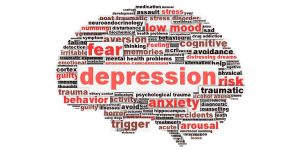
Have you been experiencing persistent sadness, anxiety, or feelings of emptiness? Even hopelessness, irritability, guilt, worthlessness, loss of interest or pleasure in activities or hobbies—these are all symptoms of Major Depressive Disorder (MDD). More commonly, MDD is known as depression. Dealing with this diagnosis is not easy because of how long these symptoms can last and how invasive they feel.

The Mayo Clinic defines MDD as “A mood disorder that causes a persistent feeling of sadness and loss of interest. Also called major depressive disorder or clinical depression, it affects how you feel, think and behave and can lead to a variety of emotional and physical problems. You may have trouble doing normal day-to-day activities, and sometimes you may feel as if life isn’t worth living” (Mayo Clinic). It is important to consider contacting a doctor or a therapist to discuss these symptoms, as they can become more severe and invasive with time.

Some ways you can reach help are:

  • Call a local counseling or psychological center.
  • Call a psychiatrist in your area that can help provide medication if needed.
  • Reach out to a close friend or loved one for support.

The National Institute of Mental Health suggests that the earlier the treatment begins with a therapist or a psychiatrist, the more effective it can be. Depression can be treated with psychotherapy, medication, or a combination. Additionally, meditation and mindfulness can help develop coping skills for those experiencing depression. If you are experiencing depression, it is important to remember that there is hope and there is a way out of the darkness you are experiencing.

If you or someone you know needs support with depression, please contact our psychotherapy office in New York or New Jersey to talk to one of our licensed professional psychologists, psychiatrists, psychiatric nurse practitioners, or psychotherapists at Arista Counseling & Psychotherapy. Contact our Paramus, NJ or Manhattan, NY offices respectively at (201) 368-3700 or (212) 722 – 1920 to set up an appointment. For more information, please visit http://www.counselingpsychotherapynjny.com/

Sources:
https://www.mayoclinic.org/diseases-conditions/depression/symptoms-causes/syc-20356007
https://www.nimh.nih.gov/health/topics/depression/index.shtml

Image Source:
http://metamedianews.com/2018/06/mdd-major-depressive-disorder/

Acute Stress Disorder: Reliving trauma

Acute Stress Disorder: reliving trauma
By: Zoe Alekel

It is not uncommon to experience a traumatic event in life. In fact, trauma related incidences range from experiencing a car accident, to experiencing an assault or witnessing a crime. All of these stressful situations can be lead causes to an anxiety disorder known as Acute Stress Disorder (ASD). According to the American Institute of Stress, ASD is defined by Post Traumatic Stress Disorder (PTSD)-like symptoms that occur for a short time after experiencing a trauma—an experience that can be emotionally distressful and painful, and that can cause mental and physical symptoms. After experiencing a traumatic event, it is not uncommon to develop ASD; in fact 5-20% of people that experience traumatic events will develop ASD.

Symptoms of ASD include intrusion symptoms, like involuntary distressing memories; negative mood symptoms, such as the inability to experience positive emotions like love and happiness; dissociative symptoms, like seeing yourself from the outside, the feeling that nothing is real and that time is slowed down; avoidance symptoms, such as avoiding thoughts, feelings, and places associated with the trauma; and arousal symptoms, such as trouble falling or staying asleep, irritable behavior, and difficulty concentrating.

This can be extremely overwhelming and invasive to someone who has experienced a traumatic event, and it is uncomfortable to feel as if you have to relive the event itself. However, ASD does not have to take over your life completely. By implementing an immediate therapeutic intervention right after the trauma, it decreases the likelihood of ASD becoming prolonged and turning into PTSD. Ways to manage the stress and anxiety that comes with ASD are mindfulness and relaxation, talking to a trained trauma specialist, and having a support system that you can confide in.

If you or someone you know is struggling with Acute Stress Disorder, please contact our psychotherapy offices in New York or New Jersey to talk to one of our licensed professional psychologists, psychiatrists, psychiatric nurse practitioners, or psychotherapists at Arista Counseling & Psychotherapy. Contact our Paramus, NJ or Manhattan, NY offices respectively, at (201) 368-3700 or (212) 722-1920 to set up an appointment. For more information, please visit http://www.counselingpsychotherapynjny.com/ Sources: https://www.stress.org/acute-stress-disorder https://www.psychologytoday.com/us/conditions/acute-stress-disorder

Sources:

https://www.stress.org/acute-stress-disorder

https://www.psychologytoday.com/us/conditions/acute-stress-disorder

Image Source: https://www.bing.com/images/search?view=detailV2&ccid=pzmTf9qk&id=BA5B0BB1D4515DA5195D41BA6070603AE32437C7&thid=OIP.pzmTf9qkbMtGaFDdxylNNAHaD4&mediaurl=https%3a%2f%2fwww.elementsbehavioralhealth.com%2fwp-content%2fuploads%2f2017%2f01%2fptsd.jpg&exph=630&expw=1200&q=Post-Traumatic+Stress+Disorder+Acute&simid=608012514216510765&ck=9282692BACE02BB16355712947A1C3BA&selectedIndex=136&FORM=IRPRST&ajaxhist=0

Anxiety, Depression, Eating Disorders, ADHD, Et al: How to Support a Friend with Mental Illness

By: Sarah Cohen

When helping a friend with a mental illness, the first step should be assessment of their symptoms. Sometimes they just might be going through a difficult time, but if certain common symptoms associated with mental health issues persist it is imperative to respond sensitively. Majority of the time, friends will just want to know they have your support and that you care about them. A good way to show your support is by talking to them. If you provide a non-judgmental space for them to speak about their issues it will help encourage them to be open with their problems. Let them lead the conversation and don’t pressure them to reveal information. It can be incredibly difficult and painful to speak about these issues and they might not be ready to share everything. If you aren’t their therapist do not diagnose them or make assumptions about how they are feeling, just listen and show you understand. If someone doesn’t want to speak with you, don’t take it personally, just continue to show them you care about their wellbeing and want to help as much as possible. Just knowing they have support can give them the strength they need to contact someone who can help them.

If a friend is having a crisis, such as a panic attack or suicidal thoughts, you must stay calm. Try not to overwhelm them by asking a lot of questions and confronting them in a public setting. Ask them gently what would be helpful to them right now or reassure them. If they hurt themselves, get first aid as soon as possible. If someone is suicidal, contact the suicide hotline at 800-237-8255 immediately.

The best way to help someone is by connecting them to professional help. By expressing your concern and support you can show them that they can get help and their mental health problems can be treated.

If you or someone you know needs support with their mental illness, please contact our psychotherapy offices in New York or New Jersey to talk to one of our licensed professional psychologists, psychiatrists, psychiatric nurse practitioners, or psychotherapists at Arista Counseling & Psychotherapy. Contact our Paramus, NJ or Manhattan, NY offices respectively, at (201) 368-3700 or (212) 722-1920 to set up an appointment. For more information, please visit http://www.counselingpsychotherapynjny.com/

https://www.mentalhealth.org.uk/publications/supporting-someone-mental-health-problem

https://www.mentalhealth.gov/talk/friends-family-members

Mental Illness in Young Adults

By: Melissa Molina

You may think you’re all grown up, you might even be the tallest you’ll ever be at this point in your life but young adults, ages 18 to 29, are still experiencing cognitive development. Brain development does not stop once you reach 18. In fact, the cognitive growth process is only half way done. Parental controls, attending college, changes and experiences that happen to young adults in their early twenties can affect and significantly shape brain development. This is why mental illnesses can present at this time in life. 

Mental Illness envelops a wide assortment of issues that exist on a severity continuum. Some can be brief or temporary reactions to emergency or different encounters, while others are chronic conditions. Mental Illnesses have different causes and triggers and present in different ways.

Mental Illnesses that Commonly Present in Young Adults: 

  • Eating Disorders (anorexia,bulimia, bingeing) 
  • Addiction (opioids, tobacco, alcohol) 
  • Anxiety Disorders (social anxiety, generalized anxiety, phobias) 
  • Personality Disorders (antisocial, borderline personality disorder) 
  • Mood Disorders (bipolar disorders, major depressive disorder) 
  • Thought Disorders (schizophrenia)

Young adults are at a particularly vulnerable time in their development, which might give reason as to why 1 of every 5 is affected by mental illness. Given the right conditions, stress can trigger mental illness. 

Considering young adults’ brains are still developing, diagnosing mental illness and treating or managing it can improve chances of a great outcome. Most young adults with mental illness can learn to successfully manage symptoms and live happy lives with the right help.

If you or someone you know is struggling with a mental illness, please contact our psychotherapy offices in New York or New Jersey to talk to one of our licensed professional psychologists, psychiatrists, psychiatric nurse practitioners, or psychotherapists at Arista Counseling & Psychotherapy. Contact our Paramus, NJ or Manhattan, NY offices respectively, at (201) 368-3700 or (212) 722-1920 to set up an appointment. For more information, please visit http://www.counselingpsychotherapynjny.com/

Source: skylandtrail.org/onset-of-mental-illness-first-signs-and-symptoms-in-young-adults/

Image Source: images.app.goo.gl/4DkjJ5zpS5cuFP747 

Race and Mental Health Treatment

Race and Mental Health Treatment
By: Isabelle Siegel

Research demonstrates that individuals from racial and ethnic minorities are significantly less likely to receive treatment for mental health issues than White individuals. In 2015, nearly half (48%) of White individuals with mental illnesses received professional help while significantly smaller percentages of minority individuals—31% of Black individuals, 31% of Hispanic individuals, and 22% of Asian individuals—with mental illnesses received professional help. This begs the question: Why are people from racial and ethnic minority backgrounds less likely to receive mental health treatment?

Financial Barriers. A report conducted by the Substance Abuse and Mental Health Services Administration (SAMHSA) reveals that the primary reason that people from racial and ethnic minority backgrounds are less likely to receive mental health treatment is due to the cost of services and/or lack of insurance coverage. People from racial and ethnic minority backgrounds are disproportionately likely to experience poverty and, as a result, to have difficulty accessing healthcare services.

Stigma. Research suggests that mental illness stigma is more acute among certain racial and ethnic groups. For example, studies suggest that feelings of stigma are greater among Asian and Hispanic individuals as compared to among White individuals. This, in turn, renders Asian and Hispanic individuals less likely to seek out mental health treatment when in need.

Lack of Culturally Competent Therapists. The majority of therapists are White and may not directly understand the experiences of people from racial and ethnic minority backgrounds. Becoming a culturally competent therapist requires education and effort that unfortunately does not always take place. In fact, 56% of mental healthcare providers report having no formal cultural competency training.

Language Barriers. Many therapists speak only English, which poses yet another barrier for racial and ethnic minority individuals who wish to seek mental health treatment. As a result, it can be difficult for non-English speaking individuals to receive proper mental healthcare.

It is imperative that we work to increase the accessibility to mental health treatment for all individuals. Regardless of race and/or ethnic background, socioeconomic status, and other demographic factors, all individuals have the potential to benefit from therapy and other forms of treatment.

If you or a loved one needs support, the licensed psychologists, psychiatrists, psychiatric nurse practitioners, and psychotherapists at Arista Counseling & Psychotherapy can assist you. Contact our Paramus, NJ or Manhattan, NY offices respectively, at (201) 368-3700 or (212) 722-1920 to set up an appointment. For more information, visit http://www.counselingpsychotherapynjny.com/

Sources:
Mental Health Facts for Diverse Populations – American …www.psychiatry.org › Mental-Health-Disparities › Ment…
https://www.nimh.nih.gov/news/science-news/2015/a-new-look-at-racial-ethnic-differences-in-mental-health-service-use-among-adults.shtml
https://socialwork.simmons.edu/racial-disparities-in-mental-health-treatment/

https://www.kff.org/other/state-indicator/poverty-rate-by-raceethnicity/?currentTimeframe=0&sortModel=%7B%22colId%22:%22Location%22,%22sort%22:%22asc%22%7D
https://www.ncbi.nlm.nih.gov/pmc/articles/PMC5568160/
Image Source: Mental Health Facts for Diverse Populations – American …www.psychiatry.org › Mental-Health-Disparities › Ment…

Mental Illness: Genetics or Environment?

Mental Illness: Genetics or Environment?

By: Isabelle Siegel

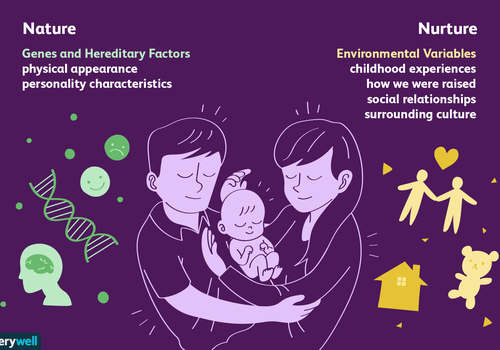
The term “Nature vs. Nurture” describes an age-old scientific debate regarding whether behavior, personality, and other individual characteristics are the result of nature—one’s biology and genetics—or nurture—one’s environment and upbringing. The development of mental illness is a prime example of the Nature vs. Nurture debate, as scientists and others seek to understand: Is mental illness caused by genetics or environment?

The Big Question. Is Nature or Nurture responsible for mental illness? This is essentially a trick question, as both Nature and Nurture contribute to the development of mental illness. In fact, it is ultimately the interaction between one’s genes and one’s experiences and environment that leads a person to develop a mental illness. According to the Diathesis-Stress Model, genetic predispositions develop into mental illnesses when they are met with stressful environments and/or experiences. For example, a person can be born with a genetic predisposition for depression, but that person may not develop depression unless they experience stressful environmental events such as abuse.

Nature. What are the biological and genetic causes of mental illness? It is well-documented that mental illness can be hereditary, or passed on within families. For example, a person is four to six times more likely to develop Bipolar Disorder if someone in their family has or had Bipolar Disorder. Another potent biological factor contributing to the development of mental illness is brain anatomy and brain chemistry. Research suggests, for instance, that people with schizophrenia have less active prefrontal cortices (the area of the brain associated with decision-making, planning, and personality). Other biological factors implicated in the development of mental illness include exposure to infection or toxins, damage during pregnancy, and use of substances.

Nurture. What are the environmental causes of mental illness? The development of mental illness can often be associated with one’s childhood experiences. Exposure to abuse is a potent example of an environmental factor that can lead to mental illness. Other experiences can also result in the onset of mental illness, including death, divorce, and/or other forms of grief or trauma.

In conclusion, neither Nature nor Nurture is solely responsible for the development of mental illness. Rather, genetic and biological factors combine with environmental and experiential factors to result in the onset of mental illness. 

If you or a loved one needs support for mental illness, the licensed psychologists, psychiatrists, psychiatric nurse practitioners, and psychotherapists at Arista Counseling & Psychotherapy can assist you. Contact our Paramus, NJ or Manhattan, NY offices respectively, at (201) 368-3700 or (212) 722-1920 to set up an appointment. For more information, visit http://www.counselingpsychotherapynjny.com/

Image Source: https://www.verywellmind.com/what-is-nature-versus-nurture-2795392