
Burnout

Burnout

By Lauren Hernandez

                Recently, the World Health Organization (WHO) has identified “burnout” as a syndrome and has added it to the WHO’s International Classification of Diseases. This legitimization of burnout as a syndrome provides credibility to a person who is over working themselves emotionally, physically, and intellectually.

According to Dr. Suzanne Degges-White’s article on Psychology Today, the symptoms of burnout include:

“1.Feelings of energy depletion or exhaustion

2.Increased mental distance from your job or feelings of negativity or cynicism related to your job

3.Reduced professional efficacy—or, in laymen’s terms, doing a poor job on-the-job”

Dr. Degges-White explains that although most symptoms of burnout may resemble other disorders associated with depression and anxiety, burnout is focused on direct feelings towards your job.

Mindfulness practices may decrease feelings of burnout. Activities such as regular exercise, yoga, and mindfulness meditation may help to stabilize and encourage balance in your life. It is also important to try to sleep and rest as much as you can. Sleeping is a restorative process and helps to promote a healthy mind and body. Because burnout is due to chronic workplace stress, it will not go away by taking a vacation or escaping the workplace for a few days. Burnout is something to be taken seriously and if it is impairing your lifestyle, seek treatment from a psychiatric professional.

If you or someone you know is struggling with burnout, please contact our psychotherapy offices in New York or New Jersey to talk to one of our licensed professional psychologists, psychiatrists, psychiatric nurse practitioners, or psychotherapists at Arista Counseling & Psychotherapy. Contact our Paramus, NJ or Manhattan, NY offices respectively, at (201) 368-3700 or (212) 722-1920 to set up an appointment. For more information, please visit http://www.counselingpsychotherapynjny.com/ .


Sources: https://www.psychologytoday.com/us/blog/lifetime-connections/201905/burnout-is-officially-classifiedicd-11-syndrome

https://www.forbes.com/sites/bryanrobinson/2019/06/02/the-burnout-club-now-considered-a-disease-with-a-membership-price-you-dont-want-to-pay-for-success/#aa218ac37ab0

Image Source: https://www.bing.com/images/search?view=detailV2&id=D7EC303D1D17B543CE053AC8D020EBB7073F16DA&thid=OIP.4t79eaOz2pi-5BoBUxv_oQHaEK&mediaurl=https%3A%2F%2Fedge.alluremedia.com.au%2Fm%2Fl%2F2018%2F09%2Femployee-burnout.jpg&exph=900&expw=1600&q=Employee+Burnout&selectedindex=3&ajaxhist=0&vt=0&eim=1,2,6

Bulimia Nervosa

Bulimia Nervosa

By: Lauren Hernandez

Bulimia Nervosa is an eating disorder known for episodes of out of control eating and subsequent self-induced methods of purging in order to prevent weight gain. Binging is considered an irresistible compulsion and on average happens about once a week, but can also occur several times a week. Bulimia is most common in women and typically begins in their teens to early 20s. The cultural obsession with a perfect body image, fueled by social media models with unattainable body “goals”, is harmful to young people’s self-esteem and body image. Social media perpetuates a cultural and social expectation of women needing to be thin in order to be beautiful, and this negatively impacts our younger generations.

Signs of Bulimia include:

  • Yellow teeth, erosion of dental enamel
  • Gastrointestinal problems
  • Unexpected weight gain
  • Hair loss
  • Lack of bowel movements
  • Lack of energy
  • Dehydration
  • Red, blistered, or scabbed knuckles

Some typical purging methods include:

  • Vomiting
  • Taking laxatives or diuretics
  • Excessive exercise

Some typical restrictive eating symptoms include:

  • Fasting
  • Disordered Eating

Research has shown that people with Bulimia Nervosa have comorbid mental illnesses such as anxiety, depression, or substance use disorder. Bulimia is also related to personality disorders which effect one’s social, personal, behavioral, and emotional interactions. Bulimia is best treated through a primary care physician, a nutritionist, and a mental health clinician. Cognitive behavioral therapy as well as antidepressants are extremely helpful for those recovering from Bulimia. It is important that schools address eating disorders at an early age in order to educate and bring awareness to young people.


If you or someone you know is struggling with an eating disorder, please contact our psychotherapy offices in New York or New Jersey to talk to one of our licensed professional psychologists, psychiatrists, psychiatric nurse practitioners, or psychotherapists at Arista Counseling & Psychotherapy. Contact our Paramus, NJ or Manhattan, NY offices respectively, at (201) 368-3700 or (212) 722-1920 to set up an appointment. For more information, please visit http://www.counselingpsychotherapynjny.com/ .


Source: https://www.psychologytoday.com/us/blog/inside-out-outside-in/201703/what-is-bulimia-nervosa

Image source: https://www.bing.com/images/search?view=detailV2&id=3DDA12C2C015D07EED4E8521F677C3692EB5A34B&thid=OIP.5ljFRAgr8tpAQ_TSuNjlVgHaE7&mediaurl=https%3A%2F%2Fwww.seasonsmedical.com%2Fwp-content%2Fuploads%2FBulimia-Nervosa-100.jpg&exph=524&expw=788&q=bulimia+nervosa&selectedindex=53&ajaxhist=0&vt=0&eim=1,2,6

Early Signs of Alzheimer’s: What to Look Out For

Early Signs of Alzheimer’s: What to Look Out For

By: Lauren Hernandez

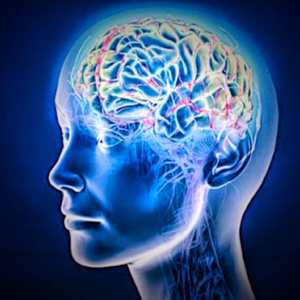
Alzheimer’s is a specific and extremely common type of dementia that plagues our elderly population. Alzheimer’s is a slow, progressive disease of the brain that causes short term and long term memory problems, confusion, as well as severely slow functioning issues such as disorientation and visual and decision making difficulties that interfere with daily tasks. People who are diagnosed with Alzheimer’s are typically 65 and older.

Here are a few early signs of Alzheimer’s:

  • Forgetting recent, short term information
  • Difficulty following instructions
  • Behavioral/ personality changes
  • Difficulty communicating with others
  • Hiding and hoarding items
  • Visual difficulties
  • Decision difficulties
  • Disorientation
  • Misplacing things
  • Loss of initiative or withdrawal from work activities

If you observe these signs in yourself, a loved one or friend, it is suggested to seek medical and behavioral treatment right away. It is important to be informed, plan for the future, and make some lifestyle changes that create a safe environment. Studies have shown, it is important to create routines and maintain good physical and mental health through physical exercise and managing stress. Partaking in these types of activities may decrease symptoms.


If you or someone you know is struggling with Alzheimer’s, please contact your primary care physician or our psychotherapy offices in New York or New Jersey to talk to one of our licensed professional psychologists, psychiatrists, psychiatric nurse practitioners, or psychotherapists at Arista Counseling & Psychotherapy. Contact our Paramus, NJ or Manhattan, NY offices respectively, at (201) 368-3700 or (212) 722-1920 to set up an appointment. For more information, please visit http://www.counselingpsychotherapynjny.com/


Sources:

https://www.activebeat.com/your-health/6-most-common-early-signs-of-alzheimers/7/

https://www.alz.org/alzheimers-dementia/what-is-alzheimers#basics

https://www.medicinenet.com/alzheimers_disease_causes_stages_and_symptoms/article.htm

Image Source: https://www.bing.com/images/search?view=detailV2&id=04105A0A38DCEDEEB119A099F64434F7D50C6F89&thid=OIP.EW5yiFeyBL7zORHG0cZqiAHaHa&mediaurl=https%3A%2F%2F1.bp.blogspot.com%2F-m2cfm1zqWqo%2FWhbcgU7NaDI%2FAAAAAAAA4rY%2FINlaNsI5q-Y3KLvKWCXgqj4acMNs_2q1wCLcBGAs%2Fs1600%2FBrain%2BNeuroscience.jpg&exph=919&expw=919&q=alzheimers&selectedindex=2&ajaxhist=0&vt=0&eim=1,2,6


Mindfulness: What is it, and does it really work?

Mindfulness: What is it, and does it really work?

By: Lauren Hernandez

In this busy, technology filled day and age, it is difficult for people to remove themselves from the stress of work and money, family and friends, and to disconnect from the 24/7 social frenzy that is social media. Now more than ever it is imperative that people begin to step back from their phones and computer screens to take care of their mental health and general wellbeing. One fairly new and unique way is mindfulness meditation.

What is mindfulness you may ask? Mindfulness is a process in which you have full and total awareness of the present moment. It has been proven that mindfulness reduces feelings of anxiety and depression and improves one’s mental health.

Here are some simple tips to begin practicing mindfulness on your own:

  • Bring your attention to your breathing. Feel your breath filling your lungs and the warm exhale of air leaving your body.
  • Notice changes in your posture and maintain awareness of current bodily sensations
  • Allow yourself to disconnect from all forms of technology
  • Take time to listen and to observe what is happening around you
  • If you get distracted bring your attention back to your natural breathing patterns

If you feel as though you may need help practicing mindfulness or have questions about the way you are feeling, contact a mental health professional such as a psychologist who can offer some guidance.


If you or someone you know is seeking guidance in practicing mindfulness, please contact our psychotherapy offices in New York or New Jersey to talk to one of our licensed professional psychologists, psychiatrists, psychiatric nurse practitioners, or psychotherapists at Arista Counseling & Psychotherapy. Contact our Paramus, NJ or Manhattan, NY offices respectively, at (201) 368-3700 or (212) 722-1920 to set up an appointment. For more information, please visit http://www.counselingpsychotherapynjny.com/ .
 

Source:

https://www.msn.com/en-gb/news/happiness/what-is-mindfulness-meditation-the-mental-health-trend-thats-changing-the-way-we-work-relax-and-sleep-%e2%80%93-explained-by-a-psychologist/ar-AABonMO

Image Source:

https://www.bing.com/images/search?view=detailV2&id=86FA9F7C4018FC36005A2032C1D57C2D863CAD85&thid=OIP.ixk5pGCmRgwvCQKIKoadJwHaFZ&mediaurl=http%3A%2F%2Fwww.wikihow.com%2Fimages%2F5%2F55%2FPractice-Mindfulness-of-Body-States-Step-7.jpg&exph=1807&expw=2479&q=mindfulness&selectedindex=60&ajaxhist=0&vt=0&eim=1,2,6


Anorexia Nervosa: How to Spot the Signs

By: Lauren Hernandez

People with anorexia nervosa have a perception of themselves as overweight although typically they are extremely underweight. It is common for a person to have more than one mental disorder such as depression and anxiety which accompany anorexia nervosa.

Major symptoms:

  • Fear of gaining weight
  • Extreme thinness (emaciation)
  • Drastic restricted eating patterns
  • Denial of their extremely low body weight
  • Dry and yellowish skin
  • Fine hair all over the body (lanugo)

If you see a friend exhibiting these behaviors and symptoms, it is best to reach out to an adult or medical professional. It is imperative that people with eating disorders seek treatment early on so that total recovery is possible.

You are not alone.

If you or someone you know is struggling with an eating disorder, please contact our psychotherapy offices in New York or New Jersey to talk to one of our licensed professional psychologists, psychiatrists, psychiatric nurse practitioners, or psychotherapists at Arista Counseling & Psychotherapy. Contact our Paramus, NJ or Manhattan, NY offices respectively, at (201) 368-3700 or (212) 722-1920 to set up an appointment. For more information, please visit http://www.counselingpsychotherapynjny.com/ .


Source:

https://www.nimh.nih.gov/health/topics/eating-disorders/index.shtml


Image Source:

https://www.bing.com/images/search?view=detailV2&id=3D24C7C89D97AF44EB55FE5DCC57C2B982550B0A&thid=OIP.LWLWV8Px_CgM_wXxP5oyugHaFj&mediaurl=http%3A%2F%2Fimage.slidesharecdn.com%2Fanorexia3c-121028074613-phpapp02%2F95%2Fanorexia-slideshare-1-638.jpg%3Fcb%3D1351410841&exph=479&expw=638&q=anorexia+pic&selectedindex=0&ajaxhist=0&vt=0&eim=1,2,6

Sleep Difficulties? Here are 5 questions that will Help You Figure Out Why.

By Sally Santos

We all have gone through this. We have had a long day and we can’t wait to get in to bed to rest. But the moment you rest your head on the pillow you find yourself wide awake and staring at the ceiling. So then you ask yourself “why can’t I fall asleep?” Consider these 5 questions:

Do you take your phone to bed?

  • We spend all day with our phones tending to every notification that we receive. That can become a habit. So when you bring your phone to bed and you see your phones light up you are going to want to see what it is. So every night before you go to bed try to keep your phone away from your bed or at least set it on Do Not Disturb Mode. This ensures that your phone won’t ring for every notification

How much caffeine are you drinking?

  • If you are someone who consumes a lot of caffeine during the day and find yourself not being able to sleep at night consider consuming less caffeine or stop completely.

What do you do during the evening?

  • Avoid having a late meal. If you eat right before you go to bed that might keep you awake because your body is working on digesting your food.
  • If you are someone who works out try working out earlier because after you work out you may have increased energy and that may prevent you from sleeping at night.
  • If possible try avoiding difficult conversations before bed.

How are you using your bed?

  • If you are someone who works or studies in bed, you may be confusing your body. Instead of your body associating your bed as a place for rest it is associating it as a place of work.

Is there something specific that you are worried about?

  • Maybe you are going through a stressful situation and the thought of it is keeping you up at night. Try learning a relaxation method such as breathing gently or meditation.
  • If the situation is serious seek professional help you problem-solve the situation. You might be helped by relaxation techniques, hypnosis or sleep medication.

Source:

https://www.psychologytoday.com/us/blog/prescriptions-life/201901/how-calm-your-racing-mind-so-you-can-sleep

Image:

https://www.tumblr.com/tagged/no-sleep

If you or someone you know is having sleep issues, speak with one of our licensed professional psychologists, psychiatrists, psychiatric nurse practitioners, and psychotherapists. Contact us at our Paramus, NJ or Manhattan, NY offices at (201) 368-3700 or (212) 722-1920 respectively to set up an appointment. For more information, visit http://www.counselingpsychotherapynjny.com/.