Schizophrenia and Psychosis

Schizophrenia and Psychosis   By: Nicole Sanchez

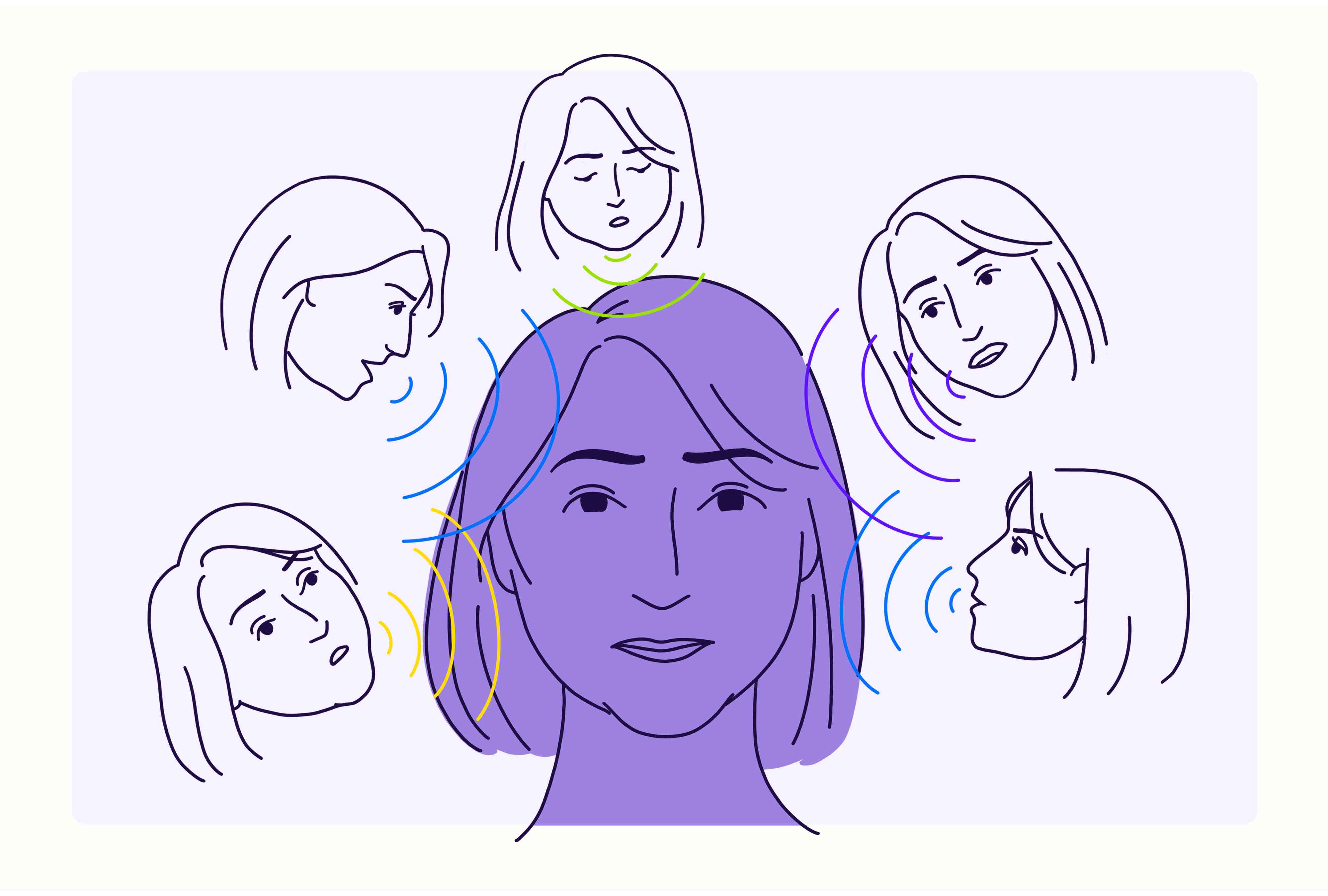
Schizophrenia is a severe mental disorder that impacts the way a person thinks, acts, expresses emotions, and perceives reality. Schizophrenia isn’t as common as other mental illnesses, however it can be the most chronic and disabling.Psychosis refers to symptoms categorized by a loss of touch with reality that comes from a disruption in the way one’s brain processes information. During a psychotic episode a person’s thoughts and perceptions are distorted, and may have difficulty differentiating what is real and what is not is not. Symptoms fall into three major categories which are positive, negative, and disorganized. Positive symptoms include hallucinations, such as hearing or seeing things that do not exist, paranoia and distorted perceptions, beliefs and behaviors. Negative symptoms include the loss or decrease in the ability to speak, express emotion or find pleasure. Disorganized symptoms include confused and disordered thinking and speech, difficulties with logical thinking and sometimes bizarre behavior or abnormal movements.

While there is no cure for schizophrenia, many patients do well on medication and these have minimal symptoms. There are numerous anti-psychotic medications that are effective in not only reducing the psychotic symptoms present in the acute phase of the illness, but also in helping limit the potential for future episodes. Psychological treatments such as cognitive behavioral therapy or supportive psychotherapy may aid in the reduction of symptoms and help enhance overall functioning by reducing stress, or improving social skills.

If you or someone you know is having mental health difficulties and/ or experiencing symptoms of schizophrenia, please contact our psychotherapy offices in New Jersey to talk to one of our licensed professional psychologists, psychiatrists, psychiatric nurse practitioners, or psychotherapists at Arista Counseling & Psychotherapy. Contact our offices at (201) 368-3700 or (212) 722-1920 to set up an appointment. For more information, please visit http://www.counselingpsychotherapynjny.com/

https://www.mayoclinic.org/diseases-conditions/schizophrenia/symptoms-causes/syc-20354443

https://www.samhsa.gov/mental-health/schizophrenia

https://www.webmd.com/schizophrenia/mental-health-schizophrenia

Grieving Vs Persistent Complex Bereavement Disorder

loneliness

Grieving Vs Persistent Complex Bereavement Disorder

By: Karime Herrera

Coping with grief can be difficult. You are in complete disbelief that your loved one, family or friend is no longer a phone call away. When grief begins to drastically disrupt your life, it is best to seek professional help.However, some people might not know when it is necessary to seek help. At what point does grief turn into persistent complex bereavement disorder? Persistent complex bereavement disorder is when an individual has been experiencing severe grief symptoms for over twelve months. Some symptoms that a person with PCBD encounters are trusting people, hallucinations of the person who has passed away, suicidal thoughts, loss of interest in preforming daily tasks, and constant feelings of sadness. If you are experiencing these symptoms for an extreme period of time it is best to see a psychologist in order to help you cope with your loss. A licensed practitioner can treat PCBD with cognitive therapy, mindfulness, psychotherapy or a combination.  Mediation might be helpful in relieving the symptoms and often helps individuals suffering from PCBD continue with their daily lives.

Sleep Disorder: Narcolepsy

Sleep Disorder: Narcolepsy

By Crystal Tsui

Narcolepsy is a chronic sleep disorder that affects daytime activities. It is characterized by overwhelming drowsiness and sudden attacks of sleep. Narcolepsy affects both men and women equally in roughly 1 in 2,000 people and can be passed down genetically, but the risk of a parent passing this disorder to a child is very low. Symptoms usually start to develop between the ages of 10- 30 years old and worsen for the first few years. The symptoms of narcolepsy will remain constant throughout life.

Some symptoms of narcolepsy include:

  • Excessive sleepiness
  • Sleep paralysis
  • Hallucinations
  • Episodes of cataplexy (partial or total loss of muscle control that is often triggered by strong emotions such as laughter and joy)

Other symptoms include:

  • Transition to REM sleep is quick, usually 15 minutes
  • Insomnia
  • Restless leg syndrome
  • Sleep apnea
  • Automatic behavior (falling asleep while doing an automatic task, like driving, and continue performing task after falling asleep. When waking up and not remembering what they did)

Narcolepsy is a sleep disorder that seriously disrupts everyday life. Most common being:

  • Stigma of the condition- others might view individuals with this disorder as lazy or lethargic
  • Physical harm- increased risk of being in a car accident if a sleep attack occurs when driving
  • Low metabolism- individuals may be more likely to be overweight

Unfortunately, the exact cause is still unknown and there is no cure for narcolepsy. However, medications (stimulants), lifestyle changes, and support from others can help manage symptoms. 

If you or someone you know is suffering from narcolepsy and need help adjusting, please contact our psychotherapy offices in New York or New Jersey to talk to one of our licensed professional psychologists, psychiatrists, psychiatric nurse practitioners, or psychotherapists at Arista Counseling & Psychotherapy. Contact our Paramus, NJ or Manhattan, NY offices respectively, at (201) 368-3700 or (212) 722-1920 to set up an appointment. For more information, please visit http://www.counselingpsychotherapynjny.com/ .

Sources:

https://www.sleepfoundation.org/articles/narcolepsy

https://www.mayoclinic.org/diseases-conditions/narcolepsy/symptoms-causes/syc-20375497

https://www.o2pulmonary.com/wp-content/uploads/2016/02/narcolepsy-300×194.jpg