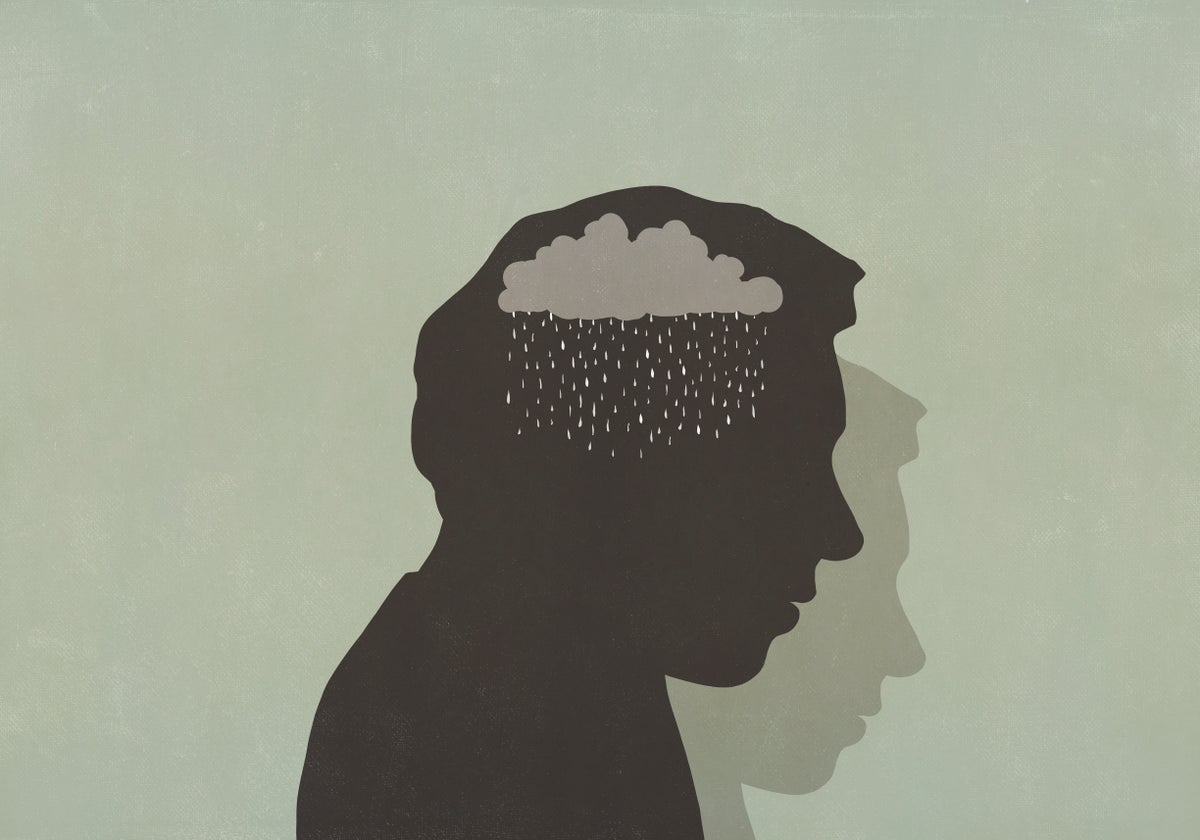
Grief: What is Prolonged Grief Disorder?

Grief: What is Prolonged Grief Disorder?
By: Kiara Moriarty


               When experiencing grief after a loss, feelings of shock, despair, anger, guilt, loneliness, and anxiety may overwhelmingly flood our lives. According to the DSM-5, these symptoms should subside 12 months after the loss. While some believe that there is no timeline for the grieving process, it may be helpful to label prolonged grief to provide services and support where needed. When can we identify if our feelings of grief are healthy and appropriate in our healing process, or negatively impacting our life as if the loss just happened?
              
               Prolonged grief disorder is the persistent, severe grief that extends beyond a year after a loss. This may entail identity disruption, longing for the person, disbelief or a lack of acceptance of their passing, and existential issues such as meaninglessness. While the feelings of grief may never truly subside, it is something we typically learn to carry and live with. This marks the difference between typical grief and prolonged grief. Prolonged grief is pervasive. It consumes the individual experiencing the grief, and negatively impacts their relationship with loved ones, their profession, and the world around them.
              
               Therapy for prolonged grief disorder can be extremely helpful, such as complicated grief therapy, which uses cognitive-behavioral techniques as well as elements of attachment theory. Therapy can help the individual understand their grief, process their emotions, and accept the loss. Grief support groups are also resourceful, as members find a sense of community and gain perspective from other members.

If you or someone you know is struggling with grief, please contact our psychotherapy offices in New York or New Jersey to talk to one of our licensed professional psychologists, psychiatrists, psychiatric nurse practitioners, or psychotherapists at Arista Counseling and Psychotherapy. Contact our Paramus, NJ, or Manhattan, NY offices respectively, at (201) – 368-3700 or (212)-722-1920 to set up an appointment. For more information, please visit https://www.counselingpsychotherapynjny.com/

References
Sussex Publishers. (n.d.). Prolonged grief disorder. Psychology Today. https://www.psychologytoday.com/us/conditions/prolonged-grief-disorder


How to Help Children Cope with Grief and Loss

How to Help Children Cope with Grief and Loss

By: Josette DeFranco

A question you don’t hear enough but should be asked more is “What is grief?” Grief is the terrible pain that accompanies loss. Since grief is a reflection of our love, it can feel suffocating. There is no time limit for healing the pain that comes along with loss. Many individuals try to suppress their pain and agony causing them to feel guilt and stagnant. Many individuals may experience grief in short passes where the feeling of distress and sadness comes and goes. Meanwhile, others may experience grief for a long period, such as months or years. It’s important to remind yourself and others that you can grieve at your own pace.

In addition, children experience grief and loss in many different ways. Children are like sponges; they take in information through observation and learned behavior. Although they are young they have deep feelings and can understand their own emotions more than it is perceived. When children grieve it can be a confusing time for them and parents. Do you tell the truth? Or do you rationalize and give simple answers such as “Grandpa is just sleeping.” Being present with them allows you to grieve as well. When children see that their parents can be vulnerable and compassionate it allows them to express themselves and be who they really are.

Here are a couple of ways to help children cope with grief:

  • You can tell children the truth, even though you might not include all the specific information. Mentioning to them that Grandpa is sleeping may cause them to feel afraid to go to sleep or telling them he is in heaven may make them pack their belongings and find heaven. Be clear, honest, and simple.
  • Allow them to ask questions. You can’t protect them from the truth but you can give them your empathetic support and love.
  • Attending the funeral or keeping children home. Ask your child and allow them to decide. If they say yes, have someone who will be present with them and can keep them occupied in case being around sad adults gets overwhelming. If they say no, you can offer another way to remember or honor the person such as showing pictures or lighting a candle.
  • Give reassurance.

If you or someone you know is struggling with their mental health, please contact our psychotherapy offices in New York or New Jersey to talk to one of our licensed professional psychologists, psychiatrists, psychiatric nurse practitioners, or psychotherapists at Arista Counseling & Psychotherapy. Contact our Paramus, NJ, or Manhattan, NY offices respectively, at (201) 368-3700 or (212) 722-1920 to set up an appointment. For more information, please visit https://aristapsychiatrypsychotherapy.com/

Sources:

https://www.psychologytoday.com/us/blog/playful-parenting/202301/how-to-help-children-cope-with-death-and-grief

https://www.psychologytoday.com/us/blog/tales-of-grief/201903/when-children-grieve

https://www.psychologytoday.com/us/basics/grief

Depression vs. Grief: Are you depressed or are you just grieving?

Depression vs. Grief: Are you depressed or are you just grieving?

By, Maro Mikhaeil

Did you experience a loss of some kind, whether it was a loved one, a job, a pet, or even a relationship? Often times, individuals will think that they are experiencing depression when that may not be the case at all. In fact, depression does not solely occur when a traumatic event has occurred but may occur due to genetics or even your environment. However, it may be hard for individuals to distinguish grieving from depression due to the similarities. This is why psychologists or psychiatrists will often ask for your history to determine treatment. Grieving and depression are both characterized by intense feelings of sadness and may have the same cause of trauma and loss. Some individuals may experience both depression and bereavement, commonly known as a process of grief, which causes significant symptoms and functional impairment and is worse than either depression or bereavement alone.

The Differences between Depression and Grief

Depression is characterized by a variety of depressive disorders, such as disruptive mood dysregulation disorder, major depressive disorder, premenstrual dysphoric disorder, substance-induced depressive disorder, medication-induced depressive disorder, and other unspecified and specified depressive disorders. Major depressive disorder is the most common and known type of depressive disorder, as it is the classic condition amongst all the other depressive disorders. It is characterized by depressive episodes that have been occurring for at least 2 weeks and/or longer, which is longer than the grieving process. Major depressive disorder is also more persistent and has more obvious characteristics because individuals will be feeling depressive symptoms everywhere, as opposed to bereavement, which is more of a fluctuating state and varies from person to person. Bereavement entails this grieving process where these negative feelings are accompanied by positive feelings, and as time passes, the wave of negative emotions will spread further and further apart. The grieving process and the associated feelings will also come to an end as the individual fully visualizes their loss through a good recollection rather than a more devastating one.

Treatment options

Despite the differences between the two, major depressive disorder and bereavement are both treatable. Psychotherapy, also known as talk therapy, can definitely treat both major depressive disorder and bereavement. Antidepressants, antipsychotics, and anxiolytics can also target the symptoms of major depressive disorder, and people find them useful in conjunction with psychotherapy.

All in all, it’s important to be mindful of all the similarities and differences and to take action when needed. Your mental health is just as important as your health; you should not let it derail your life, as there is a way out. Remember that you are not alone, as individuals all over the world are experiencing what you may be experiencing right now.

If you or someone you know is experiencing grief or depression, please contact our psychotherapy offices in New York or New Jersey to talk to one of our licensed professional psychologists, psychiatrists, psychiatric nurse practitioners, or psychotherapists at Arista Counseling & Psychotherapy. Contact our Paramus, NJ or Manhattan, NY offices respectively at (201) 368-3700 or (212) 722-1920 to set up an appointment. For more information, please visit https://www.counselingpsychotherapynjny.com

Sources:

https://www.ncbi.nlm.nih.gov/pmc/articles/PMC2691160/#:~:text=Most%20bereaved%20individuals%20experience%20intense,both%20bereavement%20and%20major%20depression.

https://www.verywellmind.com/grief-and-depression-1067237

Diagnostic and Statistical Manual of Mental Disorders Fifth Edition by the American Psychiatric Association (DSM-IV)

Grief: Grieving Around the Holidays

Grief: Grieving Around the Holidays

By Emily Ferrer

As the weather gets colder, the colorful leaves fall off the trees, and the holiday decorations start to light up the night, the feeling of the best time of the year starts to kick in. As merry and cozy as these holidays seem to be, they do not always have the same effect on everyone. Grieving around the holidays can feel extremely lonely, sad, and overwhelming. The first holiday season is always the hardest for individuals and families who have just lost someone close to them, such as a grandparent, parent, sibling, child, or other close relative that they would usually see during the holidays. The empty chair at the dining table during Thanksgiving, or the wonder of who is going to make the Christmas cookies this year can be extremely heartbreaking. Even after you feel as if you have started to feel better through your grieving process, the holidays can dig up more emotion than you have felt since losing your loved one. You may start to feel more down, tired, unmotivated, sluggish, and lonely. You may also start to get flashbacks of your loved one when they passed that may also make you feel as if you are grieving from the beginning all over again. As hard as the holiday season may be for grieving individuals and families, here are some tips to help make your holiday season a bit brighter this year[1]:

  • Surround yourself with people you love and care about. Being with a big group of people during the holidays after losing a loved one can help you feel less lonely and can also be a great opportunity to share stories about your loved one with your family.
  • Do not “cancel” the holiday. As tempting as it may be to forget about the holidays after losing your loved one it is important to keep it going and grieve along the way. Experiencing the holiday season after the death of a loved one is part of the grieving process from which you should not run away.
  • Create new traditions. Finding new traditions can also be a create way to cope during the holiday season. This can include changing the location of where holiday dinner is hosted, picking new family members to carve the turkey or make the Christmas cookies, or even coming up with a new holiday game to play to fill the emptiness that everyone may feel.
  • Practice self-care. Try not to indulge in alcohol or drugs during the holiday season to cope with your grief; instead, try journaling, spending time with friends, or physical activity to boost your mood. It is also important to let yourself feel any emotions that arise and to not fight the conflicting feelings of anger, sadness, joy, and happiness.
  • Seek professional help. It is important to be aware of your feelings during such a difficult time and recognize that if the holiday season is too much for you to handle to seek professional help to assist you during this challenging period.

If you or someone you know is struggling with grief this holiday season and wants help, please contact our psychotherapy offices in New York or New Jersey to talk to one of our licensed professional psychologists, psychiatrists, psychiatric nurse practitioners, or psychotherapists at Arista Counseling & Psychotherapy. Contact our Paramus, NJ or Manhattan, NY offices respectively at (201) 368-3700 or (212) 722-1920 to set up an appointment. For more information, please visit https://www.counselingpsychotherapynjny.com


Sources:

[1] https://www.vitas.com/family-and-caregiver-support/grief-and-bereavement/holidays-and-grief/coping-with-grief-during-the-holidays

Grief: When to Seek Grief Counseling

Grief: When to Seek Grief Counseling

By: Julissa Acebo


The five stages of grief (denial, anger, bargaining, depression, and acceptance) are normal. When grief becomes unbearable, therapy can help ease the pain and help you progress.


10 signs that indicate you should seek grief counseling:

  1. You’re having suicidal thoughts and/or persistent feelings of depression.
  2. You’re experiencing ongoing symptoms of distress, such as crying, insomnia, loss of appetite, increased irritability, anger, and panic attacks.
  3. Struggling to complete everyday tasks, including basic self-care.
  4. You frequent familiar places, hoping to see your departed loved one there, or avoid locations and situations that may remind you of your loss.
  5. You’re abusing substances like alcohol or drugs, or engaging in addictive behaviors, like gambling.
  6. You’re withdrawn and avoiding social interaction.
  7. You have no support system.
  8. You’re feeling bereavement guilt, possibly blaming yourself for your loved one’s death or grappling with regret about your relationship with the deceased.
  9. You’ve “moved on” a little too well.
  10. Grief interferes with your work.

How grief counseling can help:

  • Allows you to express your emotions
  • Help you address any feelings of guilt you may harbor
  • Help you come to terms with your new reality
  • Help you deal with your trauma

If you or someone you know is experiencing Unbearable Grief please contact our psychotherapy offices in New York or New Jersey to talk to one of our licensed professional psychologists, psychiatrists, psychiatric nurse practitioners, or psychotherapists at Arista Counseling & Psychotherapy. Contact our Paramus, NJ or Manhattan, NY offices respectively at (201) 368-3700 or (212) 722-1920 to set up an appointment. For more information, please visit https://www.counselingpsychotherapynjny.com

Sources:
https://www.psycom.net/stages-of-grief

https://www.gwic.com/Education-Center/Grief-Support/13-signs-you-should-seek-grief-counseling

Grief: Losing a Parent to Suicide

Grief: Losing a Parent to Suicide

By Emily Ferrer

Suicidal thoughts are one of the most dreadful experiences one can go through and it is even more dreadful when the act of suicide is carried out by someone you love. The impact of suicidal thoughts on an individual is grueling, painful, and terrifying. However, many people tend to forget about the terrifying and painful part that the individual’s family and friends go through as well. The attention around suicide is always so focused on the suicidal individual that many people forget about the impact it can have on their loved ones. In fact, have you ever thought about losing a parent to suicide? It may seem horrifying and extraordinary; but it is more common than you think. Individuals who are at most risk to die by suicide are adults over the age of 45. More specifically, women are most at risk between the ages of 45-54 and men are most at risk ages 85 and older[1]. Many people may find this shocking, as the media portrays suicide rates to be the most high in adolescents and teens, but this is just not the case. Older individuals usually have undiagnosed or untreated depression and anxiety, a lack of frequent social interactions, suffer from underlying illnesses that may increase their attempt to be more successful, and/or suffer from chronic illnesses that may increase their depression and anxiety[2].

As saddening as these statistics are, it is even worse to see that between 7,000 and 12,000 children lose a parent to suicide every year[3]. It is devastating for children to experience such a traumatic event in their lives, especially someone they loved, admired, and relied on unconditionally. Losing a parent to suicide is not like normal grief that you experience after losing someone to a physical illness or accident. Losing a parent to suicide is grieving on steroids. “Grief comes in waves and grief from suicide comes in tsunami waves”, is great quote that explains how dreadful suicide grief can feel. Children of parents who died by suicide can experience an enormous range of emotions that can cause them to feel very confused. These emotions include[4]:

  • Shock                              – Panic                                       – Despair
  • Confusion                       – Intense anger                          – Disgust
  • Denial                             – Intense sadness                      – Feelings of abandonment or rejection

It is important to know that losing a parent to suicide is extremely unfortunate and traumatic. The emotions tied to suicide grief are understandable and completely normal. Staying close to family and friends during such a difficult time is crucial and can enormously help with healing. It is also critical to feel the emotions you experience and to not turn them away as it is a part of the healing process. Seeking professional help if you are feeling overwhelmed with these emotions or experiencing them for a long time is also is a good way to heal in the healthiest way possible.

If you or someone you know is grieving a lost one due to suicide, please contact our psychotherapy offices in New York or New Jersey to talk to one of our licensed professional psychologists, psychiatrists, psychiatric nurse practitioners, or psychotherapists at Arista Counseling & Psychotherapy. Contact our Paramus, NJ or Manhattan, NY offices respectively at (201) 368-3700 or (212) 722-1920 to set up an appointment. For more information, please visit https://www.counselingpsychotherapynjny.com


Sources:

[1] https://www.samhsa.gov/suicide/at-risk#:~:text=Adults%20Over%20the%20Age%20of%2045&text=Eighty%20percent%20of%20all%20deaths,and%20access%20to%20lethal%20means.

[2] https://www.prb.org/resources/in-u-s-who-is-at-greatest-risk-for-suicides/

[3] https://www.hopkinsmedicine.org/news/media/releases/children_who_lose_a_parent_to_suicide_more_likely_to_die_the_same_way#:~:text=In%20the%20United%20States%2C%20each,to%20suicide%2C%20the%20researchers%20estimate.

[4] https://psychcentral.com/lib/an-open-letter-to-children-who-lose-a-parent-to-suicide#mental-health-effects

Suicide: What is Suicide Grief?

Suicide: What is Suicide Grief

By Lynette Rivas

At some point in almost everyone’s life, they will experience losing a loved one, which can then be followed by grief. But what about losing your loved one to suicide? This type of grief is known as suicide grief, where an individual feels both despair and guilt after losing a loved one to suicide.

It is important to note that not everyone experiences grief in the same way or for the same amount of time. The intensity and the complexity of grief are determined by the relationship with the person that died, how the death occurred, any existing coping strategies, and if support is available. 

Suicide grief can be a period of intense emotions for some people. These include emotions such as shock, guilt, anger, confusion, and/or despair. These emotions can even be accompanied by nightmares, flashbacks, social withdrawal, difficulty concentrating, and/or loss of interest. Anyone that is experiencing grief should keep in mind that it is important to:

  • Keep in touch – reaching out to loved ones, friends, and spiritual leaders
  • Grieve in your own manner – everyone does not grieve in the same way
  • Do not rush yourself – grieving can be as short as a few days to as long as a couple of months

If the grief is too much to bear and becomes too intense, then it is time to turn to a mental health provider for help. Unresolved grief can become difficult over time to the point where the individual is no longer able to go back to their normal life. If the individual thinks that they might be unusually depressed, it is important that they seek professional mental health help.

If you or someone you know is struggling with grief please contact our psychotherapy offices in New York or New Jersey to talk to one of our licensed professional psychologists, psychiatrists, psychiatric nurse practitioners, or psychotherapists at Arista Counseling & Psychotherapy. Contact our Paramus, NJ or Manhattan, NY offices respectively at (201) 368-3700 or (212) 722-1920 to set up an appointment. For more information, please visit https://www.counselingpsychotherapynjny.com/

Sources:

https://www.mayoclinic.org/healthy-lifestyle/end-of-life/in-depth/suicide/art-20044900

https://www.beyondblue.org.au/the-facts/suicide-prevention/after-a-suicide-loss/suicide-and-grief#:~:text=Grief%20in%20response%20to%20suicide,the%20stigma%20associated%20with%20suicide.

Image Source:

https://time.com/6117708/grief-isolation/

Suicide Grief

Suicide Grief

By: Michaela Reynolds

Losing a loved one by suicide can be overwhelming and heart wrenching. Grief in response to suicide can be complicated. You may be consumed with guilt and wonder to yourself if you could have done something to prevent their death. Feelings of anger, shame, guilt, regret and blame are very common, but it can make it hard for you to talk about their death due to stigma that is associated with it. It is important to note that there is NO right way to grieve losing a loved one to suicide!

In the aftermath, you may feel like you will never enjoy life again. To be honest, you may always wonder why it happened and experience reminders that can trigger painful feelings. However, the intensity of your grief will fade as time goes on but will probably never fully pass. In the meantime, it is beneficial for you to adopt healthy coping mechanisms. Such as:

  • Keep in touch with loved ones, friends, and other supporters
  • Don’t rush yourself
  • Consider a support group for families affected by suicide
  • Grieve in your own way
  • Expect setbacks
  • Be prepared for painful reminders

It important for you to understand the following: You should accept that some things are beyond your control, separate responsibility from blame, and understand that anyone can miss the warning signs.

If you are someone or you know someone who appears to be suffering from suicide grief, please contact our psychotherapy offices in New York or New Jersey to talk to one of our licensed professional psychologists, psychiatrists, psychiatric nurse practitioners, or psychotherapists at Arista Counseling & Psychotherapy. Contact our Paramus, NJ or Manhattan, NY offices respectively, at (201)368-3700 or (212)722-1920 to set up an appointment. For more information, please visit http://www.counselingpsychotherapynjny.com/.

Sources:

https://www.mayoclinic.org/healthy-lifestyle/end-of-life/in-depth/suicide/art-20044900

https://www.beyondblue.org.au/the-facts/suicide-prevention/after-a-suicide-loss/suicide-and-grief#:~:text=Grief%20in%20response%20to%20suicide,the%20stigma%20associated%20with%20suicide.

Image:

Helping Children Deal with Grief

Helping Children Deal with Grief

By: Michaela Reynolds

Losing a loved one is inevitable and can be one of the most difficult times in life. Sadly, you cannot protect your children from the pain of the loss, but you can help them build healthy coping skills. The grieving process will look different to everyone, but it is especially different with children compared to adults. For example, preschool children will most likely view death as temporary and reversible. This is because cartoon character’s death in TV shows or movies usually will die and come back to life. While children between the ages of 5-9 will start to think of death like adults do. However, they will view death as rare and not something that will happen to them.

It is important to help the child express feelings about the death. A way to do this is by reading the child books about death, telling stories or looking at pictures of the person who died. It is also important for you to express your own sadness and make them aware that it is okay to be sad at this time. Offer your support and comfort when you can, while also encouraging them to ask any questions or talk about their feelings.

It is normal that the following weeks after the death for the child to feel immediate grief or believe that the person is still alive. However, long-term denial or avoidance of grief can be unhealthy and can lead to severe future problems.

Signs of children experiencing serious problems with grief:

  • Extended period of depression: a child loses interest in daily activities
  • Loss of appetite, inability to sleep, and prolonged fear of being alone
  • Excessive imitation of the person who died
  • Acting much younger for an extended period of time
  • Believing they are talking to or seeing the person who died
  • Withdrawal from friends
  • Sharp drop in school performance or refusal to attend

If these signs persist, please seek professional help; a child and adolescent mental health professional will be able to help your child accept and properly grieve the death.

If you or someone you know is seeking therapy for the loss of a loved one, please contact our psychotherapy offices in New York or New Jersey to talk to one of our licensed professional psychologists, psychiatrists, psychiatric nurse practitioners, or psychotherapists at Arista Counseling & Psychotherapy. Contact our Paramus, NJ or Manhattan, NY offices respectively, at (201) 368-3700 or (212) 722-1920 to set up an appointment. For more information, please visit http://www.counselingpsychotherapynjny.com/  

Sources:

https://childmind.org/article/helping-children-deal-grief/

https://www.aacap.org/AACAP/Families_and_Youth/Facts_for_Families/FFF-Guide/Children-And-Grief-008.aspx

Image: https://kidshelpline.com.au/parents/issues/supporting-child-through-grief-and-loss

The Courage to Love Again-The Psychology of Heartbreak

The risk of loving someone is the fact that heartbreak may come one day. It is associated with singlehood, neurotic tendencies, and an anxious/avoidant attachment. After the heartbreak one starts the fear being hurt again or/and you start to believe that there is something about you that makes it impossible for someone to love you properly.

Romantic love activates in the caudate nucleus through dopamine.  Psychologist refer to this part of the brain as the “reward system”, emphasizing the idea that love does trigger emotion but essentially it is more of a motivational state, the motivation to obtain and retain the objects affection. This part of the brain lights up when someone is in love and when someone is a cocaine addict, meaning you are essentially an addict. Getting over your lost love will be tedious but well worth it. Researchers have found that if a person was no longer in love but still in pain from a break up their brain would still be in motivation mode, and expecting a reward. Hence why heartbreak can bring visceral pain, your body is not getting what it wants. The grieving person has numerous neural circuits devoted to the lost person, and each of these has to be brought up and reconstructed to take into account the person’s absence.

Specifically, the pain may be caused by the simultaneous hormonal triggering of the sympathetic activation system (fight-or-flight system that increases the activity of the heart and lungs) and the parasympathetic activation system (rest-and-digest response, social engagement system). It’s like heart’s accelerator and brakes are pushed simultaneously, creating the feeling of heartbreak.

What can help?

  • Give yourself time to grieve and reflect
  • Forgive the other person and yourself
  • Work on rebuilding good feelings about yourself and a life on your own
  • Avoid assumptions that keep you mired in the wreckage of your past relationship
  • Be aware of old relationship patterns
  • Be open to someone who is different
  • Give love time to grow

If you or someone you know is seeking therapy due to heartbreak, please contact our psychotherapy offices in New York or New Jersey to talk to one of our licensed professional psychologists, psychiatrists, psychiatric nurse practitioners, or psychotherapists at Arista Counseling & Psychotherapy. Contact our Paramus, NJ or Manhattan, NY offices respectively, at (201) 368-3700 or (212) 722-1920 to set up an appointment. For more information, please visit http://www.counselingpsychotherapynjny.com/

https://greatergood.berkeley.edu/article/item/this_is_your_brain_on_heartbreak

https://www.psychologytoday.com/us/blog/complicated-love/202011/love-after-heartbreak

https://www.psychologytoday.com/us/blog/complicated-love/202011/love-after-heartbreak