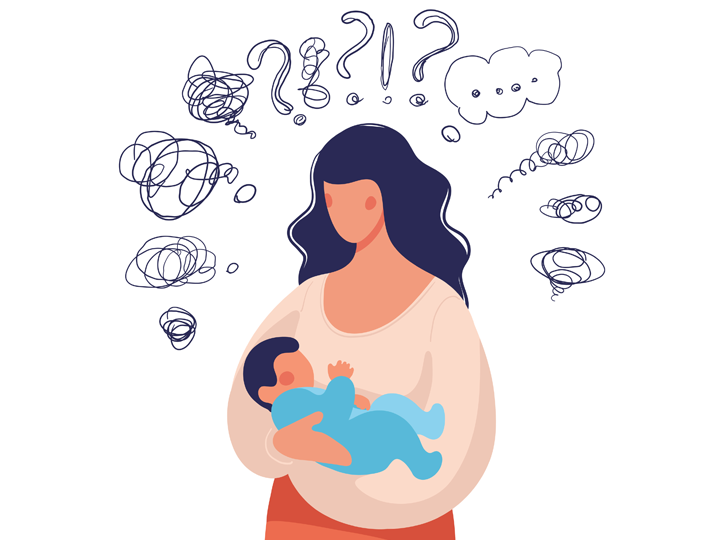
Depression: Postpartum Depression

Depression: Postpartum Depression

By: Josette DeFranco

Postpartum depression is a vulnerable time for a woman’s health. Many women are experiencing mood changes and are expected to have an amazing transition into motherhood. However, many women struggle with mental health issues after giving birth. It’s important to spread awareness and show support to the women who are struggling with postpartum depression.

Postpartum depression symptoms start to occur four to six weeks after giving birth and can gradually decrease as time goes on. Nonetheless, depression can reoccur within three years after pregnancy or giving birth. Some common symptoms of postpartum depression can be intrusive, unwanted thoughts and postpartum rage.

Here are some ways to help someone you know or who is struggling with postpartum depression:

  • Seek help from a licensed mental health professional
  • Look for a community to help you in both emotional and practical ways
  • Practice mindfulness and relaxation therapy
  • Use positive affirmations and be more kind to yourself
  • Practice skin-to-skin care which can help with reducing the stress hormone cortisol
  • Avoid alcohol or recreational drug use
  • Eat healthy
  • Prioritize rest for yourself
  • Gaining more knowledge about postpartum depression

If you or someone you know is struggling with their mental health, please contact our psychotherapy offices in New York or New Jersey to talk to one of our licensed professional psychologists, psychiatrists, psychiatric nurse practitioners, or psychotherapists at Arista Counseling & Psychotherapy. Contact our Paramus, NJ, or Manhattan, NY offices at (201) 368-3700 or (212) 722-1920 to set up an appointment. For more information, please visit https://aristapsychiatrypsychotherapy.com/

Resources:

https://www.psychologytoday.com/us/blog/parenting-translator/202306/how-to-improve-postpartum-mental-health

Gaining Familial Support through Therapy

By Eleanor Kim

Starting therapy is a crucial step towards achieving emotional and psychological wellbeing. Therapy in conjunction with support and love from family members provides a sense of familiarity and comfort while receiving professional help. As the individual continues their therapy, it may be beneficial for all family members to consider family therapy as a means of familial support for their loved one during what may be a difficult or challenging time for the individual.

Family therapy is a form of therapy that allows family members to express their care for a family member who may be dealing with mental health or substance abuse disorders while also strengthening their own familial relations through proper communication. Family therapy will also allow family members to receive the support they may need while they learn how to best help their loved one and to address any questions or concerns they may have regarding their condition.

Family therapy is not limited to families dealing with psychological or addiction issues. In fact, family therapy is a great option for all families, especially for those who are seeking professional guidance while navigating through situations that may cause their family stress, anger, grief, or conflict. Possible matters include, but are not limited to, marital issues, loss, illness, grief, life style changes, and other environmental stressors. Family members will work on strengthening their empathy and understanding for one another as therapists assist individuals to express their needs or concerns in an open and non-judging environment. Family therapists will also guide family members throughout the process of understanding what their loved one is experiencing, as is the case in individual therapy. It is beneficial for both parties to communicate with one another in ways in which they can help one another throughout the recovery process.

At Arista Counseling, we have many therapists who are ready to help you and your family through any psychological conditions, substance abuse issues, or otherwise troubling matters that may currently be affecting your family.

If you or someone you know is seeking familial support or has considered family therapy, please contact our psychotherapy offices in New York or New Jersey to talk to one of our licensed professional psychologists, psychiatrists, psychiatric nurse practitioners, or psychotherapists at Arista Counseling & Psychotherapy. Contact our Paramus, NJ or Manhattan, NY offices respectively, at (201) 368-3700 or (212) 722-1920 to set up an appointment. For more information, please visit http://www.counselingpsychotherapynjny.com

References:

http://www.acenterfortherapy.com/family_issues.php

Image Source:

https://www.seekpng.com/ipng/u2a9o0y3w7e6w7a9_family-counseling-clipart-marriage-and-family-therapist-clipart/

Postpartum Depression

By: Maryellen Van Atter

          Postpartum depression is the experience of depressive symptoms (such as fatigue, changes in eating habits, and a loss of interest in activities once found enjoyable) after giving birth. Though commonly known as postpartum depression, it is now often referred to by the new name of peripartum depression. This name change indicates that the depression can onset during pregnancy or after childbirth. In addition to symptoms of depression, parents may also suffer from feelings that they are a bad parent, fear of harming the child, or a lack of interest in the child. It is also important to note that both men and women can suffer from peripartum depression; fathers may struggle with the changes that come along with a new child, and the symptoms of peripartum depression are not contingent on giving physical birth to a child. It is estimated that 4% of fathers experience peripartum depression in the first year after their child’s birth and that one in seven women will experience peripartum depression.

            Peripartum depression is different from the ‘baby blues’. Many new mothers will feel despondent, anxious, or restless in the first week or two after giving birth; this is due to the variety of biological, financial, and emotional changes which occur after having a child. This is called the baby blues. However, these feelings will not interfere with daily activities and will pass within ten days. If these symptoms persist, or if they do interfere with daily activities and functioning, it is likely that the problem is something more serious such as peripartum depression. It’s important to seek treatment for these symptoms as soon as you’re aware of them. Many parents feel a stigma against reporting these feelings, but this should not be the case: experiencing peripartum depression does not mean that you are a bad parent or that you do not love your child. It is a psychological condition which many people experience and it can be resolved with proper treatment.

Peripartum depression can be treated through therapy and through medication. Common treatments include psychotherapy (also known as talk therapy), cognitive behavioral therapy, and antidepressant medication. Medication should always be managed by a professional, especially if being administered to a mother who may be breastfeeding. These treatments have been proven effective in many studies and are able to help with symptoms of peripartum, or postpartum, depression.


If you or someone you know is struggling with peripartum depression, Arista Counseling and Psychotherapy can help. Please contact us in Paramus, NJ at 201-368-3700 or in Manhattan, NY at 212-996-3939 to arrange an appointment. For more information about our services, please visit http://www.counselingpsychotherapynjny.com/


Sources:

https://www.aafp.org/afp/2016/0515/p852.html

https://www.psycom.net/depression.central.post-partum.html

https://www.webmd.com/depression/postpartum-depression/news/20190320/fda-approves-first-drug-for-postpartum-depression#2

https://www.webmd.com/depression/postpartum-depression/understanding-postpartum-depression-treatment#3

https://www.ncbi.nlm.nih.gov/pmc/articles/PMC3039003/

https://www.psychiatry.org/patients-families/postpartum-depression/what-is-postpartum-depression