Schizophrenia

By: Dianna Gomez

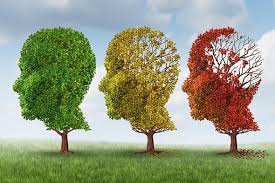
Schizophrenia is generally known to be a severe mental disorder that affects a person’s thoughts, behaviors, and feelings. Schizophrenic individuals most often have had a break with reality. When the average person hears the term ‘schizophrenia’ they immediately associate the illness with things such as hallucinations, hearing of voices, etc. Although these are accurate possibilities, there are several additional types of schizophrenia that many people aren’t aware of that people suffer from all around the globe. There are a total 5 subtypes of schizophrenia including: paranoid, disorganized, residual, catatonic and undifferentiated.

Paranoid: delusions (beliefs that may seem real to the person suffering but are not actually happening) such as believing the government is spying on them. Another symptom seen in this subtype is auditory hallucinations (hearing voices that are not real). Most often, these voices are not kind. They encourage the person to hurt others, hurt themselves, etc. These people may also see things that aren’t truly there (ex: seeing the devil).

Disorganized: in addition to having hallucinations and delusions, people with this type of schizophrenia have problems with disorganized speech (ex: speaking but not making any sense/word salad), disorganized thoughts (ex: quickly jumping from one topic to the next).

Residual: people with this type of schizophrenia mainly struggle with a lack of initiative, poor self-care/hygiene, poor social performance, underactivity, passivity, poor non-verbal communication (facial expressions, eye contact, etc). These people do not experience nearly as many hallucinations and delusions.

Catatonic: disturbances in a person’s movements and/or immobility. Catatonic individuals can maintain very unusual body positions/poses for extended periods of time. If someone were to try to move them, their limbs would be extremely resistant against efforts to be altered.

Undifferentiated: people with this type suffer from 2 or more types of symptoms listed above. They may have hallucinations, delusions, disorganized speech or behavior, catatonic behavior, etc.

If you or someone you know may be suffering from schizophrenia, the licensed psychologists, psychiatrists, psychiatric nurse practitioners, and psychotherapists at Arista Counseling & Psychotherapy can assist you. Contact our Paramus, NJ or Manhattan, NY offices respectively at (201)-368-3700 or (212)-722-1920 t0 set up an appointment. For more information, visit us at http://www.counselingpsychotherapynjny.com.

TRAUMATIC EXPERIENCES

By: Dianna Gomez

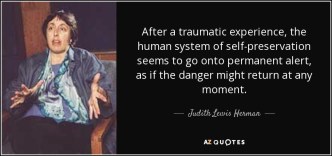
A “traumatizing” experience is one that is dangerous, scary or unexpected and can leave a person affected emotionally. There are many different kinds of experiences that can be considered traumatizing. Traumatic events can be caused by other people such as terror attacks, community violence (mugging, shooting, assault, bullying), or a very serious car accident. Traumatic experiences can also be natural. Examples of natural traumatic events include hurricanes, tornados, earthquakes, and fires. Regardless of what category of trauma an event falls under, each has the potential to leave a certain amount of impact on a person’s brain.

For most people, with time comes less feelings of trauma following an event. However, it is not unheard of for a traumatic experience to leave a person affected for the rest of their lives. In addition, everyone reacts and copes with trauma differently. A majority of people have similar symptoms following a traumatic event that include trouble sleeping or concentrating, constantly thinking about what occurred, and feeling anxious, sad or angry. These can last for several weeks or even months following a traumatic event. There are a few actions that a person can take that are known to be the healthiest ways to cope after experiencing something traumatic. These healthy coping mechanisms include, but are not limited to, the following:

  • Avoiding drugs and alcohol at all costs
  • Spending time around loved ones or supportive people in your life that you trust
  • Maintaining normal daily routines (eating, exercising, sleeping)
  • Staying active! The more you have to keep your mind preoccupied, the less time you have to be consumed by negative thoughts about the event

If you or someone you know has experienced a traumatic event, the licensed psychologists, psychiatrists, psychiatric nurse practitioners, and psychotherapists at Arista Counseling & Psychotherapy can assist you. Contact our Paramus, NJ or Manhattan, NY offices respectively, at (201)-368-3700 or (212)-722-1920 to set up an appointment. For more information, visit us at http://www.counselingpsychotherapynjny.com


Binge Eating Disorder

Binge Eating Disorder

By: Gisela Serrano

Bing Eating Disorder is a relatively new disorder that was only recently added to the DSM-5 in 2013. So, what exactly is Binge Eating Disorder? According to the American Psychiatric Association, Binge Eating Disorder is “characterized by recurring episodes of eating significantly more food in a short period of time than most people would eat under similar circumstances, with episodes marked by feelings of lack of control. Someone with binge eating disorder may eat too quickly, even when he or she is not hungry.” BED is one of the most common eating disorders and research shows that over 50% of people who suffer from BED do not seek or receive treatment. Binge eating disorder can affect just about anyone regardless of race, sex, or age. Most of those who suffer from Binge Eating Disorder are overweight or obese, but not all. Some sufferers actually appear perfectly healthy with regard to their weight. Those who suffer from BED experience extreme shame and guilt for the amount that they eat in such short periods of time. They understand that it is not healthy, but they feel it is almost impossible to change their ways. This is why those who suffer from BED prefer to eat alone rather than feeling ashamed and embarrassed in front of others. Someone who is not well informed on the disorder may not understand and, therefore, is quick to judge and disapprove or make nasty and unnecessary comments to the sufferer. According to the National Eating Disorders Association, binge eating episodes are associated with three or more of the following:

  • Eating much more rapidly than normal
  • Eating until feeling uncomfortably full
  • Eating large amounts of food when not feeling physically hungry
  • Eating alone because of being embarrassed by how much one is eating
  • Feeling disgusted with oneself, depressed, or very guilty after overeating

Binge Eating Disorder is a serious disorder that affects normal, everyday people. If you feel as though you or a loved one might be suffering from this disorder, seeking treatment would be best as it is not always easy to do on one’s own. You can contact Arista Counseling & Psychotherapy at our office in Paramus, NJ at (201) 368-3700 or our Manhattan location at (212) 722-1920 to see how our services and approaches can help you or a loved one treat your disorder. You can also visit our website http://www.counselingpsychotherapynjny.com/ for more information.

Resources:

https://www.nationaleatingdisorders.org/blog/new-dsm-5-binge-eating-disorder

https://www.nationaleatingdisorders.org/sites/default/files/ResourceHandouts/InfographicRGB.pdf

Persistent Depressive Disorder (Dysthymia)

Persistent Depressive Disorder (Dysthymia)

By: Gisela Serrano

Although Major Depressive Disorder (MDD) is the most commonly diagnosed depressive disorder, Persistent Depressive Disorder (PDD), also known as Dysthymia, is the second most common diagnosis. PDD is known to be mild and less severe than MDD, however, it is more chronic – that is, it is longer-lasting and recurring.

When diagnosing a patient with PDD, it must be ruled out that the symptoms the patient is experiencing cannot be better explained by a psychotic disorder or attributed to substance abuse. The symptoms must also cause distress to the patient and interfere or cause disturbances in their everyday life. Patients experience a “low” mood and feel down for most of the day, for a majority part of the time than not, for at least two years or more.  The patient cannot be without symptoms for more than two months; otherwise, he or she cannot be diagnosed with PDD.

As listed in the DSM-5, patients must experience two or more of the following symptoms, along with depressed symptoms, to receive a medical diagnosis of PDD:

  • Poor appetite or overeating
  • Insomnia or hypersomnia
  • Low energy or fatigue
  • Low self-esteem
  • Poor concentration or difficulty making decisions
  • Feelings of hopelessness

Treatments for Persistent Depressive Disorder include talk therapy or medication such as antidepressants and Selective Serotonin Reuptake Inhibitors (SSRIs) which increases the levels of serotonin in the brain. If you feel like you might be suffering from Persistent Depressive Disorder, it is important that you seek professional help as this disorder is highly treatable. At Arista Counseling & Psychotherapy center, we have qualified professionals that may be able to help you. You can reach us at our office in Paramus, NJ at 201-368-3700 or visit our website https://www.counselingpsychotherapynjny.com/ for more information.

Tourette Syndrome

By: Dianna Gomez

Tourette Syndrome is a type of tic disorder. A tic can be classified as an involuntary, repetitive movement or vocalization. Those diagnosed with this disorder will either suffer from vocal/phonic tics or motor tics. In general, vocal/phonic tics produce a sound. Examples of vocal/phonic tics include things such as sniffing, throat clearing, grunting, and shouting. Examples of more complex vocal/phonic tics include full words or phrases. These words or phrases are always out of context and may or may not be recognizable. In 10-15% of cases, words blurted out may be inappropriate such as curse words, ethnic slurs, or other words or phrases that are not viewed as socially acceptable.

Motor tics, generally, are movements. Examples of motor tics include eye blinking, shoulder shrugging, head jerking/bobbing, facial grimacing, etc. More complex motor tics include movements that involve multiple muscle groups at once. Examples of these movements are things such as hopping, jumping, twirling, etc.

While the exact cause of Tourette Syndrome is unknown, it has been confirmed that it is hereditary so genetics may play a role. There are, however, some treatment options that are available to help ease the symptoms. Medications for tics include Haloperidol, Pimozide, and Aripiprazole. Speech therapy is also another form of treatment for those with tics. Lastly, Deep Brain Stimulation (DBS) is another method of treatment for tics. DBS is a relatively new procedure that utilizes an implantable electrode to alter the activity of brain circuitry.

If you or someone you know is suffering from Tourette Syndrome, the licensed psychologists, psychiatrists, psychiatric nurse practitioners, and psychotherapists at Arista Counseling & Psychotherapy can help you. Contact our Paramus, NJ or Manhattan, NY offices respectively, at (201)-368-3700 or (212)-722-1920 to set up an appointment. For more information, visit us at https://www.counselingpsychotherapynjny.com/.

Dementia: 5 Facts You Need to Know

By Stephanie Osuba

Everyone fears that they, or their family members, will fall victim to a degenerative neurological disease when they age. Dementia is considered a syndrome, a series of symptoms that often appear together, and is caused by damage to the brain cells. Symptoms include memory loss, cognitive impairment, and diminishing language. Here are five facts that you need to know about dementia.

  1. Alzheimer’s is a type of dementia; they aren’t interchangeable: As stated above, dementia is a syndrome and more of an umbrella term for other types of dementia, like Alzheimer’s, Parkinson’s and vascular dementia. Different types of dementia correlate with different types of brain damage. Alzheimer’s is mainly a result of abnormally high protein levels in and around brain cells that inhibit communication between them. This eventually leads to the death of the nerve cells and loss of brain tissue. Alzheimer’s is the most common form of dementia.
  2. Dementia is not just a “memory loss” disease: Dementia also affects a wide range of cognition processes including: learning, language, executive and motor function, attention, and social cognition. For example, two thirds of diagnoses of Alzheimer’s are given to women primarily because they exhibit the symptom of memory loss more than men.
  3. Cognitive decline doesn’t always lead to dementia: Memory and other cognitive issues can be a result of other things such as: delirium, mild cognitive impairment, or normal changes due to age. According to a study done by the Mayo Clinic, even mild cognitive impairment only lead to dementia in 29% of cases within the next five years.
  4. Not all types of dementias are progressive: Underlying causes such as vitamin B12 deficiency, underactive thyroid syndrome, and normal pressure hydrocephalus can be reversed with treatment. Even medications like antidepressants, narcotics, and antihistamines can have dementia-like side effects.
  5. Lifestyle changes can help reduce the risk of dementia: Exercise has proven to be a great defense to cognitive decline through increased heart rate and blood flow to the brain. Maintaining a healthy diet and engaging in social activities is also a huge help.


Source: Ph.D., M. C. (2017, December 7). 5 Facts You Need to Know About Dementia. Retrieved from https://www.psychologytoday.com/us/blog/the-fifth-vital-sign/201712/5-facts-you-need-know-about-dementia 

If you or someone you know needs help coping with the dementia of a family member, please contact our psychotherapy offices in New York or New Jersey to talk to one of our licensed professional psychologists, psychiatrists, psychiatric nurse practitioners, or psychotherapists at Arista Counseling & Psychotherapy. Contact our Paramus, NJ or Manhattan, NY offices respectively, at (201) 368-3700 or (212) 722-1920 to set up an appointment. For more information, please visit http://www.counselingpsychotherapynjny.com/.

Bipolar Disorder

By: Dianna Gomez

Bipolar Disorder, also known as “Manic-Depressive,” is a disorder of the brain that causes a person to experience sudden shifts in mood, energy/activity levels, and disrupts their ability to function fully each day. The changes in mood range from a person feeling extremely “up” and energized which are known as manic episodes to feeling extremely “down” and sad which is known as depressive episodes. There are multiple forms of Bipolar Disorder, however, the two main types of the disorder are Bipolar I and Bipolar II. Regardless of the type a person has, he or she still suffers from very similar symptoms. Bipolar I Disorder is defined by manic episodes/symptoms that are either so severe the individual needs to be hospitalized immediately or the episode itself has lasted for at least 7 days. Depressive episodes occur in people with this type of Bipolar as well and these episodes can last up to at least 2 weeks at a time. Bipolar II Disorder is defined by a certain pattern of depressive episodes followed by some hypo-manic episodes. The only difference between manic and hypo-manic is that hypo-manic episodes are not as intense as full on manic ones. More specifically, when a person is having a manic episode they can experience the following symptoms:

  • Feeling “jumpy” or “weird”
  • Having trouble sleeping
  • Talk really fast about a lot of different things
  • Racing thoughts
  • Participating in risky behaviors (ex: spending all your money)

On the other hand, when a person is going through a depressive episode, he or she can experience the following symptoms:

  • Sleeping too much or not enough
  • Not being able to enjoy things
  • Trouble concentrating
  • Eating too much or not enough
  • Thinking about death and/or suicide

Luckily, there are several forms of treatment that a person suffering from Bipolar Disorder can seek out to help them live a more normal and stable lifestyle. Methods of treatment include: medications (mood stabilizers, sleep medications, antidepressants, and atypical anti-psychotics), psychotherapy (cognitive behavioral therapy, family-focused therapy, and interpersonal therapy), or a combination of both. Even while taking medications some mood swings may still occur. This makes it especially important that there is a close and honest patient-doctor relationship in order to manage the disorder in the most efficient way possible. In addition to these, there is also electroconvulsive therapy or “ECT,” and keeping a lifestyle chart. When keeping the lifestyle chart, the patient records their daily symptoms, sleep patterns, and other important life events.


If you or anyone you know may suffer from either Bipolar I Disorder or Bipolar II Disorder, the licensed psychologists, psychiatrists, psychiatric nurse practitioners, and psychotherapists at Arista Counseling & Psychotherapy can assist you. Contact our Paramus, NJ or Manhattan, NY offices respectively, at (201) 368-3700 or (212) 722-1920 to set up an appointment. For more information, visit us at http://www.counselingpsychotherapynjny.com/.

Depression: Can it be Effectively Treated in Adolescents without Medication?

By Samantha Glosser

Although antidepressant medications are typically seen as the first course of treatment for adolescents diagnosed with depression, many families do not want their kids to begin taking medication. This could be because of personal values and beliefs or because they cannot afford medication. In addition, almost half of all adolescents who begin treatment with medications eventually discontinue use due to the side effects or because they feel that it is not benefiting them enough. If you decide that medication isn’t right for your child, there are other options that are effective. One clinically proven method used to treat depression in adolescents is cognitive-behavioral therapy (CBT).

CBT is a short-term, goal-orientated therapy that focuses on changing patterns of thinking and behaviors that contribute to the patient’s issues. For example, your teenager may feel depressed because they are distorting the importance of certain events. This could start as simply getting a D on their final. However, their thoughts soon begin to spiral, and they begin to think that with this D on their transcript they will never be able to get into college or get a good job. CBT works by challenging this maladaptive thought pattern and teaches patients to replace these thoughts and consider alternative viewpoints. Recent studies have shown that CBT can be just as effective in treating depression as antidepressant medications and will lead to increased moods in adolescents. If you and your child have come to the decision that medication is not right for them, cognitive-behavioral therapy is an effective treatment plan that just might be the right fit for your needs.

If you or someone you know appears to be suffering from attention-deficit/hyperactivity disorder (ADHD), licensed psychologists, psychiatrists, psychiatric nurse practitioners, and psychotherapists at Arista Counseling & Psychotherapy can assist you. Contact our Paramus, NJ or Manhattan, NY offices respectively, at (201) 368-3700 or (212) 722-1920 to set up an appointment. For more information, please visit http://www.counselingpsychotherapynjny.com/.

Martin, B. (2018, April 04). In-Depth: Cognitive Behavioral Therapy. Retrieved from https://psychcentral.com/lib/in-depth-cognitive-behavioral-therapy/?li_source=LI&li_medium=popular17.

Wood, J. (2018, January 21). For Teens, CBT in Primary Care Can Be Cost-Effective Versus Meds. Retrieved from https://psychcentral.com/news/2018/01/20/cognitive-behavioral-therapy-cost-effective-for-teens-who-decline-antidepressants/131463.html.

Narcissism: 5 Major Signs You’re Missing

By Stephanie Osuba

According to PsychCentral.com, there are a few trademark signs of a narcissist that are pretty hard to miss. They all think the world revolves around them and are very much preoccupied with themselves, their preferences, needs, success, and, most importantly, how they are viewed by other people. Even more important still, their aesthetics.

Narcissism usually stems from a major attachment dysfunction, whether from parents or primary caregiver, and that dysfunction is attributed to a major emotional trauma or a culmination of repeated trauma or neglect. This separation or attachment trauma stunts emotional capacity and maturity, usually from an age of adolescence. Because the emotional pain is too much to bare, the child than creates a false persona in order to cope and have the world perceive them to be better off than they actually are. On the other hand, narcissism can also be attributed to overindulgence from parents when their child does the bare minimum.

Here are 5 major signs a narcissist exhibits:

  1. False Humility: A narcissist may put him or herself down on purpose and bait you into complimenting them. They are attention-seeking and have a need for their ego to be stroked constantly.
  2. Lack of Empathy: Because they are only interested in fulfilling their own agendas, narcissists often see people as things to be used. Once you have given them what they wanted, emotionally or physically, they discard you and don’t feel guilty about it. Narcissists are selfish and their relationships are very much one-sided as they are expecting of others to constantly serve them and give nothing in return.
  3. Immature Responses: Narcissists are extremely reactive and highly sensitive people. The slightest criticism can be perceived as the highest of offenses. They blow perceived or actual threats out of proportion and often blame others for their reactivity. Narcissists will also often become passive-aggressive when dealing with a situation that angers them or engage in childish bullying.
  4. Simplification of Other’s Needs: In short, narcissists don’t care about your problems, only their own. They will find a way to minimize any situation that isn’t worth their time in order to brush it off as stupid or useless. Belittling emotions and deflecting in order to blame others is also a common tactic.
  5. Inability to Listen: Narcissists will often give generic advice if forced to speak and not ask questions during a conversation in order to keep dialogue to a minimum. They don’t care about your emotions or what you have to say unless it benefits them.

If either you or anybody you know may be suffering from narcissistic personality disorder, the licensed psychologists, psychiatrists, psychiatric nurse practitioners, and psychotherapists at Arista Counseling & Psychotherapy can help you. Contact our Paramus, NJ or Manhattan, NY offices respectively, at (201)-368-3700 or (212)-722-1920 to set up an appointment. For more information, visit us at https://www.counselingpsychotherapynjny.com/.

Source: Bogdanos, M. (2017, July 11). 5 Signs of Covert Narcissism. Retrieved from https://psychcentral.com/blog/5-signs-of-covert-narcissism/

Depression

By: Dianna Gomez

Similar to most mental health illnesses, depression does not discriminate. Depression doesn’t take into consideration what age, race, gender, sexual orientation, socioeconomic status or religion a person is. In fact, not only does depression affect both men AND women, it may be experienced differently by each group as well. In general, depression is more commonly found in women then it is found in men. When it comes to women specifically, the higher rates of depression have been linked to biological, hormonal, life cycle, and psychosocial factors. It has been shown that hormones directly affect emotions and mood through brain chemistry. A time when women are especially at risk is after giving birth when physical and hormonal changes, as well as new responsibilities for their new born baby can be overwhelming. Postpartum Depression can also occur in new mothers and must be attended to immediately. When speaking about their depression, women are more likely to describe their experiences as feelings of sadness, worthlessness, and/or guilt.

When men are depressed, they are more likely to describe their experiences as having feelings of fatigue, loss of interest in things once enjoyed, irritability, sleep issues, etc. In attempt to relieve themselves of their depression, men are more likely to bury themselves in their work and find ways to keep themselves preoccupied so they aren’t forced to confront their feelings head on. They may also participate in risky or reckless behaviors. Alcohol and substance use is another coping mechanism that men usually turn to. This is usually followed by episodes of anger and aggression.

Depression is one of the most common mental disorders in the United States. Despite this, there is still no known cause for this debilitating illness. That is why it is absolutely crucial that professional help is sought out.

If either you or someone you know may be suffering from depression, the licensed psychologists, psychiatrists, psychiatric nurse practitioners, and psychotherapists at Arista Counseling & Psychotherapy can help you. Contact our Paramus, NJ or Manhattan, NY offices respectively, at (201)-368-3700 or (212)-722-1920 to set up an appointment. For more information, visit us at https://www.counselingpsychotherapynjny.com/.