Anxiety: Why Do Negative Things Happen To Me?

Anxiety: The Locus of Control

By Lauren Hernandez

            It is easy to assign blame when something unfortunate happens in life. The locus of control is the perception an individual has regarding their sense of control in life. The way in which an individual perceives a negative event to happen is dependent upon their internal or external locus of control.

An internal locus of control is when an individual believes that the things that happen to them are a product of their own actions or mistakes. An individual with an external locus of control believes random occurrences, environmental factors, or other people are more responsible for events that occur in their life.

Studies have shown that people of high socioeconomic status typically demonstrate an internal locus of control due to their financial stability. Those of low socioeconomic background blame their environment and have an external locus of control. Children typically have an external locus of control because they lack maturity and control of their emotions. As we age, our locus of control develops internally because we are aware of the consequences of our actions. However, some adults continue to demonstrate the external locus of control and blame outside factors. This continuation of external locus of control into adulthood is thought to be caused by lack of maturity, and lack of guidance throughout childhood. It is possible that genetic factors may play a role in an individual’s locus of control in addition to their childhood experiences and their caregivers.

Studies have shown that individuals who have an internal locus of control are more successful in their personal, financial, and social lives compared to people with an external locus of control. An internal locus of control is typically associated with higher rates of health and happiness. An external locus of control may lead to anxiety, depression, and learned helplessness, causing a person distress or other mental health issues.

If you think you might have an external locus of control and believe that this perception is causing you distress or symptoms of depression and anxiety, it is important to reach out to a professional such as a psychologist or psychiatric nurse practitioner. A provider will help you to learn coping skills and how to handle difficult obstacles in life, as well as they will be able to treat your depression or anxiety in the process.

If you or someone you know who may be suffering from depression or anxiety, please contact our psychotherapy offices in New York or New Jersey to talk to one of our licensed professional psychologists, psychiatrists, psychiatric nurse practitioners, or psychotherapists at Arista Counseling & Psychotherapy. Contact our Paramus, NJ or Manhattan, NY offices respectively, at (201) 368-3700 or (212) 722-1920 to set up an appointment. For more information, please visit http://www.counselingpsychotherapynjny.com/ .


Sources:

https://www.psychologytoday.com/us/blog/darwins-subterranean-world/201803/florida-teens-and-the-let-me-talk-the-manager-effect

https://www.psychologytoday.com/us/basics/locus-control

https://www.psychologytoday.com/us/blog/handy-hints-humans/201608/take-back-control-and-reach-the-stars

https://www.psychologytoday.com/us/blog/your-personal-renaissance/201404/how-much-control-do-you-have-in-your-life

Image Source:

https://www.bing.com/images/search?view=detailV2&id=008E323C4EFEF360AB625614E1241444185F12AF&thid=OIP.2bm4WsM3cgl3QRoZzPJanQHaFj&mediaurl=https%3A%2F%2Fwww.cedarcolorado.org%2Fwp-content%2Fuploads%2F2018%2F03%2FCeDAR-Psychotherapy-Locus-of-Control-image-01.jpg&exph=450&expw=600&q=locus+of+control&selectedindex=33&ajaxhist=0&vt=0


Passive Aggressiveness: Origins and How to Respond

Passive Aggressiveness: Origins and How to Respond

By Crystal Tsui

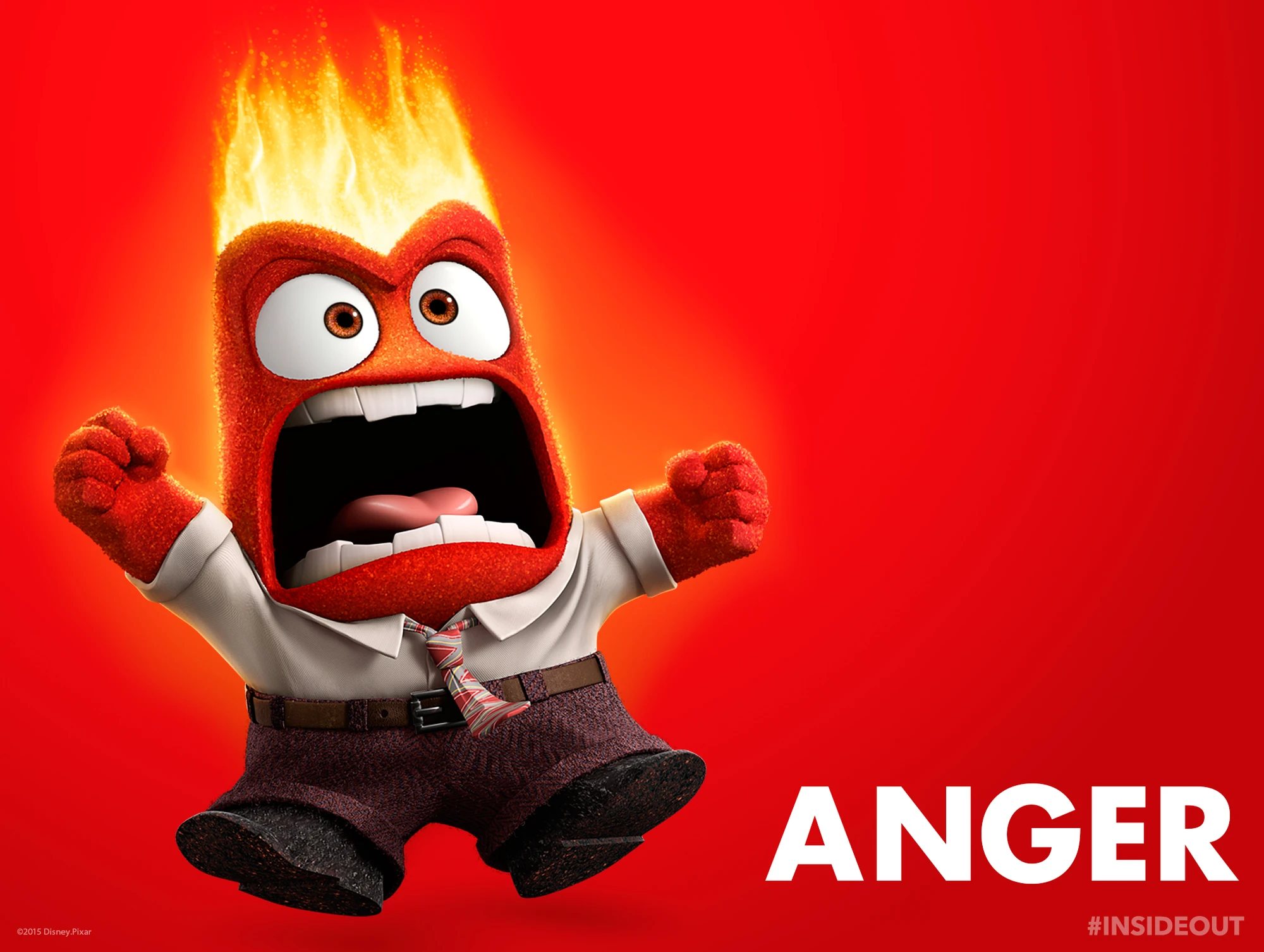
At one point or another, we have all seen or engaged in passive aggressive behaviors, whether it’s giving the silent treatment, making subtle insults, or sending one of those “as per my last email” emails. We do this because we are suppressing our anger or frustration from someone or something. Fear and anger are controlled by a region in the brain called the amygdala. Passive aggressiveness stems from that basic emotion of anger.

Anger is neither good nor bad. It is a basic, spontaneous, neurophysiological part of human emotion. As children, we were often scolded or punished for expressing anger. For example, throwing a temper tantrum is considered unacceptable. So at a young age, we started to perceive anger as taboo. As a result, we learned to suppress our feelings and engage in an indirect expression of hostility through subtle acts.

Children are most likely to act in a passive aggressive manner. Nonetheless, children are the most susceptible to change. Teaching our children that anger is just like every other emotion and directing their anger towards a positive, productive activity will help the child grow into an adult knowing how to manage their emotions properly. Some positive activities may include writing, exercising, drawing, meditating, and listening to music. These activities provide a form of distraction that can alleviate one’s mood, by stimulating another part of the brain that is not associated with the amygdala.

However, adults act this way as well because it’s easier to be passive than to be assertive and emotionally open. When children are taught to suppress their anger and they mature into an adult, it’s harder for them to stand up for themselves and to confront their source of anger.

It is best to avoid raising your voice, lecturing, or knee-jerk consequences that can exacerbate the situation. If an individual is trying to express their anger through communication, it is best to listen instead of reprimanding them for being angry.

When someone is passive-aggressive towards you, fight the urge to mirror their behavior. Instead confront the behavior because when passive-aggressive behavior is confronted directly and assertively, the hidden anger is weakened. Assertive communication and being emotionally open, no matter how hard it is, is the most effective way to acknowledge and accept anger. This builds a foundation for lifelong emotional intelligence and strong, secure relationships.

If you or someone you know has difficulty managing their anger, please contact our psychotherapy offices in New York or New Jersey to talk to one of our licensed professional psychologists, psychiatrists, psychiatric nurse practitioners, or psychotherapists at Arista Counseling & Psychotherapy. Contact our Paramus, NJ or Manhattan, NY offices respectively, at (201) 368-3700 or (212) 722-1920 to set up an appointment. For more information, please visit http://www.counselingpsychotherapynjny.com/ .

Sources:

https://www.psychologytoday.com/us/blog/passive-aggressive-diaries/201712/the-angry-smile-responding-passive-aggressive-behavior

https://www.psychologytoday.com/us/blog/passive-aggressive-diaries/201709/how-respond-effectively-young-persons-anger

https://www.verywellmind.com/what-is-passive-aggressive-behavior-2795481

https://vignette.wikia.nocookie.net/pixar/images/7/7a/Io_Anger_standard2.jpg/revision/latest/scale-to-width-down/2000?cb=20150425021210

Suicide Prevention: What Can You Do to Help?

Suicide Prevention: What Can You Do to Help?

By Lauren Hernandez

                If someone you care about has recently expressed suicidal thoughts or has told you they have attempted suicide, it is important to offer support to that person and to seek professional help. Suicide attempts are often triggered when a person cannot handle the certain stressors and do not have stable coping mechanisms to overcome these obstacles. People considering suicide typically struggle with other mental illnesses such as depression, anxiety disorders, mood disorders, Borderline Personality Disorder, or Post Traumatic Stress Disorder as well as a variety of other conditions. If someone has shared their suicidal thoughts with you, provide them with close comfort by staying with them. Even if you are unsure of what to say, it is important for that person to know that they are not alone.

It is important to make a plan, that encourages at risk individuals to see a provider such as a psychologist or psychiatric nurse practitioner who can offer professional help. If they are overwhelmed by their workload, perhaps try to ease their worries by offering to help them complete specific burdening tasks. It is important to offer them a way in which they can surround themselves with supportive people, perhaps invite them to a relaxing and judgement free space with a few friends. Additionally, help them to find ways in which they can practice self-care, healthy eating, exercise, and sleep, as well as listening to music and other activities that help to boost mood.

It is important to recognize that although you are trying to help a loved one to the best of your ability, the person struggling with suicidal thoughts needs professional care and therapy. There is only so much you can do to help and that is why reaching out to safety networks is essential. Other resources you should find in your area include mental health providers such as a psychologist or psychiatric nurse practitioner who can work with the patient to create a plan and prescribe medication. If you or someone you know is in immediate danger, call 9-1-1 to request immediate assistance and hospitalization to prevent self-harm or a possible suicide from happening. The National Suicide Prevention Lifeline is a 24/7 confidential Lifeline which is available at any time for anyone in the United States to get support if you or a loved one is in crisis. The National Suicide Prevention Lifeline’s number is 1-800-273-8255. To find more information on how to help yourself or someone in crisis can be found on these websites:

https://suicidepreventionlifeline.org/help-yourself/

https://afsp.org/find-support/my-loved-one-made-attempt/loved-one-made-attempt/.

If you or a loved one is suffering from suicidal thoughts please contact Arista Counseling & Psychotherapy, located in New York and New Jersey to speak to licensed professional psychologists, psychiatrists, psychiatric nurse practitioners or psychotherapists. To contact the office in Paramus NJ, call (201) 368-3700. To contact the office in Manhattan, call (212) 722-1920. For more information, please visit http://www.counselingpsychotherapynjny.com/ .


Sources:

https://suicidepreventionlifeline.org/help-yourself/

https://afsp.org/find-support/my-loved-one-made-attempt/loved-one-made-attempt/.

Image Source:

https://www.google.com/search?q=suicide+help&source=lnms&tbm=isch&sa=X&ved=0ahUKEwjjk_Kx9PXiAhWIMd8KHewwDtcQ_AUIECgB&biw=643&bih=603&dpr=1.5#imgrc=EHtMpuR0bLfVHM:


Childhood Trauma: Effects on Adult Wellbeing

Childhood Trauma: Effects on Adult Wellbeing

Childhood Trauma: Effects on Adult Wellbeing

By: Julia Keys

The child brain grows and makes connections at a rapid rate and is extremely emotionally sensitive. Unfortunately, children that experience some sort of major trauma such as emotional, physical, or sexual abuse, neglect, war, poverty, or unsafe living conditions can be greatly negatively impacted later on in life.

Children who have parents that are for some reason unwilling or unable to provide the love and care they need oftentimes blame themselves for the lack of parental attention. In response to this lack of care, children may start to act in ways in which they feel would help the parents love them more. As the child grows up, they can become detached from their own needs because they are so focused on the love they receive from others.

Another effect of childhood trauma is victimhood thinking. Although a child may have been helpless when they were raised, self-victimization does not help an adult in the long run because it robs them of the self-empowerment they need to change their lives in the ways they desire.

Children growing up in environments where anger is expressed violently may begin to learn that anger is dangerous and therefore should be avoided. However, suppressing emotional expression is unhealthy and can cause individuals to be passive aggressive, which is an ineffective way to communicate. The most damaging effect of childhood trauma can have on an adult is the development of psychological disorders such as depression, anxiety, or post-traumatic stress disorder.

If you or someone you love is struggling with the effects of childhood trauma, please contact our psychotherapy offices in New York or New Jersey to talk to one of our licensed professional psychologists, psychiatrists, psychiatric nurse practitioners, or psychotherapists at Arista Counseling and Psychotherapy. Contact our Paramus, NJ or Manhattan, NY offices respectively, at (201) 368-3700 or (212) 722-1920 to set up an appointment. For more information, please visit http://www.counselingpsychotherapynjny.com/. 

Why Is Sleep So Important?

Why is Sleep So Important?

By: Lauren Hernandez

            Sleep is one of the most important lifestyle choices besides nutrition and exercise. In order to gain the benefits of sleep, one must complete the 5 stages of the sleep/ rest cycle that occurs at night. It is essential that you strive to sleep the appropriate amount of hours necessary to maintaining a healthy lifestyle- physically and mentally.

These are the nightly sleep recommendations per age:

  • Infants four to 12 months should sleep 12 to 16 hours per 24 hours (including naps).
  • Children one to two years of age should sleep 11 to 14 hours (including naps).
  • Children three to five years of age should sleep 10 to 13 hours per 24 hours (including naps).
  • Children six to 12 years of age should sleep nine to 12 hours per 24 hours.
  • Teenagers 13 to 18 years of age should sleep eight to 10 hours per 24 hours

Lack of sleep causes negative mental and physical effects such as:

  • Weight gain
  • Likelihood of infections
  • Chronic diseases
  • Type-2 diabetes
  • Heart Disease
  • Increased chances of anxiety
  • Increased chances of depression
  • Forgetfulness

If you or someone you know has a sleep disorder, please contact our psychotherapy offices in New York or New Jersey to talk to one of our licensed professional psychologists, psychiatrists, psychiatric nurse practitioners, or psychotherapists at Arista Counseling & Psychotherapy. Contact our Paramus, NJ or Manhattan, NY offices respectively, at (201) 368-3700 or (212) 722-1920 to set up an appointment. For more information, please visit http://www.counselingpsychotherapynjny.com/ .


Sources:

https://www.psychologytoday.com/us/blog/the-athletes-way/201606/how-much-sleep-is-required-optimal-health-age-matters


https://www.psychologytoday.com/us/blog/the-resilient-brain/201704/restorative-sleep-is-vital-brain-health


Image Source:

https://www.bing.com/images/search?view=detailV2&id=1F061362E6736BEE768453D8F06FC5E18FE558C8&thid=OIP.cd4G3Nnr5OOPsYw1086naQHaFb&mediaurl=http%3A%2F%2Fs3.amazonaws.com%2Fetntmedia%2Fmedia%2Fimages%2Fext%2F930991728%2Fwoman-sleeping.jpg&exph=750&expw=1024&q=sleep&selectedindex=12&ajaxhist=0&vt=0&eim=1,2,6


Mental Health Awareness

Mental Health Awareness

By Lauren Hernandez

               It is important to recognize how mental illness affects many people’s lives. Mental health awareness promotes the understanding and respect towards those who suffer from mental illnesses. It is important that we make attempts to normalize and destigmatize those struggling with mental illness. If you know of someone struggling with mental health issues, there are a multitude of resources that can help.

Available resources:

National Alliance on Mental Illness (NAMI): www.nami.org

NAMI StigmaBusters is “a network of dedicated advocates across the country and around the world who seek to fight inaccurate and hurtful representations of mental illness”. NAMI StigmaBusters

Suicide.org – Suicide prevention, awareness, and support: www.suicide.org

National Institute of Mental Health (NIMH): www.nimh.nih.gov

Substance Abuse and Mental Health Services Administration (SAMHSA): www.samhsa.gov

National Suicide Prevention Lifeline: 1-800-273-TALK (8255) www.suicidepreventionlifeline.org

Children and Adults with Attention Deficit Hyperactivity Disorder (CHADD): www.chadd.org

Child and Adolescent Bipolar Foundation: www.bpkids.org

The Trevor Project (LGBT mental health/suicide prevention): www.trevorproject.org

Anxiety Disorders Association of America: www.adaa.org

National Eating Disorders Association: www.nationaleatingdisorders.org

Alcoholics Anonymous: www.aa.org

Narcotics Anonymous: www.na.org

Gamblers Anonymous: www.gamblersanonymous.org

Alzheimer’s Association: www.alz.org

Depression and Bipolar Support Alliance: www.dbsalliance.org

National Autism Association: www.nationalautismassociation.org

Veterans Crisis Line (U.S. Department of Veterans Affairs): 1-800-273-8255 (press 1)

U.S. Department of Veterans Affairs – Mental Health: www.mentalhealth.va.gov

Mental Health America: www.mentalhealthamerica.net

If you or someone you know is struggling with any type of mental illness, please contact our psychotherapy offices in New York or New Jersey to talk to one of our licensed professional psychologists, psychiatrists, psychiatric nurse practitioners, or psychotherapists at Arista Counseling & Psychotherapy. Contact our Paramus, NJ or Manhattan, NY offices respectively, at (201) 368-3700 or (212) 722-1920 to set up an appointment. For more information, please visit http://www.counselingpsychotherapynjny.com/ .


Sources:

https://www.psychologytoday.com/us/blog/here-there-and-everywhere/201105/mental-health-awareness-month-resources

https://www.psychologytoday.com/us/blog/when-your-adult-child-breaks-your-heart/201705/mental-health-awareness-month

Image Source: https://www.bing.com/images/search?view=detailV2&id=9714F039483EC40A08B372F59E3C5D5C556378C8&thid=OIP.ex7QOQol-OoPT6G8NSkiUgFZC1&mediaurl=https%3A%2F%2Fnamibv.org%2Fwp-content%2Fuploads%2Fsites%2F21%2F2018%2F03%2Fmay-mental-health.png&exph=630&expw=1200&q=mental+health+awareness+month&selectedindex=3&ajaxhist=0&vt=0&eim=1,2,6


Depression and Empty Nest Syndrome

Depression and Empty Nest Syndrome

Depression and Empty Nest Syndrome

By: Lauren Hernandez

                It’s about time that college students may return back to their parent’s home for the summer. At first, many parents are excited for their children to go to college or begin their professional career, however, it is common for parents to feel sad, lonely, and experience grief when their children leave their childhood home. Typically women will struggle more than men during these times, especially when women were full-time mothers. It is important to know that Empty Nest Syndrome is a transitional period in life rather than a clinical disorder or diagnosis. Although the change brings about conflicting emotions, parents are encouraged to support their children in the gradual process towards adulthood.

Symptoms of Empty Nest Syndrome:

  • Sadness
  • Excessive crying
  • Loss
  • Depression
  • Loneliness
  • Distress
  • A loss of purpose and meaning in life


If you or someone you know is experiencing the feelings associated with Empty Nest Syndrome, it is important to refocus your lifestyle and relationships with those living with you. Ways to cope with Empty Nest symptoms include starting new hobbies such as reading, golfing, listening to podcasts, or starting yoga classes. Activities like these may force you to leave the house and engage in a stimulating action which can relieve depressive symptoms and allow you to find something new to put your energy into.

If you or someone you know is struggling with Empty Nest Syndrome, please contact our psychotherapy offices in New York or New Jersey to talk to one of our licensed professional psychologists, psychiatrists, psychiatric nurse practitioners, or psychotherapists at Arista Counseling & Psychotherapy. Contact our Paramus, NJ or Manhattan, NY offices respectively, at (201) 368-3700 or (212) 722-1920 to set up an appointment. For more information, please visit http://www.counselingpsychotherapynjny.com/ .


Sources:

https://www.psychologytoday.com/us/conditions/empty-nest-syndrome


Image Source:

https://www.bing.com/images/search?view=detailV2&id=6506DC3576B86ABB469D5EF9E40198007E7F0D0C&thid=OIP.M_L_B_dbI0s1-1RXN8nDQgHaKg&mediaurl=http%3A%2F%2Fstatic.oprah.com%2Fimages%2F200906%2Fomag%2F200906-omag-empty-nest-220×312.jpg&exph=312&expw=220&q=empty+nest+syndrome&selectedindex=8&ajaxhist=0&vt=0&eim=1,2,6


Video Games – Advantages and Disadvantages

By Dara Kushnir

Ever since its creation, people have debated whether video games are a help, a hindrance, or useful in moderation. Below presents evidence from the most disputed aspects of this argument as well as additional factors to consider:

Content. Countless studies show that violence in video games diminishes empathy and exacerbates behavioral problems. After playing even 30 minutes, less activation was found in the prefrontal portion of the brain (involved in concentration, inhibition, and self-control) and more in the amygdala (emotional arousal)1. People who play violent video games may expect others to be hostile, influencing how aggressively they themselves react in the future2.
Conversely, prosocial, nonviolent video games can promote empathy and helpful behaviors, even teaching empathy3, asthma management, rehabilitating stroke patients, learning resiliency from failures4, and being a therapy tool in moderating certain phobias5. Preschool children have also shown improved motor development and cognitive behavior5.  Children who play cooperative video games display fewer emotional problems and problems with peers whereas those who play solitary games do well academically6.

Time. Despite the noteworthy benefits, it is crucial to understand that these benefits apply to those who play for less than or equal to an hour. Excessive time is linked with behavioral problems, poorer social skills, and peer conflicts. A recent study revealed that playing for less than an hour reduces ADHD symptoms, has a calming effect, and is not associated with delinquency7 8. Less than one hour of gaming strengthens motor skills and leads to higher achievement scores. However, playing more than one hour increases ADHD symptoms and lowers grades, which means the difference between a “B” and an “A” grade9.

Motivation. One . One study argues that people play video games to meet their motivational needs rather than for the content itself10. Those who are more aggressive play violent video games rather than cause aggression. Violent video games were not associated with aggressive behavior. Those who play for enjoyment or catharsis (releasing anger) play violent video games, although it is unclear if playing actually helps. The researchers suggested that people seek out video games to meet their motivational needs rather than the violent content itself. More research is still needed.

Personality. People with certain personality traits can be predisposed to aggression after playing violent video games. One study states that the “perfect storm” of personality traits using the Five-Factor Model is high neuroticism (easily upset and angry), low agreeableness (little concern for others and their feelings), and low conscientiousness (act without thinking)11. These traits make individuals more susceptible to violent games and media.

Player abilities. Another study argues that regardless of video games’ content, frustration from failing sparks aggression12. When a person’s competency or ego is questioned, through a challenging game or failing to master the controls, they enjoy the game less and react with more aggression. This reaction is not limited to video games; people react with frustrated aggression playing sports and other activities, especially if they lose or play poorly.


Source:
(image) http://guides.library.ucla.edu/videogames
All articles are sourced in text.

If you or someone you know appears to be suffering from a video game addiction, please contact our psychotherapy offices in New York or New Jersey to talk to one of our licensed professional psychologists, psychiatrists, psychiatric nurse practitioners, or psychotherapists at Arista Counseling & Psychotherapy. Contact our Paramus, NJ or Manhattan, NY offices respectively, at (201) 368-3700 or (212) 722-1920 to set up an appointment. For more information, please visit http://www.counselingpsychotherapynjny.com/.

Dementia: Early Signs

By Dara Kushnir

You may find it difficult determining whether you or someone you know is experiencing typical age-related changes or early symptoms of dementia. Dementia affects a person’s language and reasoning abilities, communication, and focus. Remembering where you last left your keys or forgetting an appointment once in a while does happen and does not necessarily mean you have dementia.

Being aware of early signs of dementia can help you figure out if you would need to schedule an appointment with a neurologist for further testing. A person may experience:

  1. Memory loss that disrupts daily life. Individuals with dementia may be able to remember an event twenty years ago, but have trouble remembering what they did earlier in the day or important dates. They repeatedly ask for the same information and begin to rely on electronic devices or family members for reminders. While those who are going through typical age-changes do forget things, they are later able to remember them or retrace their steps.
  2. Difficulty completing familiar tasks. As individuals with dementia get older, they occasionally need help with tasks such as working a microwave. Those with dementia often have difficulty with daily tasks such as driving to a familiar place or remembering how to do a favorite craft.
  3. Confusion with time and place. Individuals with dementia may not recognize landmarks or places that were familiar. Individuals in the later stages of dementia can understand what is happening currently, but not tomorrow or yesterday. Individuals with early stages of dementia may have difficulty remembering what day, date, or even year it is.
  4. Poor judgement. Everyone makes a bad decision once in a while. Those with dementia can experience changes in decision-making, which can lead to bad financial decisions such as spending an excessive amount of money on clothing or food. They may also pay less attention to hygiene.
  5. Changes in mood and personality. Individuals with dementia can become confused, suspicious, frustrated, or angry in situations where they are out of their comfort zone or even at familiar places, at home, or with friends. These changes go beyond feeling annoyed toward a disruption in routine.
  6. Problems with speaking or writing. Individuals may find it hard to follow conversations or storylines, struggle to find the right words, or even say the same thing in a short timespan.
  7. Withdrawal from work or social activities. Due to the changes individuals start to experience, they may withdraw themselves from social activities, work, or hobbies. They may find it difficult to remember how to interact in social settings or complete tasks.

Source:
https://homecareassistance.com/blog/5-early-signs-of-dementia-that-may-surprise-you
https://www.alz.org/alzheimers-dementia/10_signs
https://www.healthline.com/health/dementia/early-warning-signs
(image) https://www.jeffreysterlingmd.com/tag/dementia/

If you or someone you know appears to be suffering from dementia, please contact our psychotherapy offices in New York or New Jersey to talk to one of our licensed professional psychologists, psychiatrists, psychiatric nurse practitioners, or psychotherapists at Arista Counseling & Psychotherapy. Contact our Paramus, NJ or Manhattan, NY offices respectively, at (201) 368-3700 or (212) 722-1920 to set up an appointment. For more information, please visit http://www.counselingpsychotherapynjny.com/.

Advice for Dementia: Support for Caregivers

By Dara Kushnir

Caring for someone with dementia can be demanding and mentally exhausting, but it is also important to maintain and strengthen your relationship. Individuals with dementia experience memory problems, impaired judgment, difficulty communicating, and confused thinking more severe than normal aging. In the most severe stage, they are completely dependent on others for even their basic needs, such as hygiene and food. Therefore, finding ways to handle the challenges caregivers often face is essential so both you as a caregiver and the person who has dementia enjoy spending time together.

  1. Know your limits – As much as you want to be able to manage everything, you are only one person. Remember to focus on what’s important and don’t be too hard on yourself about things you can’t manage. Taking breaks allows you to reflect and relax.
  2. Coping with changes – It can be difficult to see the person you care for struggling with things they used to be able to do. It is important to focus on what they can do and support these things rather than what they can’t do.
  3. Address difficult emotions – you may feel isolated, angry, frustrated, or even guilty with your situation. These are very common reactions when caring for someone with dementia and should not make you feel shame. Figuring out how to deal with these feelings is vital though, because they can have a negative impact on your wellbeing as well as the wellbeing of the recipient of your care. Just being there and caring for your loved one helps them immensely.
  4. Be in the moment – Acceptance is a reoccurring, crucial part of caring for a person with dementia. Those with significant memory loss may not be able to discuss things they used to do or participate in certain activities. They can still enjoy things directly in front of them such as looking at photographs and playing simple games, and your company.
  5. Ask for help – Don’t be afraid to ask for help and support. Involving family and friends or voluntary organizations can provide you with support and reduce your stress. It may also help to talk about dementia to others to help them understand what you are doing and suggest ways others can help.

Source: https://www.alzheimers.org.uk/get-support/help-dementia-care/caring-for-person-dementia
https://www.psychologytoday.com/us/blog/managing-your-memory/201812/seek-joy-when-caring-those-dementia
https://www.psychologytoday.com/us/blog/managing-your-memory/201811/8-principles-communicating-people-dementia
(image) https://www.insights.uca.org.au/features/changing-the-way-we-talk-about-dementia

If you or someone you know needs help coping with the dementia of a family member, please contact our psychotherapy offices in New York or New Jersey to talk to one of our licensed professional psychologists, psychiatrists, psychiatric nurse practitioners, or psychotherapists at Arista Counseling & Psychotherapy. Contact our Paramus, NJ or Manhattan, NY offices respectively, at (201) 368-3700 or (212) 722-1920 to set up an appointment. For more information, please visit http://www.counselingpsychotherapynjny.com/.