How to Help Children Cope with Grief and Loss

How to Help Children Cope with Grief and Loss

By: Josette DeFranco

A question you don’t hear enough but should be asked more is “What is grief?” Grief is the terrible pain that accompanies loss. Since grief is a reflection of our love, it can feel suffocating. There is no time limit for healing the pain that comes along with loss. Many individuals try to suppress their pain and agony causing them to feel guilt and stagnant. Many individuals may experience grief in short passes where the feeling of distress and sadness comes and goes. Meanwhile, others may experience grief for a long period, such as months or years. It’s important to remind yourself and others that you can grieve at your own pace.

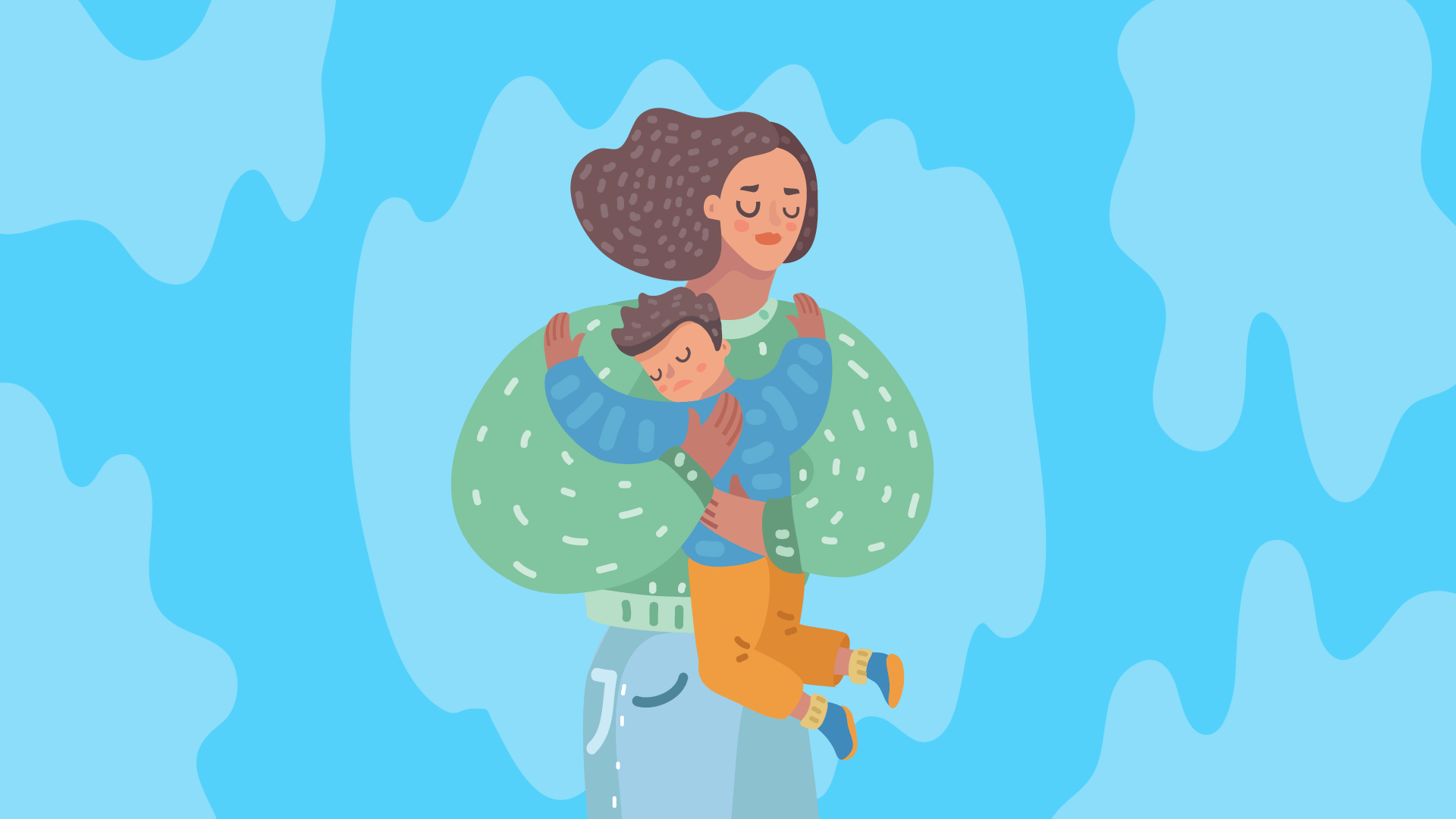
In addition, children experience grief and loss in many different ways. Children are like sponges; they take in information through observation and learned behavior. Although they are young they have deep feelings and can understand their own emotions more than it is perceived. When children grieve it can be a confusing time for them and parents. Do you tell the truth? Or do you rationalize and give simple answers such as “Grandpa is just sleeping.” Being present with them allows you to grieve as well. When children see that their parents can be vulnerable and compassionate it allows them to express themselves and be who they really are.

Here are a couple of ways to help children cope with grief:

  • You can tell children the truth, even though you might not include all the specific information. Mentioning to them that Grandpa is sleeping may cause them to feel afraid to go to sleep or telling them he is in heaven may make them pack their belongings and find heaven. Be clear, honest, and simple.
  • Allow them to ask questions. You can’t protect them from the truth but you can give them your empathetic support and love.
  • Attending the funeral or keeping children home. Ask your child and allow them to decide. If they say yes, have someone who will be present with them and can keep them occupied in case being around sad adults gets overwhelming. If they say no, you can offer another way to remember or honor the person such as showing pictures or lighting a candle.
  • Give reassurance.

If you or someone you know is struggling with their mental health, please contact our psychotherapy offices in New York or New Jersey to talk to one of our licensed professional psychologists, psychiatrists, psychiatric nurse practitioners, or psychotherapists at Arista Counseling & Psychotherapy. Contact our Paramus, NJ, or Manhattan, NY offices respectively, at (201) 368-3700 or (212) 722-1920 to set up an appointment. For more information, please visit https://aristapsychiatrypsychotherapy.com/

Sources:

https://www.psychologytoday.com/us/blog/playful-parenting/202301/how-to-help-children-cope-with-death-and-grief

https://www.psychologytoday.com/us/blog/tales-of-grief/201903/when-children-grieve

https://www.psychologytoday.com/us/basics/grief

Throwing Up: The Fear of Throw Up

By Caroline Buchanan

The fear of throw up, also referred to as emetophobia, is a specific phobia that revolves around the fear of vomiting, seeing vomit, watching other people vomit, or feeling sick. Emetophobia tends to leave people in a state of anxiety, overtaking their thoughts and engaging in behaviors that impact their everyday life. For example, you may avoid crowded places, traveling, eating out, or closely monitor your own health in an attempt to reduce the distress you may feel. While this anxiety can feel overwhelming and unbearable at times, this condition can be managed by a therapist.

What causes emetophobia?

Specific phobias tend to develop after a specific incident. As a result of this incident, an association is created between a thing – an object, situation, or an event – and a fear (Psych Central). Specifically in the context of emetophobia, this could involve getting sick in public, someone vomiting on you, having a bad case of food poisoning, or seeing someone else throw up. Emetophobia can also develop without a clear cause, causing experts to believe that genetics and the environment play a role. Regardless of whether you can pinpoint an incident or not, this anxiety can still be managed.

How can emetophobia be managed?

Exposure therapy is considered to be one of the most effective treatments. In this type of therapy, your therapist will expose you to your fear at a slow rate. This could involve trying a new food at a restaurant or spinning around until you feel nauseous. With these actions, you will be provided with techniques to help you cope with these feelings of anxiety. The goal is that the more you are exposed to your fear, the more you feel comfortable with it. Talk therapy and cognitive behavioral therapy (CBT)can also be used to help learn how to identify and challenge negative thought patterns in your anxiety. While it may take some time to find the right therapist and techniques for you, it is worth it to alleviate the distress in your life.

If you or someone you know is suffering from emetophobia, please contact our psychotherapy offices in New York or New Jersey to talk to one of our licensed professional psychologists, psychiatrists, psychiatric nurse practitioners, or psychotherapists at Arista Counseling & Psychotherapy. Contact our Paramus, NJ or Manhattan, NY offices respectively, at (201) 368-3700 or (212) 722-1920 to set up an appointment. For more information, please visit http://www.counselingpsychotherapynjny.com/

https://www.healthline.com/health/emetophobia#outlook

Mental Health: What can Family Members do to Promote Positive Mental Health?

Mental Health: What can Family Members do to Promote Positive Mental Health?

By: Julissa Acebo

People often look to their family to find comfort and security. Family members affect the habits we develop, who we are, and who we become. Often families do not realize how they significantly contribute to the mental wellness of a person struggling from a mental disorder.


Below are some tips family members can do which promote mental well-being:

  1. Extend a Listening Ear
    • Provide an environment where every member is free to share their worries, problems, and even good things that life offers.
    • This alone can dramatically improve a person’s well-being
  2. Celebrate Small Wins
    • Motivates and boosts a person’s confidence
    • Shows that family members are proud and makes the person feel good about their achievements
  3. Attend Psychotherapy Sessions (family and/or individual sessions)
    • Enables all members to learn effective communication
  4. Make Everyone Feel Valued
    • Avoid behaviors that will make members feel sidelined (i.e. being overly harsh with one person. Be fair in the distribution of roles within the household, etc.)
  5. Eat Dinner Together
    • Eating dinner together at least once a week is a prime opportunity to talk, listen, and enjoy time together.

If you or someone you know is struggling with Mental Health please contact our psychotherapy offices in New York or New Jersey to talk to one of our licensed professional psychologists, psychiatrists, psychiatric nurse practitioners, or psychotherapists at Arista Counseling & Psychotherapy. Contact our Paramus, NJ or Manhattan, NY offices respectively at (201) 368-3700 or (212) 722-1920 to set up an appointment. For more information, please visit https://www.counselingpsychotherapynjny.com

Sources:
https://www.mikeveny.com/blog/six-things-family-members-can-do-to-promote-mental-well-be.ing
https://www.mha-em.org/im-looking-for/mental-health-knowledge-base/wellness/86-improve-family-mental-health

Intergenerational Trauma: What is it?

Intergenerational Trauma: What is it?

By Erika Ortiz

            Intergenerational trauma is a term used to describe the difficulties or challenges a family has experienced for generations. Intergenerational trauma can inflict negative feelings and experiences through either an individual or the family as a whole. It usually starts with one family member who has had a traumatic experience. The family members then goes on to either repeat the action that traumatized them or project their feelings onto family members, continuing the cycle of trauma. Historical trauma can catalyze intergenerational trauma. For example, a great-grandmother survived the Holocaust; however, she now behaves in a very reserved and cold manner, so she struggles to express emotions such as love and compassion. Since she raised her children in such a manner, they may grow and have children and display that same type of avoidant relationship. Another example can be that a mother was sexually abused when she was younger, her daughter was also sexually abused, and her granddaughter suffered from that experience. The individual who suffers the trauma can pass down and then project the feelings that were felt at the time of the incident. Since they most likely did not receive the proper care and treatment to manage the mental health issues that they were experiencing, they relayed that same traumatic feeling to the next generation of their family. Hence, it is critical to seek professional help. Here are some ways to cope/deal with inter-generational trauma:

  • Break the cycle- interrupt and prevent the repetition of trauma
  • Hear each other out- although this can be difficult, listening is key to fixing
  • Get the professionals involved- the best way to cope with any mental health issue or fragmented relationship is to get a qualified professional’s help


Source:

https://www.choosingtherapy.com/intergenerational-trauma/

If you or someone you know is experiencing intergenerational trauma or other traumas, please contact our psychotherapy offices in New York or New Jersey to talk to one of our licensed professional psychologists, psychiatrists, psychiatric nurse practitioners, or psychotherapists at Arista Counseling & Psychotherapy. Contact our Paramus, NJ or Manhattan, NY offices respectively at (201) 368-3700 or (212) 722-1920 to set up an appointment. For more information, please visit https://www.counselingpsychotherapynjny.com

Family Therapy: Reasons to Seek Treatment & What to Expect

Family Therapy: Reasons to Seek Treatment & What to Expect

By Jackie Molan

Family therapy is a form of psychotherapy aimed at improving communication and relationships within a family unit. The therapeutic environment offers a safe and confidential space for family members to express thoughts and feelings that they might otherwise be uncomfortable sharing. Family therapy is usually about 12 sessions in length, allowing the therapist to follow a method with a clear end goal that is understood by each family member. Even though this is a short-term type of therapy, it can teach skills and coping strategies that can be used to remedy family problems even after the course of treatment has ended.

Family therapy is typically sought out by families experiencing one or more of the following issues:

  • Parent/child conflict
  • Child behavioral problems
  • Financial stress
  • Grief
  • Anger issues
  • Communication difficulties
  • A family member’s substance abuse or mental illness (depression, anxiety, schizophrenia, etc.) is negatively impacting the rest of the family

It is important to know what to expect when starting family therapy. During the first session, the therapist will likely want to meet with the family as a group in order to gather information about the issue and see how family roles and dynamics operate. In the subsequent sessions, they may sometimes choose to meet with each family member individually to focus more on personal considerations. Overall, you can expect to gain the skills to:

  • Identify strengths and weaknesses within the family
  • Learn to effectively express emotions with family members
  • Analyze existing factors that may contribute to both present and future conflicts, such as family roles

Family stressors can turn into damaging problems if they are not addressed in a timely fashion. Family therapy provides the tools needed to restore a dysfunctional family to a more healthy, unified, and empathetic unit.

If you or someone you know is seeking family therapy, please contact our psychotherapy offices in New York or New Jersey to talk to one of our licensed professional psychologists, psychiatrists, psychiatric nurse practitioners, or psychotherapists at Arista Counseling & Psychotherapy. Contact our Paramus, NJ or Manhattan, NY offices respectively, at (201) 368-3700 or (212) 722-1920 to set up an appointment. For more information, please visit http://www.counselingpsychotherapynjny.com/

Sources:

https://www.mayoclinic.org/tests-procedures/family-therapy/about/pac-20385237

https://www.psychologytoday.com/us/therapy-types/marriage-and-family-therapy

https://www.123rf.com/clipart-vector/family_therapy.html

Eating Disorders: Recognizing Signs in Others

Eating Disorders: Recognizing Signs in Others

By Kim Simone

Warning Signs of Eating Disorders

Signs of eating disorders oftentimes go unrecognized by those around the struggling individual. While eating disorders such as anorexia nervosa, bulimia nervosa, and binge eating disorder each have their own risks, it is critical to know that they can be fatal if left untreated for a certain period of time. Fortunately, eating disorders can be treated by mental health care providers. Supportively encouraging an individual struggling with an eating disorder to seek treatment can save their life.

Warning signs may include but are not limited to:

Behavioral Signs:

  • Skipping meals
  • Withdrawal from friends and activities
  • Refusal to eat certain foods
  • Expressing preoccupation with food, weight, nutrition, etc.
  • Consuming only small portions of food at a time

Emotional Signs:

  • Extreme concern with body shape and size
  • Extreme mood swings

Physical Signs:

  • Noticeable fluctuations in weight
  • Dizziness and fainting
  • Feeling cold regularly
  • Difficulties concentrating
  • Stomach cramps and other gastrointestinal issues

Seeking Treatment

It is important to seek help as soon as warning signs appear given that the chance for recovery from an eating disorder increases the earlier it is detected, diagnosed, and treated. Cognitive Behavioral Therapy (CBT) is a commonly used psychotherapeutic approach for eating disorder treatment. It emphasizes the interaction between an individual’s thoughts, feelings, and behaviors. The approach is centered on shifting negative thoughts and behaviors to more positive thoughts and healthier alternatives.

The treatment for different eating disorders such as anorexia nervosa, bulimia nervosa, and binge eating disorder vary. During treatment, a mental health care provider can screen and treat for other underlying issues, such as anxiety and depression, as these can influence treatment outcomes. Medications can be an effective treatment option when combined with psychotherapy in treating individuals struggling with an eating disorder. Supportively encouraging an individual to seek treatment for an eating disorder can be lifesaving.

If you or someone you know is struggling with an eating disorder, please contact our psychotherapy offices in New York or New Jersey to talk to one of our licensed professional psychologists, psychiatrists, psychiatric nurse practitioners, or psychotherapists at Arista Counseling & Psychotherapy. Contact our Paramus, NJ or Manhattan, NY offices respectively, at (201) 368-3700 or (212) 722-1920 to set up an appointment. For more information, please visit http://www.counselingpsychotherapynjny.com.

Sources:

Warning Signs And Symptoms

https://www.yourhealthinmind.org/mental-illnesses-disorders/eating-disorders/treatment

Image Source:

https://integrativelifecenter.com/how-diet-culture-influences-eating-disorders/

School Shootings: How to Help Your Child’s Anxiety Following Tragedy

School Shootings: How to Help Your Child’s Anxiety Following Tragedy

By Kim Simone

In times of uncertainty and fear, children will often turn to those who bring them certainty and calm. Unfortunately, in the aftermath of a school shooting, parents may not be able to give their children the answers they need to alleviate their anxiety. Even when a child is far removed from the setting of a school shooting, being in a school setting can induce anxiety. It is important that parents recognize signs of distress and anxiety exhibited by their child following a tragedy.

Elementary school students will likely have questions that have no definitive answers, such as the motives behind a school shooting. Parents need to be prepared to answer their child with caution as children may not be emotionally prepared to hear explicit details. Furthermore, children may be concerned with how the shooting may have impacted them, or rather, how a shooting may impact them in the future. Questions such as “Could this happen to me?” or “Could this happen at my school?” show how uncertainty can lead to excessive levels of anxiety in a child. 

Symptoms of anxiety in children can include unexplained stomachaches, headaches, and changes in sleeping and eating behaviors. It is also important to note any changes in academic and social behavior in school, as anxiety may be heightened in this environment.

If your child is experiencing excessive worry and anxiety as a result of tragedy, consider having them speak to a child psychologist. Prolonged anxiety can harm a student academically, socially, and emotionally. Building a support system for children who are overcome by distress and anxiety is crucial in bringing a sense of calm to their environment in a time of uncertainty.

If you or someone you know is struggling with anxiety after a tragedy, please contact our psychotherapy offices in New York or New Jersey to talk to one of our licensed professional psychologists, psychiatrists, psychiatric nurse practitioners, or psychotherapists at Arista Counseling & Psychotherapy. Contact our Paramus, NJ or Manhattan, NY offices respectively, at (201) 368-3700 or (212) 722-1920 to set up an appointment. For more information, please visit http://www.counselingpsychotherapynjny.com/

Sources:

https://childmind.org/article/anxiety-school-shooting/

https://www.usnews.com/education/k12/articles/school-shootings-how-to-help-kids-cope

Image Source:

Post-Traumatic Stress Disorder: The Aftermath of a School Shooting

Post-Traumatic Stress Disorder: The Aftermath of a School Shooting

By Fiona McDermut

            After yet another school shooting in the United States left 19 children dead, many parents in grief, and a multitude of survivors in agony, it is time we recognize the impact that is left on the survivors of such devastating events. Although children are known to be particularly resilient, such impactful experiences may lead to post-traumatic stress disorder (PTSD).

            In children, PTSD symptoms are often overlooked or confused with other psychiatric disorders. These symptoms may include restlessness, fidgety behavior, trouble focusing or staying organized, reliving traumatic events through thought or play, nightmares, inconsistent sleep patterns, intense fear or sadness, angry outbursts, avoiding topics associated with the traumatic event, and feelings of denial. These emotions may be triggered by something that reminds the child of the event.

            Such devastating events are hard for anyone to understand, especially a child. If your child has experienced trauma, the symptoms can be best treated if they get in contact with a mental healthcare provider as soon as possible. Even if the child is not ready to talk about the events, many psychologists and psychotherapists can understand the situation by observing the child’s behaviors. Multi modal psychotherapy including cognitive behavioral therapy is frequently used in these situations. In certain situations, your child’s therapist may recommend the addition of safe and helpful medication.

            School should be a safe space for children, but after recent events, apprehensiveness in regard to attending school is understandable. If you or your child is experiencing extreme persistent fear following the recent events, your child will benefit from meeting with a mental health professional to get necessary treatment for his or her symptoms.

            If you or someone you know is struggling with post-traumatic stress disorder, please contact our psychotherapy offices in New York or New Jersey to talk to one of our licensed professional psychologists, psychiatrists, psychiatric nurse practitioners, or psychotherapists at Arista Counseling & Psychotherapy. Contact our Paramus, NJ or Manhattan, NY offices respectively, at (201) 368-3700 or (212) 722-1920 to set up an appointment. For more information, please visit http://www.counselingpsychotherapynjny.com/

Sources:

https://www.cdc.gov/childrensmentalhealth/ptsd.html

Image Source:

https://www.unicef.org/parenting/how-talk-your-children-about-conflict-and-war

Body Image: The Role of Body Dissatisfaction on Self-Esteem

Body Image: The Role of Body Dissatisfaction on Self-Esteem

By Kim Simone

Body dissatisfaction is characterized by an individual’s persistent negative thoughts and feelings about his or her body. It is commonly influenced by external factors such as societal norms and perceived pressure from other individuals. High levels of body dissatisfaction can lead to low self-esteem and ultimately lead to harmful eating and exercising behaviors.

On the contrary, having a positive body image is associated with self-acceptance, higher self-esteem, and having healthier practices in regards to eating and exercising.

The Four Primary Elements of Body Image:

  1. Perceptual body image:  the way you see your body
  2. Cognitive body image:  the way you think about your body
  3. Affective body image: the way you feel about your body (often characterized by satisfaction or dissatisfaction)
  4. Behavioral body image: the behaviors you engage in as a result of your body image (may include unhealthy eating behaviors and exercising habits)

Body dissatisfaction fluctuates throughout the lifespan and is correlated with lower levels of self-esteem. These concerns are linked with poor self-concept, which not only affects physical and mental health, but also impacts individuals socially and academically. Since body dissatisfaction often leads to low self-esteem, individuals may be at risk for developing more serious disorders. A poor self-concept, and consequently a poor body image, may influence eating behaviors, making individuals more at risk for developing an eating disorder.

Given that the chance for recovery from an eating disorder increases the earlier it is detected, diagnosed, and treated, it is important to seek help as soon as warning signs appear. Cognitive Behavioral Therapy (CBT) is a commonly used psychotherapeutic approach for eating disorder treatment. The approach emphasizes having the individual understand the interaction and inter relatedness between his or her thoughts, feelings, and behaviors. This therapy focuses on shifting negative thoughts and behaviors to more positive thoughts and healthier alternatives. Furthermore, a mental health care provider can screen and treat for other underlying issues, such as anxiety and depression, as these can influence treatment outcomes.  

If you or someone you know is struggling with body dissatisfaction, self-esteem, and/or eating disorders, please contact our psychotherapy offices in New York or New Jersey to talk to one of our licensed professional psychologists, psychiatrists, psychiatric nurse practitioners, or psychotherapists at Arista Counseling & Psychotherapy. Contact our Paramus, NJ or Manhattan, NY offices respectively, at (201) 368-3700 or (212) 722-1920 to set up an appointment. For more information, please visit http://www.counselingpsychotherapynjny.com/

Sources:

https://nedc.com.au/eating-disorders/eating-disorders-explained/body-image/

https://psycnet.apa.org/record/2012-14627-021

https://www.waldenu.edu/online-masters-programs/ms-in-clinical-mental-health-counseling/resource/what-is-body-dissatisfaction-and-how-does-it-lead-to-eating-disorders

Image Source:

https://img.huffingtonpost.com/asset/5bb5f917210000d501c88483.jpeg?ops=scalefit_720_noupscale&format=webp

Depression: Identifying Signs of Depression in Someone Close to You

Identifying Signs of Depression in Someone Close to You

By Fiona McDermut

            Understanding the signs and symptoms of mental illness is not a simple task, especially when it comes to someone you care about. Even when the signs of mental illness are identified, it is difficult to decide what to do next. The COVID-19 pandemic prompted a 25% increase in cases of depression in the world. In a time of great distress for many, it is vital to look out for the people we love.

            If you suspect that someone you know may be struggling with depression, it is crucial to look out for the following signs:

  • Loss of interest
  • Extreme loss or increase in appetite
  • Fatigue
  • Hopelessness
  • Suicidal thoughts or behaviors
  • Irritability
  • Changes in sleep patterns
  • Physical symptoms such as headaches, stomachaches, and sexual dysfunction

            Some of these signs may seem obvious, but many who struggle with depression may cut themselves off from the social world. This makes it difficult to detect the warning signs of mental illness. Therefore, it is important to check in on the people you care about, especially during a time in which the majority of social interactions have been cut off, limited, or turned to strictly virtual contact. If someone you know is struggling with symptoms of depression, it may be necessary to seek medical help. There are many causes of depression, many types of depression, and many treatment methods. A mental health care professional will be able to identify the key factors that go into developing a treatment plan that works best for each individual in need.

The following methods are used to treat people with depression:

  • Cognitive Behavioral Therapy
  • Hypnosis
  • Antidepressant medication
  • Brain stimulation therapy

            Admitting that one needs help is not an easy task. Therefore, providing support, comfort, and assistance for a loved one can make a tremendous difference in one’s mental health outcomes. Simply having one strong social connection has been shown to have multiple health benefits. Most people are not trained in the treatment of depression, but everyone is capable of spending time with those they love and guiding them through the process of recovery.

If you or someone you know is struggling with depression, please contact our psychotherapy offices in New York or New Jersey to talk to one of our licensed professional psychologists, psychiatrists, psychiatric nurse practitioners, or psychotherapists at Arista Counseling & Psychotherapy. Contact our Paramus, NJ or Manhattan, NY offices respectively, at (201) 368-3700 or (212) 722-1920 to set up an appointment. For more information, please visit http://www.counselingpsychotherapynjny.com/

Sources:

https://www.who.int/news/item/02-03-2022-covid-19-pandemic-triggers-25-increase-in-prevalence-of-anxiety-and-depression-worldwide#:~:text=COVID%2D19%20pandemic%20triggers%2025,of%20anxiety%20and%20depression%20worldwide

https://www.healthline.com/health/depression/recognizing-symptoms#lostinterest

Image Source: https://ggsc.s3.amazonaws.com/images/uploads/How_Friends_Help_You_Regulate_Your_Emotions.jpg