Postpartum Depression

By Samantha Glosser

“I thought postpartum depression meant you were sobbing every single day and incapable of looking after a child. But there are different shades of it and depths of it, which is why I think it’s so important for women to talk about. It was a trying time. I felt like a failure.” -Gwyneth Paltrow

Postpartum depression can begin as early as a few weeks after giving birth, and it affects one in seven women. Symptoms of postpartum depression include the following: depressed mood or mood swings, excessive crying, difficulty bonding with the baby, withdrawal from loved ones, loss of appetite or an increased appetite, inability to sleep or sleeping too much, fatigue or loss of energy, anxiety, fear of not being a good mother, thoughts of harming yourself or your baby, and recurrent thoughts of death and suicide. These symptoms typically interfere with your life and your ability to raise and connect with your child. Although it is not certain what causes postpartum depression, it is most likely due to a combination of hormones and emotional processing deep in the brain.

As noted by Gwyneth Paltrow, an actress using her fame to shed light on the severity of this disorder, postpartum depression is not one size fits all; every woman experiences it differently and experiences symptoms at different severities. This is why it is important for women to be open and honest about their experiences with postpartum depression. Women often feel a lot of shame when they have postpartum depression, because they do not understand why they are feeling this way or what they are feeling. They feel like they are alone in these feelings. However, this is not the case. Other famous mothers such as Brooke Shields and Marie Osmond, like Paltrow, are using their platforms to share their struggles with postpartum depression and let women know that they are not alone and that they should not feel ashamed, which is opening up the doorway to treatment for all women. Postpartum depression can be effectively treated with psychotherapy, support groups, and psychiatric medication if needed. These treatments are the most efficient way for you to feel better and connect with your child.

If you or someone you know appears to be suffering from postpartum depression, the licensed psychologists, psychiatrists, psychiatric nurse practitioners, and psychotherapists at Arista Counseling & Psychotherapy can assist you. Contact our Paramus, NJ or Manhattan, NY offices respectively, at (201) 368-3700 or (212) 722-1920 to set up an appointment. For more information, visit http://www.counselingpsychotherapynjny.com/.

Source: Layton, M. J. (2016, January 26). Task force urges doctors to screen new moms for depression. Retrieved from http://www.northjersey.com/story/news/2016/01/26/task-force-urges-doctors-to-screen-new-moms-for-depression/94422958/

Panic Attacks and Anxiety

By: Dianna Gomez

Panic. Worry. Fear. Helplessness. What is wrong with me? Why am I feeling like this? Why is my heart beating out of my chest? Am I dying? Why can’t I make it stop?!

For some of us, these emotions are all too familiar. Anxiety can be a scary thing, especially when you’re not totally up-to-date on what exactly it is. What are you to do when you feel like your whole world is crashing down around you and there’s nothing you can do to stop it? Well, have no fear because I have a few helpful tips to share!


Here are 5 things that you can do to calm yourself down when suffering from an anxiety attack:

  • Take Deep Breathes

Inhale. Exhale. Tell yourself that although it may not feel like it right now, everything will be okay.

  •  Talk Yourself Down

Repeat a calming/kind phrase to yourself OUT LOUD. Remind yourself that you are safe, loved, and never alone.

  • Seek Help

Sometimes we tend to insist that we can get through tough times all on our own, but there is no shame in asking for help. Whether it be a neutral professional, a loved one or someone you trust, find someone with whom you can talk out your troubles.

  • Use Music and Visuals

Never underestimate the power of calming music and visuals. Whether it be classical music, peaceful nature videos/sounds, or your favorite John Mayer song – let the music play and your worries float away!

  • Put Your Anxiety on Ice

Create sensory stimulation by gently sticking both of your hands into a bowl of very cold water with ice. The more ice the better.


If either you or anybody you know suffers from anxiety, the licensed psychologists, psychiatrists, psychiatric nurse practitioners, and psychotherapists at Arista Counseling & Psychotherapy can help you. Contact our Paramus, NJ or Manhattan, NY offices respectively, at (201)-368-3700 or (212)-722-1920 to set up an appointment. For more information, visit us at https://www.counselingpsychotherapynjny.com/.


Borderline Personality Disorder (BPD)

By: Estephani Diaz

Borderline Personality Disorder is a complex disorder with no certain explanation as to what causes it. This disorder is so uncommon, that it only affects about 5% of our population. It is considered to be a combination of schizophrenia, anxiety, impulsiveness, severe mood swings, etc. In order to be diagnosed with Borderline Personality Disorder, also known as BPD, you must have at least five out of the nine symptoms listed below:

  1. Perceived or real fears of abandonment
  2. Intense mood swings, severe depression or anxiety
  3. Impulsiveness
  4. Unstable intense relationships
  5. Self-injurious and suicidal behaviors
  6. Chronic feelings of emptiness
  7. Inappropriate, intense anger and rage
  8. Unstable sense of self
  9. Dissociation and feelings of detachment

Any combination of the symptoms above, can lead to family problems, ruin relationships, and cause anxiety, depression, and/or anger. BPD can last from a year to a lifetime. Those with BPD are recommended to seek talk therapy or group therapy. Medications can also be used, however, they would only be needed if one has a severe case of depression and/or mood swings. If help is not found, people with BPD have a high chance of abusing drugs, committing suicide, or worsening relationships with loved ones.

If you or someone you know is suffering from Borderline Personality Disorder, please contact our psychotherapy offices in New York or New Jersey to talk to one of our licensed professional psychologists, psychiatrists, psychiatric nurse practitioners, or psychotherapists at Arista Counseling & Psychotherapy. Contact our Paramus, NJ or Manhattan, NY offices respectively, at (201) 368-3700 or (212) 722-1920 to set up an appointment. For more information, please visit http://www.counselingpsychotherapynjny.com/.

Seasonal Affective Disorder (SAD)

By: Estephani Diaz

Summer is officially over, which means kids are back in school and sweater weather is around the corner. Pumpkin spice is back on the menu at coffee shops, and no more unbearable 90 degree weather. For some, the fall season is the best time of the year, but for others, the change of season can be a complete mood change.

About three million will be faced with Seasonal Affective Disorder, known as SAD, this year in the U.S. alone. It is a type of depression that comes from the change in weather at the end of the year. When the days become shorter, many become depressed, lose interest in activities, over sleep, have thoughts of suicide, etc. Others will gain weight, have low energy, and even turn into “hibernation mood.”

SAD is treatable with therapy, psychotherapy, and medication, if needed. There are also things you can do at home to brighten up your day: open your window blinds to let sunlight in, socialize with friends, go out to eat, exercise daily, get enough sleep, fragrance diffuser, etc. In addition, one could look forward to the holidays to get their minds off the cold weather.

If you or someone you know is suffering from Seasonal Affective Disorder, please contact our psychotherapy offices in New York or New Jersey to talk to one of our licensed professional psychologists, psychiatrists, psychiatric nurse practitioners, or psychotherapists at Arista Counseling & Psychotherapy. Contact our Paramus, NJ or Manhattan, NY offices respectively, at (201) 368-3700 or (212) 722-1920 to set up an appointment. For more information, please visit http://www.counselingpsychotherapynjny.com/.


Anxiety: Test Anxiety

By: Charleene Polanco

Have you ever had a moment of extreme panic, right before the beginning of a test? How about feeling like you are about to faint, or excessive sweat during an exam? If these symptoms describe your test-taking experience, then you might be suffering from test anxiety.

Test anxiety is defined as a psychological condition where people experience severe distress and anxiety during exams. Some causes of test anxiety are fear of failure and lack of preparation. A fear of failure can result from wanting to perform well. One who associates their self-worth with a test’s outcome, can feel devastated when the grade is not what he or she expected. This creates a vicious cycle, where because the person is afraid of feeling worthless, when they fail, they become anxious while taking the exam.  As a result, their performance level on tests drops. Lack of preparation is another cause of test anxiety, which occurs when students do not study properly for an exam. For those who like to wait until the night before an exam, to cram five chapters worth of information into their brain, tests are a constant source of anxiety and stress.

Symptoms of test anxiety can be split up into three categories; physical, emotional, and behavioral/cognitive symptoms. Some physical symptoms include headaches, nausea, excessive sweating, and rapid heartbeat. Emotional symptoms can be expressed as feelings of anger, fear, helplessness, and disappointment.  Behavioral/cognitive symptoms are difficulty concentrating and negative thinking.

To help manage test anxiety, here are some tips;

  • Properly prepare for exams
  • Develop good test-taking skills
  • Engage in relaxation techniques, like taking deep slow breaths
  • Keep a positive mindset

If you or someone you know is suffering from test anxiety, please contact our psychotherapy offices in New York or New Jersey to talk to one of our licensed professional psychologists, psychiatrists, psychiatric nurse practitioners, or psychotherapists at Arista Counseling & Psychotherapy. Contact our Paramus, NJ or Manhattan, NY offices respectively, at (201) 368-3700 or (212) 722-1920 to set up an appointment. For more information, please visit http://www.counselingpsychotherapynjny.com/.

Source:

“Test Anxiety.” Anxiety and Depression Association of America, ADAA, Anxiety and Depression Association of America , 2018, adaa.org/living-with-anxiety/children/test-anxiety

Depression: Can it be Effectively Treated in Adolescents without Medication?

By Samantha Glosser

Although antidepressant medications are typically seen as the first course of treatment for adolescents diagnosed with depression, many families do not want their kids to begin taking medication. This could be because of personal values and beliefs or because they cannot afford medication. In addition, almost half of all adolescents who begin treatment with medications eventually discontinue use due to the side effects or because they feel that it is not benefiting them enough. If you decide that medication isn’t right for your child, there are other options that are effective. One clinically proven method used to treat depression in adolescents is cognitive-behavioral therapy (CBT).

CBT is a short-term, goal-orientated therapy that focuses on changing patterns of thinking and behaviors that contribute to the patient’s issues. For example, your teenager may feel depressed because they are distorting the importance of certain events. This could start as simply getting a D on their final. However, their thoughts soon begin to spiral, and they begin to think that with this D on their transcript they will never be able to get into college or get a good job. CBT works by challenging this maladaptive thought pattern and teaches patients to replace these thoughts and consider alternative viewpoints. Recent studies have shown that CBT can be just as effective in treating depression as antidepressant medications and will lead to increased moods in adolescents. If you and your child have come to the decision that medication is not right for them, cognitive-behavioral therapy is an effective treatment plan that just might be the right fit for your needs.

If you or someone you know appears to be suffering from attention-deficit/hyperactivity disorder (ADHD), licensed psychologists, psychiatrists, psychiatric nurse practitioners, and psychotherapists at Arista Counseling & Psychotherapy can assist you. Contact our Paramus, NJ or Manhattan, NY offices respectively, at (201) 368-3700 or (212) 722-1920 to set up an appointment. For more information, please visit http://www.counselingpsychotherapynjny.com/.

Martin, B. (2018, April 04). In-Depth: Cognitive Behavioral Therapy. Retrieved from https://psychcentral.com/lib/in-depth-cognitive-behavioral-therapy/?li_source=LI&li_medium=popular17.

Wood, J. (2018, January 21). For Teens, CBT in Primary Care Can Be Cost-Effective Versus Meds. Retrieved from https://psychcentral.com/news/2018/01/20/cognitive-behavioral-therapy-cost-effective-for-teens-who-decline-antidepressants/131463.html.

Stress: The Detrimental Effects of Stress on the Body

By: Charleene Polanco

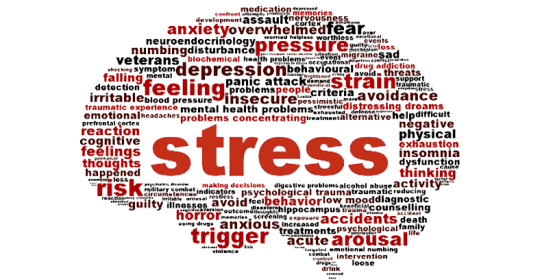
Stress is something that everyone experiences at some point in their lives. Stress is defined as a physical, mental, or emotional strain or tension, and whether it is about taking a final exam for class, going off to college for the first time, or work-related, stress can affect the way we perform. If gone unchecked, stress can lead to a variety of negative consequences on the body, which will be discussed. Stress has been linked to a number of physical and emotional disorders, like depression, anxiety, heart attacks and stroke. A constant high level of stress, can lead to immune system disturbances, which can cause an increase in your body’s susceptibility to infections. Stress can also have direct effects on the skin leading to rashes and hives.

Unlike rashes and hives, which are visible, stress can affect various systems, organs, and tissues within the body, signs that are not seen, and are, therefore, much harder to notice. Some parts of the body affected by stress are the nervous and cardiovascular systems. When stressed, the nervous system signals the body’s adrenal glands to secrete adrenalin and cortisol. Since both of these hormones cause high blood pressure, a person who is under constant stress, also has elevated blood pressure which can lead to heart problems in the future. Even if a stress episode is considered to be minor, repeated minor stress episodes can negatively impact a person’s cardiovascular system by causing inflammations in the coronary arteries. This can eventually cause heart attacks. In order to prevent the negative consequences of untreated high levels of stress, it is important to recognize the symptoms. There are multiple symptoms of stress, some of which include, frequent headaches, cold hands/feet, dry mouth, heartburn, depression, forgetfulness, and rapid or mumbled speech.

If you or someone you know is suffering from stress, please contact our psychotherapy offices in New York or New Jersey to talk to one of our licensed professional psychologists, psychiatrists, psychiatric nurse practitioners, or psychotherapists at Arista Counseling & Psychotherapy. Contact our Paramus, NJ or Manhattan, NY offices respectively, at (201) 368-3700 or (212) 722-1920 to set up an appointment. For more information, please visit http://www.counselingpsychotherapynjny.com/.

Source:

“Stress Effects.” Common Signs and Symptoms of Stress, The American Institute of Stress, 4 Jan. 2017.

Psychiatric Medication: The Stigma of Mental Health Medication

By: Sanjita Ekhelikar

When someone gets a fever, a bacterial infection, or any other physical illness, what do we tell them? “Rest, go to the doctor, and take some medicine.” We strongly encourage them to receive a prescription for and to take medication for their illness. If a sick individual were to not take their medication, we would tell them that they are being irresponsible, and that they are not taking care of themselves. Why do we not say the same when it comes to medication for people struggling with mental illness?

In a time when mental health is becoming increasingly important, society still has a stigma around this, primarily regarding prescription psychiatric medications for it. There is still a lack of understanding about what mental health is and how it impacts people. Some view those with these difficulties as “crazy” and “unstable.” Medications for such conditions are seen in a negative light, and are seen to be only for people who are labelled “crazy” or “unstable.” Since mental illnesses are related to the mind and are invisible to the eye, many in our society cannot believe that these illnesses are serious, and thus consider taking medication for them to be shameful and unnecessary. As a result, thousands of individuals feel ashamed to get the proper help and take medications. They thus must struggle and suffer silently.

In reality, mental health medications can be extremely beneficial, and can change the lives of those who take them. Mental illness can be grueling to live with and can compromise one’s life and wellbeing. Medication helps these individuals to overcome their condition and lead a better life, especially paired with psychotherapy. Antipsychotic and antidepressant drugs have been developed to help these people in need, and we should be encouraging people to take them and take the necessary steps in getting better instead of shaming them.

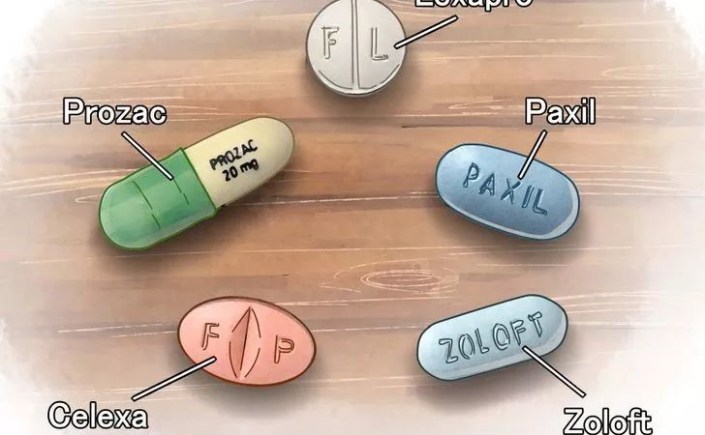
While we have no problem encouraging our loved ones to take Tylenol, Advil, Cough syrup, and many other medications for their physical ailments, we should be just as promoting of them taking Lexapro, Zoloft, Prozac, and other psychological medications. It is time to eliminate stigmas around taking care of our mental health, and encourage and applaud those who have taken the steps towards a better life through using mental health medications.

If you or someone you know is suffering mental illness and would like to consider medication, please contact our psychotherapy offices in New York or New Jersey to talk to one of our licensed professional psychologists, psychiatrists, psychiatric nurse practitioners, or psychotherapists at Arista Counseling & Psychotherapy. Contact our Paramus, NJ or Manhattan, NY offices respectively, at (201) 368-3700 or (212) 722-1920 to set up an appointment. For more information, please visit http://www.counselingpsychotherapynjny.com/.

Restrictive Eating Disorder: Orthorexia

By: Sanjita Ekhelikar

“Sugar-free,” “low-calorie,” “antioxidant-rich,” “organic.” These are all words we are surrounded by in a world where healthy eating is so greatly stressed and strived for. We are educated from an early age about how it is important to choose healthier options in order to maintain our wellbeing and avoid illnesses. Healthy eating seems to be failproof – nothing could possibly go wrong with wanting to make healthy food choices, right?

Wrong. While healthy eating is extremely beneficial in reasonable amounts, it can take an unhealthy turn when the desire to eat clean becomes obsessive. This condition is defined as orthorexia, an obsession with eating healthy foods and eliminating those which do not fall under this category. Although not formally diagnosed, this illness can truly affect one’s wellbeing. People with orthorexia completely ban foods that they do not think are healthy, and often restrict calories as well, thus destroying their relationships with food.

There are many symptoms of orthorexia to note. Individuals with this disorder excessively look at nutritional facts and caloric information. They are continually concerned about health information and ingredients, and cut out foods that do not qualify as healthy (such as sugars, carbs, and fats). Orthorexia can cause individuals to spend lots of time thinking about the foods they need to consume, and makes them uncomfortable if they are only surrounded by “unhealthy” food choices. Orthorexia is often comorbid with obsessive compulsive disorder. As a result of orthorexia, individuals deprive themselves of key nutrients and essential calories for proper functioning. They and can develop issues such as decreased blood pressure, blood sugar fluctuations, digestive issues, impaired brain functioning and concentration, sleeping difficulties, hair loss, loss of menstrual cycle, and muscle cramping.

Although healthy eating can be advantageous, it must be encouraged in a realistic and reasonable way. People should be informed that having a well-balanced diet is important, and involves eating foods such as carbs, sugars, and fats which may be believed to be “unhealthy”. Overall physical health can be maintained even if eating those “junky” meals every now and then and not obsessively restricting one’s diets. By promoting this, we can also certify that we encourage both good physical AND mental health.

If you or someone you know is suffering from orthorexia and/or other eating issues, please contact our psychotherapy offices in New York or New Jersey to talk to one of our licensed professional psychologists, psychiatrists, psychiatric nurse practitioners, or psychotherapists at Arista Counseling & Psychotherapy. Contact our Paramus, NJ or Manhattan, NY offices respectively, at (201) 368-3700 or (212) 722-1920 to set up an appointment. For more information, please visit http://www.counselingpsychotherapynjny.com/.

Binge Eating Disorder: When your Appetite Cannot be Satisfied

By: Sanjita Ekhelikar

“Binging” is a word that is commonly thrown around and used in our everyday language. It is used in contexts ranging from talking about “binging” on a television show on Netflix, to “binging” on food at Thanksgiving dinner. However, this word and toxic is associated with a severe eating disorder known as Binge Eating Disorder, or BED.

In eating disorders such as anorexia, people have excessive amounts of control over what they eat, and as a result restrict calories and lose extreme amounts of weight. BED, on the other hand, is characterized by an absence of control over the consumption of food. Individuals with this disorder feel like they cannot stop eating, and can consume as many as 20,000 calories in one “binge” session.

Although BED impacts about under 10 percent of individuals in terms of eating disorders (Psychology Today), it is an extremely serious problem that should be given proper attention. People often develop this eating disorder as a result of struggling with emotions or another aspect of life, from feeling pressure from society to have a certain body type, or from hormonal causes. Effected individuals can never feel satiated with eating, and often feel shame, guilt, and low self-esteem as a result of their behaviors. BED is frequently comorbid with other mental illnesses including depression and anxiety, and can cause physical complications such as gastrointestinal problems, cardiovascular problems, and type 2 diabetes. BED can be devastating to live with, but with proper treatment, therapy, and medication, it can be stopped and treated.

So next time before you say “binging” in a context unrelated to this illness, think about the implications of the word, and the severity of BED. While you may have the ability to stop “binging” on a TV show or holiday meal, this presents a large challenge for those afflicted with this disease.

If you or someone you know is suffering from binge eating disorder, please contact our psychotherapy offices in New York or New Jersey to talk to one of our licensed professional psychologists, psychiatrists, psychiatric nurse practitioners, or psychotherapists at Arista Counseling & Psychotherapy. Contact our Paramus, NJ or Manhattan, NY offices respectively, at (201) 368-3700 or (212) 722-1920 to set up an appointment. For more information, please visit http://www.counselingpsychotherapynjny.com/.