Body Image: Body Dysmorphic Disorder Treatment

By Samantha Glosser

Body dysmorphic disorder, sometimes referred to as body dysmorphia or BDD, is a mental disorder characterized by preoccupation with imagined or markedly exaggerated imperfections or defects in one’s physical appearance. Those suffering from body dysmorphic disorder spend a significant amount of time every day obsessing over their appearance and engaging in repetitive compulsive behaviors in an attempt to avoid anxiety, distress, and hide their imperfections. Signs and symptoms include constantly checking one’s appearance, excessive grooming, over-exercising, picking skin, pulling hair, using makeup or clothing to camouflage one’s appearance, or even getting plastic surgery. Body dysmorphic disorder leads to significant impairment in daily functioning and quality of life. However, there are treatment options available.

Cognitive-behavioral therapy (CBT). CBT is short-term, goal-oriented therapy. In body dysmorphic disorder, CBT is used to decrease compulsive behaviors and the negative thoughts about one’s appearance. This is achieved through techniques such as cognitive restructuring and mind reading. Cognitive restructuring teaches the patient to challenge irrational thoughts about their bodies and replace them with more realistic and adaptive thoughts. In addition to their own negative thoughts, individuals diagnosed with body dysmorphic disorder also believe others hold the same negative thoughts about them. Mind reading allows patients to understand that other people do not share these thoughts about them and provides realistic alternatives. For example, that person staring at them at the mall was probably admiring their outfit. Another frequently used technique is exposure therapy. This requires patients to create a hierarchy of anxiety-provoking situations which they are then exposed to in order to overcome anxiety and distress.

Psychiatric medications. Research has also shown that antidepressant medications are an effective treatment for body dysmorphic disorder, specifically selective serotonin reuptake inhibitors (SSRI’s). SSRI’s that are commonly used for the treatment of body dysmorphic disorder include Lexapro, Prozac, Paxil, and Zoloft, among others. SSRI’s help to reduce obsessional thinking, compulsive behaviors, and depression, a common comorbid disorder among individuals diagnosed with body dysmorphic disorder.

If you or someone you know appears to be suffering from body dysmorphic disorder, or other problems associated with negative body image, the licensed psychologists, psychiatrists, psychiatric nurse practitioners, and psychotherapists at Arista Counseling & Psychotherapy can assist you. Contact our Paramus, NJ or Manhattan, NY offices respectively, at (201) 368-3700 or (212) 722-1920 to set up an appointment. For more information, visit http://www.counselingpsychotherapynjny.com/


Source: Tartakovsky, M. (2016, July 17). Demystifying treatment for body dysmorphic disorder. Retrieved from https://psychcentral.com/lib/demystifying-treatment-for-body-dysmorphic-disorder/

Postpartum Depression (PPD)

By: Estephani Diaz

Becoming a mom is supposed to be a beautiful new chapter in a woman’s life, as she gives birth to a new life. However, for about 3 to 6 percent of women, it can lead to postpartum depression, also referred to as “baby blues.” Postpartum Depression, also known as “Depression with Peripartum Onset,” is a depression that grows within the first few weeks after giving birth, and/or even while pregnant. In order to be diagnosed with the “baby blues,” one must meet 5 or more of these major depressive episodes:

  • No interest or pleasure in activities
  • Significant weight loss/gain
  • Psycho-motor agitation/retardation
  • Thoughts of death/suicide
  • Insomnia/hypersomnia
  • Depressive mood almost everyday
  • Diminished ability to think/concentrate
  • Feelings of worthlessness
  • Fatigue/loss of energy

Someone with postpartum depression is likely to experience excessive crying, loss of energy, and even withdrawing from loved ones. She also may have a hard time building a bond with her newborn baby. In this mindset, sometimes moms go on to hurting themselves, and even their baby. This may be accompanied by frequent thoughts of suicide and death.

If you or someone you know is suffering from postpartum depression, please contact our psychotherapy offices in New York or New Jersey to talk to one of our licensed professional psychologists, psychiatrists, psychiatric nurse practitioners, or psychotherapists at Arista Counseling & Psychotherapy. Contact our Paramus, NJ or Manhattan, NY offices respectively, at (201) 368-3700 or (212) 722-1920 to set up an appointment. For more information, please visit http://www.counselingpsychotherapynjny.com/.

Stress

By: Estephani Diaz 

At some point in time, we have all dealt with stress. Whether it’s from finances, school, or a major life change, such as moving, we all go through it. It is the way our body responses to any demand or threat, leading to the terms, “fight or flight.” Since everyone reacts to stress differently, there are various coping strategies for handling stress.

Some stress relievers would be:

  • Exercise
  • Yoga
  • Mediation
  • Healthy diet
  • Get 8 hours of sleep
  • Taking time to oneself
  • Taking a personal day off from work or school
  • Laugh
  • Spend time with family and friends
  • Listen to music

If stress is not managed, it could also lead to serious short term and long term health problems such as:

Short Term Effects:                                                           Long Term Effects:

  • Headache                                                                        – Depression
  • Muscle Ache                                                                   – Anxiety
  • Rapid Breathing                                                            –  Insomnia
  • Chest Pain                                                                       – Heart Problems
  • Rapid Heartbeat                                                            – Weight Gain
  • Sleep Problems                                                              – Memory Impairment

If you or someone you know is dealing with stress, please contact our psychotherapy offices in New York or New Jersey to talk to one of our licensed professional psychologists, psychiatrists, psychiatric nurse practitioners, or psychotherapists at Arista Counseling & Psychotherapy. Contact our Paramus, NJ or Manhattan, NY offices respectively, at (201) 368-3700 or (212) 722-1920 to set up an appointment. For more information, please visit http://www.counselingpsychotherapynjny.com/.

Self-Esteem and Shaming Parents

By Stephanie Osuba

We have all felt, in one way or another, like we weren’t good enough or even felt embarrassed after making a mistake at work. This is healthy in that we are expressing sadness or just reflecting on a situation that could have been handled differently, but we move on and eventually feel valued and confident again. However, for some, that feeling of shame and guilt never goes away. Some believe they are inherently flawed, worthless, and inferior to everyone else. These negative emotions and lack of self-esteem are largely rooted in repeated childhood and adolescence trauma that is often left unprocessed. Internalization of this emotional abuse leads to a conditioning of sort, usually by the primary caregiver, that the negative emotions constantly felt reflect who one is as a person. This person comes to genuinely believe that he or she is a bad person, unlovable, never good enough, and deserves to be treated with disrespect.

The constant shame is also accompanied by a constant feeling of guilt. Everything is his or her fault, regardless of the context. There is a sense of unjust responsibility for other people’s emotions and the outcome of all situations. Its no wonder why low self-esteem can manifest itself in anxiety, self-harm or poor self-care, or on the other extreme, narcissism and antisocial tendencies. Here are some behaviors that can be a manifestation of low self-esteem:

  • Lack of healthy self-love: poor self-care, self-harm, lack of empathy, and inadequate social skills
  • Emptiness: loneliness, lack of motivation, and finding distractions from emotions
  • Perfectionism: this is often a behavior that manifests as adults because of the unrealistic standards these children were held to by their parents and were punished for not meeting
  • Narcissism: grandiose fantasies of who they want others to perceive them to be; even if they do succeed however, this protective personality doesn’t numb the negative emotions they truly feel.
  • Unhealthy relationships: people with low self-esteem are incapable of building and maintaining a relationship with others, largely because they don’t know what a healthy relationship looks like. Both parties are usually extremely dependent.
  • Susceptibility to manipulation: the constant self-doubt, shame and guilt make it too easy to bend a person with low self-esteem to an experienced manipulator’s will.

Source: Cikanavicius, D. (2018, September 03). A Brief Guide to Unprocessed Childhood Toxic Shame. Retrieved from https://blogs.psychcentral.com/psychology-self/2018/09/childhood-toxic-shame/ 

If you or someone you know is struggling with self-esteem, the licensed psychologists, psychiatrists, psychiatric nurse practitioners, and psychotherapists at Arista Counseling & Psychotherapy can assist you. Contact our Paramus, NJ or Manhattan, NY offices respectively, at (201) 368-3700 or (212) 722-1920 to set up an appointment. For more information, visit http://www.counselingpsychotherapynjny.com/

Self-esteem

By: Charleene Polanco

Have you ever experienced a time in your life when you felt that, “you weren’t good enough?” If you have, self-esteem is at the core of this feeling, because it involves perceptions one has of oneself. These perceptions eventually become beliefs about self-worth and value. That is why self-esteem is so important in a person’s life, because how people think of themselves, is what drives them towards or away from certain actions. High self-esteem is often associated with multiple accomplishments in life. This is because people with high self-esteem, believe that they are worthy of the opportunities they get, and, therefore, make the most out of them. One the other hand, those with low self-esteem, constantly believe that they are not good enough. When an opportunity presents itself to them, people with low self-esteem feel like they do not deserve it, and do not perform their best. This is why low self-esteem is associated with depression and anxiety. If you are suffering from low self-esteem, here are a couple of tips available to raise self-esteem:

  • Identify triggers of low self-esteem: if you are able to recognize the places or people that lower your self-esteem, you are able to avoid or prepare for them. This way, learning experiences come from each event.
  • Avoid negative self-talk: if you do not think negatively about yourself, you are able to feel better and attempt things you would normally avoid.
  • Connect with loved ones: family members and friends can be great emotional support because people who care about you, will also make you feel loved and wanted. Nurture these feelings so that eventually you are able to see yourself as they do, and will slowly learn how to love yourself a little more each day.

If you or someone you know is suffering from low self-esteem, please contact our psychotherapy offices in New York or New Jersey to talk to one of our licensed professional psychologists, psychiatrists, psychiatric nurse practitioners, or psychotherapists at Arista Counseling & Psychotherapy. Contact our Paramus, NJ or Manhattan, NY offices respectively, at (201) 368-3700 or (212) 722-1920 to set up an appointment. For more information, please visit http://www.counselingpsychotherapynjny.com/.

Sources:

Gross, S. J. (2016, July 17). How To Raise Your Self-Esteem. Retrieved October 8, 2018, from https://psychcentral.com/lib/how-to-raise-your-self-esteem/

Mind for Better Mental Health. (2013). How to increase your Self-esteem. Retrieved October 8, 2018, from https://www.mind.org.uk/information-support/types-of-mental-health-problems/self-esteem/#.W9cKgY2WyM8


Bipolar Disorder

By: Dianna Gomez

Bipolar Disorder, also known as “Manic-Depressive,” is a disorder of the brain that causes a person to experience sudden shifts in mood, energy/activity levels, and disrupts their ability to function fully each day. The changes in mood range from a person feeling extremely “up” and energized which are known as manic episodes to feeling extremely “down” and sad which is known as depressive episodes. There are multiple forms of Bipolar Disorder, however, the two main types of the disorder are Bipolar I and Bipolar II. Regardless of the type a person has, he or she still suffers from very similar symptoms. Bipolar I Disorder is defined by manic episodes/symptoms that are either so severe the individual needs to be hospitalized immediately or the episode itself has lasted for at least 7 days. Depressive episodes occur in people with this type of Bipolar as well and these episodes can last up to at least 2 weeks at a time. Bipolar II Disorder is defined by a certain pattern of depressive episodes followed by some hypo-manic episodes. The only difference between manic and hypo-manic is that hypo-manic episodes are not as intense as full on manic ones. More specifically, when a person is having a manic episode they can experience the following symptoms:

  • Feeling “jumpy” or “weird”
  • Having trouble sleeping
  • Talk really fast about a lot of different things
  • Racing thoughts
  • Participating in risky behaviors (ex: spending all your money)

On the other hand, when a person is going through a depressive episode, he or she can experience the following symptoms:

  • Sleeping too much or not enough
  • Not being able to enjoy things
  • Trouble concentrating
  • Eating too much or not enough
  • Thinking about death and/or suicide

Luckily, there are several forms of treatment that a person suffering from Bipolar Disorder can seek out to help them live a more normal and stable lifestyle. Methods of treatment include: medications (mood stabilizers, sleep medications, antidepressants, and atypical anti-psychotics), psychotherapy (cognitive behavioral therapy, family-focused therapy, and interpersonal therapy), or a combination of both. Even while taking medications some mood swings may still occur. This makes it especially important that there is a close and honest patient-doctor relationship in order to manage the disorder in the most efficient way possible. In addition to these, there is also electroconvulsive therapy or “ECT,” and keeping a lifestyle chart. When keeping the lifestyle chart, the patient records their daily symptoms, sleep patterns, and other important life events.


If you or anyone you know may suffer from either Bipolar I Disorder or Bipolar II Disorder, the licensed psychologists, psychiatrists, psychiatric nurse practitioners, and psychotherapists at Arista Counseling & Psychotherapy can assist you. Contact our Paramus, NJ or Manhattan, NY offices respectively, at (201) 368-3700 or (212) 722-1920 to set up an appointment. For more information, visit us at http://www.counselingpsychotherapynjny.com/.

Alcohol Use Disorder

By Samantha Glosser

Alcohol use disorder, more commonly known as alcoholism, is a pattern of alcohol use that results in impairment and distress in your daily life. Short term effects of alcohol use disorder include memory loss, hangovers, and blackouts. However, the long term effects are much more serious and include the following: stomach ailments, heart problems, brain damage, memory loss, liver cirrhosis, and cancer. Alcohol use disorder is also linked to increased chances of dying from automobile accidents, homicide and suicide, as well as increased rates of unemployment, domestic violence, and legal problems.

Cravings for alcohol, drinking in spite of it causing personal problems, an inability to stop drinking, and building up a tolerance to alcohol are common symptoms of alcohol use disorder. Alcohol use disorder can be diagnosed if two or more of the following are present in a twelve-month period (the severity of addiction is based on how many symptoms are present):

  • Drinking more or for a longer period than intended.
  • Feeling the need or trying to cut back on drinking.
  • Spending a lot of time drinking and recovering from the short-term effects of drinking.
  • Craving the use of alcohol.
  • Failing to perform responsibilities due to drinking.
  • Continuing to use alcohol even though it is creating relationship problems.
  • Ceasing participation in important activities to drink more.
  • Drinking before or during potentially dangerous activities (such as driving).
  • Continuing drinking despite its relation to physical and mental health conditions.
  • Developing a tolerance for alcohol.
  • Experiencing withdraw symptoms when reducing or stopping alcohol intake.

There are numerous treatment options available to individuals struggling with alcohol use disorder, such as detoxification, Alcoholics Anonymous (AA), inpatient/outpatient treatment programs, and medication. There are also different methods to recovery, such as abstinence (completely quitting) or just cutting down on alcohol intake. Finding the right treatment options depends on the individual, which is why it is recommended to seek guidance from a trained professional.

If you or someone you know appears to be suffering from alcohol use disorder, the licensed psychologists, psychiatrists, psychiatric nurse practitioners, and psychotherapists at Arista Counseling & Psychotherapy can assist you. Contact our Paramus, NJ or Manhattan, NY offices respectively, at (201) 368-3700 or (212) 722-1920 to set up an appointment. For more information, visit http://www.counselingpsychotherapynjny.com/

Source: Alcohol Use Disorder. (n.d.). Retrieved from https://www.psychologytoday.com/us/conditions/alcohol-use-disorder

Insomnia

By: Dianna Gomez

Insomnia is a condition that makes it very difficult for a person to fall asleep and stay asleep throughout the night. Insomnia can be caused by medical conditions such as hyperthyroidism, or for psychological reasons such as anxiety, depression or intrusive thoughts. In addition to these possibilities, the type of lifestyle an individual chooses to live can also be responsible for creating symptoms of insomnia. There are a few things that people who experience insomnia tend to do that may be worsening their symptoms without them even knowing. Some examples of these lifestyle habits include:

  1. Taking Mid-Day Naps
  • Whether it is short or long, sleeping in the middle of the day can increase a person’s chances of having difficulty sleeping through the night. If you can, try to avoid taking naps all together.
  1. Sleeping In Late
  • When a person is lacking sleep, it isn’t uncommon for them to attempt to fix the problem by sleeping in later the next morning to make up for their “lost hours.” However, by doing so, you are confusing your body clock which then makes it difficult to fall asleep at a regular time again the following night. This can quickly create a vicious cycle that is even harder to break.
  1. Taking Your Work Home With You
  • Regardless of what your occupation is, almost everybody has hectic daily schedules. When people are feeling behind on their work, they often decide to put in a little “over-time” by bringing their work home with them. By doing this, you make the process of “winding down” at night harder as your mind is kept wide awake and pre-occupied when it shouldn’t be.
  1. Using Electronics
  • Especially in today’s generation, it is extremely common for people to use their phones or laptops while lying in bed right before they intend to fall sleep. The problem with this, however, is that bright screens like those on our electronics actually stimulate the brain more and cause you to stay awake. This then makes it more difficult to fall asleep for the night.
  1. Working Irregular Hours
  • If you have a job that has you on various different “shifts,” sleeping may become a problem for you. If a person doesn’t stay on a regimented time schedule, their body clock cannot decipher when it should be waking up to take on a new day or winding down to get ready for bed.


If you have already tried reversing these lifestyle habits and still regularly experience symptoms of insomnia, the licensed psychologists, psychiatrists, psychiatric nurse practitioners, and psychotherapists at Arista Counseling & Psychotherapy can help you. Contact our Paramus, NJ or Manhattan, NY offices respectively, at (201)-368-3700 or (212)-722-1920 to set up an appointment. For more information, visit us at https://www.counselingpsychotherapynjny.com/.


Anxiety: Social Anxiety Disorder

By: Charleene Polanco

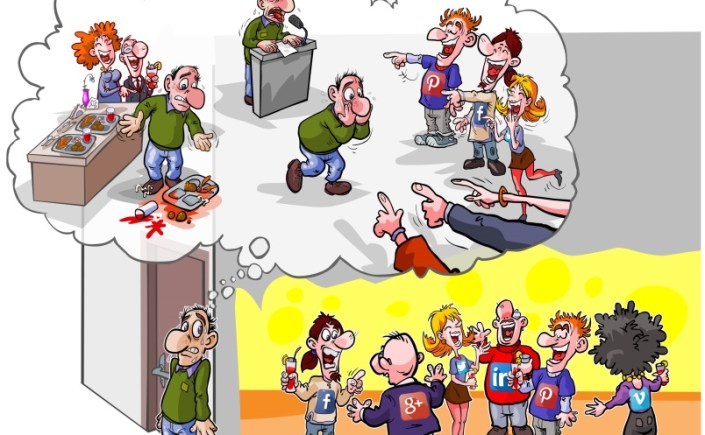
Social anxiety disorder is characterized by an intense fear of being rejected by people. Many people feel some level of anxiety when they are placed into unknown social situations. However, those suffering from social anxiety disorder may avoid socializing altogether, because they cannot handle being judged or seen in a negative way by others. A person with social anxiety disorder, can experience anxiety during many different situations like; going on a date, eating in front of people, making eye contact, public speaking, or going to parties. Some of the symptoms of social anxiety include:

  • Rapid heartbeat
  • Uneasy stomach/diarrhea
  • Muscle tension
  • Lightheadedness
  • Sweating

Social anxiety can cripple a person’s life, because normal everyday interactions are triggers of anxiety and discomfort. This is why many people who suffer from social anxiety disorder choose to isolate themselves from everyone. In order to reduce the fear of rejection, people with social anxiety disorder are encouraged to be exposed to social situations, not run away from them. Although being around others is what brings them distress, socializing is also what allows people with social anxiety to change the way they think about social engagements. Instead of having negative perceptions about the way people view them, the more they socialize and are accepted by others, the more socially anxious people see that those perceptions are not true.

If you or someone you know is suffering from social anxiety, please contact our psychotherapy offices in New York or New Jersey to talk to one of our licensed professional psychologists, psychiatrists, psychiatric nurse practitioners, or psychotherapists at Arista Counseling & Psychotherapy. Contact our Paramus, NJ or Manhattan, NY offices respectively, at (201) 368-3700 or (212) 722-1920 to set up an appointment. For more information, please visit http://www.counselingpsychotherapynjny.com/.

Sources:

Anxiety and Depression Association of America. (2018). Social Anxiety Disorder. Retrieved October 01, 2018, from https://adaa.org/understanding-anxiety/social-anxiety-disorder

Nordqvist, C. (2018, February 05). What’s to Know About Social Anxiety Disorder? Retrieved October 01, 2018, from https://www.medicalnewstoday.com/articles/176891.php

WebMD. (2018). What Is Social Anxiety Disorder? Retrieved October 01, 2018, from https://www.webmd.com/anxiety-panic/guide/mental-health-social-anxiety-disorder#1


Psychopaths and Sociopaths

By Stephanie Osuba

People often tend to use the terms psychopath and sociopath interchangeably while both disorders are listed under the category of antisocial personality disorders in the DSM-5, there are some distinctions. Shared traits between the two include: a disregard for the law, morality, and human rights; not feeling any remorse; and having violent tendencies.

The first major distinction is that psychopaths are born, while sociopaths are made. Psychopaths are a product of genetics and, from research, they have a physiological defect that leads to an underdevelopment of the part of the brain responsible for impulse control and emotion (the amygdala). Sociopaths, on the other hand, are a result of a history of repeated childhood trauma and physical or emotional abuse. Because of this distinction, sociopaths are capable of forming attachments and feeling empathy in very restricted situations. They are more emotional in that they are nervous and easily agitated. They are prone to emotional outbursts and exhibit fits of rage. Crimes committed by sociopaths are often spontaneous, messy, and unorganized.

Psychopaths are exceptionally dangerous. They are completely incapable of forming attachments to anything and have absolutely no remorse for the things they do. They simply do not feel. Psychopaths are excellent manipulators who mimic emotion to get people to trust them. They are often very successful, smart, and charismatic which leads others to believe that they are normal. Some psychopaths even have families and other long-term relationships with people who are unaware of their diagnosis. Crimes committed by psychopaths are meticulous, premeditated, and often have a contingency in place. Even the violent ones. Psychopaths make up at least 40% of all serial killers.

Source: Bonn, S. A., Ph. D. (2014, January 22). How to Tell a Sociopath from a Psychopath. Retrieved from https://www.psychologytoday.com/us/blog/wicked-deeds/201401/how-tell-sociopath-psychopath 

If you or someone you know appears to be exhibiting signs of psychopathy or sociopathy, the licensed psychologists, psychiatrists, psychiatric nurse practitioners, and psychotherapists at Arista Counseling & Psychotherapy can assist you. Contact our Paramus, NJ or Manhattan, NY offices respectively, at (201) 368-3700 or (212) 722-1920 to set up an appointment. For more information, visit http://www.counselingpsychotherapynjny.com/.