Relationships: The Impact of Attachment Styles

Relationships: The Impact of Attachment Styles

Relationships: The Impact of Attachment Styles

By: Julia Keys

Did you know that the way one develops an attachment to their mother as an infant has a profound effect on their adult relationships? Attachment styles were first studied in detail by the developmental psychologist Mary Ainsworth in her experiment called “the strange situation”. In the strange situation, Ainsworth had a mother and a child play together for about three minutes and then the mother left the room. Next, a stranger would enter the room and play with the child for about three minutes and then they would leave. Finally, the child’s mother would re-enter the room and resume playing with their child. Ainsworth was most interested in observing the child’s behavior when their mother re-entered the room.

Upon careful examination, Ainsworth found three distinct patterns of behavior in infants when their mothers re-entered the room. If the child was upset, but then easily soothed by their mother upon re-entry, Ainsworth deemed them as having a secure attachment style. If the child was indifferent to their mother upon re-entry, Ainsworth would label them with an insecure avoidant attachment style. Finally, if the infant shows conflicting behavior upon the mother’s re-entry such as clinginess and then subsequent rejections of affection, Ainsworth would say they had an insecure ambivalent attachment style. Insecure ambivalent children are unpredictable in terms of their parental reactivity.

Ainsworth hypothesized that children’s reactions were a result of how their parents responded to their needs. Hypothetically, infants with secure attachment styles have their basic needs met consistently by their parents. This leads the secure infant to show a healthy dependence on their parents. Infants with an insecure avoidant attachment have their needs minimally met by their parents, which leads them to be independent and self-soothing. Infants with insecure ambivalent attachment styles have their needs met inconsistently from their caregivers, which results in confusion and conflicting behaviors.

So how does this “strange situation” relate to people later on in life? Researchers have found that attachment styles follow infants into adulthood and impact their behavior in relationships. While the behavior infants exhibited in the experiment relied on whether or not basic needs such as food, water, or comfort were met, attachments styles in adults tend to manifest themselves in more complicated ways.  Secure adults tend to have healthy and satisfying relationships where they can receive and offer support as needed.  Avoidant adults seek independence in relationships and oftentimes can appear a bit callous to their own emotions. Avoidant adults aren’t likely to offer support to their partners because they rarely depend on it themselves. Finally, ambivalent adults fear being either too close or too far from their partner, causing them to feel confused by their feelings and act in unpredictable ways in the relationship.

Although attachment styles are habits that people have probably been practicing subconsciously for all their lives, they are not permanent. Individual or couples therapy can help those struggling with their own emotions or communication skills.

If you or someone you know is struggling in a relationship, please contact our psychotherapy offices in New York or New Jersey to talk to one of our licensed professional psychologists, psychiatrists, psychiatric nurse practitioners, or psychotherapists at Arista Counseling & Psychotherapy. Contact our Paramus, NJ or Manhattan, NY offices respectively, at (201) 368-3700 or (212) 722-1920 to set up an appointment. For more information, please visit http://www.counselingpsychotherapynjny.com/ .

Sources:

https://www.simplypsychology.org/mary-ainsworth.html

https://www.psychologytoday.com/us/blog/compassion-matters/201307/how-your-attachment-style-impacts-your-relationship

Source for Picture:

https://www.bing.com/images/search?view=detailV2&id=DF3FB2F4C4A9AF591D1BF6EA44071E6C780F6937&thid=OIP.P_BQQ_87MEADJ_8AobvpHQHaE8&mediaurl=https%3A%2F%2Fcarehere.com%2Fwp-content%2Fuploads%2F2016%2F07%2Fcouple_walking.jpg&exph=1280&expw=1920&q=couple+on+a+walk&selectedindex=6&ajaxhist=0&vt=0&eim=1,2,6


Low Self Esteem: Imposter Syndrome

Low Self Esteem: Imposter Syndrome

Low Self Esteem: Imposter Syndrome

By: Julia Keys

        Do you ever feel like no matter how much you accomplish, you still are inadequate compared to others around you? Feeling fraudulent about one’s achievements is so common that psychologists have given it a name: Impostor Syndrome.  People with Impostor syndrome doubt their own accomplishments and have a fear of being exposed as a fraud among their colleagues.  Despite the fact that people with Impostor Syndrome have great external evidence for their accolades, they still cannot be convinced that they deserve what they have accomplished.Those with Impostor Syndrome often attribute their success to external factors such as luck or good timing.

Impostor Syndrome can be caused by perfectionism and fear of failure. However, if you are afraid you won’t be perfect or that you will fail, then you will be discouraged from going after new goals! The constant pressure found in those with Impostor Syndrome can cause feelings of guilt, shame, embarrassment, and at its worst, depression and anxiety.

One group of people that are especially prone to Impostor Syndrome are highly successful women.  The discrepancy between external achievement and internalization of achievement within successful women may be caused by our society’s standards. Gender roles have greatly shaped what it looks like to be a successful man versus what it looks like to be a successful woman. Successful men are stereotypically in positions of power while successful women are stereotypically in caretaker’s positions.  The type of achievements that constitute success in our culture, such as obtaining a high degree, being financially successful, or being promoted to a leadership position are more aligned with the stereotypes of male achievement, which may explain why when women achieve such goals, they feel like frauds.

No one should have to feel like a fraud, especially if they prove to be very high achieving. If you or someone you know can relate to the information above, please contact our psychotherapy offices in New York or New Jersey to talk to one of our licensed professional psychologists, psychiatrists, psychiatric nurse practitioners, or psychotherapists at Arista Counseling & Psychotherapy. Contact our Paramus, NJ or Manhattan, NY offices respectively, at (201) 368-3700 or (212) 722-1920 to set up an appointment. For more information, please visit http://www.counselingpsychotherapynjny.com/ .

Sources:

https://www.psychologytoday.com/us/blog/the-scientific-fundamentalist/200912/why-do-so-many-women-experience-the-imposter-syndrome?collection=59879

https://www.psychologytoday.com/us/blog/the-scientific-fundamentalist/200912/why-do-so-many-women-experience-the-imposter-syndrome?collection=59879

Photo Source:

https://www.google.com/search?rlz=1C1OPRB_enUS649US649&biw=703&bih=687&tbm=isch&sa=1&ei=wdreXOyjA7CMggfj_7OACg&q=imposter+&oq=imposter+&gs_l=img.3..0i67j0l9.23457.23457..23925…0.0..0.65.65.1……1….1..gws-wiz-img.A4lE_uMxDas#imgdii=jwWSPXuWpL7DEM:&imgrc=rNl-1Zw95v2pzM:

Self-Harm

Self-Harm

Self-Harm

By: Julia Keys

        Self-harm is the act of intentionally injuring oneself without intending suicide. Self-harming behaviors may include, but are not limited to: cutting, scratching, burning, banging/bruising or interference with an injury so that it cannot heal. Self-harm has become a huge concern within the adolescent demographic. Research shows that girls are more likely than boys to self-harm. A recent study shows that up to 17% of teenagers self-harm. To many others who do not self-harm, the act of intentionally hurting oneself may be perplexing, however there are many reasons why people self-harm.

The root of self-harming behavior stems from a lack of healthy coping mechanisms. Oftentimes people turn to self-harm when they have overwhelming feelings of anger, anxiety, depression, or guilt that they do not know how to express. Some self-harm as an act of release, similar to crying or screaming. Once they self-harm, the body releases endorphins which are the body’s natural painkillers, giving the individual feelings of relaxation or happiness. Sometimes people self-harm because they “feel numb”, and harming themselves makes them feel alive.

Here are some signs someone you love may be self-harming:

  • Unexplained cuts, bruises or marks
  • Patterns of parallel cuts or scars
  • Sudden change in mood
  • Wearing clothing inappropriate to the weather in an attempt to cover certain parts of the body
  • Secretive behavior
  • Self-isolating behavior

While self-harm is usually not an attempt at suicide, it is a very serious sign of emotional distress. If you are struggling with self-harm or know someone struggling with self-harm, here are some resources you may find helpful.

Self-Harm Hotline: 1-800-DON’T-CUT (1-800-366-8288)

Self-Harm Text Hotline: Text CONNECT to 741741 in the United States.

If you or a loved one is struggling with self-harm, do not hesitate to seek help by contacting Arista Counseling & Psychotherapy, located in New York and New Jersey to speak to licensed professional psychologists, psychiatrists, psychiatric nurse practitioners or psychotherapists. To contact the office in Paramus NJ, call (201) 368-3700. To contact the office in Manhattan, call (212) 722-1920. For more information, please visit http://www.counselingpsychotherapynjny.com/ .

Sources:

https://www.psychologytoday.com/us/blog/evidence-based-living/201805/why-do-youth-self-injure

https://www.nami.org/Learn-More/Mental-Health-Conditions/Related-Conditions/Self-harm

https://www.webmd.com/mental-health/features/cutting-self-harm-signs-treatment#3

Source for Picture:

https://www.bing.com/images/search?view=detailV2&id=70C2902B0BC552C00A01D3254CDAA5F74916A647&thid=OIP.kRmbbAZz8C3wXx0wFCH7bAHaHb&exph=602&expw=600&q=semi+colon+tattoo&selectedindex=25&ajaxhist=0&vt=0&eim=1,2,6


Gambling

Gambling

By Lauren Hernandez

              Gambling can be a fun occasional activity to do with friends or family. However, some individuals can develop a serious addiction known as Gambling Disorder. Through frequent compulsive, habitual impulses, a person who is unable to resist gambling can have extreme negative consequences throughout their life which may affect relationships, finances, and even be a stepping stone towards engaging in criminal behavior. Typically a person addicted to gambling will develop this pattern of behavior during adolescence or young adulthood.  Gambling Disorder may begin with occasional gambling and develop into habitual, problematic gambling episodes. An increase in gambling is associated with stress, depression, and substance use or abstinence. Patterns of problematic gambling may also include periods of long term remission.

According to the DSM-5 the symptoms of Gambling Disorder include:

  • Persistent and recurrent problematic gambling behavior leading to clinically significant impairment or distress, as indicated by the individual exhibiting four (or more) of the fol­lowing in a 12-month period:
  • Needs to gamble with increasing amounts of money to achieve the desired excitement.
  • Is restless or irritable when attempting to cut down or stop gambling.
  • Has made repeated unsuccessful efforts to control, cut back, or stop gambling.
  • Is often preoccupied with gambling (e.g., having persistent thoughts of reliving past gambling experiences, handicapping or planning the next venture, thinking of ways to get money with which to gamble).
  • Often gambles when feeling distressed (e.g., helpless, guilty, anxious, depressed).
  • After losing money gambling, often returns another day to get even (“chasing” one’s losses).
  • Lies to conceal the extent of involvement with gambling.
  • Has jeopardized or lost a significant relationship, job, or educational or career opportunity because of gambling.
  • Relies on others to provide money to relieve desperate financial situations caused by gambling.
  • The gambling behavior is not better explained by a manic episode.

The treatment for Gambling Disorder is an eclectic approach. It is important to seek treatment early, before the individual poses any extreme risks to themselves or friends and family. Prevention may not always be possible; however limiting exposure to casinos, scratch off tickets, or other triggers is helpful. Compulsive gambling is best treated through psychotherapy in the form of therapy or support groups. In addition to psychotherapy, medications such as antidepressants or mood stabilizers are extremely helpful. If you or someone you know is struggling with Gambling Disorder or has problematic gambling habits, it is important to reach out to a mental health practitioner such as a psychologist or psychiatric nurse practitioner.

If you or someone you know who may have Gambling Disorder, please contact our psychotherapy offices in New York or New Jersey to talk to one of our licensed professional psychologists, psychiatrists, psychiatric nurse practitioners, or psychotherapists at Arista Counseling & Psychotherapy. Contact our Paramus, NJ or Manhattan, NY offices respectively, at (201) 368-3700 or (212) 722-1920 to set up an appointment. For more information, please visit http://www.counselingpsychotherapynjny.com/


Source: https://www.psychologytoday.com/us/conditions/gambling-disorder-compulsive-gambling-pathological-gambling

Image Source: https://www.google.com/search?q=gambling&source=lnms&tbm=isch&sa=X&ved=0ahUKEwjb9amb7PDiAhUC0FkKHejVDsEQ_AUIESgC&biw=990&bih=595#imgrc=traFs2aEWBYMlM:

Habits: Body-Focused Repetitive Behaviors (BFRBs)

Body-Focused Repetitive Behaviors (BFRBs)

By Lauren Hernandez

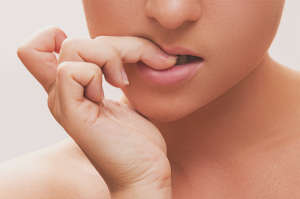
            Body-focused repetitive behaviors (BFRBs) are a group of disorders composed of “self-grooming” behaviors in which a person might pull, pick, bite, or scrape one’s hair, skin, or nails. BFRBs can be considered “impulse disorders,” however; it is still undetermined whether they are either impulsive or compulsive behaviors. People suffering from BFRBs typically lack awareness towards engaging in the repetitive behavior. BFRBS are problematic when they occur repetitively and cause a person distress in their physical, social, and emotional lives. The cause of BFRBs is still being researched; however, for some, habitual behaviors such as biting nails, chewing on their cheeks, and pulling their hair may develop into an impairing pattern associated with other mental illnesses.

Most BFRBs are associated with anxiety disorders, impulse control disorders, and obsessive compulsive disorders because they are difficult for individuals for control. BFRBs not only have an emotionally distressing impact, as an individual may experience high levels of shame, but BFRBs can also cause physical injuries such as scarring, skin infections, or bald spots.

The most common BFRBs include:

  • Trichotillomania- compulsive hair pulling
  • Dermatillomania- Compulsive skin picking
  • Onychophagia- Compulsive nail biting

Treatment of BFRBs include cognitive behavioral therapy, medication, and supplements, however, there are lower rates of treatment success due to lack of research on the disorders and effective treatment methods. Treatment for BFRBs should be discussed with a psychologist or psychiatric nurse practitioner in order to tailor treatment for an individual.

If you or someone you know is struggling with a Body-focused repetitive behavior, please contact our psychotherapy offices in New York or New Jersey to talk to one of our licensed professional psychologists, psychiatrists, psychiatric nurse practitioners, or psychotherapists at Arista Counseling & Psychotherapy. Contact our Paramus, NJ or Manhattan, NY offices respectively, at (201) 368-3700 or (212) 722-1920 to set up an appointment. For more information, please visit http://www.counselingpsychotherapynjny.com/ .


Sources:

https://www.psychologytoday.com/us/basics/body-focused-repetitive-behaviors

https://www.psychologytoday.com/us/blog/touchy-subject/201805/habitual-behavior-or-bfrb-disorder

Image Source:

https://www.google.com/search?q=body+focused+repetitive+behavior&source=lnms&tbm=isch&sa=X&ved=0ahUKEwjxvLyi6_DiAhUDA6wKHUvMC_AQ_AUIECgB&biw=990&bih=595#imgrc=VSq0qyAtsKNwDM:

Hypnosis: The Basics!

Hypnosis: The Basics!

By Lauren Hernandez

            In today’s fast paced, technology filled world, it is important to take care of your mental health and address stress and anxiety with a mental health professional. There are various methods of treating anxiety, stress, and depression, and one of those methods is Hypnosis. According to PsychologyToday, hypnosis is the technique of “putting someone into a state of heightened concentration where they are more suggestible”. Hypnosis is achieved through soothing verbal repetition which relaxes a patient into a trance-like state, allowing the patient to be more open minded to transformative messages. Hypnosis allows a patient to be guided through relaxation, while still being in control. Hypnosis is utilized in accordance with other treatments to help patients overcome mental health issues. Hypnosis is ineffective as a sole treatment method, but is beneficial to a patient when used with other methods of therapy.

Hypnosis can help treat:

  • Bad habits such as smoking
  • Stress, anxiety, and depression
  • Pain, pain associated with autoimmune diseases
  • Fatigue
  • Mood disorders
  • Insomnia
  • Specific phobias

If you are interested in trying another method to treat your anxiety, depression, or any other mental health issues, it is important to reach out to a licensed psychotherapist who can safely and effectively assist you with the use of hypnosis.


Sources:

https://www.psychologytoday.com/us/basics/hypnosis

https://www.psychologytoday.com/us/blog/life-without-anxiety/201706/hypnotherapy-and-its-benefits-autoimmune-disease

Image Source:

https://www.bing.com/images/search?view=detailV2&id=8D025584803526770A48CA5EEC0B18B1B5C9F019&thid=OIP.y6nddEUu23PK3TscNApqDAHaEK&mediaurl=https%3A%2F%2Fi.ytimg.com%2Fvi%2Fyf42hiij63U%2Fmaxresdefault.jpg&exph=720&expw=1280&q=hypnosis&selectedindex=4&ajaxhist=0&vt=0&eim=1,2,6

Autism vs. Disruptive Mood Dysregulation Disorder (DMDD)

Autism vs. Disruptive Mood Dysregulation Disorder (DMDD)

By Crystal Tsui

Autism and Disruptive Mood Dysregulation disorder are often diagnosed together. However, DMDD is a fairly new diagnosis that first appeared in the DSM-V in 2013. As per DSM-V, DMDD is typically diagnosed between the ages of 6 and 18 years old, but symptoms can begin before the age of 10. Before the child is diagnosed, symptoms should last about a year. DMDD goes even further than childhood “moodiness.” It can cause functional and emotional impairment.

Symptoms of DMDD include:

  • Irritability or angry most of the day, almost every day
  • Severe, explosive temper (verbal or behavioral) an average of 3x or more per week, not related to a situation and child’s developmental level
  • Trouble functioning in more than one place (e.g. home, school, and/or with friends)Autism Spectrum is a group of neurodevelopmental disorders. It has been categorized by patterns of repetitive behavior and difficulties with social interactions. Symptoms tend to be present in early childhood and affects daily life and functioning.

Symptoms of autism include:

  • Avoiding eye contact
  • Isolation
  • Obsessive interests
  • Resistance to physical contact
  • Word repetition
  • Little danger awareness

Individuals with these symptoms are not guaranteed to be autistic. Since autism is a spectrum disorder, each individual has their own strengths and challenges. Early intervention has shown to lead to positive outcomes later in life for individuals with autism.

Because both of these disorders are usually diagnosed together, there are no set ways to treat either disorder. If a parent or guardian is concerned about diagnosis or treatment plans, always feel free to get a second opinion.

If you or someone you know who may have Autism and/or DMDD, please contact our psychotherapy offices in New York or New Jersey to talk to one of our licensed professional psychologists, psychiatrists, psychiatric nurse practitioners, or psychotherapists at Arista Counseling & Psychotherapy. Contact our Paramus, NJ or Manhattan, NY offices respectively, at (201) 368-3700 or (212) 722-1920 to set up an appointment. For more information, please visit http://www.counselingpsychotherapynjny.com/ .

Citations:

https://www.autismspeaks.org/what-autism

https://www.aacap.org/AACAP/Families_and_Youth/Facts_for_Families/FFF-Guide/Disruptive-Mood-Dysregulation-Disorder-_DMDD_-110.aspx

https://www.nimh.nih.gov/health/topics/disruptive-mood-dysregulation-disorder-dmdd/disruptive-mood-dysregulation-disorder.shtml

https://www.healthyplace.com/parenting/dmdd/dmdd-and-autism-how-are-the-two-related

Image:

https://www.healthyplace.com/sites/default/files/styles/related_articles_tile/public/2018-07/Challenges_of_Parenting_a_Child_with_DMDD.jpg?itok=sueCdX4V

Hoarding

Hoarding

By Lauren Hernandez

                Hoarding is a disorder characterized by the continuous inability to get rid of belongings that have no significant value. While Hollywood has made hoarding a spectacle for consumers, hoarding is a serious condition which threatens the safety and livelihood of many people around the world. People with hoarding disorder will accumulate random items they believe they have an emotional attachment to or because they think they might need the item in the future.

Typically hoarding begins in adolescence and the severity of the condition worsens over time. The cause is still unknown, however hoarding disorder can be prompted by experience of a traumatic event, if a family member has had the disorder, or if a person has difficulty making decisions. People who hoard may suffer from depression, anxiety, or obsessive compulsive disorder. If a hoarder continuously refuses to throw items away, their home will be covered in growing piles of random objects. This poses a serious threat to their health and to the health of the people around them. The clutter inside a home often deems the house unlivable, and there is a greater risk for falling and tripping over items. In addition, there is an increased risk of fires, and mold due to rotting food and other items that are wasting away. People who hoard also typically struggle with personal hygiene which can be associated with other mental illnesses such as depression and anxiety.

According to DSM-5, the following symptoms are diagnostic of hoarding disorder:

  • Persistent difficulty discarding or parting with possessions, regardless of their value or lack thereof
  • The difficulty in discarding possession is due to distress associated with getting rid of them
  • The difficulty in discarding possession leads to clutter of living spaces and compromises the use of living spaces
  • The hoarding creates clinically significant distress or impairment in functioning, including the ability to maintain a safe space

A person who hoards is unable to recognize that their hoarding activity is problematic and dangerous. If you or someone you know might have hoarding tendencies perhaps attempt to either clean the space, if it does not cause too much distress, or leave it. If attempting to clean causes too much distress, seek professional help. “The primary treatments used to relieve symptoms of hoarding disorder include cognitive-behavioral therapy and antidepressant medication, such as selective serotonin reuptake inhibitors (SSRIs). One or the other, or both, may be employed” (PsychologyToday).

If you or someone you know is engaging in hoarding activities, please contact our psychotherapy offices in New York or New Jersey to talk to one of our licensed professional psychologists, psychiatrists, psychiatric nurse practitioners, or psychotherapists at Arista Counseling & Psychotherapy. Contact our Paramus, NJ or Manhattan, NY offices respectively, at (201) 368-3700 or (212) 722-1920 to set up an appointment. For more information, please visit http://www.counselingpsychotherapynjny.com/ .


Sources: https://www.psychologytoday.com/us/conditions/hoarding-disorder

Image Source:

https://www.bing.com/images/search?view=detailV2&id=39261EB37504F116457B197FA206B36E38D082FD&thid=OIP._Fyir4F8p4hBOh6TS6Yy-QHaHa&mediaurl=http%3A%2F%2Fwww.choosehelp.com%2Ftopics%2Fanxiety%2Fcompulsive-hoarding%2Fimage&exph=1024&expw=1024&q=hoarding&selectedindex=31&ajaxhist=0&vt=0&eim=1,2,6

Narcissism

Narcissism 

Narcissism

By: Julia Keys

It is common in today’s world to call someone who is very clean “OCD”, or someone who is very active “ADHD”, or someone who is overly confident a “narcissist”.  What many people do not know is that narcissism is not an adjective to describe someone’s personality, but a real psychiatric diagnosis. The DSM IV identifies narcissism as a personality disorder. Personality disorders are characterized by a set of rigid traits, thoughts, and behaviors that are unhealthy and inflexible. Narcissistic personality disorder or (NPD) is characterized by an overinflated sense of self, preoccupation with personal success, and apathy for other’s emotions.

Signs of narcissistic personality disorder:

  • Grandiose sense of self-importance
  • Preoccupation with fantasies of success, power, brilliance, beauty.
  • Belief that one is unusually special or unique
  • Need for excessive admiration
  • Strong sense of entitlement
  • Exploitative of others
  • Lacks empathy
  • Is often envious of others or believes that others are envious of them
  • Frequent display of arrogant or haughty behavior

Although people with NPD display an arrogant and larger-than-life picture to the outside world, they can also suffer from low self-esteem internally. The constant need for approval and obsession with success can be stressful because in reality, one will never gain approval from everyone and one will never achieve everything they want.  Trouble with interpersonal relationships often results from the exploitative and apathetic behaviors that people with NPD believe will help them achieve their goals.

People with NPD can look like the perfect partner upon first meeting. They are often charismatic and appear to be very put together. However, being in a relationship with a person with NPD can be complicated and stressful. People with NPD lie frequently to get what they want, which can cause a breach of trust in a serious relationship. People with NPD rarely apologize because they lack the empathy to understand the point of view of their partners. Additionally, people with NPD think that they are perfect and will dismiss others who have opinions contrary to theirs. Although people with NPD can be extremely difficult to live with, they can still be a loved one that you care about.

If you or someone you love has narcissistic personality disorder and is struggling with the symptoms, please contact our psychotherapy offices in New York or New Jersey to talk to one of our licensed professional psychologists, psychiatrists, psychiatric nurse practitioners, or psychotherapists at Arista Counseling & Psychotherapy. Contact our Paramus, NJ or Manhattan, NY offices respectively, at (201) 368-3700 or (212) 722-1920 to set up an appointment. For more information, please visit http://www.counselingpsychotherapynjny.com/ 

Sources:

https://psychcentral.com/disorders/narcissistic-personality-disorder/

https://www.psychologytoday.com/us/blog/mind-games/201905/five-narcissistic-traits-harm-intimate-partner

Source for Picture:

https://www.google.com/search?biw=1391&bih=654&tbm=isch&sa=1&ei=UenvXLaCJeWJggeP6ZHYAw&q=narcissus+myth&oq=narcissus+&gs_l=img.1.1.0j0i67l3j0j0i67l2j0j0i67l2.620.620..2327…0.0..0.69.69.1……0….1..gws-wiz-img.eaqpLt3PV-c#imgrc=fUnycKFz1Mb7jM:&spf=1559226710308

Depression and Logotherapy

Depression and Logotherapy

Depression and Logotherapy

By: Julia Keys

The struggle to find the meaning of life is a classic human dilemma. One may be content with their every day activities such as going to work, spending time at home, or eating, but they might still wonder “what is my real purpose?”.  People with psychological disorders such as depression, anxiety, post-traumatic stress disorder, and substance and alcohol abuse disorders are especially prone to being plagued with this kind of existential anxiety. A study by Alimujiang, et al. (2019) found that a sense of purpose greatly improves one’s physical, mental, and emotional health as well as overall life satisfaction. There is a specific type of psychotherapy called logotherapy (logo being derived from the Greek word for meaning), that is designed to help individuals find their true purpose in life.

Logotherapy was developed by a psychologist named Victor Frankl in the 1950s. Frankl drew upon his experiences during the Holocaust to develop logotherapy. Frankl was one of the millions of people that suffered the horrors of concentration camps. While imprisoned, Frankl noticed that those who mentally and physically survived the camp, usually found meaning in their lives there. After the camps were liberated, Frankl resumed his work with neurology and psychology and subsequently developed logotherapy.

There are three main principles of logotherapy:

  • every person has a healthy core
  • internal resources are more helpful in therapy than external resources
  • while life offers you meaning or purpose, it is one’s responsibility to explore that meaning to become happy or fulfilled

Frankl suggests that there are three main ways to reap the benefits of life:

  • by creating a work or accomplishing some task
  • by experiencing something fully or loving someone fully
  • by adopting an attitude that is at peace with the unavoidable suffering life may present

Logotherapy is used to treat depression, anxiety, post-traumatic stress disorder, and substance and alcohol abuse. Logotherapy is a great choice for patients that want to find their own personal meaning of life. Focusing on one’s purpose in life can help people live their most fulfilling and happy lives.

If you or someone you know is struggling to find a meaning in life or is suffering from anxiety, PTSD, depression or substance or alcohol abuse issues, please contact our psychotherapy offices in New York or New Jersey to talk to one of our licensed professional psychologists, psychiatrists, psychiatric nurse practitioners, or psychotherapists at Arista Counseling & Psychotherapy. Contact our Paramus, NJ or Manhattan, NY offices respectively, at (201) 368-3700 or (212) 722-1920 to set up an appointment. For more information, please visit http://www.counselingpsychotherapynjny.com/ .


Sources:

https://www.goodtherapy.org/learn-about-therapy/types/logotherapy

https://www.psychologytoday.com/us/blog/flourish-and-thrive/201906/the-importance-having-sense-purpose

Source for Picture:

https://www.google.com/search?biw=1280&bih=610&tbm=isch&sa=1&ei=WcD3XMGcCaixggfh9LPQDQ&q=person+standing+under+the+milky+way&oq=person+standing+under+the+milky+way&gs_l=img.3…54323.63817..64673…6.0..0.99.2982.39……0….1..gws-wiz-img…….35i39j0j0i67j0i8i30j0i30.wKMqUIxiiq8#imgdii=qz4eZgN11zBgHM:&imgrc=QRGiH9Pd8HzBrM: