Drug Overdose: Frequency of Non-Substance Related Mental Health Disorders Among Drug Overdose Deaths

Drug Overdose: Frequency of Non-Substance Related Mental Health Disorders Among Drug Overdose Deaths

By Madison Gesualdo

Fatal drug overdoses in the United States have been on the rise in recent years, with the Center for Disease Control (CDC) reporting nearly 108,000 drug overdose deaths in 2022. However, a new study by the CDC suggests that screening and treatment for non-substance related mental health disorders, which frequently exhibit comorbidity with substance use disorders, may help lower the rate of overdoses in the United States.

The CDC found that approximately one in five individuals (22%) who died of a drug overdose in 2022 had a co-occurring, non-substance-related mental health disorder, with depression, anxiety, and bipolar disorders being the most prevalent. Additionally, it was reported that nearly 25% of these individuals had at least one opportunity for intervention with these disorders shortly before their death, including but not limited to visits to emergency departments and the locations where they were actively being treated at for their substance use disorder. With respect to this data, the CDC emphasizes the importance of integrating more screening practices for non-substance-related mental health disorders during interventions in individuals suffering from substance use disorders in order to improve mental health among these individuals and, potentially, decrease the amount of fatal overdoses.

Help and treatment are available to individuals with substance use disorders. Below are some of the many resources available to assist individuals with the screening and treatment of these disorders:

If you or someone you know is struggling with drug addiction and abuse or with mental health, please contact our psychotherapy offices in New York or New Jersey to talk to one of our licensed professional psychologists, psychiatrists, psychiatric nurse practitioners, or psychotherapists at Arista Counseling & Psychotherapy. Contact our Paramus, NJ or Manhattan, NY offices respectively, at (201) 368-3700 or (212) 722-1920 to set up an appointment. For more information, please visit http://www.counselingpsychotherapynjny.com/

References:

Dinwiddie, A.T., Gupta, S., Mattson, C.L., O’Donnell, J., & Seth, P. (2024, August 29). Reported non–substance-related mental health disorders among persons who died of drug overdose — United States, 2022. MMWR Morb Mortal Wkly Rep 2024;73:747–753. http://dx.doi.org/10.15585/mmwr.mm7334a3

Drug Enforcement Administration. (n.d.) Recovery resources. United States Drug Enforcement Administration. https://www.dea.gov/recovery-resources

High Functioning Depression

High Functioning Depression By: Nicole Sanchez

High-functioning depression, also known as dysthymia, is a type of depression that can be described by persistent feelings of sadness, low energy, and a lack of pleasure in activities. People that have high-functioning depression may experience a wide range of symptoms, such as feelings of hopelessness, fatigue, difficulty concentrating, low self-esteem, sleep disturbances, and/or a lack of interest in activities that were once enjoyable. One of the main differences between high-functioning depression and other forms of depression is the severity of symptoms. Individuals with major depressive disorder may experience highly intense feelings of hopelessness and despair; however those with high-functioning depression may have a more subtle experience of these symptoms. Those with high functioning depression may still be able to fulfill their responsibilities such as work or school, and maintain their relationships, but they may constantly battle with feelings of emptiness and sadness. Another difference has to do with the perception of others. People with high-functioning depression are oftentimes misunderstood and since they appear to be functioning well, others may minimize or dismiss their issues or attribute their feelings to mere moodiness.

Psychotherapy is an effective treatment approach for high-functioning depression. By working with a therapist to identify and transform negative thought patterns, people are able to improve their wellbeing by exploring healthy ways of managing emotions and stress. In some cases, medication may be part of the treatment plan for high-functioning depression. Antidepressant medications, such as selective serotonin reuptake inhibitors (SSRIs), can help alleviate symptoms and improve overall well-being.

https://www.nami.org/Blogs/NAMI-Blog/October-2023/The-Reality-of-High-Functioning-Depression

If you or someone you know is having mental health difficulties and/ or experiencing symptoms of depression, please contact our psychotherapy offices in New Jersey to talk to one of our licensed professional psychologists, psychiatrists, psychiatric nurse practitioners, or psychotherapists at Arista Counseling & Psychotherapy. Contact our offices at (201) 368-3700 or (212) 722-1920 to set up an appointment. For more information, please visit http://www.counselingpsychotherapynjny.com/

Depression vs. Grief: Are you depressed or are you just grieving?

Depression vs. Grief: Are you depressed or are you just grieving?

By, Maro Mikhaeil

Did you experience a loss of some kind, whether it was a loved one, a job, a pet, or even a relationship? Often times, individuals will think that they are experiencing depression when that may not be the case at all. In fact, depression does not solely occur when a traumatic event has occurred but may occur due to genetics or even your environment. However, it may be hard for individuals to distinguish grieving from depression due to the similarities. This is why psychologists or psychiatrists will often ask for your history to determine treatment. Grieving and depression are both characterized by intense feelings of sadness and may have the same cause of trauma and loss. Some individuals may experience both depression and bereavement, commonly known as a process of grief, which causes significant symptoms and functional impairment and is worse than either depression or bereavement alone.

The Differences between Depression and Grief

Depression is characterized by a variety of depressive disorders, such as disruptive mood dysregulation disorder, major depressive disorder, premenstrual dysphoric disorder, substance-induced depressive disorder, medication-induced depressive disorder, and other unspecified and specified depressive disorders. Major depressive disorder is the most common and known type of depressive disorder, as it is the classic condition amongst all the other depressive disorders. It is characterized by depressive episodes that have been occurring for at least 2 weeks and/or longer, which is longer than the grieving process. Major depressive disorder is also more persistent and has more obvious characteristics because individuals will be feeling depressive symptoms everywhere, as opposed to bereavement, which is more of a fluctuating state and varies from person to person. Bereavement entails this grieving process where these negative feelings are accompanied by positive feelings, and as time passes, the wave of negative emotions will spread further and further apart. The grieving process and the associated feelings will also come to an end as the individual fully visualizes their loss through a good recollection rather than a more devastating one.

Treatment options

Despite the differences between the two, major depressive disorder and bereavement are both treatable. Psychotherapy, also known as talk therapy, can definitely treat both major depressive disorder and bereavement. Antidepressants, antipsychotics, and anxiolytics can also target the symptoms of major depressive disorder, and people find them useful in conjunction with psychotherapy.

All in all, it’s important to be mindful of all the similarities and differences and to take action when needed. Your mental health is just as important as your health; you should not let it derail your life, as there is a way out. Remember that you are not alone, as individuals all over the world are experiencing what you may be experiencing right now.

If you or someone you know is experiencing grief or depression, please contact our psychotherapy offices in New York or New Jersey to talk to one of our licensed professional psychologists, psychiatrists, psychiatric nurse practitioners, or psychotherapists at Arista Counseling & Psychotherapy. Contact our Paramus, NJ or Manhattan, NY offices respectively at (201) 368-3700 or (212) 722-1920 to set up an appointment. For more information, please visit https://www.counselingpsychotherapynjny.com

Sources:

https://www.ncbi.nlm.nih.gov/pmc/articles/PMC2691160/#:~:text=Most%20bereaved%20individuals%20experience%20intense,both%20bereavement%20and%20major%20depression.

https://www.verywellmind.com/grief-and-depression-1067237

Diagnostic and Statistical Manual of Mental Disorders Fifth Edition by the American Psychiatric Association (DSM-IV)

Depression: What Does Your Messy Room Say About You?

Depression: What Does Your Messy Room Say About You?

By, Maro Mikhaeil

Are you struggling with maintaining a clean room? A messy room may represent a disorganized mind and high stress levels. FMRI scans have shown that disorganization and clutter negatively impacts the way our brains work. Some may even go as far to say that it can be seen as a depressive episode. Depression has been shown to make it hard for individuals to take care of themselves physically, especially when it comes down to cleaning their bedrooms. Individuals with depression also demonstrate lack of motivation doing their daily tasks. It can take significantly more energy and effort to accomplish even the smallest tasks.

What exactly is depression?

Depression is characterized as a mood disorder that causes one to feel constantly low or sad and may even affect your interest to do certain activities. Symptoms in depression can vary from mild to severe and there are psychological scales that can assess the severity of the illness. Depression can affect anyone even children and adolescents and risk factors ranges from brain chemistry to genetics to environmental factors and even to personality. For instance, you can experience extreme lows, which may lead to depression if you receive a poor score on an exam for which you have been studying and expected a higher score.

Is depression treatable?

Depression is in fact treatable and can be treated by the following ways:

  1. Psychotherapy, also known as talk therapy in which focuses on one’s feelings and past experiences. It may help to talk to someone about your low moments.
  2. Medications like antidepressants, antipsychotics, and anxiolytics may help with symptoms
  3. Hypnotherapy, also known as hypnosis which puts you in a trance-like state to relax you and helps reduce anxiety and stress

And more!

Although cleaning one’s room may be difficult for individuals who are depressed, there is certainly a way through it. Perhaps try cleaning just a small part of your room each day until the entire space is clean. Having your room cleaned might help your depression even more, since a clean environment is proven to improve mood and reduce stress.

If you or someone you know is struggling with depression or mental health, please contact our psychotherapy offices in New York or New Jersey to talk to one of our licensed professional psychologists, psychiatrists, psychiatric nurse practitioners, or psychotherapists at Arista Counseling & Psychotherapy. Contact our Paramus, NJ or Manhattan, NY offices respectively, at (201) 368-3700 or (212) 722-1920 to set up an appointment. For more information, please visit http://www.counselingpsychotherapynjny.com/

Sources:

https://www.psychiatry.org/patients-families/depression/what-is-depression#section_2

https://www1.racgp.org.au/newsgp/clinical/what-does-clutter-do-to-your-brain-and-body

https://www.webmd.com/balance/ss/slideshow-clutter-affects-health

Post-Grad Depression

Depression/Post-College

By: Ingrid Guevara

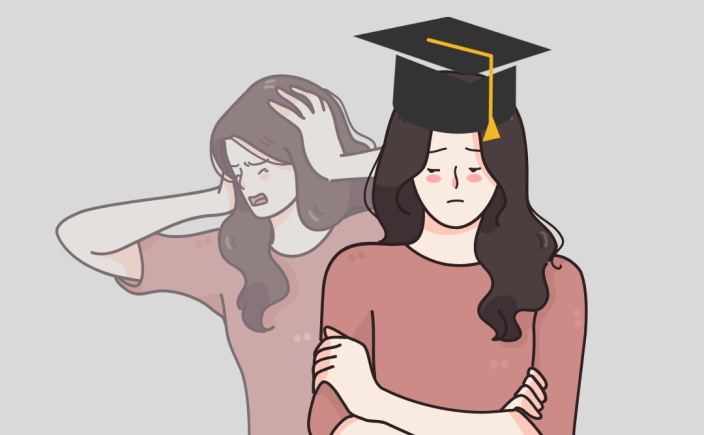
Everyone knows and acknowledges that depression during college occurs. Statistics show that twenty-seven percent of college students had been diagnosed with depression and twenty-three percent said that depression impacted their academic performance negatively.  When it comes to post-grad students research shows that around twenty percent of student graduating experience depression. Post-grad depression is seen as situational depression. Situational depression is depression caused by a stressful or traumatic event. Post-Grad depression is caused by; pressure of finding a job, moving back in with parents, feeling a failure to launch, changes in friendships (friends scattering, not seeing them), student debt, comparison with friends and being overwhelmed by next steps and changes. Signs of post-grad depression are; lack of motivation, feeling worthless or guilty, loneliness, overwhelm (especially related to the next steps), feeling sad or down, isolation or wanting to isolate oneself, not enjoying activities that were previously enjoyed, poor sleep, appetite change, lower than usual frustration tolerance, feeling sluggish or super jittery and intense fear or expectation things will not go well in the future. Post-grad depression like any depression can really hinder your life so seeking help is suggested in order to properly cope with it. It is also suggested; avoiding comparing yourself with others, practice self-kindness and self-love, reach out to friends,  get some exercise/movement, don’t be too hard on yourself, recognize that transitions are difficult, find a support group/networking group, take care of yourself and confide in trusted family and friends. Depression is common when life is stressful and one feels pressure therefore, it is okay because always remember you are not alone.

If you or someone you know is struggling with their mental health, please contact our psychotherapy offices in New York or New Jersey to talk to one of our licensed professional psychologists, psychiatrists, psychiatric nurse practitioners, or psychotherapists at Arista Counseling & Psychotherapy. Contact our Paramus, NJ or Manhattan, NY offices respectively, at (201) 368-3700 or (212) 722-1920 to set up an appointment. For more information, please visit http://www.counselingpsychotherapynjny.com/

References

https://www.ncbi.nlm.nih.gov/pmc/articles/PMC9091131/

Seasonal Depression

Seasonal Depression

By: Mercedes Renter

What is seasonal depression? Seasonal depression also known as SAD (Seasonal Affective Disorder) can occur when one does not feel like themselves and their mood begins to change when the season begins and/or ends. Seasonal Depression is characterized as a type of depression by its recurrent seasonal pattern. The two different types of SAD are winter and summer. People who feel symptoms are beginning in the late fall or early winter and tend to go away during the spring and summer are suffering from Winter SAD. Individuals who experience depressive episodes during the spring and summer months may suffer from Summer SAD.

Winter SAD symptoms include

  • Hypersomnia
  • Overeating
  • Weight Gain
  • Social Withdrawing

Summer SAD symptoms include

  • Insomnia
  • Poor appetite
  • Anxiety
  • Restlessness
  • Episodes of Violent Behavior

A few self-care steps that can be done all year long and may help reduce your seasonal depression are exercise, healthy sleep habits, limiting the amount of sugar you consume and going outside on sunny days.

If you or someone you know is struggling with Seasonal Depression please contact our psychotherapy offices in New York or New Jersey to talk to one of our licensed professional psychologists, psychiatrics, psychiatric nurse practitioners, or psychotherapists at Arista Counseling and Psychotherapy. Contact our Paramus, NJ or Manhattan, NY offices respectively at (201)-368-3700 or (212)-722-1920 to set up an appointment. For more information, please visit https://www.counselingpsychotherapynjny.com

Grief: Losing a Parent to Suicide

Grief: Losing a Parent to Suicide

By Emily Ferrer

Suicidal thoughts are one of the most dreadful experiences one can go through and it is even more dreadful when the act of suicide is carried out by someone you love. The impact of suicidal thoughts on an individual is grueling, painful, and terrifying. However, many people tend to forget about the terrifying and painful part that the individual’s family and friends go through as well. The attention around suicide is always so focused on the suicidal individual that many people forget about the impact it can have on their loved ones. In fact, have you ever thought about losing a parent to suicide? It may seem horrifying and extraordinary; but it is more common than you think. Individuals who are at most risk to die by suicide are adults over the age of 45. More specifically, women are most at risk between the ages of 45-54 and men are most at risk ages 85 and older[1]. Many people may find this shocking, as the media portrays suicide rates to be the most high in adolescents and teens, but this is just not the case. Older individuals usually have undiagnosed or untreated depression and anxiety, a lack of frequent social interactions, suffer from underlying illnesses that may increase their attempt to be more successful, and/or suffer from chronic illnesses that may increase their depression and anxiety[2].

As saddening as these statistics are, it is even worse to see that between 7,000 and 12,000 children lose a parent to suicide every year[3]. It is devastating for children to experience such a traumatic event in their lives, especially someone they loved, admired, and relied on unconditionally. Losing a parent to suicide is not like normal grief that you experience after losing someone to a physical illness or accident. Losing a parent to suicide is grieving on steroids. “Grief comes in waves and grief from suicide comes in tsunami waves”, is great quote that explains how dreadful suicide grief can feel. Children of parents who died by suicide can experience an enormous range of emotions that can cause them to feel very confused. These emotions include[4]:

  • Shock                              – Panic                                       – Despair
  • Confusion                       – Intense anger                          – Disgust
  • Denial                             – Intense sadness                      – Feelings of abandonment or rejection

It is important to know that losing a parent to suicide is extremely unfortunate and traumatic. The emotions tied to suicide grief are understandable and completely normal. Staying close to family and friends during such a difficult time is crucial and can enormously help with healing. It is also critical to feel the emotions you experience and to not turn them away as it is a part of the healing process. Seeking professional help if you are feeling overwhelmed with these emotions or experiencing them for a long time is also is a good way to heal in the healthiest way possible.

If you or someone you know is grieving a lost one due to suicide, please contact our psychotherapy offices in New York or New Jersey to talk to one of our licensed professional psychologists, psychiatrists, psychiatric nurse practitioners, or psychotherapists at Arista Counseling & Psychotherapy. Contact our Paramus, NJ or Manhattan, NY offices respectively at (201) 368-3700 or (212) 722-1920 to set up an appointment. For more information, please visit https://www.counselingpsychotherapynjny.com


Sources:

[1] https://www.samhsa.gov/suicide/at-risk#:~:text=Adults%20Over%20the%20Age%20of%2045&text=Eighty%20percent%20of%20all%20deaths,and%20access%20to%20lethal%20means.

[2] https://www.prb.org/resources/in-u-s-who-is-at-greatest-risk-for-suicides/

[3] https://www.hopkinsmedicine.org/news/media/releases/children_who_lose_a_parent_to_suicide_more_likely_to_die_the_same_way#:~:text=In%20the%20United%20States%2C%20each,to%20suicide%2C%20the%20researchers%20estimate.

[4] https://psychcentral.com/lib/an-open-letter-to-children-who-lose-a-parent-to-suicide#mental-health-effects

The Evolution of Electroconvulsive Therapy

The Evolution of Electroconvulsive Therapy

By Lynette Rivas

Electroconvulsive Therapy (ECT) has been and remains as one of the most controversial, yet effective, forms of therapy. But how did this idea come along and how does it work? How has the procedure changed throughout the years?

The idea of inducing a seizure to aide a patient was first thought of in the late 1920s by a scientist named Meduna. The main purpose of ECT at the time was to treat patients with schizophrenia. After successfully treating over 100 patients through a chemically induced seizure, two other scientists with the names of Ugo Cerletti and Lucio Bini decided to conduct the first electrically induced seizure.

Almost a century later, ECT is still widely used throughout the world. ECT is mostly used when other treatments are found to be unsuccessful, such as therapy and medication.  It can treat severe depression, treatment-resistant depression, severe mania, catatonia, and agitation and aggression in people with dementia. Over the years, the ECT procedure has greatly changed in order to ensure the patient’s safety and to reduce side effects.

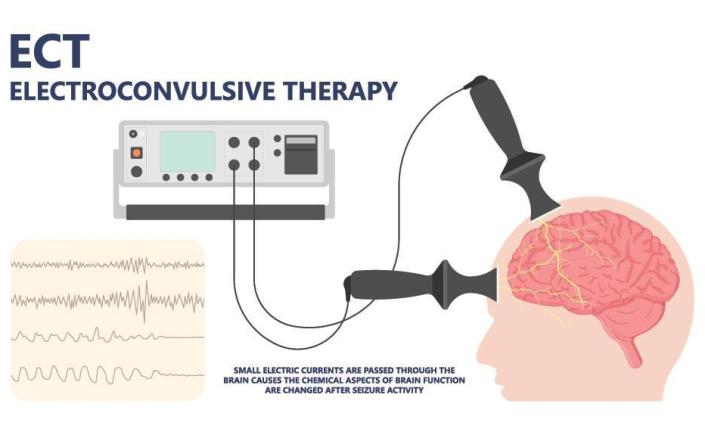
The general procedure of ECT includes:

  • General anesthesia – makes you unconscious and unaware of the procedure
  • A brief physical exam
  • An intravenous line (IV) inserted
  • Electrode pads placed on the head
  • Muscle relaxant – helps minimize the seizure and prevent injury
  • Monitoring the patient’s brain, heart, blood pressure, and oxygen
  • Mouth guard – helps to protect the teeth and tongue from injury

With all of these features in place, the patient can relax and be completely unaware of the procedure. After ECT, the patient is put into a recovery room where they will be monitored for any potential issues. It usually takes a total of 6-12 treatments for the patient to see results. Even after symptoms improve, the patient will have to continually visit their therapist in order to keep up with the progress that they have made.

If you or someone you know is struggling with depression and/or mania please contact our psychotherapy offices in New York or New Jersey to talk to one of our licensed professional psychologists, psychiatrists, psychiatric nurse practitioners, or psychotherapists at Arista Counseling & Psychotherapy. Contact our Paramus, NJ or Manhattan, NY offices respectively at (201) 368-3700 or (212) 722-1920 to set up an appointment. For more information, please visit https://www.counselingpsychotherapynjny.com/

Sources:

https://www.mayoclinic.org/tests-procedures/electroconvulsive-therapy/about/pac-20393894

https://www.ncbi.nlm.nih.gov/pmc/articles/PMC6323557/

https://www.shutterstock.com/search/electroconvulsive-therapy

Depression: Identifying Signs of Depression in Someone Close to You

Identifying Signs of Depression in Someone Close to You

By Fiona McDermut

            Understanding the signs and symptoms of mental illness is not a simple task, especially when it comes to someone you care about. Even when the signs of mental illness are identified, it is difficult to decide what to do next. The COVID-19 pandemic prompted a 25% increase in cases of depression in the world. In a time of great distress for many, it is vital to look out for the people we love.

            If you suspect that someone you know may be struggling with depression, it is crucial to look out for the following signs:

  • Loss of interest
  • Extreme loss or increase in appetite
  • Fatigue
  • Hopelessness
  • Suicidal thoughts or behaviors
  • Irritability
  • Changes in sleep patterns
  • Physical symptoms such as headaches, stomachaches, and sexual dysfunction

            Some of these signs may seem obvious, but many who struggle with depression may cut themselves off from the social world. This makes it difficult to detect the warning signs of mental illness. Therefore, it is important to check in on the people you care about, especially during a time in which the majority of social interactions have been cut off, limited, or turned to strictly virtual contact. If someone you know is struggling with symptoms of depression, it may be necessary to seek medical help. There are many causes of depression, many types of depression, and many treatment methods. A mental health care professional will be able to identify the key factors that go into developing a treatment plan that works best for each individual in need.

The following methods are used to treat people with depression:

  • Cognitive Behavioral Therapy
  • Hypnosis
  • Antidepressant medication
  • Brain stimulation therapy

            Admitting that one needs help is not an easy task. Therefore, providing support, comfort, and assistance for a loved one can make a tremendous difference in one’s mental health outcomes. Simply having one strong social connection has been shown to have multiple health benefits. Most people are not trained in the treatment of depression, but everyone is capable of spending time with those they love and guiding them through the process of recovery.

If you or someone you know is struggling with depression, please contact our psychotherapy offices in New York or New Jersey to talk to one of our licensed professional psychologists, psychiatrists, psychiatric nurse practitioners, or psychotherapists at Arista Counseling & Psychotherapy. Contact our Paramus, NJ or Manhattan, NY offices respectively, at (201) 368-3700 or (212) 722-1920 to set up an appointment. For more information, please visit http://www.counselingpsychotherapynjny.com/

Sources:

https://www.who.int/news/item/02-03-2022-covid-19-pandemic-triggers-25-increase-in-prevalence-of-anxiety-and-depression-worldwide#:~:text=COVID%2D19%20pandemic%20triggers%2025,of%20anxiety%20and%20depression%20worldwide

https://www.healthline.com/health/depression/recognizing-symptoms#lostinterest

Image Source: https://ggsc.s3.amazonaws.com/images/uploads/How_Friends_Help_You_Regulate_Your_Emotions.jpg

The Link between Alcoholism and Depression

By Jenna Chiavelli

Alcoholism and Depression

Alcohol Use Disorder is characterized by disordered drinking that leads to significant distress and changes in behavior. One of the strongest predictors of alcoholism is family history, as genetics can attribute to one’s predisposition to alcoholism. Underlying psychological disorders contribute to alcoholism as well as people turn to substances to numb pain. Socially speaking, one’s environment can lead to alcoholism if the environment favors a culture of drinking.

Addiction is a controlling disease and when mixed with depression, treatment can become even more complex. Depression is a common co-occurring disorder with at least 30%-40% of alcoholics experiencing a depressive disorder. Depression is a mood disorder which can generate persistent feelings of sadness, worthlessness, and pessimism, disrupting everyday life. The combination of addiction and depression is especially harmful as the conditions fuel each other.

Depression Contributing to Alcoholism

Substances like alcohol can be appealing to those suffering from depression, as alcohol’s sedating effects offer an escape from overwhelming feelings of sadness. This form of self-medication can temporarily relieve depressive symptoms, but this is not a permanent solution. Over time, the feelings of sadness linger despite the sedating effects of alcohol, leading those struggling with depression to increase their alcohol intake to suppress the pain. This dangerous cycle contributes to a substance abuse disorder.

Alcoholism Contributing to Depression

Alcohol releases neurotransmitters in the brain, resulting in the euphoric feeling of being drunk. As alcohol users consistently chase this high, the copious amount of alcohol is simultaneously limiting the brain’s ability to sustain neurotransmitters at normal levels. This disruption in the nervous system impacts one’s mood; therefore, when there is a reduction of neurotransmitters a person may feel symptoms of depression. Additionally, alcohol increases the duration and severity of depressive episodes and increases the likelihood of suicidal thoughts. 

Drinking alcohol also alters behavior and fuels acts of impulse. The consequences of one’s drunken actions may be overwhelming leading to feelings of sadness and shame. Heavy drinking can disrupt relationships and interfere with work, damaging one’s social sphere. The constant ramifications from drinking can easily contribute to depression as well.

Treatment for Co-Disorders

In some cases, removing alcohol from the equation is enough to relieve symptoms of depression. In other cases, therapy, rehabilitation, and medications may be necessary. It is important to note that medication alone will not effectively treat co-occurring depression and addiction. Therapy is required in order to understand what originally contributed to one’s depression/addiction. Gaining a deeper understanding to one’s emotions and history could help prevent a relapse in the future. Additionally, confiding in others and sharing stories of similar nature reminds people that they are not alone in their struggles, fostering a sense of community. With a little bit of help, it is possible to break the dangerous cycle of alcohol and depression.

If you or someone you know is seeking therapy for depression and/or addiction, please contact our psychotherapy offices in New York or New Jersey to talk to one of our licensed professional psychologists, psychiatrists, psychiatric nurse practitioners, or psychotherapists at Arista Counseling & Psychotherapy. Contact our Paramus, NJ or Manhattan, NY offices respectively, at (201) 368-3700 or (212) 722-1920 to set up an appointment. For more information, please visit http://www.counselingpsychotherapynjny.com/

Sources

https://www.addictioncenter.com/alcohol/alcohol-depression/#:~:text=At%20least%2030%25%2D40,of%20the%20symptoms%20of%20depression.

https://www.psychologytoday.com/us/blog/addiction-recovery/202102/healing-depression-and-addiction

https://www.psychologytoday.com/us/basics/alcohol

Image