Social Media: The Impact on Mental Health

Social Media: The Impact on Mental Health

By: Maria Koutsothanasis


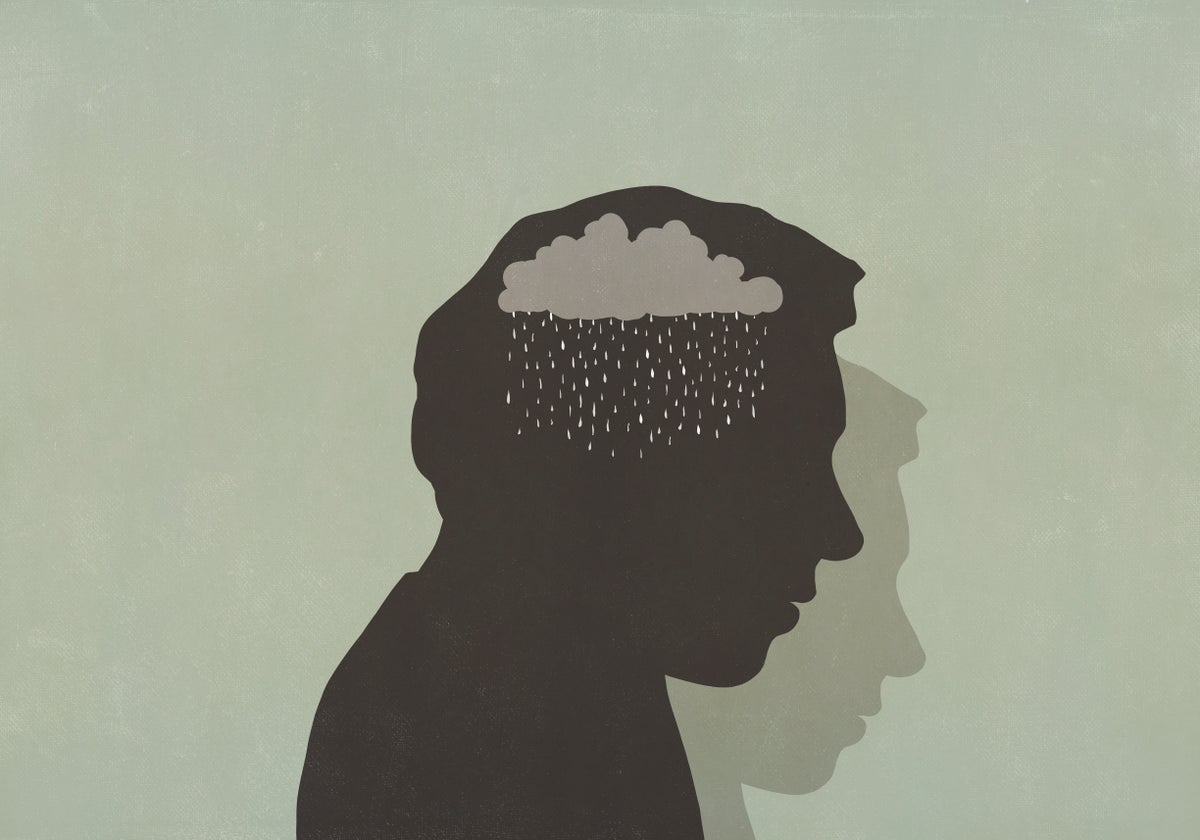
Social media plays a significant role in shaping how we connect, communicate, and even view ourselves. While social media has its benefits, it can also have a detrimental impact on mental health. Social media can negatively affect our mental well-being through constant comparisons, unrealistic expectations, and exposure to harmful content. By being intentional about what we engage with, we can use social media as a tool to enhance our lives and protect our mental well-being.

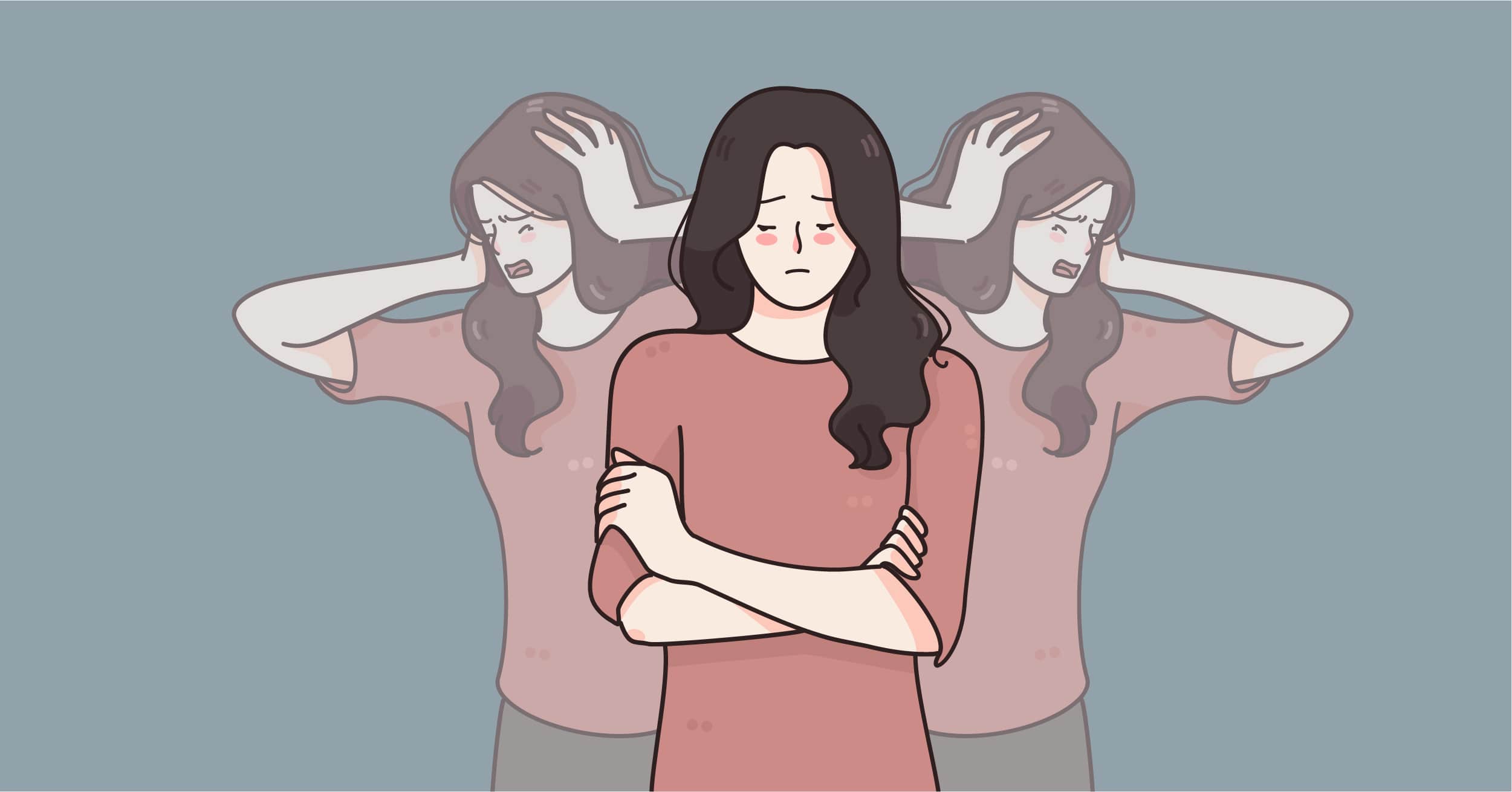
One of the main drawbacks of social media is the tendency to compare ourselves to others. Platforms such as Instagram and TikTok are often filled with images of people’s “perfect” lives, highlighting their achievements, beauty, and happiness. This can lead to feelings of inadequacy and low self-esteem, especially when we find ourselves measuring our lives against these unrealistic portrayals. Social media comparison can lead to symptoms of anxiety, depression, and even body image issues. The more we focus on the idealized versions of others’ lives, the more likely we are to forget that what we see online isn’t always an accurate reflection of reality.

The positive aspect is that we can decide what content we engage with. By intentionally following accounts that promote positivity, self-love, and well-being, we can counteract the negative effects. Following fitness influencers who focus on health rather than body perfection, or mental health advocates who offer advice and share stories of resilience, can create a more positive environment. By engaging with content that aligns with our values, we can shift our mindset toward growth and self-empowerment.

Social media often highlights negativity, which can significantly affect our mental well-being. Platforms frequently highlight drama, conflicts, and extreme opinions, contributing to constant criticism and judgment. Posts that focus on problems, such as failed relationships, mental health struggles, or societal issues, can evoke anxiety or feelings of hopelessness. Viral content that spreads negativity, such as gossip or inflammatory comments, often gains attention, while positive messages may not receive the same recognition. This constant exposure to pessimism can leave individuals feeling overwhelmed and disconnected from the positive aspects of life.

While social media has its negative aspects, it’s possible to transform how we interact with it to protect our mental health. By being mindful of the content we consume and consciously seeking out positive, uplifting posts, we can create an online environment that nurtures our well-being. Social media can be a powerful tool for connection, education, and personal growth if used intentionally. Ultimately, it is important to remember that we control our social media environment and can shape it to support our mental health.

If you or someone you love is struggling with depression or anxiety, please contact our psychotherapy offices in New York or New Jersey to talk to one of our licensed professional psychologists, psychiatrists, psychiatric nurse practitioners, or psychotherapists at Arista Counseling and Psychotherapy. Contact our Paramus, NJ or Manhattan, NY offices respectively, at (201) 368-3700 or (212) 722-1920 to set up an appointment. For more information, please visit http://www.counselingpsychotherapynjny.com/. 


UC Davis Health. (2024, November 27). Social Media’s impact on our mental health and tips to use it safely. health. https://health.ucdavis.edu/blog/cultivating-health/social-medias-impact-our-mental-health-and-tips-to-use-it-safely/2024/05

Stigma Surrounding Therapy

Stigma Surrounding Therapy

By: Maria Koutsothanasis

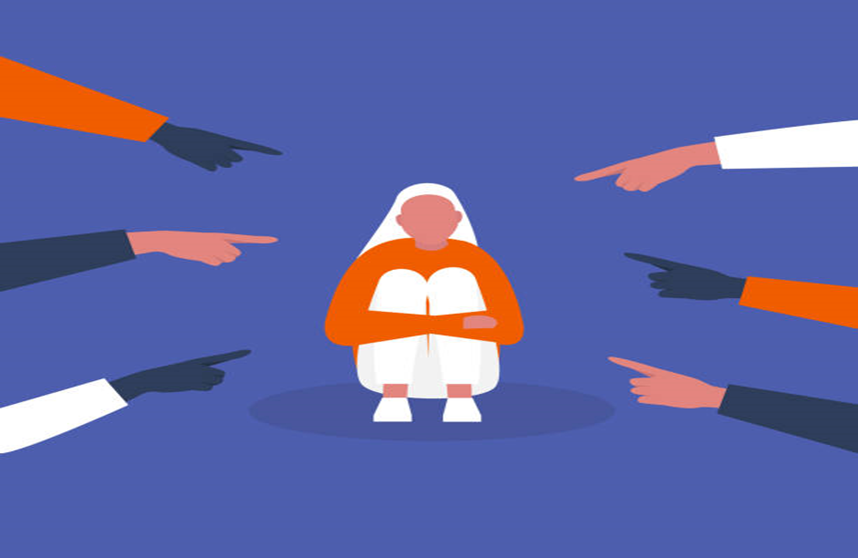
Therapy is a tool that supports individuals struggling with mental health and different aspects of their lives. Despite the growing conversations about mental health, there continues to be stigma surrounding it. Due to the stigma, individuals find it difficult to seek support through therapy due to fear of judgment, shame, or cultural expectations.

Common Misconceptions about Therapy

  1. Therapy is only for “crazy” people.
    Many people still associate therapy with severe mental illness and believe it’s only for those experiencing extreme mental health conditions. Therapy can benefit any individual, regardless of the severity of their situation. Therapy is about growth, coping with life’s challenges, and improving overall mental well-being.
  2. Therapy takes too long or is not effective.
    Some fear that therapy is a lengthy process that will not have results. While the length of therapy depends on the individual’s needs, many individuals find that even a few sessions can lead to meaningful improvements. Therapy is not a quick fix, but it is an investment in long-term mental health.
  3. Only “weak” people need therapy.
    A common misconception is that seeking therapy is a sign of personal weakness. On the contrary, therapy is a sign of strength and courage. Therapy helps individuals confront their emotions and commit to bettering themselves. Many individuals believe therapy to be an invaluable tool for growth; instead, it promotes emotional resilience.

Breaking the Stigma

Breaking the stigma surrounding therapy is essential for creating a more supportive and open environment for society. The idea of seeking therapy can still feel uncomfortable for many individuals due to the misconceptions that treatment is only for those facing serious mental health issues, with therapy often viewed as something reserved for those with severe problems. These misconceptions prevent many from seeking the help they need. By normalizing therapy and highlighting its benefits, an environment can be created where mental health care is as accessible and accepted as physical health care.

If you or someone you know is seeking support, please contact our psychotherapy offices in New York or New Jersey to talk to one of our licensed professional psychologists, psychiatrists, psychiatric nurse practitioners, or psychotherapists at Arista Counseling & Psychiatric Services. Contact our Paramus, NJ or Manhattan, NY offices respectively, at (201) 368-3700 or (212) 722-1920 to set up an appointment. For more information, please visit http://www.counselingpsychotherapynjny.com/

Mayo Foundation for Medical Education and Research. (2017, May 24). Mental health: Overcoming the stigma of mental illness. Mayo Clinic. https://www.mayoclinic.org/diseases-conditions/mental-illness/in-depth/mental-health/art-20046477

Saporito, J. M., Ryan, C., & Teachman, B. A. (2011). Reducing stigma toward seeking mental health treatment among adolescents. Stigma research and action. https://pmc.ncbi.nlm.nih.gov/articles/PMC3839682/

Stigma, prejudice and discrimination against people with mental illness. Psychiatry.org – Stigma, Prejudice and Discrimination Against People with Mental Illness. (n.d.). https://www.psychiatry.org/patients-families/stigma-and-discrimination

Depression: Impacts on College Students

Depression: Impacts on College Students

By: Maria Koutsothanasis

College is where many students are excited about independence, opportunities, and new experiences. Some students may experience challenges with change and experience feelings of depression. Balancing academics, social life, and financial difficulties can bring anxiety onto a student. These challenges can significantly impact mental health and lead to depression. Depression not only affects a student’s emotional well-being but disrupts all other aspects of their life.

The Impacts

  1. Academic Struggles

      Depression can disrupt a student’s ability to focus, retain important information, and meet deadlines for assignments. Symptoms such as fatigue, lack of motivation, difficulty concentrating, and hopelessness can lead to poor attendance and a decline in grades. Without the proper environment and support, depression can consume a student’s daily life and cause academic struggles.

      2. Social Isolation

        Depression can impair a student’s social life and cause them to lose the strong support systems they previously had. The withdrawal from social interactions can worsen symptoms of depression and lead students to feel alone. Depression can consume a student, making it difficult to get out of bed and engage in social activities that other students would enjoy.

        3. Long Term Consequences

        Without the proper support, environment, and treatment, depression can cause long-term effects. Academically, depression can lead students to fail courses and drop out of school which can impact the opportunities that are presented to students in the future. Untreated depression can lead to long-term physical health issues such as heart disease, chronic stress, and unhealthy coping mechanisms.

        Coping and Support

        1. Utilize Campus Resources

          Many colleges offer a wide range of support systems to help students cope with their depression. Counseling services, support groups, clubs, and mental health and wellness workshops are resources that can support students during difficult times.

          2. Establish Healthy Habits

          A routine such as regular exercise, a balanced diet, and consistent sleep can improve mood and energy levels. Incorporating mindfulness is a way to reduce anxiety and depressive symptoms. Students can use creative tasks and different outlets students can use to reduce stress and enhance their emotional well-being.

          3. Build support

          Building a strong support system and a positive environment is a way to decrease feelings and symptoms of depression. Reaching out to people who will provide you with the support you need is important. Staying connected with friends and family provides emotional support and stability.

          Depression among college students is an issue that needs awareness and actions to reduce stigma. By prioritizing mental health students can overcome mental health challenges that are constantly experienced. By accessing resources provided by colleges, establishing healthy habits and regular routines, and building a strong support system, students can develop resilience and improve their mental health.

          If you or someone you know is struggling with depression or other mental health issues, please contact our psychotherapy offices in New York or New Jersey to talk to one of our licensed professional psychologists, psychiatrists, psychiatric nurse practitioners, or psychotherapists at Arista Counseling & Psychiatric Services. Contact our Paramus, NJ or Manhattan, NY offices respectively, at (201) 368-3700 or (212) 722-1920 to set up an appointment. For more information, please visit http://www.counselingpsychotherapynjny.com/

          Kristen Bowe, A. (2023, August 22). College students and Depression. Mayo Clinic Health System. https://www.mayoclinichealthsystem.org/hometown-health/speaking-of-health/college-students-and-depression

          Luo, M.-M., Hao, M., Li, X.-H., Liao, J., Wu, C.-M., & Wang, Q. (2024, January 25). Prevalence of depressive tendencies among college students and the influence of attributional styles on depressive tendencies in the post-pandemic era. Frontiers in public health. https://pmc.ncbi.nlm.nih.gov/articles/PMC10850216/

          WebMD. (n.d.). How common is depression among college students?. WebMD. https://www.webmd.com/depression/what-to-know-about-depression-in-college-students

          Depression: What is dysthymia?

          Depression: What is dysthymia?

          By: Josette DeFranco

          Dysthymia is mild but has more long-lasting symptoms than major depression. Dysthymia is also known as persistent depression disorder because it is continuous and long-term. There is no exact cause of dysthymia but biological differences, brain chemistry, life events, and inherited traits can play a role. It has been demonstrated that those with depression don’t have any family history of this disorder and those with a family history of depression don’t struggle with this disorder.

          Some noticeable symptoms of dysthymia:

          • Loss of enjoyment of regular activities
          • Sadness or depressed mood
          • Lack of motivation
          • Tiredness
          • Sleep problems
          • Problems with decision-making or concentration
          • Restlessness and impatient
          • Low self-esteem
          • Overeating or eating very little
          • Suicidal thoughts
          • Substance misuse
          • Relationship difficulties
          • School or work hardships

          Some ways to help prevent dysthymia:

          • Reach out to friends and family
          • Seek medical professional help
          • Work on reducing stress
          • Be patient
          • Be kind to yourself
          • Practice self-care
          • Don’t self-medicate

          If you or someone you know is struggling with their mental health, please contact our psychotherapy offices in New York or New Jersey to talk to one of our licensed professional psychologists, psychiatrists, psychiatric nurse practitioners, or psychotherapists at Arista Counseling & Psychotherapy. Contact our Paramus, NJ, or Manhattan, NY offices at (201) 368-3700 or (212) 722-1920 to schedule an appointment. For more information, please visit https://aristapsychiatrypsychotherapy.com/

          Resources:

          https://www.webmd.com/depression/chronic-depression-dysthymia

          https://www.mayoclinic.org/diseases-conditions/persistent-depressive-disorder/symptoms-causes/syc-20350929

          Depression: Postpartum Depression

          Depression: Postpartum Depression

          By: Josette DeFranco

          Postpartum depression is a vulnerable time for a woman’s health. Many women are experiencing mood changes and are expected to have an amazing transition into motherhood. However, many women struggle with mental health issues after giving birth. It’s important to spread awareness and show support to the women who are struggling with postpartum depression.

          Postpartum depression symptoms start to occur four to six weeks after giving birth and can gradually decrease as time goes on. Nonetheless, depression can reoccur within three years after pregnancy or giving birth. Some common symptoms of postpartum depression can be intrusive, unwanted thoughts and postpartum rage.

          Here are some ways to help someone you know or who is struggling with postpartum depression:

          • Seek help from a licensed mental health professional
          • Look for a community to help you in both emotional and practical ways
          • Practice mindfulness and relaxation therapy
          • Use positive affirmations and be more kind to yourself
          • Practice skin-to-skin care which can help with reducing the stress hormone cortisol
          • Avoid alcohol or recreational drug use
          • Eat healthy
          • Prioritize rest for yourself
          • Gaining more knowledge about postpartum depression

          If you or someone you know is struggling with their mental health, please contact our psychotherapy offices in New York or New Jersey to talk to one of our licensed professional psychologists, psychiatrists, psychiatric nurse practitioners, or psychotherapists at Arista Counseling & Psychotherapy. Contact our Paramus, NJ, or Manhattan, NY offices at (201) 368-3700 or (212) 722-1920 to set up an appointment. For more information, please visit https://aristapsychiatrypsychotherapy.com/

          Resources:

          https://www.psychologytoday.com/us/blog/parenting-translator/202306/how-to-improve-postpartum-mental-health

          Depression: Do Genetics Play a Role in Depression

          Depression: Do Genetics Play a Role in Depression

          By: Josette DeFranco

          Major depressive disorder is a condition that affects many individuals. Major depressive disorder can range from being clinically mild and short-lasting to recurring over and over again, to being highly chronic and treatment-resistant. Depression is known to run in families indicating that there are genetic factors. It can be a combination of life experiences and environment. Genetics plays a mild role in depression. Also, families with certain genetic patterns lived eight years shorter than average. As depression may range from transient to debilitating it is expected that many different sets of genetic alterations are involved. Some genes are associated with weight and body, neuron development, and brain inflammation and another group is associated with proteins that tell the immune system which cells are friendly and which are not. This means that our genetics can not only influence our physical characteristics but also how our brain functions and our immune system interacts and identifies with different cells in the body. Your environment can modify the genetic factors that play a role in depression.

          If you are concerned about a strong history of depression in the family and are scared about it affecting you or your future children a study suggests that even with a high tendency for depression, psychotherapy or behavioral activation therapy can reduce it. Individuals need to understand the life-changing impact their environment can have on their mental health. Our emotions are generated by our thinking which may serve as an influence on our behaviors. You may have had genetic roots of depression, a difficult upbringing, or a terrible tragedy that has currently occurred but if you change your thinking then your emotions will change as well.

          If you or someone you know is struggling with their mental health, please contact our psychotherapy offices in New York or New Jersey to talk to one of our licensed professional psychologists, psychiatrists, psychiatric nurse practitioners, or psychotherapists at Arista Counseling & Psychotherapy. Contact our Paramus, NJ or Manhattan, NY offices respectively, at (201) 368-3700 or (212) 722-1920 to set up an appointment. For more information, please visit https://aristapsychiatrypsychotherapy.com/

          Sources:

          https://www.psychologytoday.com/us/blog/the-athletes-way/201603/depression-new-research-shows-genetics-are-not-destiny

          https://www.psychologytoday.com/us/blog/psychiatry-the-people/201804/massive-study-clarifies-genetic-risks-major-depression

          https://www.psychologytoday.com/us/blog/the-three-minute-therapist/202007/overcoming-genetically-based-depression

          Depression vs. Grief: Are you depressed or are you just grieving?

          Depression vs. Grief: Are you depressed or are you just grieving?

          By, Maro Mikhaeil

          Did you experience a loss of some kind, whether it was a loved one, a job, a pet, or even a relationship? Often times, individuals will think that they are experiencing depression when that may not be the case at all. In fact, depression does not solely occur when a traumatic event has occurred but may occur due to genetics or even your environment. However, it may be hard for individuals to distinguish grieving from depression due to the similarities. This is why psychologists or psychiatrists will often ask for your history to determine treatment. Grieving and depression are both characterized by intense feelings of sadness and may have the same cause of trauma and loss. Some individuals may experience both depression and bereavement, commonly known as a process of grief, which causes significant symptoms and functional impairment and is worse than either depression or bereavement alone.

          The Differences between Depression and Grief

          Depression is characterized by a variety of depressive disorders, such as disruptive mood dysregulation disorder, major depressive disorder, premenstrual dysphoric disorder, substance-induced depressive disorder, medication-induced depressive disorder, and other unspecified and specified depressive disorders. Major depressive disorder is the most common and known type of depressive disorder, as it is the classic condition amongst all the other depressive disorders. It is characterized by depressive episodes that have been occurring for at least 2 weeks and/or longer, which is longer than the grieving process. Major depressive disorder is also more persistent and has more obvious characteristics because individuals will be feeling depressive symptoms everywhere, as opposed to bereavement, which is more of a fluctuating state and varies from person to person. Bereavement entails this grieving process where these negative feelings are accompanied by positive feelings, and as time passes, the wave of negative emotions will spread further and further apart. The grieving process and the associated feelings will also come to an end as the individual fully visualizes their loss through a good recollection rather than a more devastating one.

          Treatment options

          Despite the differences between the two, major depressive disorder and bereavement are both treatable. Psychotherapy, also known as talk therapy, can definitely treat both major depressive disorder and bereavement. Antidepressants, antipsychotics, and anxiolytics can also target the symptoms of major depressive disorder, and people find them useful in conjunction with psychotherapy.

          All in all, it’s important to be mindful of all the similarities and differences and to take action when needed. Your mental health is just as important as your health; you should not let it derail your life, as there is a way out. Remember that you are not alone, as individuals all over the world are experiencing what you may be experiencing right now.

          If you or someone you know is experiencing grief or depression, please contact our psychotherapy offices in New York or New Jersey to talk to one of our licensed professional psychologists, psychiatrists, psychiatric nurse practitioners, or psychotherapists at Arista Counseling & Psychotherapy. Contact our Paramus, NJ or Manhattan, NY offices respectively at (201) 368-3700 or (212) 722-1920 to set up an appointment. For more information, please visit https://www.counselingpsychotherapynjny.com

          Sources:

          https://www.ncbi.nlm.nih.gov/pmc/articles/PMC2691160/#:~:text=Most%20bereaved%20individuals%20experience%20intense,both%20bereavement%20and%20major%20depression.

          https://www.verywellmind.com/grief-and-depression-1067237

          Diagnostic and Statistical Manual of Mental Disorders Fifth Edition by the American Psychiatric Association (DSM-IV)

          Depression: What Does Your Messy Room Say About You?

          Depression: What Does Your Messy Room Say About You?

          By, Maro Mikhaeil

          Are you struggling with maintaining a clean room? A messy room may represent a disorganized mind and high stress levels. FMRI scans have shown that disorganization and clutter negatively impacts the way our brains work. Some may even go as far to say that it can be seen as a depressive episode. Depression has been shown to make it hard for individuals to take care of themselves physically, especially when it comes down to cleaning their bedrooms. Individuals with depression also demonstrate lack of motivation doing their daily tasks. It can take significantly more energy and effort to accomplish even the smallest tasks.

          What exactly is depression?

          Depression is characterized as a mood disorder that causes one to feel constantly low or sad and may even affect your interest to do certain activities. Symptoms in depression can vary from mild to severe and there are psychological scales that can assess the severity of the illness. Depression can affect anyone even children and adolescents and risk factors ranges from brain chemistry to genetics to environmental factors and even to personality. For instance, you can experience extreme lows, which may lead to depression if you receive a poor score on an exam for which you have been studying and expected a higher score.

          Is depression treatable?

          Depression is in fact treatable and can be treated by the following ways:

          1. Psychotherapy, also known as talk therapy in which focuses on one’s feelings and past experiences. It may help to talk to someone about your low moments.
          2. Medications like antidepressants, antipsychotics, and anxiolytics may help with symptoms
          3. Hypnotherapy, also known as hypnosis which puts you in a trance-like state to relax you and helps reduce anxiety and stress

          And more!

          Although cleaning one’s room may be difficult for individuals who are depressed, there is certainly a way through it. Perhaps try cleaning just a small part of your room each day until the entire space is clean. Having your room cleaned might help your depression even more, since a clean environment is proven to improve mood and reduce stress.

          If you or someone you know is struggling with depression or mental health, please contact our psychotherapy offices in New York or New Jersey to talk to one of our licensed professional psychologists, psychiatrists, psychiatric nurse practitioners, or psychotherapists at Arista Counseling & Psychotherapy. Contact our Paramus, NJ or Manhattan, NY offices respectively, at (201) 368-3700 or (212) 722-1920 to set up an appointment. For more information, please visit http://www.counselingpsychotherapynjny.com/

          Sources:

          https://www.psychiatry.org/patients-families/depression/what-is-depression#section_2

          https://www1.racgp.org.au/newsgp/clinical/what-does-clutter-do-to-your-brain-and-body

          https://www.webmd.com/balance/ss/slideshow-clutter-affects-health

          Grief: Grieving Around the Holidays

          Grief: Grieving Around the Holidays

          By Emily Ferrer

          As the weather gets colder, the colorful leaves fall off the trees, and the holiday decorations start to light up the night, the feeling of the best time of the year starts to kick in. As merry and cozy as these holidays seem to be, they do not always have the same effect on everyone. Grieving around the holidays can feel extremely lonely, sad, and overwhelming. The first holiday season is always the hardest for individuals and families who have just lost someone close to them, such as a grandparent, parent, sibling, child, or other close relative that they would usually see during the holidays. The empty chair at the dining table during Thanksgiving, or the wonder of who is going to make the Christmas cookies this year can be extremely heartbreaking. Even after you feel as if you have started to feel better through your grieving process, the holidays can dig up more emotion than you have felt since losing your loved one. You may start to feel more down, tired, unmotivated, sluggish, and lonely. You may also start to get flashbacks of your loved one when they passed that may also make you feel as if you are grieving from the beginning all over again. As hard as the holiday season may be for grieving individuals and families, here are some tips to help make your holiday season a bit brighter this year[1]:

          • Surround yourself with people you love and care about. Being with a big group of people during the holidays after losing a loved one can help you feel less lonely and can also be a great opportunity to share stories about your loved one with your family.
          • Do not “cancel” the holiday. As tempting as it may be to forget about the holidays after losing your loved one it is important to keep it going and grieve along the way. Experiencing the holiday season after the death of a loved one is part of the grieving process from which you should not run away.
          • Create new traditions. Finding new traditions can also be a create way to cope during the holiday season. This can include changing the location of where holiday dinner is hosted, picking new family members to carve the turkey or make the Christmas cookies, or even coming up with a new holiday game to play to fill the emptiness that everyone may feel.
          • Practice self-care. Try not to indulge in alcohol or drugs during the holiday season to cope with your grief; instead, try journaling, spending time with friends, or physical activity to boost your mood. It is also important to let yourself feel any emotions that arise and to not fight the conflicting feelings of anger, sadness, joy, and happiness.
          • Seek professional help. It is important to be aware of your feelings during such a difficult time and recognize that if the holiday season is too much for you to handle to seek professional help to assist you during this challenging period.

          If you or someone you know is struggling with grief this holiday season and wants help, please contact our psychotherapy offices in New York or New Jersey to talk to one of our licensed professional psychologists, psychiatrists, psychiatric nurse practitioners, or psychotherapists at Arista Counseling & Psychotherapy. Contact our Paramus, NJ or Manhattan, NY offices respectively at (201) 368-3700 or (212) 722-1920 to set up an appointment. For more information, please visit https://www.counselingpsychotherapynjny.com


          Sources:

          [1] https://www.vitas.com/family-and-caregiver-support/grief-and-bereavement/holidays-and-grief/coping-with-grief-during-the-holidays

          Grief: Losing a Parent to Suicide

          Grief: Losing a Parent to Suicide

          By Emily Ferrer

          Suicidal thoughts are one of the most dreadful experiences one can go through and it is even more dreadful when the act of suicide is carried out by someone you love. The impact of suicidal thoughts on an individual is grueling, painful, and terrifying. However, many people tend to forget about the terrifying and painful part that the individual’s family and friends go through as well. The attention around suicide is always so focused on the suicidal individual that many people forget about the impact it can have on their loved ones. In fact, have you ever thought about losing a parent to suicide? It may seem horrifying and extraordinary; but it is more common than you think. Individuals who are at most risk to die by suicide are adults over the age of 45. More specifically, women are most at risk between the ages of 45-54 and men are most at risk ages 85 and older[1]. Many people may find this shocking, as the media portrays suicide rates to be the most high in adolescents and teens, but this is just not the case. Older individuals usually have undiagnosed or untreated depression and anxiety, a lack of frequent social interactions, suffer from underlying illnesses that may increase their attempt to be more successful, and/or suffer from chronic illnesses that may increase their depression and anxiety[2].

          As saddening as these statistics are, it is even worse to see that between 7,000 and 12,000 children lose a parent to suicide every year[3]. It is devastating for children to experience such a traumatic event in their lives, especially someone they loved, admired, and relied on unconditionally. Losing a parent to suicide is not like normal grief that you experience after losing someone to a physical illness or accident. Losing a parent to suicide is grieving on steroids. “Grief comes in waves and grief from suicide comes in tsunami waves”, is great quote that explains how dreadful suicide grief can feel. Children of parents who died by suicide can experience an enormous range of emotions that can cause them to feel very confused. These emotions include[4]:

          • Shock                              – Panic                                       – Despair
          • Confusion                       – Intense anger                          – Disgust
          • Denial                             – Intense sadness                      – Feelings of abandonment or rejection

          It is important to know that losing a parent to suicide is extremely unfortunate and traumatic. The emotions tied to suicide grief are understandable and completely normal. Staying close to family and friends during such a difficult time is crucial and can enormously help with healing. It is also critical to feel the emotions you experience and to not turn them away as it is a part of the healing process. Seeking professional help if you are feeling overwhelmed with these emotions or experiencing them for a long time is also is a good way to heal in the healthiest way possible.

          If you or someone you know is grieving a lost one due to suicide, please contact our psychotherapy offices in New York or New Jersey to talk to one of our licensed professional psychologists, psychiatrists, psychiatric nurse practitioners, or psychotherapists at Arista Counseling & Psychotherapy. Contact our Paramus, NJ or Manhattan, NY offices respectively at (201) 368-3700 or (212) 722-1920 to set up an appointment. For more information, please visit https://www.counselingpsychotherapynjny.com


          Sources:

          [1] https://www.samhsa.gov/suicide/at-risk#:~:text=Adults%20Over%20the%20Age%20of%2045&text=Eighty%20percent%20of%20all%20deaths,and%20access%20to%20lethal%20means.

          [2] https://www.prb.org/resources/in-u-s-who-is-at-greatest-risk-for-suicides/

          [3] https://www.hopkinsmedicine.org/news/media/releases/children_who_lose_a_parent_to_suicide_more_likely_to_die_the_same_way#:~:text=In%20the%20United%20States%2C%20each,to%20suicide%2C%20the%20researchers%20estimate.

          [4] https://psychcentral.com/lib/an-open-letter-to-children-who-lose-a-parent-to-suicide#mental-health-effects