Mental Health Awareness

Mental Health Awareness

By Lauren Hernandez

               It is important to recognize how mental illness affects many people’s lives. Mental health awareness promotes the understanding and respect towards those who suffer from mental illnesses. It is important that we make attempts to normalize and destigmatize those struggling with mental illness. If you know of someone struggling with mental health issues, there are a multitude of resources that can help.

Available resources:

National Alliance on Mental Illness (NAMI): www.nami.org

NAMI StigmaBusters is “a network of dedicated advocates across the country and around the world who seek to fight inaccurate and hurtful representations of mental illness”. NAMI StigmaBusters

Suicide.org – Suicide prevention, awareness, and support: www.suicide.org

National Institute of Mental Health (NIMH): www.nimh.nih.gov

Substance Abuse and Mental Health Services Administration (SAMHSA): www.samhsa.gov

National Suicide Prevention Lifeline: 1-800-273-TALK (8255) www.suicidepreventionlifeline.org

Children and Adults with Attention Deficit Hyperactivity Disorder (CHADD): www.chadd.org

Child and Adolescent Bipolar Foundation: www.bpkids.org

The Trevor Project (LGBT mental health/suicide prevention): www.trevorproject.org

Anxiety Disorders Association of America: www.adaa.org

National Eating Disorders Association: www.nationaleatingdisorders.org

Alcoholics Anonymous: www.aa.org

Narcotics Anonymous: www.na.org

Gamblers Anonymous: www.gamblersanonymous.org

Alzheimer’s Association: www.alz.org

Depression and Bipolar Support Alliance: www.dbsalliance.org

National Autism Association: www.nationalautismassociation.org

Veterans Crisis Line (U.S. Department of Veterans Affairs): 1-800-273-8255 (press 1)

U.S. Department of Veterans Affairs – Mental Health: www.mentalhealth.va.gov

Mental Health America: www.mentalhealthamerica.net

If you or someone you know is struggling with any type of mental illness, please contact our psychotherapy offices in New York or New Jersey to talk to one of our licensed professional psychologists, psychiatrists, psychiatric nurse practitioners, or psychotherapists at Arista Counseling & Psychotherapy. Contact our Paramus, NJ or Manhattan, NY offices respectively, at (201) 368-3700 or (212) 722-1920 to set up an appointment. For more information, please visit http://www.counselingpsychotherapynjny.com/ .


Sources:

https://www.psychologytoday.com/us/blog/here-there-and-everywhere/201105/mental-health-awareness-month-resources

https://www.psychologytoday.com/us/blog/when-your-adult-child-breaks-your-heart/201705/mental-health-awareness-month

Image Source: https://www.bing.com/images/search?view=detailV2&id=9714F039483EC40A08B372F59E3C5D5C556378C8&thid=OIP.ex7QOQol-OoPT6G8NSkiUgFZC1&mediaurl=https%3A%2F%2Fnamibv.org%2Fwp-content%2Fuploads%2Fsites%2F21%2F2018%2F03%2Fmay-mental-health.png&exph=630&expw=1200&q=mental+health+awareness+month&selectedindex=3&ajaxhist=0&vt=0&eim=1,2,6


Stress: Caregiver Stress

Stress: Caregiver Stress

By Lauren Hernandez

Caregiving is the responsibility to provide unpaid care for an adult or child which may involve shopping, housekeeping, toilet assistance, bathing, coordinating medical treatments, and managing a person’s finances. One of the main struggles a caregiver must learn to cope with is that caregiving is a 24/7 job, in addition to any other professional or personal endeavors that person is pursuing. While the patient is most commonly a loved one and family member, the caregiver must remember to take care of themselves. Additionally, a caregivers’ own health and daily needs are oftentimes neglected and this can be detrimental to that individual’s well-being. “Caregiver stress” is when caregiving becomes too overwhelming.

The most common feelings associated with caregiver stress include:

  • Exhaustion
  • Frustration
  • Loneliness
  • Guilt
  • Anger
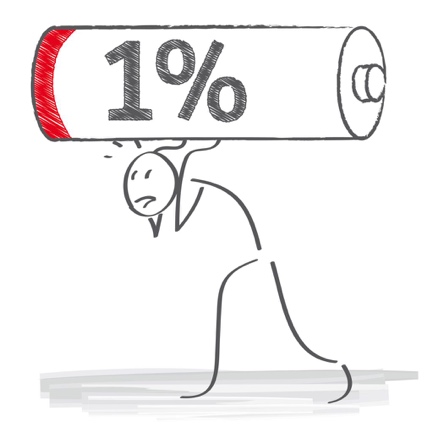
  • Burden, feeling of weight on your shoulders
  • Anxiety

It is important to remind a caregiver to set aside time for themselves, to focus on their own mental and physical health, as well as other pressing needs. Meditation, reading, and yoga are a few ways in which a caregiver can relax. It would also be helpful to seek other forms of aid for that patient, whether that be the help of other family members, daily visits from nurses, or considering putting your loved one into a nursing or residential assisted living home so they can be cared for 24/7 by professionals. However, if you or someone you know is struggling due to being a caregiver, consider reaching out to a mental health professional for some coping mechanisms.


If you or someone you know is struggling with the stress of caregiving, please contact our psychotherapy offices in New York or New Jersey to talk to one of our licensed professional psychologists, psychiatrists, psychiatric nurse practitioners, or psychotherapists at Arista Counseling & Psychotherapy. Contact our Paramus, NJ or Manhattan, NY offices respectively, at (201) 368-3700 or (212) 722-1920 to set up an appointment. For more information, please visit http://www.counselingpsychotherapynjny.com/ .


Sources: https://www.psychologytoday.com/us/basics/caregiving

https://www.psychologytoday.com/us/blog/adventures-in-old-age/200904/caregiver-stress-would-you-some-angst-sandwich-generation

Image Source:

https://www.google.com/search?q=caregiver&source=lnms&tbm=isch&sa=X&ved=0ahUKEwiPjOaH377iAhWsd98KHfgiBJoQ_AUIDygC&biw=923&bih=593#imgrc=B7y7k09NCUD7IM:

Depression and Empty Nest Syndrome

Depression and Empty Nest Syndrome

Depression and Empty Nest Syndrome

By: Lauren Hernandez

                It’s about time that college students may return back to their parent’s home for the summer. At first, many parents are excited for their children to go to college or begin their professional career, however, it is common for parents to feel sad, lonely, and experience grief when their children leave their childhood home. Typically women will struggle more than men during these times, especially when women were full-time mothers. It is important to know that Empty Nest Syndrome is a transitional period in life rather than a clinical disorder or diagnosis. Although the change brings about conflicting emotions, parents are encouraged to support their children in the gradual process towards adulthood.

Symptoms of Empty Nest Syndrome:

  • Sadness
  • Excessive crying
  • Loss
  • Depression
  • Loneliness
  • Distress
  • A loss of purpose and meaning in life


If you or someone you know is experiencing the feelings associated with Empty Nest Syndrome, it is important to refocus your lifestyle and relationships with those living with you. Ways to cope with Empty Nest symptoms include starting new hobbies such as reading, golfing, listening to podcasts, or starting yoga classes. Activities like these may force you to leave the house and engage in a stimulating action which can relieve depressive symptoms and allow you to find something new to put your energy into.

If you or someone you know is struggling with Empty Nest Syndrome, please contact our psychotherapy offices in New York or New Jersey to talk to one of our licensed professional psychologists, psychiatrists, psychiatric nurse practitioners, or psychotherapists at Arista Counseling & Psychotherapy. Contact our Paramus, NJ or Manhattan, NY offices respectively, at (201) 368-3700 or (212) 722-1920 to set up an appointment. For more information, please visit http://www.counselingpsychotherapynjny.com/ .


Sources:

https://www.psychologytoday.com/us/conditions/empty-nest-syndrome


Image Source:

https://www.bing.com/images/search?view=detailV2&id=6506DC3576B86ABB469D5EF9E40198007E7F0D0C&thid=OIP.M_L_B_dbI0s1-1RXN8nDQgHaKg&mediaurl=http%3A%2F%2Fstatic.oprah.com%2Fimages%2F200906%2Fomag%2F200906-omag-empty-nest-220×312.jpg&exph=312&expw=220&q=empty+nest+syndrome&selectedindex=8&ajaxhist=0&vt=0&eim=1,2,6


Depression: Burning Out

Depression: Burning Out

By Toniann Seals

While living in a face paced society burn out is typically inevitable. Maybe you have a stressful job, heavy course load at school or personal/family issues going on. These problems you may face in your lifetime could bring excessive stress and lead to burn out.

Signs of Burn Out:

  • Excessive or too little sleep
  • Not making time for your hobbies
  • Dreading the next day/negative thoughts
  • Overworking

After burn out occurs many people find themselves stuck at a standstill. They are not able to move forward in their work or complete simple daily tasks. Once you notice the signs above, take action immediately to help yourself.

Effects:

  • Lowered Self Esteem
  • Less productivity
  • Feelings of not being enough
  • Lack of happiness

If you or someone you know is suffering from burn out speak with one of our licensed professional psychologists, psychiatrists, psychiatric nurse practitioners, and psychotherapists. Contact us at our Paramus, NJ or Manhattan, NY offices at (201) 368-3700 or (212) 722-1920 respectively to set up an appointment. For more information, visit http://www.counselingpsychotherapynjny.com/.

Image:

http://www.gotoppm.com/stress-burnout-and-saying-no/

Persistent Depressive Disorder (Dysthymia)

Persistent Depressive Disorder (Dysthymia)

By: Gisela Serrano

Although Major Depressive Disorder (MDD) is the most commonly diagnosed depressive disorder, Persistent Depressive Disorder (PDD), also known as Dysthymia, is the second most common diagnosis. PDD is known to be mild and less severe than MDD, however, it is more chronic – that is, it is longer-lasting and recurring.

When diagnosing a patient with PDD, it must be ruled out that the symptoms the patient is experiencing cannot be better explained by a psychotic disorder or attributed to substance abuse. The symptoms must also cause distress to the patient and interfere or cause disturbances in their everyday life. Patients experience a “low” mood and feel down for most of the day, for a majority part of the time than not, for at least two years or more.  The patient cannot be without symptoms for more than two months; otherwise, he or she cannot be diagnosed with PDD.

As listed in the DSM-5, patients must experience two or more of the following symptoms, along with depressed symptoms, to receive a medical diagnosis of PDD:

  • Poor appetite or overeating
  • Insomnia or hypersomnia
  • Low energy or fatigue
  • Low self-esteem
  • Poor concentration or difficulty making decisions
  • Feelings of hopelessness

Treatments for Persistent Depressive Disorder include talk therapy or medication such as antidepressants and Selective Serotonin Reuptake Inhibitors (SSRIs) which increases the levels of serotonin in the brain. If you feel like you might be suffering from Persistent Depressive Disorder, it is important that you seek professional help as this disorder is highly treatable. At Arista Counseling & Psychotherapy center, we have qualified professionals that may be able to help you. You can reach us at our office in Paramus, NJ at 201-368-3700 or visit our website https://www.counselingpsychotherapynjny.com/ for more information.

Self-Esteem and Shaming Parents

By Stephanie Osuba

We have all felt, in one way or another, like we weren’t good enough or even felt embarrassed after making a mistake at work. This is healthy in that we are expressing sadness or just reflecting on a situation that could have been handled differently, but we move on and eventually feel valued and confident again. However, for some, that feeling of shame and guilt never goes away. Some believe they are inherently flawed, worthless, and inferior to everyone else. These negative emotions and lack of self-esteem are largely rooted in repeated childhood and adolescence trauma that is often left unprocessed. Internalization of this emotional abuse leads to a conditioning of sort, usually by the primary caregiver, that the negative emotions constantly felt reflect who one is as a person. This person comes to genuinely believe that he or she is a bad person, unlovable, never good enough, and deserves to be treated with disrespect.

The constant shame is also accompanied by a constant feeling of guilt. Everything is his or her fault, regardless of the context. There is a sense of unjust responsibility for other people’s emotions and the outcome of all situations. Its no wonder why low self-esteem can manifest itself in anxiety, self-harm or poor self-care, or on the other extreme, narcissism and antisocial tendencies. Here are some behaviors that can be a manifestation of low self-esteem:

  • Lack of healthy self-love: poor self-care, self-harm, lack of empathy, and inadequate social skills
  • Emptiness: loneliness, lack of motivation, and finding distractions from emotions
  • Perfectionism: this is often a behavior that manifests as adults because of the unrealistic standards these children were held to by their parents and were punished for not meeting
  • Narcissism: grandiose fantasies of who they want others to perceive them to be; even if they do succeed however, this protective personality doesn’t numb the negative emotions they truly feel.
  • Unhealthy relationships: people with low self-esteem are incapable of building and maintaining a relationship with others, largely because they don’t know what a healthy relationship looks like. Both parties are usually extremely dependent.
  • Susceptibility to manipulation: the constant self-doubt, shame and guilt make it too easy to bend a person with low self-esteem to an experienced manipulator’s will.

Source: Cikanavicius, D. (2018, September 03). A Brief Guide to Unprocessed Childhood Toxic Shame. Retrieved from https://blogs.psychcentral.com/psychology-self/2018/09/childhood-toxic-shame/ 

If you or someone you know is struggling with self-esteem, the licensed psychologists, psychiatrists, psychiatric nurse practitioners, and psychotherapists at Arista Counseling & Psychotherapy can assist you. Contact our Paramus, NJ or Manhattan, NY offices respectively, at (201) 368-3700 or (212) 722-1920 to set up an appointment. For more information, visit http://www.counselingpsychotherapynjny.com/

Depression

By: Dianna Gomez

Similar to most mental health illnesses, depression does not discriminate. Depression doesn’t take into consideration what age, race, gender, sexual orientation, socioeconomic status or religion a person is. In fact, not only does depression affect both men AND women, it may be experienced differently by each group as well. In general, depression is more commonly found in women then it is found in men. When it comes to women specifically, the higher rates of depression have been linked to biological, hormonal, life cycle, and psychosocial factors. It has been shown that hormones directly affect emotions and mood through brain chemistry. A time when women are especially at risk is after giving birth when physical and hormonal changes, as well as new responsibilities for their new born baby can be overwhelming. Postpartum Depression can also occur in new mothers and must be attended to immediately. When speaking about their depression, women are more likely to describe their experiences as feelings of sadness, worthlessness, and/or guilt.

When men are depressed, they are more likely to describe their experiences as having feelings of fatigue, loss of interest in things once enjoyed, irritability, sleep issues, etc. In attempt to relieve themselves of their depression, men are more likely to bury themselves in their work and find ways to keep themselves preoccupied so they aren’t forced to confront their feelings head on. They may also participate in risky or reckless behaviors. Alcohol and substance use is another coping mechanism that men usually turn to. This is usually followed by episodes of anger and aggression.

Depression is one of the most common mental disorders in the United States. Despite this, there is still no known cause for this debilitating illness. That is why it is absolutely crucial that professional help is sought out.

If either you or someone you know may be suffering from depression, the licensed psychologists, psychiatrists, psychiatric nurse practitioners, and psychotherapists at Arista Counseling & Psychotherapy can help you. Contact our Paramus, NJ or Manhattan, NY offices respectively, at (201)-368-3700 or (212)-722-1920 to set up an appointment. For more information, visit us at https://www.counselingpsychotherapynjny.com/.

The Power of Optimism

Isabelle Kreydin

When you go through a traumatic experience, the time it takes to recover is immeasurable and flooded with uncertainty. It could be anything between a breakup, abuse, a car accident, a loved one’s death, or even your entire childhood. When you acquire a mental illness, or know someone who has, it truly does affect every aspect of your life. Even stress, can alter brain chemistry and one’s way of life. But brokenness is not beautiful because of the way you are, but the way you will be when you are finally free.

You might feel alone. But you are alone because you feel as though are burdening others with your pain, and now are trying to reassemble yourself on your own and trying to fight the mental illnesses from becoming you. You’re trying but right now you are physically and mentally exhausted. It’s a tiring work of progress, but the only way out of the tunnel is through, and we know better than to turn around or take steps backwards.

It is easy for the brain to resort to the cloud that a trauma or illness might have installed in you, falling into despair or numbness, and there is truly nothing worse. Isolation is not the key, though it is most commonly a side effect of any of these negative experiences. Despite contrary belief, this leads you to an opportunity to get help. To find help within friends, family, and professionals. They can only help you understand that although you may not always be able to feel it, there is so much love and beauty to this world. There will ALWAYS be people there for your support. If you don’t feel this way, go out and make new friends, talk to your therapist, reach out to adults you may trust, or even kind strangers. The world has more love to offer than it seems.

Optimism is tough. You can be fighting for your body and thoughts to be positive, and have an outlook on life that shows light. However, your brain and body may be inflicting darkness, or feelings of nothingness, completely out of your control.

Optimism is also a savior. The more you put this fight into your brain, the more you convince yourself that you are going to make it, that everything will be okay, the more likely it is for your body to start behaving this way. Get up and force yourself to make plans, to do anything you once enjoyed or might find joy in.

The world may be falling a part in many aspects, and so are some humans that occupy it. However, everybody is still on this earth giving their full efforts to find the ultimate goal, happiness. It should not be overthought; it should not become the only purpose one strives for. It should be a feeling that comes through every day activities, thoughts, conversations. Positivity can help motivate the brain to feel that happiness, to appreciate the times it is felt, to hope for more positive outcomes and experiences. These can come from setting goals, making friends, loving, giving, being active, showing compassion, pursuing passions, treating oneself, or even physically seeing the beauty this world has to offer.
Life is too short to not love with everything you are. Giving with little return is tough, but you are tougher and have years to be given what you give.

Together, with optimism, have those around you help you rewrite your story and your future, and remember that it is okay to not be okay. There are billions that have struggled, there are millions that are fighting to overcome, and there are millions that have overcome and become a light and inspiration to us all.

You are never alone, and it will be worth it when you reach the end of that tunnel or even when you begin to see the light.

If you are struggling with substance abuse or any other kind of addiction, the psychologists, psychiatrists, and therapists at Arista Counseling and Psychiatric Services can help.  Contact the Bergen County, NJ or Manhattan offices at (201) 368-3700 or (212) 722-1920.  Visit http://www.acenterfortherapy.com for more information.


Nicotine Addictions

Isabelle Kreydin

People living with mental illness have a high rate of tobacco addiction. In America, 44.3% of all cigarettes are consumed by individuals who live with mental illness and substance abuse disorders. What’s it mean to be addicted? You might have problems paying attention, trouble sleeping, appetite change, and/or powerful cravings for tobacco at least once a day.

The nicotine in any tobacco product absorbs into ones blood when a person uses it. Upon entering the blood, nicotine stimulates the adrenal glands to release the hormone epinephrine, otherwise known as adrenaline. Nicotine increases levels of the chemical dopamine, which affects parts of the brain that control reward and pleasure. Those who suffer from mental illnesses such as depression, anxiety, schizophrenia, etc. commonly lack a consistent flow of dopamine (as well as other neurotransmitters), and the nicotine can therefore be a sort of temporary enhancer and mood booster.

The addiction itself however, is more about the lies one feeds to himself, the subconscious thought that the cigarettes, e-cigarette or other drug will truly fill a void in the addict’s mind or body. Those struggling with addiction have something in common: an ache that they believe can be dimmed. Whether it’s simply a drug to relieve temptation, or tension in the mind or of thoughts, it’s still an unhealthy coping mechanism.

Like most drug addictions, nicotine only provides one with temporary relief or a brief time away from reality. Every year, smoking kills about 200,000 people who live with mental illness. Please do not be one of those statistics.

Smoking is known to cause heart disease, stroke and lung disease, among other medical problems. Second-generation atypical antipsychotic medications (SGAs) cause an increased risk of heart disease, so it’s important that individuals living with mental illness quit smoking. Like an e-cigarette, smokeless tobacco products contain 3 to 4 times more nicotine than cigarettes and contain substances that increase risk of oral and oropharyngeal cancer. If you ever wanted to quit your addiction in the future, it would only be more difficult, as your body becomes dependent on the chemicals and drugs you chose to feed it. Recovery is a long process, however very possible.

If you are struggling with substance abuse or any other kind of addiction, the psychologists, psychiatrists, and therapists at Arista Counseling and Psychiatric Services can help.  Contact the Bergen County, NJ or Manhattan offices at (201) 368-3700 or (212) 722-1920.  Visit http://www.acenterfortherapy.com for more information.


Postpartum Depression: Psychosocial Risk Factors

Postpartum Depression: Psychosocial Risk Factors

Written by: Jinal Kapadia

Postpartum depression, is a mood disorder that can affect women after childbirth. Mothers with postpartum depression generally experience feelings of extreme sadness, anxiety, and exhaustion that can make it difficult for them to complete daily care activities for themselves or for others. (Nimh.nih.gov, 2018)

There are multiple risk factors that make some women more susceptible to postpartum depression than others. A first-time mother is at a higher risk for depression. Fatigue, which can be caused by the actual process of giving birth, the energy spent on caring for the baby, and tending to other responsibilities can also lead to depression. Women who are single mothers with less social support are also more susceptible. A woman’s feelings towards her pregnancy, such as negativity or ambivalence, increases her chances for depression. (Psychology Today, 2018)

Another risk factor is a woman’s past, such as the loss of her mother or a poor mother-daughter relationship. This can cause a woman to feel unsure about her newly developing relationship with her baby. Women who have babies by cesarean birth take longer to recover and are, therefore, more likely to be stressed, have lower self-esteem, and feel more depressed. Women who have premature babies often become depressed because the early birth results in unexpected changes in routine and is an added stressor. Lastly, a baby with a birth defect or other challenges (e.g. infantile colic) can make adjustment even more difficult for parents. (Psychology Today, 2018)

If you or someone you know has postpartum depression or seems to have the symptoms of postpartum depression, and needs help, please contact our psychotherapy offices in New York or New Jersey to talk to one of our licensed professional psychologists, psychiatrists, psychiatric nurse practitioners, or psychotherapists at Arista Counseling & Psychotherapy. Contact our Paramus, NJ or Manhattan, NY offices respectively, at (201) 368-3700 or (212) 722-1920 to set up an appointment. For more information, please visit http://www.counselingpsychotherapynjny.com/.

Sources:

Psychology Today. (2018). Postpartum Disorder | Psychology Today. [online] Available at: https://www.psychologytoday.com/us/conditions/postpartum-disorder [Accessed 12 Apr. 2018].

Nimh.nih.gov. (2018). Postpartum Depression Facts. [online] Available at: https://www.nimh.nih.gov/health/publications/postpartum-depression-facts/index.shtml [Accessed 12 Apr. 2018].