Burnout

Burnout

By Lauren Hernandez

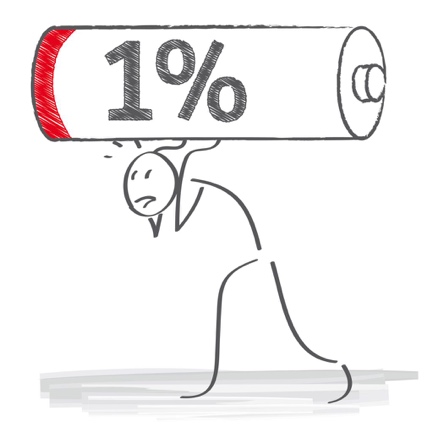
                Recently, the World Health Organization (WHO) has identified “burnout” as a syndrome and has added it to the WHO’s International Classification of Diseases. This legitimization of burnout as a syndrome provides credibility to a person who is over working themselves emotionally, physically, and intellectually.

According to Dr. Suzanne Degges-White’s article on Psychology Today, the symptoms of burnout include:

“1.Feelings of energy depletion or exhaustion

2.Increased mental distance from your job or feelings of negativity or cynicism related to your job

3.Reduced professional efficacy—or, in laymen’s terms, doing a poor job on-the-job”

Dr. Degges-White explains that although most symptoms of burnout may resemble other disorders associated with depression and anxiety, burnout is focused on direct feelings towards your job.

Mindfulness practices may decrease feelings of burnout. Activities such as regular exercise, yoga, and mindfulness meditation may help to stabilize and encourage balance in your life. It is also important to try to sleep and rest as much as you can. Sleeping is a restorative process and helps to promote a healthy mind and body. Because burnout is due to chronic workplace stress, it will not go away by taking a vacation or escaping the workplace for a few days. Burnout is something to be taken seriously and if it is impairing your lifestyle, seek treatment from a psychiatric professional.

If you or someone you know is struggling with burnout, please contact our psychotherapy offices in New York or New Jersey to talk to one of our licensed professional psychologists, psychiatrists, psychiatric nurse practitioners, or psychotherapists at Arista Counseling & Psychotherapy. Contact our Paramus, NJ or Manhattan, NY offices respectively, at (201) 368-3700 or (212) 722-1920 to set up an appointment. For more information, please visit http://www.counselingpsychotherapynjny.com/ .


Sources: https://www.psychologytoday.com/us/blog/lifetime-connections/201905/burnout-is-officially-classifiedicd-11-syndrome

https://www.forbes.com/sites/bryanrobinson/2019/06/02/the-burnout-club-now-considered-a-disease-with-a-membership-price-you-dont-want-to-pay-for-success/#aa218ac37ab0

Image Source: https://www.bing.com/images/search?view=detailV2&id=D7EC303D1D17B543CE053AC8D020EBB7073F16DA&thid=OIP.4t79eaOz2pi-5BoBUxv_oQHaEK&mediaurl=https%3A%2F%2Fedge.alluremedia.com.au%2Fm%2Fl%2F2018%2F09%2Femployee-burnout.jpg&exph=900&expw=1600&q=Employee+Burnout&selectedindex=3&ajaxhist=0&vt=0&eim=1,2,6

Mental Health Awareness

Mental Health Awareness

By Lauren Hernandez

               It is important to recognize how mental illness affects many people’s lives. Mental health awareness promotes the understanding and respect towards those who suffer from mental illnesses. It is important that we make attempts to normalize and destigmatize those struggling with mental illness. If you know of someone struggling with mental health issues, there are a multitude of resources that can help.

Available resources:

National Alliance on Mental Illness (NAMI): www.nami.org

NAMI StigmaBusters is “a network of dedicated advocates across the country and around the world who seek to fight inaccurate and hurtful representations of mental illness”. NAMI StigmaBusters

Suicide.org – Suicide prevention, awareness, and support: www.suicide.org

National Institute of Mental Health (NIMH): www.nimh.nih.gov

Substance Abuse and Mental Health Services Administration (SAMHSA): www.samhsa.gov

National Suicide Prevention Lifeline: 1-800-273-TALK (8255) www.suicidepreventionlifeline.org

Children and Adults with Attention Deficit Hyperactivity Disorder (CHADD): www.chadd.org

Child and Adolescent Bipolar Foundation: www.bpkids.org

The Trevor Project (LGBT mental health/suicide prevention): www.trevorproject.org

Anxiety Disorders Association of America: www.adaa.org

National Eating Disorders Association: www.nationaleatingdisorders.org

Alcoholics Anonymous: www.aa.org

Narcotics Anonymous: www.na.org

Gamblers Anonymous: www.gamblersanonymous.org

Alzheimer’s Association: www.alz.org

Depression and Bipolar Support Alliance: www.dbsalliance.org

National Autism Association: www.nationalautismassociation.org

Veterans Crisis Line (U.S. Department of Veterans Affairs): 1-800-273-8255 (press 1)

U.S. Department of Veterans Affairs – Mental Health: www.mentalhealth.va.gov

Mental Health America: www.mentalhealthamerica.net

If you or someone you know is struggling with any type of mental illness, please contact our psychotherapy offices in New York or New Jersey to talk to one of our licensed professional psychologists, psychiatrists, psychiatric nurse practitioners, or psychotherapists at Arista Counseling & Psychotherapy. Contact our Paramus, NJ or Manhattan, NY offices respectively, at (201) 368-3700 or (212) 722-1920 to set up an appointment. For more information, please visit http://www.counselingpsychotherapynjny.com/ .


Sources:

https://www.psychologytoday.com/us/blog/here-there-and-everywhere/201105/mental-health-awareness-month-resources

https://www.psychologytoday.com/us/blog/when-your-adult-child-breaks-your-heart/201705/mental-health-awareness-month

Image Source: https://www.bing.com/images/search?view=detailV2&id=9714F039483EC40A08B372F59E3C5D5C556378C8&thid=OIP.ex7QOQol-OoPT6G8NSkiUgFZC1&mediaurl=https%3A%2F%2Fnamibv.org%2Fwp-content%2Fuploads%2Fsites%2F21%2F2018%2F03%2Fmay-mental-health.png&exph=630&expw=1200&q=mental+health+awareness+month&selectedindex=3&ajaxhist=0&vt=0&eim=1,2,6


Stress: Caregiver Stress

Stress: Caregiver Stress

By Lauren Hernandez

Caregiving is the responsibility to provide unpaid care for an adult or child which may involve shopping, housekeeping, toilet assistance, bathing, coordinating medical treatments, and managing a person’s finances. One of the main struggles a caregiver must learn to cope with is that caregiving is a 24/7 job, in addition to any other professional or personal endeavors that person is pursuing. While the patient is most commonly a loved one and family member, the caregiver must remember to take care of themselves. Additionally, a caregivers’ own health and daily needs are oftentimes neglected and this can be detrimental to that individual’s well-being. “Caregiver stress” is when caregiving becomes too overwhelming.

The most common feelings associated with caregiver stress include:

  • Exhaustion
  • Frustration
  • Loneliness
  • Guilt
  • Anger
  • Burden, feeling of weight on your shoulders
  • Anxiety

It is important to remind a caregiver to set aside time for themselves, to focus on their own mental and physical health, as well as other pressing needs. Meditation, reading, and yoga are a few ways in which a caregiver can relax. It would also be helpful to seek other forms of aid for that patient, whether that be the help of other family members, daily visits from nurses, or considering putting your loved one into a nursing or residential assisted living home so they can be cared for 24/7 by professionals. However, if you or someone you know is struggling due to being a caregiver, consider reaching out to a mental health professional for some coping mechanisms.


If you or someone you know is struggling with the stress of caregiving, please contact our psychotherapy offices in New York or New Jersey to talk to one of our licensed professional psychologists, psychiatrists, psychiatric nurse practitioners, or psychotherapists at Arista Counseling & Psychotherapy. Contact our Paramus, NJ or Manhattan, NY offices respectively, at (201) 368-3700 or (212) 722-1920 to set up an appointment. For more information, please visit http://www.counselingpsychotherapynjny.com/ .


Sources: https://www.psychologytoday.com/us/basics/caregiving

https://www.psychologytoday.com/us/blog/adventures-in-old-age/200904/caregiver-stress-would-you-some-angst-sandwich-generation

Image Source:

https://www.google.com/search?q=caregiver&source=lnms&tbm=isch&sa=X&ved=0ahUKEwiPjOaH377iAhWsd98KHfgiBJoQ_AUIDygC&biw=923&bih=593#imgrc=B7y7k09NCUD7IM:

Depression and Empty Nest Syndrome

Depression and Empty Nest Syndrome

Depression and Empty Nest Syndrome

By: Lauren Hernandez

                It’s about time that college students may return back to their parent’s home for the summer. At first, many parents are excited for their children to go to college or begin their professional career, however, it is common for parents to feel sad, lonely, and experience grief when their children leave their childhood home. Typically women will struggle more than men during these times, especially when women were full-time mothers. It is important to know that Empty Nest Syndrome is a transitional period in life rather than a clinical disorder or diagnosis. Although the change brings about conflicting emotions, parents are encouraged to support their children in the gradual process towards adulthood.

Symptoms of Empty Nest Syndrome:

  • Sadness
  • Excessive crying
  • Loss
  • Depression
  • Loneliness
  • Distress
  • A loss of purpose and meaning in life


If you or someone you know is experiencing the feelings associated with Empty Nest Syndrome, it is important to refocus your lifestyle and relationships with those living with you. Ways to cope with Empty Nest symptoms include starting new hobbies such as reading, golfing, listening to podcasts, or starting yoga classes. Activities like these may force you to leave the house and engage in a stimulating action which can relieve depressive symptoms and allow you to find something new to put your energy into.

If you or someone you know is struggling with Empty Nest Syndrome, please contact our psychotherapy offices in New York or New Jersey to talk to one of our licensed professional psychologists, psychiatrists, psychiatric nurse practitioners, or psychotherapists at Arista Counseling & Psychotherapy. Contact our Paramus, NJ or Manhattan, NY offices respectively, at (201) 368-3700 or (212) 722-1920 to set up an appointment. For more information, please visit http://www.counselingpsychotherapynjny.com/ .


Sources:

https://www.psychologytoday.com/us/conditions/empty-nest-syndrome


Image Source:

https://www.bing.com/images/search?view=detailV2&id=6506DC3576B86ABB469D5EF9E40198007E7F0D0C&thid=OIP.M_L_B_dbI0s1-1RXN8nDQgHaKg&mediaurl=http%3A%2F%2Fstatic.oprah.com%2Fimages%2F200906%2Fomag%2F200906-omag-empty-nest-220×312.jpg&exph=312&expw=220&q=empty+nest+syndrome&selectedindex=8&ajaxhist=0&vt=0&eim=1,2,6


Bipolar Disorder: Signs of Mania and Depression

By: Julia Keys

      Bipolar Disorder is a psychological diagnosis that is characterized by the cycling of states of mania and depression. Mania can be described as an extreme elevation in mood while depression is an extremely low mood.

     There are two main diagnoses for people with bipolar disorder: Bipolar I and Bipolar II. People with Bipolar I experience the extremes of both mania and depression. Bipolar II involves milder and shorter manic episodes than Bipolar I, but still includes severe depressive episodes.

     There are two other lesser known types of bipolar disorder; cyclothymic disorder and bipolar disorder with mixed features. Cyclothymic disorder is a milder version of bipolar disorder where mood swings are still present, but are less severe. Bipolar disorder with mixed features is when a person experiences features of manic and depressive episodes at the same time.

Common features of a manic episode includes:

  • Increased self-esteem
  • Little concern for the consequences of actions
  • Racing thoughts
  • Fast speech
  • Impulsivity
  • Sleeping very little
  • Sometimes delusions and hallucinations

Common features of a depressive episode includes:

  • Feelings of worthlessness
  • Eating too much or eating too little
  • Trouble sleeping or sleeping too much
  • Loss of pleasure in activities that were previously pleasurable
  • Suicidal thoughts

If you or someone you know is struggling with bipolar disorder, please contact Arista Counseling & Psychotherapy, located in New York and New Jersey to speak to a licensed professional psychologists, psychiatrists, psychiatric nurse practitioners or psychotherapists. To contact the office in Paramus NJ, call (201) 368-3700. To contact the office in Manhattan, call (212) 722-1920. For more information, please visit http://www.counselingpsychotherapynjny.com/ .

Source:

https://psychcentral.com/lib/phases-of-bipolar-disorder/

Image Source:

https://www.google.com/search?hl=en&biw=698&bih=687&tbm=isch&sa=1&ei=QxLcXKCWL-KHggeqyaboBw&q=bipolar+disorder+clipart&oq=bipolar+disorder+clipart&gs_l=img.3..0.2185.4523..4637…0.0..0.81.617.9……0….1..gws-wiz-img…….0i67j0i8i30j0i24.qioNnurM0Vk#imgrc=xgwl0DITzN4cEM:

Seasonal Affective Disorder: Not Just the Winter Blues

winter-depression1

Seasonal Affective Disorder: Not Just the Winter Blues

By Jessica Burgess


As spring finally approaches, many are hopeful for longer and brighter days in hopes that it will heighten their mood and ease them of the ‘winter blues’. But how typical are these mood shifts and when are they cause for concern?  Season Affective Disorder (SAD), a type of depression that is related to changes in season, often goes overlooked by the average person and just considered normal winter blues. However, SAD has many of the same symptoms and risks as Major Depressive Disorder (MDD).


Most people with SAD tend to show symptoms beginning in the fall and ending before spring but some show symptoms in the spring and progress through the summer months. Either way, the disorder follows a pattern of seasonal change, where the symptoms get worse towards the end of the season. Symptoms of SAD include:

  • Feelings of depression almost every day, all day
  • Sleeping problems
  • Weight gain or loss
  • Changes in appetite
  • Feelings of hopeless, worthlessness or guilt
  • Lower interest in activities you used to find interesting
  • Low energy
  • Thoughts of death or suicide


If you think or someone you know is suffering from Seasonal Affective Disorder, speak with one of our licensed professional psychologists, psychiatrists, psychiatric nurse practitioners, or psychotherapists. Contact us at our Paramus, NJ or Manhattan, NY offices at (201) 368-3700 or (212) 722-1920 respectively to set up an appointment. For more information, visit http://www.counselingpsychotherapynjny.com


Source: https://www.mayoclinic.org/diseases-conditions/seasonal-affective-disorder/symptoms-causes/syc-20364651

Image: https://www.bing.com/images/search?view=detailV2&id=3BA866A3E20A6419AA4CFBF4904BAA4DED3C0345&thid=OIP.vZckWdIpb71mGl5KpMkQLQHaE7&mediaurl=http%3A%2F%2Fdocakilah.files.wordpress.com%2F2011%2F01%2Fwinter-depression1.jpg&exph=399&expw=600&q=winter+depression&selectedindex=73&ajaxhist=0&vt=0&eim=1,2,6


Grief: Ways to Cope

Grief: Ways to Cope

By Toniann Seals

The death of a loved one requires coping skills that not many people know how to develop. In this case, grief is the feeling of sadness and loss in relation to someone no longer in your life.

Ways to cope:

  • Join a support group
    • You may find comfort in being around others who can relate to your pain and experience.
  • Be open
    • Try not to bottle up your feelings. Express them and address them as soon as needed.
  • Accept your differences
    • Do not worry about how long your grieving process is or if you are reacting properly. Everyone grieves differently and it is all up to the individual.
  • Take care of yourself
    • Try not to neglect your hobbies, hygiene or health because these will help you through the day.
  • Seek counseling
    • If you feel that it is difficult handling the grieving process on your own, contact a psychologist or psycho therapist who can help you overcome your loss.

If you or someone you know is having a difficult time grieving speak with one of our licensed professional psychologists, psychiatrists, psychiatric nurse practitioners, and psychotherapists. Contact us at our Paramus, NJ or Manhattan, NY offices at (201) 368-3700 or (212) 722-1920 respectively to set up an appointment. For more information, visit http://www.counselingpsychotherapynjny.com/.

Sources:

https://kidshealth.org/en/teens/coping-grief.html

https://www.helpguide.org/articles/grief/coping-with-grief-and-loss.htm/

https://www.apa.org/helpcenter/grief

(Image) http://www.gannett-cdn.com/-mm/f943158abab8ab7973711dda2a54d74c0bdc5979/c=284-2756-5920-5940&r=x1683&c=3200×1680/local/-/media/2016/11/09/USATODAY/USATODAY/636142814289480079-XXX-193876-1-iocs-Sadness1-150-per16-150-R1.jpg


Emotional Support Animals: A Helping Paw for College Students

Emotional Support Animals: A Helping Paw for College Students

By: Liz Lynch

            Colleges have recognized that animals have an innate ability to reduce stress; this is why they organize campus events such as petting zoos and therapy dog visits around midterm and finals times. However, college students have taken a particular interest in Emotional Support Animals in recent years to help combat mental illnesses such as anxiety, depression, and PTSD. Unlike Service Dogs, Emotional Support Animals do not have specific training; this is a very important distinction as Service Dogs have life saving jobs that they are trained and licensed to do.  Emotional Support Animals on the other hand could be considered a pet with a project; but don’t let the cute name fool you though, their project is very important to the student’s mental health as they provide companionship and comfort 24/7.   

           Students who are interested in having an Emotional Support Animal with them at college must go through a short process before the animal is permitted on campus. They must receive a letter of recommendation from their licensed therapist, psychologist, or psychiatrist explaining the circumstances that require them to have an ESA. The letter, vaccination forms, and a contract of responsibility must be signed and approved by the school before the arrival of the animal. Once the animal is approved and moved in their project begins!

ESA Benefits:

  • Reduce feelings of stress and anxiety
  • Lowers feelings of loneliness/ isolation
  • Offers a feeling of security and familiarity
  • Provides mental and psychical stimulation
  • Creates a feeling of responsibility and purpose

           If you or a loved one appears to be suffering from a mental illness, the licensed psychologists, psychiatrists, psychiatric nurse practitioners, and psychotherapists at Arista Counseling & Psychotherapy can assist you. Contact our Paramus, NJ or Manhattan, NY offices respectively, at (201) 368-3700 or (212) 722-1920 to set up an appointment. For more information, visit http://www.counselingpsychotherapynjny.com/

Picture: https://iptc.org/

Depression: Burning Out

Depression: Burning Out

By Toniann Seals

While living in a face paced society burn out is typically inevitable. Maybe you have a stressful job, heavy course load at school or personal/family issues going on. These problems you may face in your lifetime could bring excessive stress and lead to burn out.

Signs of Burn Out:

  • Excessive or too little sleep
  • Not making time for your hobbies
  • Dreading the next day/negative thoughts
  • Overworking

After burn out occurs many people find themselves stuck at a standstill. They are not able to move forward in their work or complete simple daily tasks. Once you notice the signs above, take action immediately to help yourself.

Effects:

  • Lowered Self Esteem
  • Less productivity
  • Feelings of not being enough
  • Lack of happiness

If you or someone you know is suffering from burn out speak with one of our licensed professional psychologists, psychiatrists, psychiatric nurse practitioners, and psychotherapists. Contact us at our Paramus, NJ or Manhattan, NY offices at (201) 368-3700 or (212) 722-1920 respectively to set up an appointment. For more information, visit http://www.counselingpsychotherapynjny.com/.

Image:

http://www.gotoppm.com/stress-burnout-and-saying-no/

Depression at Work

sales-sad-woman-at-desk

Depression at Work

By Jessica Burgess

Trying to work while depressed can often feel pointless. Being productive is difficult enough without adding on a state of depression. When depression goes untreated, it can lead to a loss of productivity. Depressed workers are more likely to be away from work than non-depressed individuals and also are less efficient at work based on a national survey published in the Journal of the American Medical Association1. So do our jobs make us depressed? Or does our depression make us poor workers? Psychologists say yes and no.

Depression is not caused by our jobs, but our jobs can add to our depression. Depression is partially due to our hereditary predispositions2. To put it simply, some of the reason why we get depressed are due to the genes we inherit from our parents or grandparents. But not all people that inherit a risk for depression, end up depressed. Exhibiting depression may be due to environmental triggers, such as the workplace or other stressors.

As a result of certain triggers, many individuals exhibit depression which can have consequences in the work environment. In 2013, the leading cause of loss of productivity in the workplace was depression3. Some triggers that can lead to depression in the workplace are related to the workplace itself such as:

  • Work/life imbalance
  • Introvert/extrovert stress
  • Feeling trapped
  • Unclear guidance

Other causes may be more internal such as:

  • Guilt over being a working parent
  • Discomfort with those you work with3

Depression can limit how much we can get done at work and even how often we are at work. Similarly, work can trigger depression and make it worse.

If you believe you or someone you know is struggling with depression speak with one of our licensed professional psychologists, psychiatrists, psychiatric nurse practitioners, and psychotherapists. Contact us at our Paramus, NJ or Manhattan, NY offices at (201) 368-3700 or (212) 722-1920 respectively to set up an appointment. For more information, visit http://www.counselingpsychotherapynjny.com/.

Sources:

https://www.everydayhealth.com/depression/depression-at-work-is-it-you-or-the-job.aspx

https://www.psychologytoday.com/us/articles/200306/depression-in-the-workplace

Image: http://www.bing.com/images/search?view=detailV2&id=D9902C622A3C0E724619B8C4D02543740152C55E&thid=OIP.zAY-bONbDHp9-u6gkNSL1AHaE6&mediaurl=https%3A%2F%2Fleadnetpro1.files.wordpress.com%2F2010%2F11%2Fsales-sad-woman-at-desk.jpg&exph=531&expw=800&q=sad+at+desk&selectedindex=5&ajaxhist=0&eim=1.2.6&ccid=zAY%2BbONb&simid=607996814585496006