Borderline Personality Disorder: Helping Yourself and Your Family

By Argie Dabrowski

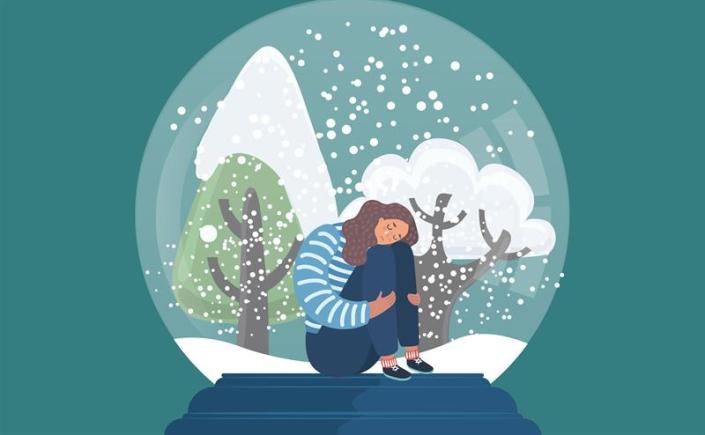
Borderline personality disorder (BPD) is a Cluster B personality disorder. Like other disorders in this category, including histrionic, narcissistic, and antisocial personality disorder, BPD is characterized by unpredictable, dramatic, and overly-emotional behavior and thoughts. Specific to borderline patients is a persistent fear of abandonment by others, which leads to unstable relationships, suicidal gestures, self-damaging behavior, anger and emptiness, and even dissociative symptoms. For those with this condition, their symptoms not only interfere with their daily functioning but can also strain their closest personal relationships. Having a family member that suffers from a personality disorder can be a difficult and distressing experience. When it comes to coping with borderline personality disorder in family members, steps can be taken to help both them and yourself.

First of all, it is important to remember that it is not your job to treat and constantly provide reassurance for a borderline family member. You can still show that you love and care about them, but not to the point that it affects your own mental health. It may be difficult, but you should not put your own life on hold for someone else or be their punching bag, verbally or physically. At that point, it is imperative to step away from the situation and allow the person to seek help on their own. Professional help is available to them in the form of medication and therapy.

Although there are no BPD-specific drugs, medications can be used if the patient is experiencing symptoms of other disorders with their BPD. For example, some people with borderline personality disorder experience depressive episodes so they may be prescribed antidepressants, such as escitalopram or fluoxetine. Mood-stabilizers can also be used and if a patient also has psychotic features, they may be treated with antipsychotics.

Besides medication, there are also multiple types of therapy that can be used to treat borderline personality disorder. Dialectical behavior therapy is a treatment that is available and is used to treat BPD specifically. Through this therapy, patients work on their ability to cope with their intense emotional responses and learn the skills needed to deal with crises and other distress in a healthy manner. It is easy to be overwhelmed when faced with borderline personality disorder in family members, but help is out there.

If you or someone you know is struggling with borderline personality disorder, please contact our psychotherapy offices in New York or New Jersey to talk to one of our licensed professional psychologists, psychiatrists, psychiatric nurse practitioners, or psychotherapists at Arista Counseling & Psychotherapy. Contact our Paramus, NJ or Manhattan, NY offices respectively, at (201) 368-3700 or (212) 722-1920 to set up an appointment. For more information, please visit http://www.counselingpsychotherapynjny.com/

Sources:
mayoclinic.org/diseases-conditions/personality-disorders/symptoms-causes/syc-20354463
psychologytoday.com/us/blog/matter-personality/201312/borderline-provocations-part-ii-how-not-respond
mayoclinic.org/diseases-conditions/borderline-personality-disorder/diagnosis-treatment/drc-20370242
psychcentral.com/lib/an-overview-of-dialectical-behavior-therapy/

Image Source:
pathwaysreallife.com/borderline-personality-disorder-treatment/

Anxiety, Depression, Eating Disorders, ADHD, Et al: How to Support a Friend with Mental Illness

By: Sarah Cohen

When helping a friend with a mental illness, the first step should be assessment of their symptoms. Sometimes they just might be going through a difficult time, but if certain common symptoms associated with mental health issues persist it is imperative to respond sensitively. Majority of the time, friends will just want to know they have your support and that you care about them. A good way to show your support is by talking to them. If you provide a non-judgmental space for them to speak about their issues it will help encourage them to be open with their problems. Let them lead the conversation and don’t pressure them to reveal information. It can be incredibly difficult and painful to speak about these issues and they might not be ready to share everything. If you aren’t their therapist do not diagnose them or make assumptions about how they are feeling, just listen and show you understand. If someone doesn’t want to speak with you, don’t take it personally, just continue to show them you care about their wellbeing and want to help as much as possible. Just knowing they have support can give them the strength they need to contact someone who can help them.

If a friend is having a crisis, such as a panic attack or suicidal thoughts, you must stay calm. Try not to overwhelm them by asking a lot of questions and confronting them in a public setting. Ask them gently what would be helpful to them right now or reassure them. If they hurt themselves, get first aid as soon as possible. If someone is suicidal, contact the suicide hotline at 800-237-8255 immediately.

The best way to help someone is by connecting them to professional help. By expressing your concern and support you can show them that they can get help and their mental health problems can be treated.

If you or someone you know needs support with their mental illness, please contact our psychotherapy offices in New York or New Jersey to talk to one of our licensed professional psychologists, psychiatrists, psychiatric nurse practitioners, or psychotherapists at Arista Counseling & Psychotherapy. Contact our Paramus, NJ or Manhattan, NY offices respectively, at (201) 368-3700 or (212) 722-1920 to set up an appointment. For more information, please visit http://www.counselingpsychotherapynjny.com/

https://www.mentalhealth.org.uk/publications/supporting-someone-mental-health-problem

https://www.mentalhealth.gov/talk/friends-family-members

Mental Illness in Young Adults

By: Melissa Molina

You may think you’re all grown up, you might even be the tallest you’ll ever be at this point in your life but young adults, ages 18 to 29, are still experiencing cognitive development. Brain development does not stop once you reach 18. In fact, the cognitive growth process is only half way done. Parental controls, attending college, changes and experiences that happen to young adults in their early twenties can affect and significantly shape brain development. This is why mental illnesses can present at this time in life. 

Mental Illness envelops a wide assortment of issues that exist on a severity continuum. Some can be brief or temporary reactions to emergency or different encounters, while others are chronic conditions. Mental Illnesses have different causes and triggers and present in different ways.

Mental Illnesses that Commonly Present in Young Adults: 

  • Eating Disorders (anorexia,bulimia, bingeing) 
  • Addiction (opioids, tobacco, alcohol) 
  • Anxiety Disorders (social anxiety, generalized anxiety, phobias) 
  • Personality Disorders (antisocial, borderline personality disorder) 
  • Mood Disorders (bipolar disorders, major depressive disorder) 
  • Thought Disorders (schizophrenia)

Young adults are at a particularly vulnerable time in their development, which might give reason as to why 1 of every 5 is affected by mental illness. Given the right conditions, stress can trigger mental illness. 

Considering young adults’ brains are still developing, diagnosing mental illness and treating or managing it can improve chances of a great outcome. Most young adults with mental illness can learn to successfully manage symptoms and live happy lives with the right help.

If you or someone you know is struggling with a mental illness, please contact our psychotherapy offices in New York or New Jersey to talk to one of our licensed professional psychologists, psychiatrists, psychiatric nurse practitioners, or psychotherapists at Arista Counseling & Psychotherapy. Contact our Paramus, NJ or Manhattan, NY offices respectively, at (201) 368-3700 or (212) 722-1920 to set up an appointment. For more information, please visit http://www.counselingpsychotherapynjny.com/

Source: skylandtrail.org/onset-of-mental-illness-first-signs-and-symptoms-in-young-adults/

Image Source: images.app.goo.gl/4DkjJ5zpS5cuFP747 

Self-Harm: A Misunderstood Act

By Argie Dabrowski 

Self-harm is a deliberate, physically-harmful act against one’s own body. This could come in the form of direct physical harm, such as cutting or burning, or self-destructive, reckless behavior, such as risky sexual activity or overconsumption of drugs and alcohol. Self-harm does not just affect young people, but also men and women of any age. It is frequently misunderstood, making it harder for people who self-harm to seek help or for their loved ones to help them.

The most common misconception about self-harm is that it is only a way for people to get attention from others. People self-harm for a variety of reasons, the least of which is attention. For example, it is often used as a coping mechanism for those who suffer from mental illness or have experienced trauma. It can provide temporary relief for those affected by these conditions, followed often by feelings of guilt and depression. Because of this, many people who self-harm feel shame at their actions and go to great lengths to hide it, not at all using it to gain attention. Despite this, people can become addicted to self-harm. Some have described it as a way to create physical pain in order to distract them from their emotional pain. Others use it as a way to feel something during times of emotional numbness.

Another two misconceptions that go hand-in-hand are that all people who self-harm are trying to kill themselves and that if the wounds are not severe, then self-harming is not a serious issue. While sometimes, self-harm is a suicidal act, this is not always the case. As stated previously, it is often a coping mechanism, and in some extreme cases, can be what prevents suicide attempts. Suicidal feelings can lead to self-harm, but the action itself is not always a suicidal act. This does not mean self-harm should be disregarded, though. Any form of self-injury, regardless of severity, should be addressed and treated as a serious issue. 

If you or someone you know is struggling with self-harm, please contact our psychotherapy offices in New York or New Jersey to talk to one of our licensed professional psychologists, psychiatrists, psychiatric nurse practitioners, or psychotherapists at Arista Counseling & Psychotherapy. Contact our Paramus, NJ or Manhattan, NY offices respectively, at (201) 368-3700 or (212) 722-1920 to set up an appointment. For more information, please visit http://www.counselingpsychotherapynjny.com/

Sources
apa.org/monitor/2015/07-08/self-injury
selfinjury.bctr.cornell.edu/documents/15_misconceptions.pdf
thebellinghampractice.co.uk/website/A84027/files/Common_Misconceptions.pdf

Image Source
theconversation.com/people-with-severe-mental-illness-live-shorter-lives-but-the-solution-isnt-simple-127397

Depression: How to Support a Spouse with Depression

Depression: How to Support a Spouse with Depression
By: Isabelle Siegel

Depression can cause immense pain and suffering for more than just the individual diagnosed. The partners/spouses of individuals with depression commonly report feeling hopeless and helpless, unsure how to provide necessary support to their partner/spouse. Attempts to help may be met with apathy or even anger, further complicating a seemingly simple question: How can I support my partner/spouse with depression?

Develop an understanding of depression and how it manifests in your partner/spouse. It can be helpful to research depression, taking note of its symptoms and causes. Understand that depression is an illness and not a choice. You may want to create a list of your partner’s/spouse’s particular symptoms and triggers for depressive episodes in order to better understand his/her experiences.

As simple as it sounds, just be there. Depression may have your partner/spouse doubting that you love him/her and may make him/her feel as though he/she is a burden to you. Assure your partner that you are there for him/her and that you love him/her despite his/her illness.

Encourage him/her to get help. Depressive symptoms can interfere with one’s motivation and ability to get help, so continuously encourage treatment. Help your partner/spouse find a therapist and/or psychiatrist, bring him/her to appointments, and cheer him/her on as they undergo treatment.

Do things you both enjoy. One important treatment step for depression is known as “opposite action,” in which individuals with depression act opposite to how they feel. If they feel like laying in bed all day, for example, they should get up and out of the house. As a partner/spouse, you can help by encouraging your partner/spouse to act opposite to their depressive urges by engaging in activities that you both enjoy.

Understand the warning signs of suicide. Individuals with depression are more vulnerable to suicide, so it may be important to know signs that your partner is considering taking his/her life. These may include talking about suicide, social withdrawal, giving away belongings, or obtaining means of attempting suicide. If you believe that your partner is at risk for suicide, seek immediate help.

Most importantly, take care of yourself and seek therapy. Research suggests that having a partner/spouse with depression increases one’s own risk of developing depressive symptoms. It is important to understand that your partner/spouse is not the only one who needs support. Never feel guilty for prioritizing your own needs, and consider seeking therapy or other support in order to take care of your own mental health.

If you or a loved one needs support, the licensed psychologists, psychiatrists, psychiatric nurse practitioners, and psychotherapists at Arista Counseling & Psychotherapy can assist you. Contact our Paramus, NJ or Manhattan, NY offices respectively, at (201) 368-3700 or (212) 722-1920 to set up an appointment. For more information, visit http://www.counselingpsychotherapynjny.com/

Sources:
https://www.mentalhealth.org.uk/blog/supporting-partner-depression
https://www.medicalnewstoday.com/articles/325523
https://www.psycom.net/help-partner-deal-with-depression/

Image Source: https://www.rewire.org/support-partner-depression/

Bipolar Disorder: How to Support a Spouse with Bipolar Disorder

Bipolar Disorder: How to Support a Spouse with Bipolar Disorder

By: Isabelle Siegel

Bipolar Disorder is characterized by alternating manic (“elevated, expansive, or irritable mood”) and depressive (“depressed mood or loss of interest or pleasure in life”) episodes. The disorder causes significant suffering for the individual diagnosed, as well as his/her loved ones. It can be extremely difficult to support a partner or spouse with Bipolar Disorder, but it is possible with the right mindset and preemptive actions.

Develop an understanding of Bipolar Disorder and how it manifests in your partner/spouse. Psych Central suggests creating a list of warning signs that your partner/spouse starts to exhibit before or while entering a manic or depressive episode. This will help you to better understand your partner/spouse, as well as enable you to interpret his/her behaviors in the context of the disorder.

Learn what helps (and what does not help) when your partner/spouse is in a manic or depressive episode. When your partner/spouse is stable, work together to create a list of actions you can take to alleviate symptoms when he/she is in a manic or depressive episode.

Communicate. As cliche as it sounds, open communication is integral to maintaining a relationship with someone who has Bipolar Disorder. It is important that each partner/spouse feels heard and validated at all times.

During manic or depressive episodes, understand your partner’s/spouse’s behavior in the context of the disorder. During episodes, it is important to view your partner’s/spouse’s actions and words as symptoms of a disorder rather than as reflective of his/her true feelings. If your partner/spouse says something hurtful, for example, try to understand the role that the disorder is playing in causing this behavior.

Allow yourself to feel frustration, upset, or any other emotion. Understand that Bipolar Disorder is an illness and that it is normal for difficult or conflicting emotions to arise. Do not feel guilty for feeling frustrated, upset, angry, resentful, or even for wanting to leave your partner/spouse at times. All of these feelings are normal.

Most importantly, take care of yourself and seek therapy. Understand that your partner/spouse is not the only one who needs support and never feel guilty for prioritizing your own needs. It can be beneficial to seek therapy or other support in order to take care of your own mental health and to work through difficult emotions.

If you or a loved one needs support and help understanding yourself and/or a family member, the licensed psychologists, psychiatrists, psychiatric nurse practitioners, and psychotherapists at Arista Counseling & Psychotherapy can assist you. Contact our Paramus, NJ or Manhattan, NY offices respectively, at (201) 368-3700 or (212) 722-1920 to set up an appointment. For more information, visit http://www.counselingpsychotherapynjny.com/

Sources:
https://psychcentral.com/blog/helping-your-partner-manage-bipolar-disorder/
https://www.nami.org/personal-stories/living-with-someone-with-bipolar-disorder
https://www.healthline.com/health/bipolar-disorder/relationship-guide
https://www.psycom.net/bipolar-definition-dsm-5/

Image Source:
https://medium.com/@christinacare/a-guide-to-supporting-a-partner-in-therapy-f0d64575558

COVID-19: Why going outside can help with your mental health

COVID-19: Why going outside can help with your mental health

By: Alexa Greenbaum

While social distancing during COVID-19, going outside has become one of the few activities to escape the house. In states that are in lockdown, governors such as in New York, Washington, and Montana have strongly encouraged people to go outdoors to run, walk, hike, and bike while practicing safe social distancing. Although it is not clear why, studies have found that spending time outside has a positive effect on our general well-being, including mental and physical health. In fact, doctors have been issuing “nature prescriptions” as a treatment for a range of conditions including chronic stress, depression, anxiety, PTSD, as well as others.

Efforts around the world have been promoting the health benefits of time spent outside. Regardless of the level of physical activity, spending time outdoors for even just 20 minutes per day can lower stress hormone levels, boost self-esteem, and improve mood.

Time in nature serves as an escape from daily pressures. The outdoors has been found to build resilience, hope, happiness, and optimism even before the added stressors of the COVID-19 pandemic. Additional research also suggests that going outside results in a lower risk of developing psychiatric disorders.

Based on several existing literature, positive effects documented were often described as “psychological healing,” “increased sense of well-being,” and “restorative.” Thus, a form of healing to achieve, maintain or promote a positive mental health state. Nature is a critical component of overall health and a great place to start.

If you or someone you know is struggling from COVID-19 or another crisis, please contact our psychotherapy offices in New York or New Jersey to talk to one of our licensed professional psychologists, psychiatrists, psychiatric nurse practitioners, or psychotherapists at Arista Counseling & Psychotherapy. Contact our Paramus, NJ or Manhattan, NY offices respectively, at (201) 368-3700 or (212) 722-1920 to set up an appointment. For more information, please visit http://www.counselingpsychotherapynjny.com/ .

Sources:

https://www.forbes.com/sites/cassidyrandall/2020/04/09/why-going-outside-is-good-for-your-health-especially-right-now/#4479a8bd2de9

https://www.psychologytoday.com/us/blog/cravings/201909/nature-s-role-in-mental-illness-prevention-or-treatment

https://time.com/5539942/green-space-health-wellness/

https://www.health.harvard.edu/mind-and-mood/sour-mood-getting-you-down-get-back-to-nature

Image Source:

https://41nbc.com/2020/05/10/virus-outbreak

Depression: Difference between Unipolar and Bipolar Depression

By Gabriella Phillip

Eliciting a history of brief periods of improved mood is the key to differentiating between unipolar and bipolar depression. Bipolar spectrum disorders typically begin earlier in life than unipolar depression; the usual sign of bipolar disorder in young children could be depression and/or a combination of depression and states of mania/hypomania. It’s significant to ask the patient how old they were when they first experienced a depressive episode. Men have a higher rate of bipolar disorder than women, but the rates for unipolar depression in men and women are more equal.

Some patients with bipolar spectrum disorder can go from normal to severely depressed technically overnight whereas unipolar depressive episodes tend to occur more gradually. Patients with bipolar spectrum depression tend to experience weight gain and crave carbs, while those with unipolar depression usually experience weight loss or loss of appetite. Patients suffering from bipolar depression tend to show irregular responses to antidepressant monotherapy, including switching into mania. Bipolar spectrum disorder is an inheritable mental illness, so it’s vital to take family history into consideration. While patients diagnosed with unipolar depression usually note that their symptoms fluctuate in a more stable, regular pattern, those with bipolar depression have moods that can vary unpredictably, usually with no cause.

When treating bipolar depression, antidepressants are used in combination with some sort of mood stabilizer. Treatment for unipolar depression can include medication like SSRIs and antidepressants, often in combination with cognitive behavioral therapy (CBT) and psychotherapy. Screening instruments including the Bipolar Spectrum Diagnostic Scale and the Mood Disorders Questionnaire can be effective and helpful tools in differentiating unipolar from bipolar depression.

If you or someone you know is struggling with Bipolar Disorder or Unipolar Depression, Arista Counseling and Psychotherapy can help. Please contact our psychotherapy offices in New York or New Jersey to talk to one of our licensed professional psychologists, psychiatrists, psychiatric nurse practitioners, or psychotherapists at Arista Counseling & Psychotherapy. Contact our Paramus, NJ or Manhattan, NY offices respectively, at (201) 368-3700 or (212) 722-1920 to set up an appointment. For more information, please visit http://www.counselingpsychotherapynjny.com/ .

Sources

https://www.psychiatrictimes.com/special-reports/major-depressive-episode-it-bipolar-i-or-unipolar-depression

https://www.ncbi.nlm.nih.gov/pmc/articles/PMC2850601/

https://www.cambridge.org/core/journals/the-british-journal-of-psychiatry/article/unipolar-and-bipolar-depression-different-or-the-same/AE364DFBFFBAF1F66A9294A55120C64E/core-reader


Depression: Have a Case of the Winter Blues? Understanding Seasonal Affective Disorder


By: Keely Fell

Can’t seem to shake the winter blues? Nearly five percent of adults are experiencing symptoms that align with major depressive disorder with recurring seasonal pattern, which is more commonly known as Seasonal Affective Disorder. According to the Diagnostic and Statistical Manual of Mental Disorders, Fifth Edition (DSM-V), an individual who is experiencing “two major depressive episodes in the last two years” that show relations to the time of year, and experience full remissions at other times they may be experiencing Seasonal Affective Disorder (SAD).

It is also important to understand what is happening in the body and why an individual is experiencing such symptoms. When an individual is experiencing these symptoms, often it can be as a result of the lack of natural light due to the shorter periods of daylight during the winter season. With the lack of light, the human brain slows down the production of serotonin, and increases the production of melatonin which leaves individuals feeling drowsy. Melatonin production increase is caused by darkness, which is why we get sleepy when the sun goes down. The regulation of these chemicals is what helps create your body’s specific circadian rhythm. When this system is affected it can cause a feeling of lethargy and or restlessness.

Here are some tips and tricks to shaking those winter blues:

  1. Take a few minutes during your day to get outside Whether that’s during your lunch break or walking to pick up the mail, going outside during daylight will increase the serotonin production in your brain.
  2. Light Therapy During the dark winter months, if these symptoms are taking over you can try light therapy. Light therapy allows for the brain to think it’s being exposed to sunlight. People who use light therapy typically invest in a light box (if interested Harvard Health has many they recommend) which delivers around 10,000 lux, compared to a standard sunny day that ranges 50,000 lux or above. They recommend that, you sit in front of the light box for no more than 30 minutes a day. This allows for the brain to regulate its circadian rhythms by allowing the retinas to be stimulated. Light therapy does not work for everyone.
  3. Talk Therapy If these symptoms persist and are affecting your day talk therapy is also affective. Reaching out to a psychologist, psychiatrist, psychiatric nurse practitioner, or psychotherapist to come up with symptom relief is another big way to combat these symptoms. Symptom relief may include the use of antidepressants, or various therapeutic methods.


If you or someone you know has Seasonal Affective Disorder or seems to have the symptoms of SAD, and needs help, please contact our psychotherapy offices in New York or New Jersey to talk to one of our licensed professional psychologists, psychiatrists, psychiatric nurse practitioners, or psychotherapists at Arista Counseling & Psychotherapy. Contact our Paramus, NJ or Manhattan, NY offices respectively, at (201) 368-3700 or (212) 722-1920 to set up an appointment. For more information, please visit http://www.counselingpsychotherapynjny.com/ .

Sources:

https://www.nimh.nih.gov/health/topics/seasonal-affective-disorder/index.shtml

https://www.health.harvard.edu/blog/seasonal-affective-disorder-bring-on-the-light-201212215663

https://www.psychiatry.org/patients-families/depression/seasonal-affective-disorder


CBT & DBT

Image result for cbt and dbt therapy

CBT & DBT

By: Vanessa Munera

When it comes to psychotherapy, there are different types. Psychotherapy is also known as “talk therapy”. According to the American Psychiatric Association, “Psychotherapy is a way to help people with a broad variety of mental illnesses and emotional difficulties”. This is when an individual speaks with a therapist or psychologist in a safe and confidential environment. During these talk sessions, you are able to explore and understand your feelings and behaviors, and develop coping skills. In fact, research studies have found that individual psychotherapy can be effective at improving symptoms in a wide array of mental illnesses, making it both popular and versatile treatment. There are different types of psychotherapy that can assist people. The most common types of psychotherapy are Cognitive Behavioral Therapy (CBT) and Dialectical Behavioral Therapy (DBT).

Cognitive Behavioral Therapy or CBT, is a form of therapy that consists of focusing on exploring relationships among a person’s thoughts, feelings and behaviors. This type of therapy helps patients gain control over and accept unwanted thoughts and feelings so that they can better manage harmful or unwanted behaviors. CBT is usually used to treat conditions related to anxiety, depression, substance abuse, eating disorders, and social skills. As a matter of fact, Cognitive Behavioral Therapy has been shown to be an effective treatment for these conditions, as well as improving brain functioning. CBT can benefit people at any age, such as a child, adolescent, and adult.

Dialectical Behavioral Therapy, or DBT, is a type of therapy that was originally designed to help individuals with borderline personality disorder (BPD). Over time, this type of therapy has been adapted to help treat people with multiple different mental illnesses, but it is mostly used to treat patients who have BPD as a primary diagnosis. Although DBT is a form of CBT, it has one big exception: it emphasizes validation and accepting uncomfortable thoughts, feelings and behaviors instead of struggling with them. DBT allows patients to come in terms with their troubling thoughts, emotions, or behaviors that they have been struggling with. Studies of Dialectical Behavior Therapy have shown effective long-term improvements for those suffering from mental illness. DBT also helps lower the frequency and severity of dangerous behaviors, utilizes positive reinforcement to promote change, and helps individuals translate what they learned in therapy to everyday life.


References:

https://www.nami.org/learn-more/treatment/psychotherapy

https://manhattanpsychologygroup.com/difference-dbt-cbt-therapies/

https://www.psychiatry.org/patients-families/psychotherapy