Grief: Losing a Parent to Suicide

Grief: Losing a Parent to Suicide

By Emily Ferrer

Suicidal thoughts are one of the most dreadful experiences one can go through and it is even more dreadful when the act of suicide is carried out by someone you love. The impact of suicidal thoughts on an individual is grueling, painful, and terrifying. However, many people tend to forget about the terrifying and painful part that the individual’s family and friends go through as well. The attention around suicide is always so focused on the suicidal individual that many people forget about the impact it can have on their loved ones. In fact, have you ever thought about losing a parent to suicide? It may seem horrifying and extraordinary; but it is more common than you think. Individuals who are at most risk to die by suicide are adults over the age of 45. More specifically, women are most at risk between the ages of 45-54 and men are most at risk ages 85 and older[1]. Many people may find this shocking, as the media portrays suicide rates to be the most high in adolescents and teens, but this is just not the case. Older individuals usually have undiagnosed or untreated depression and anxiety, a lack of frequent social interactions, suffer from underlying illnesses that may increase their attempt to be more successful, and/or suffer from chronic illnesses that may increase their depression and anxiety[2].

As saddening as these statistics are, it is even worse to see that between 7,000 and 12,000 children lose a parent to suicide every year[3]. It is devastating for children to experience such a traumatic event in their lives, especially someone they loved, admired, and relied on unconditionally. Losing a parent to suicide is not like normal grief that you experience after losing someone to a physical illness or accident. Losing a parent to suicide is grieving on steroids. “Grief comes in waves and grief from suicide comes in tsunami waves”, is great quote that explains how dreadful suicide grief can feel. Children of parents who died by suicide can experience an enormous range of emotions that can cause them to feel very confused. These emotions include[4]:

  • Shock                              – Panic                                       – Despair
  • Confusion                       – Intense anger                          – Disgust
  • Denial                             – Intense sadness                      – Feelings of abandonment or rejection

It is important to know that losing a parent to suicide is extremely unfortunate and traumatic. The emotions tied to suicide grief are understandable and completely normal. Staying close to family and friends during such a difficult time is crucial and can enormously help with healing. It is also critical to feel the emotions you experience and to not turn them away as it is a part of the healing process. Seeking professional help if you are feeling overwhelmed with these emotions or experiencing them for a long time is also is a good way to heal in the healthiest way possible.

If you or someone you know is grieving a lost one due to suicide, please contact our psychotherapy offices in New York or New Jersey to talk to one of our licensed professional psychologists, psychiatrists, psychiatric nurse practitioners, or psychotherapists at Arista Counseling & Psychotherapy. Contact our Paramus, NJ or Manhattan, NY offices respectively at (201) 368-3700 or (212) 722-1920 to set up an appointment. For more information, please visit https://www.counselingpsychotherapynjny.com


Sources:

[1] https://www.samhsa.gov/suicide/at-risk#:~:text=Adults%20Over%20the%20Age%20of%2045&text=Eighty%20percent%20of%20all%20deaths,and%20access%20to%20lethal%20means.

[2] https://www.prb.org/resources/in-u-s-who-is-at-greatest-risk-for-suicides/

[3] https://www.hopkinsmedicine.org/news/media/releases/children_who_lose_a_parent_to_suicide_more_likely_to_die_the_same_way#:~:text=In%20the%20United%20States%2C%20each,to%20suicide%2C%20the%20researchers%20estimate.

[4] https://psychcentral.com/lib/an-open-letter-to-children-who-lose-a-parent-to-suicide#mental-health-effects

Seasonal Affective Disorder (SAD): What is SAD?

            Seasonal Affective Disorder (SAD): What is SAD?

By: Julissa Acebo

Do you ever feel down, or not like your usual self during the shorter days in the fall and winter, and then begin to feel better in the spring and summer with longer daylight hours? This can be a sign of seasonal affective disorder (SAD), also known as seasonal depression. So what exactly is SAD? According to Mayo Clinic, it is a mood disorder characterized by depression that occurs in climates where there is less sunlight at certain times of the year. These mood changes begin and end when the seasons change. This can affect the way you think, feel, and handle daily activities.

Winter-Pattern SAD or Winter Depression

  • More common
  • Symptoms start in the late fall or early winter and go away during the spring and summer
  • Symptoms include oversleeping, overeating, weight gain, and social withdrawal

Summer-Pattern SAD or Summer Depression

  • Less common
  • Depressive episodes during the spring and summer months
  • Symptoms include trouble sleeping, poor appetite, anxiety, and episodes of violent behavior

If you or someone you know is experiencing Seasonal Affective Disorder (SAD), please contact our psychotherapy offices in New York or New Jersey to talk to one of our licensed professional psychologists, psychiatrists, psychiatric nurse practitioners, or psychotherapists at Arista Counseling & Psychotherapy. Contact our Paramus, NJ or Manhattan, NY offices respectively at (201) 368-3700 or (212) 722-1920 to set up an appointment. For more information, please visit https://www.counselingpsychotherapynjny.com

Sources:

https://www.mayoclinic.org/diseases-conditions/seasonal-affective-disorder/symptoms-causes/syc-20364651

https://www.nimh.nih.gov/health/publications/seasonal-affective-disorder

Bipolar Disorder: What is Bipolar Disorder?

Bipolar Disorder: What is Bipolar Disorder?

By Lynette Rivas

Bipolar disorder is a psychiatric health disorder that causes changes to an individual’s mood, energy, and their ability to function. Bipolar disorder is accompanied by mood episodes that can last distinct periods of times, such as days or weeks. This disorder is common among families where 80% to 90% of individuals with bipolar disorder have a relative with the same diagnosis.

Mood episodes are categorized as manic, hypomanic, or depressive. A manic or hypomanic episode is when the individual is abnormally happy or in an irritable mood for an extended period of time, that is at least one week. These episodes can also include a decreased need for sleep, faster speech, uncontrollable racing thoughts, distractibility, and/or increased risky behavior. To be considered an episode, these behaviors must represent a change from the individual’s usual behavior and the symptoms must be severe enough to cause dysfunction at work or in social activities.

A hypomanic episode is less severe than a manic episode. The symptoms need to only last for at least four days and they do not cause dysfunction in daily life. A depressive episode must be at least two weeks long and include an intense feeling of sadness, loss of interest in activities, feelings of worthlessness, increased or decreased sleep, restlessness, and/or difficulty concentrating. These symptoms must also be a change from the individual’s usual behavior.

There are three types of bipolar disorders which include: bipolar I, bipolar II, and cyclothymic disorder. 

Bipolar I

Bipolar I disorder is when the individual has had at least one manic episode that may be followed by a hypomanic or a major depressive episode.

Bipolar II

Bipolar II disorder is when the individual has had at least one major depressive episode and one hypomanic episode, but has never experienced a manic episode.

Cyclothymic Disorder

Cyclothymic disorder is when the individual has had at least two years, in adolescence, where there have been many periods of hypomania and depressive symptoms.

Bipolar disorder is a serious mental health condition that is treatable with medications and psychotherapy, so it is important to seek treatment from a mental health professional if you experience any of these symptoms.

If you or someone you know is experiencing manic, hypomanic, and/or depressive episodes please contact our psychotherapy offices in New York or New Jersey to talk to one of our licensed professional psychologists, psychiatrists, psychiatric nurse practitioners, or psychotherapists at Arista Counseling & Psychotherapy. Contact our Paramus, NJ or Manhattan, NY offices respectively at (201) 368-3700 or (212) 722-1920 to set up an appointment. For more information, please visit https://www.counselingpsychotherapynjny.com

Sources:

https://www.mayoclinic.org/diseases-conditions/bipolar-disorder/symptoms-causes/syc-20355955

https://psychiatry.org/patients-families/bipolar-disorders/what-are-bipolar-disorders

https://www.istockphoto.com/illustrations/bipolar-disorder

Depression: Identifying Signs of Depression in Someone Close to You

Identifying Signs of Depression in Someone Close to You

By Fiona McDermut

            Understanding the signs and symptoms of mental illness is not a simple task, especially when it comes to someone you care about. Even when the signs of mental illness are identified, it is difficult to decide what to do next. The COVID-19 pandemic prompted a 25% increase in cases of depression in the world. In a time of great distress for many, it is vital to look out for the people we love.

            If you suspect that someone you know may be struggling with depression, it is crucial to look out for the following signs:

  • Loss of interest
  • Extreme loss or increase in appetite
  • Fatigue
  • Hopelessness
  • Suicidal thoughts or behaviors
  • Irritability
  • Changes in sleep patterns
  • Physical symptoms such as headaches, stomachaches, and sexual dysfunction

            Some of these signs may seem obvious, but many who struggle with depression may cut themselves off from the social world. This makes it difficult to detect the warning signs of mental illness. Therefore, it is important to check in on the people you care about, especially during a time in which the majority of social interactions have been cut off, limited, or turned to strictly virtual contact. If someone you know is struggling with symptoms of depression, it may be necessary to seek medical help. There are many causes of depression, many types of depression, and many treatment methods. A mental health care professional will be able to identify the key factors that go into developing a treatment plan that works best for each individual in need.

The following methods are used to treat people with depression:

  • Cognitive Behavioral Therapy
  • Hypnosis
  • Antidepressant medication
  • Brain stimulation therapy

            Admitting that one needs help is not an easy task. Therefore, providing support, comfort, and assistance for a loved one can make a tremendous difference in one’s mental health outcomes. Simply having one strong social connection has been shown to have multiple health benefits. Most people are not trained in the treatment of depression, but everyone is capable of spending time with those they love and guiding them through the process of recovery.

If you or someone you know is struggling with depression, please contact our psychotherapy offices in New York or New Jersey to talk to one of our licensed professional psychologists, psychiatrists, psychiatric nurse practitioners, or psychotherapists at Arista Counseling & Psychotherapy. Contact our Paramus, NJ or Manhattan, NY offices respectively, at (201) 368-3700 or (212) 722-1920 to set up an appointment. For more information, please visit http://www.counselingpsychotherapynjny.com/

Sources:

https://www.who.int/news/item/02-03-2022-covid-19-pandemic-triggers-25-increase-in-prevalence-of-anxiety-and-depression-worldwide#:~:text=COVID%2D19%20pandemic%20triggers%2025,of%20anxiety%20and%20depression%20worldwide

https://www.healthline.com/health/depression/recognizing-symptoms#lostinterest

Image Source: https://ggsc.s3.amazonaws.com/images/uploads/How_Friends_Help_You_Regulate_Your_Emotions.jpg

The Link between Alcoholism and Depression

By Jenna Chiavelli

Alcoholism and Depression

Alcohol Use Disorder is characterized by disordered drinking that leads to significant distress and changes in behavior. One of the strongest predictors of alcoholism is family history, as genetics can attribute to one’s predisposition to alcoholism. Underlying psychological disorders contribute to alcoholism as well as people turn to substances to numb pain. Socially speaking, one’s environment can lead to alcoholism if the environment favors a culture of drinking.

Addiction is a controlling disease and when mixed with depression, treatment can become even more complex. Depression is a common co-occurring disorder with at least 30%-40% of alcoholics experiencing a depressive disorder. Depression is a mood disorder which can generate persistent feelings of sadness, worthlessness, and pessimism, disrupting everyday life. The combination of addiction and depression is especially harmful as the conditions fuel each other.

Depression Contributing to Alcoholism

Substances like alcohol can be appealing to those suffering from depression, as alcohol’s sedating effects offer an escape from overwhelming feelings of sadness. This form of self-medication can temporarily relieve depressive symptoms, but this is not a permanent solution. Over time, the feelings of sadness linger despite the sedating effects of alcohol, leading those struggling with depression to increase their alcohol intake to suppress the pain. This dangerous cycle contributes to a substance abuse disorder.

Alcoholism Contributing to Depression

Alcohol releases neurotransmitters in the brain, resulting in the euphoric feeling of being drunk. As alcohol users consistently chase this high, the copious amount of alcohol is simultaneously limiting the brain’s ability to sustain neurotransmitters at normal levels. This disruption in the nervous system impacts one’s mood; therefore, when there is a reduction of neurotransmitters a person may feel symptoms of depression. Additionally, alcohol increases the duration and severity of depressive episodes and increases the likelihood of suicidal thoughts. 

Drinking alcohol also alters behavior and fuels acts of impulse. The consequences of one’s drunken actions may be overwhelming leading to feelings of sadness and shame. Heavy drinking can disrupt relationships and interfere with work, damaging one’s social sphere. The constant ramifications from drinking can easily contribute to depression as well.

Treatment for Co-Disorders

In some cases, removing alcohol from the equation is enough to relieve symptoms of depression. In other cases, therapy, rehabilitation, and medications may be necessary. It is important to note that medication alone will not effectively treat co-occurring depression and addiction. Therapy is required in order to understand what originally contributed to one’s depression/addiction. Gaining a deeper understanding to one’s emotions and history could help prevent a relapse in the future. Additionally, confiding in others and sharing stories of similar nature reminds people that they are not alone in their struggles, fostering a sense of community. With a little bit of help, it is possible to break the dangerous cycle of alcohol and depression.

If you or someone you know is seeking therapy for depression and/or addiction, please contact our psychotherapy offices in New York or New Jersey to talk to one of our licensed professional psychologists, psychiatrists, psychiatric nurse practitioners, or psychotherapists at Arista Counseling & Psychotherapy. Contact our Paramus, NJ or Manhattan, NY offices respectively, at (201) 368-3700 or (212) 722-1920 to set up an appointment. For more information, please visit http://www.counselingpsychotherapynjny.com/

Sources

https://www.addictioncenter.com/alcohol/alcohol-depression/#:~:text=At%20least%2030%25%2D40,of%20the%20symptoms%20of%20depression.

https://www.psychologytoday.com/us/blog/addiction-recovery/202102/healing-depression-and-addiction

https://www.psychologytoday.com/us/basics/alcohol

Image

Why Men are less likely to Seek Mental Health Services

By Jenna Chiavelli

Why Men are less likely to Seek Mental Health Services

Recent research studies have found that men are less likely to seek mental health assistance compared to their female counterparts. Men are also less likely to disclose a mental health problem to friends and family. This isn’t because men are immune to mental illnesses but rather something larger is deterring men from reaching out for help. So what can psychologists attribute this to? The answer is toxic masculinity.

Toxic masculinity refers to harmful social norms about how men should behave that lead to misogyny, homophobia, violence, and mental health issues. In our society, we typically categorize women as the emotional figures and men as the strong and brave figures. Due to these social norms, people assume that men do not need mental health services as it is perceived as unnatural for men to discuss their emotions and feelings. Men themselves see seeking help as a sign of weakness, tarnishing their masculinity.

The media contributes to this societal problem as well, as a majority of mental health advertisements are targeted towards women and feature women. This further perpetuates the idea that mental health is a women’s issue, rather than a human issue. It is time we stop gendering mental health and remove the stigma surrounding men’s mental health.

Why it Matters

In 2020, men died by suicide 3.88x more than women. White males accounted for 69.68% of suicide deaths in 2020. It is abundantly clear that there are men struggling with mental health conditions, so much so, that they believe suicide is the only answer. If we continue to feed into toxic masculinity, men will continue to avoid help when they need it most. So what can we do about it?

Ways to Help

  1. Educate yourself and others – mental health problems are medical problems that can impact anybody regardless of gender.
  2. Talk openly about mental health – sharing personal experiences with mental health problems can make others more comfortable talking about their own experiences.
  3. Show compassion for those with mental health problems – showing compassion for those suffering can help reduce feelings of shame.  
  4. Check on the men in your life – Men are less likely to share their feelings compared to women, so work on having honest conversations with the men in your life. Let them know that you are there for them and stay alert of any concerning changes in behavior.

If you or someone you know is seeking therapy, please contact our psychotherapy offices in New York or New Jersey to talk to one of our licensed professional psychologists, psychiatrists, psychiatric nurse practitioners, or psychotherapists at Arista Counseling & Psychotherapy. Contact our Paramus, NJ or Manhattan, NY offices respectively, at (201) 368-3700 or (212) 722-1920 to set up an appointment. For more information, please visit http://www.counselingpsychotherapynjny.com/

Sources

https://afsp.org/suicide-statistics/

https://www.psychologytoday.com/us/blog/the-race-good-health/201902/mental-health-among-boys-and-men-when-is-masculinity-toxic

Image

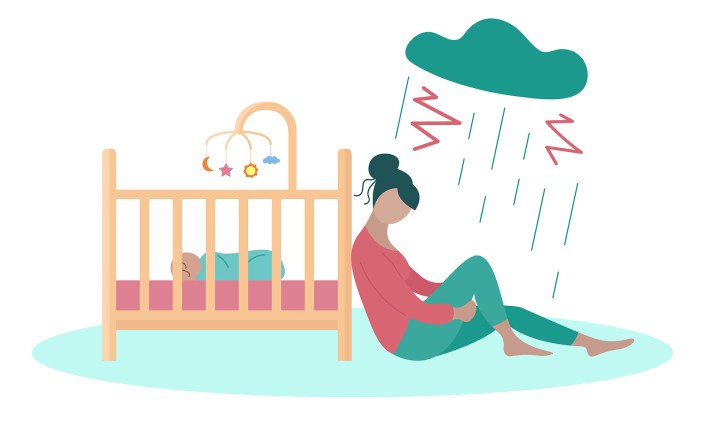
Maternal Mental Health Month: Postpartum Depression

Maternal Mental Health Month: Postpartum Depression

By Fiona McDermut

As we come to the end of Maternal Mental Health Month, it is important to recognize postpartum depression which affects one in ten new mothers. Postpartum depression is characterized by significant depressive symptoms following child birth. This is caused by the dramatic drop of hormone levels in the mother. Unfortunately, nearly half of these women are never diagnosed and therefore, never properly treated.

It is crucial to be able to identify what is normal after child birth. It is completely normal to have occasional bouts of sadness due to fluctuation in hormones, also known as “baby blues”. Many women also experience anxious thoughts as a new mother. This is frequent because of the newfound responsibility of being a parent combined with excitement and restlessness. Although these symptoms are not pleasant, they are extremely common and can go away on their own or with simple self-help techniques. Some easy self-help techniques include exercise, listening to music, exposure to morning light, and even physical touch such as more frequent hugs!

On the other hand, worrisome results of childbirth include major depressive disorder (MDD) and psychosis. Although the symptoms of MDD (sadness, lack of pleasure, loss of interest, etc.) are similar to normal feelings after childbirth, if these symptoms persist for more than two weeks, it is no longer something to brush off.

The two main treatments of postpartum depression include psychotherapy and anti-depressant medication. Cognitive behavioral therapy (CBT) and interpersonal therapy (IPT) have shown to be the most effective methods of psychotherapy treatment. Many find that the most effective results come from a combination of psychotherapy and medication. While there are many options for treatment, the best course of action is to get new mothers who are suffering from these symptoms in touch with a psychiatric professional as soon as possible, and to work with the doctor directly to select the most effective treatment plan for each individual.

If you or someone you know is struggling with postpartum depression, please contact our psychotherapy offices in New York or New Jersey to talk to one of our licensed professional psychologists, psychiatrists, psychiatric nurse practitioners, or psychotherapists at Arista Counseling & Psychotherapy. Contact our Paramus, NJ or Manhattan, NY offices respectively, at (201) 368-3700 or (212) 722-1920 to set up an appointment. For more information, please visit http://www.counselingpsychotherapynjny.com/

Sources:

https://www.psychologytoday.com/us/blog/demystifying-psychiatry/201707/possible-new-treatment-post-partum-depression

https://www.psychologytoday.com/us/blog/call/201903/post-partum-depression-what-it-is-and-how-it-is-treated

https://www.psychologytoday.com/us/blog/call/201701/depression-psychiatrist-s-recommendations-self-care

Image Source: https://www.google.com/imgres?imgurl=https%3A%2F%2Fres.cloudinary.com%2Fdyw8mv3b0%2Fimage%2Fupload%2Fc_fill%2Cg_face%2Cq_85%2Cw_710%2Ch_355%2Cf_auto%2Fv1%2Fnews%2F2021_04%2F2561982d-c1d3-4f7d-9529-84b7f2c44e74_xjw2id.jpg&imgrefurl=https%3A%2F%2Fwww.politicshome.com%2Fthehouse%2Farticle%2Fmaternal-mental-health-week&tbnid=t29_QLahacsWRM&vet=12ahUKEwj0tsm7rPj3AhWKrnIEHZiGDJoQMygOegUIARD2AQ..i&docid=VcXxB5YbuIGLWM&w=710&h=355&q=maternal%20mental%20health&ved=2ahUKEwj0tsm7rPj3AhWKrnIEHZiGDJoQMygOegUIARD2AQ

Insomnia: How Depression Is Related to Insomnia

By Kim Simone

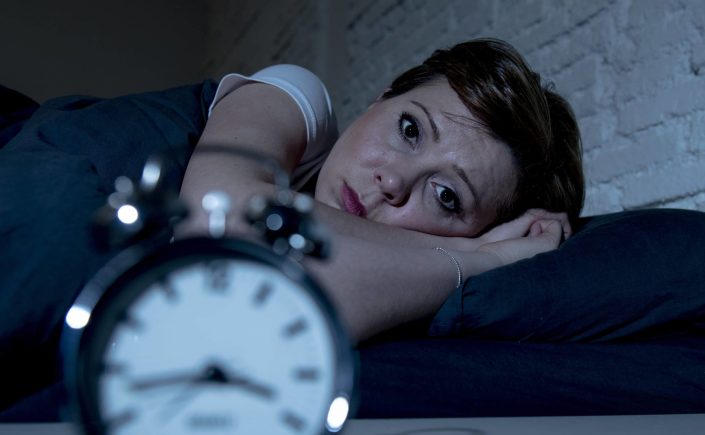
Symptoms of insomnia occur in approximately 33% to 50% of the adult population and undoubtedly affect a variety of areas of an individual’s life. In addition to a complaint of dissatisfaction with sleep quality or quantity, individuals may have difficulty falling asleep, difficulty maintaining sleep, and early-morning awakening with an inability to fall back to sleep. These difficulties may occur at least 3 nights per week and be present for at least 3 months.

Oftentimes, these sleep disturbances affect various parts of an individual’s daily life. As a result of poor sleep, individuals struggling with insomnia may display difficulties behaviorally, socially, academically.

Those struggling with depression oftentimes present with symptoms of insomnia, as the condition may influence their quality and/or quantity of sleep. Depressive symptoms often influence an individual’s quality of sleep and how much they sleep.

On the contrary, those struggling with insomnia oftentimes present with symptoms of depression. Since feelings of depression may cause individuals to lose interest in their daily activities and withdraw from those closest to them, therapy is often the treatment of choice to alleviate the depressive symptoms that result from a lack of quality and quantity of sleep.

Cognitive Behavioral Therapy can be useful in the treatment of insomnia. CBT-I is a form of CBT specifically aimed in treating the sleep condition. It concentrates on the specific thoughts and behaviors that disrupt sleep and helps in reframing the negative thoughts that may be associated with concepts related to sleep, such as “bed” and “sleep”.  As a result of CBT, anxieties related to sleep may be lessened, therefore, lessening the prevalence of insomnia.  

Sufferers of insomnia may need to speak to their therapist weekly over the course of two to three months to see an improvement in the quality and quantity of their sleep. As a result, symptoms of depression may be lessened, which may further improve the quality and quantity of their sleep.

If you or someone you know is struggling with insomnia and is seeking therapy, please contact our psychotherapy offices in New York or New Jersey to talk to one of our licensed professional psychologists, psychiatrists, psychiatric nurse practitioners, or psychotherapists at Arista Counseling & Psychotherapy. Contact our Paramus, NJ or Manhattan, NY offices respectively, at (201) 368-3700 or (212) 722-1920 to set up an appointment. For more information, please visit http://www.counselingpsychotherapynjny.com/

Sources:

https://my.clevelandclinic.org/health/diseases/12119-insomnia#:~:text=They%20affect%20up%20to%2070,at%2010%25%20to%2015%25.

https://www.psychologytoday.com/us/conditions/insomnia

Image Source:

Depression and Anxiety Post Retirement

By: Ashley Marron

While many people look forward to retirement and its freedom, it can also trigger anxiety, stress, and depression. In fact, the chance of a person facing clinical depression increases by 40% after retirement. People tend to give lots of thought when planning their retirement; whether it’s traveling the world, pursuing new hobbies, or spending more time with family and friends. However, they often overlook the psychological impact of retiring from work. While many new retirees find retiring to be a great relief from escaping the daily grind, they also find that after several months they may miss the sense of identity, meaning, and purpose that came with their job. They lose the structure that their job gave their days, as well as the social-aspect of having co-workers. Retirees may now feel bored and isolated, rather than free, relaxed and fulfilled. They may even grieve the loss of their old life, and feel stressed or worried about how they will now spend the future.

Retiring is a major life change, and it can seriously take a toll on one’s mental health. Seeking help from a professional can help provide coping mechanisms with these challenges of retirement. Therapy can also help in the treatment of depression and anxiety. There are certainly healthy ways to adjust to this new chapter in your life, and it should be an exciting time, not a negative experience. Therapy can help to ensure that your retirement is both rewarding and happy.

If you or someone you know is seeking therapy for depression or anxiety, please contact our psychotherapy offices in New York or New Jersey to talk to one of our licensed professional psychologists, psychiatrists, psychiatric nurse practitioners, or psychotherapists at Arista Counseling & Psychotherapy. Contact our Paramus, NJ or Manhattan, NY offices respectively, at (201) 368-3700 or (212) 722-1920 to set up an appointment. For more information, please visit http://www.counselingpsychotherapynjny.com/          

Sources

https://www.msn.com/en-us/health/wellness/post-retirement-depression-recognizing-the-signs/ss-BB1fWAss

Image Source

https://www.msn.com/en-us/health/wellness/post-retirement-depression-recognizing-the-signs/ss-BB1fWAss

Psychotherapy: Benefits of Rational Emotive Behavior Therapy (REBT)

By: Jasmyn Cuate

Rational emotive behavior therapy (REBT) is a type of cognitive behavioral therapy (CBT) that focuses on helping people recognize and change negative thinking patterns into positive, healthier ones. This method is an action-oriented approach helping to overcome any psychological problems or mental distress. The goal of REBT is to help people respond rationally to situations that would cause stress, depression, or other negative feelings. How does it work?

The ABC model is one concept of REBT. The model suggests that we may blame external situations for our unhappiness and it is our interpretation of these situations that truly causes the psychological distress. ABC stands for:

  • A: Activating event, when something happens in your environment
  • B: Belief, describes your thoughts about the situation
  • C: Consequence, which is your emotional response to your belief

With REBT, your therapist will help you learn how to apply the ABC model in your daily life. Your therapist may help you identify the activating event before encouraging you to figure out which belief led you to your negative feelings. Once you’ve identify the underlying issue, your therapist will work with you to change those beliefs and your emotional response towards the issue. Before changing your belief, a process called disputation takes place where your therapist will challenge your irrational beliefs using direct methods such as asking questions which causes you to re-think or have you imagine another point of view that you may have not considered before. REBT can help with Anxiety, Social anxiety disorder, distress, Depression, Disruptive behavior in children, Obsessive-compulsive disorder (OCD) and Psychotic symptoms.

Benefits of REBT:

  • Reduce feelings of anger, depression, anxiety, and distress
  • Improves health and quality of life
  • Better social skills and school performance

REBT helps you understand that you are worthy of self-acceptance no matter what even if you or others are struggling; there is no need for shame or guilt because everyone makes mistakes and it’s normal to feel some discomfort. REBT gives insight that others are also worthy of acceptance even if their behavior involves something you don’t like. Overall, REBT helps you have a healthy emotional response on learning from a situation and moving on. This allows you to understand that negative things will sometimes happen in life therefore there is no rational reason to always expect it to be positive when faced with a situation.

If you or someone you know is seeking for cognitive behavioral therapy or rational emotive behavior therapy, please contact our psychotherapy offices in New York or New Jersey to talk to one of our licensed professional psychologists, psychiatrists, psychiatric nurse practitioners, or psychotherapists at Arista Counseling & Psychotherapy. Contact our Paramus, NJ or Manhattan, NY offices respectively, at (201) 368-3700 or (212) 722-1920 to set up an appointment. For more information, please visit http://www.counselingpsychotherapynjny.com/

Source: https://www.verywellmind.com/rational-emotive-behavior-therapy-2796000