Nicotine Addictions

Isabelle Kreydin

People living with mental illness have a high rate of tobacco addiction. In America, 44.3% of all cigarettes are consumed by individuals who live with mental illness and substance abuse disorders. What’s it mean to be addicted? You might have problems paying attention, trouble sleeping, appetite change, and/or powerful cravings for tobacco at least once a day.

The nicotine in any tobacco product absorbs into ones blood when a person uses it. Upon entering the blood, nicotine stimulates the adrenal glands to release the hormone epinephrine, otherwise known as adrenaline. Nicotine increases levels of the chemical dopamine, which affects parts of the brain that control reward and pleasure. Those who suffer from mental illnesses such as depression, anxiety, schizophrenia, etc. commonly lack a consistent flow of dopamine (as well as other neurotransmitters), and the nicotine can therefore be a sort of temporary enhancer and mood booster.

The addiction itself however, is more about the lies one feeds to himself, the subconscious thought that the cigarettes, e-cigarette or other drug will truly fill a void in the addict’s mind or body. Those struggling with addiction have something in common: an ache that they believe can be dimmed. Whether it’s simply a drug to relieve temptation, or tension in the mind or of thoughts, it’s still an unhealthy coping mechanism.

Like most drug addictions, nicotine only provides one with temporary relief or a brief time away from reality. Every year, smoking kills about 200,000 people who live with mental illness. Please do not be one of those statistics.

Smoking is known to cause heart disease, stroke and lung disease, among other medical problems. Second-generation atypical antipsychotic medications (SGAs) cause an increased risk of heart disease, so it’s important that individuals living with mental illness quit smoking. Like an e-cigarette, smokeless tobacco products contain 3 to 4 times more nicotine than cigarettes and contain substances that increase risk of oral and oropharyngeal cancer. If you ever wanted to quit your addiction in the future, it would only be more difficult, as your body becomes dependent on the chemicals and drugs you chose to feed it. Recovery is a long process, however very possible.

If you are struggling with substance abuse or any other kind of addiction, the psychologists, psychiatrists, and therapists at Arista Counseling and Psychiatric Services can help.  Contact the Bergen County, NJ or Manhattan offices at (201) 368-3700 or (212) 722-1920.  Visit http://www.acenterfortherapy.com for more information.


Postpartum Depression: Psychosocial Risk Factors

Postpartum Depression: Psychosocial Risk Factors

Written by: Jinal Kapadia

Postpartum depression, is a mood disorder that can affect women after childbirth. Mothers with postpartum depression generally experience feelings of extreme sadness, anxiety, and exhaustion that can make it difficult for them to complete daily care activities for themselves or for others. (Nimh.nih.gov, 2018)

There are multiple risk factors that make some women more susceptible to postpartum depression than others. A first-time mother is at a higher risk for depression. Fatigue, which can be caused by the actual process of giving birth, the energy spent on caring for the baby, and tending to other responsibilities can also lead to depression. Women who are single mothers with less social support are also more susceptible. A woman’s feelings towards her pregnancy, such as negativity or ambivalence, increases her chances for depression. (Psychology Today, 2018)

Another risk factor is a woman’s past, such as the loss of her mother or a poor mother-daughter relationship. This can cause a woman to feel unsure about her newly developing relationship with her baby. Women who have babies by cesarean birth take longer to recover and are, therefore, more likely to be stressed, have lower self-esteem, and feel more depressed. Women who have premature babies often become depressed because the early birth results in unexpected changes in routine and is an added stressor. Lastly, a baby with a birth defect or other challenges (e.g. infantile colic) can make adjustment even more difficult for parents. (Psychology Today, 2018)

If you or someone you know has postpartum depression or seems to have the symptoms of postpartum depression, and needs help, please contact our psychotherapy offices in New York or New Jersey to talk to one of our licensed professional psychologists, psychiatrists, psychiatric nurse practitioners, or psychotherapists at Arista Counseling & Psychotherapy. Contact our Paramus, NJ or Manhattan, NY offices respectively, at (201) 368-3700 or (212) 722-1920 to set up an appointment. For more information, please visit http://www.counselingpsychotherapynjny.com/.

Sources:

Psychology Today. (2018). Postpartum Disorder | Psychology Today. [online] Available at: https://www.psychologytoday.com/us/conditions/postpartum-disorder [Accessed 12 Apr. 2018].

Nimh.nih.gov. (2018). Postpartum Depression Facts. [online] Available at: https://www.nimh.nih.gov/health/publications/postpartum-depression-facts/index.shtml [Accessed 12 Apr. 2018].

Narcissistic Personality Disorder

Isabelle Kreydin

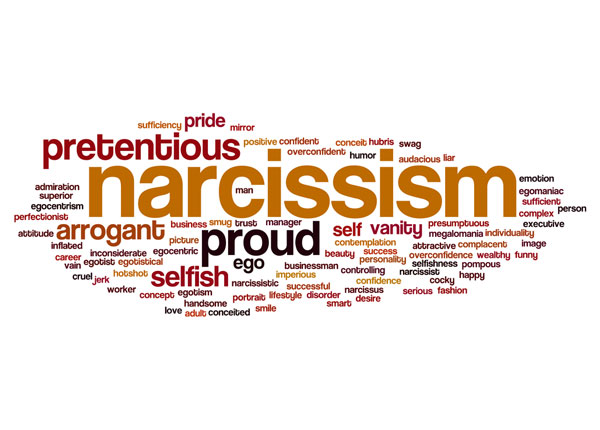
You’ve heard about bipolar personality obsessive-compulsive disorder, paranoia disorder, and probably a handful of other ones. One of the less uncommon and less discussed one is narcissistic personality disorder. This is a mental condition in which a person has an inflated sense of their own importance, a deep need for excessive attention and admiration, troubled relationships, and a lack of empathy for others.

What lies behind the disorder? Behind the mask of extreme confidence, arrogance and/or pompousness there is a fragile self-esteem that’s vulnerable to the slightest criticism, insult, or contempt. They may find their relationships unfulfilling, and others may not enjoy being around them when they feel the persons need for superiority which can lead to actions and words of disrespect.

Why does this disorder get diagnosed? Most believe that the causes are due to genetics as well as social factors, and the person’s early development such as family, personal temperament, school system, and learned coping skills to deal with stress.

What are some more possible symptoms? It’s their way or the highway, they won’t ever be wrong in situations, and if they admit to be wrong, they will put another down just in order to convince themselves that they are in the right, they can have ease lying; they can charm, falsely accuse, mooch, betray, mirror, compete, destroy, and manipulate easily. They are known also to commonly abuse drugs, alcohol or nicotine.

What problems does this disorder cause? It causes unstable and trouble in relationships, work, school or financial affairs. People with narcissistic personality disorder may be generally unhappy, and may take this out on another human and gain the personality trait that is sadistic.

How can we help the issue? After acceptance, treatment of this personality disorder typically involves long-term therapy, possible medication, and continuing to relate better with others in relationships, working towards empathy, understanding the cause of ones emotions and what drives one to compete and distrust, practicing tolerance, and trying to release ones desire for unattainable goals and ideal conditions.If you or a person you know is struggling with a narcissistic personality disorder, or any personality disorder, it may be beneficial to have them contact a mental health professional and receive therapy for their illnesses. The psychologists, psychiatrists, and therapists at Arista Counseling and Psychiatric Services can help.  Contact the Bergen County, NJ or Manhattan offices at (201) 368-3700 or (212) 722-1920.  Visit http://www.acenterfortherapy.com for more information.

To find out more information, visit: https://www.mayoclinic.org/diseases-conditions/narcissistic-personality-disorder/symptoms-causes/syc-20366662

Borderline Personality Disorder

By Jennifer Guzman

Border-What-personality?

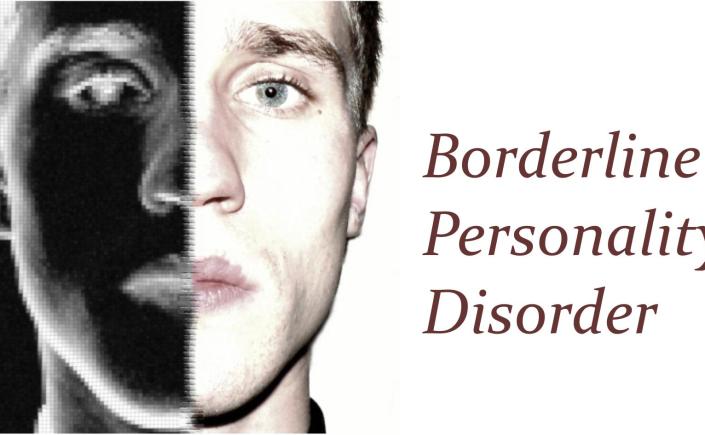
Borderline Personality Disorder (BPD) is a common disorder categorized under “mood disorders” in the DSM. Although it is common, many individuals who have it are often misdiagnosed with Bipolar Disorder, as they share a few commonalities and may be easily confused. Very frequently, this may be the case, as studies have shown that a plethora of individuals who were diagnosed with Borderline Personality Disorder were previously diagnosed with Bipolar Disorder until they were properly diagnosed (Ruggero, Zimmerman, Chelminski, & Young, 2010). However, a key distinguisher between the two is that with Borderline Personality Disorder, mood shifts occur as a result of a situation, whereas mood shifts in a person with Bipolar Disorder may occur sporadically.

A few key symptoms for Borderline Personality Disorder are impulsive behavior, feeling as though you are unsure of your identity, frequent mood shifts, feeling bouts of extreme idealization or repulsion towards a person, place, or thing, extreme fear of abandonment, or difficulty/apprehension towards trusting in others.

Treatment procedures for Borderline Personality Disorder usually entail Dialectic Behavioral Therapy (DBT), which focuses on practicing mindfulness and the rewiring of harmful behaviors. Medication is provided as needed and varies from person to person. If you experience any of the above symptoms, please visit our psychologists, psychiatrists, psychiatric nurse practitioner, or psychotherapists. If you are in a crisis, please call 1-800-273-8255. For therapy, you can give Arista Counseling a call at (201) 368-3700, for our Paramus location, or (212) 722-1920 to set up an appointment.

Ruggero, C.J., Zimmerman, M., Chelminski, I., Young, D. (2010). Borderline Personality Disorder and the Misdiagnosis of Bipolar Disorder. Journal of Psychiatric Research. 44(6), 405-408.

Seasonal Affective Disorder: What is it?

Seasonal Affective Disorder

Written by: Jinal Kapadia

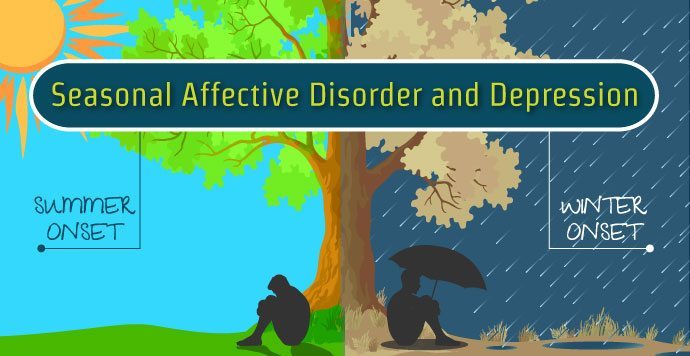
Seasonal Affective Disorder (SAD) is a peculiar disorder. In fact in is not a disorder at all. It is actually a type of depression displayed in a recurring seasonal pattern. In order to be diagnosed with Seasonal Affective Disorder, the patient must meet the full criteria for major depression coinciding with specific seasons (appearing in the winter or summer months) for at least 2 years.

Some general symptoms include feeling depressed most of the day nearly every day, feeling hopeless or worthless, losing interest in activities that were once enjoyed, having difficulty concentrating, and/or having thoughts of death or suicide. There are also specific symptoms that vary based on either the winter or summer seasons. In the winter, a person with Seasonal Affective Disorder may experience low energy, hypersomnia, overeating, weight gain, cravings for carbohydrates, and social withdrawal (feel like “hibernating”). Although, summer seasonal affective disorder is less frequent, the specific symptoms for this season include poor appetite, weight loss, insomnia, agitation, restlessness, anxiety, and episodes of violent behavior. Forms of treatment for Seasonal Affective Disorder include medication, Psychotherapy (cognitive behavioral therapy and behavioral activation), and Vitamin D supplementation.

If you or someone you know has Seasonal Affective Disorder or seems to have the symptoms of SAD, and needs help, please contact our psychotherapy offices in New York or New Jersey to talk to one of our licensed professional psychologists, psychiatrists, psychiatric nurse practitioners, or psychotherapists at Arista Counseling & Psychotherapy. Contact our Paramus, NJ or Manhattan, NY offices respectively, at (201) 368-3700 or (212) 722-1920 to set up an appointment. For more information, please visit http://www.counselingpsychotherapynjny.com/.

Source: Seasonal Affective Disorder. (2016, March). Retrieved January 09, 2018, from https://www.nimh.nih.gov/health/topics/seasonal-affective-disorder/index.shtml