Bipolar Disorder: The Impact on Family Dynamics

Bipolar Disorder: The Impact on Family Dynamics

By, Maro Mikhaeil

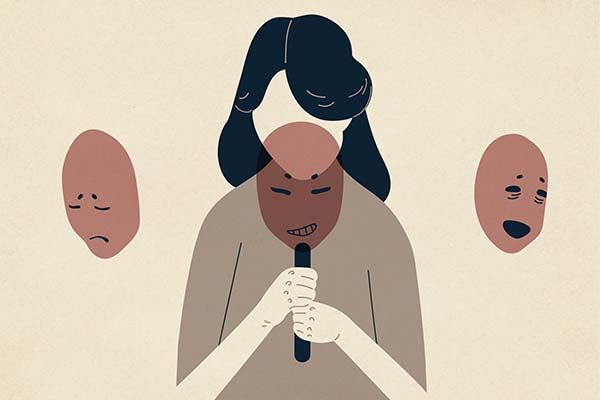
Living with a family member who has a mental illness is never fun. Especially when it comes to bipolar disorder, which is a disorder where the individual will have frequent highs and lows. This can sometimes be hard on the family members as they witness their loved one struggle and take it out on the family. Individuals with bipolar disorder often go through many hardships and, unfortunately, may not always want to seek help. This can lead to broken families and trauma for other family members. Some individuals may even go undiagnosed, which leads to more devastating consequences that will derail their lives in significant ways.

Types of Bipolar Disorder:

There are two types of Bipolar Disorder: Bipolar Disorder I and Bipolar Disorder II. Bipolar Disorder I is more severe than Bipolar Disorder II and usually is characterized by several days of insomnia because of mania. Mania is characterized by increased energy, excessively high moods, extreme irritability, racing thoughts, distractibility, spending sprees, and denial that anything is wrong.  As for Bipolar Disorder II, the disorder is characterized as experiencing hypomanic episodes, but it is also accompanied by severe depression-like symptoms just as severe as Bipolar Disorder I. These disorders are treatable with medications and psychotherapy. Medications may include mood stabilizers, antidepressants, and antipsychotics to manage elevated mood and depressed episodes.

What can I do to help a loved one with bipolar disorder?

Although it can be tough to be around someone with bipolar disorder, it is also important to understand the illness and seek out a professional that can help. A person with bipolar disorder usually feels isolated because of the condition and faces obstacles on a daily basis. Supporting a family member who may be suffering from this condition is essential for their recovery. Keep in mind that people with bipolar disorder can still lead fulfilling lives, but strongly depends on their support system and their willingness to get help.

If you or someone you know is struggling with bipolar disorder or has a family member with the disorder, please contact our psychotherapy offices in New York or New Jersey to talk to one of our licensed professional psychologists, psychiatrists, psychiatric nurse practitioners, or psychotherapists at Arista Counseling & Psychotherapy. Contact our Paramus, NJ, or Manhattan, NY, offices, respectively, at (201) 368-3700 or (212) 722-1920 to set up an appointment. For more information, please visit http://www.counselingpsychotherapynjny.com/.

Sources:

https://www.healthline.com/health/bipolar-disorder/bipolar-1-vs-bipolar-2#treatment

https://www.heretohelp.bc.ca/infosheet/bipolar-disorder-effects-on-the-family

Intergenerational Trauma: What is it?

Intergenerational Trauma: What is it?

By Erika Ortiz

            Intergenerational trauma is a term used to describe the difficulties or challenges a family has experienced for generations. Intergenerational trauma can inflict negative feelings and experiences through either an individual or the family as a whole. It usually starts with one family member who has had a traumatic experience. The family members then goes on to either repeat the action that traumatized them or project their feelings onto family members, continuing the cycle of trauma. Historical trauma can catalyze intergenerational trauma. For example, a great-grandmother survived the Holocaust; however, she now behaves in a very reserved and cold manner, so she struggles to express emotions such as love and compassion. Since she raised her children in such a manner, they may grow and have children and display that same type of avoidant relationship. Another example can be that a mother was sexually abused when she was younger, her daughter was also sexually abused, and her granddaughter suffered from that experience. The individual who suffers the trauma can pass down and then project the feelings that were felt at the time of the incident. Since they most likely did not receive the proper care and treatment to manage the mental health issues that they were experiencing, they relayed that same traumatic feeling to the next generation of their family. Hence, it is critical to seek professional help. Here are some ways to cope/deal with inter-generational trauma:

  • Break the cycle- interrupt and prevent the repetition of trauma
  • Hear each other out- although this can be difficult, listening is key to fixing
  • Get the professionals involved- the best way to cope with any mental health issue or fragmented relationship is to get a qualified professional’s help


Source:

https://www.choosingtherapy.com/intergenerational-trauma/

If you or someone you know is experiencing intergenerational trauma or other traumas, please contact our psychotherapy offices in New York or New Jersey to talk to one of our licensed professional psychologists, psychiatrists, psychiatric nurse practitioners, or psychotherapists at Arista Counseling & Psychotherapy. Contact our Paramus, NJ or Manhattan, NY offices respectively at (201) 368-3700 or (212) 722-1920 to set up an appointment. For more information, please visit https://www.counselingpsychotherapynjny.com

Bipolar Disorder: What is Bipolar Disorder?

Bipolar Disorder: What is Bipolar Disorder?

By Lynette Rivas

Bipolar disorder is a psychiatric health disorder that causes changes to an individual’s mood, energy, and their ability to function. Bipolar disorder is accompanied by mood episodes that can last distinct periods of times, such as days or weeks. This disorder is common among families where 80% to 90% of individuals with bipolar disorder have a relative with the same diagnosis.

Mood episodes are categorized as manic, hypomanic, or depressive. A manic or hypomanic episode is when the individual is abnormally happy or in an irritable mood for an extended period of time, that is at least one week. These episodes can also include a decreased need for sleep, faster speech, uncontrollable racing thoughts, distractibility, and/or increased risky behavior. To be considered an episode, these behaviors must represent a change from the individual’s usual behavior and the symptoms must be severe enough to cause dysfunction at work or in social activities.

A hypomanic episode is less severe than a manic episode. The symptoms need to only last for at least four days and they do not cause dysfunction in daily life. A depressive episode must be at least two weeks long and include an intense feeling of sadness, loss of interest in activities, feelings of worthlessness, increased or decreased sleep, restlessness, and/or difficulty concentrating. These symptoms must also be a change from the individual’s usual behavior.

There are three types of bipolar disorders which include: bipolar I, bipolar II, and cyclothymic disorder. 

Bipolar I

Bipolar I disorder is when the individual has had at least one manic episode that may be followed by a hypomanic or a major depressive episode.

Bipolar II

Bipolar II disorder is when the individual has had at least one major depressive episode and one hypomanic episode, but has never experienced a manic episode.

Cyclothymic Disorder

Cyclothymic disorder is when the individual has had at least two years, in adolescence, where there have been many periods of hypomania and depressive symptoms.

Bipolar disorder is a serious mental health condition that is treatable with medications and psychotherapy, so it is important to seek treatment from a mental health professional if you experience any of these symptoms.

If you or someone you know is experiencing manic, hypomanic, and/or depressive episodes please contact our psychotherapy offices in New York or New Jersey to talk to one of our licensed professional psychologists, psychiatrists, psychiatric nurse practitioners, or psychotherapists at Arista Counseling & Psychotherapy. Contact our Paramus, NJ or Manhattan, NY offices respectively at (201) 368-3700 or (212) 722-1920 to set up an appointment. For more information, please visit https://www.counselingpsychotherapynjny.com

Sources:

https://www.mayoclinic.org/diseases-conditions/bipolar-disorder/symptoms-causes/syc-20355955

https://psychiatry.org/patients-families/bipolar-disorders/what-are-bipolar-disorders

https://www.istockphoto.com/illustrations/bipolar-disorder

Laziness: The Harmful Effects of the Term “Lazy” on Mental Health

By: Rebecca Fernandez

               “Lazy” is a common uncomplimentary term in modern vocabulary for when someone is unproductive. Think back to a time a group member failed to pull their weight in a group project, or a time someone procrastinated severely, leaving everything for the last minute and creating a poor final product. Consider even a time where you witnessed someone who, by early afternoon, was seemingly unable to bring themselves to get out of bed to start the day.

Whether it was yourself or someone else that you imagined, it’s easy to write off everyone in those examples as lazy. However, there’s a major issue with doing that – “laziness” is often not the cause of these situations. Rather, many mental health conditions can create issues that simulate behaviors identical to laziness.

Take, for example, disorders such as attention deficit hyperactivity disorder (ADHD), depression and other mood disorders, insomnia and other sleep disorders, and anxiety disorders including obsessive compulsive disorder (OCD) and generalized anxiety disorder (GAD). Each of these conditions can negatively impact a person’s ability to be productive, making them appear lazy. People with ADHD can often find themselves imagining all of the tasks they could be engaging in at once and becoming so overwhelmed they feel almost paralyzed. People with depression and other mood disorders often lack the mental energy to accomplish anything. Similarly, people with insomnia and other sleep disorders often lack the physical energy to accomplish anything. People with GAD may have a crippling fear that they won’t be good enough at something, preventing them from attempting to do the task in question. People with OCD may have a crippling (rational or irrational) fear that something bad will happen if they do specific things, preventing them from doing those things.

               All of these explanations are generalized and therefore may not apply to everyone with each listed disorder, or be the only applicable factor for each disorder’s effect on laziness. However, if you or someone you know has been consistently labeled as lazy, remember that “laziness” is often more than how it appears on the surface, and that actively struggling with mental health does not make a person a failure.

If you or someone you know is exhibiting signs of “laziness” as described above that are getting in the way of day-to-day life, please contact our psychotherapy offices in New York or New Jersey to talk to one of our licensed professional psychologists, psychiatrists, psychiatric nurse practitioners, or psychotherapists at Arista Counseling & Psychotherapy. Contact our Paramus, NJ or Manhattan, NY offices respectively, at (201) 368-3700 or (212) 722-1920 to set up an appointment. For more information, please visit http://www.counselingpsychotherapynjny.com/

https://www.psychologytoday.com/us/blog/hide-and-seek/201410/the-psychology-laziness

Borderline Personality Disorder and Bipolar Disorder; Distinguishing Between the Two

Borderline Personality Disorder and Bipolar Disorder; Distinguishing Between the Two

By: Stacey Rodriguez

Borderline Personality Disorder (BPD) and Bipolar Disorder (BD) have many overlapping symptoms, causing them to manifest similarly. BPD is characterized by a pattern of unstable emotion, behavior and self-image. Similarly, BD is marked by unusual and extreme shifts in energy and mood.

Mood swings in the context of BPD are more frequent, shorter lived, and triggered by situational factors; they are largely a product of a distorted perception of reality fueled by dysfunctional core beliefs. Contrastingly, manic and depressive episodes experienced by those with BD are not directly induced by external stimuli, but rather a result of chemical imbalances. These episodes last for a minimum of 7 days and can be intersected by symptom free periods. While impulsivity is a key marker in both, it is important to note that in bipolar disorder it occurs most frequently during periods of mania, whereas it is unrelated to mania in BPD.

A common correlation between the two disorders is family history. Though, history of trauma seems to be a distinguishing factor as it is most particular to BPD, whereas genetics seem to play a larger part in BP.

Though BPD and BD are distinctly separate, in some cases, they can co-occur. While being informed on the nature of these two disorders is beneficial, it is essential for an individual to seek help from a mental health specialist if either seem to be present.

If you or someone you know is seeking therapy for Bipolar Disorder or Borderline Personality Disorder, please contact our psychotherapy offices in New York or New Jersey to talk to one of our licensed professional psychologists, psychiatrists, psychiatric nurse practitioners, or psychotherapists at Arista Counseling & Psychotherapy. Contact our Paramus, NJ or Manhattan, NY offices respectively, at (201) 368-3700 or (212) 722-1920 to set up an appointment. For more information, please visit http://www.counselingpsychotherapynjny.com/

Sources: https://www.nami.org/Blogs/NAMI-Blog/June-2017/Borderline-Personality-Disorder-and-Bipolar-Disord

https://www.medicalnewstoday.com/articles/324375#diagnosis

Image Source: https://ibpf.org/how-to-know-if-you-have-bipolar-disorder-adhd-or-borderline-personality-disorder/

Bipolar Disorder: Loving someone with bipolar disorder, the ups and downs

Bipolar Disorder: Loving someone with bipolar disorder, the ups and downs
By Zoe Alekel

Loving someone with bipolar disorder can be a challenge if you don’t have the right tools and knowledge to help both you and your loved one. The first step in loving someone with bipolar disorder would be to understand what it means to be bipolar. Although you may never know exactly how your loved one feels, it is important to understand and educate yourself about their behaviors and emotions. According to the Mayo Clinic, bipolar disorder is a mental health condition that causes extreme mood swings that include emotional highs (mania or hypomania) and lows (depression). To understand what your loved one is going through, it is key to remind yourself that your loved one can’t always control these emotional mood swings—and more importantly it is not a reflection of you or how they feel about you.

It is understandable that it can be difficult to understand these seemingly sudden and intense mood swings, and your loved one struggling with bipolar disorder may already know this and feel bad about how it affects you. Make sure you approach them with kindness, and always ask them what you can do to help them. Sometimes space and understanding that the mood swing will pass is enough support for your loved one. No matter how involved or uninvolved they want you to be with their mental health, always respect their wishes.

One thing you can do to help you cope with your loved one’s bipolar disorder is to find others that have loved ones with bipolar disorder as well. Additionally, you can reach out to a therapist to share your feelings and the struggles that you experience as someone who has a loved one diagnosed with bipolar disorder. A way you can further educate yourself on bipolar disorder is to visit the National Alliance on Mental Illness (NAMI) website. NAMI provides credible information for those with loved ones diagnosed with bipolar disorder, and suggests you can try the following to help a family member or friend with bipolar disorder:

  • Recognizing and preventing serious mood episodes/ mood swings
  • Being able to recognize the warning signs of mania and depression
  • Making sure your loved one is taking their medication regularly and consistently (as directed)
  • Communicating and making time to talk to your loved one about their feelings when they feel ready
  • Remaining calm and rational with your loved one
  • Keeping a positive attitude and a clear mind to help your loved one the best you can
  • Reaching out for psychological support for you and your loved one

If you or someone you know is struggling with bipolar disorder, please contact our psychotherapy offices in New York or New Jersey to talk to one of our licensed professional psychologists, psychiatrists, psychiatric nurse practitioners, or psychotherapists at Arista Counseling & Psychotherapy. Contact our Paramus, NJ or Manhattan, NY offices respectively, at (201) 368-3700 or (212) 722-1920 to set up an appointment. For more information, please visit http://www.counselingpsychotherapynjny.com/

Sources: https://nami.org/About-Mental-Illness/Mental-Health-Conditions/Bipolar-Disorder/Support#:~:text=NAMI%20and%20NAMI%20Affiliates%20are%20there%20to%20provide,about%20bipolar%20disorder%20or%20finding%20support%20and%20resources.

https://www.psychologytoday.com/us/blog/insight-is-2020/201206/bipolar-disorder-loving-someone-who-is-manic-depressive

https://www.mayoclinic.org/diseases-conditions/bipolar-disorder/symptoms-causes/syc-20355955#:~:text=Both%20a%20manic%20and%20a%20hypomanic%20episode%20include,sprees%2C%20taking%20sexual%20risks%20or%20making%20foolish%20investments

Image Source: https://www.bing.com/images/search?view=detailV2&ccid=Yu1OAouO&id=1B4D516A8A17EF4EE248CCCBAD2EC46DA7E6585F&thid=OIP.Yu1OAouOT_6cQM6Ql4oDYQHaLW&mediaurl=https%3a%2f%2fi.pinimg.com%2foriginals%2f13%2fbb%2f82%2f13bb82bf3d3c1b28a560d610c2d17fad.jpg&exph=1128&expw=736&q=loving+someone+with+bipolar+disorder&simid=608040637685434558&ck=DC1BFB40548A0FA375883D67352A1C1F&selectedIndex=21&FORM=IRPRST&ajaxhist=0

Anxiety, Depression, Eating Disorders, ADHD, Et al: How to Support a Friend with Mental Illness

By: Sarah Cohen

When helping a friend with a mental illness, the first step should be assessment of their symptoms. Sometimes they just might be going through a difficult time, but if certain common symptoms associated with mental health issues persist it is imperative to respond sensitively. Majority of the time, friends will just want to know they have your support and that you care about them. A good way to show your support is by talking to them. If you provide a non-judgmental space for them to speak about their issues it will help encourage them to be open with their problems. Let them lead the conversation and don’t pressure them to reveal information. It can be incredibly difficult and painful to speak about these issues and they might not be ready to share everything. If you aren’t their therapist do not diagnose them or make assumptions about how they are feeling, just listen and show you understand. If someone doesn’t want to speak with you, don’t take it personally, just continue to show them you care about their wellbeing and want to help as much as possible. Just knowing they have support can give them the strength they need to contact someone who can help them.

If a friend is having a crisis, such as a panic attack or suicidal thoughts, you must stay calm. Try not to overwhelm them by asking a lot of questions and confronting them in a public setting. Ask them gently what would be helpful to them right now or reassure them. If they hurt themselves, get first aid as soon as possible. If someone is suicidal, contact the suicide hotline at 800-237-8255 immediately.

The best way to help someone is by connecting them to professional help. By expressing your concern and support you can show them that they can get help and their mental health problems can be treated.

If you or someone you know needs support with their mental illness, please contact our psychotherapy offices in New York or New Jersey to talk to one of our licensed professional psychologists, psychiatrists, psychiatric nurse practitioners, or psychotherapists at Arista Counseling & Psychotherapy. Contact our Paramus, NJ or Manhattan, NY offices respectively, at (201) 368-3700 or (212) 722-1920 to set up an appointment. For more information, please visit http://www.counselingpsychotherapynjny.com/

https://www.mentalhealth.org.uk/publications/supporting-someone-mental-health-problem

https://www.mentalhealth.gov/talk/friends-family-members

Bipolar Disorder: How to Support a Spouse with Bipolar Disorder

Bipolar Disorder: How to Support a Spouse with Bipolar Disorder

By: Isabelle Siegel

Bipolar Disorder is characterized by alternating manic (“elevated, expansive, or irritable mood”) and depressive (“depressed mood or loss of interest or pleasure in life”) episodes. The disorder causes significant suffering for the individual diagnosed, as well as his/her loved ones. It can be extremely difficult to support a partner or spouse with Bipolar Disorder, but it is possible with the right mindset and preemptive actions.

Develop an understanding of Bipolar Disorder and how it manifests in your partner/spouse. Psych Central suggests creating a list of warning signs that your partner/spouse starts to exhibit before or while entering a manic or depressive episode. This will help you to better understand your partner/spouse, as well as enable you to interpret his/her behaviors in the context of the disorder.

Learn what helps (and what does not help) when your partner/spouse is in a manic or depressive episode. When your partner/spouse is stable, work together to create a list of actions you can take to alleviate symptoms when he/she is in a manic or depressive episode.

Communicate. As cliche as it sounds, open communication is integral to maintaining a relationship with someone who has Bipolar Disorder. It is important that each partner/spouse feels heard and validated at all times.

During manic or depressive episodes, understand your partner’s/spouse’s behavior in the context of the disorder. During episodes, it is important to view your partner’s/spouse’s actions and words as symptoms of a disorder rather than as reflective of his/her true feelings. If your partner/spouse says something hurtful, for example, try to understand the role that the disorder is playing in causing this behavior.

Allow yourself to feel frustration, upset, or any other emotion. Understand that Bipolar Disorder is an illness and that it is normal for difficult or conflicting emotions to arise. Do not feel guilty for feeling frustrated, upset, angry, resentful, or even for wanting to leave your partner/spouse at times. All of these feelings are normal.

Most importantly, take care of yourself and seek therapy. Understand that your partner/spouse is not the only one who needs support and never feel guilty for prioritizing your own needs. It can be beneficial to seek therapy or other support in order to take care of your own mental health and to work through difficult emotions.

If you or a loved one needs support and help understanding yourself and/or a family member, the licensed psychologists, psychiatrists, psychiatric nurse practitioners, and psychotherapists at Arista Counseling & Psychotherapy can assist you. Contact our Paramus, NJ or Manhattan, NY offices respectively, at (201) 368-3700 or (212) 722-1920 to set up an appointment. For more information, visit http://www.counselingpsychotherapynjny.com/

Sources:
https://psychcentral.com/blog/helping-your-partner-manage-bipolar-disorder/
https://www.nami.org/personal-stories/living-with-someone-with-bipolar-disorder
https://www.healthline.com/health/bipolar-disorder/relationship-guide
https://www.psycom.net/bipolar-definition-dsm-5/

Image Source:
https://medium.com/@christinacare/a-guide-to-supporting-a-partner-in-therapy-f0d64575558

Depression: Difference between Unipolar and Bipolar Depression

By Gabriella Phillip

Eliciting a history of brief periods of improved mood is the key to differentiating between unipolar and bipolar depression. Bipolar spectrum disorders typically begin earlier in life than unipolar depression; the usual sign of bipolar disorder in young children could be depression and/or a combination of depression and states of mania/hypomania. It’s significant to ask the patient how old they were when they first experienced a depressive episode. Men have a higher rate of bipolar disorder than women, but the rates for unipolar depression in men and women are more equal.

Some patients with bipolar spectrum disorder can go from normal to severely depressed technically overnight whereas unipolar depressive episodes tend to occur more gradually. Patients with bipolar spectrum depression tend to experience weight gain and crave carbs, while those with unipolar depression usually experience weight loss or loss of appetite. Patients suffering from bipolar depression tend to show irregular responses to antidepressant monotherapy, including switching into mania. Bipolar spectrum disorder is an inheritable mental illness, so it’s vital to take family history into consideration. While patients diagnosed with unipolar depression usually note that their symptoms fluctuate in a more stable, regular pattern, those with bipolar depression have moods that can vary unpredictably, usually with no cause.

When treating bipolar depression, antidepressants are used in combination with some sort of mood stabilizer. Treatment for unipolar depression can include medication like SSRIs and antidepressants, often in combination with cognitive behavioral therapy (CBT) and psychotherapy. Screening instruments including the Bipolar Spectrum Diagnostic Scale and the Mood Disorders Questionnaire can be effective and helpful tools in differentiating unipolar from bipolar depression.

If you or someone you know is struggling with Bipolar Disorder or Unipolar Depression, Arista Counseling and Psychotherapy can help. Please contact our psychotherapy offices in New York or New Jersey to talk to one of our licensed professional psychologists, psychiatrists, psychiatric nurse practitioners, or psychotherapists at Arista Counseling & Psychotherapy. Contact our Paramus, NJ or Manhattan, NY offices respectively, at (201) 368-3700 or (212) 722-1920 to set up an appointment. For more information, please visit http://www.counselingpsychotherapynjny.com/ .

Sources

https://www.psychiatrictimes.com/special-reports/major-depressive-episode-it-bipolar-i-or-unipolar-depression

https://www.ncbi.nlm.nih.gov/pmc/articles/PMC2850601/

https://www.cambridge.org/core/journals/the-british-journal-of-psychiatry/article/unipolar-and-bipolar-depression-different-or-the-same/AE364DFBFFBAF1F66A9294A55120C64E/core-reader


CBT & DBT

Image result for cbt and dbt therapy

CBT & DBT

By: Vanessa Munera

When it comes to psychotherapy, there are different types. Psychotherapy is also known as “talk therapy”. According to the American Psychiatric Association, “Psychotherapy is a way to help people with a broad variety of mental illnesses and emotional difficulties”. This is when an individual speaks with a therapist or psychologist in a safe and confidential environment. During these talk sessions, you are able to explore and understand your feelings and behaviors, and develop coping skills. In fact, research studies have found that individual psychotherapy can be effective at improving symptoms in a wide array of mental illnesses, making it both popular and versatile treatment. There are different types of psychotherapy that can assist people. The most common types of psychotherapy are Cognitive Behavioral Therapy (CBT) and Dialectical Behavioral Therapy (DBT).

Cognitive Behavioral Therapy or CBT, is a form of therapy that consists of focusing on exploring relationships among a person’s thoughts, feelings and behaviors. This type of therapy helps patients gain control over and accept unwanted thoughts and feelings so that they can better manage harmful or unwanted behaviors. CBT is usually used to treat conditions related to anxiety, depression, substance abuse, eating disorders, and social skills. As a matter of fact, Cognitive Behavioral Therapy has been shown to be an effective treatment for these conditions, as well as improving brain functioning. CBT can benefit people at any age, such as a child, adolescent, and adult.

Dialectical Behavioral Therapy, or DBT, is a type of therapy that was originally designed to help individuals with borderline personality disorder (BPD). Over time, this type of therapy has been adapted to help treat people with multiple different mental illnesses, but it is mostly used to treat patients who have BPD as a primary diagnosis. Although DBT is a form of CBT, it has one big exception: it emphasizes validation and accepting uncomfortable thoughts, feelings and behaviors instead of struggling with them. DBT allows patients to come in terms with their troubling thoughts, emotions, or behaviors that they have been struggling with. Studies of Dialectical Behavior Therapy have shown effective long-term improvements for those suffering from mental illness. DBT also helps lower the frequency and severity of dangerous behaviors, utilizes positive reinforcement to promote change, and helps individuals translate what they learned in therapy to everyday life.


References:

https://www.nami.org/learn-more/treatment/psychotherapy

https://manhattanpsychologygroup.com/difference-dbt-cbt-therapies/

https://www.psychiatry.org/patients-families/psychotherapy