When Fears Become Extreme

By Diana Bae

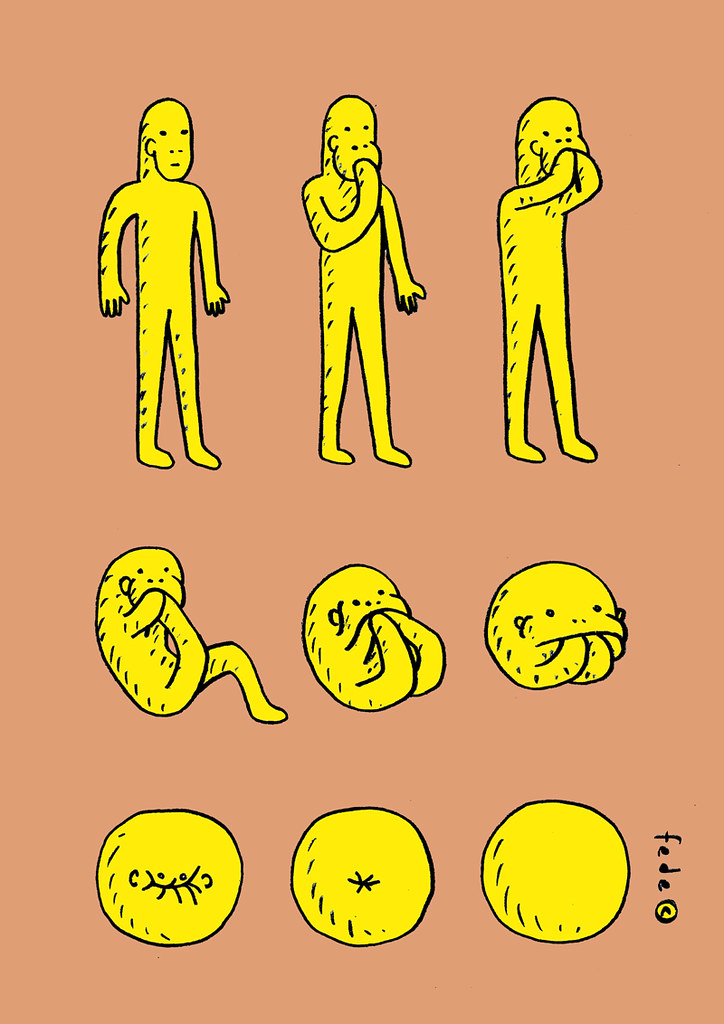
With Halloween coming next month, spooky decorations and fake spider webs begin to appear and spark a little bit of fear in all of us, as we prepare for the scares to come. Feeling afraid or scared is normal because fear allows us to be alert and safe in case of possible danger. However, when the fear persists and starts intruding our lives, it may be a phobia.

Phobias are severe fears that cause persistent anxiety over certain circumstances or objects. They can come at small to large intensities and cause distress. Some common phobias include animals (spiders), social situations (public speaking), and even the natural environment (heights).

However, there is a chance that these phobias will develop into a harsher anxiety disorder and cause distressing panic attacks. Trying to handle phobias without assistance can backfire and produce stress and anxiety due to avoidance. Thus, with the proper treatment, a person can learn how to face the phobias and reduce their feelings of panic and fear.

Arista Psychological and Psychiatric Services understands the difficulty of overcoming phobias alone and, thus, are dedicated to help those seeking for treatment. If you or someone you know would like to set up an appointment for our counseling services, contact us at our offices in Paramus, NJ (201) 368-3700 or in Manhattan, NY (212) 996-3939. Also, please visit our website https://www.counselingpsychotherapynjny.com/


Sources

https://www.apa.org/helpcenter/anxiety

https://www.psychologytoday.com/us/basics/fear

https://www.psychologytoday.com/us/blog/think-act-be/201603/where-do-fears-and-phobias-come

Image Source: https://www.nytimes.com/2017/10/26/well/live/fear-anxiety-therapy.html

Burnout in College Students (Part 2)

Tatyana A. Reed

HOW TO AVOID/FIGHT BURNOUT

Being stressed out may seem like a normal human thing to do, and stress can be very positive for promoting work at some points. However, if it gets to the burnout stage its best you sit down, understand what’s causing your burnout, and deal with it. Here’s a few ways to help fight/avoid burnout from happening to you:

  1. Pay attention to the warning signs

Whenever you feel like your stress is getting extremely high and starting to take a toll on you mentally and physically, you should sit down and relax.

  1. Say “no”

Yes, it’s normal after studying for a whole week that you may want to go spend some time with your friends, but if you feel extremely tired, just say no, they’ll understand.

  1. Get your proper’s night of rest

It may seem like a good idea to study all night and not sleep, but your brain actually works better when it has a good amount of sleep. Just like you get physically tired, so does your brain after a long day, get some rest.

  1. Don’t put too much on your plate

It may seem like putting more on your plate will fill your appetite but really it will not end pretty. Things get out of hand and too much on your plate may cause you not to have any personal down time to unwind.

  1. Turn “down”

Take some time alone to do things that isn’t causing your brain to stress. If this means, just sleeping, watching shows all day, whatever you need to turn down, its best to set aside some time to do this

  1. Get help

Life can definitely get stressful at times and being in college doesn’t always help that out. Try to have someone on hand that you can talk to when things get a little out of hand, whether that be a friend, family member, or professional; most college campuses do offer psychological/counseling services that may be more convenient to you. It’s okay to sit back and say “I’m super stressed out, I need to relax” because the sooner you help yourself, the less help that will need to be done. Put the flame out before you burnout.

If you or someone you know is dealing with burnout, please contact our psychotherapy offices in New York or New Jersey to talk to one of our licensed professional psychologists, psychiatrists, psychiatric nurse practitioners, or psychotherapists at Arista Counseling & Psychotherapy. Contact our Paramus, NJ or Manhattan, NY offices respectively, at (201) 368-3700 or (212) 722-1920 to set up an appointment. For more information, please visit http://www.counselingpsychotherapynjny.com/.

References:

Harrison, Mike. “Avoid College Burnout.” Great Lakes Christian College, 22 Jan. 2018, http://www.glcc.edu/avoid-college-burnout/ (PHOTO)

Jerry, Lisa M. “10 Signs you’re Burning Out — And What To Do About It.” Forbes, Forbes Magazine, 3 Jan. 2018, http://www.forbes.com/sites/learnvest/2013/04/01/10-signs-youre-burning-out-and-what-to-do-about-it/.

Stephanie Cushman & Richard West (2006) Precursors to College Student Burnout: Developing a Typology of Understanding, Qualitative Research Reports in Communication, 7:1, 23-31, DOI: 10.1080/17459430600964638

Vaiana, Dominic. “Burnout in College: What Causes It and How to Avoid It.” College Info Geek, 5 Mar. 2019, collegeinfogeek.com/student-burnout

Burnout in College Students (Part 1)

Tatyana A. Reed

With school coming into full swing, before we can even get that deep, it’s time to look at burnout, particularly in students. Have you ever taken on way too many tasks and at the last minute realized it’s causing an overwhelming feeling of exhaustion and being stressed out? Or have you ever been so busy you feel like nothing is going to get done correctly or done at all? If you have felt like this, nine times out of ten you were experiencing burnout.

According to pyschologytoday.com burnout is “a state of emotional, mental, and often physical exhaustion brought on by prolonged or repeated stress.” Burnout is not a widely talked about topic unless the causes have been detrimental to an individual. In this article, we will talk about the symptoms, affects, and how to avoid burnout.

DIFFERENCE BETWEEN STRESS AND BURNOUT

Before we can talk about the signs of burnout, we first have to understand that there is a difference between burnout and stress. David Ballard, member of the American Psychological Association, describes burnout as “an extended period of time where someone experiences exhaustion and a lack of interest in things, resulting in a decline in their job [academic] performance.”

SIGNS OF BURNOUT

Here are just some of the early indicators of college burnout according to collegeinfogeek.com:

  • Constant exhaustion
  • Lack of motivation
  • Constant frustration
  • Grades beginning to decline
  • Struggling to pay attention
  • Disengagement from friends and colleagues

WHAT MAY BE CAUSING YOUR BURNOUT 

A study conducted by University of South Maine in 2006 had 354 students answer questions that helped look at why burnout may be happening to college students. Here are the four most prevalent answers:

  • 13% said it was due to lack of motivation on their personal part
  • 25% attributed it to issues caused by their part time job ( finance and lack of time) and due to family issues
  • 5% said it was caused by a professor
  • And the most prevalent answer was because of having too many assignments on their plate


If you or someone you know is dealing with burnout, please contact our psychotherapy offices in New York or New Jersey to talk to one of our licensed professional psychologists, psychiatrists, psychiatric nurse practitioners, or psychotherapists at Arista Counseling & Psychotherapy. Contact our Paramus, NJ or Manhattan, NY offices respectively, at (201) 368-3700 or (212) 722-1920 to set up an appointment. For more information, please visit http://www.counselingpsychotherapynjny.com/.


References:

Harrison, Mike. “Avoid College Burnout.” Great Lakes Christian College, 22 Jan. 2018, http://www.glcc.edu/avoid-college-burnout/ (PHOTO)

Jerry, Lisa M. “10 Signs you’re Burning Out — And What To Do About It.” Forbes, Forbes Magazine, 3 Jan. 2018, http://www.forbes.com/sites/learnvest/2013/04/01/10-signs-youre-burning-out-and-what-to-do-about-it/.

Stephanie Cushman & Richard West (2006) Precursors to College Student Burnout: Developing a Typology of Understanding, Qualitative Research Reports in Communication, 7:1, 23-31, DOI: 10.1080/17459430600964638

Vaiana, Dominic. “Burnout in College: What Causes It and How to Avoid It.” College Info Geek, 5 Mar. 2019, collegeinfogeek.com/student-burnout/

Passive Aggressiveness: Origins and How to Respond

Passive Aggressiveness: Origins and How to Respond

By Crystal Tsui

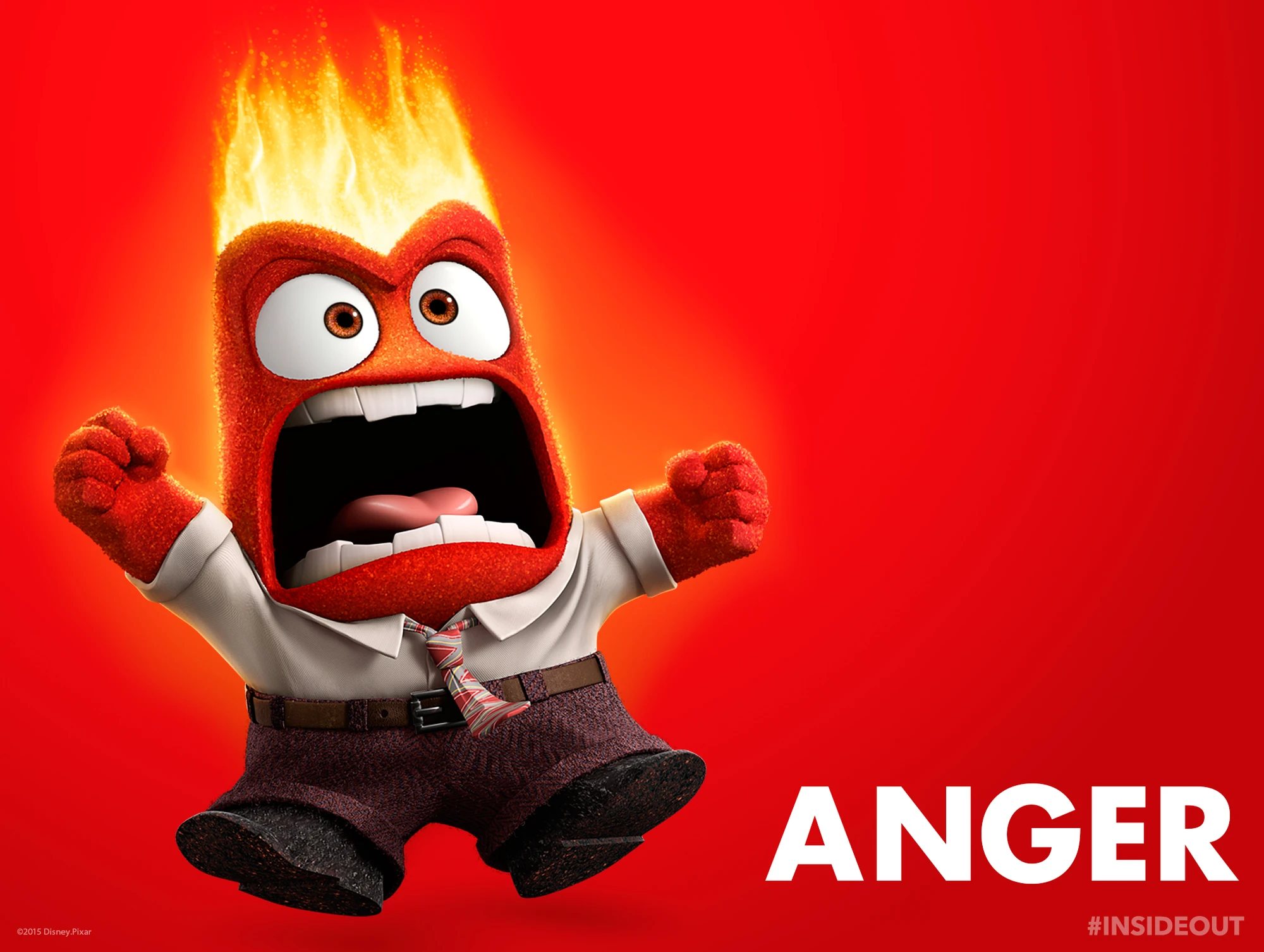
At one point or another, we have all seen or engaged in passive aggressive behaviors, whether it’s giving the silent treatment, making subtle insults, or sending one of those “as per my last email” emails. We do this because we are suppressing our anger or frustration from someone or something. Fear and anger are controlled by a region in the brain called the amygdala. Passive aggressiveness stems from that basic emotion of anger.

Anger is neither good nor bad. It is a basic, spontaneous, neurophysiological part of human emotion. As children, we were often scolded or punished for expressing anger. For example, throwing a temper tantrum is considered unacceptable. So at a young age, we started to perceive anger as taboo. As a result, we learned to suppress our feelings and engage in an indirect expression of hostility through subtle acts.

Children are most likely to act in a passive aggressive manner. Nonetheless, children are the most susceptible to change. Teaching our children that anger is just like every other emotion and directing their anger towards a positive, productive activity will help the child grow into an adult knowing how to manage their emotions properly. Some positive activities may include writing, exercising, drawing, meditating, and listening to music. These activities provide a form of distraction that can alleviate one’s mood, by stimulating another part of the brain that is not associated with the amygdala.

However, adults act this way as well because it’s easier to be passive than to be assertive and emotionally open. When children are taught to suppress their anger and they mature into an adult, it’s harder for them to stand up for themselves and to confront their source of anger.

It is best to avoid raising your voice, lecturing, or knee-jerk consequences that can exacerbate the situation. If an individual is trying to express their anger through communication, it is best to listen instead of reprimanding them for being angry.

When someone is passive-aggressive towards you, fight the urge to mirror their behavior. Instead confront the behavior because when passive-aggressive behavior is confronted directly and assertively, the hidden anger is weakened. Assertive communication and being emotionally open, no matter how hard it is, is the most effective way to acknowledge and accept anger. This builds a foundation for lifelong emotional intelligence and strong, secure relationships.

If you or someone you know has difficulty managing their anger, please contact our psychotherapy offices in New York or New Jersey to talk to one of our licensed professional psychologists, psychiatrists, psychiatric nurse practitioners, or psychotherapists at Arista Counseling & Psychotherapy. Contact our Paramus, NJ or Manhattan, NY offices respectively, at (201) 368-3700 or (212) 722-1920 to set up an appointment. For more information, please visit http://www.counselingpsychotherapynjny.com/ .

Sources:

https://www.psychologytoday.com/us/blog/passive-aggressive-diaries/201712/the-angry-smile-responding-passive-aggressive-behavior

https://www.psychologytoday.com/us/blog/passive-aggressive-diaries/201709/how-respond-effectively-young-persons-anger

https://www.verywellmind.com/what-is-passive-aggressive-behavior-2795481

https://vignette.wikia.nocookie.net/pixar/images/7/7a/Io_Anger_standard2.jpg/revision/latest/scale-to-width-down/2000?cb=20150425021210

Shyness and Introversion

Shyness and Introversion

By Crystal Tsui

We all know someone who prefers to stay in rather than go out and party or someone who barely talk in a group setting. We may call them shy, quiet, or maybe socially awkward. But they may just be an introvert. Introversion and shyness are often times used together. However, shyness revolves around the fear of negative judgment while introversion is the preference for quiet, minimally stimulating environments. So it is possible for a person to be a shy extrovert, where the individual is afraid to speak up, fearing negative judgment, more so than exhausted in a certain social situation.

Despite the difference, there is also an overlap between shyness and introversion, e.i. many shy people are introverted. Some people are born with “high-reactive” temperaments that predispose them to both shyness and introversion. A shy person may become more introverted over time, motivated to discover the pleasures of solitude, other minimally stimulating social environments, and to move away from judgments. On the other hand, an introvert may become shy after continually receiving the message that there’s something wrong with them.

There’s a shared bias in our society against both shyness and introversion. Neither trait is welcomed in our society because studies have shown that we rank the fast and frequent talkers as more competent, likeable, and even smarter than slow and quiet talkers.

Here are 5 ways introverts can spend time that is deeply fulfilling and socially connected:

  1. Reading. Books transcend time and place. Studies have shown that reading fiction increases empathy and social skills.
  2. Enter a state of “flow” by doing work or a hobby that you love. Flow is the transcendent state of being, in which you feel totally engaged in an activity. People in flow don’t tend to wear the broad smiles of enthusiasm. When you watch them in action, the words “joy” and “excitement” don’t come to mind. But the words “engagement,” “absorption,” and “curiosity” do.
  3. Keep an informal quota system of how many times per week/month/year you plan to go out to social events and how often you get to stay home. This way you can plan which parties or get-togethers you can truly enjoy and which you don’t. So you are less likely to drive yourself mad thinking you should’ve stayed home.
  4. Have meaningful conversations.
  5. Spend time and show affection to the ones you love, whose company is so dear and comfortable that you feel neither over-stimulated nor anxious in their presence.

If you or someone you know is dealing with social anxiety or suffering from a disruption of their social life, please contact our psychotherapy offices in New York or New Jersey to talk to one of our licensed professional psychologists, psychiatrists, psychiatric nurse practitioners, or psychotherapists at Arista Counseling & Psychotherapy. Contact our Paramus, NJ or Manhattan, NY offices respectively, at (201) 368-3700 or (212) 722-1920 to set up an appointment. For more information, please visit http://www.counselingpsychotherapynjny.com/ .

Sources:

https://www.quietrev.com/wp-content/uploads/2015/05/QR_ebookMay8-2015.pdf

https://www.nytimes.com/2012/01/15/opinion/sunday/the-rise-of-the-new-groupthink.html?_r=0

https://live.staticflickr.com/627/21427437162_910d54e08e_b.jpg

Self Esteem: Low Self Esteem and Comparison

Self Esteem: Low Self Esteem and Comparison

Self Esteem: Low Self Esteem and Comparison

By: Julia Keys

It is easy to fall into the trap of comparing ourselves to others. We compare ourselves to others so often that they rarely even notice it. A social psychologist named Leon Festinger first proposed the social comparison theory in 1954 stating that humans look to others in order to evaluate their own self-image. Comparison is a necessary part of human cognition. We need to compare things in order to make choices. For example, imagine you are choosing between two different new cars to buy. One must compare the different traits of each car in order to make a well-rounded decision. Unlike cars, humans have unique and complex sets of experiences and genes, so comparing yourself to others isn’t logical. Unfairly comparing yourself to others is an unhealthy habit that can lead to low self-esteem, feelings of anxiety, and feelings of depression. Everyone has compared themselves to someone else at some point, but some people seem unusually preoccupied with it.

Here are some reasons why certain people tend to compare themselves to others frequently:

  • They feel like they have a lack of control over their life
  • Low self-esteem, low self-confidence, or low self-worth
  • History of being compared to a family member
  • Lack of self-knowledge/self-reflective skills

Ways to stop comparing yourself to others:

  • Limit social media use and when using, seek connection, not comparison
  • Take note of how often you compare yourself to others and mentally tell yourself to stop
  • Keep a journal with your own goals, aspirations, and self-reflections. Many times, people become so attached to certain ideals that they adopt from others that they forget to develop their own ideals. For example, if a child was told by his mother all his life that he must pursue a certain profession, they may be ignoring other career paths that they want to pursue. It is important to self-reflect so one can align their goals and behaviors to the wants and needs of their true selves.
  • If you do compare yourself, try to compare yourself to someone/something that is just slightly out of reach and well defined. When comparisons are general, one can get stuck in a rut of constant unfair comparisons instead of taking action and being able to achieve specific goals. Additionally, comparing yourself to something that is so out of reach can be discouraging. For example, if a woman compares body to an Olympic athlete, she is not setting a defined goal in order to be more like the athlete. In this case, it would be more helpful for the woman to aspire to be like her active friend who walks every day and schedule daily walks so she can exercise more.
  • Practice gratitude for your mind, body, spirit, and relationships
  • Only compare yourself to yourself, which is also known as internal validation. Internal validation is beneficial to your well-being and self-esteem.

If you or someone you know is struggling with low self-esteem or confidence issues, please contact our psychotherapy offices in New York or New Jersey to talk to one of our licensed professional psychologists, psychiatrists, psychiatric nurse practitioners, or psychotherapists at Arista Counseling & Psychotherapy. Contact our Paramus, NJ or Manhattan, NY offices respectively, at (201) 368-3700 or (212) 722-1920 to set up an appointment. For more information, please visit http://www.counselingpsychotherapynjny.com/.

 Sources:

https://blogs.psychcentral.com/childhood-neglect/2019/05/5-reasons-you-compare-yourself-to-others-and-how-to-stop-it/

https://www.psychologytoday.com/us/articles/201711/the-comparison-trap

Source for Picture:

https://www.google.com/search?q=apples+and+oranges&source=lnms&tbm=isch&sa=X&ved=0ahUKEwjE6d6ButfiAhXypVkKHRElCIUQ_AUIECgB&biw=1280&bih=610#imgrc=aoygGAqHovpj6M:

Persuasion

Persuasion

By Crystal Tsui

Persuasion is the action or fact of convincing someone to do or believe something. It is used every day by individuals and even big corporations, whether it’s big adverts or a friend trying to get you to go see a concert with them. Persuasion and deception are often blurred; however, deception is the intent to “trick” someone into doing or believing something.

Some ways people persuade others are:

  • The authority bias: influenced by opinion or actions of people in a position of power.
  • Social proof: decide on how to behave by looking to what others are doing
  • Door-in-the-face technique: persuader begins with a large request and they will expect to be rejected. The persuader will ask for a smaller request (their intended goal) and rely on guilt for the victim to accept

Persuasion is used daily even if you are not aware of it. Adverts and sales people use persuasion for their job. However, you are the one doing the persuading and want to improve your skills; all you have to do is listen. Listening to the other person and always be on their side is the most important aspect of persuasion. Here are other ways to improve your persuading techniques:

  1. Be open to the recipient of the person you are trying to persuade. You want them to be relaxed
  2. Mirror their response. This gives the impression that their viewpoint has been fully received
  3. Understand their viewpoint on the subject
  4. Like the previous step, be more agreeable. People like agreeable people and they will be more willing to be accepting.
  5. Don’t use the word “but.” It negates all the previous effort on trying to be agreeable and open to their viewpoint.

Sources:

https://www.psychologytoday.com/us/blog/the-new-teen-age/201905/psychological-persuasion-techniques-used-sexual-predators

https://www.psychologytoday.com/us/blog/resolution-not-conflict/201310/want-be-more-persuasive-use-the-right-body-part-first

https://www.masscommunicationtalk.com/wp-content/uploads/2013/02/Persuasion-Its-Components-Principles-and-Techniques.jpg


Relapse Prevention: Substance Use Disorders

Relapse Prevention: Substance Use Disorders Relapse Prevention: Substance Use Disorders

By: Julia Keys

The road to recovery from substance abuse can be long and difficult. There may be many times when those recovering are tempted to just give up. However, there are many different strategies for when individuals are in a place where they feel ready to quit all the progress they made. Relapse is part of recovery, but it should be avoided and treated carefully.

Most people think that relapse starts when the addict starts using again, however relapse can start much earlier than that. There are three stages of relapse: emotional relapse, mental relapse and physical relapse.  Emotional relapse starts when one is thinking about using. Although they have made no real attempts at obtaining any substances, the thought of using is very tempting. During mental relapse one has decided to use again. Physical relapse is when you contact your dealer, obtain substances, or use substances.

When preventing relapse it is important to seek many different types of support. Studies show that those recovering who see therapists alongside any inpatient or outpatient detox programs have faster recovery rates than those who do not seek additional treatment. Therapists can help those in recovery come up with personalized strategies to prevent them from relapsing.

If you or a loved one is struggling with substance use or recovery from substance abuse, do not hesitate to seek help by contacting Arista Counseling & Psychotherapy, located in New York and New Jersey to speak to licensed professional psychologists, psychiatrists, psychiatric nurse practitioners or psychotherapists. To contact the office in Paramus NJ, call (201) 368-3700. To contact the office in Manhattan, call (212) 722-1920. For more information, please visit http://www.counselingpsychotherapynjny.com/ .

Sources:

https://www.psychologytoday.com/us/blog/where-science-meets-the-steps/201312/preventing-relapse-among-addicted-youth

https://www.addictionsandrecovery.org/relapse-prevention.htm

Source for Picture:

https://www.bing.com/images/search?view=detailV2&id=F86C5ECD05E0D6595A3D9A0588384D10CCA60F4B&thid=OIP.idNVRUm7p8tdl-M-0iQdzgHaE8&mediaurl=https%3A%2F%2Fwww.thenationalcouncil.org%2FBH365%2Ffiles%2F2017%2F09%2Froad-to-recovery.jpg&exph=334&expw=500&q=the+road+to+recovery&selectedindex=4&ajaxhist=0&vt=0&eim=1,2,6


Depression and Logotherapy

Depression and Logotherapy

Depression and Logotherapy

By: Julia Keys

The struggle to find the meaning of life is a classic human dilemma. One may be content with their every day activities such as going to work, spending time at home, or eating, but they might still wonder “what is my real purpose?”.  People with psychological disorders such as depression, anxiety, post-traumatic stress disorder, and substance and alcohol abuse disorders are especially prone to being plagued with this kind of existential anxiety. A study by Alimujiang, et al. (2019) found that a sense of purpose greatly improves one’s physical, mental, and emotional health as well as overall life satisfaction. There is a specific type of psychotherapy called logotherapy (logo being derived from the Greek word for meaning), that is designed to help individuals find their true purpose in life.

Logotherapy was developed by a psychologist named Victor Frankl in the 1950s. Frankl drew upon his experiences during the Holocaust to develop logotherapy. Frankl was one of the millions of people that suffered the horrors of concentration camps. While imprisoned, Frankl noticed that those who mentally and physically survived the camp, usually found meaning in their lives there. After the camps were liberated, Frankl resumed his work with neurology and psychology and subsequently developed logotherapy.

There are three main principles of logotherapy:

  • every person has a healthy core
  • internal resources are more helpful in therapy than external resources
  • while life offers you meaning or purpose, it is one’s responsibility to explore that meaning to become happy or fulfilled

Frankl suggests that there are three main ways to reap the benefits of life:

  • by creating a work or accomplishing some task
  • by experiencing something fully or loving someone fully
  • by adopting an attitude that is at peace with the unavoidable suffering life may present

Logotherapy is used to treat depression, anxiety, post-traumatic stress disorder, and substance and alcohol abuse. Logotherapy is a great choice for patients that want to find their own personal meaning of life. Focusing on one’s purpose in life can help people live their most fulfilling and happy lives.

If you or someone you know is struggling to find a meaning in life or is suffering from anxiety, PTSD, depression or substance or alcohol abuse issues, please contact our psychotherapy offices in New York or New Jersey to talk to one of our licensed professional psychologists, psychiatrists, psychiatric nurse practitioners, or psychotherapists at Arista Counseling & Psychotherapy. Contact our Paramus, NJ or Manhattan, NY offices respectively, at (201) 368-3700 or (212) 722-1920 to set up an appointment. For more information, please visit http://www.counselingpsychotherapynjny.com/ .


Sources:

https://www.goodtherapy.org/learn-about-therapy/types/logotherapy

https://www.psychologytoday.com/us/blog/flourish-and-thrive/201906/the-importance-having-sense-purpose

Source for Picture:

https://www.google.com/search?biw=1280&bih=610&tbm=isch&sa=1&ei=WcD3XMGcCaixggfh9LPQDQ&q=person+standing+under+the+milky+way&oq=person+standing+under+the+milky+way&gs_l=img.3…54323.63817..64673…6.0..0.99.2982.39……0….1..gws-wiz-img…….35i39j0j0i67j0i8i30j0i30.wKMqUIxiiq8#imgdii=qz4eZgN11zBgHM:&imgrc=QRGiH9Pd8HzBrM: