Loneliness During Covid-19

By Eleanor Kim

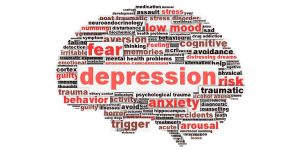
As we round out one year of stay at home orders and self-quarantine measures due to the novel coronavirus, many are reflecting on their time at home and their mental health during this period. While every individual’s experience over this past year has been unique, one experience seems to be universal-loneliness. Folks around the world were left to deal with their own fears and anxieties regarding the virus and general health and safety of loved ones without the usual group of support from family and friends. This experience was exacerbated for those that were left to face the effects of COVID-19 on their own as unforeseen circumstances forced individuals into isolation.

A recent study found that 65% of participants felt increased feelings of loneliness since the official declaration of the pandemic. In that same study, 76% reported feelings of anxiety, 58% reported a loss of feelings of connectedness, and 78% reported feelings of depression. These feelings of loneliness have far reaching effects as another study found a link between loneliness and heart problems, diabetes, stroke, memory complaints, drug abuse risk, and elevated blood pressure. Other issues include trouble sleeping, negative relationships with food, and an increased reliance on maladaptive coping skills such as drinking and gambling. Loneliness is not a new condition; however, the magnitude in which it is presenting itself is alarming and deserving of a closer watch, especially among younger and older generations.

Now more than ever, it is crucial that individuals strengthen the relationship that they have with themselves. Each emotion that has presented itself during this past year is valid and expected during such a trying and unknown time. It is recommended that individuals welcome these feelings and try their best not to avoid or deny such states of mind. The effects of coronavirus and the impact it has had on the physical and mental wellbeing of people around the world unfortunately will continue to be felt as we trek towards the “new normal” and sense of global stability. It is essential that individuals remind themselves that they are not alone during these times of loneliness and that there are resources available to help cope with any feelings of unrest or isolation.

Online services such as Zoom or Cisco Webex offer opportunities for groups to interact in a virtual setting that will help simulate a sense of community and togetherness. Socially-distanced gatherings may be an option for those who are able to meet in an outdoor or well ventilated area, weather permitting. Experts recommend limiting time spent on social media as excessive time spent on these apps and websites could instill feelings of frustration, anxiety, and comparison with others. Should these feelings of loneliness and isolation persist, telehealth is available for those who may wish to speak to mental health professionals throughout these difficult times.

If you or someone you know is feeling lonely or isolated, please contact our psychotherapy offices in New York or New Jersey to talk to one of our licensed professional psychologists, psychiatrists, psychiatric nurse practitioners, or psychotherapists at Arista Counseling & Psychotherapy. Contact our Paramus, NJ or Manhattan, NY offices respectively, at (201) 368-3700 or (212) 722-1920 to set up an appointment. For more information, please visit http://www.counselingpsychotherapynjny.com/ .

References:

https://www.sharp.com/health-news/managing-loneliness-during-covid-19.cfm

https://www.medicalnewstoday.com/articles/alarming-covid-19-study-shows-80-of-respondents-report-significant-symptoms-of-depression#Making-things-better

Image Source:

https://lifesupportscounselling.com.au/wp-content/uploads/2020/05/loneliness-in-lockdown.jpg

What Parents Can Do to Help Their Special Needs Children during Virtual Learning

By Eleanor Kim

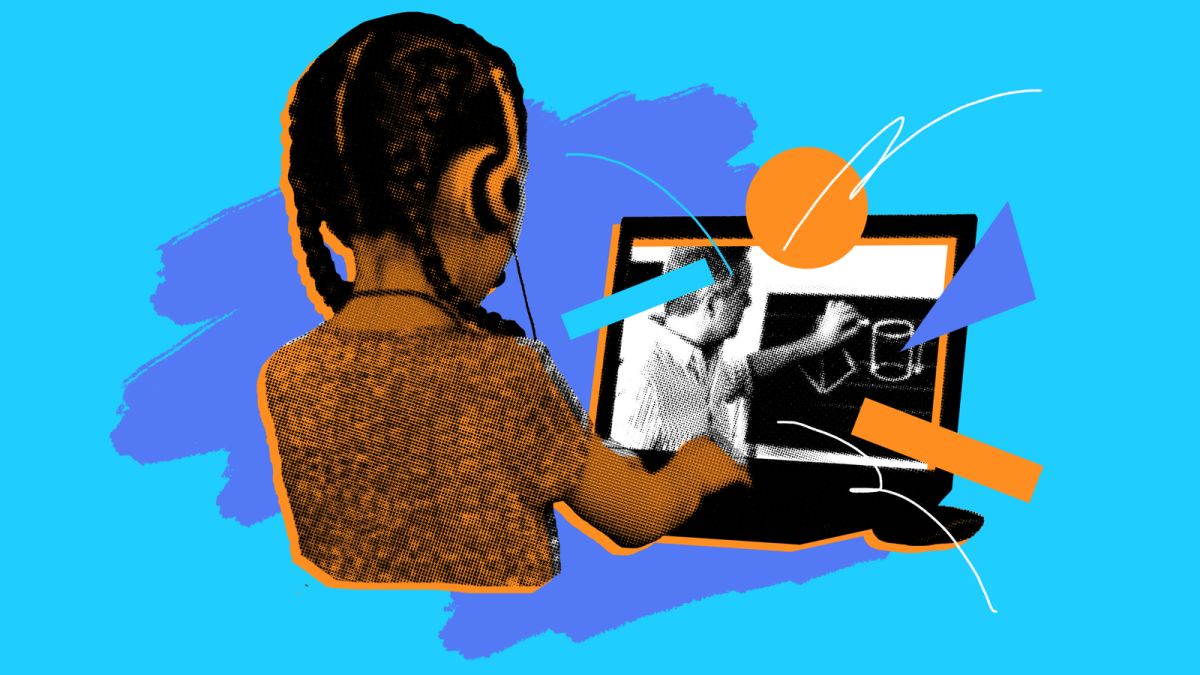
With the abrupt transition to online learning last March, teachers, students, and parents alike were left to quickly adjust and find new ways of making virtual learning feel “normal”. While this transition may have come more naturally to some, there are still many families who are struggling to ensure that their children are getting a quality education in their homes. One demographic of online learners who are finding it exceptionally difficult are those who have special needs and learning disabilities. It is hard to spend hours focusing on a Zoom session, especially when special needs learners no longer have direct access to the specialized teachers and aids that help them learn in a normal school setting. Unfortunately, this additional stress during an already unprecedented time has taken a toll on special needs parents and it is important that parents are self-compassionate to themselves as they journey through this uncharted online learning experience. That being said, there are still many new strategies that parents can try to implement to assist their child’s distanced learning.

  • Ask teachers to offer “asynchronous” work in conjunction with any Zoom activities to allow your child more hands-on learning opportunities or request more one-on-one learning through break out rooms or personal Zoom meetings
  • If you are unable to remain with your child during their school hours, reach out to your child’s teachers and aids for an update on how they are doing and how you can help after school hours
  • Offer your child “fidget toys” during Zoom calls to help them remain focused on class material
  • If your child has a hard time staying seated during Zoom meetings, offer Bluetooth earbuds or headphones to allow your child the ability to move around while still remaining attentive and participatory during class
  • Incorporate time within your child’s schedule to stretch and relieve any additional stress or energy by going outside or having a dance break!
  • Make sure to schedule check-in meetings with your child’s school team (teachers, aids, counselor, etc.) to help your child express any frustrations or emotions they are experiencing during this difficult time.

Let your child know that it is okay to be having a hard time right now and that you are there to help them through it. Also make sure that you, the parent, are receiving the support you need while helping your special needs child with online learning in addition to any other struggles you may be facing during these unusual and overwhelming times. We here at Arista Counseling have many therapists and support options available for you.

If you or someone you know is looking for support, please contact our psychotherapy offices in New York or New Jersey to talk to one of our licensed professional psychologists, psychiatrists, psychiatric nurse practitioners, or psychotherapists at Arista Counseling & Psychotherapy. Contact our Paramus, NJ or Manhattan, NY offices respectively, at (201) 368-3700 or (212) 722-1920 to set up an appointment. For more information, please visit http://www.counselingpsychotherapynjny.com/ .

Sources:

https://greatergood.berkeley.edu/article/item/how_parents_can_support_children_with_special_needs_during_distance_learning

Image Source:

https://dynaimage.cdn.cnn.com/cnn/c_fill,g_auto,w_1200,h_675,ar_16:9/https%3A%2F%2Fcdn.cnn.com%2Fcnnnext%2Fdam%2Fassets%2F200810224242-20200810-online-learning-main.jpg

What is Seasonal Affective Disorder?

By: Kassandra Lora

Once the seasons change from fall to winter and the days become shorter, some individuals may notice a change in their moods. Some of these mood changes may be a slight feeling of being “down” but other times, these mood changes can be more severe and can have a significant effect on a person. Seasonal Affective Disorder is a type of depression that usually affects a person once the seasons are changing. According to the National Institute of Mental Health, “SAD symptoms start in the late fall or early winter and go away during the spring and summer; this is known as winter-pattern SAD or winter depression.” It is not as common for someone to develop SAD symptoms during the spring and summer months, although it is still possible.

Some significant depression symptoms may include:

•           feeling depressed most of the day, nearly every day

•           losing interest in activities

•           changes in appetite or weight

•           having problems with sleep

•           having low energy

•           feeling worthless or hopeless

•           having difficulty concentrating

•           having frequent thoughts of death or suicide.

Although Seasonal Affective Disorder is a type of depression, to develop the diagnosis of having SAD, you must have the symptoms of major depression or must have some of the symptoms listed above. You must also have these depressive episodes occur to you during a specific season for a least two consecutive years.

Individuals who are more susceptible to developing SAD are more commonly those who live further north. Furthermore, according to the Nation Institute of Mental Health, “SAD is more common in people with major depressive disorder or bipolar disorder, especially bipolar II disorder, which is associated with recurrent depressive and hypomanic episodes.” SAD is also more commonly found in women than men.

Seasonal Affective Disorder is a severe condition, though scientists cannot understand what exactly causes SAD. Scientists have done the research and have suggested that people with SAD may have reduced serotonin activity, regulating mood. Researchers have also indicated how lack of sunlight in people with SAD can affect their serotonin levels, affecting their mood. Although these are all possible causes and effects which determined why individuals may have SAD it is still unclear if these are the exact reason. However, these causes and effects can be useful when focusing on treatment.Treatments that may help people with SAD include light therapy, psychotherapy, antidepressant medications, and vitamin D.

Speak to your health care provider about which treatment or combination is most suitable for you. If you or someone you know is struggling with Seasonal Affective Disorder, please contact our psychotherapy offices in New York or New Jersey to talk to one of our licensed professional psychologists, psychiatrists, psychiatric nurse practitioners, or psychotherapists at Arista Counseling & Psychotherapy. Contact our Paramus, NJ or Manhattan, NY offices.

Source: https://www.nimh.nih.gov/health/publications/seasonal-affective-disorder/index.shtml

Image Source: https://www.sciencemag.org/careers/2019/03/how-i-learned-cope-seasonal-affective-disorder-grad-school

ADHD and the 3 Types

Mizuki Wada

Known to be commonly diagnosed in children and adults, ADHD is a neurobehavioral disorder that is characterized by the patient’s inattentiveness and impulsivity. However symptoms can differ from patient to patient and can be categorized into three general types.

The first type, primarily hyperactive also known as impulsive ADHD is generally linked with those who are restless. Some of the symptoms could include:

  • Restlessness
  • Impulsive speech and actions
  • Excessive talking
  • Overactive
  • Interruptive
  • Loud interactions

Type two is primarily inattentive ADHD formerly called ADD. This type includes symptoms of inattentiveness and does not include hyperactive symptoms. Some common symptoms could be:

  • Trouble paying attention
  • Difficulty in following through tasks
  • Easily distracted
  • Shy
  • Disorganized
  • Careless
  • Slow in processing information

The final type is a combination of these two types. This type is a mix of both hyperactive and impulsive behaviors.

Although these symptoms are categorized into different types, they all fit under the general disorder, showing the depth of this disorder and how symptoms could differ depending on the individual.

If you or someone you know is struggling with ADD/ADHD, please contact our psychotherapy offices in New York or New Jersey to talk to one of our licensed professional psychologists, psychiatrists, psychiatric nurse practitioners, or psychotherapists at Arista Counseling & Psychotherapy. Contact our Paramus, NJ or Manhattan, NY offices respectively, at (201) 368-3700 or (212) 722-1920 to set up an appointment. For more information, please visit http://www.counselingpsychotherapynjny.com/


References

https://www.psychologytoday.com/us/conditions/attention-deficithyperactivity-disorder-adult

https://www.additudemag.com/3-types-of-adhd/#:~:text=What%20Are%20the%203%20Types%20of%20ADHD%3F%201,ADHD%20%28formerly%20called%20ADD%29%203%20Combined%20Type%2 0ADHD

Depression: Living with Major Depressive Disorder

Depression: Living with Major Depressive Disorder

By: Zoe Alekel

Have you been experiencing persistent sadness, anxiety, or feelings of emptiness? Even hopelessness, irritability, guilt, worthlessness, loss of interest or pleasure in activities or hobbies—these are all symptoms of Major Depressive Disorder (MDD). More commonly, MDD is known as depression. Dealing with this diagnosis is not easy because of how long these symptoms can last and how invasive they feel.

The Mayo Clinic defines MDD as “A mood disorder that causes a persistent feeling of sadness and loss of interest. Also called major depressive disorder or clinical depression, it affects how you feel, think and behave and can lead to a variety of emotional and physical problems. You may have trouble doing normal day-to-day activities, and sometimes you may feel as if life isn’t worth living” (Mayo Clinic). It is important to consider contacting a doctor or a therapist to discuss these symptoms, as they can become more severe and invasive with time.

Some ways you can reach help are:

  • Call a local counseling or psychological center.
  • Call a psychiatrist in your area that can help provide medication if needed.
  • Reach out to a close friend or loved one for support.

The National Institute of Mental Health suggests that the earlier the treatment begins with a therapist or a psychiatrist, the more effective it can be. Depression can be treated with psychotherapy, medication, or a combination. Additionally, meditation and mindfulness can help develop coping skills for those experiencing depression. If you are experiencing depression, it is important to remember that there is hope and there is a way out of the darkness you are experiencing.

If you or someone you know needs support with depression, please contact our psychotherapy office in New York or New Jersey to talk to one of our licensed professional psychologists, psychiatrists, psychiatric nurse practitioners, or psychotherapists at Arista Counseling & Psychotherapy. Contact our Paramus, NJ or Manhattan, NY offices respectively at (201) 368-3700 or (212) 722 – 1920 to set up an appointment. For more information, please visit http://www.counselingpsychotherapynjny.com/

Sources:
https://www.mayoclinic.org/diseases-conditions/depression/symptoms-causes/syc-20356007
https://www.nimh.nih.gov/health/topics/depression/index.shtml

Image Source:
http://metamedianews.com/2018/06/mdd-major-depressive-disorder/

Acute Stress Disorder: Reliving trauma

Acute Stress Disorder: reliving trauma
By: Zoe Alekel

It is not uncommon to experience a traumatic event in life. In fact, trauma related incidences range from experiencing a car accident, to experiencing an assault or witnessing a crime. All of these stressful situations can be lead causes to an anxiety disorder known as Acute Stress Disorder (ASD). According to the American Institute of Stress, ASD is defined by Post Traumatic Stress Disorder (PTSD)-like symptoms that occur for a short time after experiencing a trauma—an experience that can be emotionally distressful and painful, and that can cause mental and physical symptoms. After experiencing a traumatic event, it is not uncommon to develop ASD; in fact 5-20% of people that experience traumatic events will develop ASD.

Symptoms of ASD include intrusion symptoms, like involuntary distressing memories; negative mood symptoms, such as the inability to experience positive emotions like love and happiness; dissociative symptoms, like seeing yourself from the outside, the feeling that nothing is real and that time is slowed down; avoidance symptoms, such as avoiding thoughts, feelings, and places associated with the trauma; and arousal symptoms, such as trouble falling or staying asleep, irritable behavior, and difficulty concentrating.

This can be extremely overwhelming and invasive to someone who has experienced a traumatic event, and it is uncomfortable to feel as if you have to relive the event itself. However, ASD does not have to take over your life completely. By implementing an immediate therapeutic intervention right after the trauma, it decreases the likelihood of ASD becoming prolonged and turning into PTSD. Ways to manage the stress and anxiety that comes with ASD are mindfulness and relaxation, talking to a trained trauma specialist, and having a support system that you can confide in.

If you or someone you know is struggling with Acute Stress Disorder, please contact our psychotherapy offices in New York or New Jersey to talk to one of our licensed professional psychologists, psychiatrists, psychiatric nurse practitioners, or psychotherapists at Arista Counseling & Psychotherapy. Contact our Paramus, NJ or Manhattan, NY offices respectively, at (201) 368-3700 or (212) 722-1920 to set up an appointment. For more information, please visit http://www.counselingpsychotherapynjny.com/ Sources: https://www.stress.org/acute-stress-disorder https://www.psychologytoday.com/us/conditions/acute-stress-disorder

Sources:

https://www.stress.org/acute-stress-disorder

https://www.psychologytoday.com/us/conditions/acute-stress-disorder

Image Source: https://www.bing.com/images/search?view=detailV2&ccid=pzmTf9qk&id=BA5B0BB1D4515DA5195D41BA6070603AE32437C7&thid=OIP.pzmTf9qkbMtGaFDdxylNNAHaD4&mediaurl=https%3a%2f%2fwww.elementsbehavioralhealth.com%2fwp-content%2fuploads%2f2017%2f01%2fptsd.jpg&exph=630&expw=1200&q=Post-Traumatic+Stress+Disorder+Acute&simid=608012514216510765&ck=9282692BACE02BB16355712947A1C3BA&selectedIndex=136&FORM=IRPRST&ajaxhist=0

Anxiety: Going Back to School during a Pandemic

By Mizuki Wada

You know it’s time to get ready for school or work when you see the pumpkin displays and school supplies in stores. However, with the global pandemic going on this year there is far more tension and nervousness besides the first day jitters. From parents sending their kids, faculty going back to classrooms or students getting ready for in-person sessions, many of those could be feeling high pressure and anxiety. However, here are a few ways that could help you steer clear from overwhelming anxiousness.

  • Acknowledge– It is crucial to acknowledge your feelings and stress. Understanding the reason why you’re feeling a certain way is the key to finding a solution.
  • Attitude– Try to look at the big picture and find some positive factors of returning to school. Only looking at the negative aspects can cause the situation to be a lot scarier than it actually is.
  • Support– Find a support group! Whether it be your family or friends, having people that would listen to you talk is very beneficial. Try talking about how you’re feeling to those who understand you.
  • Knowledge– Educate yourself on the situation. People can tell you one thing, but are they really true? Limit your news intake and check whether these sources are trustworthy or not. There’s a difference between educating yourself and filling yourself with information.
  • Physical Health– Although it may sound irrelevant, mental health and physical health go hand in hand. Even if it’s a simple walk or a yoga session, moving your body physically can help alleviate stress. It’s important to keep a healthy body for a healthy mind.

If you or someone you know is struggling with Anxiety or any other mental illnesses, please contact our psychotherapy offices in New York or New Jersey to talk to one of our licensed professional psychologists, psychiatrists, psychiatric nurse practitioners, or psychotherapists at Arista Counseling & Psychotherapy. Contact our Paramus, NJ or Manhattan, NY offices respectively, at (201) 368-3700 or (212) 722-1920 to set up an appointment. For more information, please visit http://www.counselingpsychotherapynjny.com

Reference:

https://www.psychologytoday.com/us/blog/beyond-the-doubt/202003/respond-instead-react-managing-covid-19-anxiety

https://www.realsimple.com/health/mind-mood/stress/manage-back-to-school-stress-coronavirus

Anxiety, Depression, Eating Disorders, ADHD, Et al: How to Support a Friend with Mental Illness

By: Sarah Cohen

When helping a friend with a mental illness, the first step should be assessment of their symptoms. Sometimes they just might be going through a difficult time, but if certain common symptoms associated with mental health issues persist it is imperative to respond sensitively. Majority of the time, friends will just want to know they have your support and that you care about them. A good way to show your support is by talking to them. If you provide a non-judgmental space for them to speak about their issues it will help encourage them to be open with their problems. Let them lead the conversation and don’t pressure them to reveal information. It can be incredibly difficult and painful to speak about these issues and they might not be ready to share everything. If you aren’t their therapist do not diagnose them or make assumptions about how they are feeling, just listen and show you understand. If someone doesn’t want to speak with you, don’t take it personally, just continue to show them you care about their wellbeing and want to help as much as possible. Just knowing they have support can give them the strength they need to contact someone who can help them.

If a friend is having a crisis, such as a panic attack or suicidal thoughts, you must stay calm. Try not to overwhelm them by asking a lot of questions and confronting them in a public setting. Ask them gently what would be helpful to them right now or reassure them. If they hurt themselves, get first aid as soon as possible. If someone is suicidal, contact the suicide hotline at 800-237-8255 immediately.

The best way to help someone is by connecting them to professional help. By expressing your concern and support you can show them that they can get help and their mental health problems can be treated.

If you or someone you know needs support with their mental illness, please contact our psychotherapy offices in New York or New Jersey to talk to one of our licensed professional psychologists, psychiatrists, psychiatric nurse practitioners, or psychotherapists at Arista Counseling & Psychotherapy. Contact our Paramus, NJ or Manhattan, NY offices respectively, at (201) 368-3700 or (212) 722-1920 to set up an appointment. For more information, please visit http://www.counselingpsychotherapynjny.com/

https://www.mentalhealth.org.uk/publications/supporting-someone-mental-health-problem

https://www.mentalhealth.gov/talk/friends-family-members

Marriage During Covid-19

By: Sarah Cohen

During Coronavirus, a lot of extra strain and anxiety have been placed on marriages. While research has shown that disasters uncover strengths in relationships it can also reveal issues. Even in the best relationships, we still always need a little bit of space from each other. 

Since Coronavirus has begun, applications for divorce have risen greatly in the Chinese city of Xi’an. While divorce rates do increase during times of stress, this is unprecedented. There aren’t just changes in routine and close contact without breaks, there are many other factors influencing marital stress during these times. An increased amount of new anxiety about health and keeping safe from Covid-19, unemployment and therefore financial insecurity, caring for elderly relatives with reduced strength immune systems, lacking social connection outside of the spouse, dealing with childcare and school issues, or simply managing chores and uncertainty about what will be in the future are just a few of the issues that could be causing marital stress. In addition, couples may be using different coping mechanisms during stressful times which clash with the other spouse. One might be active and attempt to be cheerful while the other might be hopeless and passive.

There are many ways to fight against this marital strain, here are a couple ways to combat it. By picking your battles you can limit the amount of arguments and issues you create in the home. Even further, you can put a time limit on your arguments in order for them not to affect every moment of the day, when the time limit is up you can put it all behind you. Create some alone time, when you make boundaries stick to them. Another way to get some alone time and be active is to exercise, even just by taking a walk. Speaking to other people over the phone or video chat so your spouse isn’t the only person you talk to is another good way to make sure you can have a little break. Lastly, focus on survival during these difficult times not creating issues and rifts between you and your partner.

If you or someone you know needs support with their marriage, please contact our psychotherapy offices in New York or New Jersey to talk to one of our licensed professional psychologists, psychiatrists, psychiatric nurse practitioners, or psychotherapists at Arista Counseling & Psychotherapy. Contact our Paramus, NJ or Manhattan, NY offices respectively, at (201) 368-3700 or (212) 722-1920 to set up an appointment. For more information, please visit http://www.counselingpsychotherapynjny.com/ .

https://www.psychologytoday.com/us/blog/the-discomfort-zone/202004/will-coronavirus-infect-your-marriage

https://time.com/5811146/coronavirus-married-relationship/

The Effect of Social Media and Eating Disorders

By: Sarah Cohen

Eating disorders are extremely serious and often deadly illnesses that include severe disturbances in eating behaviors and related thoughts and emotions. There have been numerous studies in which mass media consumption of the “thin ideal body” has been linked to eating disorders among women. Pressure from media has led to women and men internalizing the “thin ideal body” and led to extreme body dissatisfaction which can then lead to eating disorders. While the effect is smaller among men, they are still being subjected to pressure.

Studies have shown “significant change in the weight and size of female and male models portrayed throughout the media in western society and the concept of the ‘perfect or ideal body’.” This explains “why many adolescents are preoccupied with their bodies and dissatisfied with their body image and are willing to try a variety of dangerous weight-loss practices in their quest for the perfect body.”

Most people are usually not aware the amount of manipulation and digital editing done in the fashion industry to create ‘ideal’ female and male bodies. These false images encourage unrealistic and unhealthy standards that are impossible to attain. One study focused on body concerns in girls 16 years old and tried to understand the underlying motivations to be skinny. The element that exerted the largest pressure to be smaller was the media. Another study measured indicators of eating disorders in a population of young Fijian girls after the addition of Western television to their routine. The indicators of eating disorders were exceptionally more prevalent after extended television viewing, demonstrating a negative impact of media. A large component of the data recorded was the theme of subjects describing a new interest in weight loss as a method of modelling themselves after the television characters they viewed.

In order to prevent the effect of social media on disordered eating, here are three tips: choose what media you view and participate in carefully, limit the amount of exposure you have, and test each media’s message for body positivity by asking critical questions about what information they are attempting to spread.

If you or someone you know needs support with their marriage, please contact our psychotherapy offices in New York or New Jersey to talk to one of our licensed professional psychologists, psychiatrists, psychiatric nurse practitioners, or psychotherapists at Arista Counseling & Psychotherapy. Contact our Paramus, NJ or Manhattan, NY offices respectively, at (201) 368-3700 or (212) 722-1920 to set up an appointment. For more information, please visit http://www.counselingpsychotherapynjny.com/ .

https://www.nimh.nih.gov/health/topics/eating-disorders/index.shtml

https://www.ncbi.nlm.nih.gov/pmc/articles/PMC2792687/

https://www.ncbi.nlm.nih.gov/pmc/articles/PMC2792687/

https://www.nationaleatingdisorders.org/media-eating-disorders

Tiggemann M, Gardiner M, Slater A. “I would rather be size 10 than have straight A’s”: A focus group study of adolescent girls’ wish to be thinner. J Adolesc. 2000;23:645–59.

Becker AE, Burwell RA, Gilman SE, Herzog DB, Hamburg P. Eating behaviours and attitudes following exposure to television among ethnic Fijian adolescent girls. Br J Psychiatry. 2002;180:509–14.